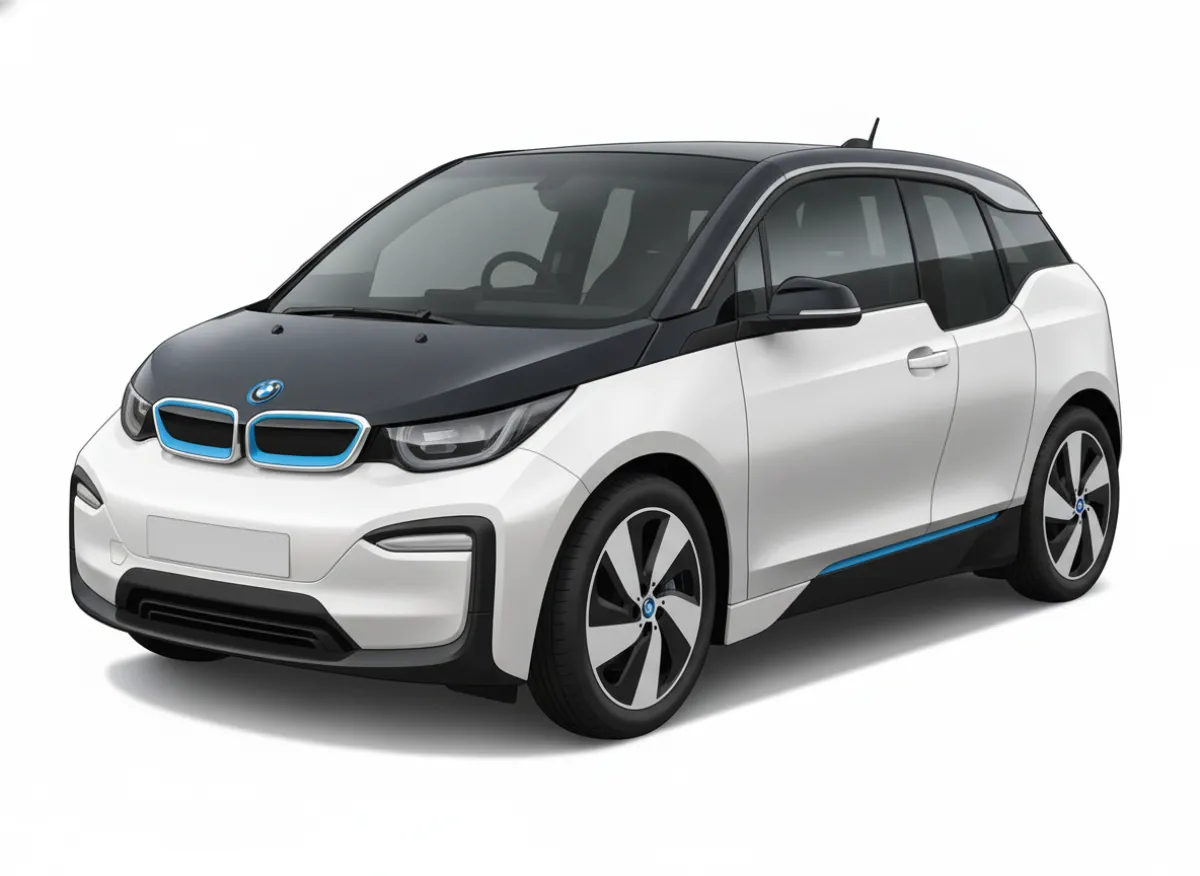
In production
Units built
Origin
Germany
Production
September 2013 – August 2022 (250,000 units)
Class and layout
Supermini/subcompact car (B) · Rear-motor, rear-wheel-drive
Catalog recordWikipedia ↗
A breadth record from Wikipedia. Year-by-year colors, serial ranges and prices are in researched dossiers; this car does not have one yet.
The BMW i3 is a high-roof, five-door, four passenger B-segment hatchback electric car manufactured and marketed by BMW from 2013 to 2022 as BMW's first mass-produced zero emissions vehicle — launched as part of BMW's electric vehicle BMW i sub-brand. Its electric powertrain uses a rear-wheel drive configuration with a single-speed transmission and an underfloor lithium-ion battery pack with an optional range-extending petrol engine. Styled by Richard Kim, the i3 passenger module uses high strength, ultra-lightweight carbon fibre reinforced polymer adhered to an aluminium chassis, battery, drive system and powertrain.
Text from Wikipedia, CC BY-SA 4.0.
Specifications
- Bodies
- 5-door hatchback
- Engines
- 647 cc W20K06U0 I2 range extender
- Gearboxes
- Single speed with fixed ratio
- Platform
- LifeDrive architecture
- Size
- 3,999 × 1,775 × 1,578 mm
- Wheelbase
- 2,570 mm
- Weight
- 1,195 kg
- Battery
- i3 60 Ah: 18.2 kWh (22 gross) lithium-ion, i3 94 Ah: 27.2 kWh (33 gross) lithium-ion, i3 120 Ah: 37.9 kWh (42.2 gross) lithium-ion
- Range
- BEV 60 Ah, 81 mi EPA, 80–100 mi NEDC
- Designers
- Richard Kim
Where it was built
- Germany: Leipzig (BMW Group Plant Leipzig)
Alongside it at BMW
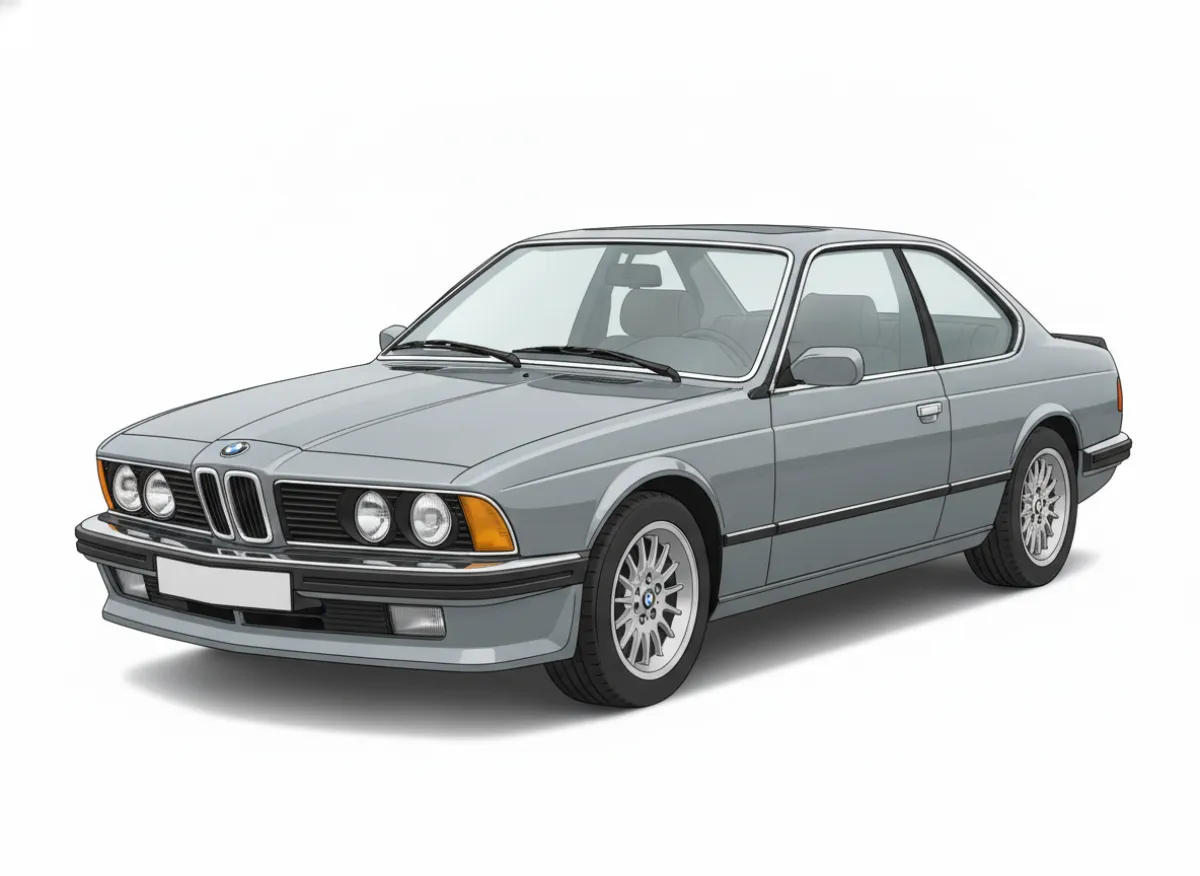
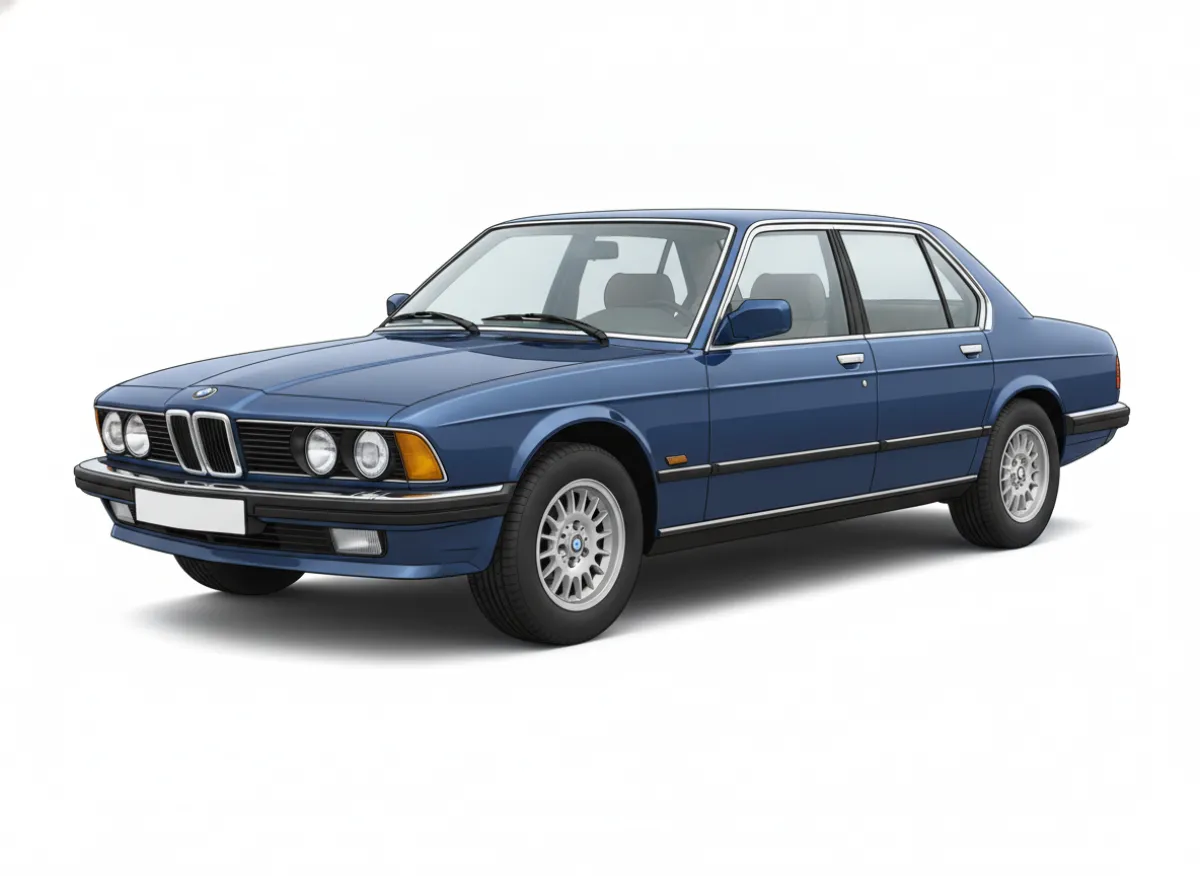
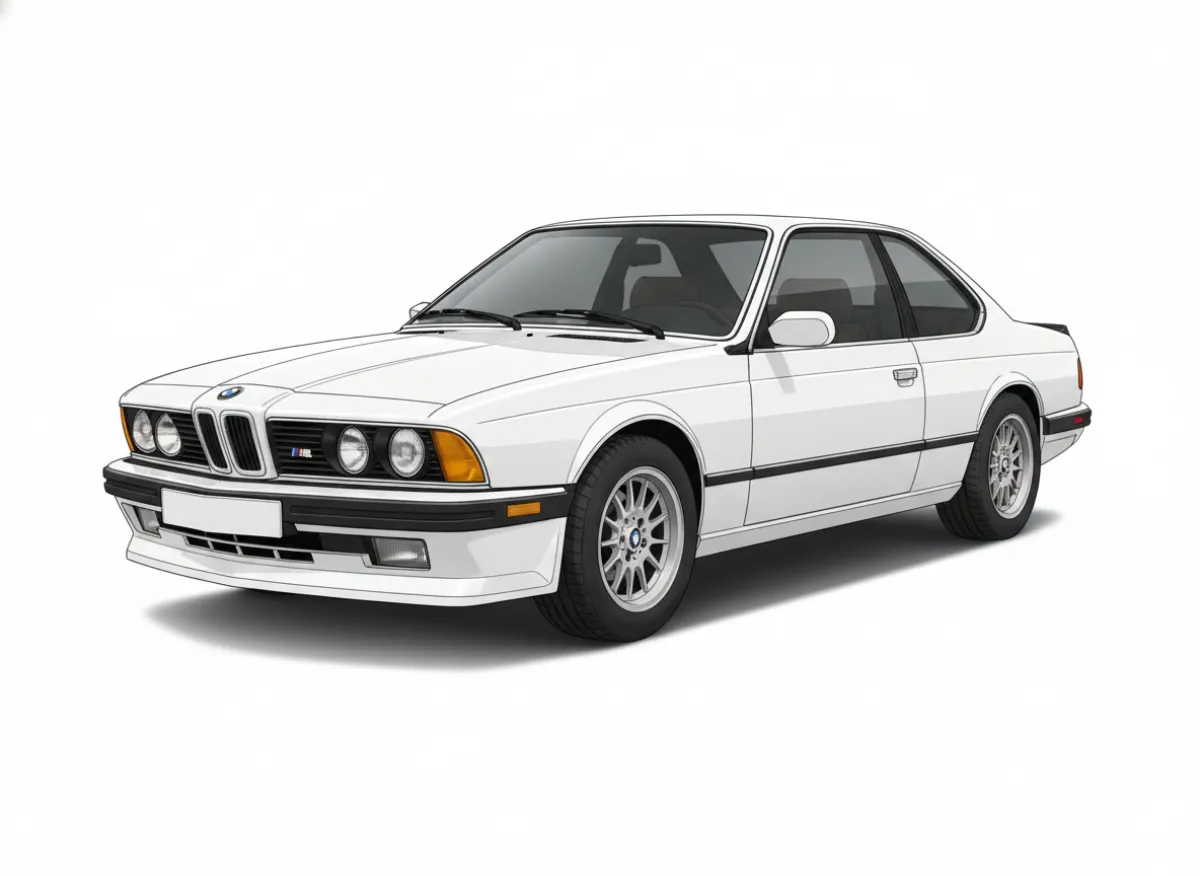
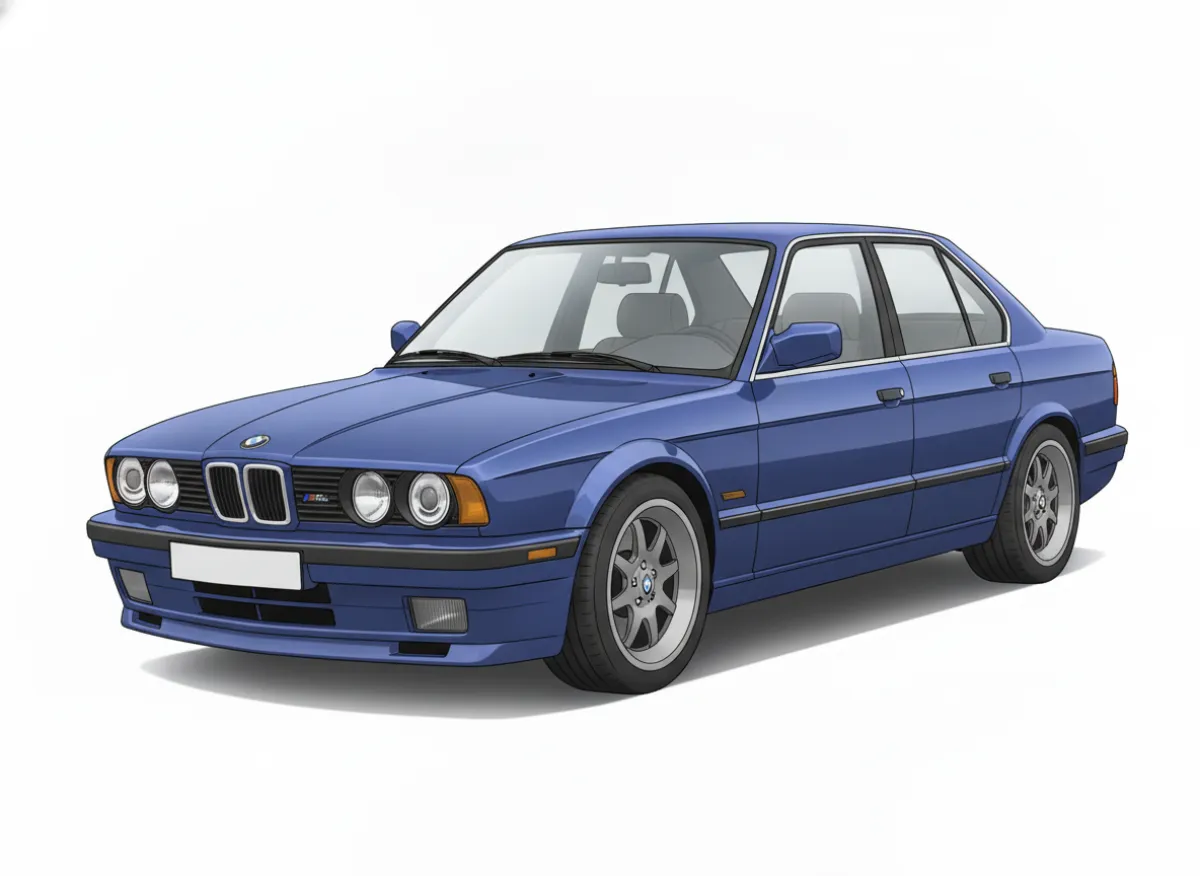
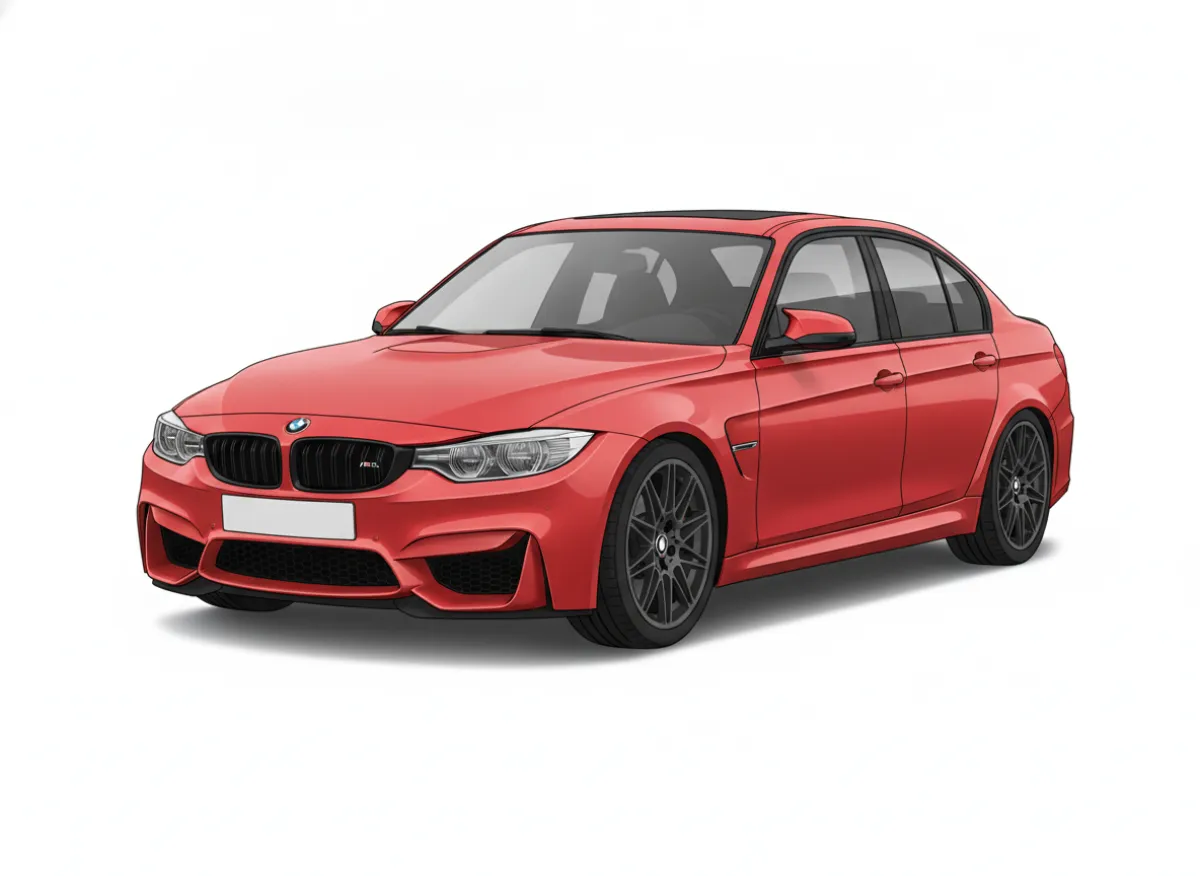
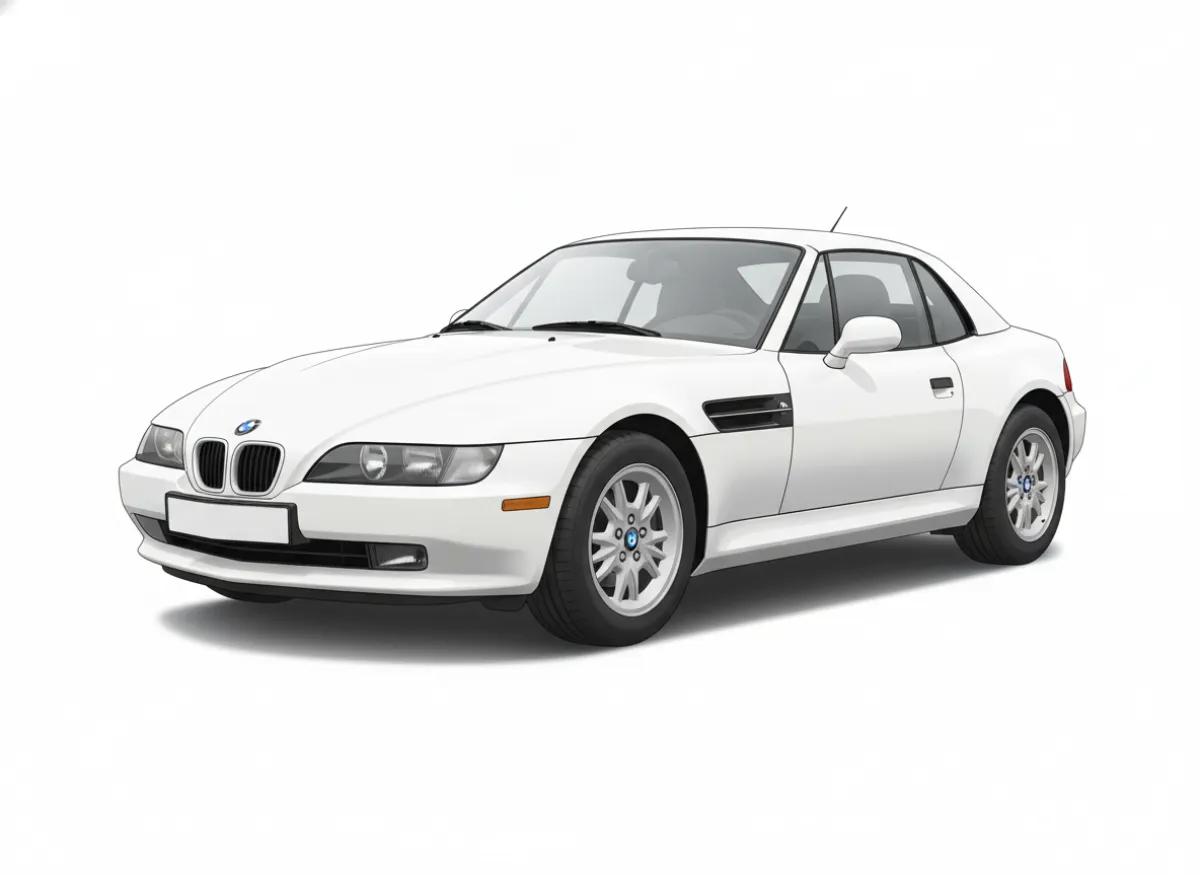
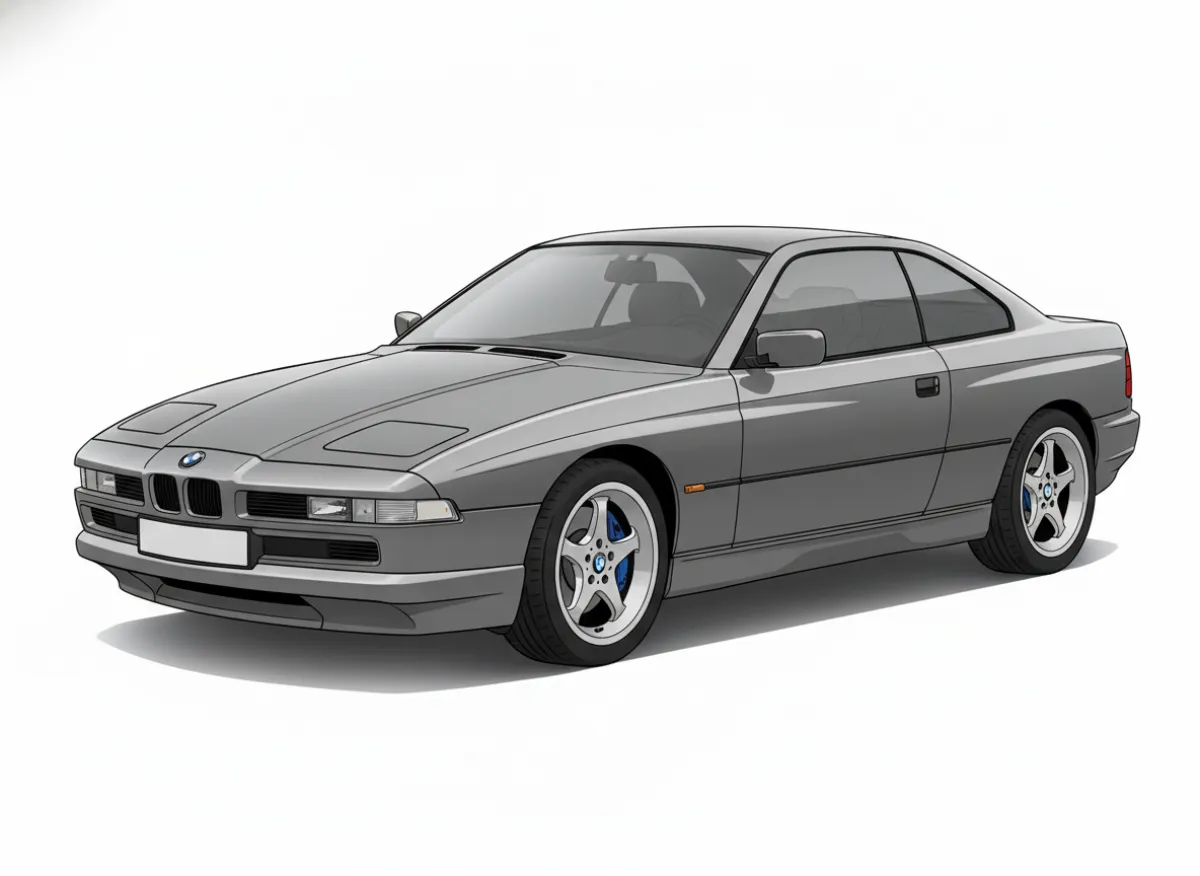
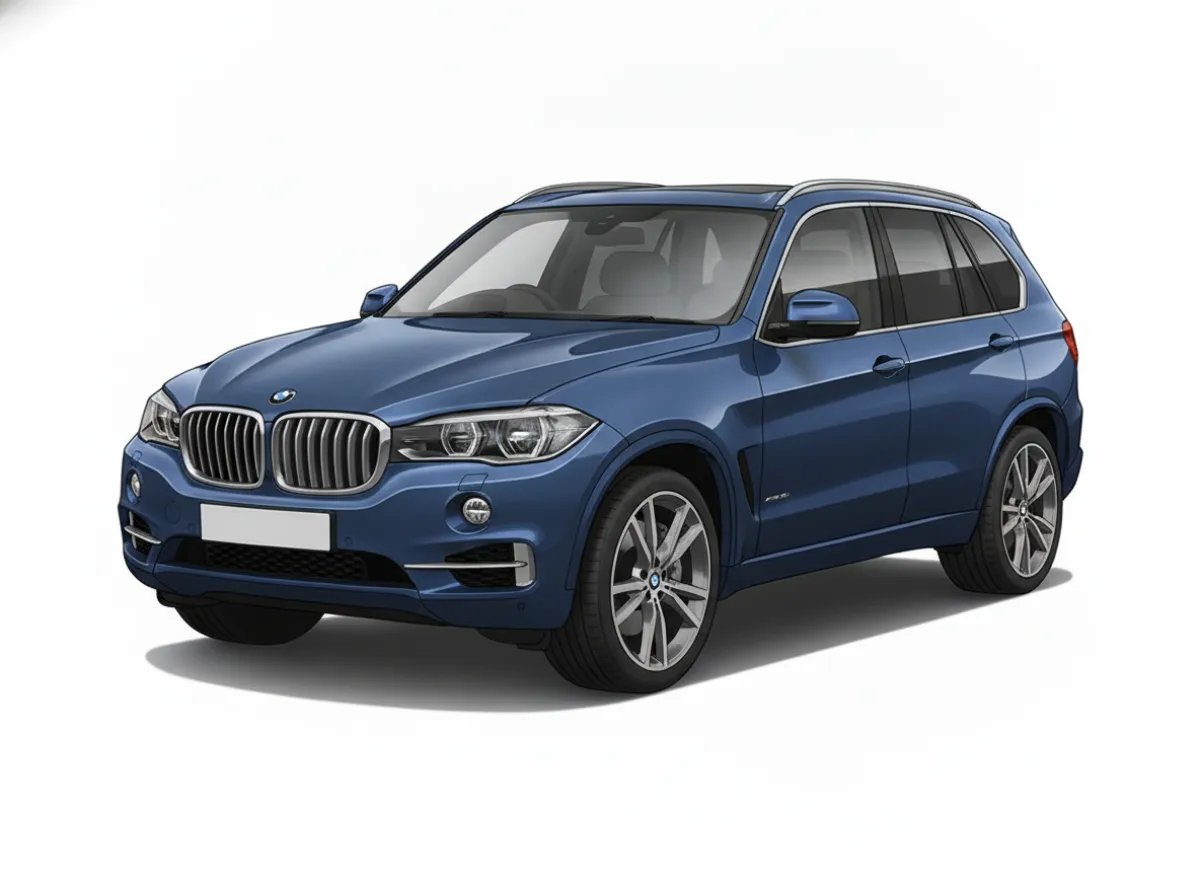
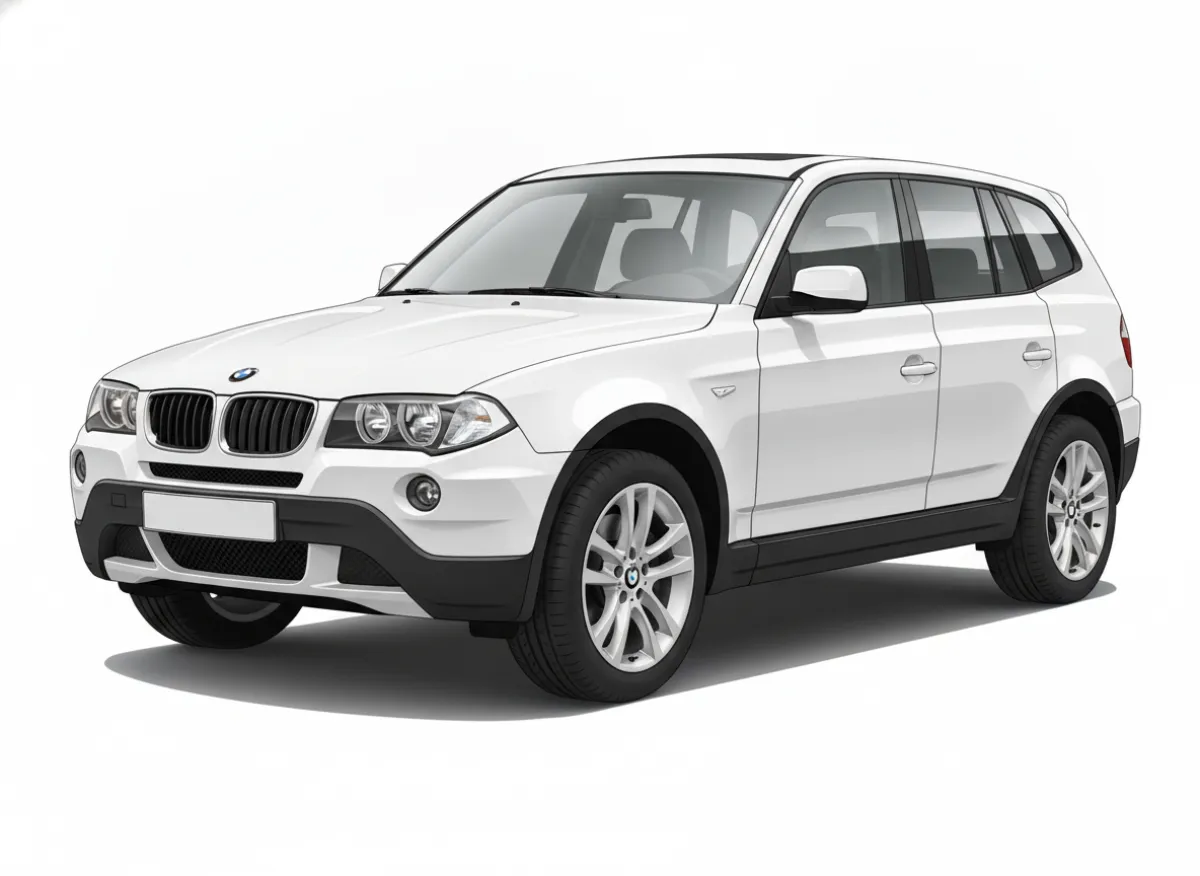
Class: Supermini/subcompact car (B).