Japan · since 1931
Datsun
The 'son of DAT' that carried Nissan's cars into world markets, was dropped for the Nissan name in the 1980s, and came back from 2013 to 2022 as a low-cost brand for emerging markets.
Models on record
Researched dossiers
- Founded
- 1931
- Founders
- Masujiro Hashimoto, Kenjiro Den, Rokuro Aoyama, Meitaro Takeuchi, Yoshisuke Aikawa
- Headquarters
- Yokohama, Japan (Nissan Motor Co., Ltd.)
- Owned by
- Nissan Motor Co., Ltd. (Renault and Nissan with 15% cross-shareholdings)
- Status
- defunct
- Cars on record
- 1932–2022
Marque summary from Wikipedia, CC BY-SA 4.0.
About Datsun
Datsun (UK: , US: ) was a Japanese automobile manufacturer brand owned by Nissan. Datsun's original production run began in 1931. From 1958 to 1986, only vehicles exported by Nissan were identified as Datsun.
Key people Yoshisuke Aikawa (Nissan founder) · Katsuji Kawamata (Nissan president) · Yutaka Katayama (Nissan USA president) · José Román, CEO of new Datsun brand
Parent Nissan
Who owned it
10 changes of control, 1914 to today.
- 1914–1925Kaishinsha Motor Car Works, later Kaishinsha Motor Car Co., Ltd. (Masujiro Hashimoto, backed by Kenjiro Den, Rokuro Aoyama and Meitaro Takeuchi)Owner of the DAT car from which the Datsun name derives. The workshop was founded in 1911; the DAT was completed in 1914; re-formed as Kaishinsha Motor Car Co., Ltd. in 1918.
- 1925–1926DAT Jidosha & Co., Ltd. (DAT Motorcar Co.)Set up by Kaishinsha in 1925 to strengthen sales.
- 1926–1931DAT Jidosha Seizo Co., Ltd. (Osaka)Formed in 1926 by the merger of the DAT business with Jitsuyo Jidosha Co., Ltd. of Osaka. Developed the Datson small car in 1930–31.
- 1931–1933Tobata Casting Co., Ltd. (Tobata Imono; Yoshisuke Aikawa) · 100%Tobata Casting bought DAT Jidosha Seizo in August 1931 and ran it as its automobile section; an Automobile Division was set up in March 1933. Nissan's Aikawa profile says 'purchased'; its corporate timeline says the company 'became affiliated' with Tobata Casting.
- 1933–1934Jidosha Seizo Co., Ltd. (Nihon Sangyo and Tobata Casting) · Nihon Sangyo ¥6 million, Tobata Casting ¥4 million of ¥10 million capitalFounded in Yokohama on 26 December 1933 with Aikawa as president.
- 1934–1999Nissan Motor Co., Ltd. (wholly owned by Nihon Sangyo at the rename; later independent and listed)Renamed Nissan Motor Co., Ltd. in 1934 (shareholders' meeting of 30 May 1934 per Nissan's Aikawa profile; June 1934 per its timeline). Known as Nissan Heavy Industries from September 1944 until the Nissan Motor name was restored in August 1949. Datsun was phased out as a brand by 1986 and stayed a dormant Nissan trademark.
- 1999–2002Nissan Motor Co., Ltd. (Renault–Nissan Alliance; Renault holds 36.8%) · Renault 36.8% of NissanFounding Alliance agreement of 27 March 1999.
- 2002–2010Nissan Motor Co., Ltd. (Renault holds 44.4%; Nissan holds 15% of Renault) · Renault 44.4% of Nissan; Nissan 15% (non-voting) of RenaultRenault raised its stake from 36.8% to 44.4% on 1 March 2002; Nissan took 15% of Renault through capital increases on 29 March and 28 May 2002.
- 2010–2023Nissan Motor Co., Ltd. (Renault holds 43.4%) · Renault 43.4% of Nissan; Nissan 15% of RenaultRenault's stake fell from 44.4% to 43.4% on 6 April 2010 under a share exchange with Daimler. Nissan took a 34% controlling stake in Mitsubishi Motors in October 2016, bringing it into the Alliance. Datsun was revived under this ownership in 2013 and wound down by 2022.
- 2023–nowNissan Motor Co., Ltd. (Renault and Nissan with 15% cross-shareholdings) · Renault 15% of Nissan with voting rights, plus 28.4% placed in a French trust; Nissan 15% of RenaultThe New Alliance Agreement took effect on 8 November 2023: Renault transferred 28.4% of Nissan's shares (out of its 43.4%) into a French trust, where they are voted neutrally. Nissan still owns the Datsun name.
Chief executives
Sales, revenue and rank
Vehicles sold or built
What the figure counts changes 5 times. Read each numbered stretch on its own.
- 1931Datsun (Datson) Model 10 cars produced in the first year on sale; the source says 'approximately 10'
- 1932Datsun Model 11 cars produced; the source says 'approximately 150'
- 1933Annual production at the Osaka works of Tobata Casting's automobile division, the Datsun maker (Nissan Heritage)
- 1934Annual production of Nissan Motor / Jidosha Seizo, after the move to Yokohama (Nissan Heritage)
- 1935–1937Annual production of Nissan Motor, the Datsun maker (Nissan Heritage; JSAE gives the same figure for Datsun production)
- 2014–2020Datsun-brand sales in Russia only (AEB), September to December 2014; Datsun was also launched in India, Indonesia and South Africa that year
Revenue
JPY of the day, not adjusted for inflation
Nissan Motor Co., Ltd., consolidated net sales for fiscal year 2013 (1 April 2013 to 31 March 2014), attached to the calendar year in which it began; parent-company figure covering all brands
Rank among manufacturers
Higher on the chart is a better rank.
world, by motor vehicle production (OICA); Nissan group, all brands
Best-selling model each year
| Year | Model | Units | Market | All vehicles |
|---|---|---|---|---|
| 2021 | redi-GO | 3,935 | India | — |
| 2020 | redi-GO | 6,194 | India | 14,772 |
| 2019 | redi-GO | 11,284 | India | 22,426 |
| 2018 | redi-GO | 22,556 | India | 20,559 |
| 2017 | redi-GO | 27,715 | India | 24,510 |
| 2016 | redi-GO | 20,114 | India | 18,772 |
| 2015 | GO+ | 10,873 | India | 31,697 |
| 2014 | GO | 14,252 | India | 11,414 |
| 1932 | Datsun Model 11 | 150 | Japan | 150 |
| 1931 | Datsun Model 10 | 10 | Japan | 10 |
Sources for these figures (38)
- Nissan's Beginnings (corporate history) — Nissan Motor Co., Ltd.
- Our History: 1930s — Nissan Motor Co., Ltd.
- Our History: 1940s — Nissan Motor Co., Ltd.
- Our History: 1950s — Nissan Motor Co., Ltd.
- Our History: 1960s — Nissan Motor Co., Ltd.
- Our History: 1980s — Nissan Motor Co., Ltd.
- Legend 01: A modern man with insight, Yoshisuke Aikawa — Nissan Motor Co., Ltd. (Nissan Heritage)
- Short story: Birth of Datsun and origin of the brand name — Nissan Motor Co., Ltd. (Nissan Heritage Collection)
- Short story: Kwaishinsha and the DAT — Nissan Motor Co., Ltd. (Nissan Heritage Collection)
- 240 Landmarks of Japanese Automotive Technology: Datsun Model 11 Phaeton (archived) — Society of Automotive Engineers of Japan
- Nissan History: The Path from Datsun's Inception to Today — Nissan North America
- Nissan U.S.A. press release on the Z-car's first decade, with US retail volume 1970–1979 (archived on zhome.com) — Nissan Motor Corporation in U.S.A.
- Datsun is Back with All-New Datsun GO for the New Risers — Nissan Motor Co., Ltd. (press release)
- Integrated Report 2024: 11-Year Financial Summary (FY2013–FY2023) — Nissan Motor Co., Ltd.
- Renault Group and Nissan announce the completion of their agreements framing the foundations of the new chapter of the Alliance — Nissan Motor Co., Ltd. (press release, 8 November 2023)
- 2020 Universal Registration Document: Renault–Nissan Alliance shareholding history — Groupe Renault
- World Motor Vehicle Production: World Ranking of Manufacturers, Year 2013 (archived) — OICA
- World Motor Vehicle Production: World Ranking of Manufacturers, Year 2014 (archived) — OICA
- World Motor Vehicle Production: World Ranking of Manufacturers, Year 2015 (archived) — OICA
- World Motor Vehicle Production: World Ranking of Manufacturers, Years 2015–2016 (archived) — OICA
- World Motor Vehicle Production: World Ranking of Manufacturers, Years 2016–2017 (archived) — OICA
- Sales of new passenger cars and LCVs in Russia, December 2014 — Association of European Businesses, Automobile Manufacturers Committee
- Sales of new passenger cars and LCVs in Russia, December 2015 — Association of European Businesses, Automobile Manufacturers Committee
- Sales of new passenger cars and LCVs in Russia, December 2016 — Association of European Businesses, Automobile Manufacturers Committee
- Sales of new passenger cars and LCVs in Russia, December 2017 — Association of European Businesses, Automobile Manufacturers Committee
- Sales of new passenger cars and LCVs in Russia, December 2018 — Association of European Businesses, Automobile Manufacturers Committee
- Продажи новых легковых и легких коммерческих автомобилей в России, декабрь 2019 (sales in Russia, December 2019) — Association of European Businesses, Automobile Manufacturers Committee
- Sales of new passenger cars and LCVs in Russia, December 2021 — Association of European Businesses, Automobile Manufacturers Committee
- Datsun покидает РФ (Datsun leaves Russia), 28 May 2020 — Kolesa.ru
- Datsun India Model Sales: 2014–2021 — RayCee, 'all about cars' blog
- Datsun on run-out as departure from South Africa is confirmed (16 May 2022) — The Citizen (South Africa)
- Datsun Is Officially Dead For The Second Time Around (22 April 2022) — Carscoops
- Nissan CEO Hiroto Saikawa resigns, Yasuhiro Yamauchi appointed interim head — Autocar Professional
- Datsun — Wikipedia
- Nissan (history and list of presidents and CEOs) — Wikipedia
- Renault–Nissan–Mitsubishi Alliance — Wikipedia
- Carlos Ghosn — Wikipedia
- Makoto Uchida — Wikipedia
- Founding year: the marque is dated to 1931, the year the 'Datson' small car was first built; the DAT car from which the name derives dates from 1914 and the Kaishinsha workshop from 1911. Founders lists the DAT line (Hashimoto and his three backers) and Aikawa, whose company owned DAT Jidosha Seizo when the Datsun name was adopted; the Datson's own designers are not named in the sources consulted.
- Takeuchi's given name: Nissan's corporate history page spells it 'Aketaro'; Nissan's Aikawa profile, its Heritage Collection story and Wikipedia give 'Meitaro'. Meitaro is used.
- Date of the Datsun name: Nissan's heritage pages give 1932 (when the car went on sale in March 1932); Wikipedia's Datsun article gives 1933 in its body text and ties it to the 1934 Nissan takeover in its lead. Nissan's 1932 is used. Nissan's pages also differ on when the Datson was first built (1930 in the Aikawa profile and 1930s timeline, summer 1931 for the first prototype in the Heritage Collection story).
- Tobata Casting's 1931 role: Nissan's Aikawa profile says Tobata Imono 'purchased' DAT Jidosha Seizo in August 1931; Nissan's corporate timeline says it 'became affiliated'. Ownership is recorded as a purchase (100%) following the more detailed profile.
- Renault's stake: the brief for this file mentioned 44.4%. Renault's 2020 Universal Registration Document confirms 36.8% (27 March 1999), 44.4% from 1 March 2002 and 43.4% from 6 April 2010 after the Daimler share exchange; Wikipedia's Nissan and Alliance articles give only 43.4% for 2001/2002. Nissan's 8 November 2023 release confirms 28.4% (of 43.4%) moved to a French trust and 15% cross-holdings. Later reductions of the trust holding (2024–2025) and the March 2025 agreement allowing cross-holdings down to 10% are outside Datsun's life and were not verified in a primary source.
- Mitsubishi: Wikipedia gives May 2016 for the agreement and October 2016 for completion of Nissan's 34% stake; this was not checked against a Nissan release.
- Leaders 1931–1957 and the later Nissan presidents come from Wikipedia's list; only Aikawa (Nissan Heritage), Ghosn, Saikawa, Yamauchi and Uchida were checked against a second source. The leadership of DAT Jidosha Seizo between 1926 and 1931 was not documented. Ghosn's exact title changes (chairman from 2008) were not verified.
- Annual units, 1931–1937: 1931 and 1932 are JSAE's approximate Datsun production figures; 1933–1937 are total annual production figures from Nissan's Aikawa profile, which does not separate Datsuns from other products. Wikipedia (citing a 1974 magazine article) gives 8,593 Datsuns built in 1937, against Nissan's 10,227 for all output that year; the Nissan figure is used and the difference is probably the Nissan-badged trucks, buses and cars introduced in June 1937.
- Annual units, 1938–1986: no year-by-year production or sales series for Datsun or for Nissan before the revival was found online. Nissan's heritage timeline gives only cumulative milestones (exports passed 1 million in 1969 and 10 million in 1980; cumulative production passed 20 million in 1977 and 30 million in 1981). The USITC report 'Automotive Trade Statistics 1964–78', which has US Datsun figures, could not be downloaded (403 from usitc.gov, truncated Wayback copy). These years are therefore absent rather than estimated.
- US figures not used as annual units: Nissan U.S.A.'s Z-car release gives US retail volume of the Z alone: 9,977 (1970), 26,733 (1971), 46,537 (1972), 52,556 (1973), 45,160 (1974), 50,213 (1975), 54,838 (1976), 69,516 (1977), 64,459 (1978), 71,983 (1979). They are cited in the history text but not entered as bestSeller, because no source says the Z was Datsun's best-selling model in the US in those years.
- Revival units: no worldwide Datsun-only sales series was found. unitsSold for 2014–2020 is Datsun sales in Russia only, from the AEB's December releases (2019 from the Russian-language release; 2020 from the prior-year column of the December 2021 release, since the December 2020 release was not found). AEB revised 2015 from 31,697 to 32,008 in its 2016 release; the first-published figure is used. Russia had no Datsun sales in 2021. Nissan's own monthly sales PDFs break out Datsun only for its 'Europe' region (on-DO and mi-DO: 23,478 in FY2017 and 21,037 in FY2016, April–March).
- Other revival markets, not entered as unitsSold because they are different scopes: India calendar-year Datsun sales per RayCee's blog (source of its data not stated): 14,501 (2014), 19,378 (2015), 38,014 (2016), 40,443 (2017), 34,375 (2018), 16,670 (2019), 7,175 (2020), 4,296 (2021). South Africa: 2,732 in 2021 (The Citizen). Indonesia: search snippets gave 20,520 (2014) and 10,484 (2017, GAIKINDO) but the pages were not opened, so they are not used. No 2022 Datsun sales figure was found for any market.
- bestSeller 2014–2021 is the best-selling Datsun model in India from RayCee's table (GO in 2014, GO+ in 2015, redi-GO from 2016), not a worldwide ranking. In Russia the on-DO was Datsun's best seller in the years documented by AEB: 11,414 in 2014 (the only Datsun model there), 23,643 in 2015, 14,565 in 2016 and 19,712 in 2017; 2018–2020 on-DO annual figures were not in AEB's top-25 tables.
- Revenue: Nissan Motor consolidated net sales for fiscal years 2013–2022 from Nissan's Integrated Report 2024 11-year summary, entered against the calendar year in which each fiscal year began. It is the parent company's figure for all brands, not Datsun's. No revenue is given for 1931–1986: Nissan financial statements for those years were not found online.
- Rank: OICA's world manufacturer ranking places the Nissan group 6th by motor vehicle production in each year 2013–2017 (4,950,924 in 2013; 5,097,772 in 2014; 5,170,074 in 2015; 5,556,241 in 2016; 5,769,277 in 2017). OICA counts the Nissan group (all its brands), not Datsun. OICA stopped publishing the ranking after 2017.
- Dates of the phase-out differ by market and source: Nissan's heritage timeline gives July 1981 for the decision to adopt a unified Nissan brand overseas; Wikipedia (citing Aaker, 1991) says the US announcement came in autumn 1981 and the US campaign ran 1982–1984; Britain dropped Datsun by the end of 1984; Wikipedia says the brand was phased out in March 1986, and its Nissan article says the name was dropped entirely in 1985. The US$500 million cost figure comes from Wikipedia citing Aaker and was not checked against the book.
- Shutdown dates: Wikipedia (citing Nikkei Asia and Kompas) says Nissan announced in November 2019 that Indonesian and Russian Datsun production would end in 2020; Kolesa.ru (28 May 2020) reports AvtoVAZ production ending in December 2020 with deliveries to March 2021. Carscoops (April 2022) reports Indian production ending at Chennai, the last Datsun plant. A specific date for the end of South African sales was not found beyond the May 2022 run-out confirmation.
Researched dossiers
Every model
Models in production each year
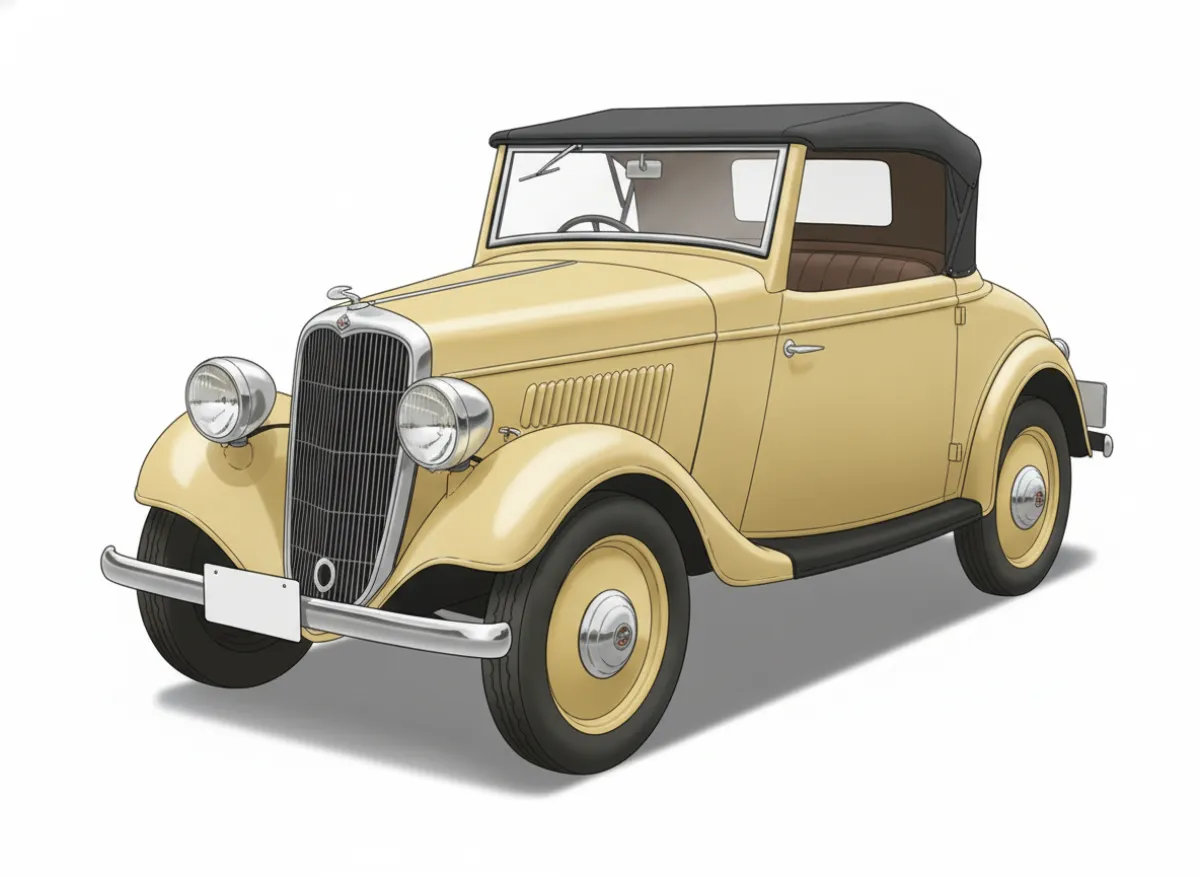
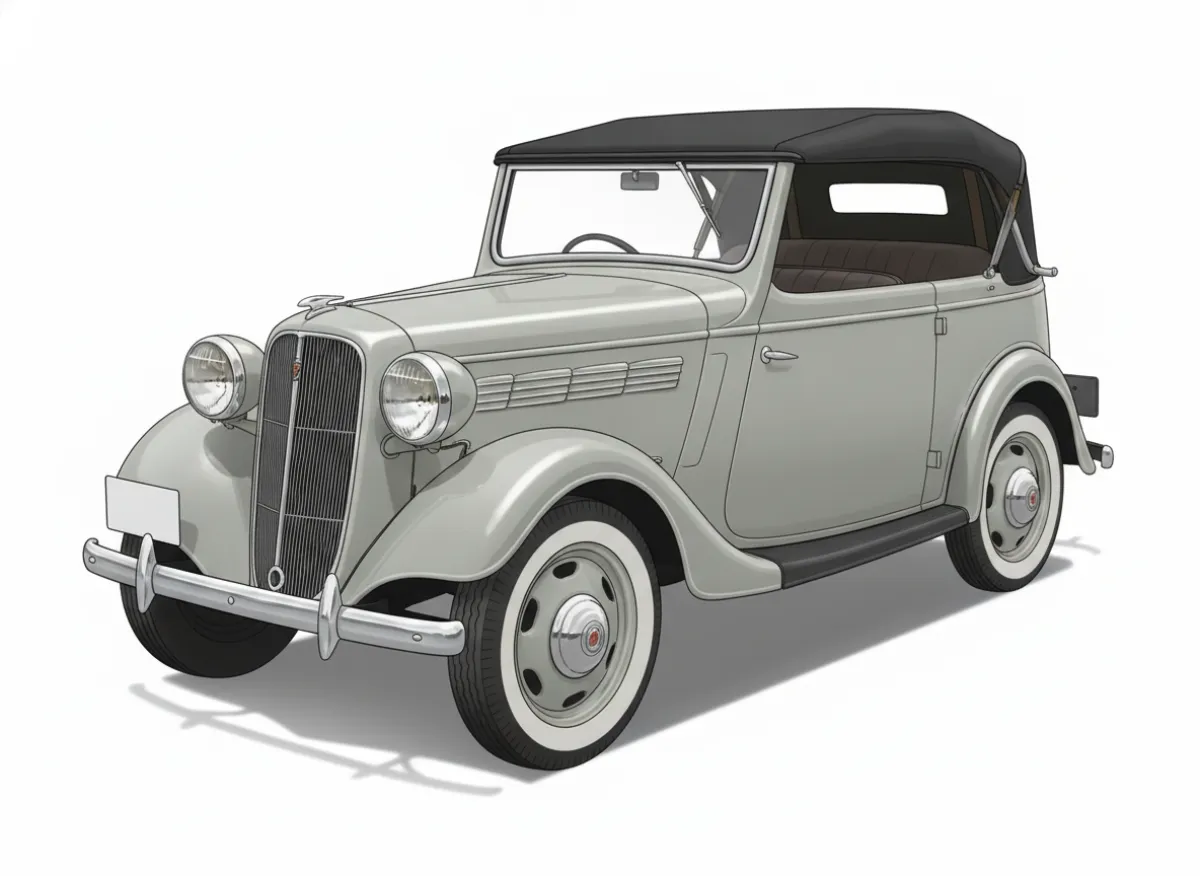
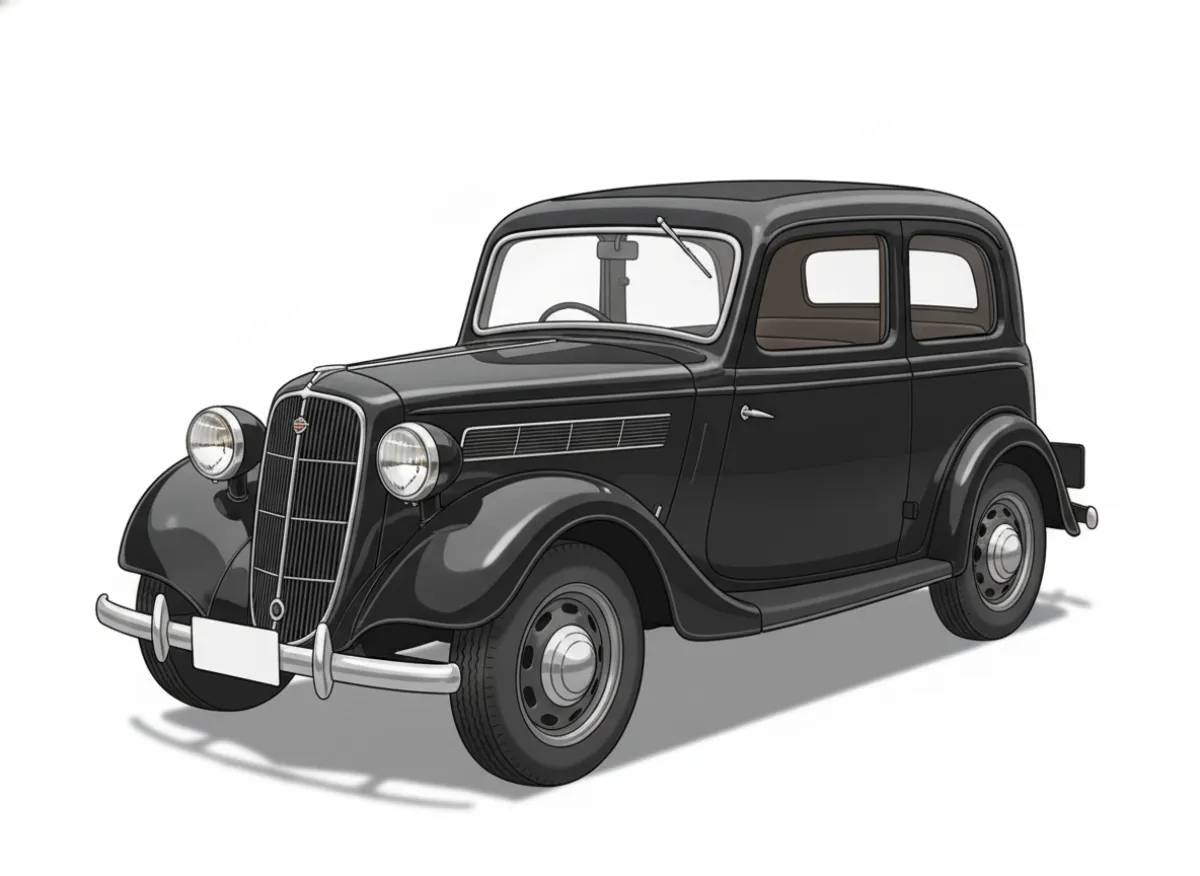
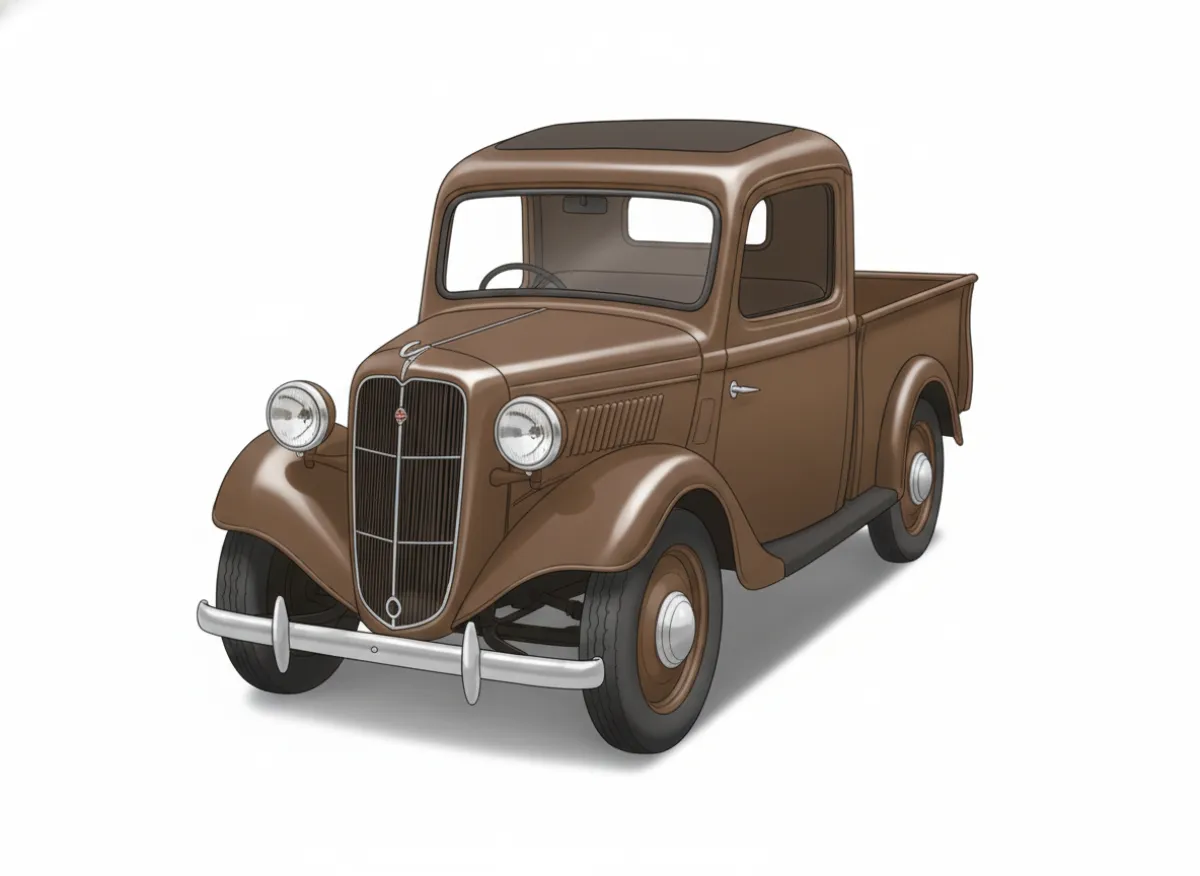
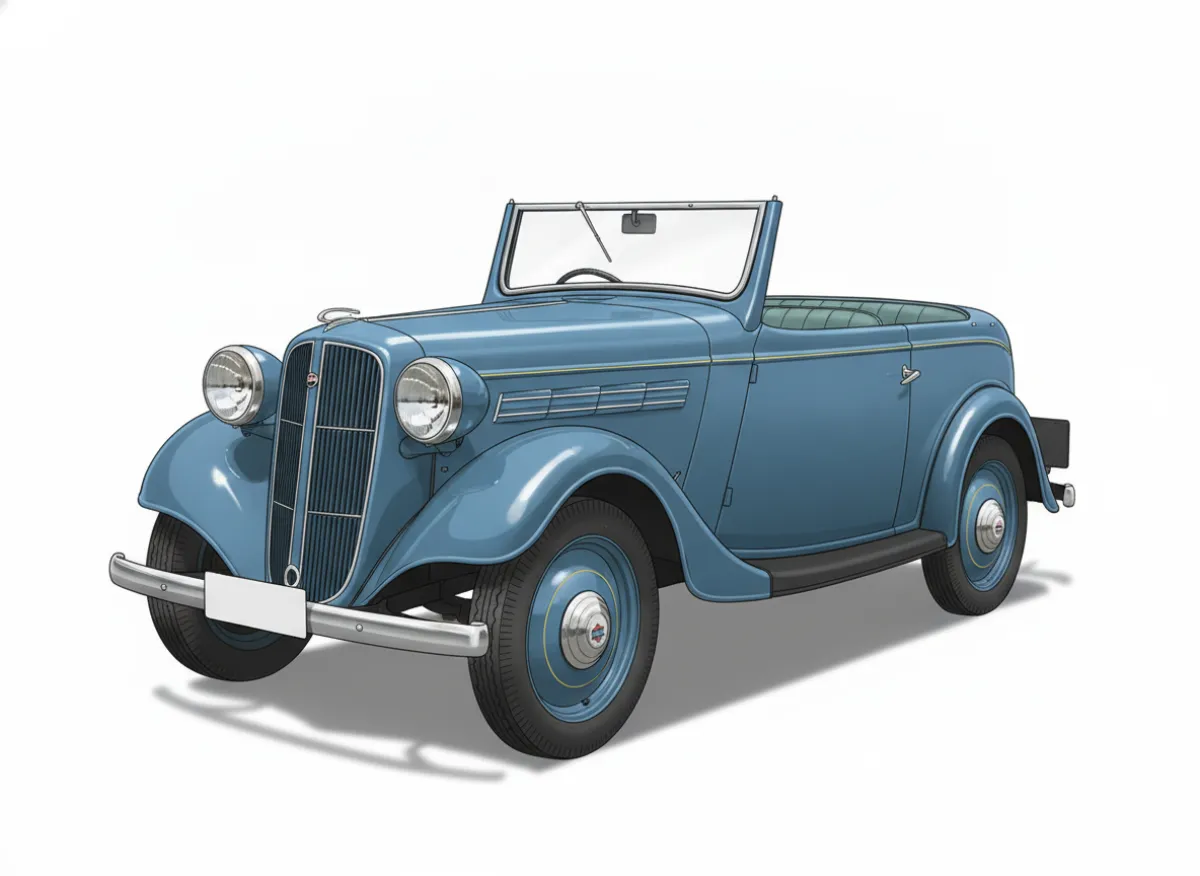
1930s
10 launched
1940s
2 launched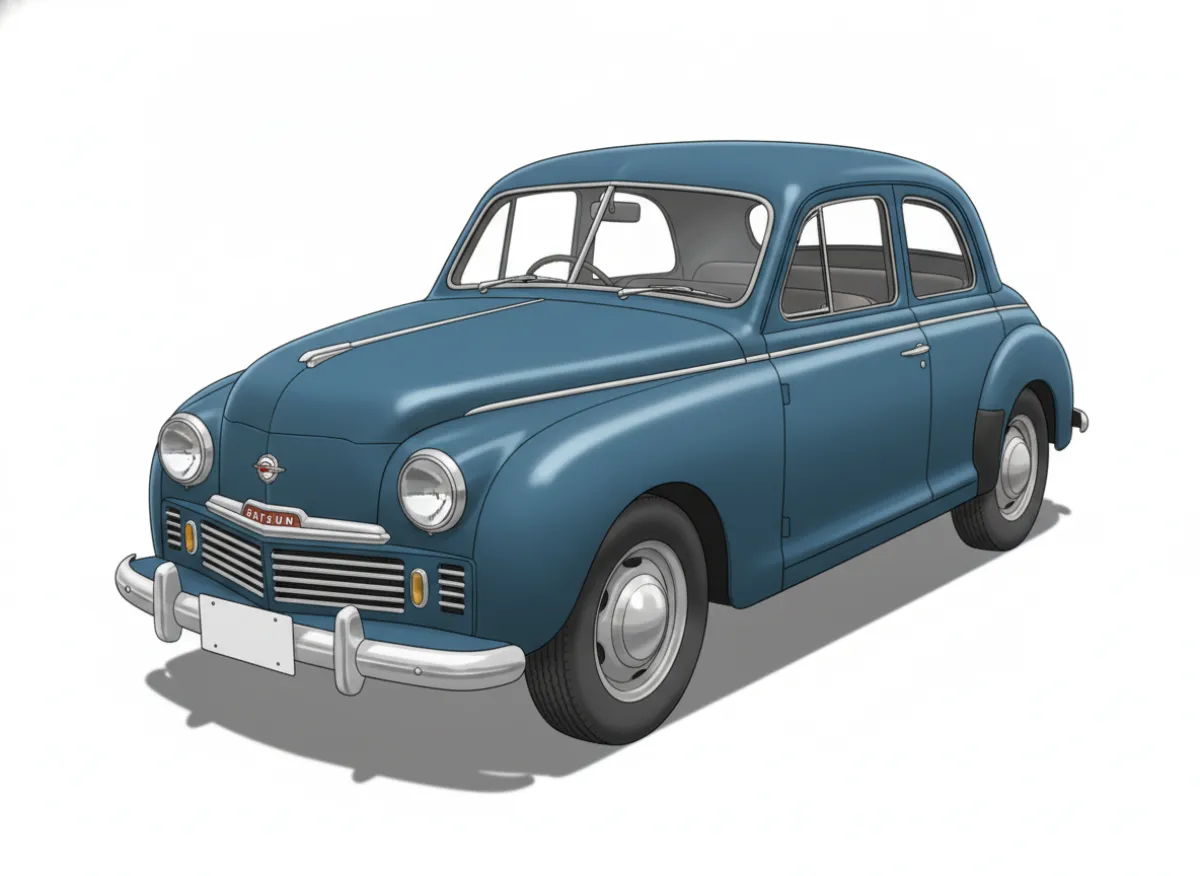
1950s
3 launched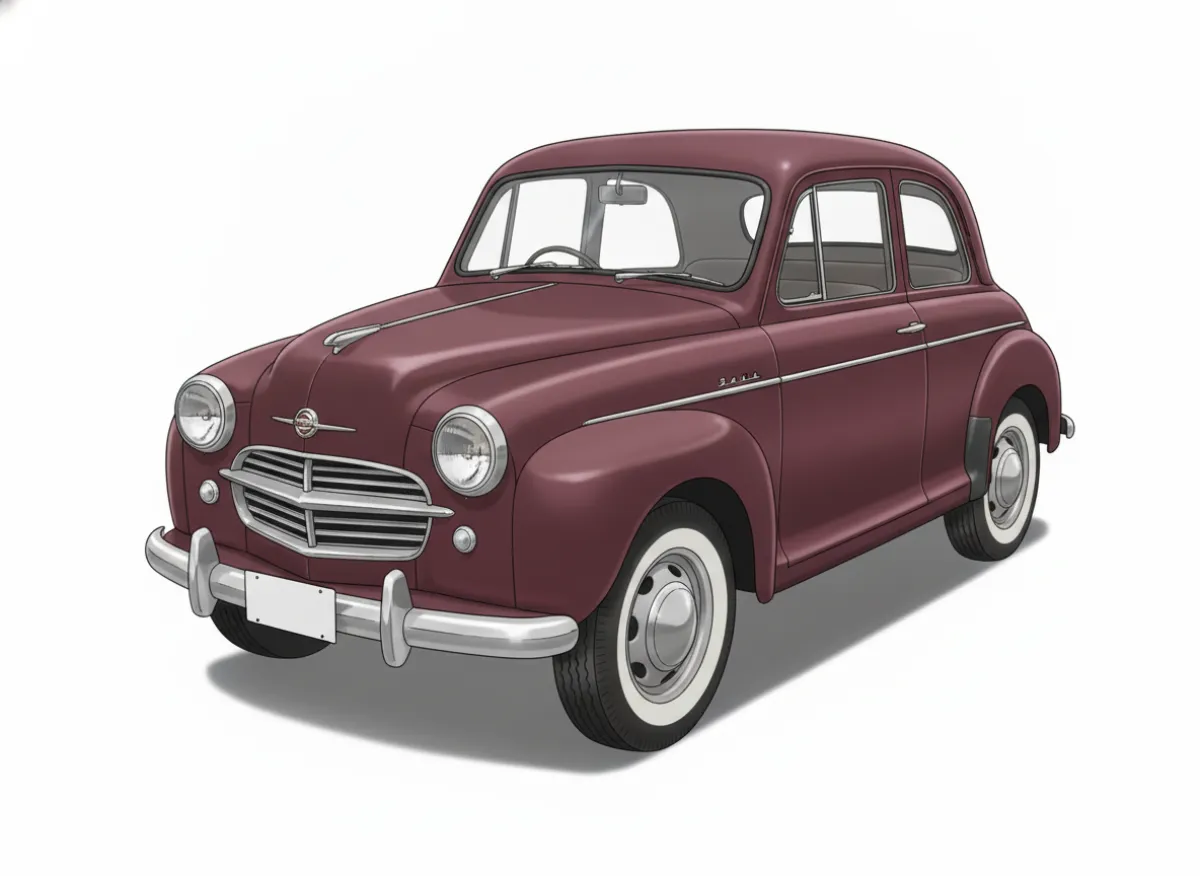
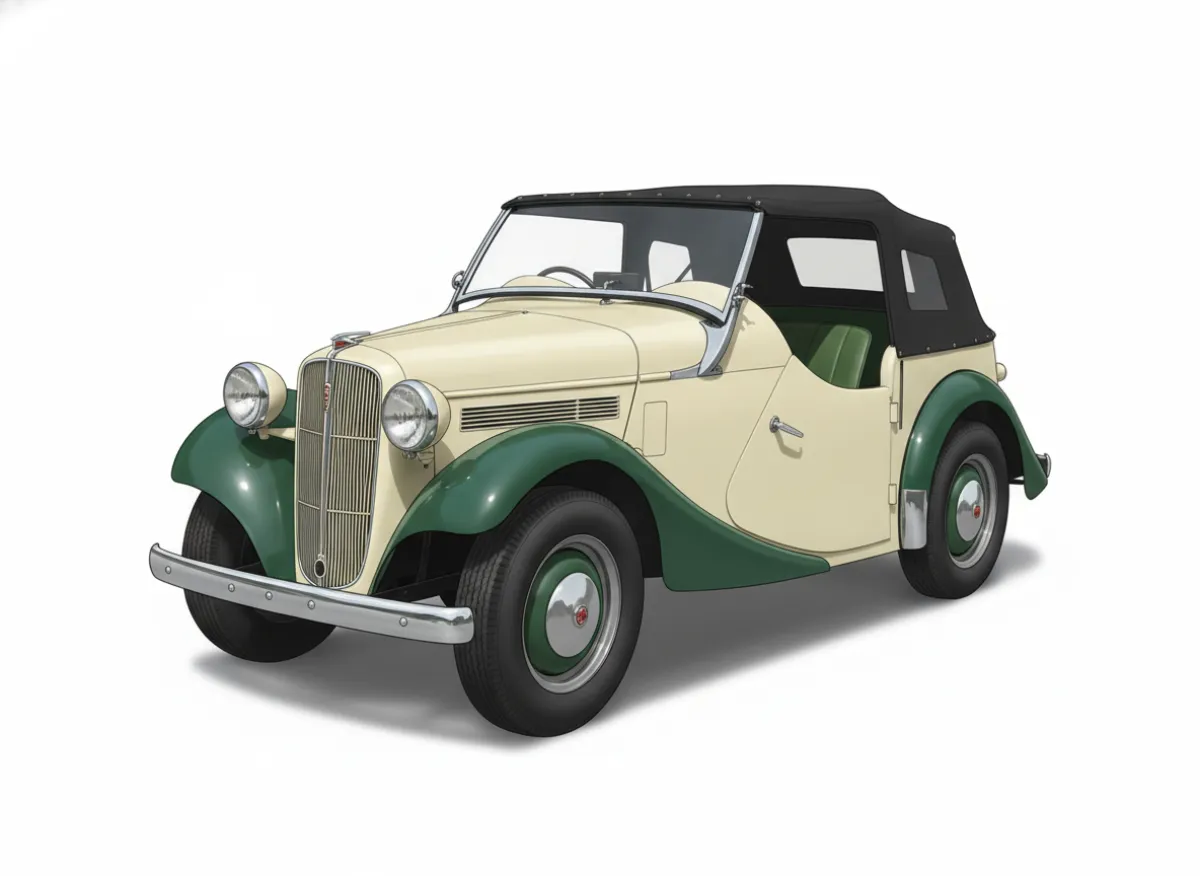
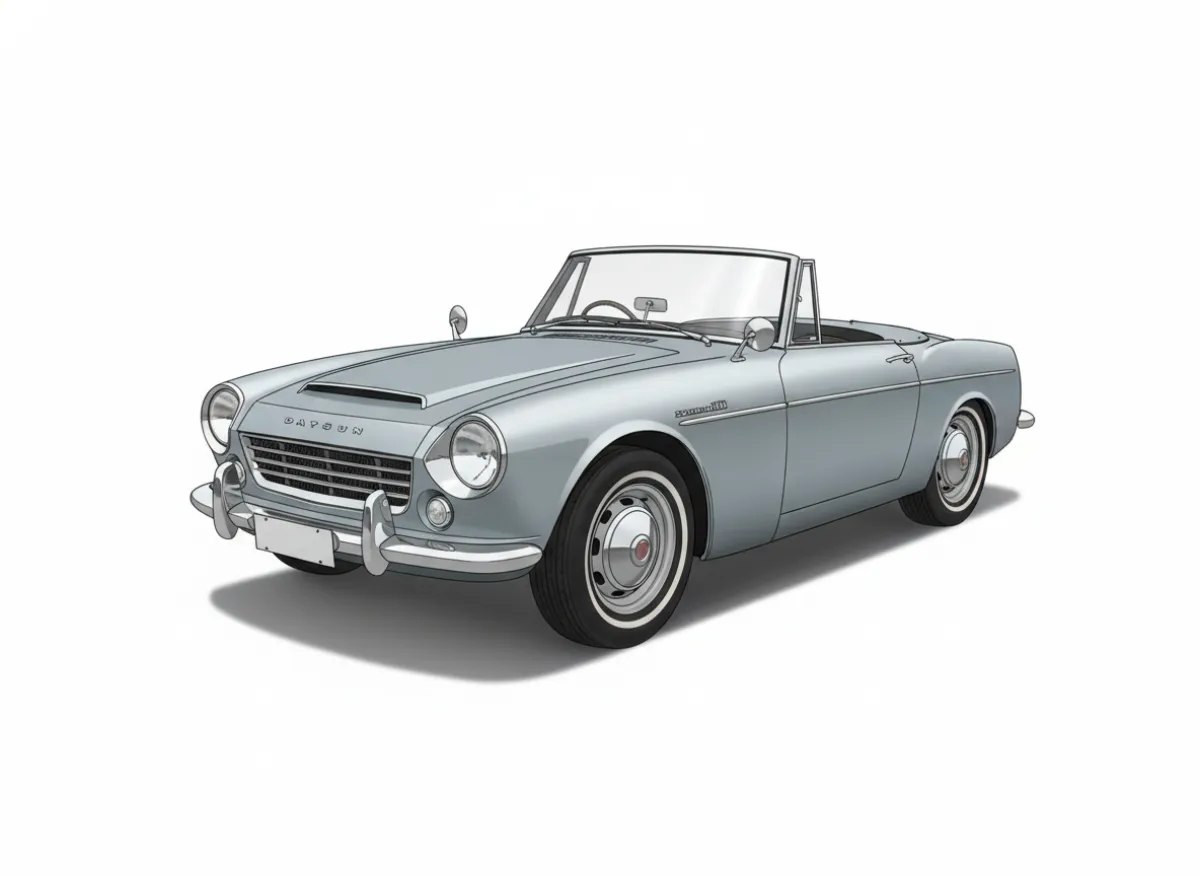
1960s
1 launched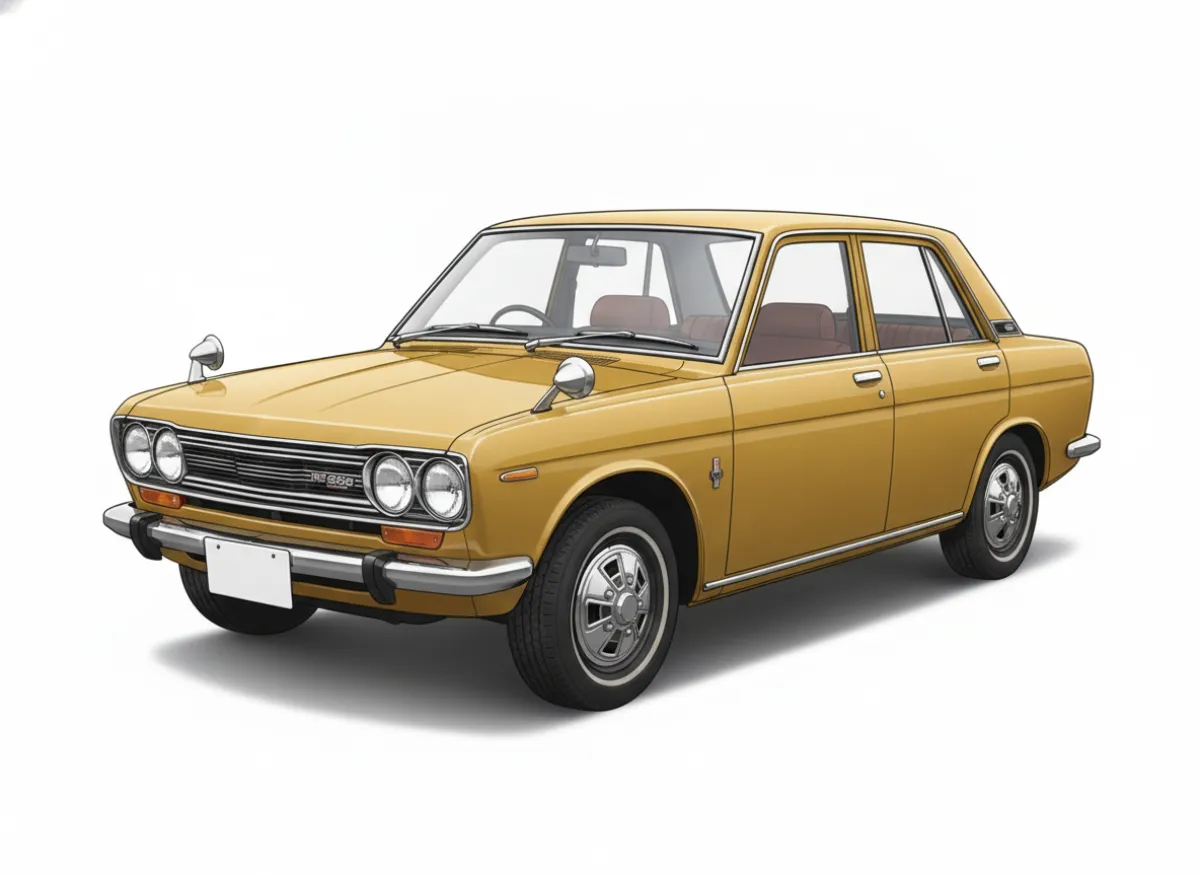
1970s
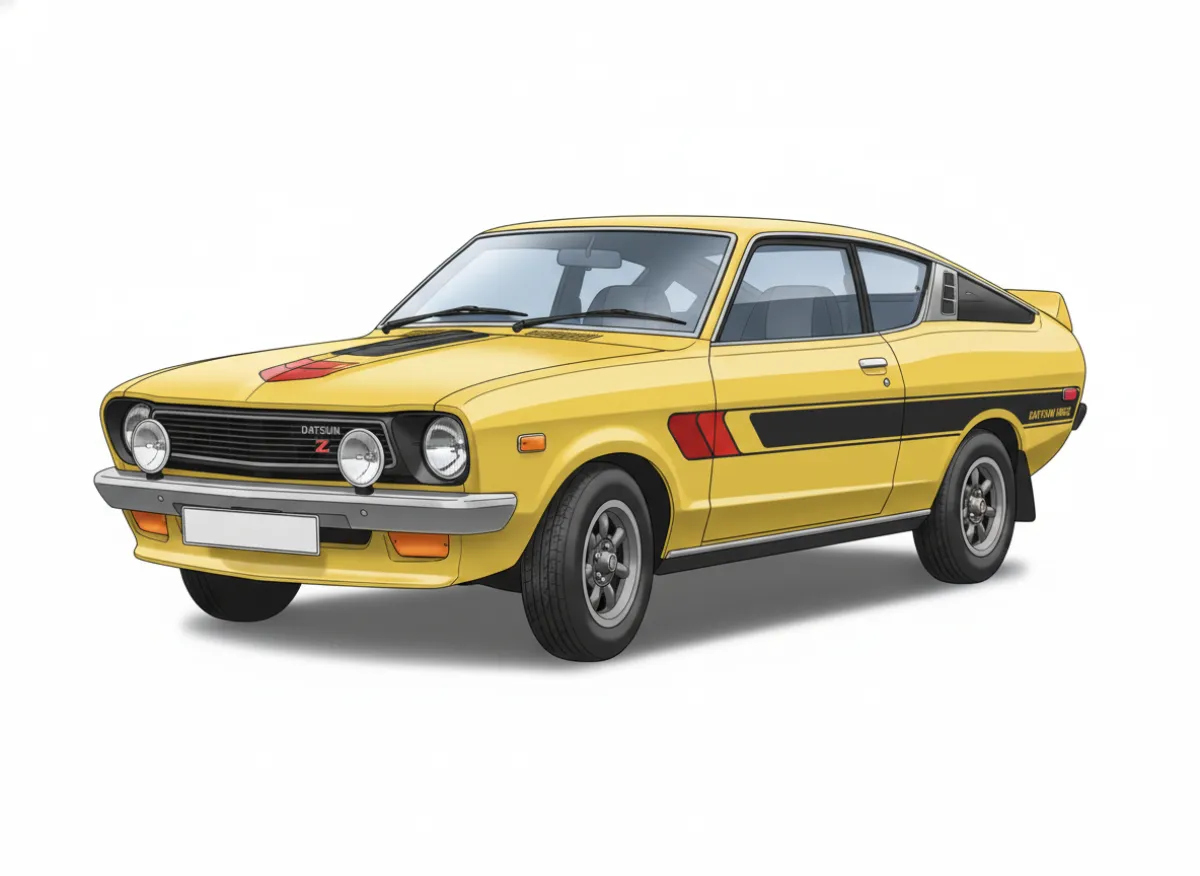
2 launched
2010s
4 launched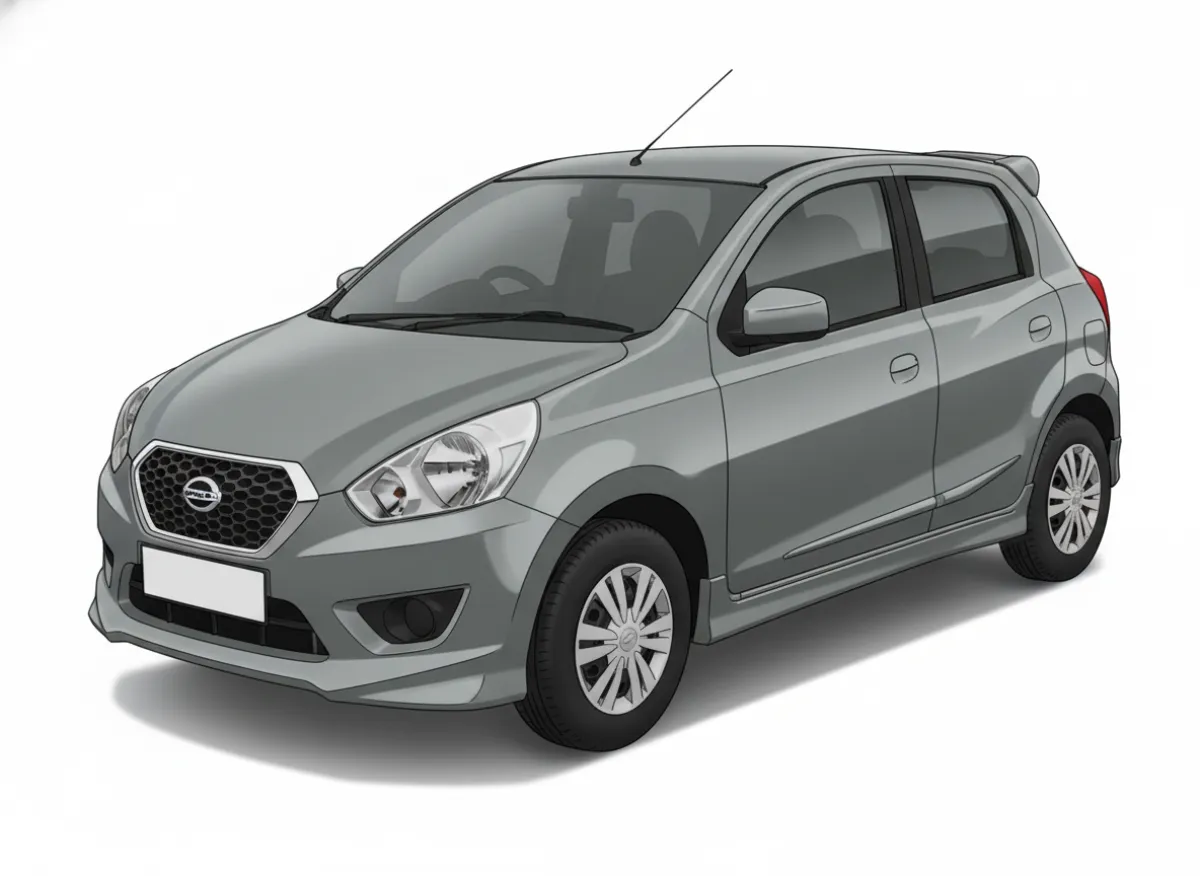
History
1911–1925
Kaishinsha and the DAT car
The name goes back to a small Tokyo workshop. Masujiro Hashimoto, who had trained in the United States, set up the Kwaishinsha (Kaishinsha) Motor Car Works in the Hiroo district in 1911 with a handful of employees. In March 1914 it finished a small open car with a two-cylinder, 10 ps engine and a top speed of about 32 km/h, shown at the Taisho Exposition in Tokyo that year. Hashimoto called it the DAT, from the initials of the three men who had put money into the business: Kenjiro Den, Rokuro Aoyama and Meitaro Takeuchi.
There was almost no private market for cars in Japan, and from 1918 the company, re-formed as Kaishinsha Motor Car Co., Ltd., lived mainly on trucks for the army while it kept working on passenger cars. A four-cylinder DAT Model 41 followed in 1919. In 1925 Kaishinsha set up DAT Jidosha & Co., Ltd. to strengthen its sales.
1926–1932
DAT Jidosha Seizo and the son of DAT
In 1926 the DAT business merged with Jitsuyo Jidosha of Osaka, a maker founded in 1919 around the three-wheelers of the American engineer William R. Gorham, to form DAT Jidosha Seizo Co., Ltd. When a 1930 ordinance let small cars of up to 500 cc be driven without a licence, the company developed a 495 cc car smaller than the DAT and called it the Datson, the son of DAT. A Datson made a trouble-free run from Osaka to Tokyo, and Nissan dates the first prototype to the summer of 1931.
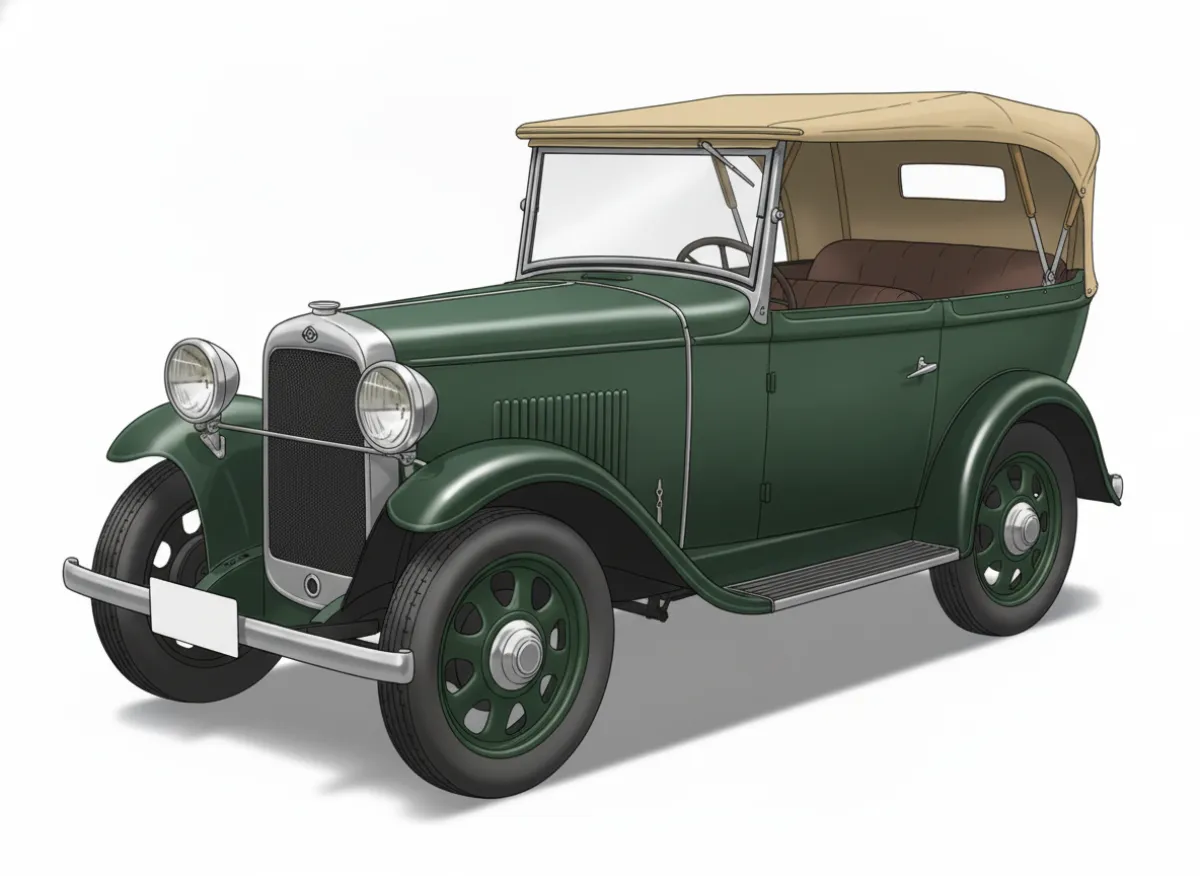
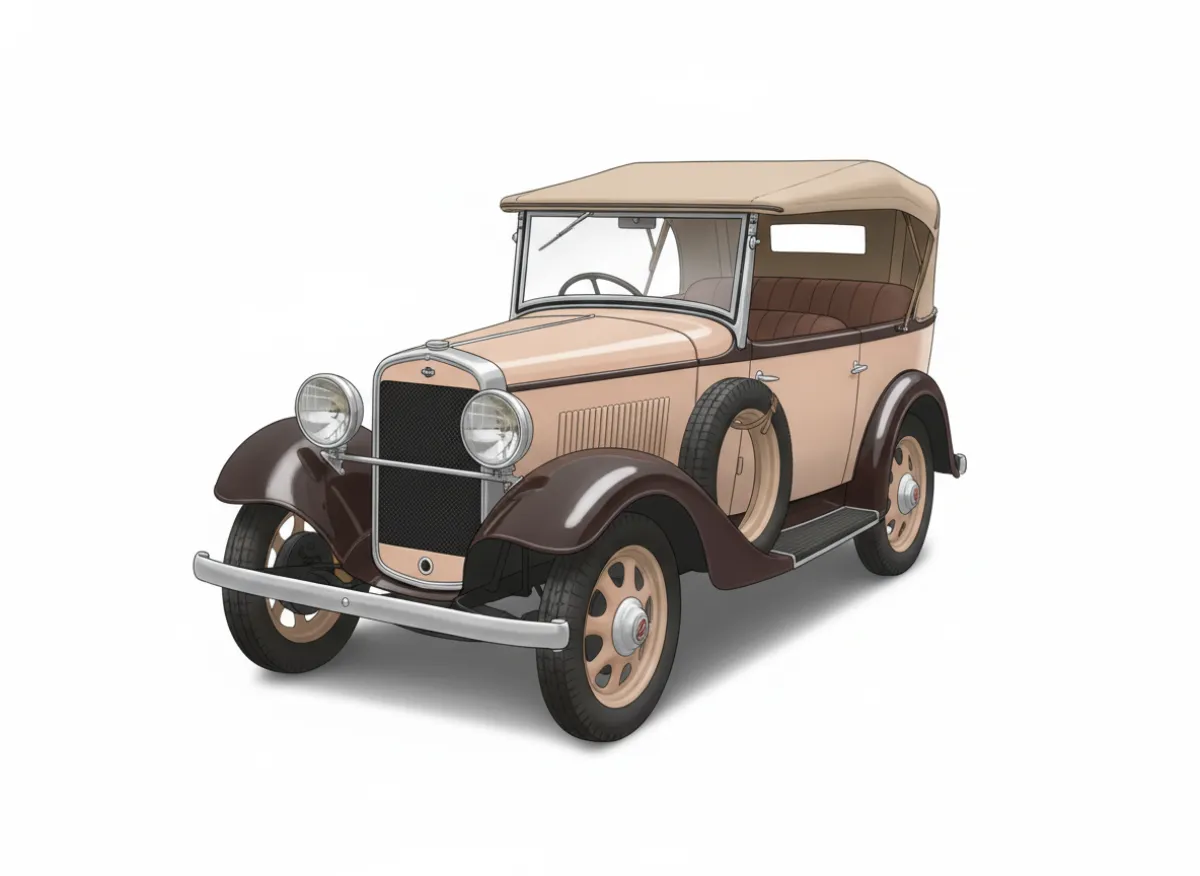
Building and selling the car needed more money than DAT Jidosha Seizo's owners wanted to spend. In August 1931 Tobata Casting (Tobata Imono), the foundry company headed by Yoshisuke Aikawa, bought it and made it Tobata's automobile section. Because 'son' can be read in Japanese as a word for loss, the name was changed to Datsun, with 'sun' for the rising sun, when the car went on sale in 1932. The Society of Automotive Engineers of Japan puts output at roughly ten Model 10s in the first year and about 150 Model 11s in 1932.
1933–1945
Aikawa, Jidosha Seizo and Nissan Motor
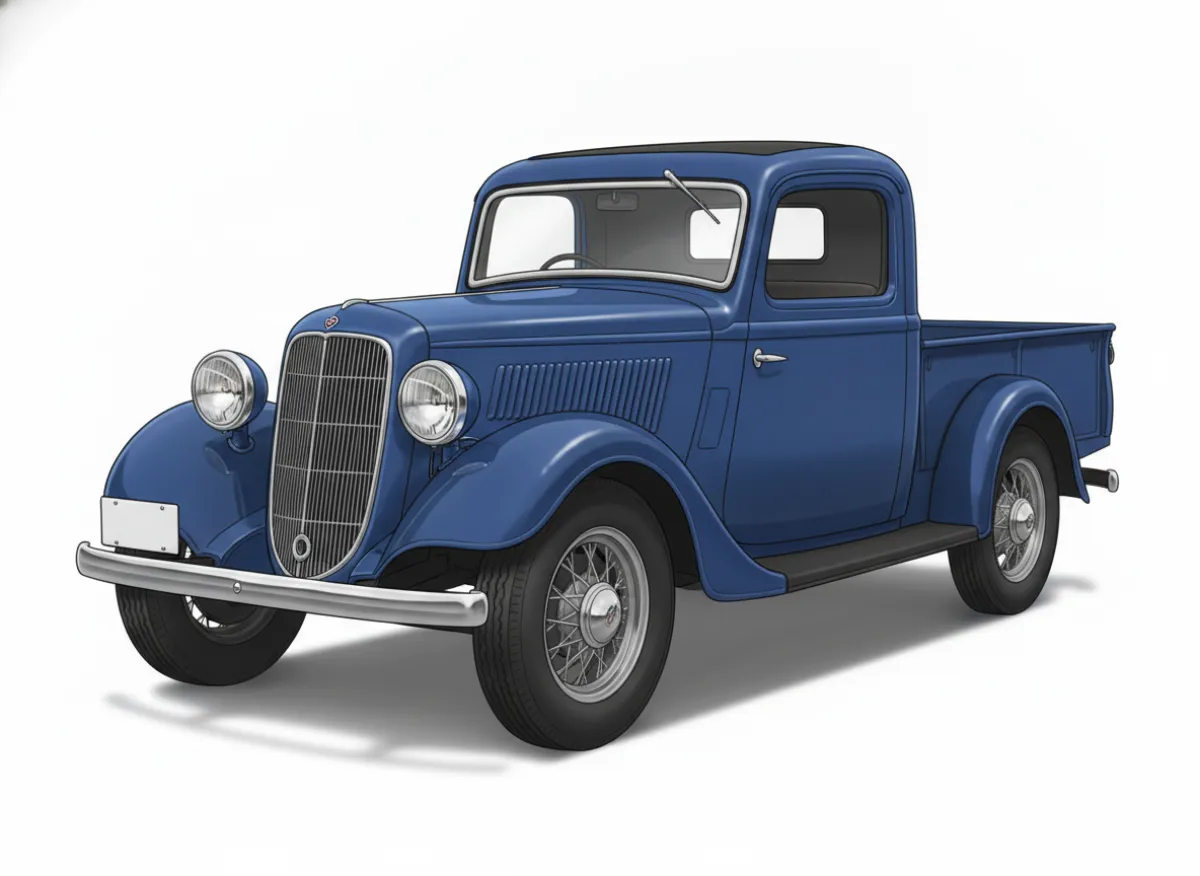
Aikawa set up an automobile division inside Tobata Casting in March 1933, bought reclaimed land at Yokohama, and on 26 December 1933 founded Jidosha Seizo Co., Ltd. there with ¥10 million of capital, six million from his holding company Nihon Sangyo and four million from Tobata Casting. In 1934 the company became a wholly owned subsidiary of Nihon Sangyo and was renamed Nissan Motor Co., Ltd., the name taken from the stock-exchange abbreviation of Nihon Sangyo. The first Datsun built at Yokohama came off the line in April 1934, and a conveyor line with integrated chassis and body production followed in 1935.
Output rose from 202 vehicles in 1933 to 10,227 in 1937 by Nissan's own account, and small numbers of Datsuns were exported to Asia and Central and South America from 1934. After the war with China began in 1937 passenger-car production was restricted and the Yokohama plant turned to trucks for the army. In 1944 the company moved its head office to Tokyo and became Nissan Heavy Industries, and car and truck production stopped completely late in the war.
1945–1959
Postwar recovery and the export name
The first postwar vehicle left the line in November 1945, Datsun sales resumed from 1946, and the company took back the name Nissan Motor Co., Ltd. in August 1949. Its small cars stayed close to Austin designs, and in 1952 Nissan signed a technical agreement with Austin of Britain. The Datsun 110 saloon of 1955 was its first all-new postwar passenger car, followed by the 1000 (210) in 1957.
Nissan's own small passenger cars had been sold as Datsuns since the 1930s, so Datsun was the natural name to use abroad. A Datsun 210 won its class in the 1958 Mobilgas round-Australia trial, exports of passenger cars to the United States began in June 1958, and the Bluebird 310 arrived in 1959. Nissan's first overseas knock-down assembly began at Yulon in Taiwan the same year.
1960–1980
Mr K, the 510 and the Z
Nissan Motor Corporation in U.S.A. was set up in September 1960. Yutaka Katayama, 'Mr K', who had led the Australian trial team, ran its American operations as vice-president from 1960 and as president from 1965 to 1975, and he kept the cars branded Datsun. The Oppama plant opened in 1962, Prince Motors was merged into Nissan in 1966, and the Datsun Sunny of 1966 and the Bluebird 510 of 1967 gave the brand compact, cheap, reliable cars that sold well abroad. Nissan's cumulative exports passed one million in 1969.
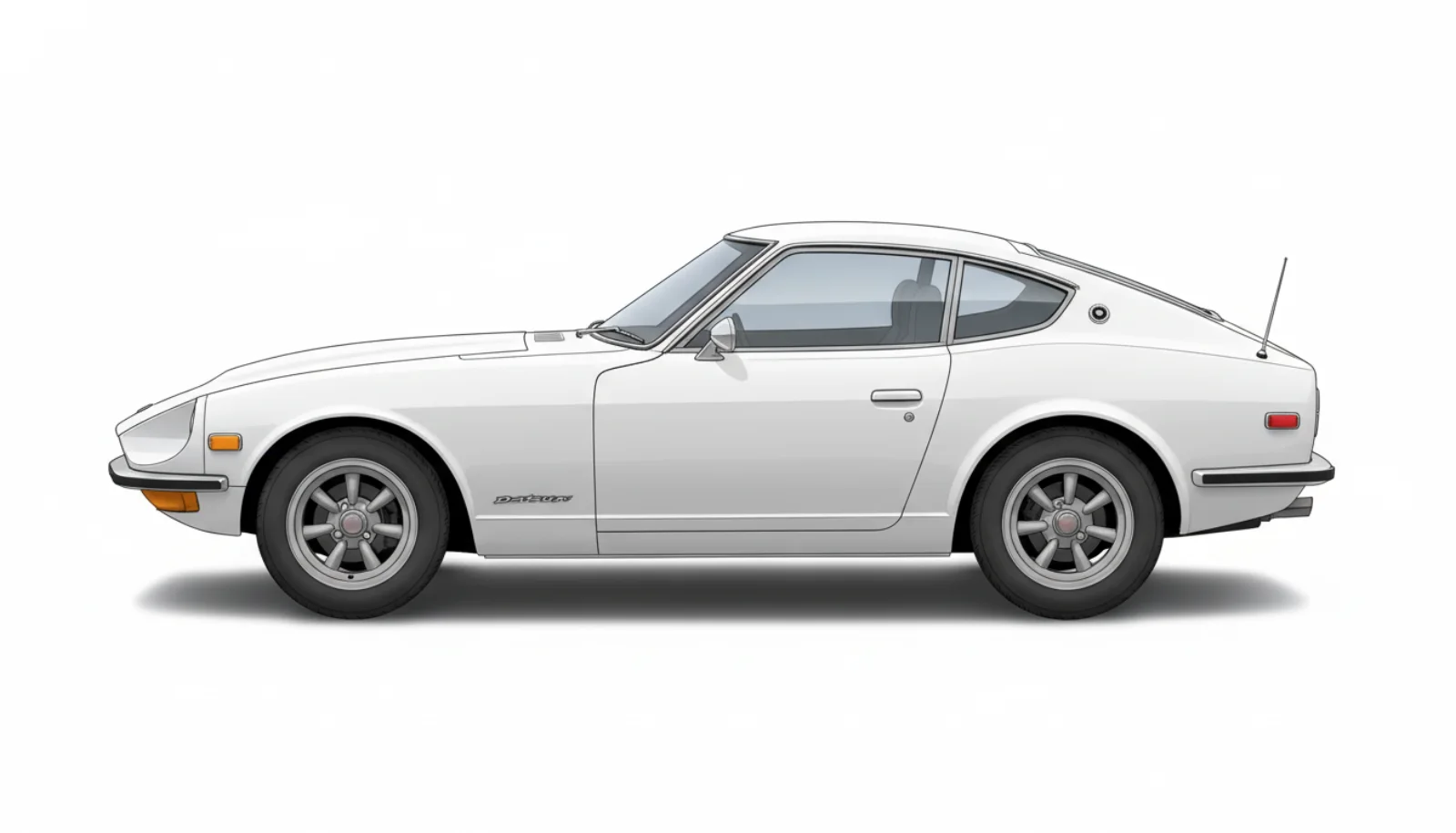
The Datsun 240Z, first sold in the United States on 2 February 1970 at a base price of $3,500, gave the name a sports car: Nissan U.S.A.'s own figures show US retail sales of the Z rising from 9,977 in 1970 to 71,983 in 1979. Nissan USA says annual US sales passed 250,000 for the first time in 1971 and that it was the top vehicle importer in the United States by 1975; it calls the B210 its best-selling small sedan of the 1970s. In Britain, Datsun sales jumped from just over 6,000 in 1971 to more than 30,000 in 1972.
1981–1986
Becoming Nissan
In July 1981 Nissan decided to adopt the single brand name NISSAN in all overseas markets, and the change was announced in the United States that autumn. Nissan's president Katsuji Kawamata had said as early as 1973 that he regretted the company had not put its own name on its cars. The stated reasoning was a single worldwide name for advertising and products; observers added that it would help Nissan raise money in American markets.
The switch was gradual and differed by market. In the US the new 1982 Sentra and Stanza carried Nissan badges while older lines stayed Datsuns through 1983, and the first truck built at Smyrna, Tennessee, in June 1983 wore both names. Britain used 'Datsun-Nissan' from 1982, launched the Micra in June 1983 as the last new Datsun-badged car there, and had dropped Datsun by the end of 1984. Some other export markets kept both badges until 1986, and Wikipedia dates the end of the brand to March 1986. The cost of the change is usually put at around US$500 million.
2012–2018
Revival as a low-cost brand
Apart from a Datsun-named pickup sold in Japan in 2001 and 2002, the name lay unused until 20 March 2012, when Nissan said it would bring Datsun back as a low-cost brand for emerging markets. The first new car, the Datsun GO hatchback, was unveiled in New Delhi on 15 July 2013. It was built at the Renault-Nissan plant at Oragadam near Chennai, aimed at a price below INR 400,000, and went on sale in India in early 2014, with Indonesia, Russia and South Africa following later that year.
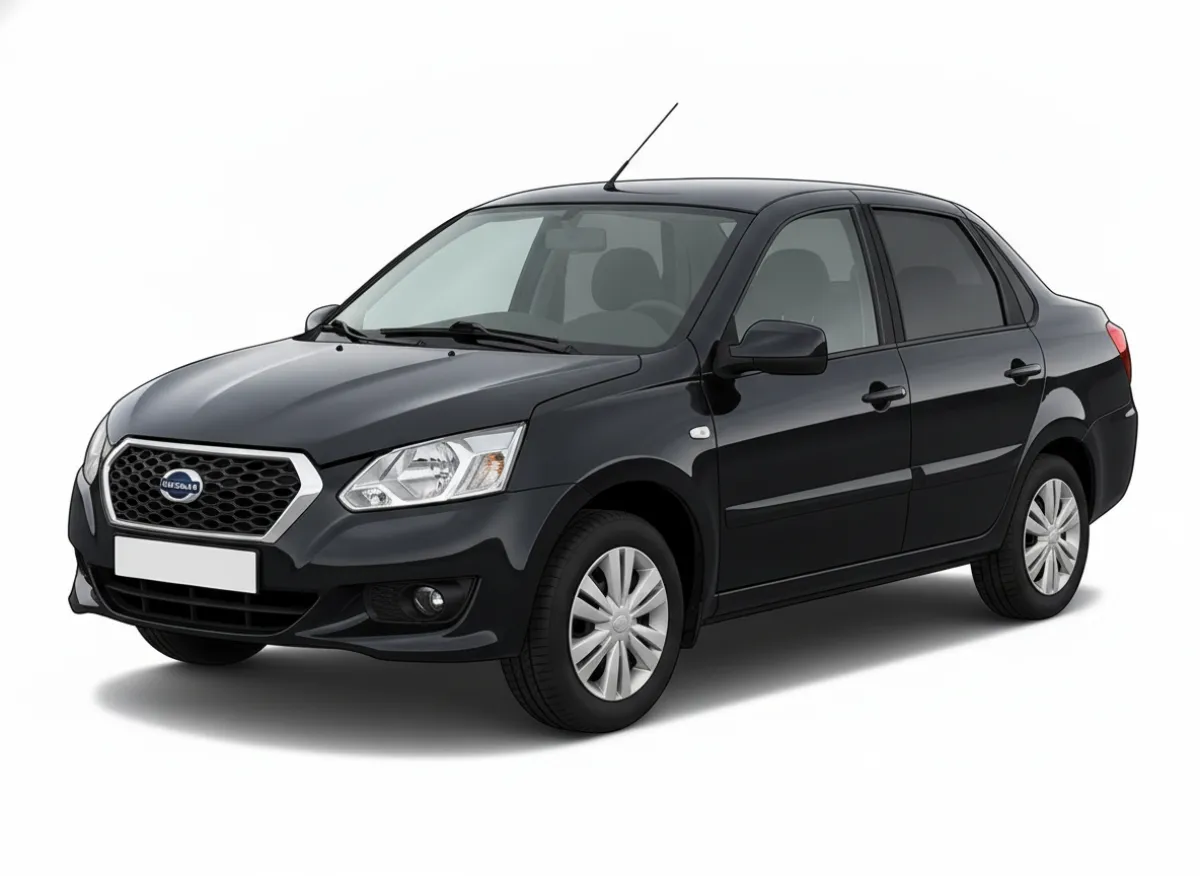
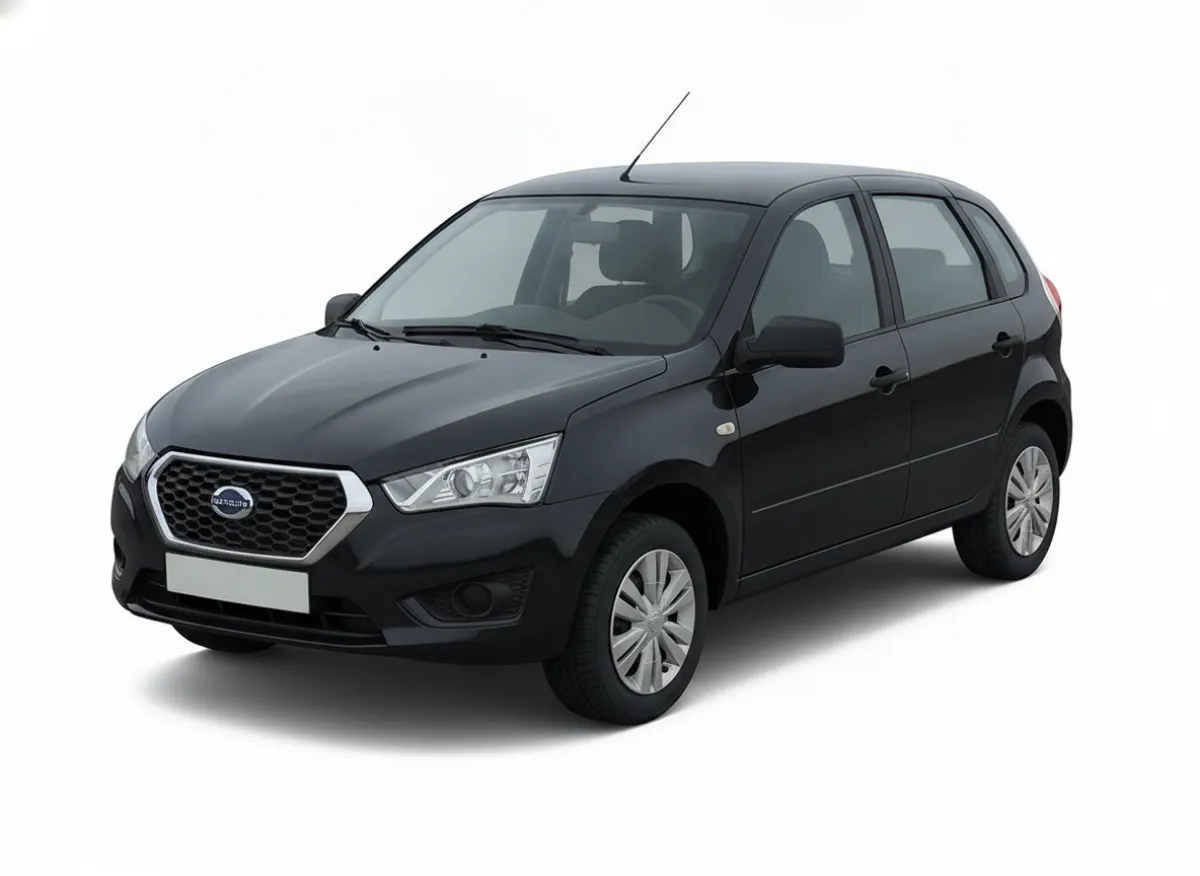
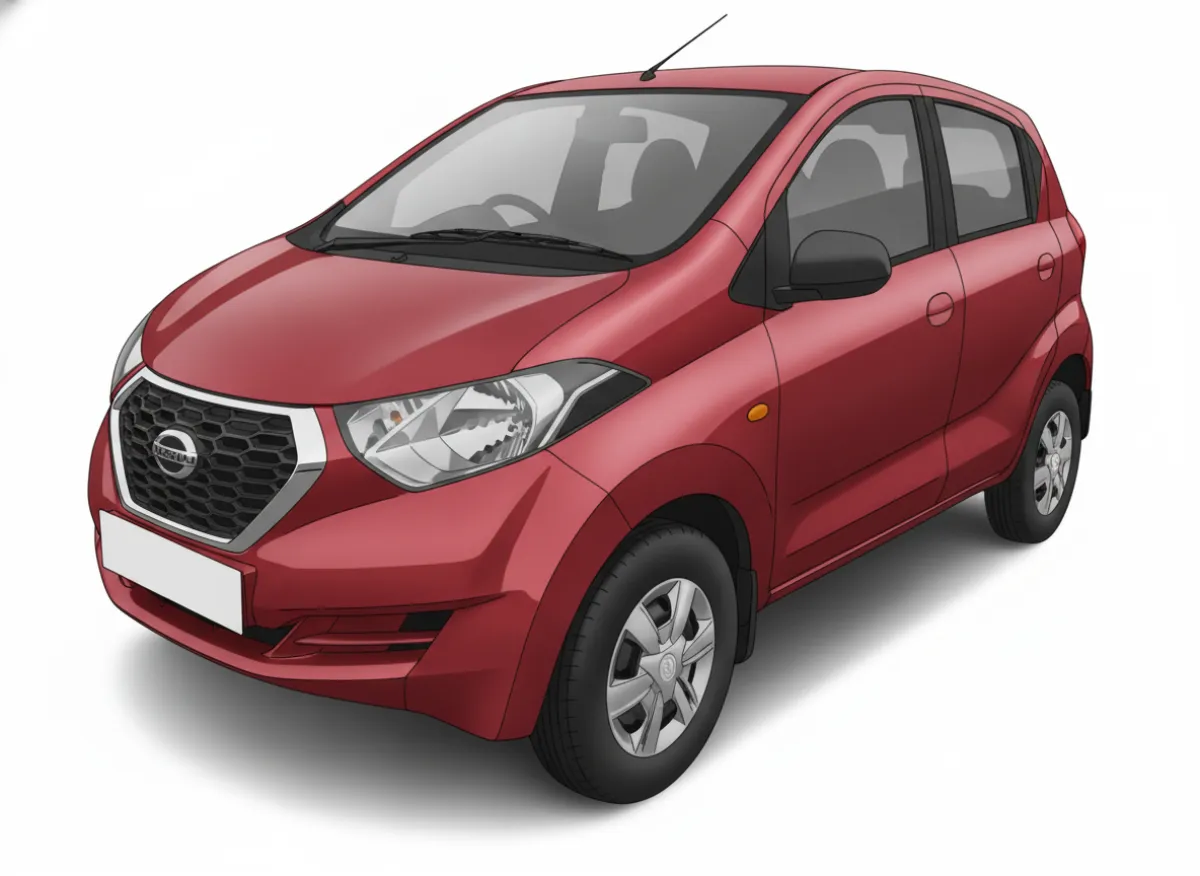
The range grew to the GO, the seven-seat GO+, the on-DO saloon and mi-DO hatchback for Russia (rebadged Lada Granta and Kalina models built by AvtoVAZ), the small redi-GO from 2016 and the Cross crossover from 2018. Kazakhstan, Belarus and Lebanon were added in 2015 and 2016. Russia peaked at 31,697 Datsun sales in 2015 by the Association of European Businesses count, and the redi-GO carried India's best years, 2016 and 2017, at around 40,000 a year. Even then Datsun held about 1.3% of the Indian market, far short of the 10% that had been the goal at launch.
2019–2022
The second shutdown
In November 2019 Nissan said Datsun production in Indonesia and Russia would end in 2020. In Russia, AvtoVAZ built its last Datsuns in December 2020 and dealer deliveries ran on until March 2021; sales there had fallen to 14,772 in 2020.
India kept the brand two more years on falling volumes. Nissan ended Datsun production at Chennai in April 2022, the last Datsun plant, while promising continued parts, service and warranty support. South Africa, which was supplied from India and had sold 2,732 Datsuns in 2021, ran out its remaining GO and GO+ stock during 2022. The name is again dormant, still owned by Nissan.
Milestones
- 1911
Masujiro Hashimoto founds the Kwaishinsha Motor Car Works in Tokyo.
- 1914
Kwaishinsha completes the DAT, named for backers Den, Aoyama and Takeuchi, and shows it at the Taisho Exposition.
- 1926
DAT merges with Jitsuyo Jidosha of Osaka to form DAT Jidosha Seizo.
- 1931
Tobata Casting, headed by Yoshisuke Aikawa, buys DAT Jidosha Seizo; the first 'Datson' small cars are built.
- 1932
The car goes on sale under the name Datsun.
- 1933
Jidosha Seizo Co., Ltd. is founded in Yokohama on 26 December.
- 1934
Jidosha Seizo is renamed Nissan Motor Co., Ltd.; the first Yokohama-built Datsun comes off the line and exports begin.
- 1944
The company becomes Nissan Heavy Industries; vehicle production later stops for the rest of the war.
- 1949
The Nissan Motor Co., Ltd. name is restored.
- 1952
Technical cooperation agreement with Austin.
- 1955
Datsun 110, the first all-new postwar Datsun saloon.
- 1958
Datsun 210 wins its class in the Mobilgas round-Australia trial; passenger-car exports to the United States begin in June.
- 1960
Nissan Motor Corporation in U.S.A. is established; Yutaka Katayama leads US operations.
- 1967
Datsun Bluebird 510 introduced.
- 1970
Datsun 240Z goes on sale in the United States.
- 1971
US sales pass 250,000 a year for the first time.
- 1981
Nissan decides in July to use the single brand name NISSAN in overseas markets.
- 1983
Micra launched in Britain as the last new Datsun-badged car there; dual-badged trucks begin at Smyrna, Tennessee.
- 1986
The Datsun brand is phased out in the remaining export markets.
- 2012
Nissan announces on 20 March that Datsun will return as a low-cost brand.
- 2013
Datsun GO unveiled in New Delhi on 15 July.
- 2014
Datsun goes on sale in India, Indonesia, Russia and South Africa.
- 2016
redi-GO launched in India.
- 2020
Datsun production ends in Indonesia and, in December, at AvtoVAZ in Russia.
- 2022
Nissan ends Datsun production in India in April; South Africa runs out its last stock.