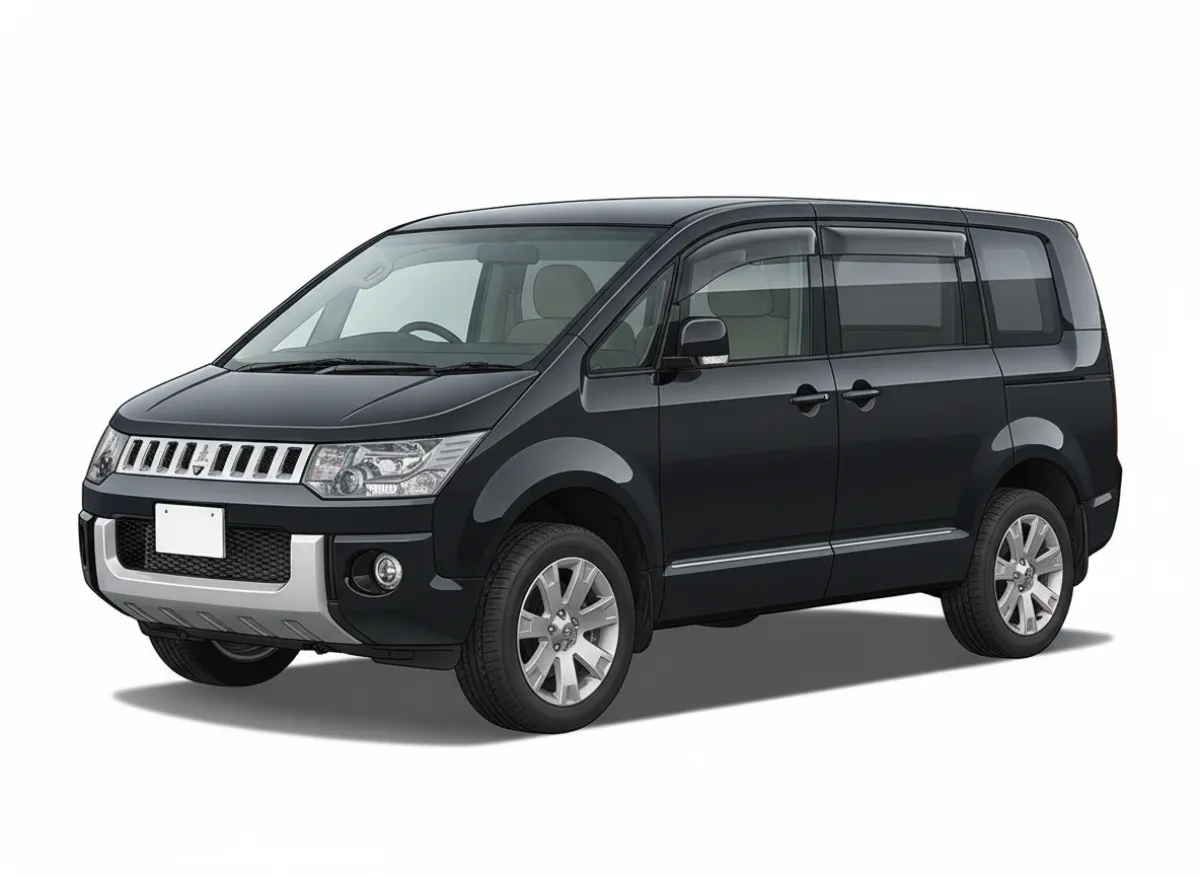
In production
Still in production, or end year not recorded
Units built
Not documented
Origin
Japan
Production
1968–present
Class and layout
Pickup truck/Light commercial vehicle (1968–present) · Minivan (1969–present) · Front-mid engine, rear-wheel-drive (1968–present) · Front-mid engine, four-wheel-drive (1979–1994) · Front-engine, rear-wheel-drive (1994–present) · Front-engine, front-wheel-drive (2007–present)
Catalog record5 generationsWikipedia ↗
A breadth record from Wikipedia. Year-by-year colors, serial ranges and prices are in researched dossiers; this car does not have one yet.
The Mitsubishi Delica (Japanese: 三菱・デリカ, Hepburn: Mitsubishi Derika) is a range of vans and pickup trucks designed and built by the Japanese automaker Mitsubishi Motors since 1968. It was originally based on a cabover van and pickup truck introduced the previous year, also called the Delica, its name a contraction of the English language phrase Delivery car. This pickup truck, and a commercial van derived from it has received many names in export markets, being sold as the L300 (later L400) in Europe, Jamaica (discontinued after the third generation) and New Zealand, Express and Starwagon in Australia, and plain Mitsubishi Van and Wagon in the United States.
Text from Wikipedia, CC BY-SA 4.0.
Body styles by generation
Generations
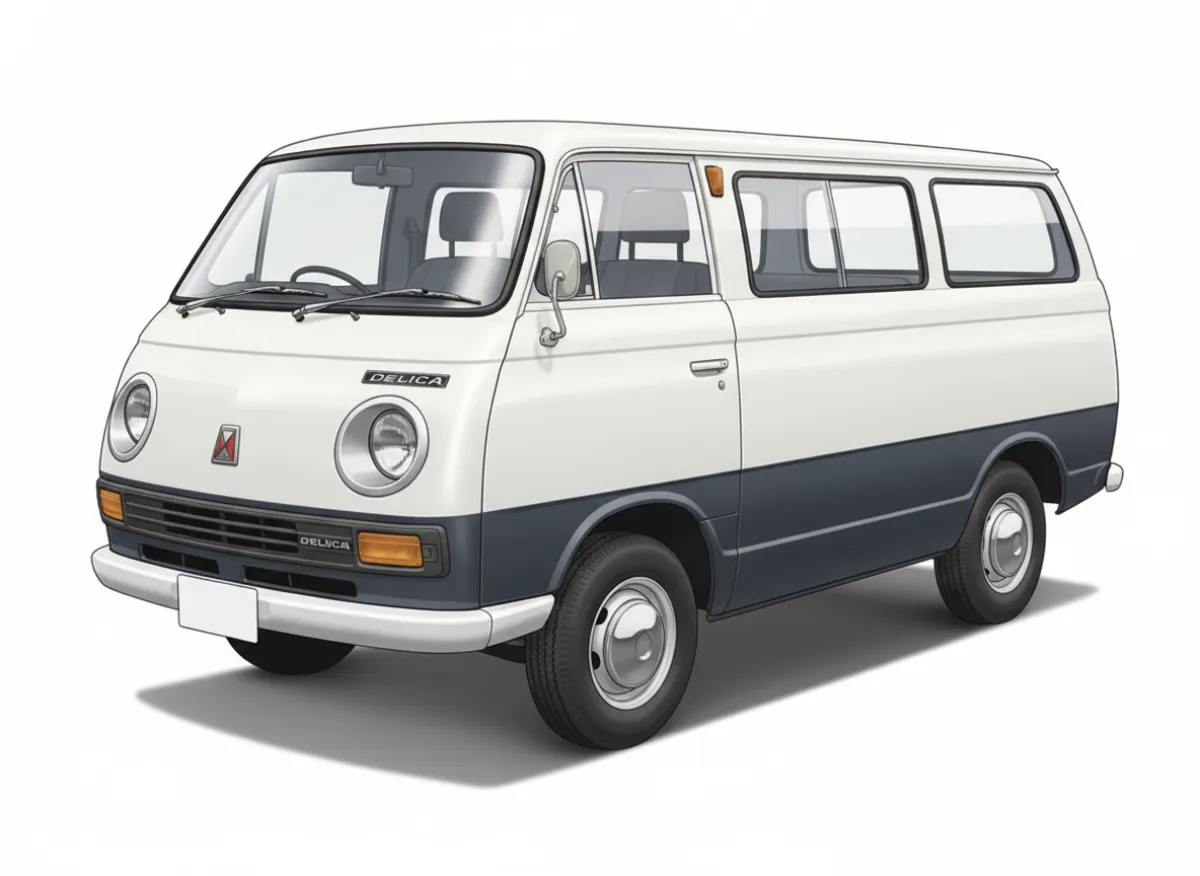
1968–1979
First generation (1968)
First generation
- Bodies
- 3-door van, 2-door pickup
- Engines
- 1088 cc KE44 OHV I4 (T100); 1378 cc 4G41 OHV I4 (T120)
- Gearboxes
- Not recorded
- Built at
- Japan: Nagoya (Nagoya Plant); Indonesia: Pulo Gadung, East Jakarta (PT Krama Yudha Ratu Motor); Philippines: Cainta
- Size
- Not recorded
- Wheelbase
- 2,120 mm
- Weight
- Not recorded
- Built
- Not recorded
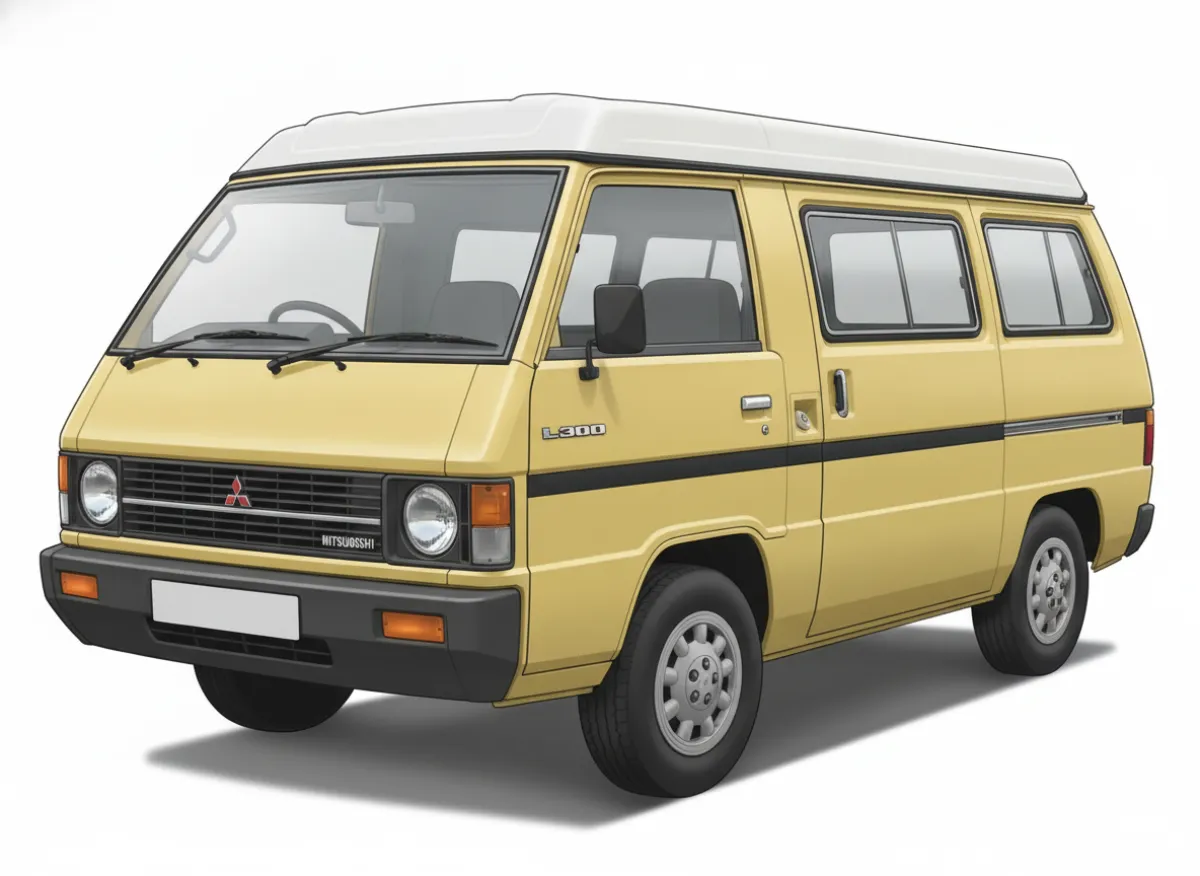
1979–
Second generation (1979)
Second generation
- Bodies
- 2/4-door pickup, 2-door chassis cab, 4/5-door van, 4-door panel van
- Engines
- Petrol; 1.4 L 4G33 I4; 1.6 L 4G32 I4; 1.8 L 4G62 I4; 2.0 L 4G63/G63B I4; Diesel
- Gearboxes
- 3-speed automatic; 4/5-speed manual
- Built at
- Japan: Nagoya (Nagoya Plant); Indonesia; Pulo Gadung, East Jakarta (KRM, until 2018); Cikarang, West Java (MMKI, 2018–2022, 2023–present); South Korea: Ulsan (Hyundai, truck only)
- Size
- 4,260 × 1,670 × — mm
- Wheelbase
- 2,200 mm
- Weight
- Not recorded
- Built
- Not recorded
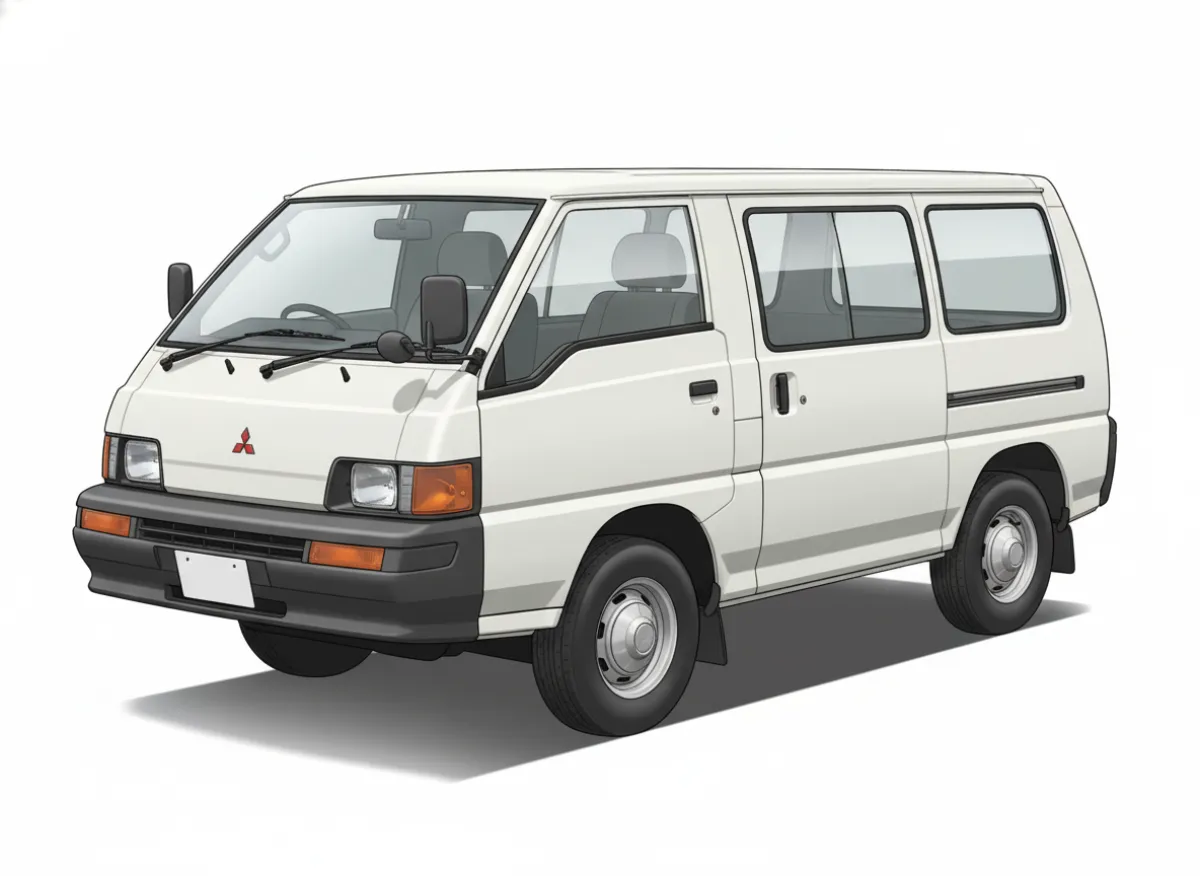
1986–
Third generation (1986)
Third generation
- Bodies
- 2-door pickup, 4-door van/minibus
- Engines
- Petrol; 1439 cc 4G33 I4; 1597 cc 4G32 I4 (P02/12); 1795 cc 4G62 I4; 1997 cc 4G63 I4; 2351 cc 4G64 I4 (P24)
- Gearboxes
- 4-speed automatic; 5-speed manual; CMC (2019); 5-speed automatic; 6-speed manual
- Built at
- Japan; Nagoya (Nagoya Plant); South Korea; Ulsan (Hyundai Ulsan Plant, Grace until 2000); Gwangju (Kia Gwangju Plant, Grace only)
- Size
- 4,380 × 1,690 × 1,840 mm
- Wheelbase
- 2,235 mm
- Weight
- Not recorded
- Built
- Not recorded
1994–
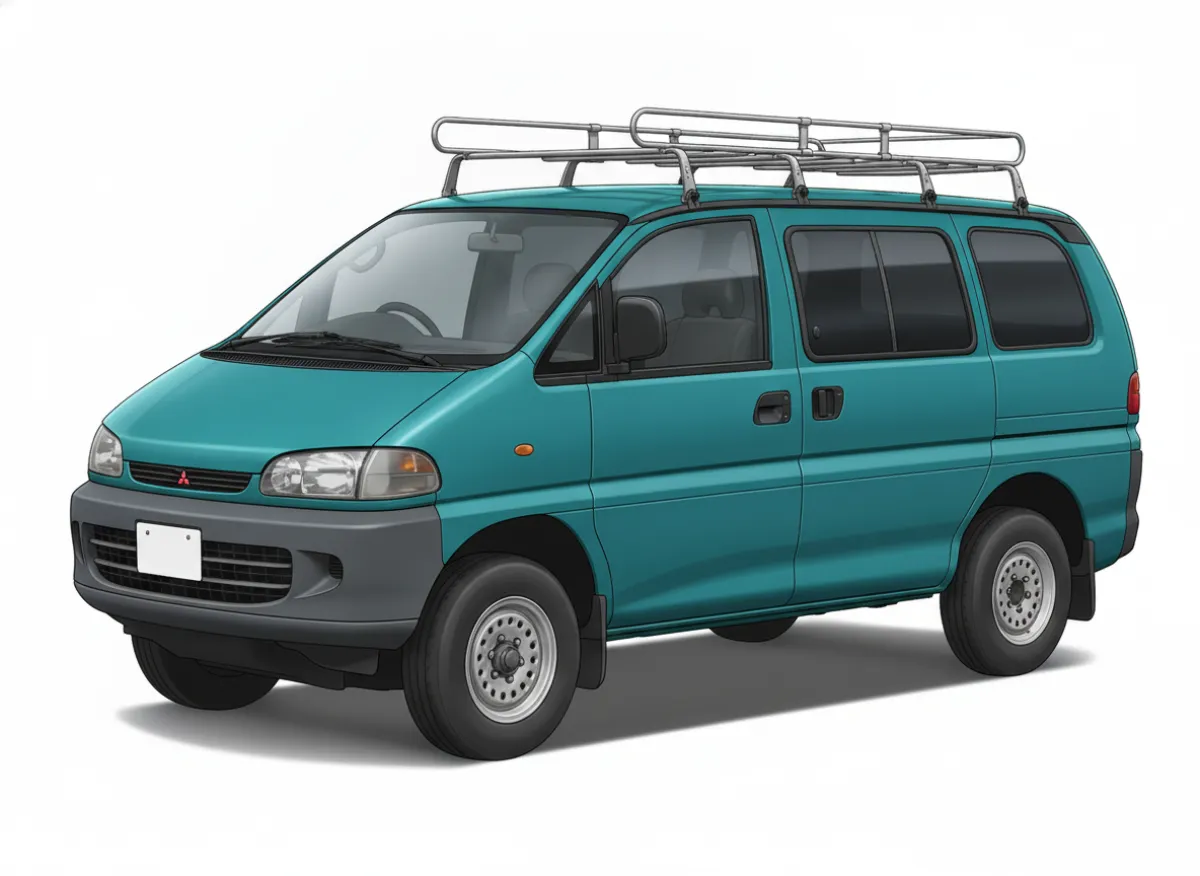
Fourth generation (1994)
Fourth generation
- Bodies
- 4/5-door minivan
- Engines
- Petrol; 2.0 L 4G63 I4; 2.4 L 4G64 I4; 3.0 L 6G72 V6; Diesel; 2.5 L 4D56 TD I4
- Gearboxes
- 3-speed automatic with overdrive; 5-speed manual
- Built at
- Japan: Nagoya; Taiwan (CMC); China; Guangzhou (Baolong); FAW Freewind (Ziyoufeng)
- Size
- 4,595 × 1,695 × 1,855 mm
- Wheelbase
- 2,800 mm
- Weight
- 1,690 kg
- Built
- Not recorded
2007–
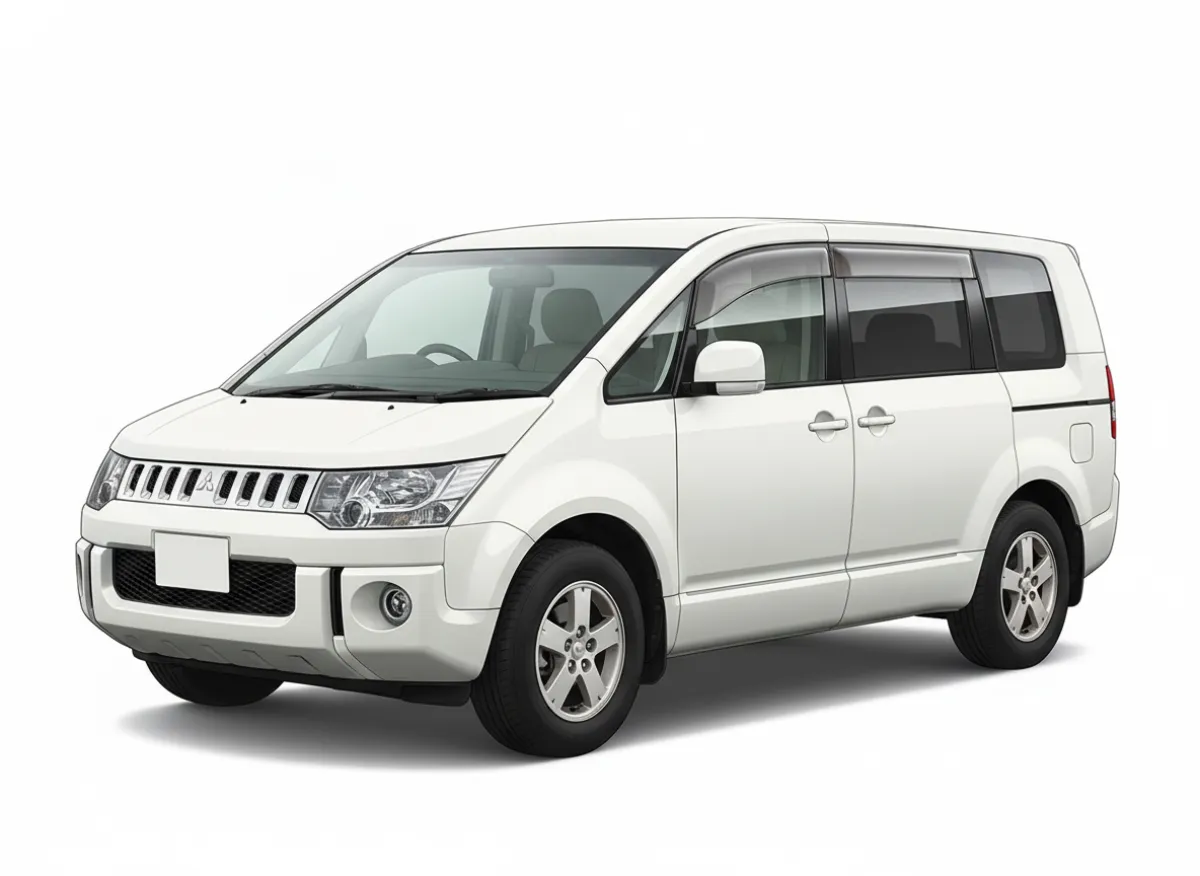
Fifth generation (2007)
Fifth generation (D:5)
- Bodies
- 5-door van
- Engines
- Petrol; 1998 cc 4B11 I4; 1998 cc 4J11 I4; 2359 cc 4B12 I4; Diesel; 2268 cc 4N14 I4 turbo-diesel
- Gearboxes
- CVT INVECS-III automatic (petrol); 6-speed automatic; 8-speed Aisin AWF8F automatic
- Built at
- Japan: Sakahogi, Gifu (Pajero Manufacturing Co., Ltd) (2007–2021); Okazaki, Aichi (Okazaki Plant) (2021–present)
- Size
- 4,730 × 1,795 × 1,850 mm
- Wheelbase
- 2,850 mm
- Weight
- Not recorded
- Built
- Not recorded
Where it was built
- Japan: Nagoya (Nagoya Plant)
- Indonesia: Pulo Gadung, East Jakarta (PT Krama Yudha Ratu Motor)
- Philippines: Cainta
- Indonesia
- Pulo Gadung, East Jakarta (KRM, until 2018)
- Cikarang, West Java (MMKI, 2018–2022, 2023–present)
- South Korea: Ulsan (Hyundai, truck only)
- Philippines
- Cainta, Rizal (Mitsubishi Motors Philippines) (until 2014)
- Santa Rosa, Laguna (2015–2017, 2019–present)
- China: Fuzhou (Forta; 1984–1986)
- Japan
- Nagoya (Nagoya Plant)
- South Korea
- Ulsan (Hyundai Ulsan Plant, Grace until 2000)
- Gwangju (Kia Gwangju Plant, Grace only)
- Philippines: Cainta (MMPC)
- Taiwan: Taipei (CMC)
- Venezuela: Caracas (MMC Automotriz)
- China: Fuzhou (Soueast Motors)/Zhanjiang (Zhanjiang Sanxing Motors)
Alongside it at Mitsubishi
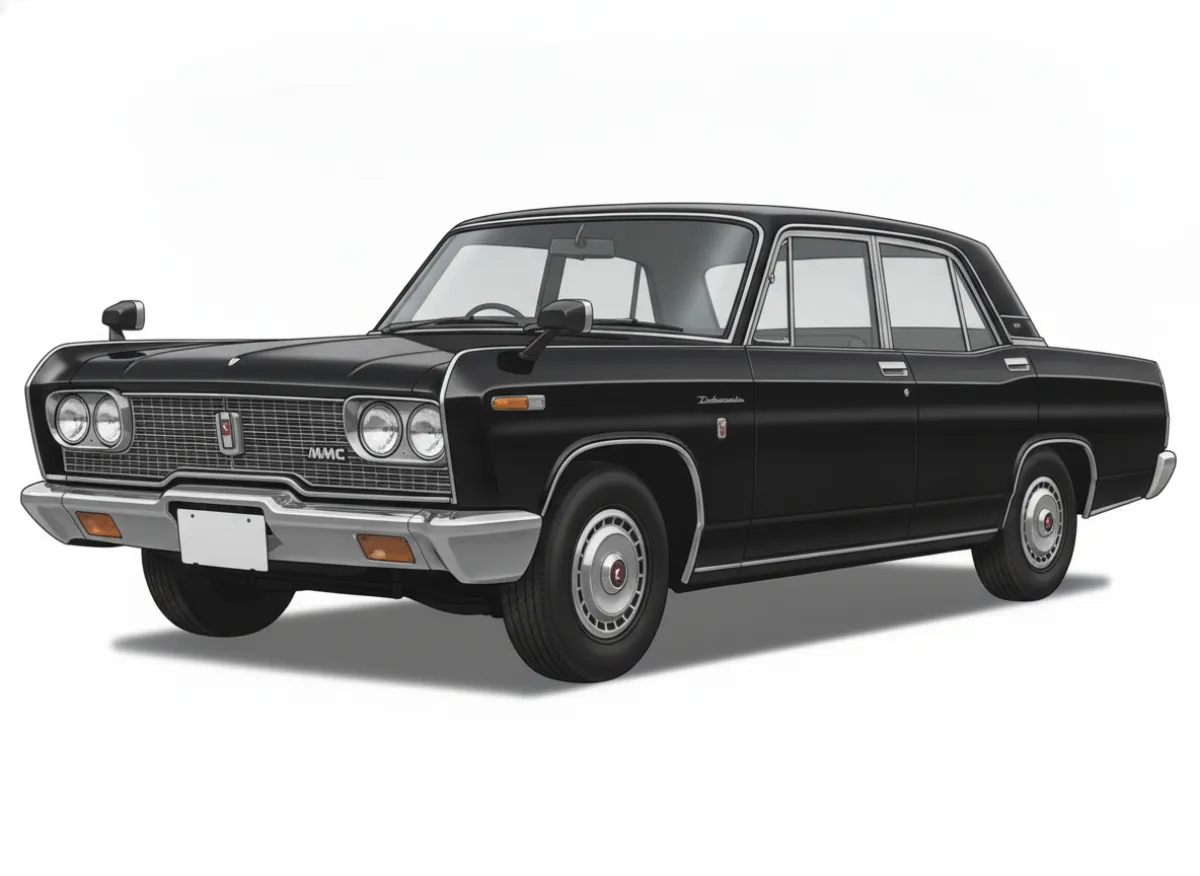
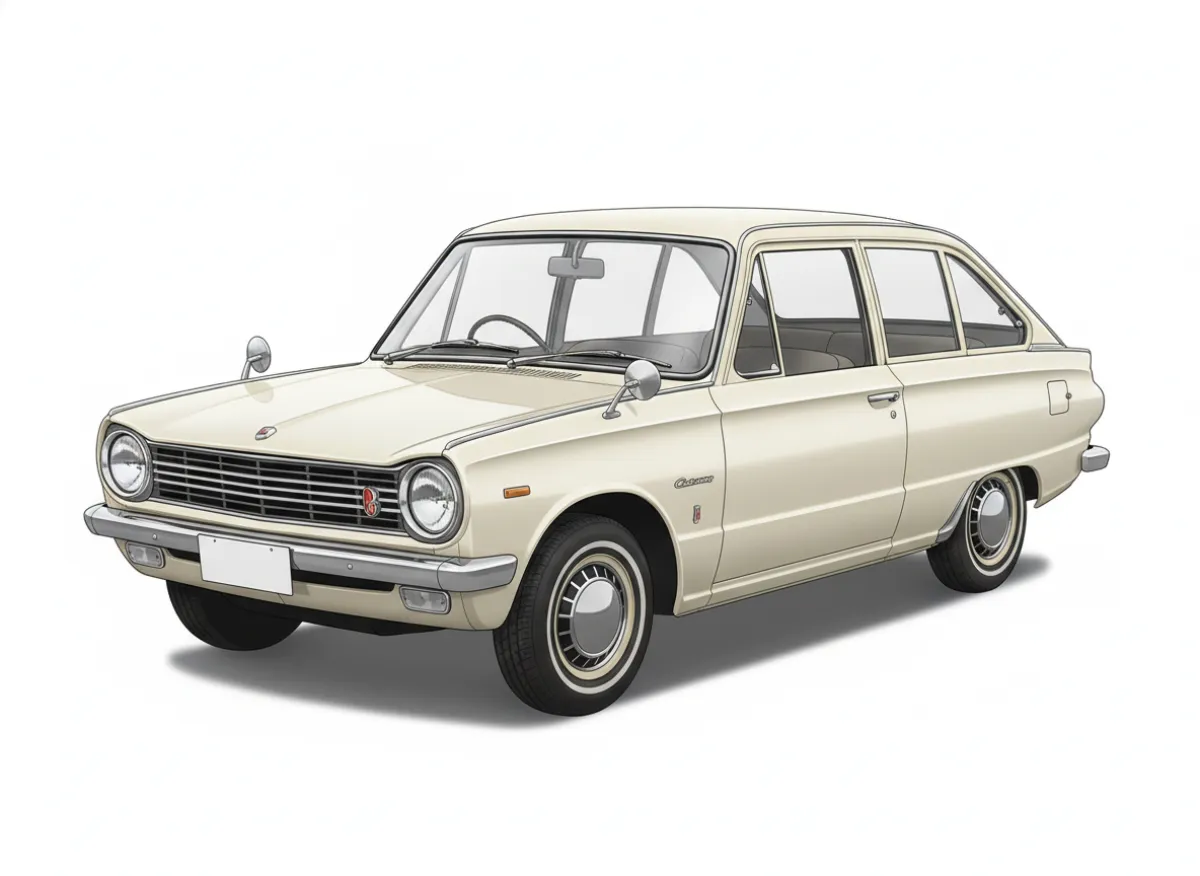
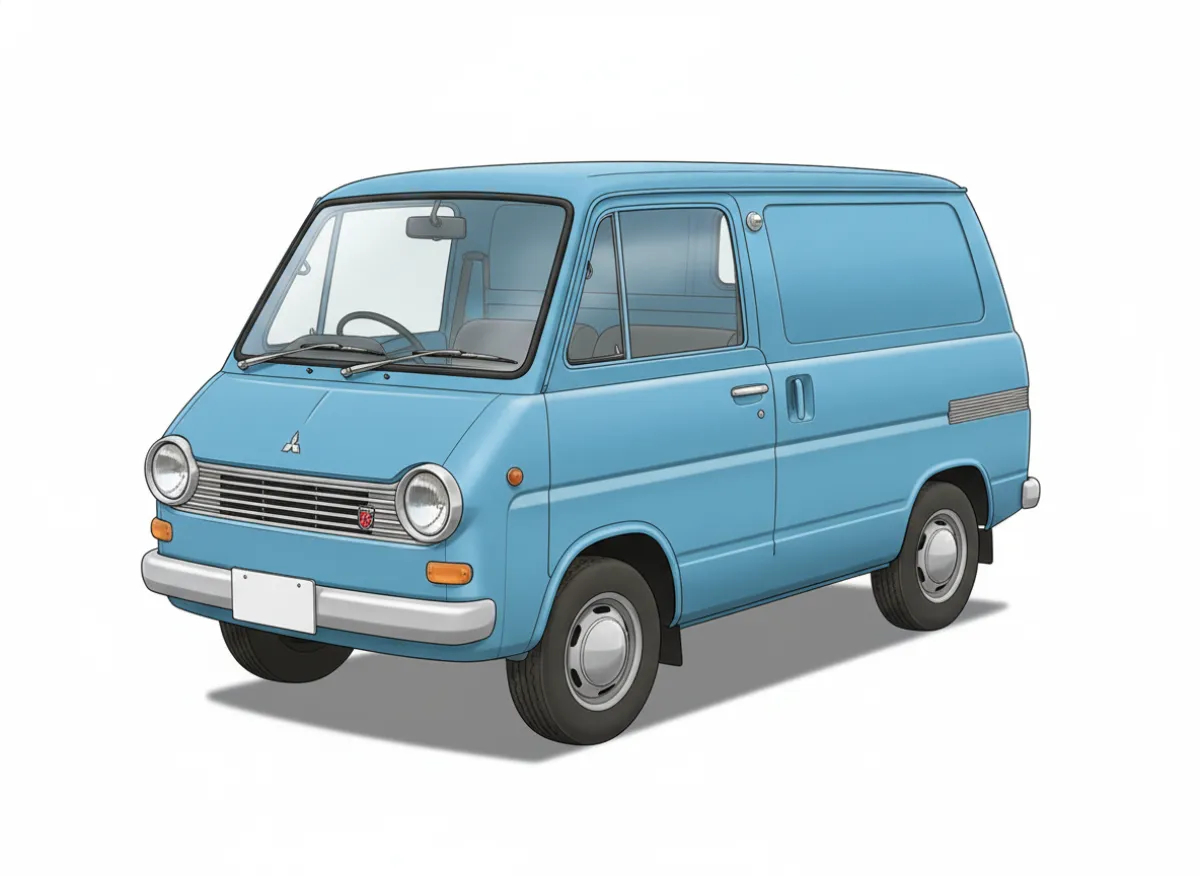
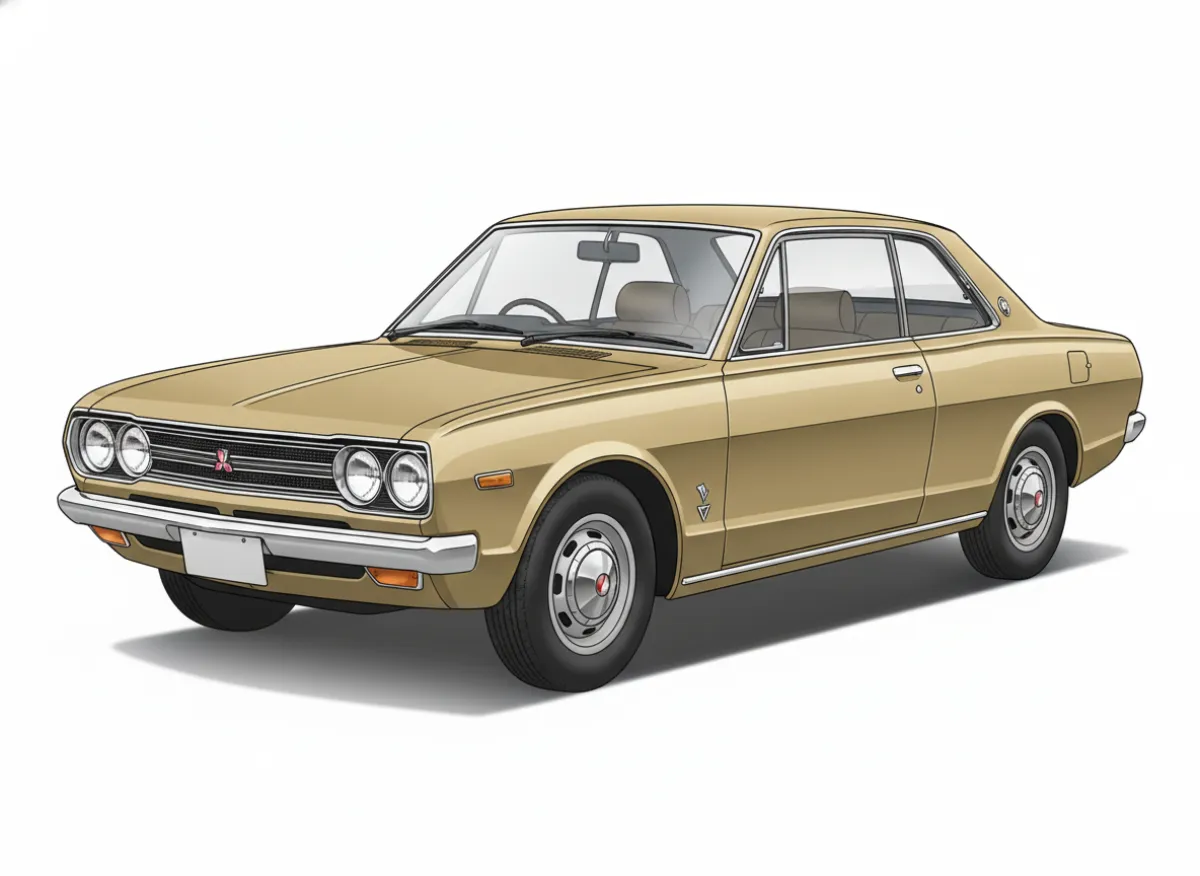
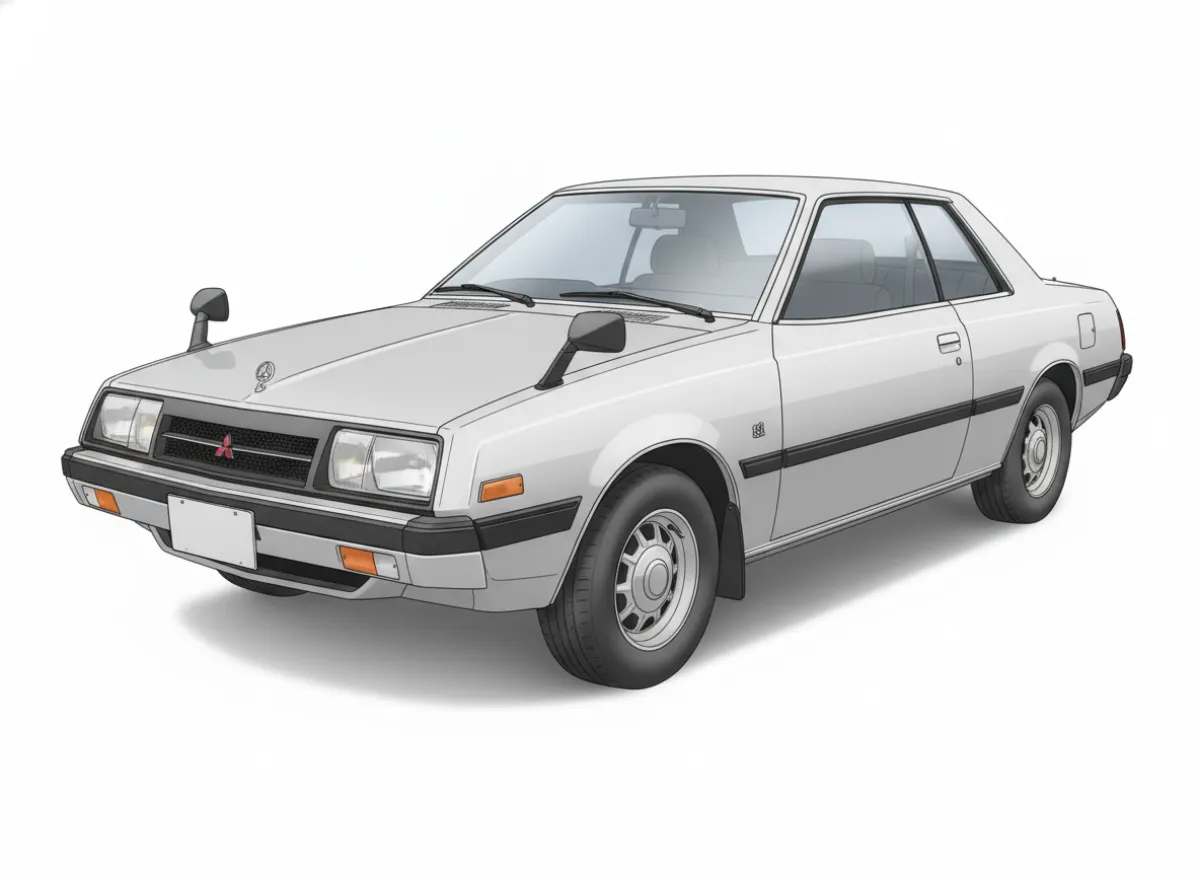
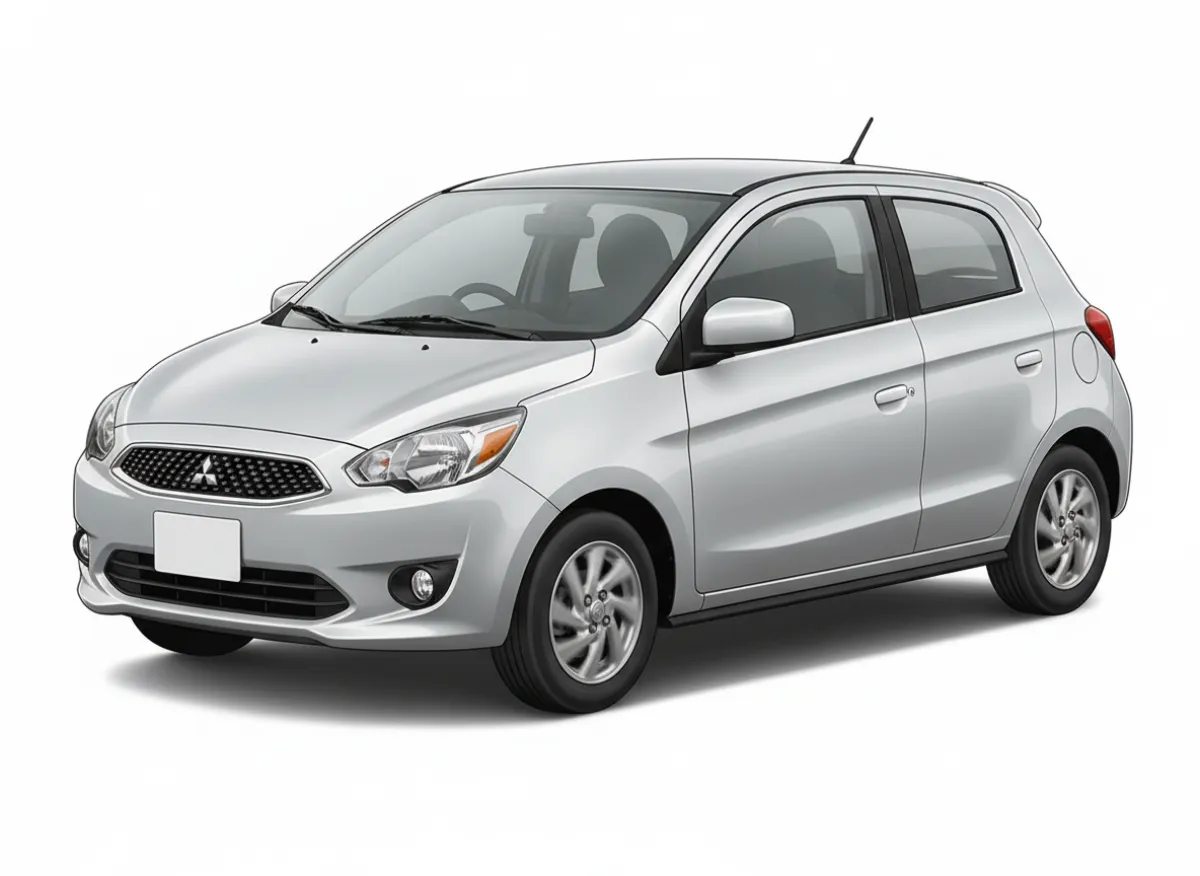
Class: Pickup truck/Light commercial vehicle (1968–present), Minivan (1969–present).