SsangYongKorando
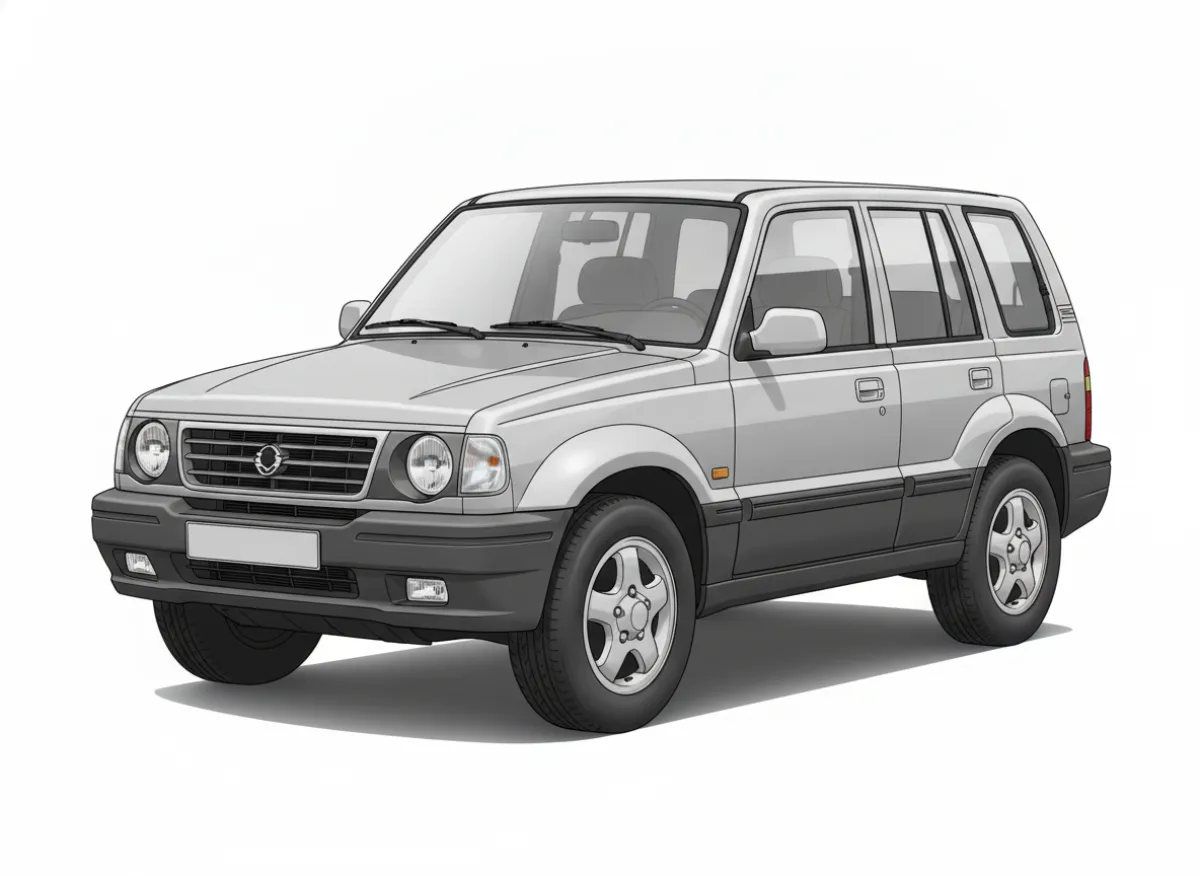
In production
Still in production, or end year not recorded
Units built
Not documented
Origin
South Korea
Production
1983–2006 2010–present
Class and layout
Mini SUV (1983–2006) · Compact crossover SUV (C) (2010–present) · Front engine, rear-wheel drive / front-wheel drive / four-wheel drive
Catalog record4 generationsWikipedia ↗
A breadth record from Wikipedia. Year-by-year colors, serial ranges and prices are in researched dossiers; this car does not have one yet.
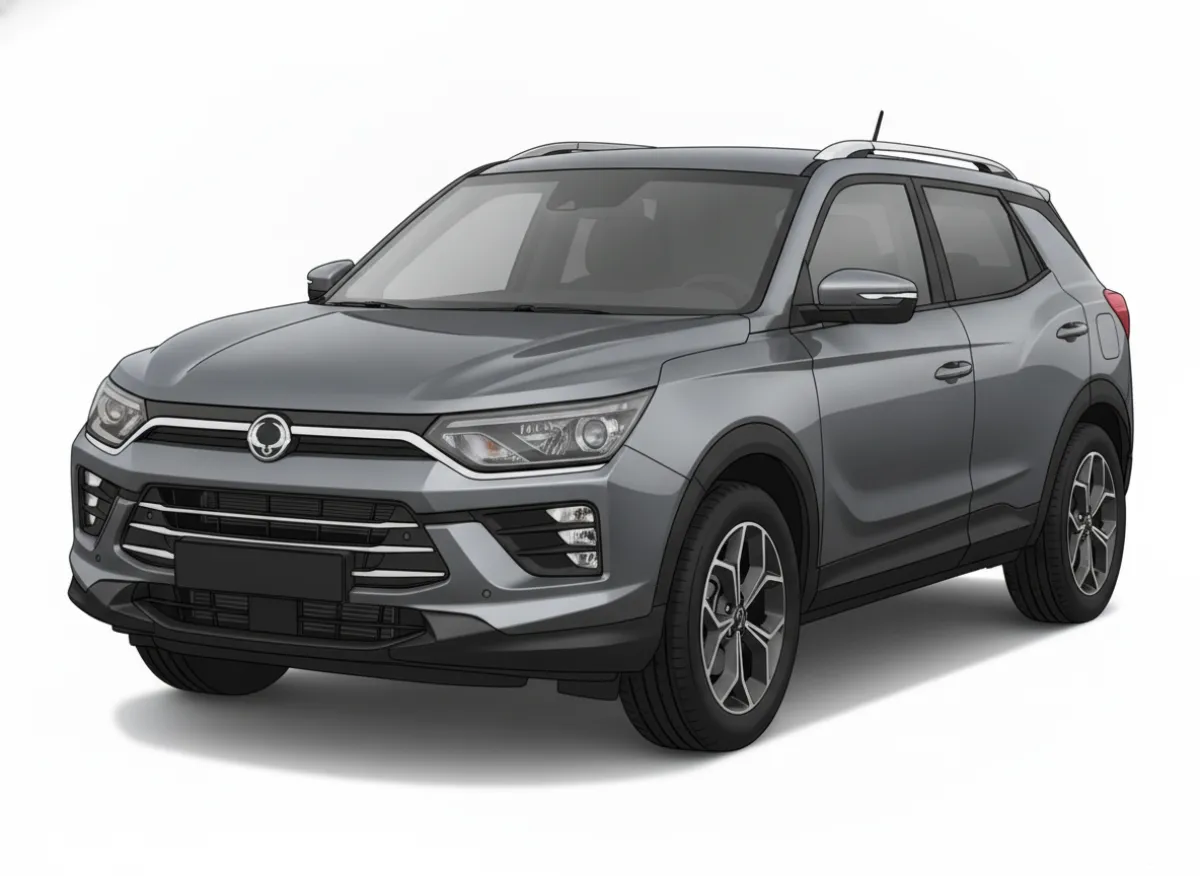
The KGM Korando, formerly SsangYong Korando (Korean: 쌍용 코란도) is a mini SUV or compact crossover SUV built by the South Korean automobile manufacturer SsangYong from 1983 to 2010 and from 2010 onwards. The name Korando is a contraction of "Korea Can Do". The Korando brand is listed in the Guinness Book of Records as Korea's longest surviving name plate.
Text from Wikipedia, CC BY-SA 4.0.
Body styles by generation
Generations
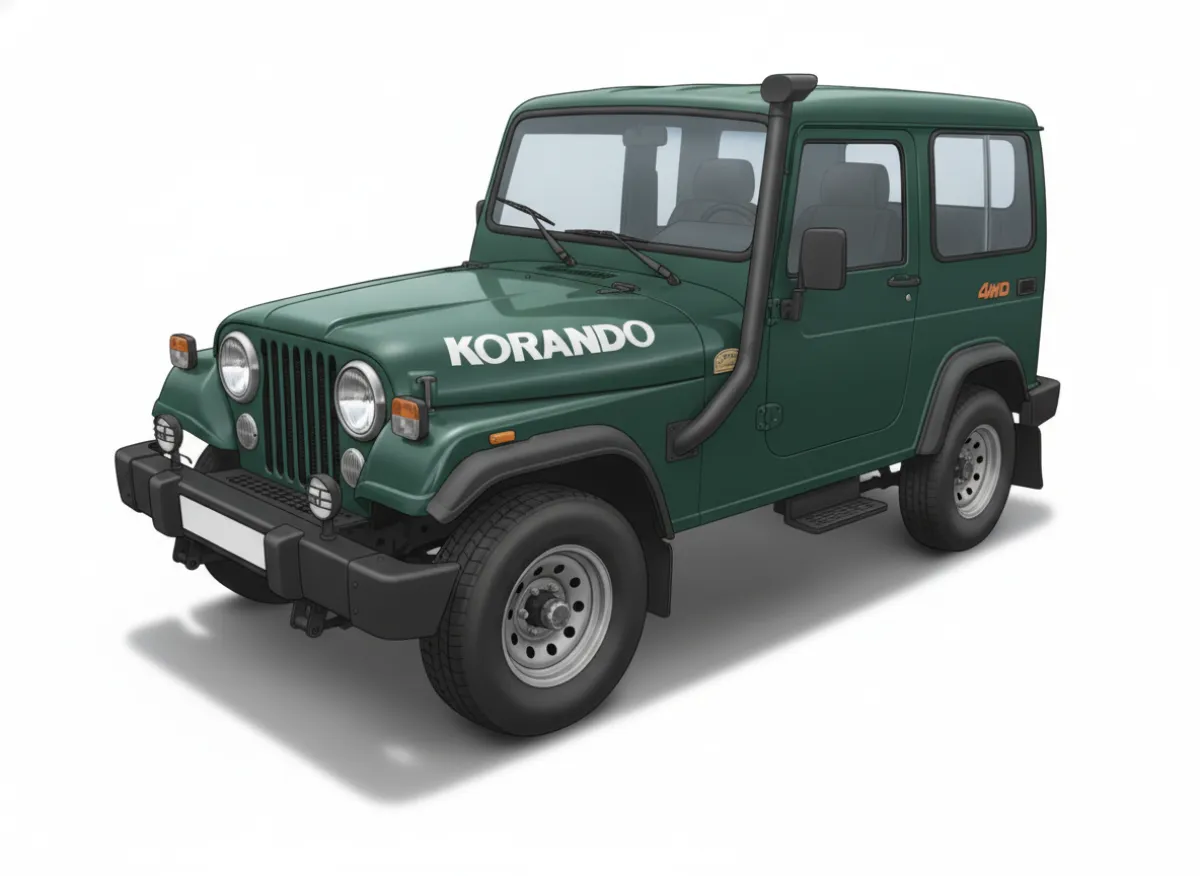
1983–1996
First generation (1982)
First generation
- Bodies
- 3-door wagon, Van, Ambulance, Pickup truck
- Engines
- Isuzu 4BA1 (diesel); Isuzu C223 (diesel); Isuzu G200Z (gasoline); Peugeot XD3P (diesel); Korean made Daewoo (Isuzu) DC23 (diesel)
- Gearboxes
- Not recorded
- Built at
- Jurye-dong, Sasang-gu, Busan, South Korea; Mekong Auto, Vietnam (1991-?)
- Size
- 3,860 × 1,700 × 1,850 mm
- Wheelbase
- 2,390 mm
- Weight
- 1,660 kg
- Built
- Not recorded
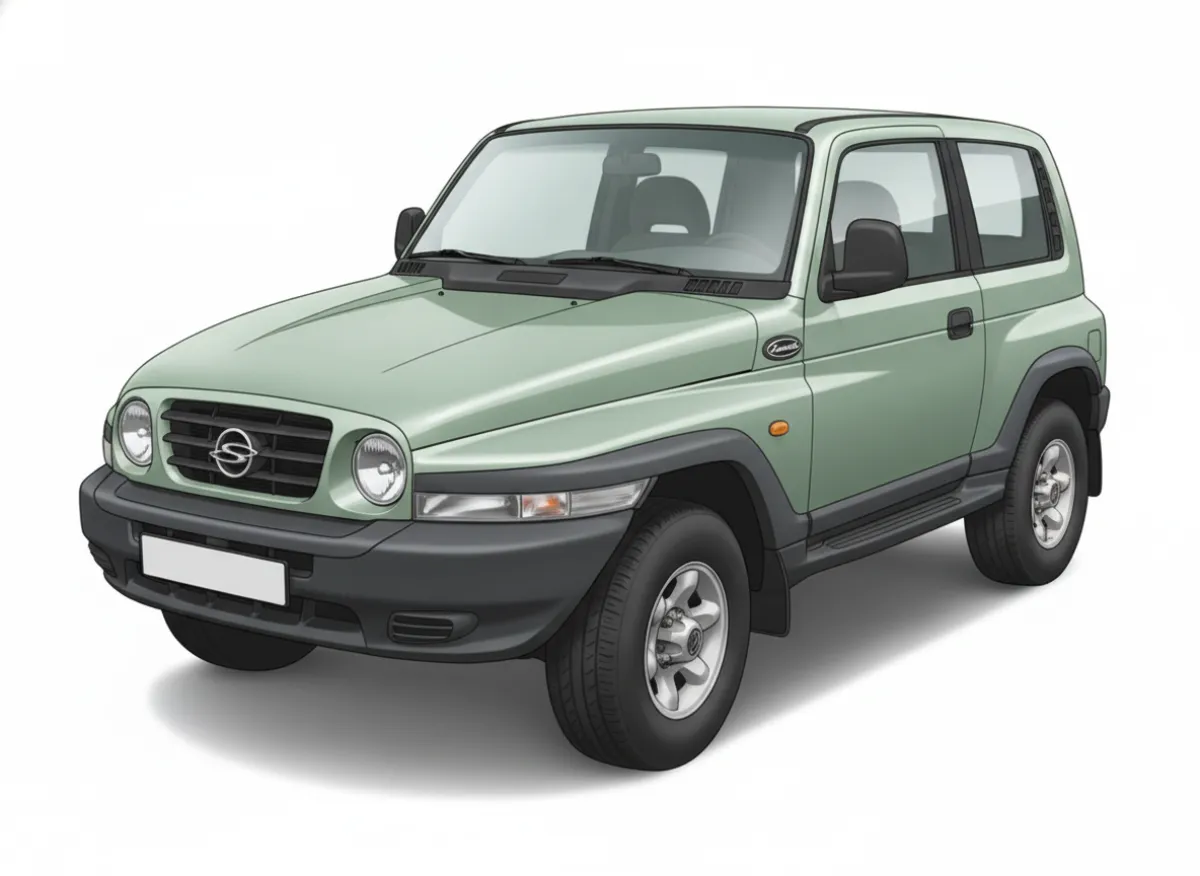
1996–2014
Second generation (1996–2010)
Second generation
- Bodies
- 3-door wagon
- Engines
- 2.3 L M111 I4 (petrol); 3.2 L M104 I6 (petrol); 2.3 L OM601 I4 (diesel); 2.9 L OM602 I5 (diesel)
- Gearboxes
- Not recorded
- Built at
- Pyeongtaek, South Korea; Ho Chi Minh City, Vietnam; Taganrog, Russia (TagAZ); Lublin, Poland; Saveh, Iran (Bon Ro)
- Size
- 4,330 × 1,840 × 1,845 mm
- Wheelbase
- 2,480 mm
- Weight
- 1,800 kg
- Built
- Not recorded
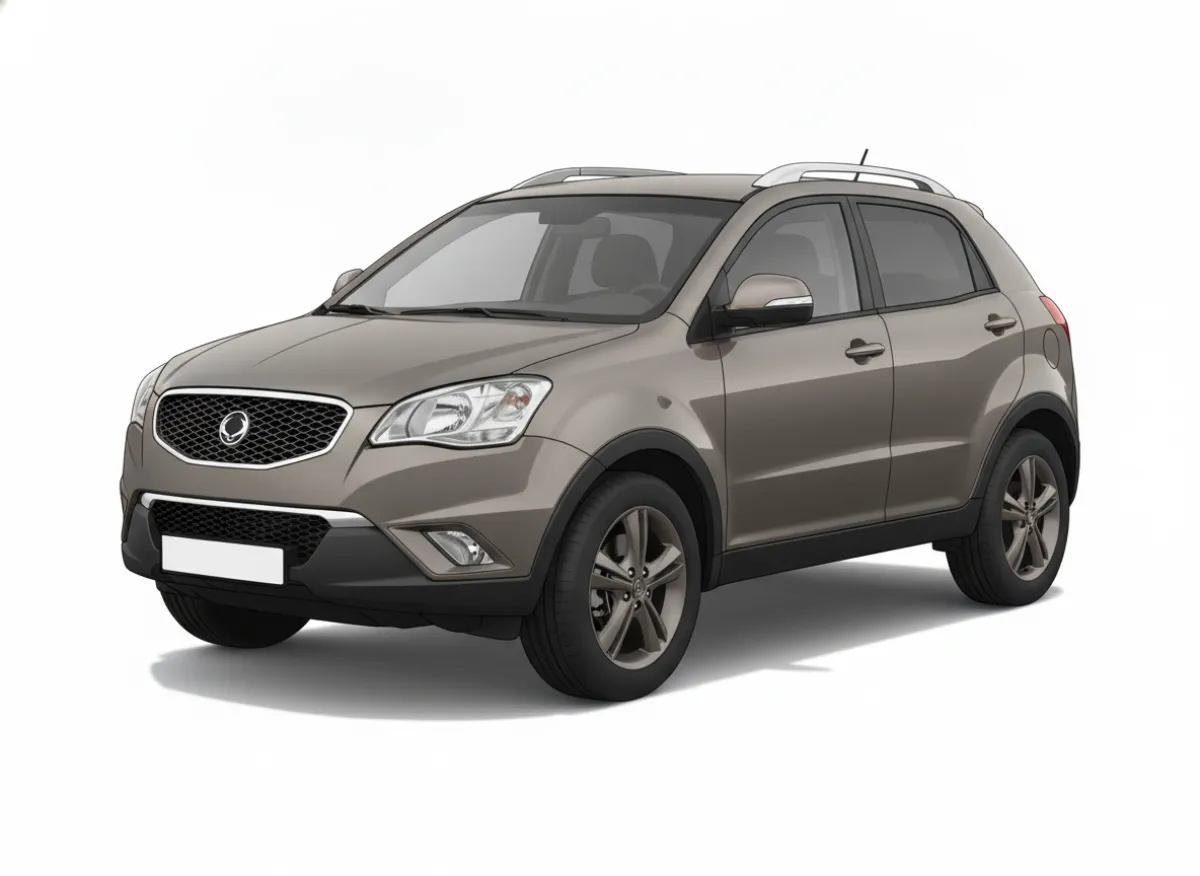
2010–2019
Third generation (C200; 2010)
Third generation (C200)
- Bodies
- 5-door SUV
- Engines
- 2.0 L I4 (petrol); 2.0 L I4 (diesel); 2.2 L I4 (diesel)
- Gearboxes
- 6-speed manual; 6-speed automatic
- Built at
- Pyeongtaek, South Korea; Vladivostok, Russia (Sollers); Kremenchuk, Ukraine (KrASZ); Brazil: Espírito Santo (Fabral)
- Size
- 4,410 × 1,830 × 1,675 mm
- Wheelbase
- 2,650 mm
- Weight
- 1,537 kg
- Built
- Not recorded
2019–
Fourth generation (C300; 2019)
Fourth generation (C300)
- Bodies
- 5-door crossover SUV
- Engines
- 1.5 L e-XGi 150T GDI-T I4 (petrol); 1.6 L e-XDi 160 I4-T (diesel)
- Gearboxes
- 6-speed manual; 6-speed Aisin automatic
- Built at
- South Korea: Pyeongtaek, Gyeonggi Province; Iran: Saveh (Noora Motor Pars)
- Size
- 4,450 × 1,870 × 1,675 mm
- Wheelbase
- 2,675 mm
- Weight
- 1,535 kg
- Built
- Not recorded
Where it was built
- Jurye-dong, Sasang-gu, Busan, South Korea
- Mekong Auto, Vietnam (1991-?)
- Pyeongtaek, South Korea
- Ho Chi Minh City, Vietnam
- Taganrog, Russia (TagAZ)
- Lublin, Poland
- Saveh, Iran (Bon Ro)
- Vladivostok, Russia (Sollers)
- Kremenchuk, Ukraine (KrASZ)
- Brazil: Espírito Santo (Fabral)
- South Korea: Pyeongtaek, Gyeonggi Province
- Iran: Saveh (Noora Motor Pars)
Alongside it at SsangYong
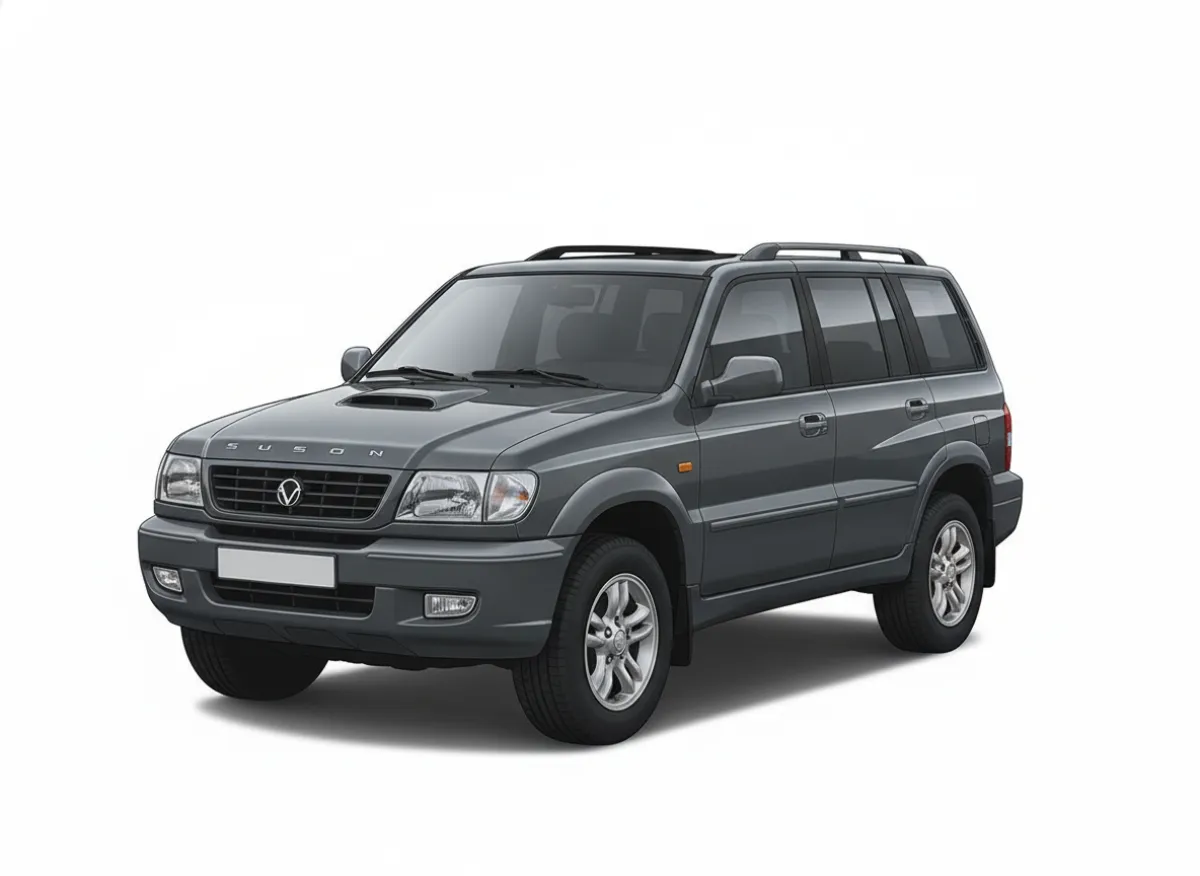
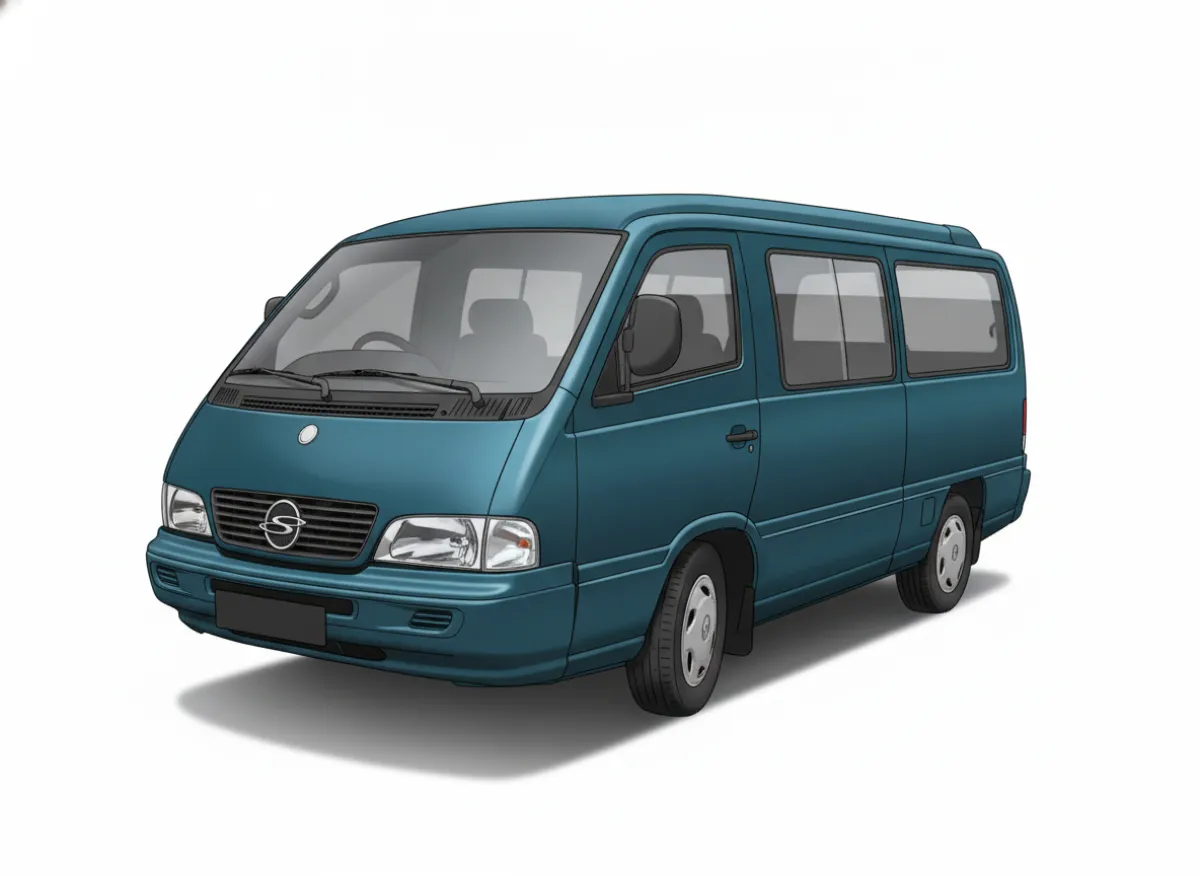
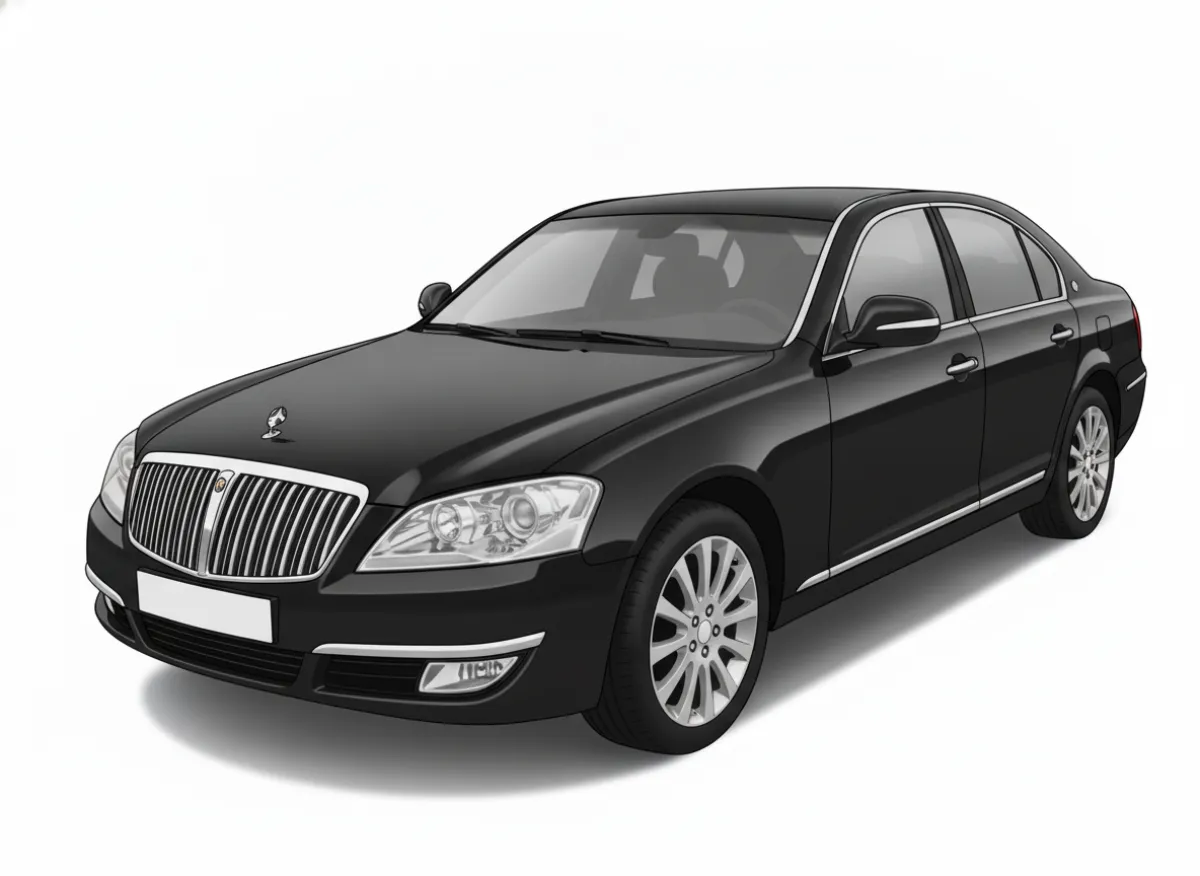
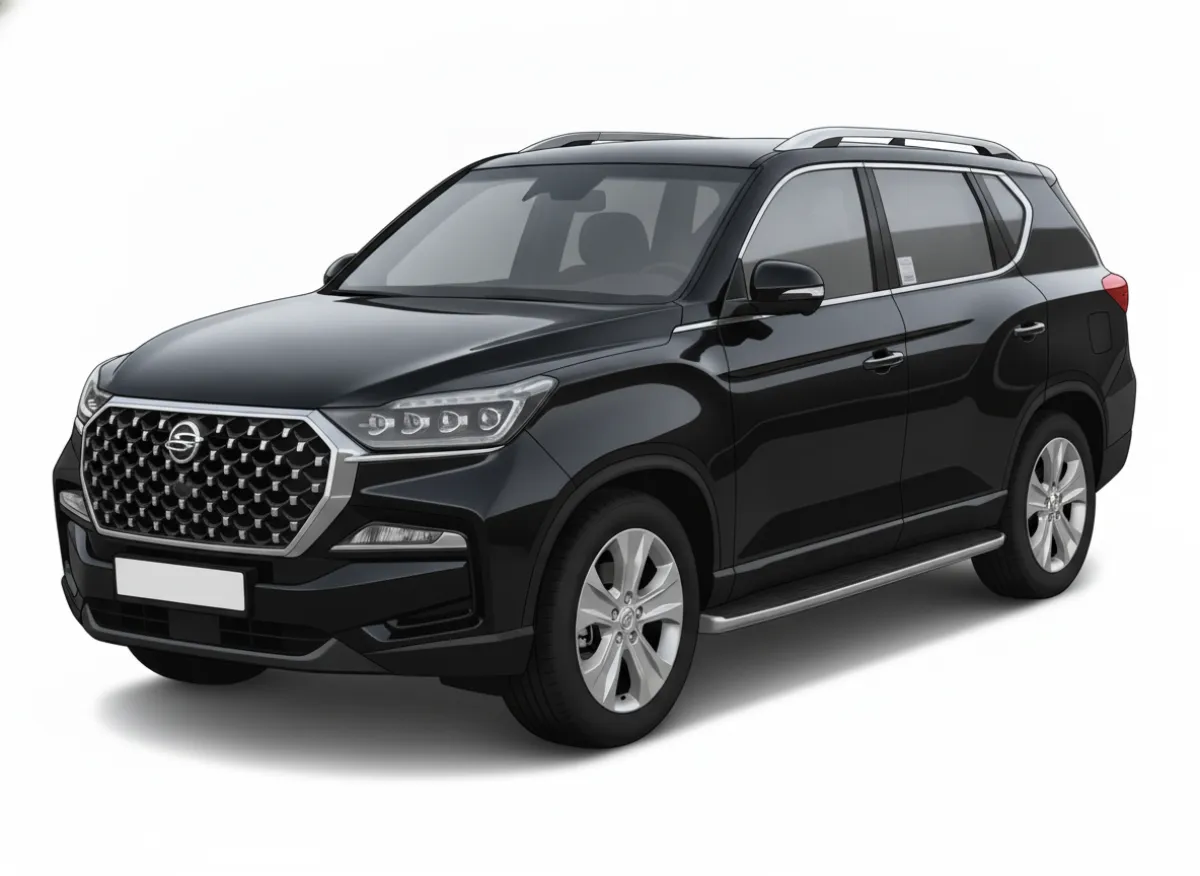
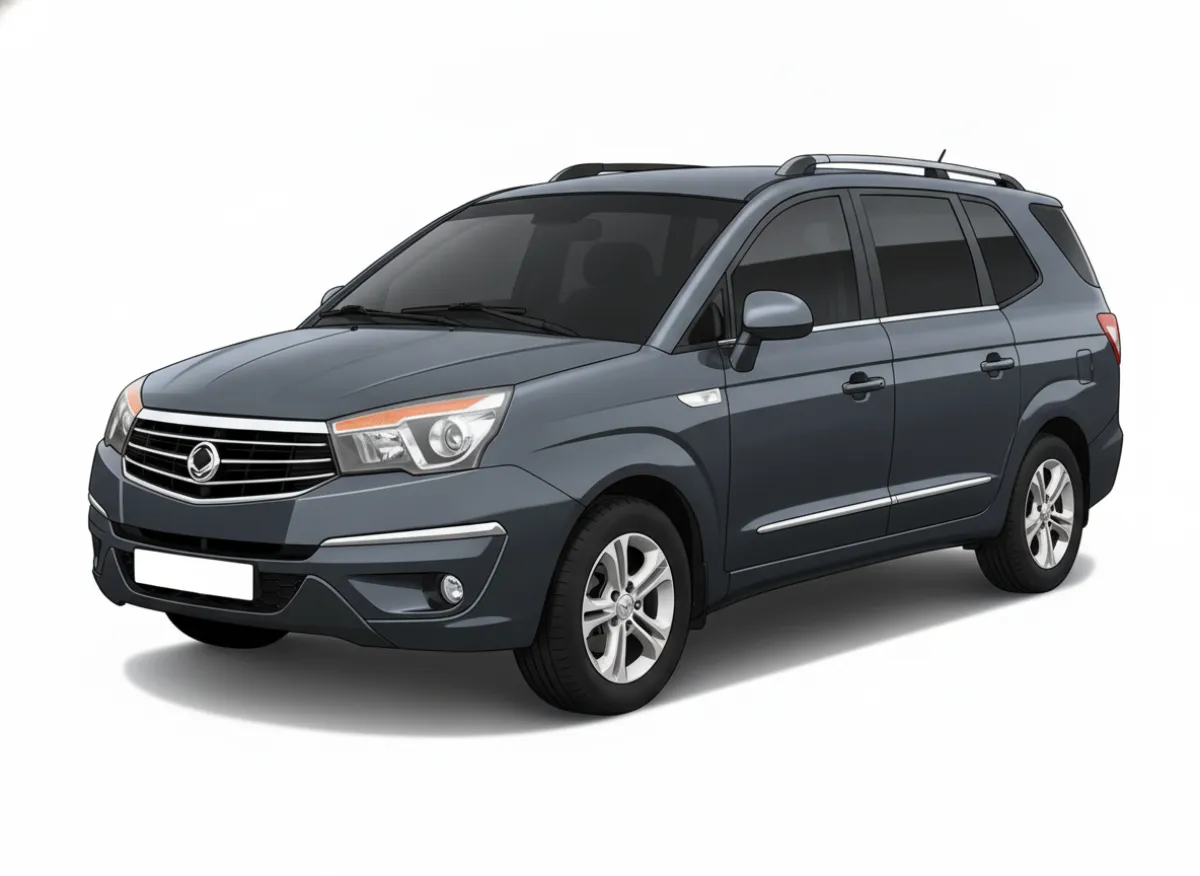
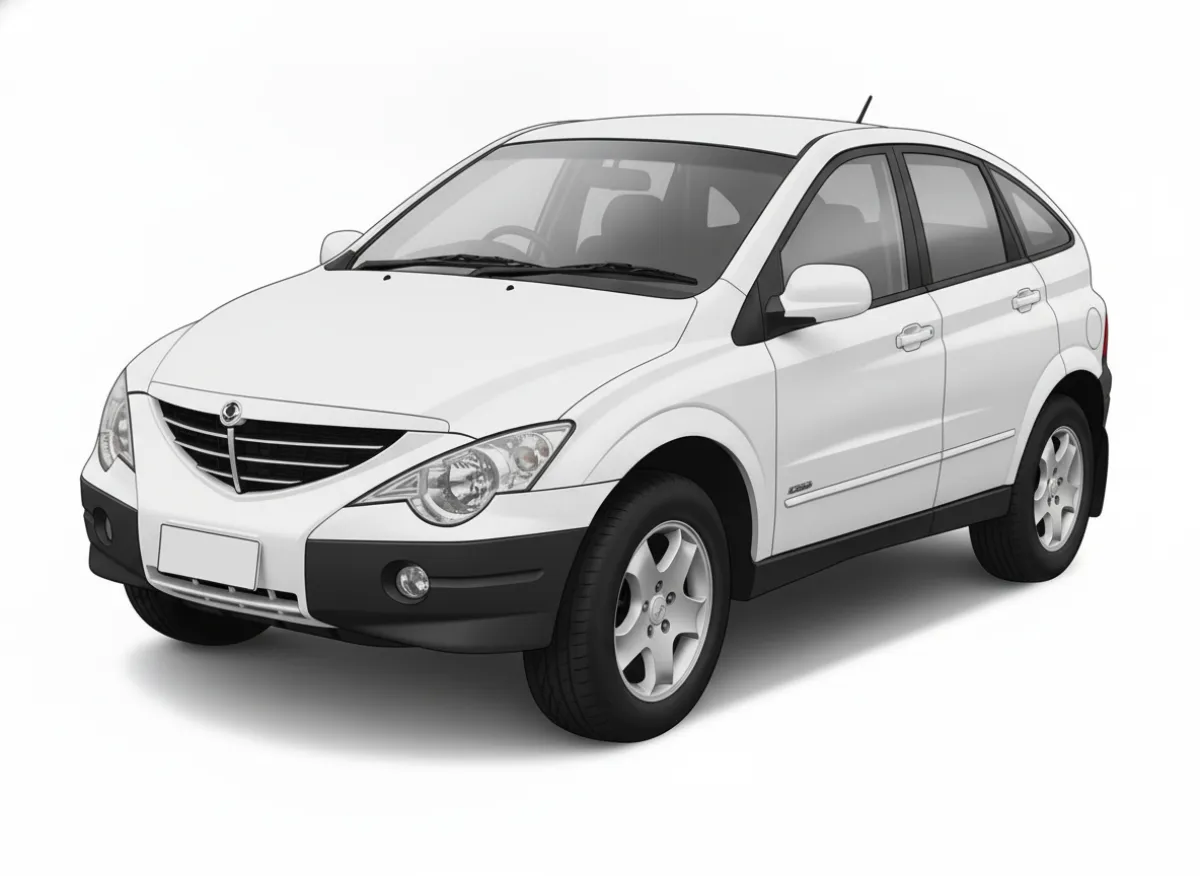
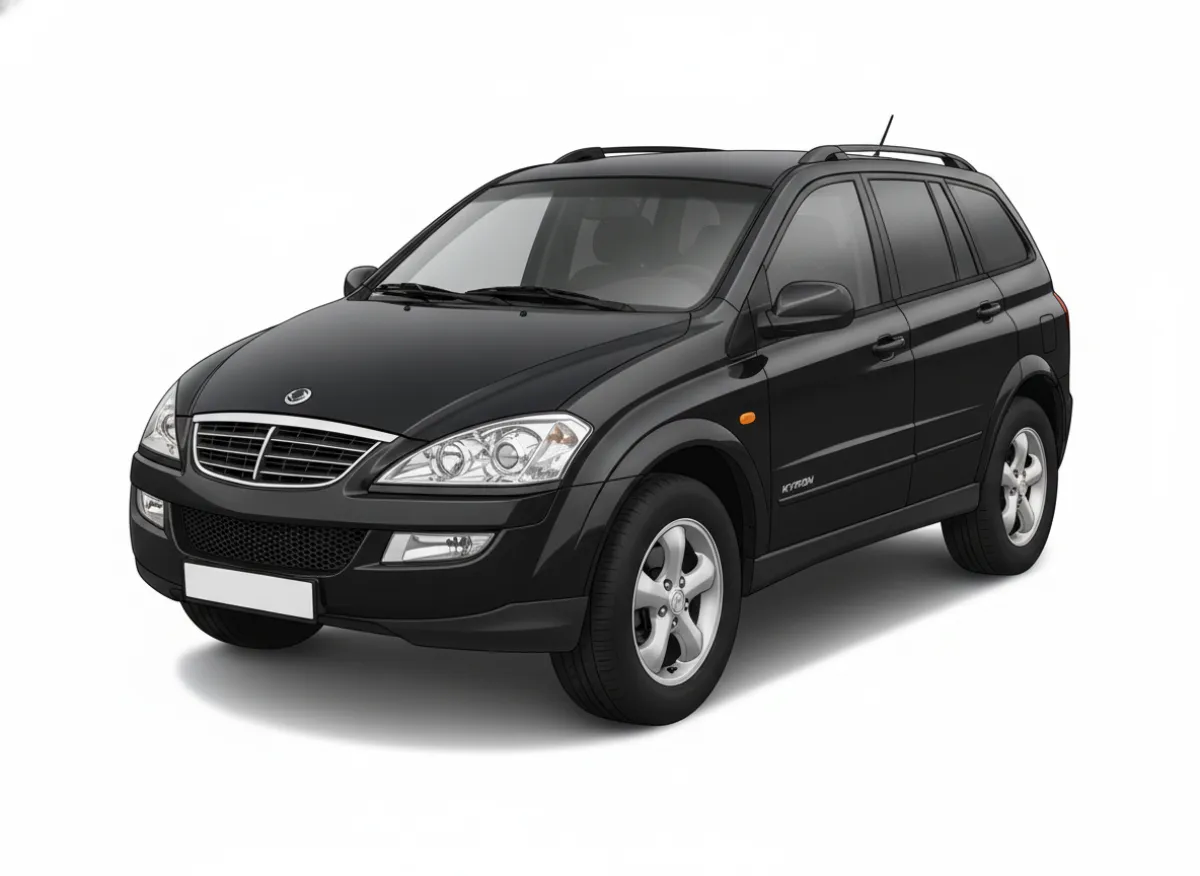
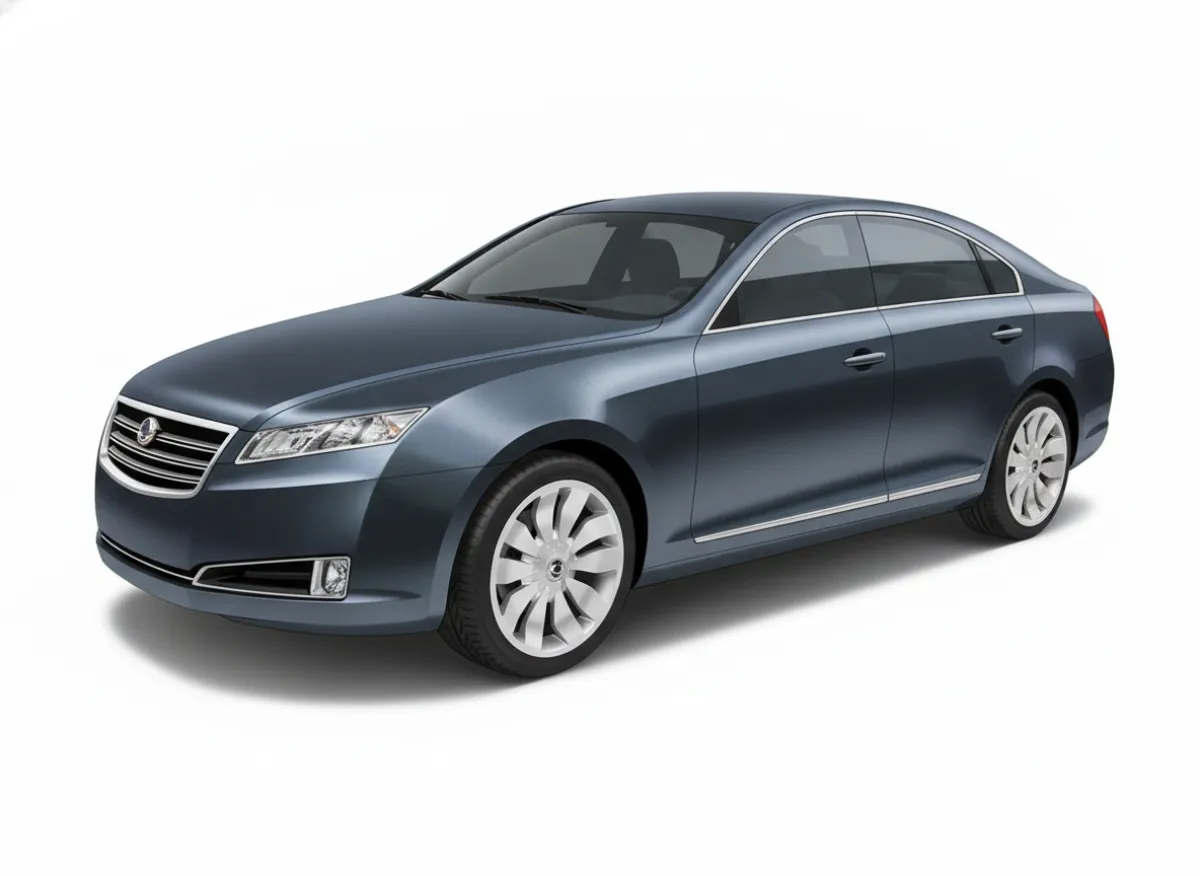
Class: Mini SUV (1983–2006), Compact crossover SUV (C) (2010–present).