Italy · since 1939
Ferrari
A racing team that sold road cars to pay for racing, run by its founder for four decades, then by Fiat, and since 2016 an independent listed company.
Models on record
Researched dossiers
- Founded
- 1939
- Founders
- Enzo Ferrari
- Headquarters
- Maranello, Modena, Italy
- Owned by
- Ferrari N.V. (listed; largest holders Exor N.V. and Piero Ferrari)
- Status
- active
- Cars on record
- 1947–today
Marque summary from Wikipedia, CC BY-SA 4.0.
About Ferrari
Ferrari S.p.A. (; Italian: [ferˈraːri]) is an Italian luxury sports car manufacturer based in Maranello, Italy. Founded in 1939 by Enzo Ferrari (1898–1988), the company built its first car in 1940, adopted its current name in 1945, and began to produce its current line of road cars in 1947. Ferrari became a public company in 1960, and from 1963 to 2014, it was a subsidiary of Fiat S.p.A. It was spun off from Fiat's successor entity, Fiat Chrysler Automobiles, in 2016.
Key people John Elkann · (executive chairman) · Piero Ferrari · (vice chairman) · Benedetto Vigna
Who owned it
5 changes of control, 1939 to today.
- 1939–1960Enzo Ferrari (Auto Avio Costruzioni, renamed Auto Costruzioni Ferrari in 1945) · 100%Founded 13 September 1939. The earlier Scuderia Ferrari (1929) was a racing team, 80% owned by Alfa Romeo from 1937.
- 1960–1969Ferrari SEFAC (share company controlled by Enzo Ferrari)Reorganised as Società Esercizio Fabbriche Automobili e Corse in 1960. Ford's 1963 purchase talks failed.
- 1969–1988Fiat S.p.A. (with Enzo Ferrari) · 50% FiatFiat bought 50% in June 1969; Enzo Ferrari kept control of racing and retained the rest, including the 10% later held by Piero Ferrari.
- 1988–2016Fiat S.p.A., then Fiat Chrysler Automobiles (from October 2014) · 90% (Piero Ferrari 10%)Fiat raised its stake to 90% after Enzo Ferrari died in 1988. In October 2015 FCA sold about 10% of the shares in a New York IPO priced at US$52; the remaining 80% was distributed to FCA shareholders when the separation completed in January 2016.
- 2016–nowFerrari N.V. (listed; largest holders Exor N.V. and Piero Ferrari) · Exor 24.65% of equity / 36.48% of votes; Piero Ferrari 10.48% / 15.51%Stakes as shown in Wikipedia's infobox at the time of research; German Wikipedia gives lower figures (Exor 22.91%, Piero Ferrari 9.74%), which may reflect a different date or measure.
Chief executives
Sales, revenue and rank
Vehicles sold or built
What the figure counts changes 2 times. Read each numbered stretch on its own.
- 1947–1984Ferrari cars produced (production, not sales), from a Ferrari production-by-year chart compiled by Michele Fenu (1992) as tabulated by Wikipedia
- 1985–2013Ferrari cars sold to end customers, as tabulated by Wikipedia from La Stampa reports (1985–86) and its production-history source; the underlying source for 1987–1998 could not be opened
- 2014–2024Ferrari shipments (cars shipped to dealers), from FCA and Ferrari N.V. results documents as tabulated by Wikipedia
Revenue
EUR of the day, not adjusted for inflation
Ferrari N.V. consolidated net revenues (cars and spare parts, engines, sponsorship/commercial/brand, other), calendar year
Sources for these figures (5)
- Ferrari (including the table "Annual Ferrari sales to end customers", which cites Fenu 1992, La Stampa, Fiat Group annual reports 1999–2012, Autocar, FCA and Ferrari N.V. results documents) — Wikipedia
- History of Ferrari — Wikipedia
- Ferrari — Wikipedia (German)
- Ferrari FY 2022 Results press release (2 February 2023) — Ferrari N.V.
- Ferrari N.V. Annual Report 2021 (net revenues table, 2021/2020/2019) — Ferrari N.V.
- This file was compiled after the session's web-search budget was exhausted, so research was limited to pages that could be fetched directly. Ferrari's corporate site, the SEC (Form 20-F) and the Internet Archive could not be reached; Fiat Group annual reports on fcagroup.com returned 403.
- Units 1947–2024 follow Wikipedia's table, whose basis changes: 1947–1984 are production figures (a 1992 chart by Michele Fenu, with La Stampa for 1983–84); 1985–2013 are sales to end customers (La Stampa, then Fiat Group annual reports and Autocar); 2014 onward are shipments. Only 2021 and 2022 were checked against a Ferrari primary source.
- Conflict: Wikipedia gives 11,115 for 2021; Ferrari's own FY2022 release gives 11,155 as the 2021 comparative. The company figure is used.
- Wikipedia's table repeats identical values for 1965 and 1969 (619) and for 1966 and 1970 (928). This looks like a possible transcription error, but the underlying 1992 chart could not be opened to check, so the values are kept as given and should be verified.
- German Wikipedia gives 6,452 for 2008, 6,500 for 2010 and 7,195 for 2011 (citing press reports), against 6,587, 6,461 and 7,001 in the English table from Fiat reports. The Fiat-report figures are used.
- 2025 shipments were not found. 2023 and 2024 come from Wikipedia citing the 2024 Form 20-F.
- Revenue is sourced only for 2019–2022 (Ferrari annual report 2021 and FY2022 release) and 2025 (Wikipedia infobox citing the 2025 annual report). Ferrari revenue for 2015–2018 and 2023–2024, and the Ferrari segment revenue Fiat reported before 2015, could not be retrieved in this pass.
- No best-seller is given: Ferrari reports shipments by region and powertrain, not by model, in the documents consulted.
- No ranking is given; OICA ranks Fiat/FCA as a group, not Ferrari.
- Leaders have a gap from 1988 to 1991 and no Fiat-era managing directors are listed: names such as Vittorio Ghidella and Piero Fusaro could not be dated from a source opened in this pass. Mediobanca's and Mubadala's minority stakes of the 2000s could not be confirmed, so they are not in the ownership timeline.
Factories
Researched dossiers
Every model
Models in production each year
1940s
4 launched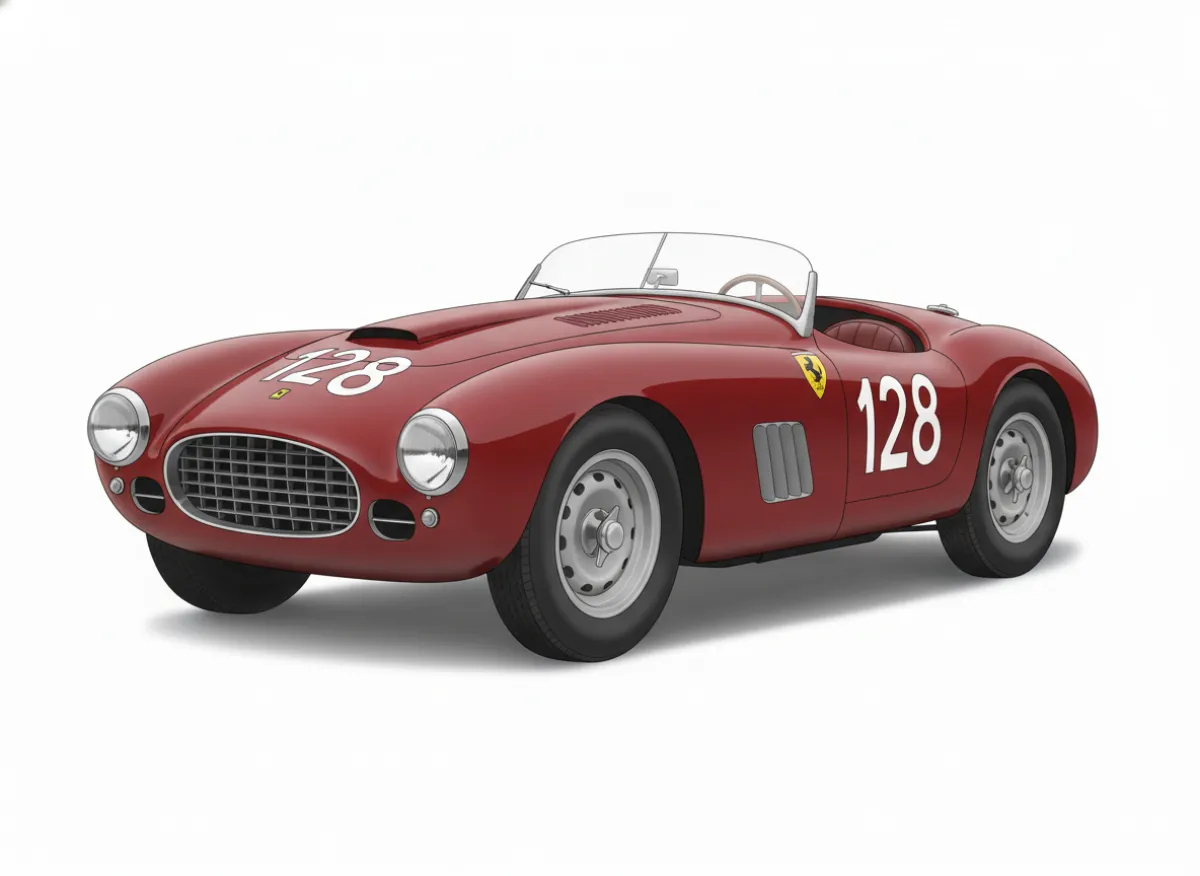
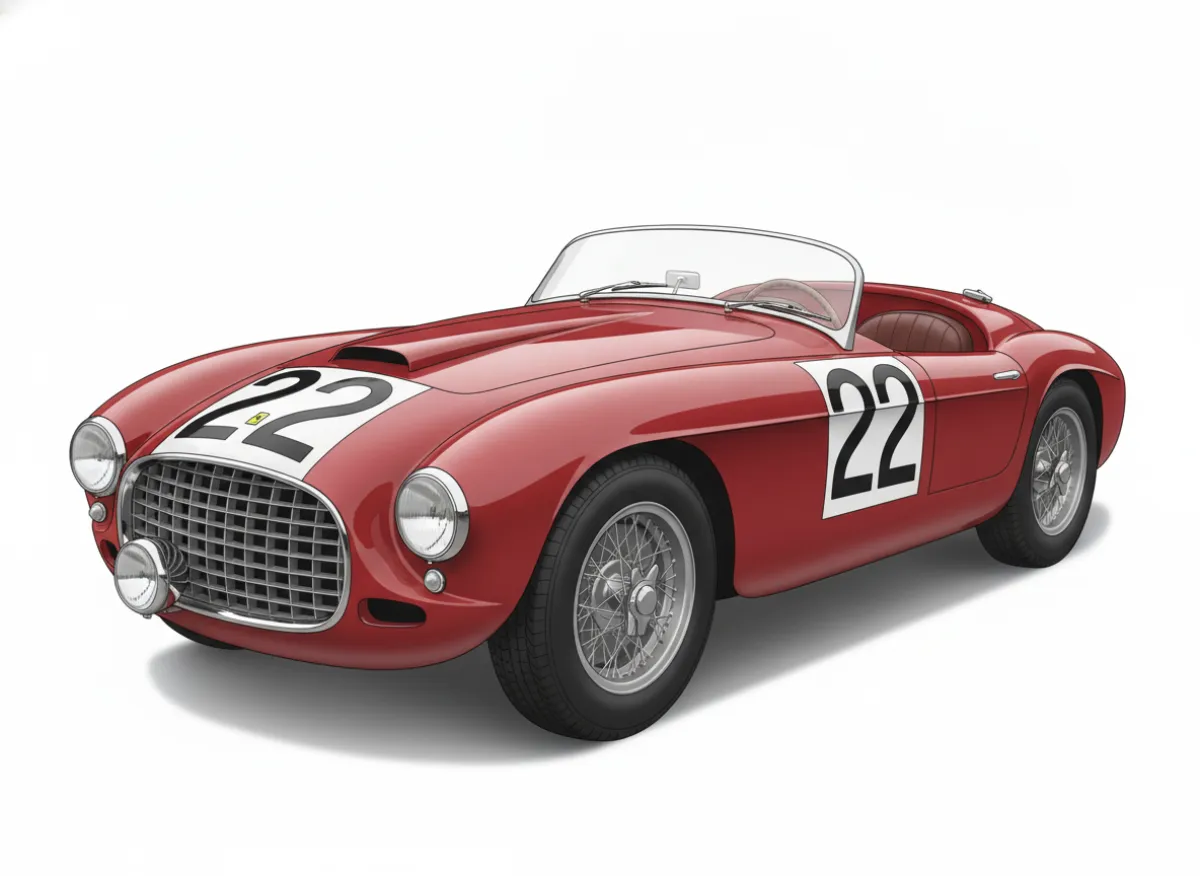
1950s
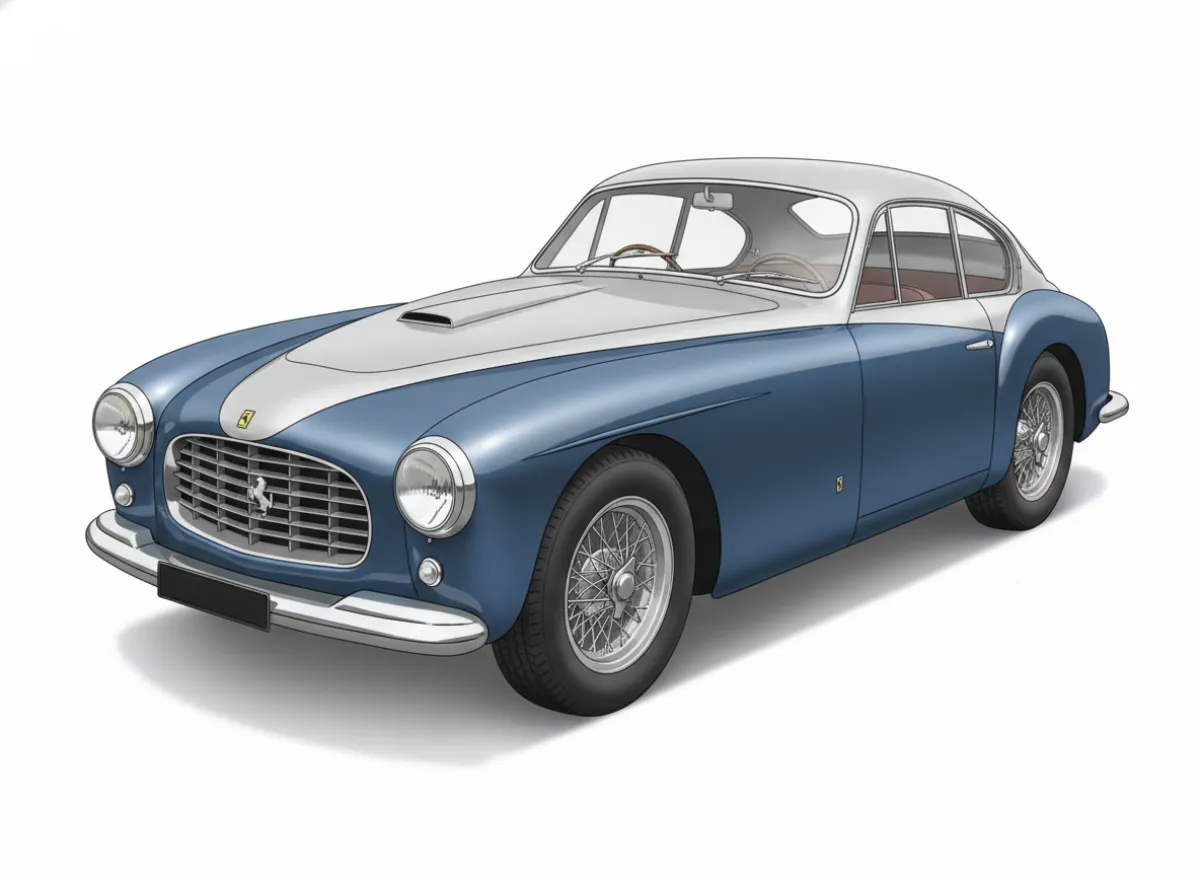
29 launched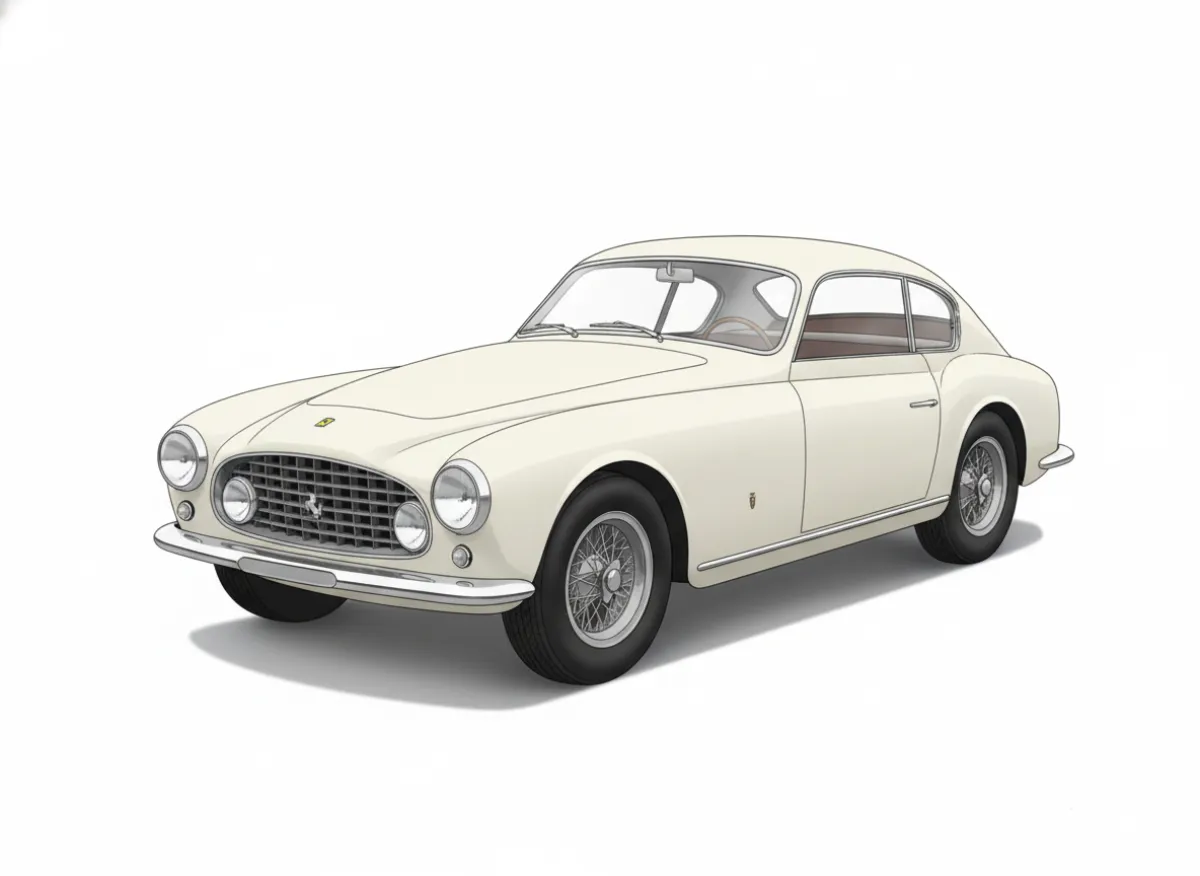 195 Inter1950–1951
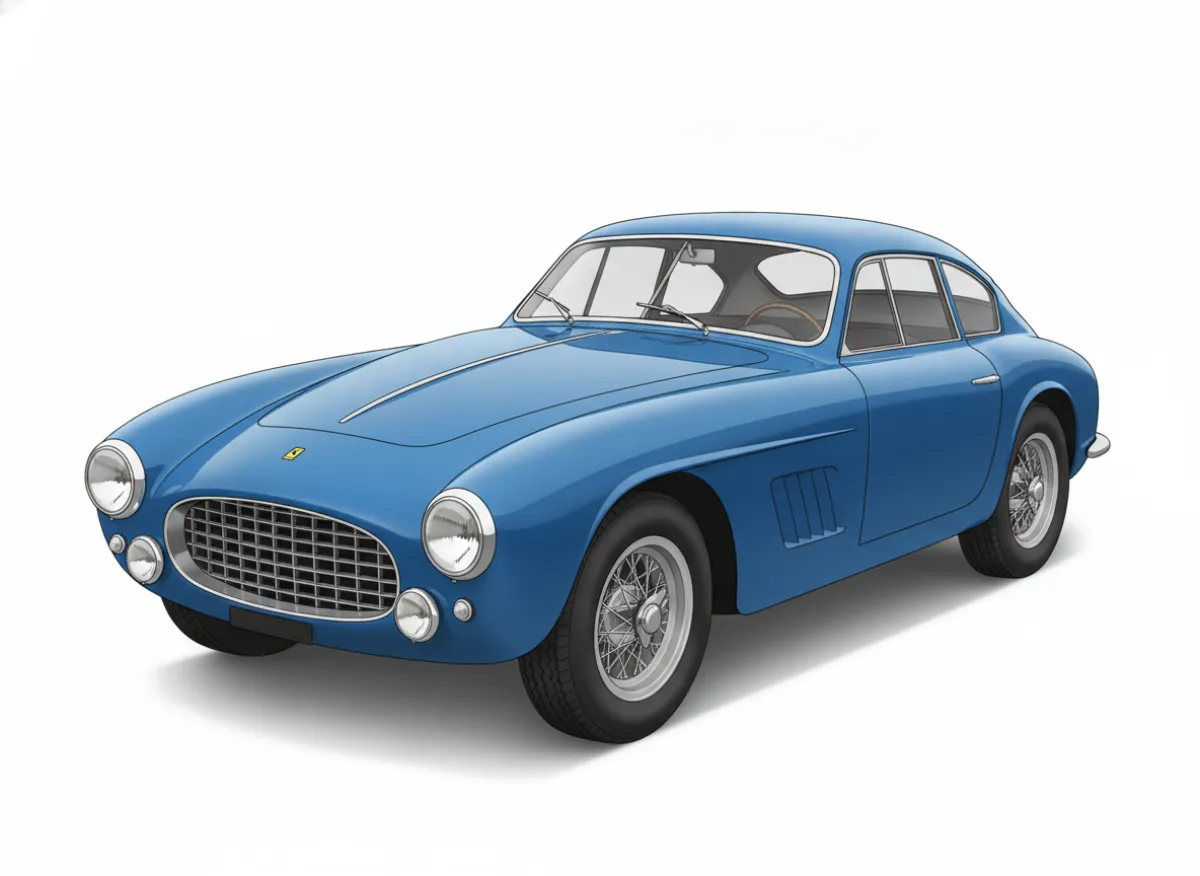 195 S1950
 275 S1950
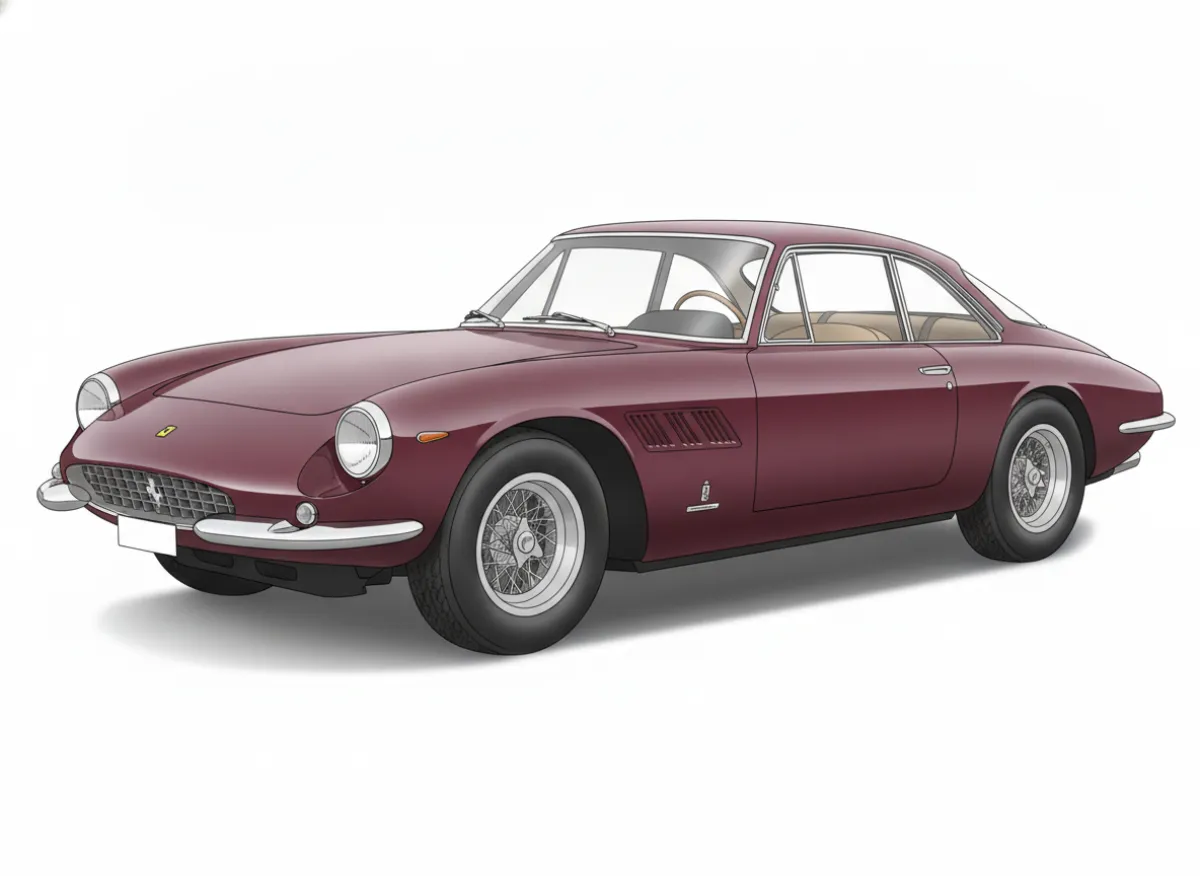 America1950–1967 · 7 gen.
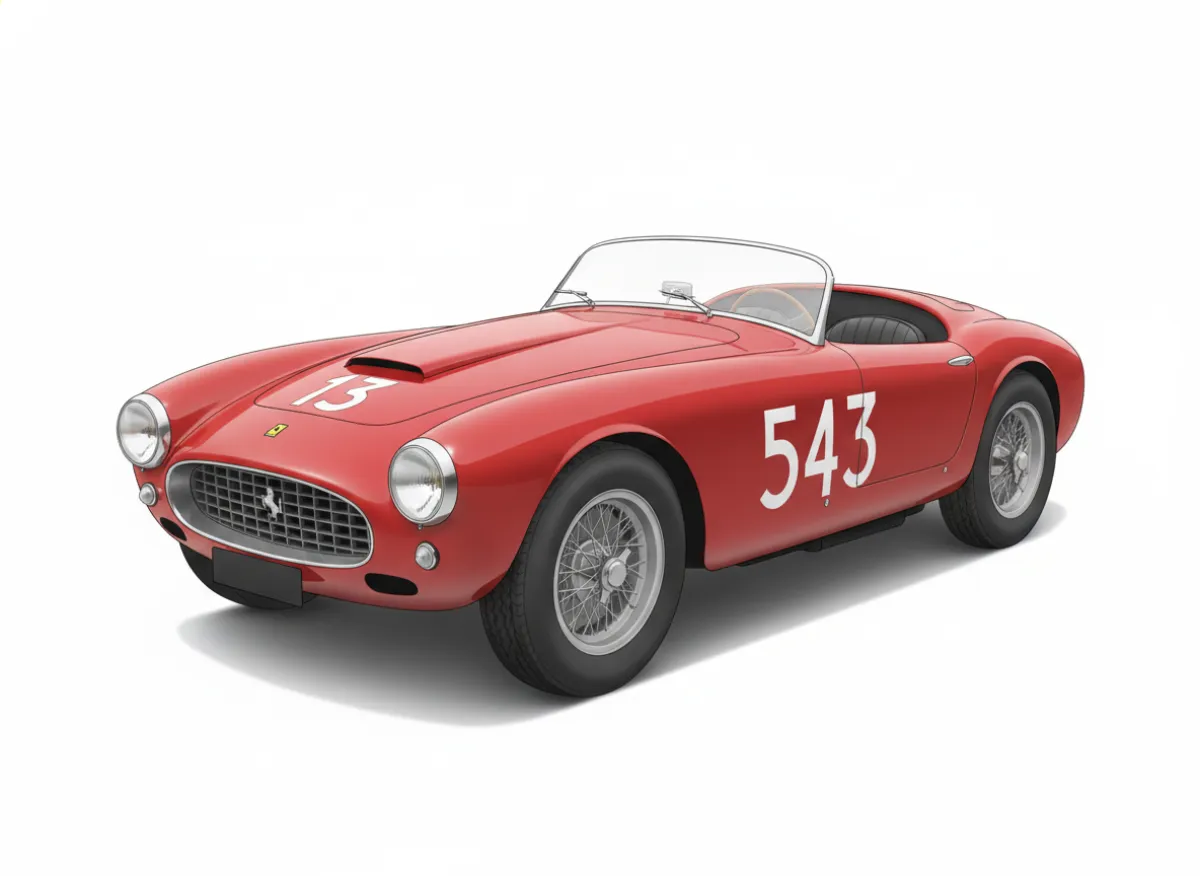 212 Export1951–1952
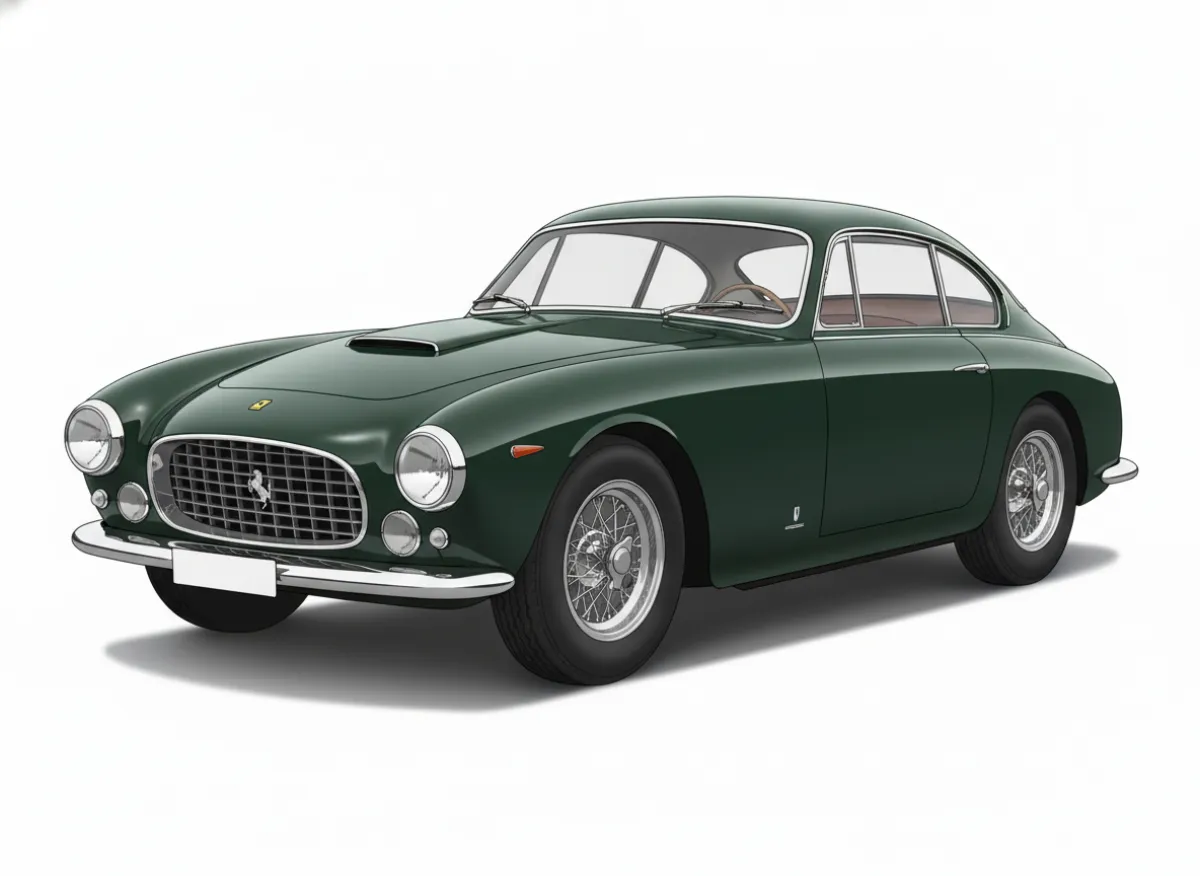 212 Inter1951–1952
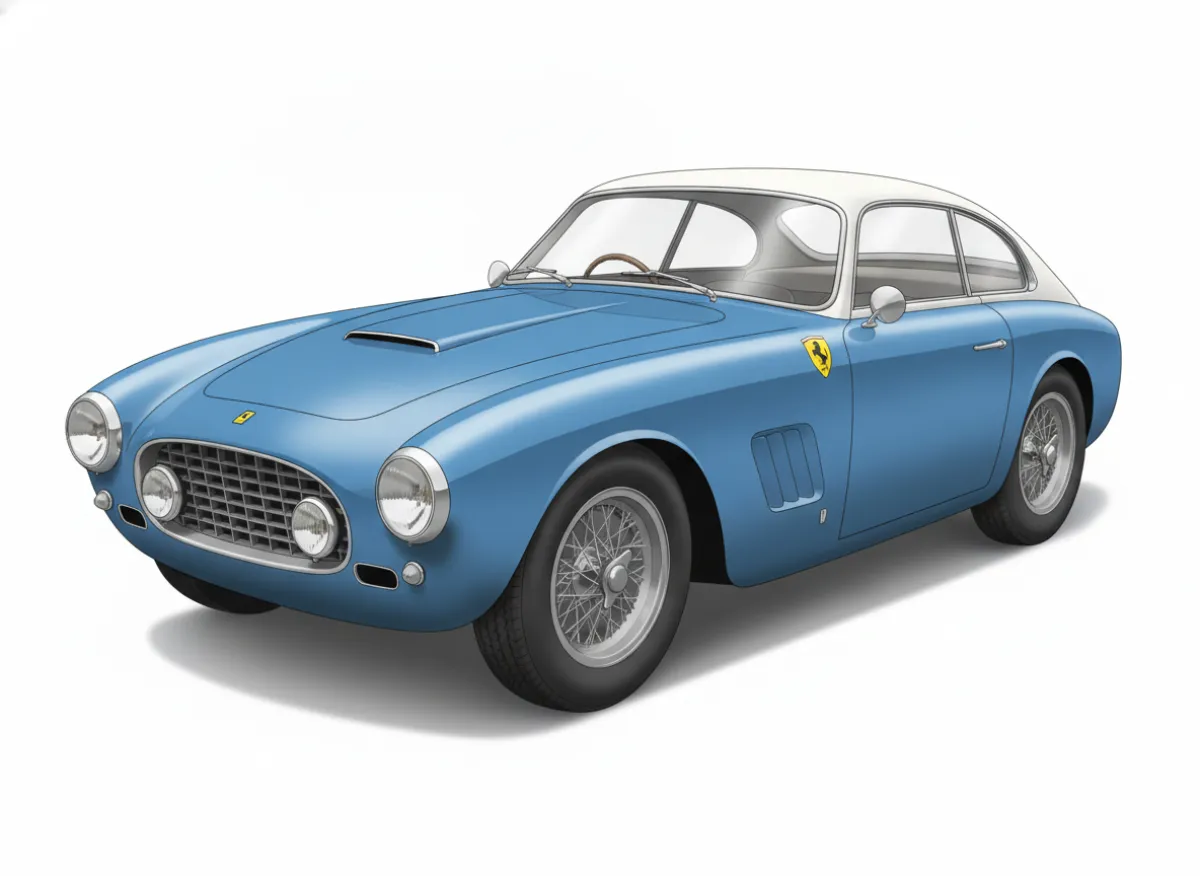 225 S1952
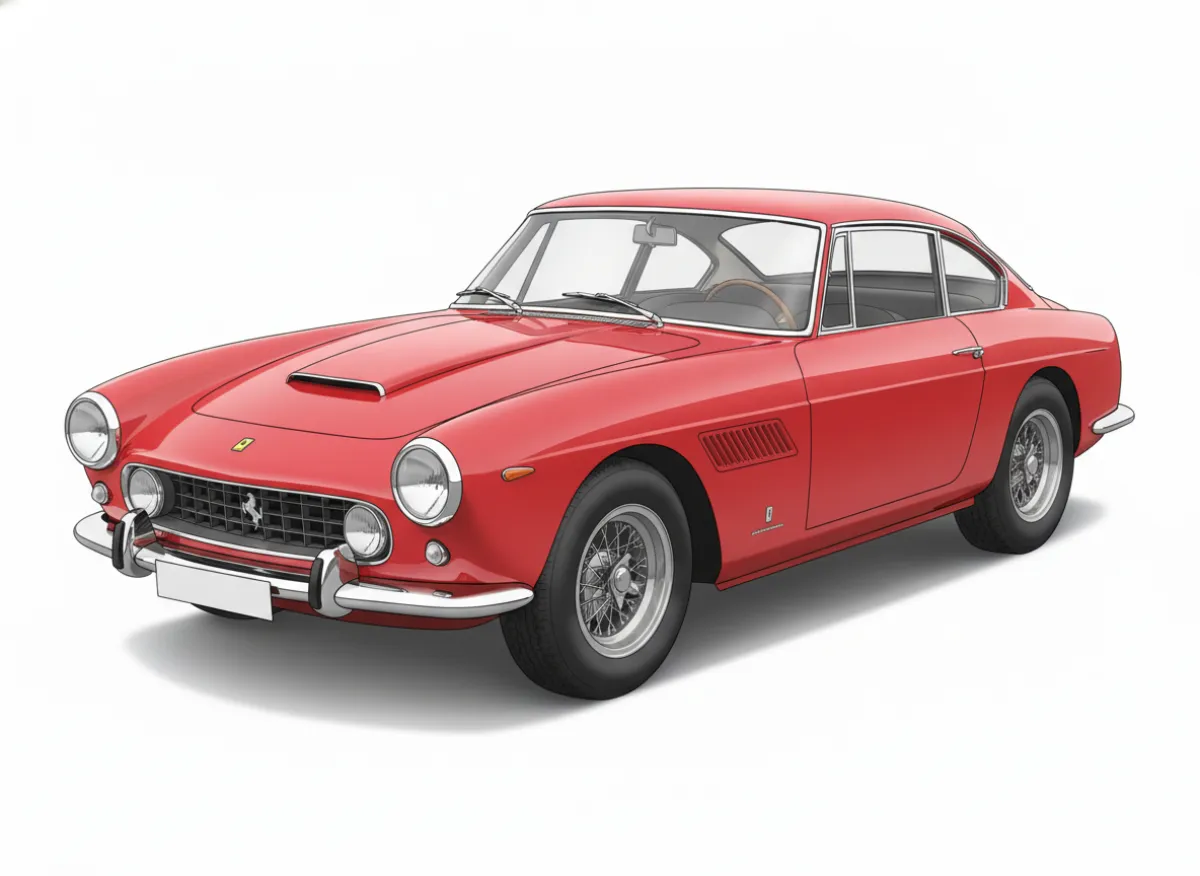 2501952–1964
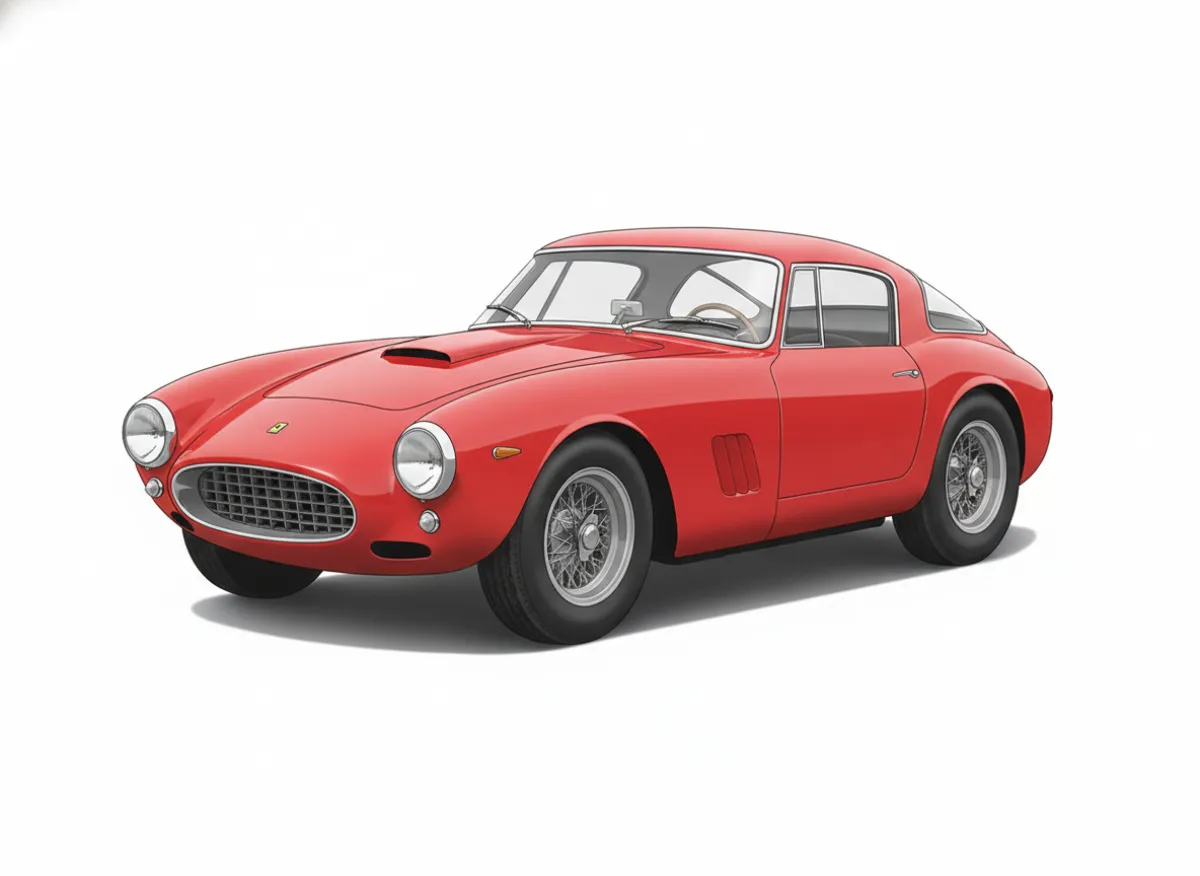 250 MM1952–1954
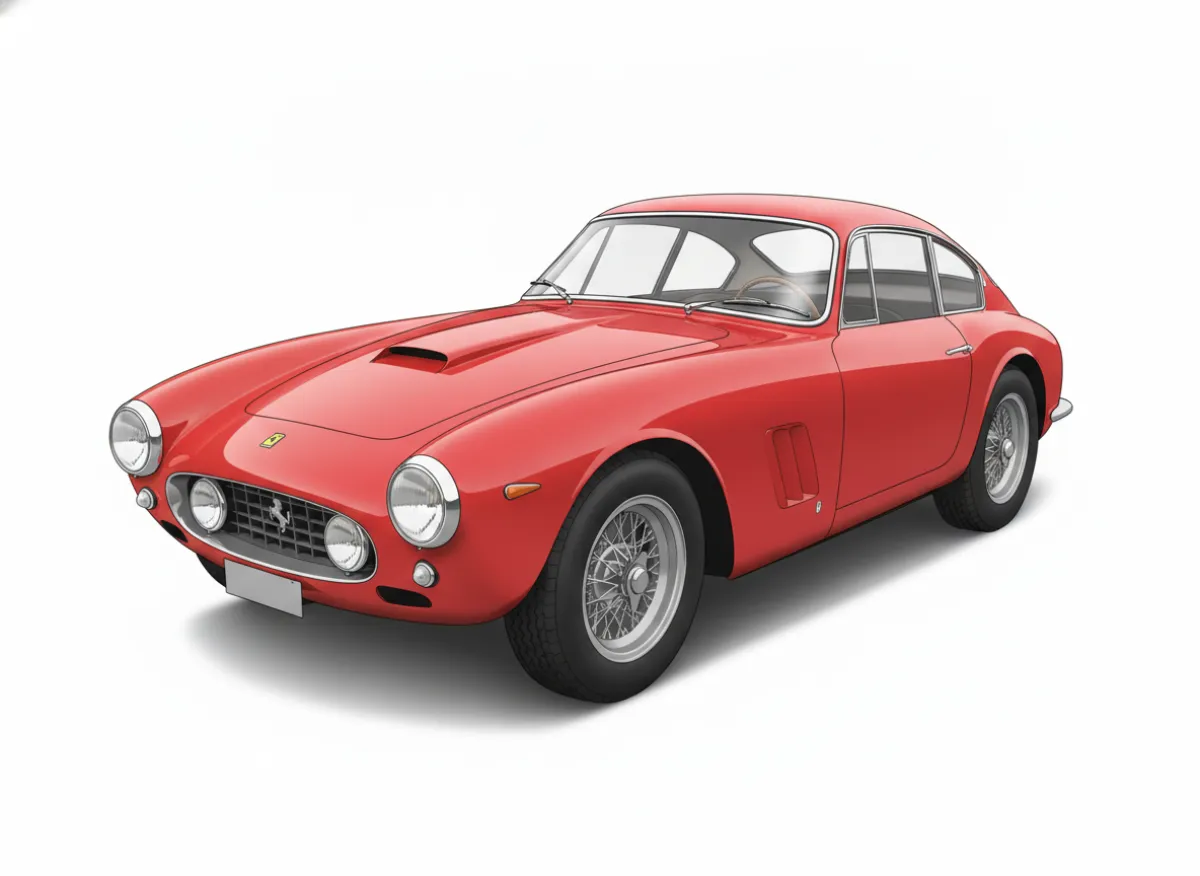 250 S1952
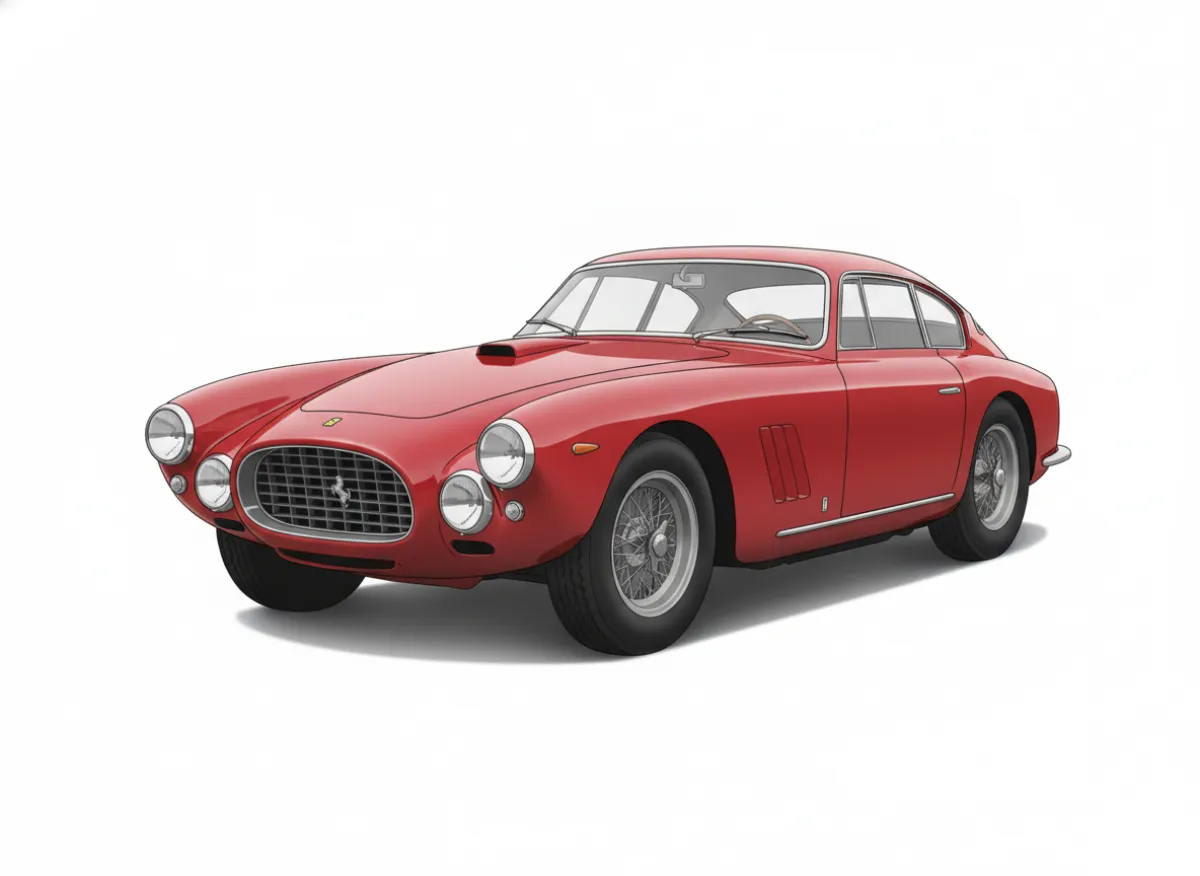 340 Mexico1952
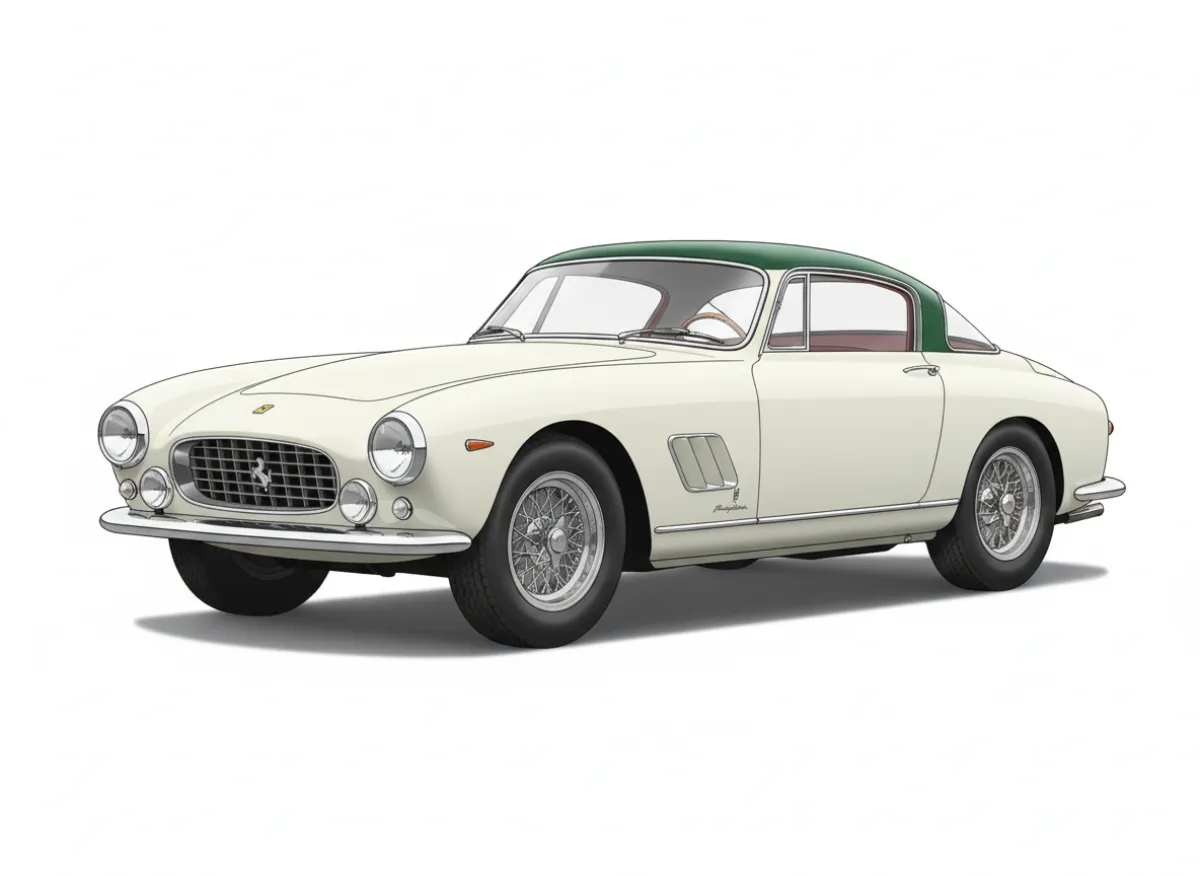 250 Europa1953
 340 MM1953
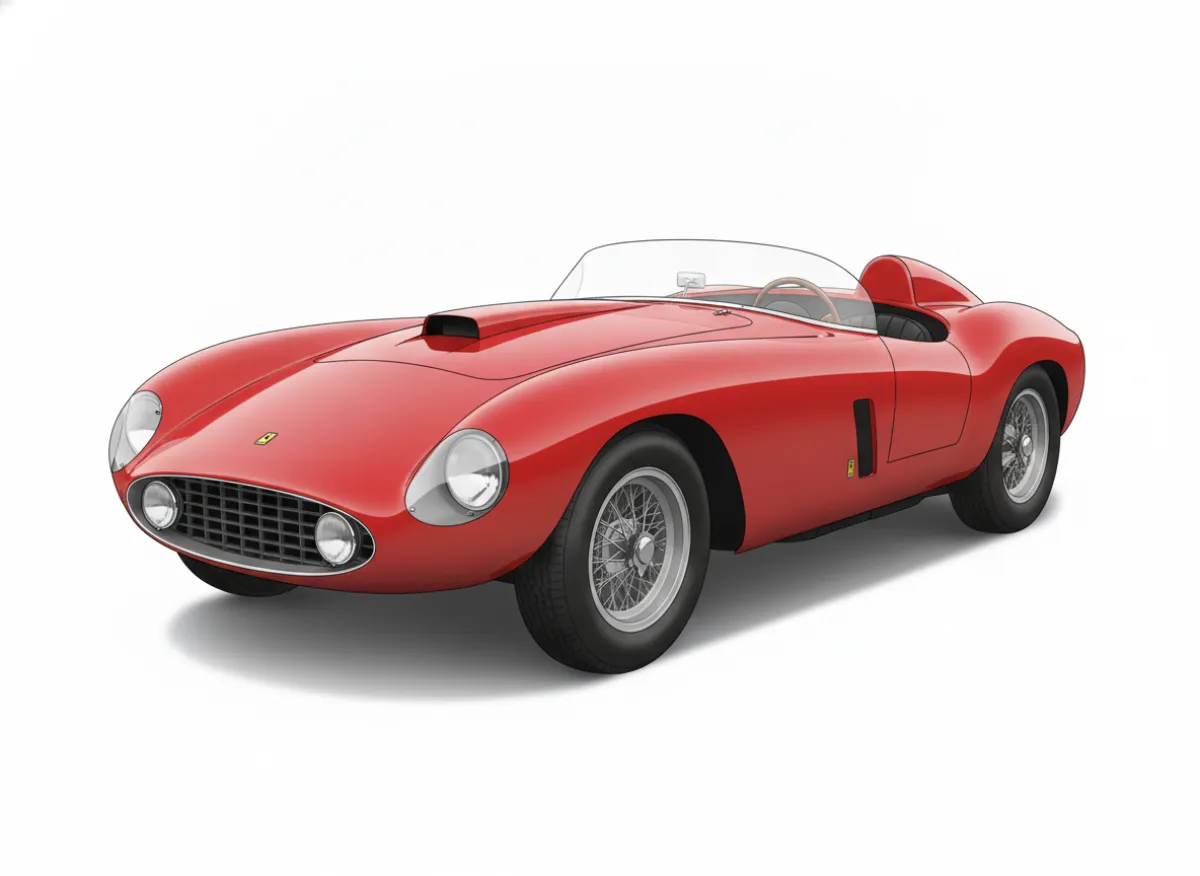 375 MM1953–1955
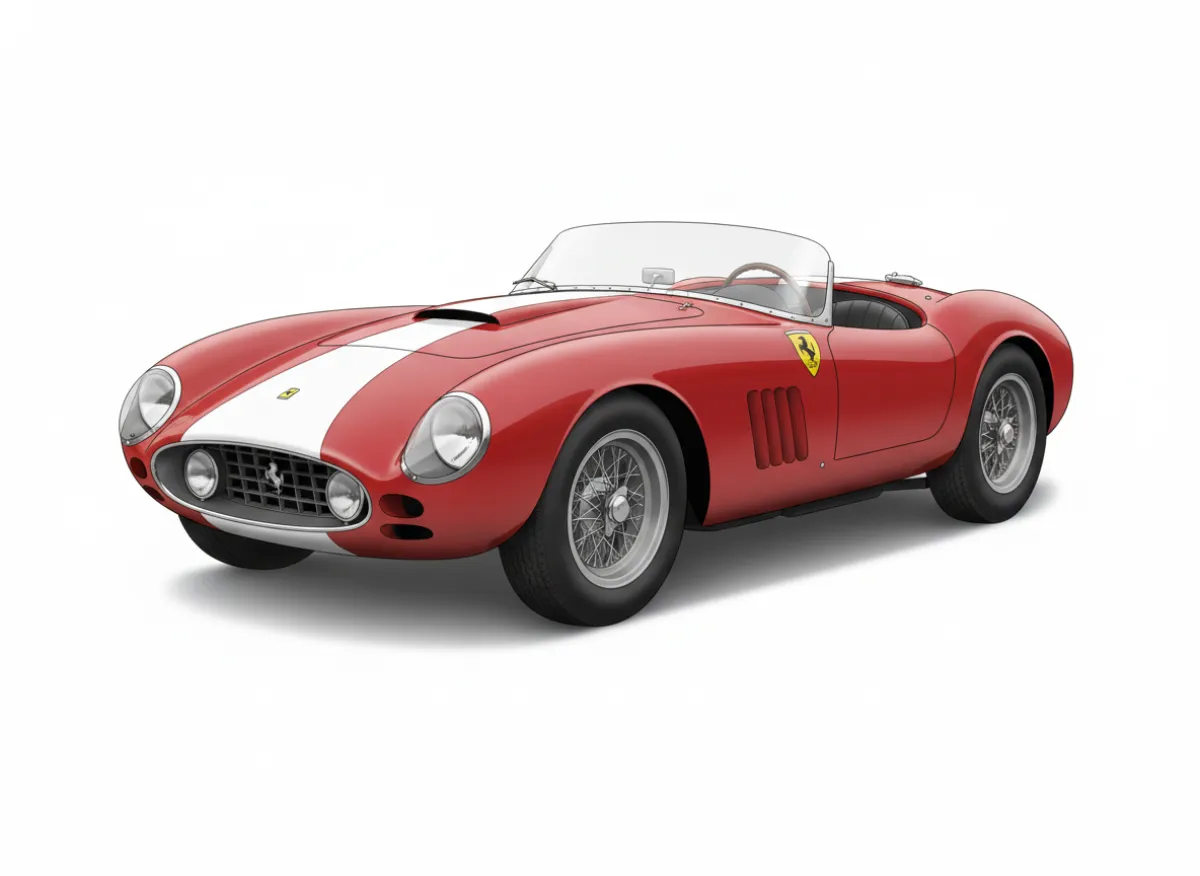 Monza1953–1957 · 9 gen.
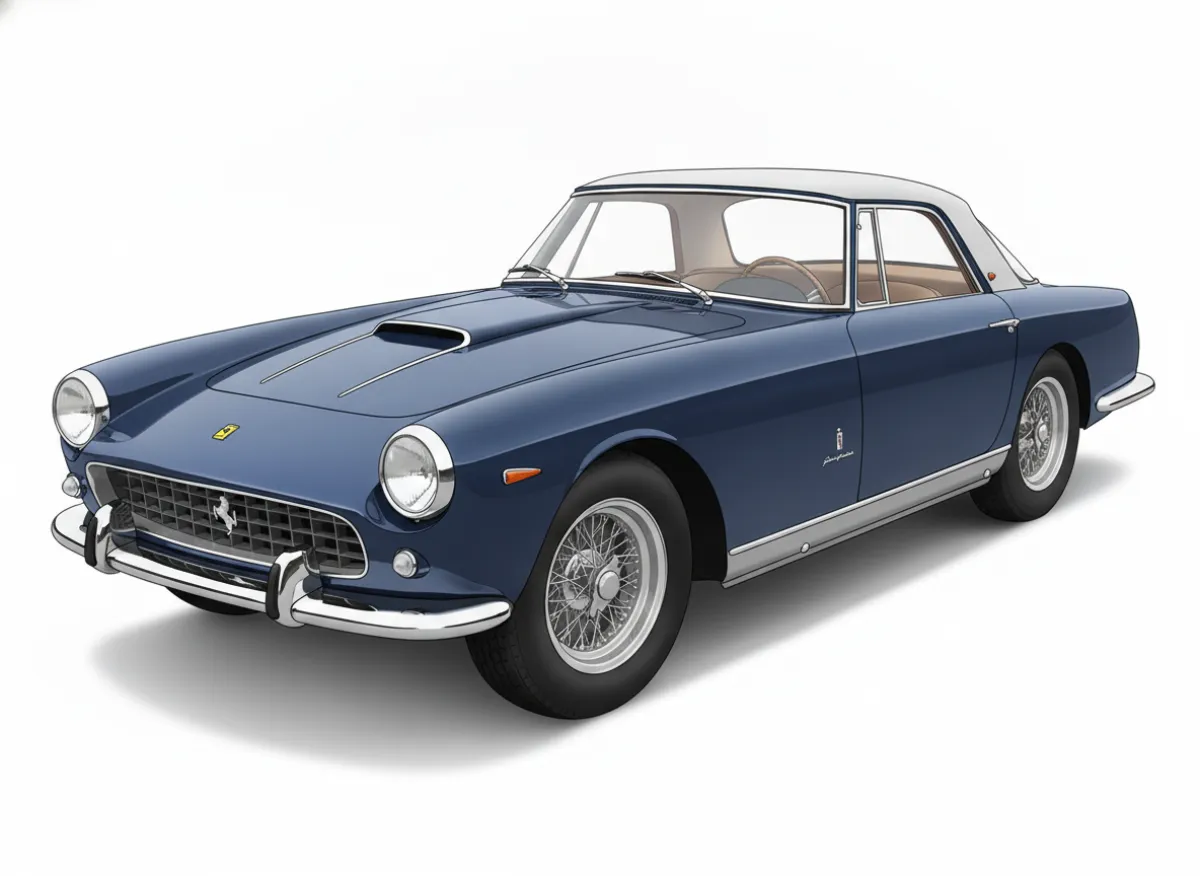 250 GT Coupé1954–1960 · 4 gen.
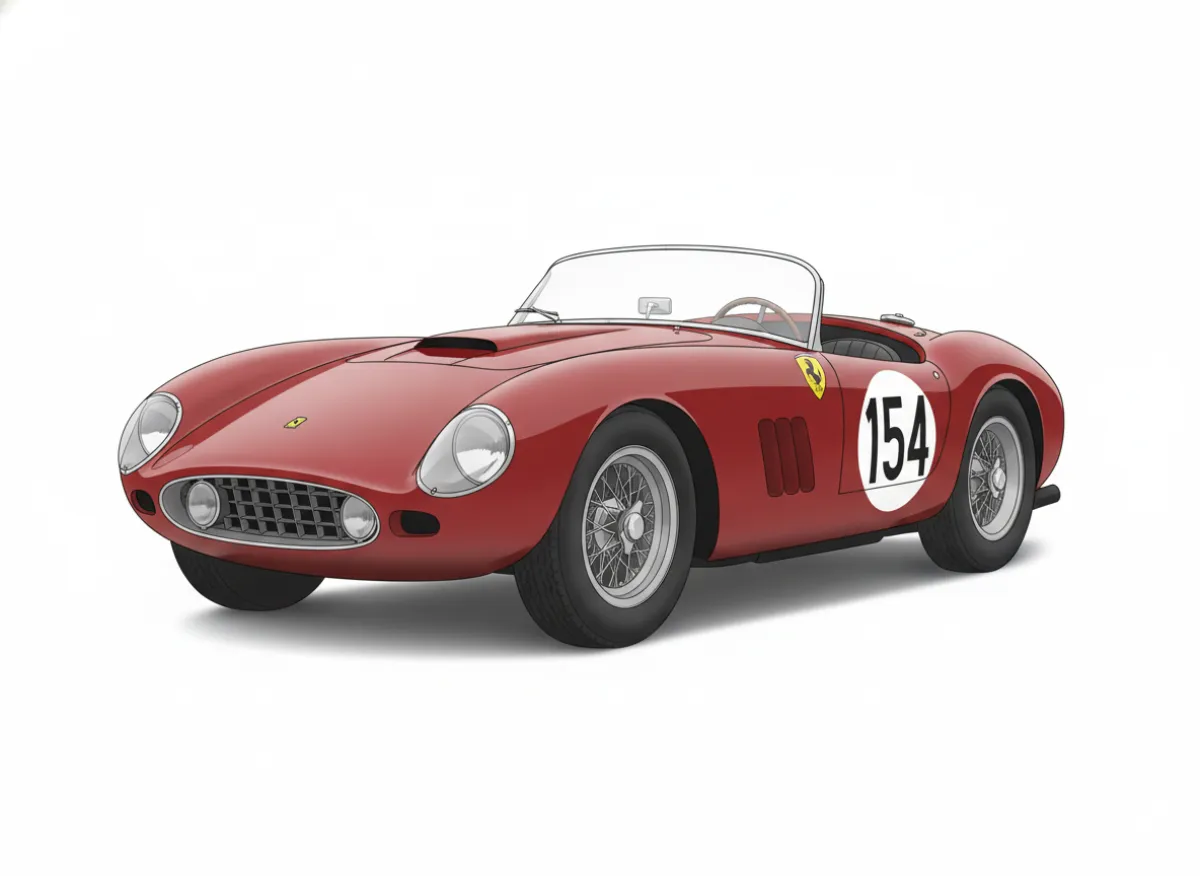 250 Monza1954
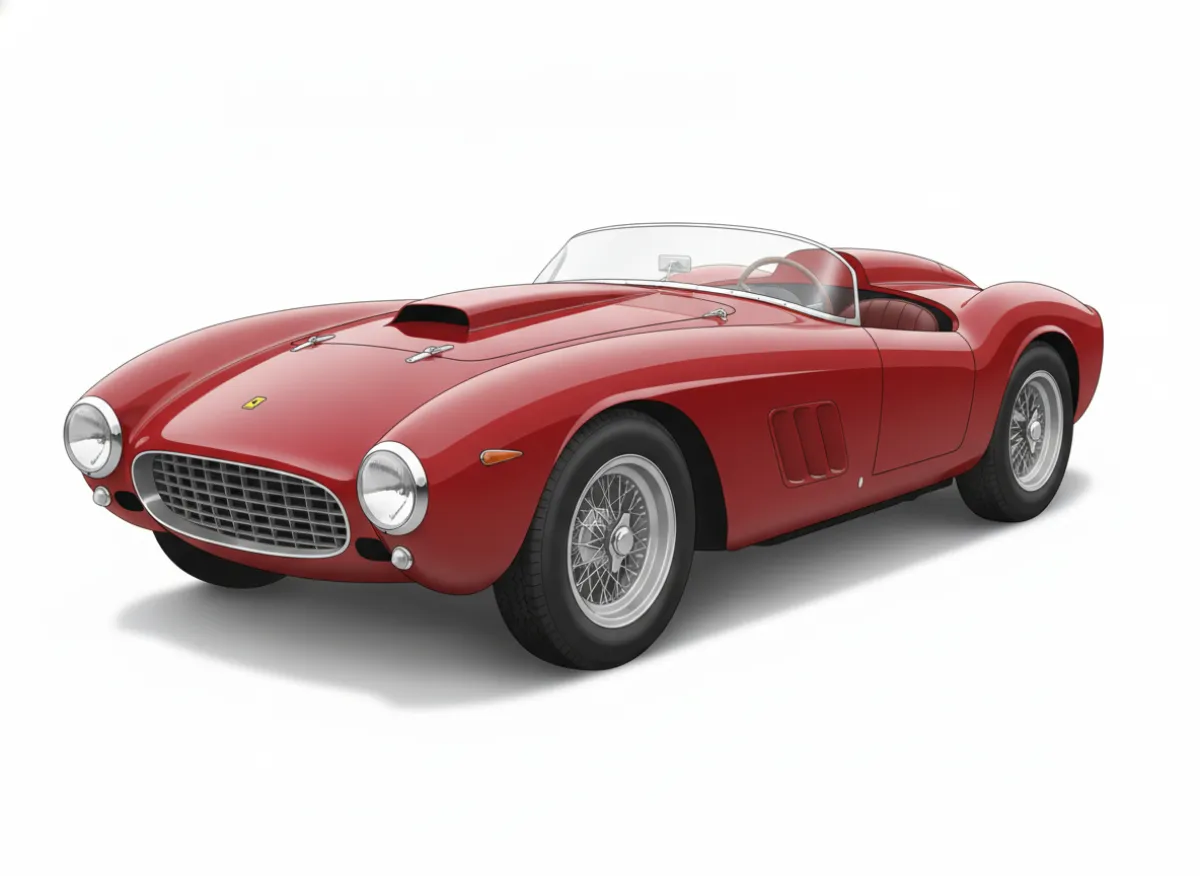 375 Plus1954
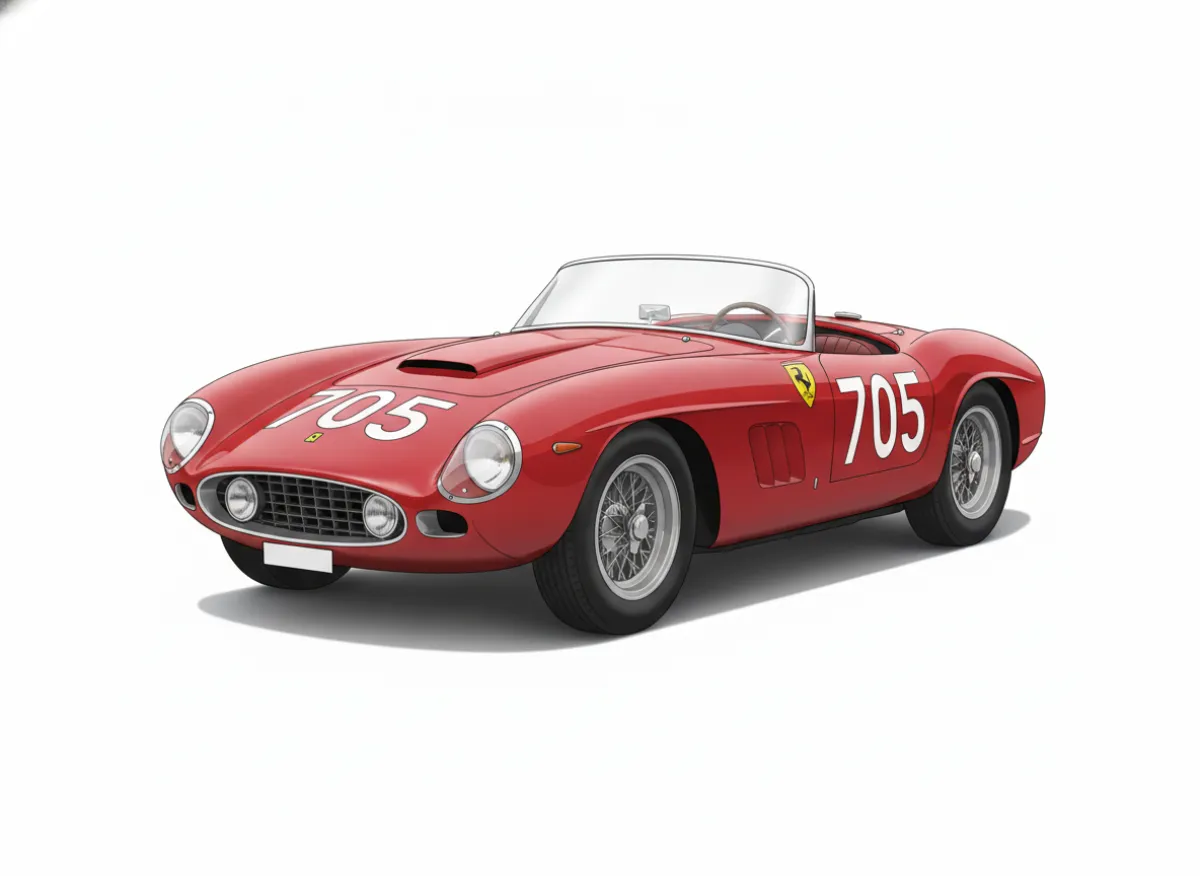 376 S1955
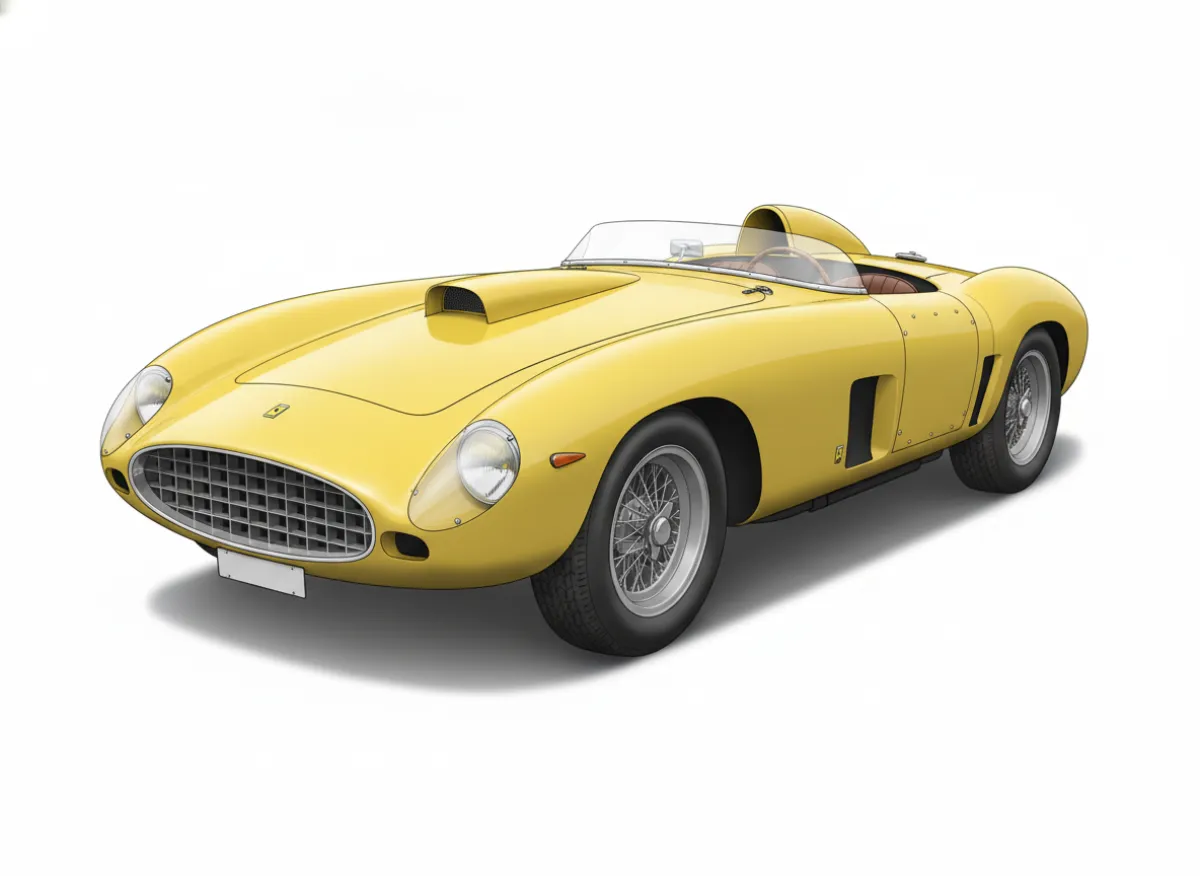 410 S1955–1956
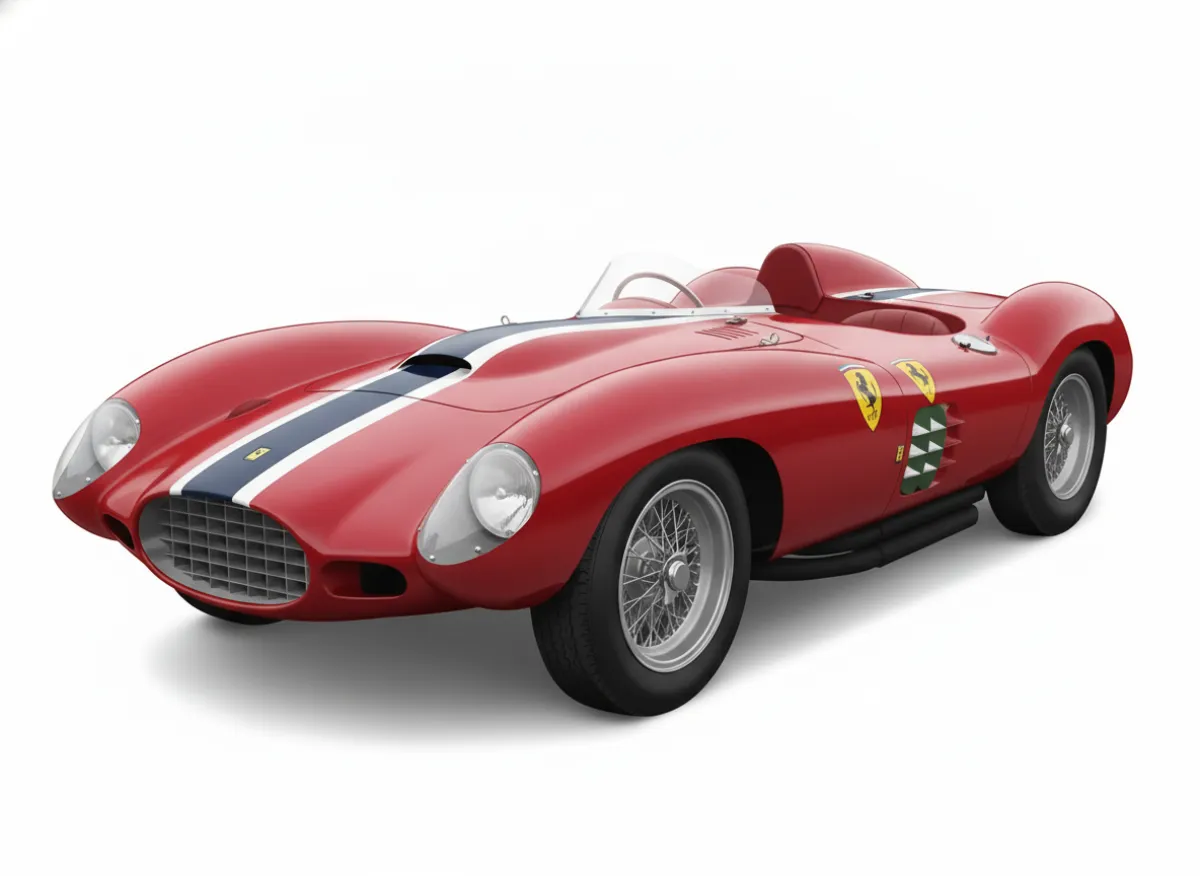 735 LM1955
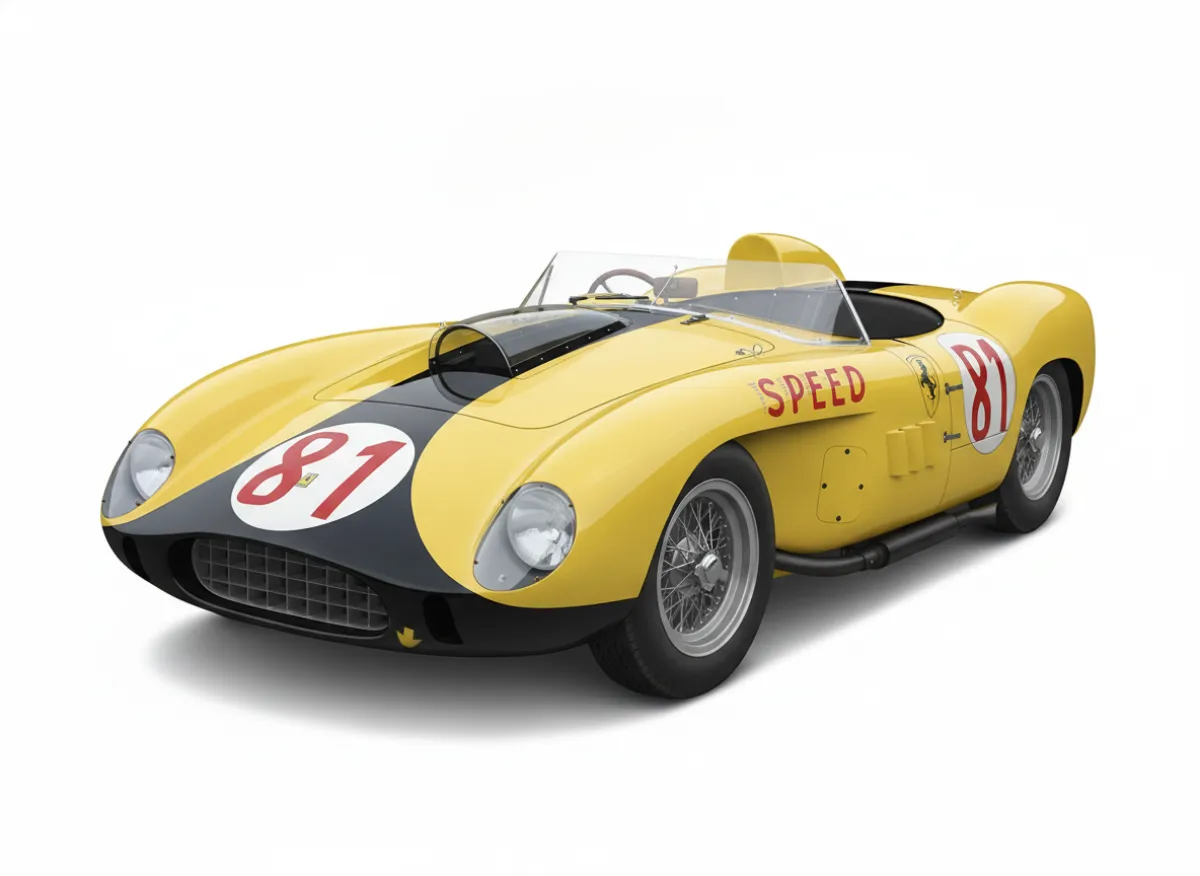 290 MM1956
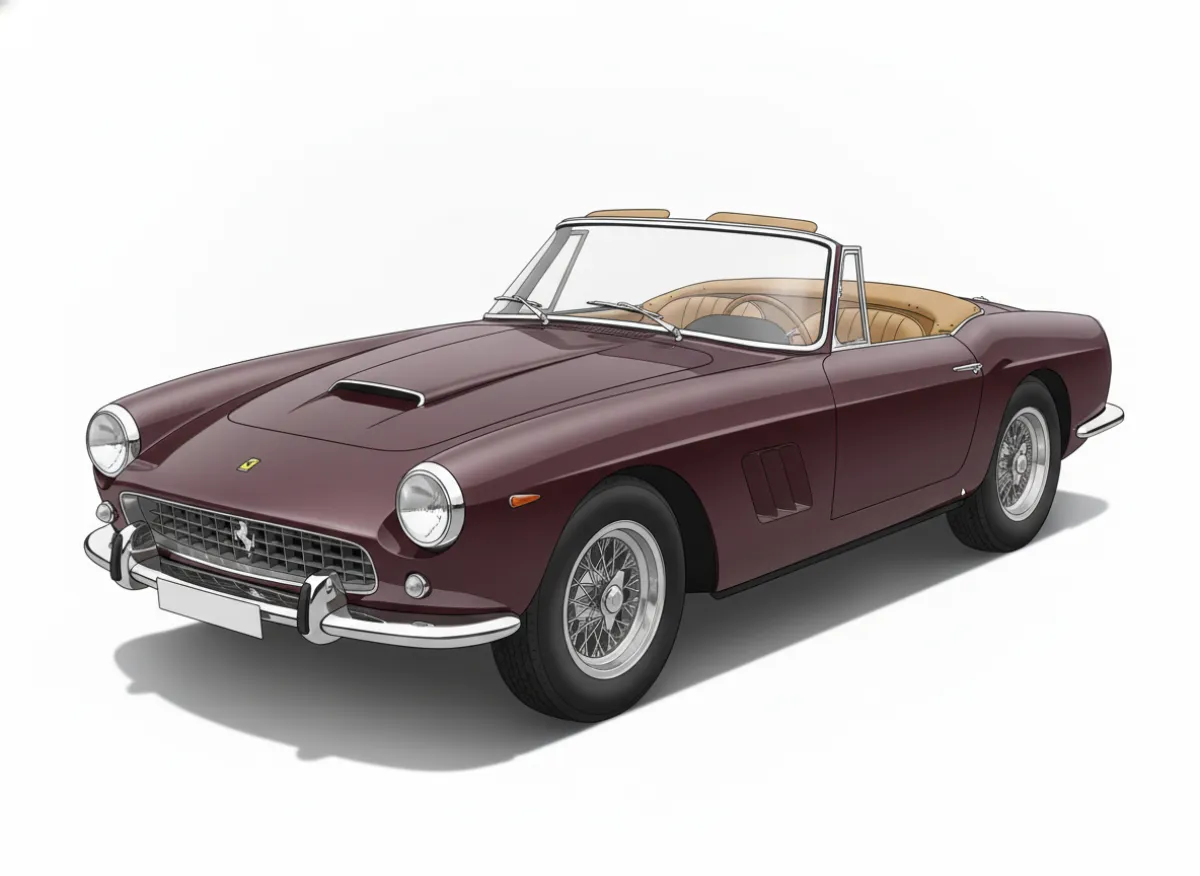 250 GT Cabriolet Pinin Farina1957–1962
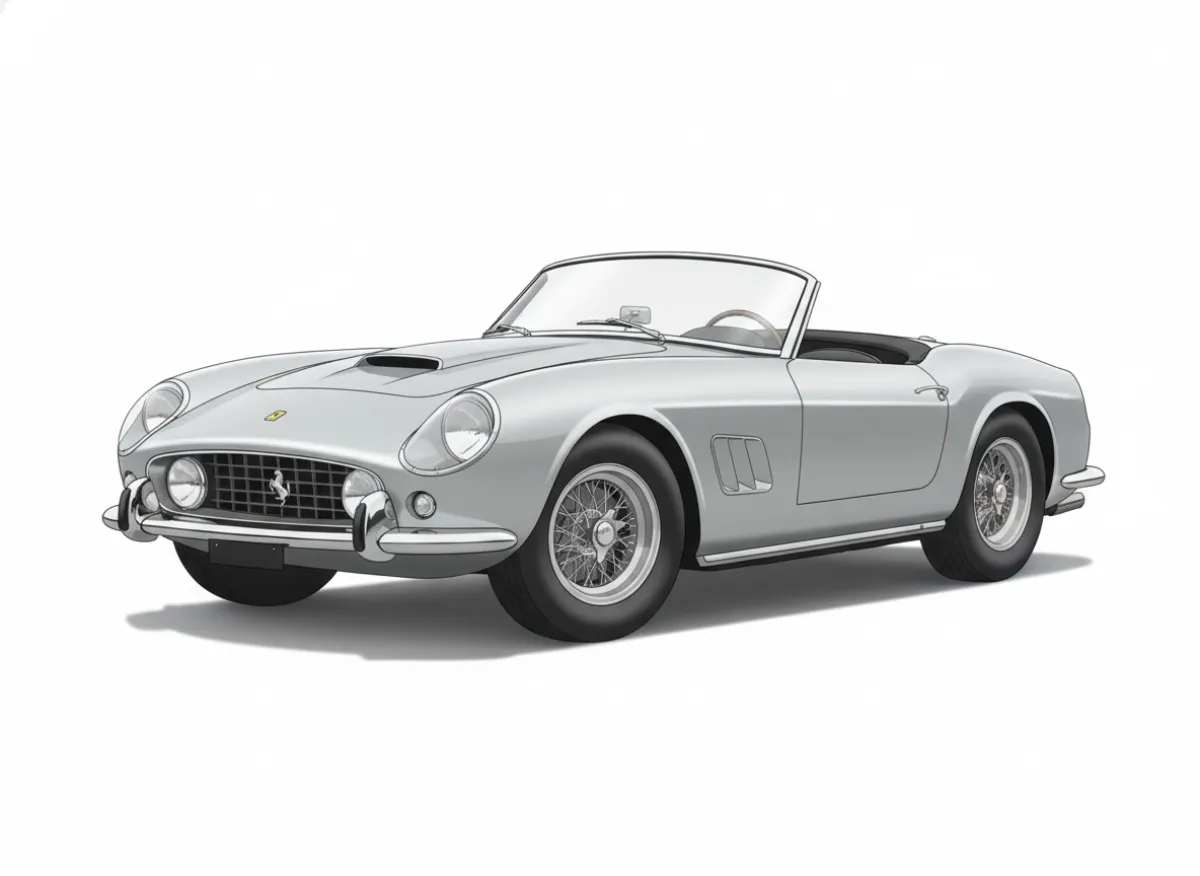 250 GT California Spyder1957–1963
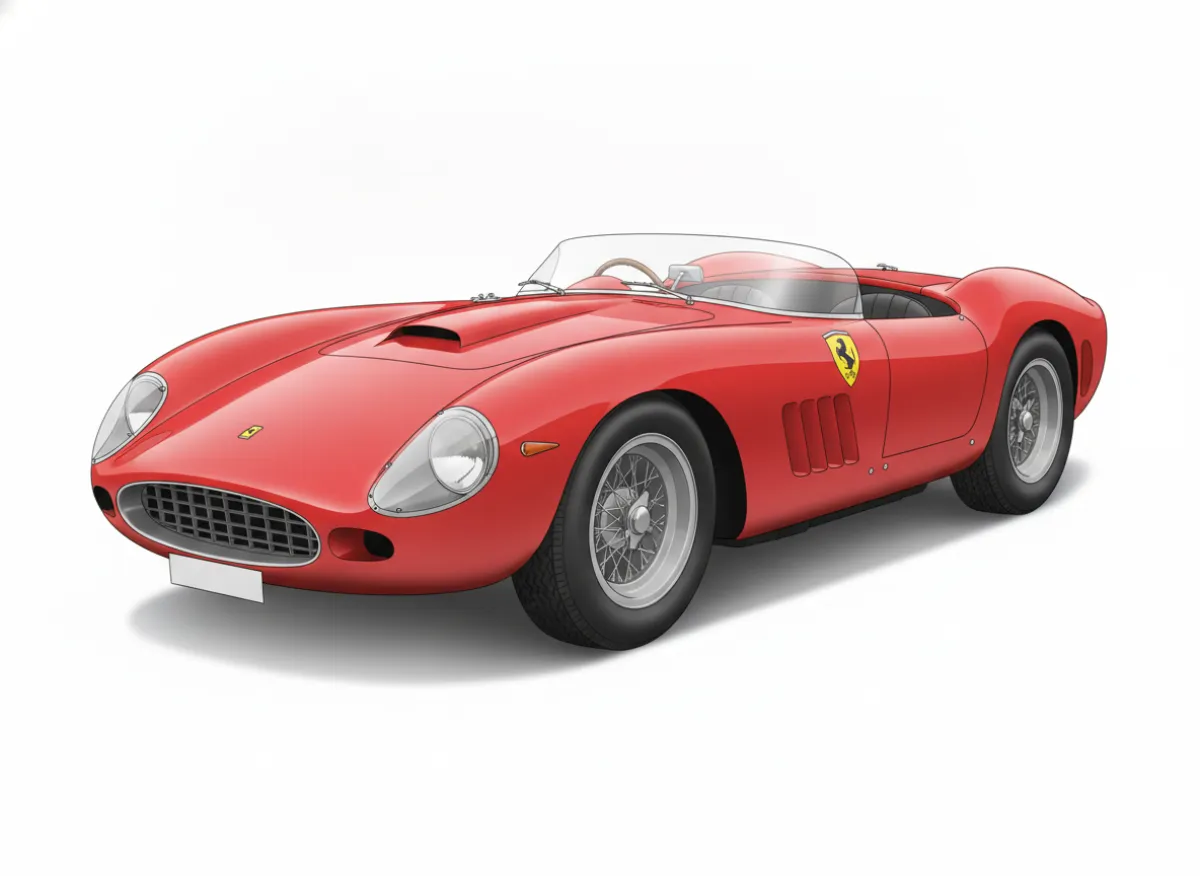 250 Testa Rossa1957–1961
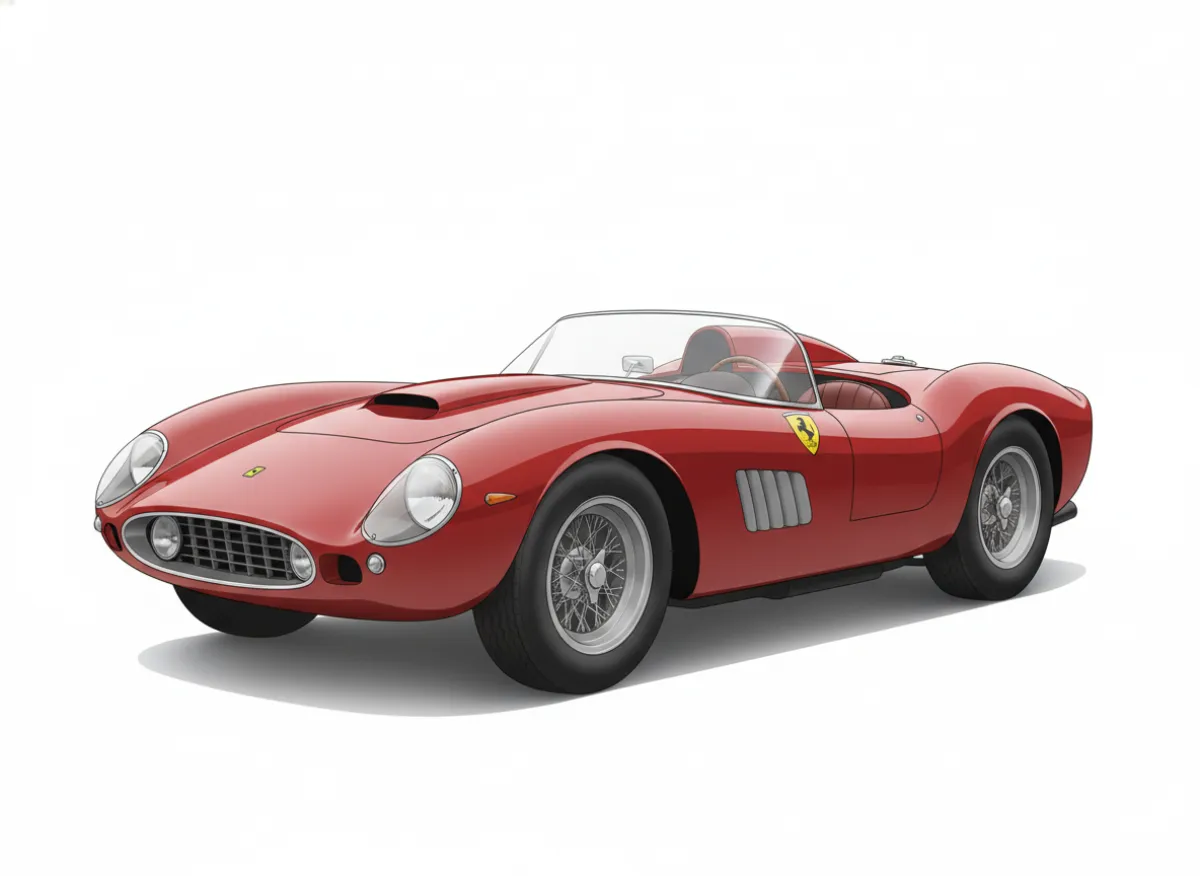 290 S1957
- 315 S1957
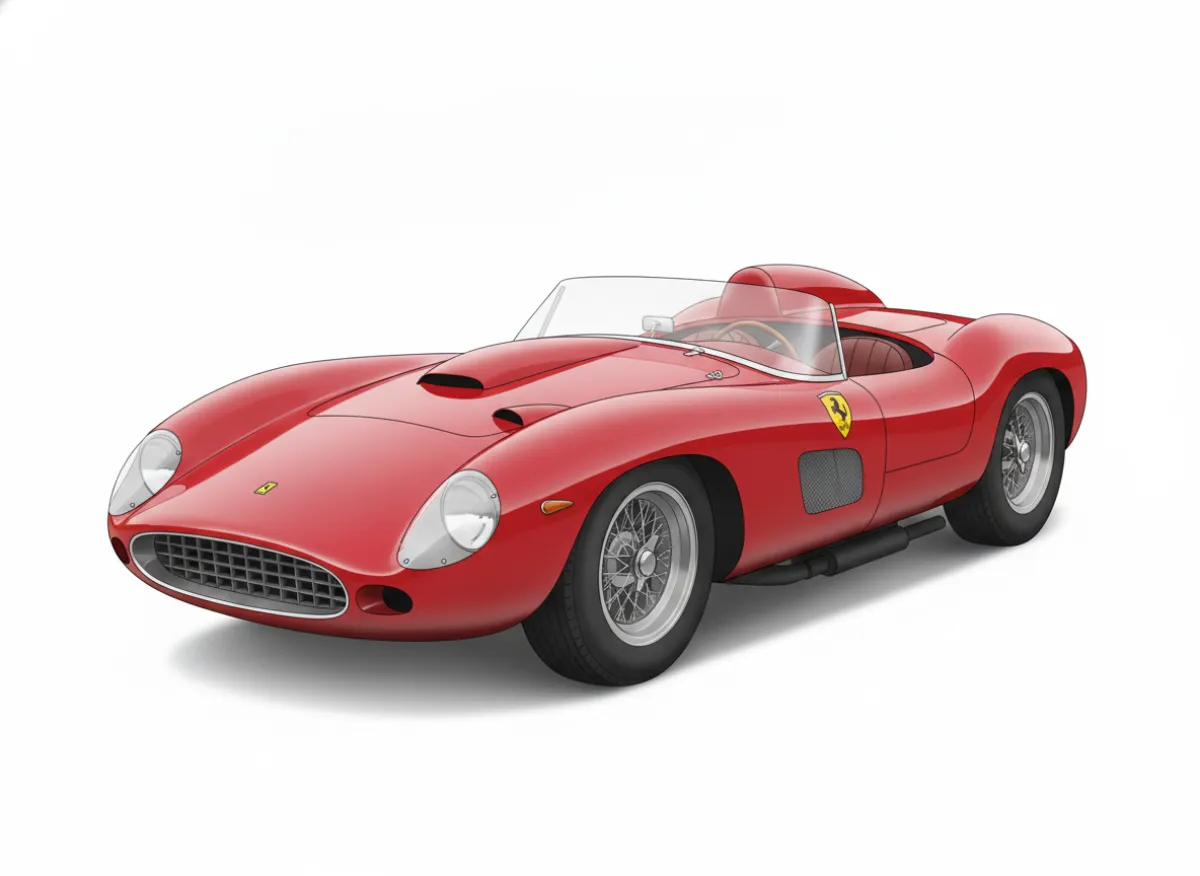 335 S1957–1958
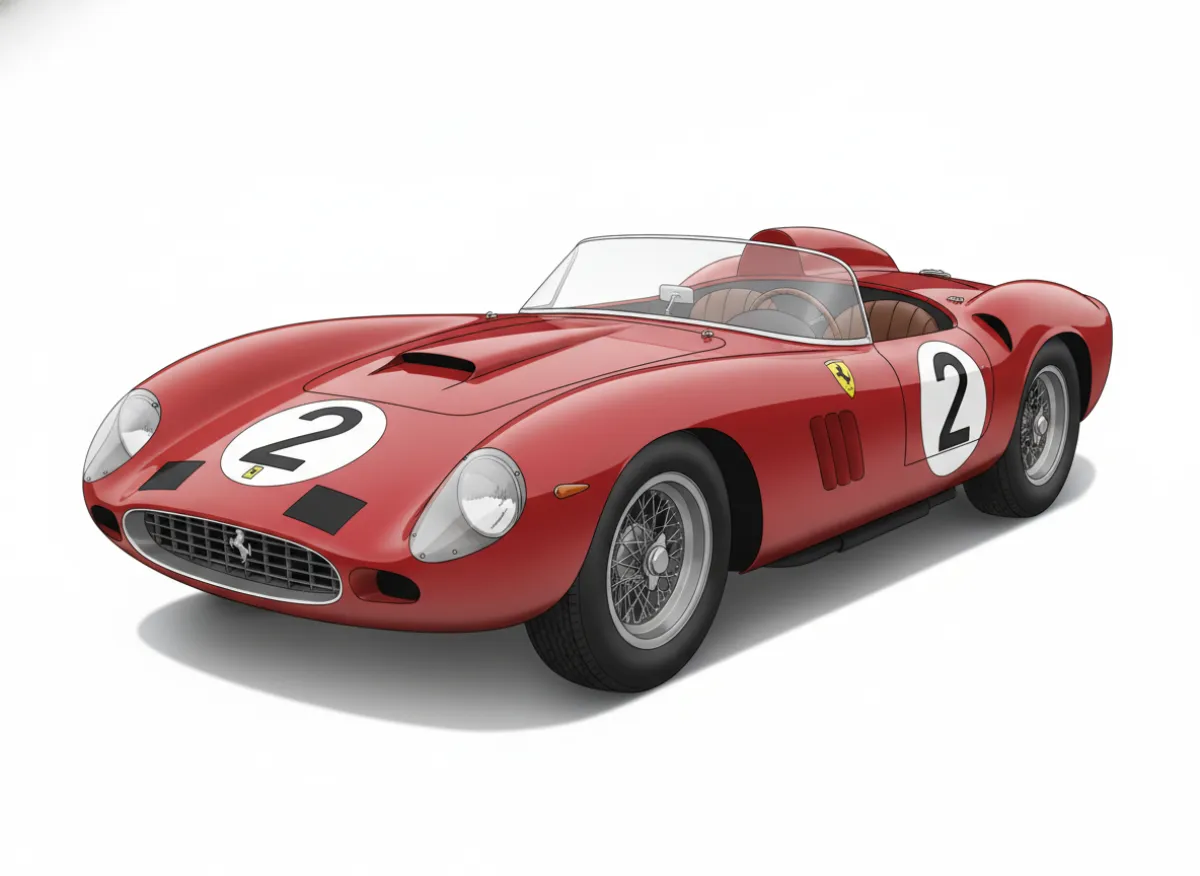 412 S1958
1960s
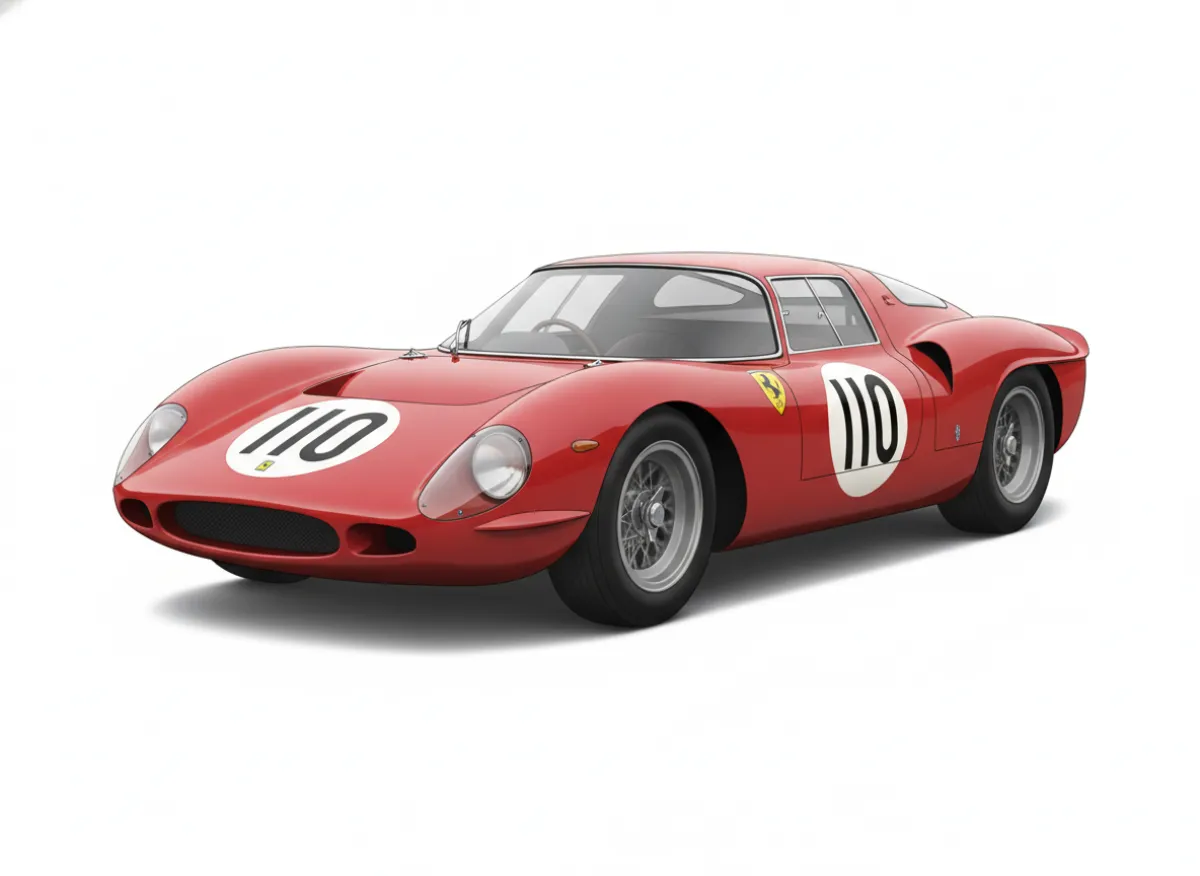
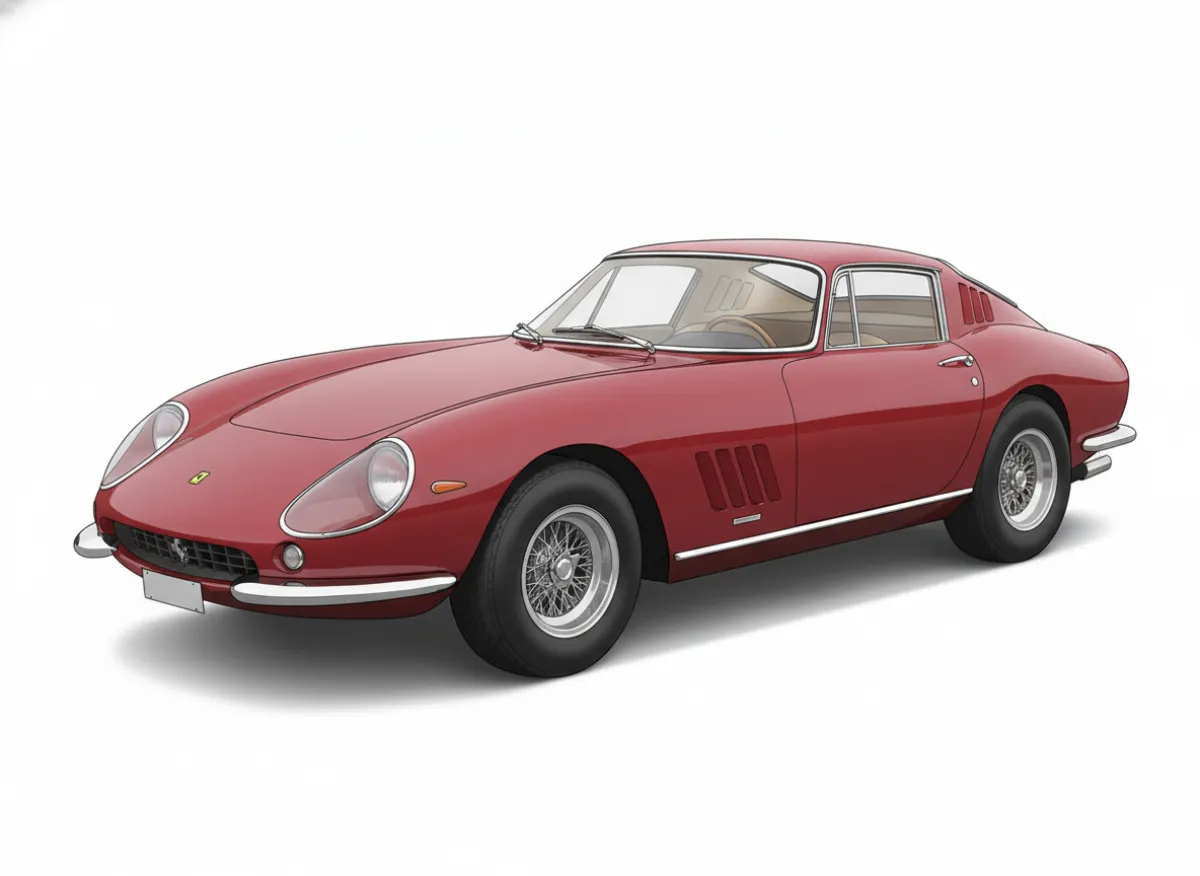
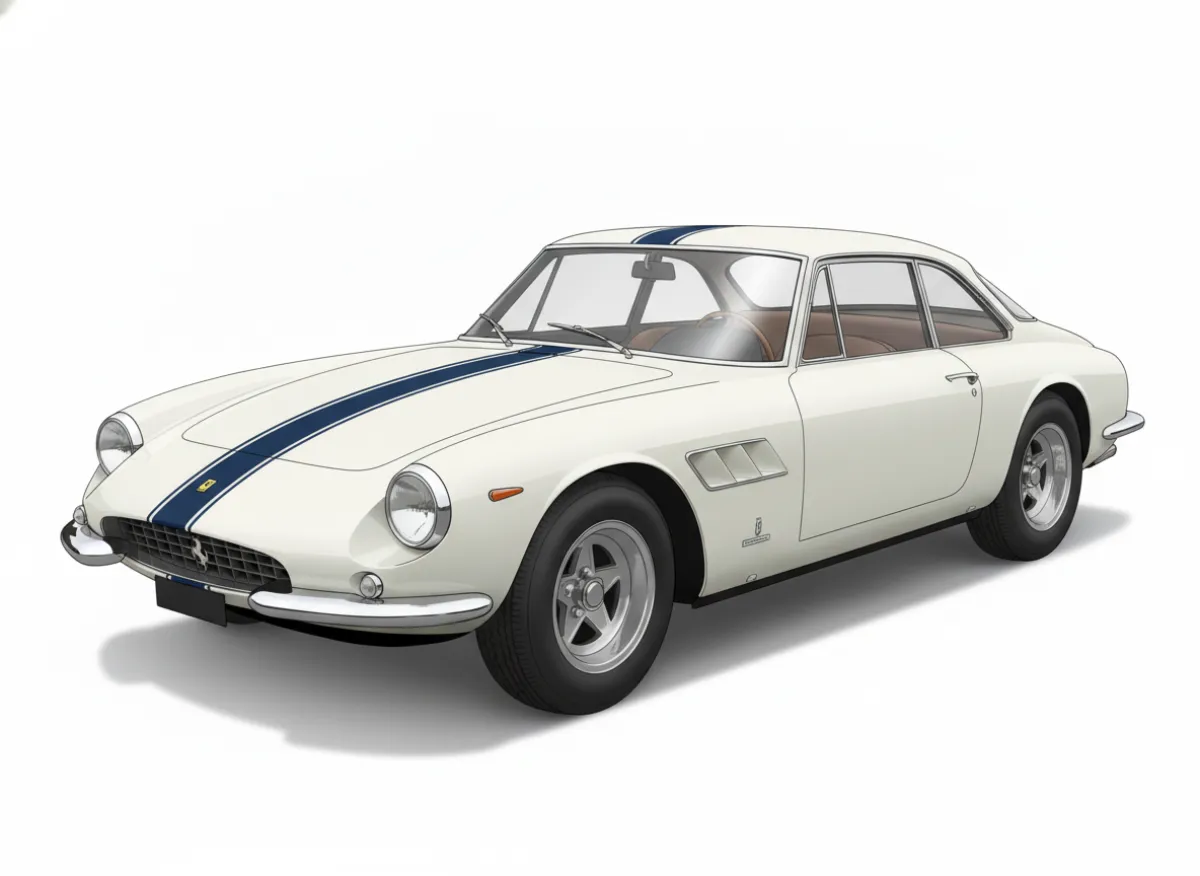
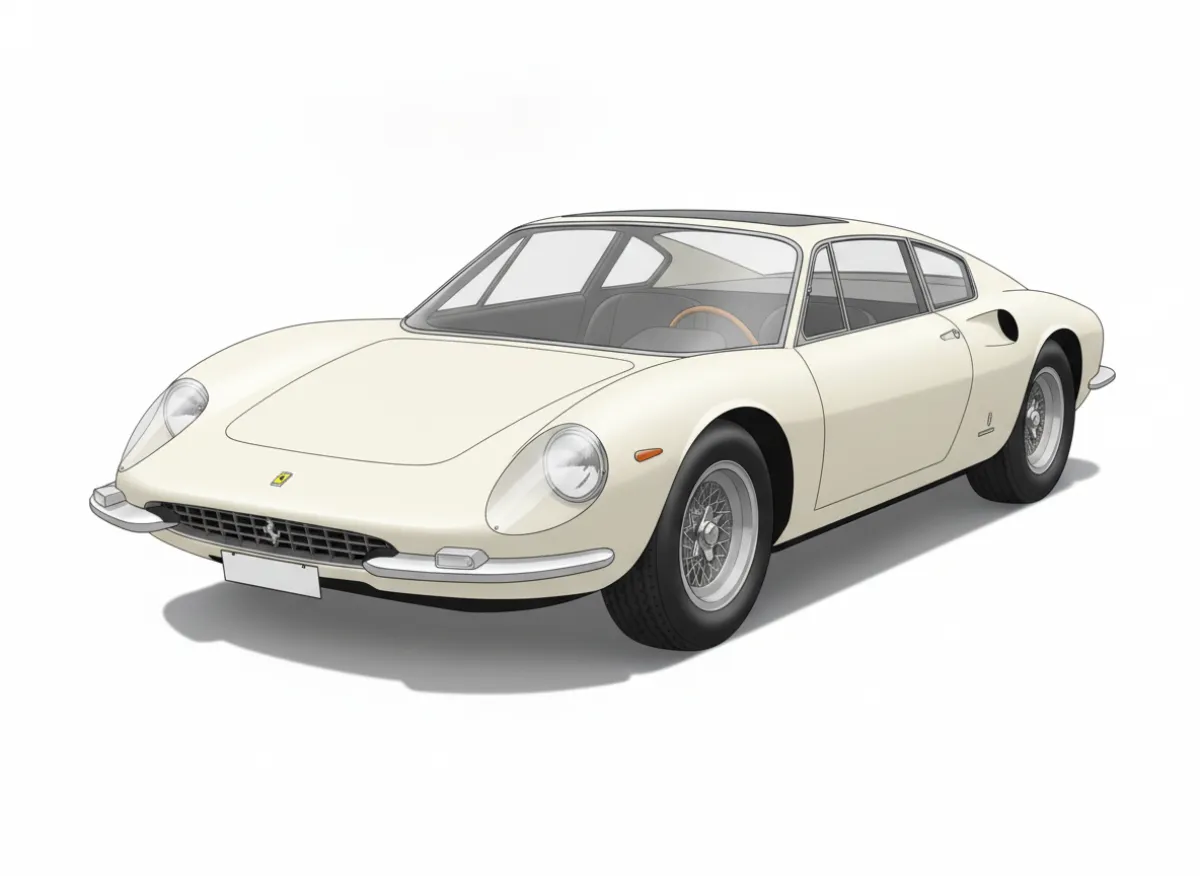
14 launched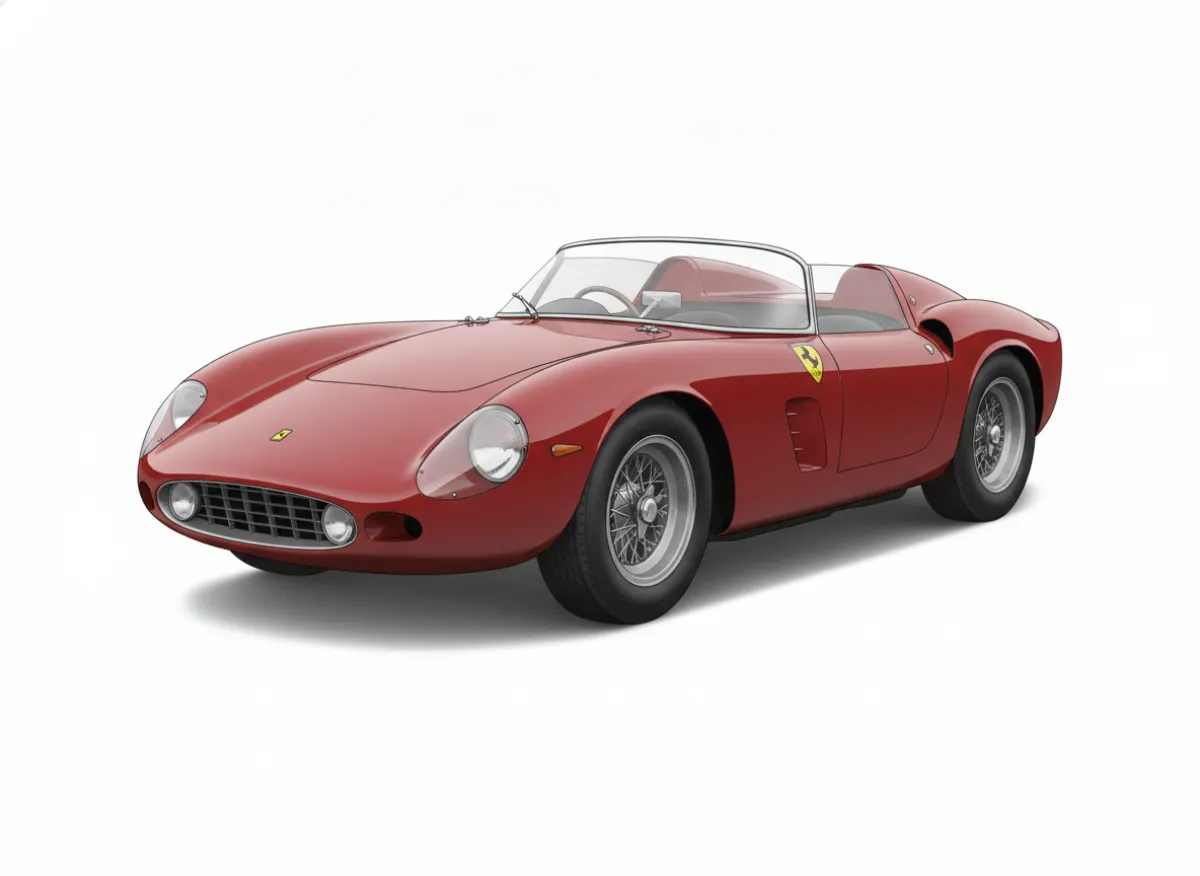
1970s
6 launched
1980s
9 launched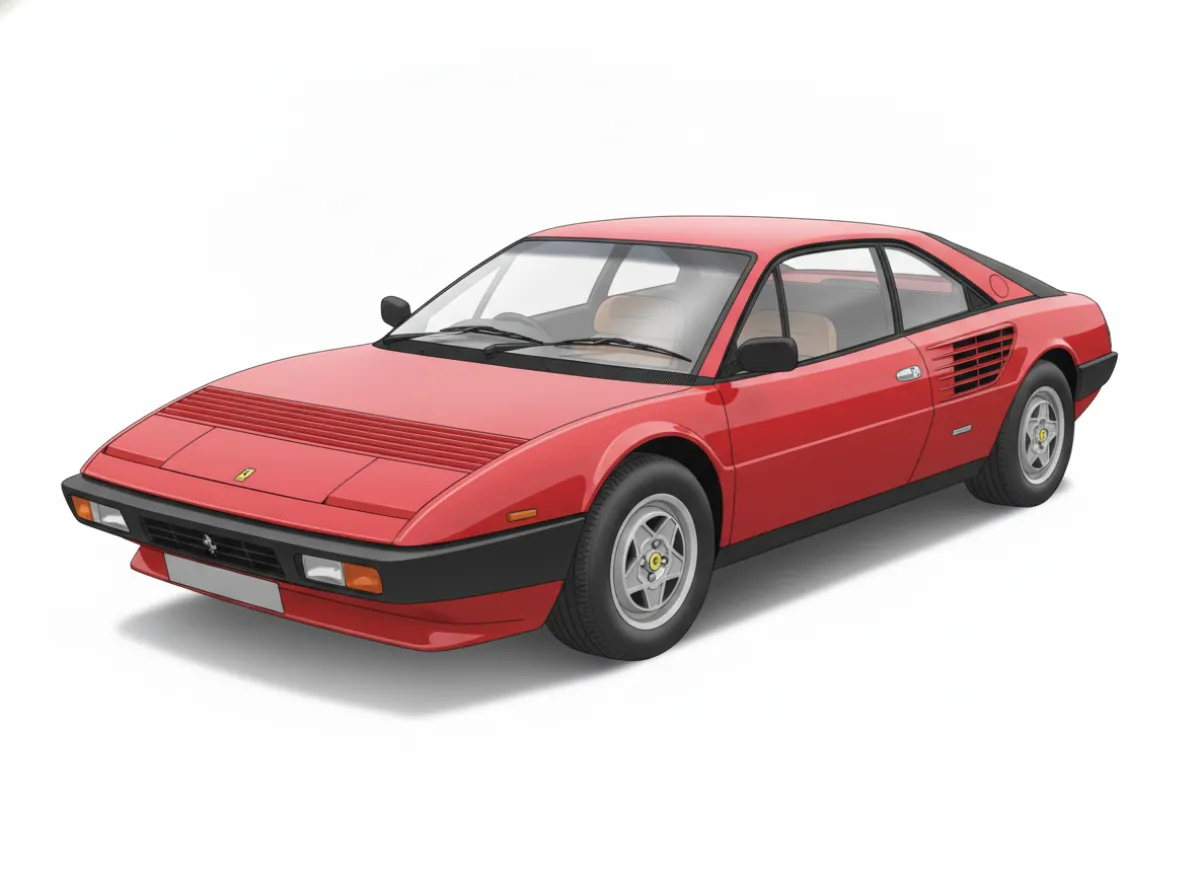
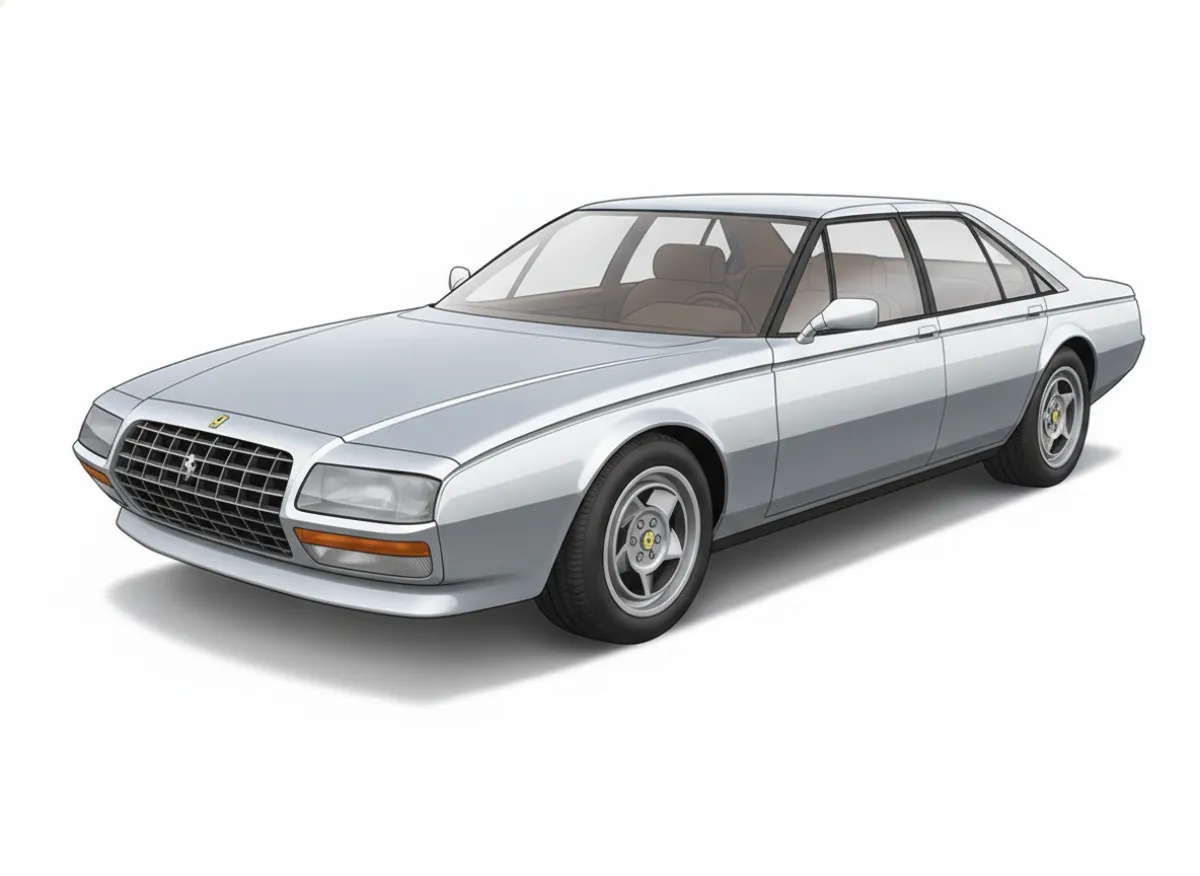
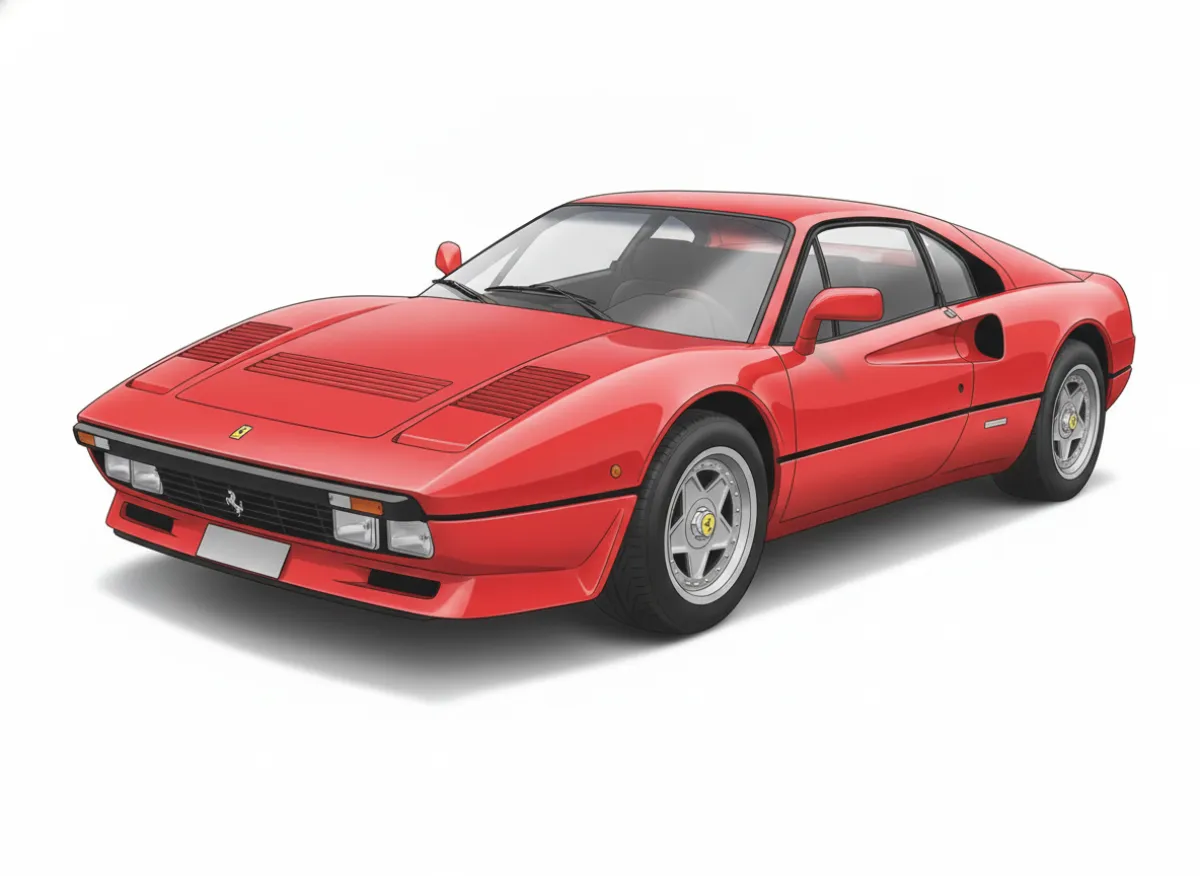
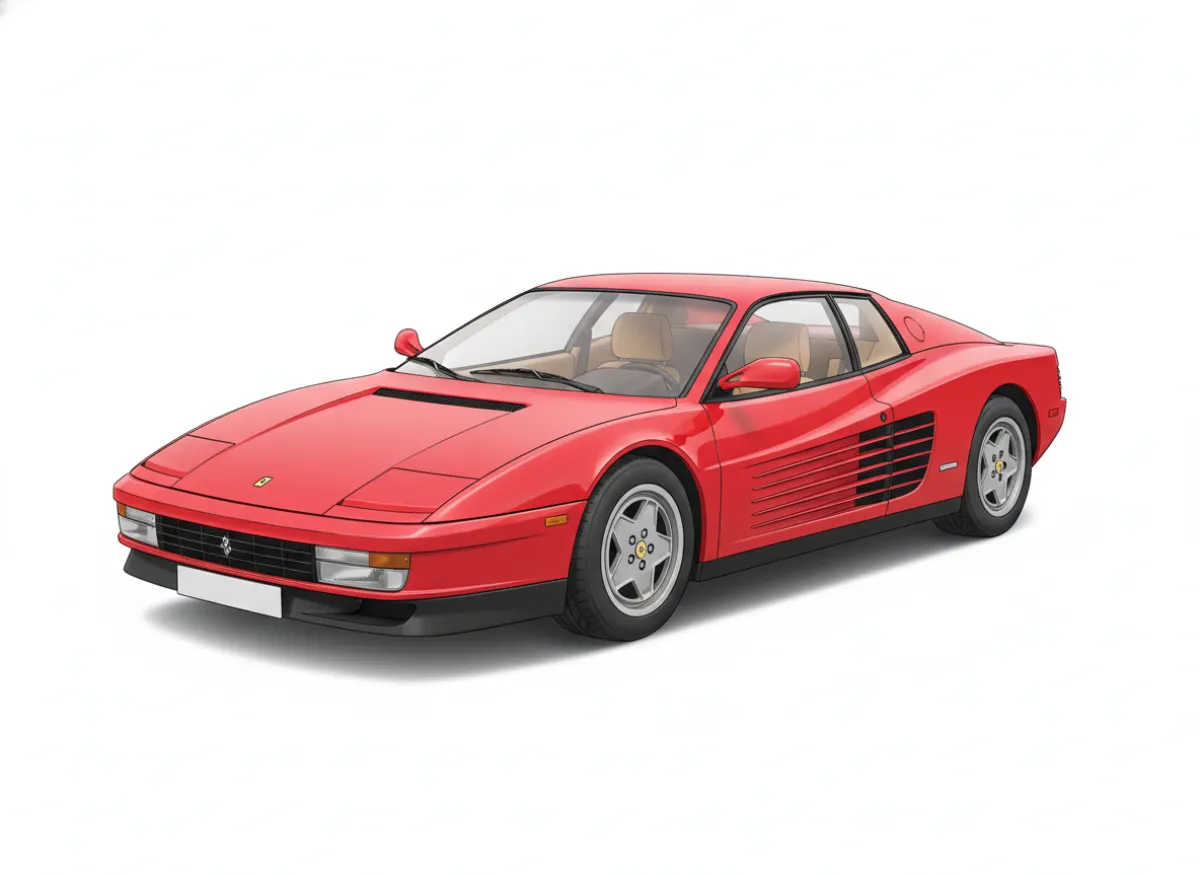
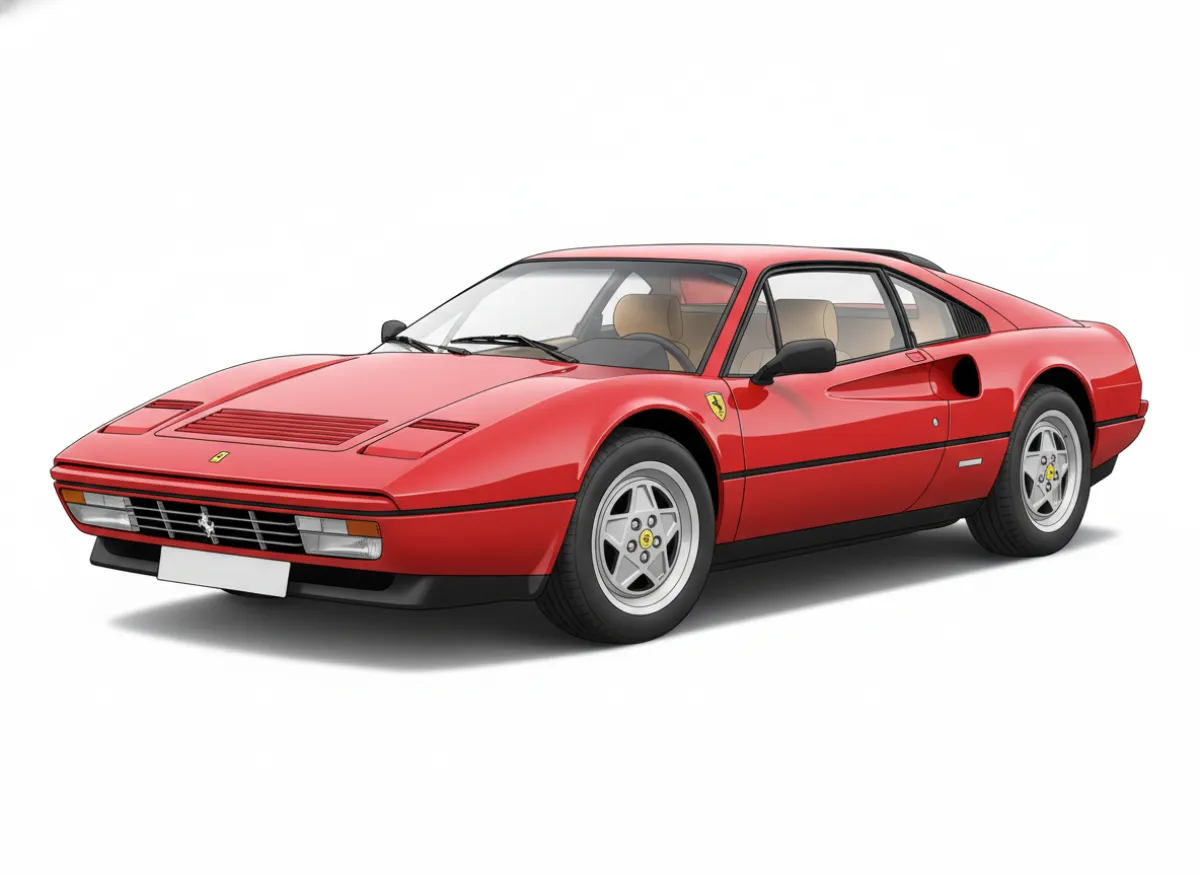

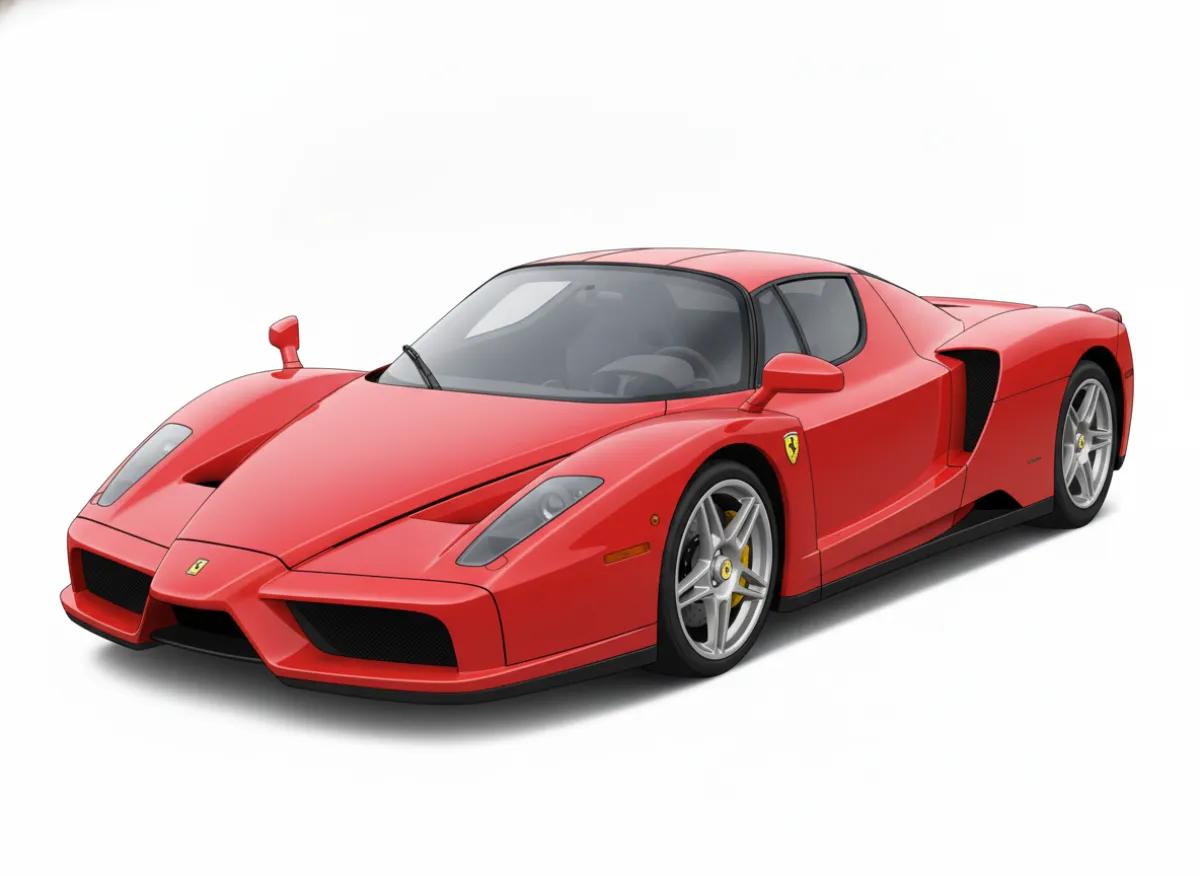
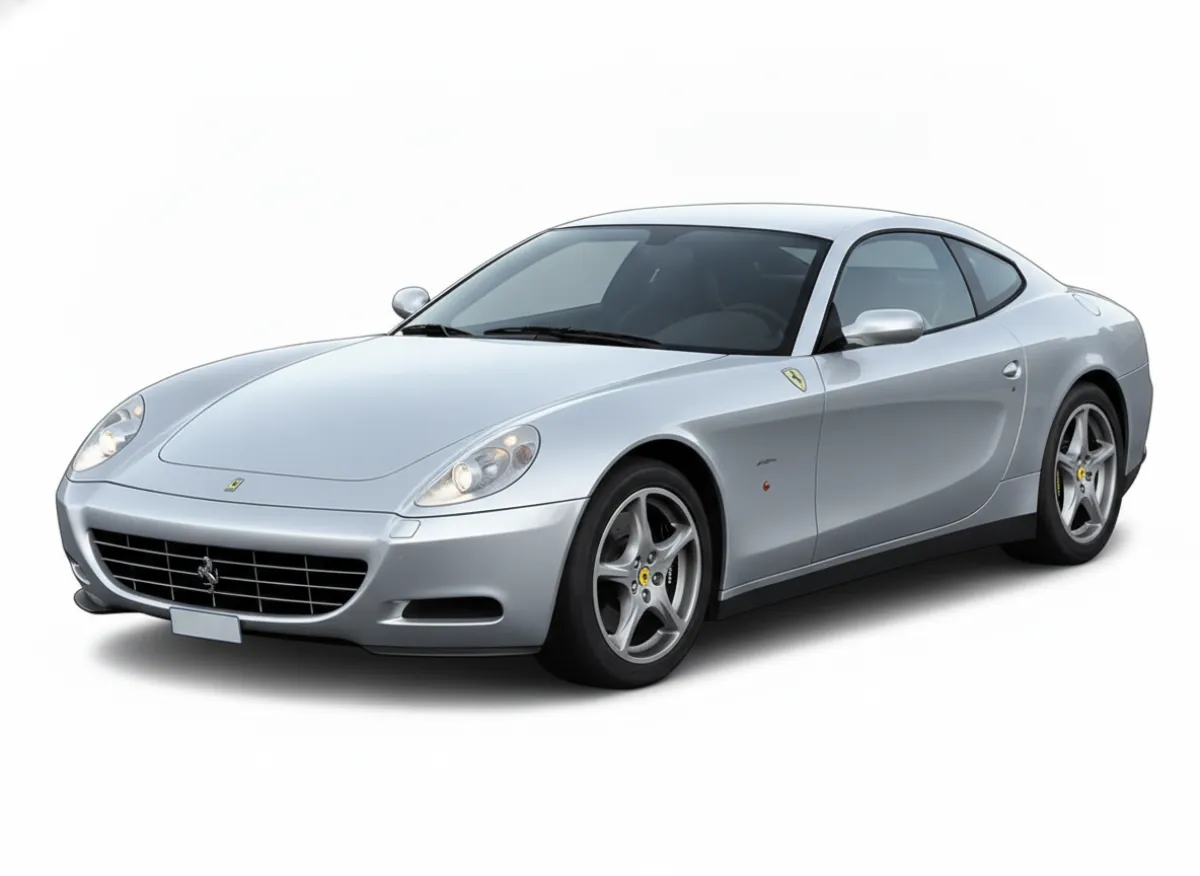
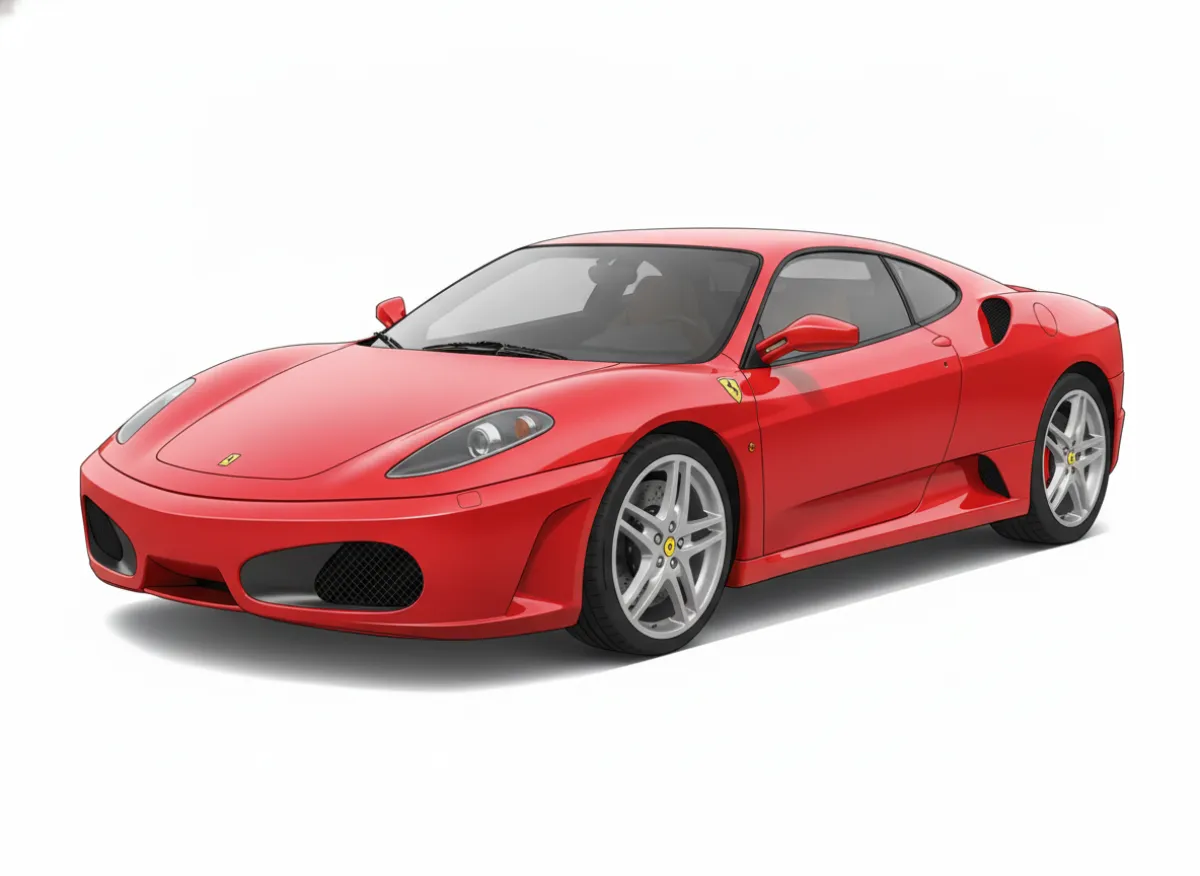
2000s
8 launched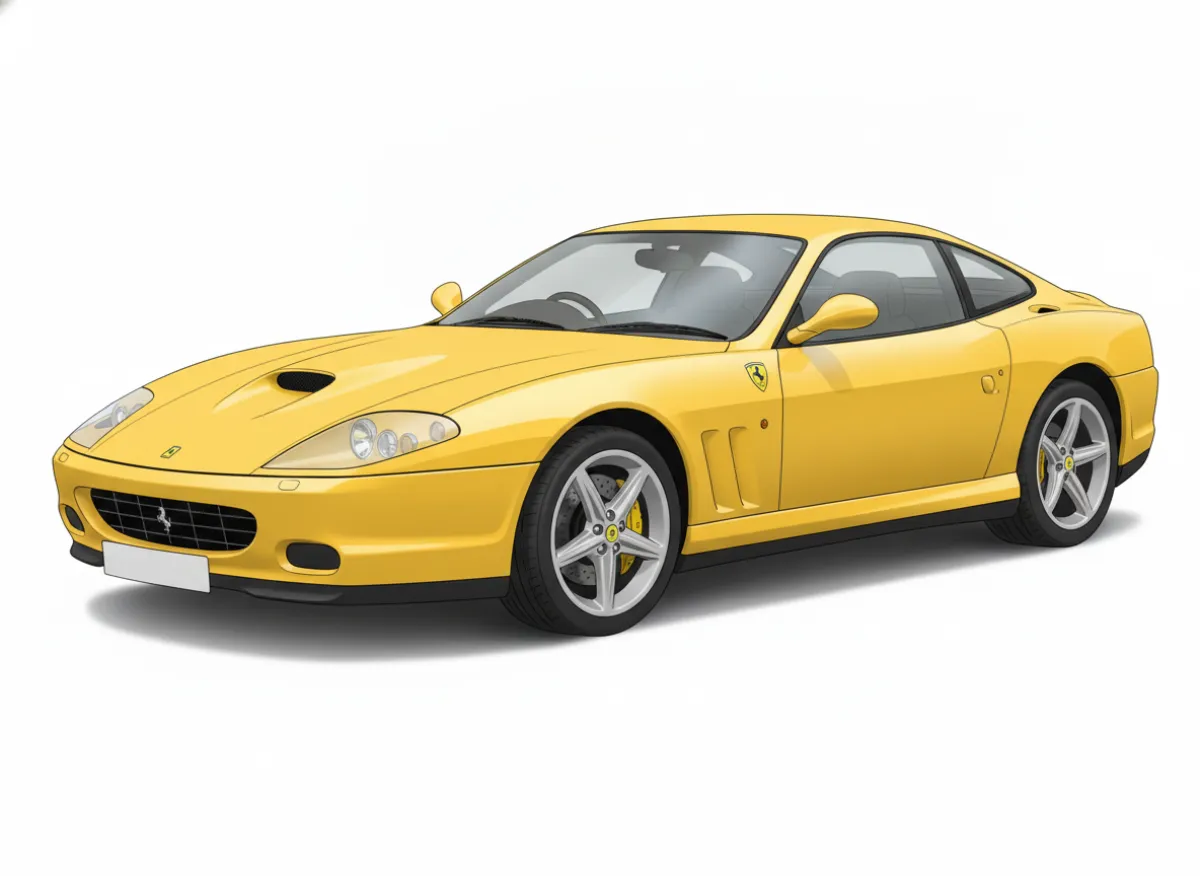
2010s
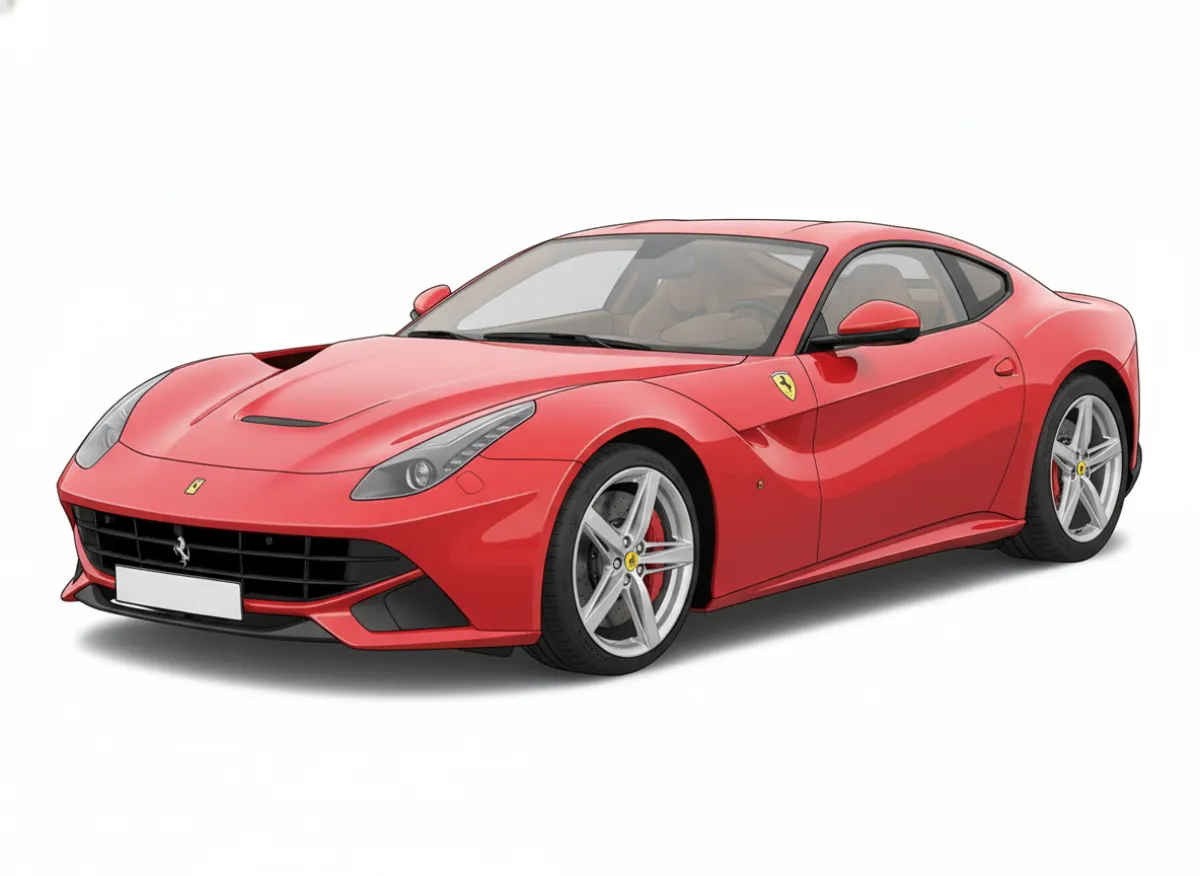
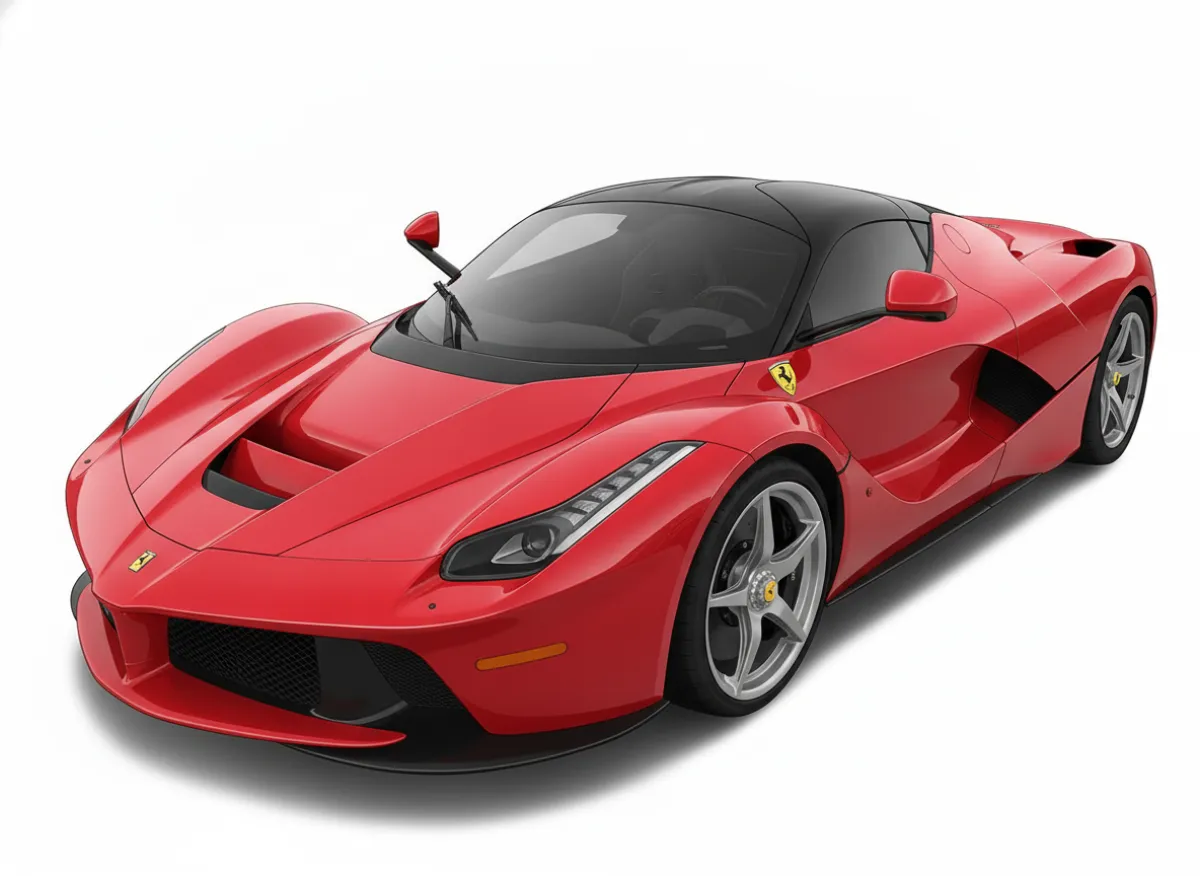
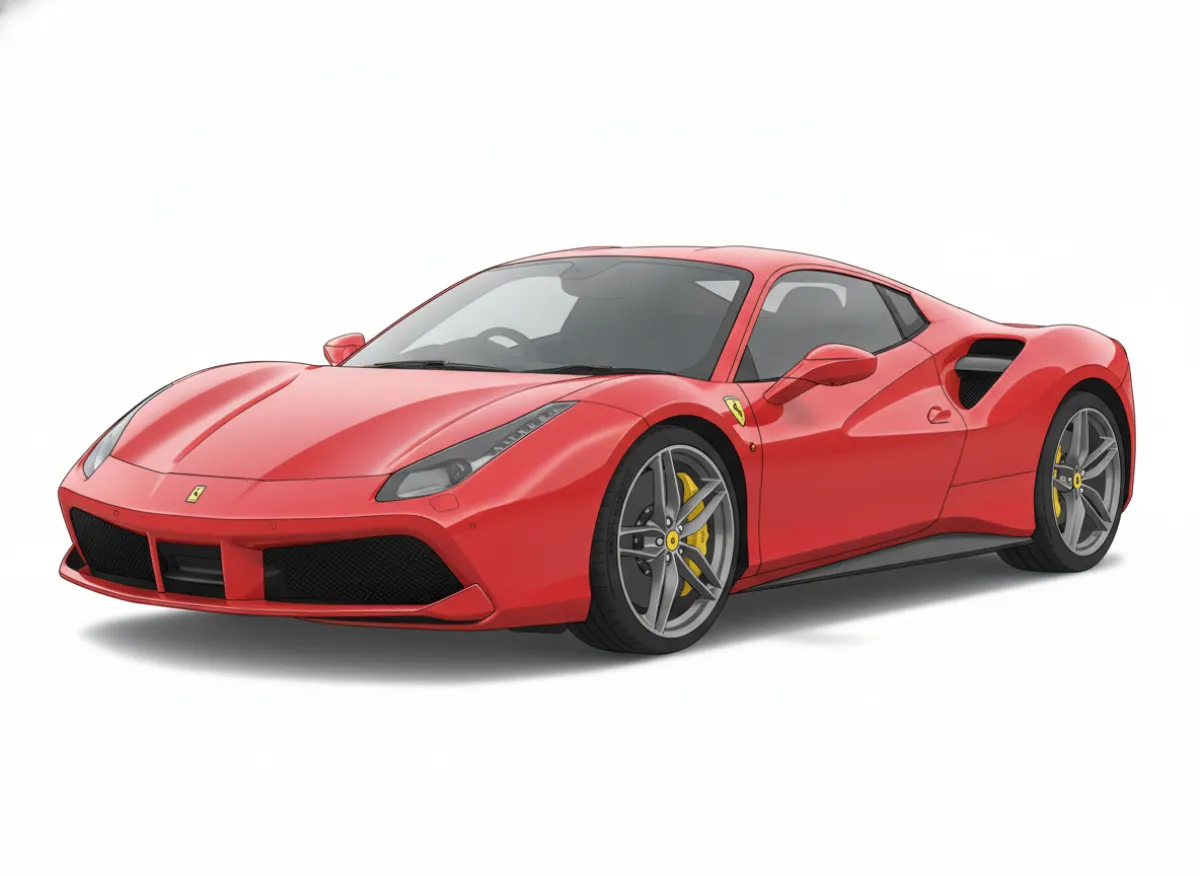
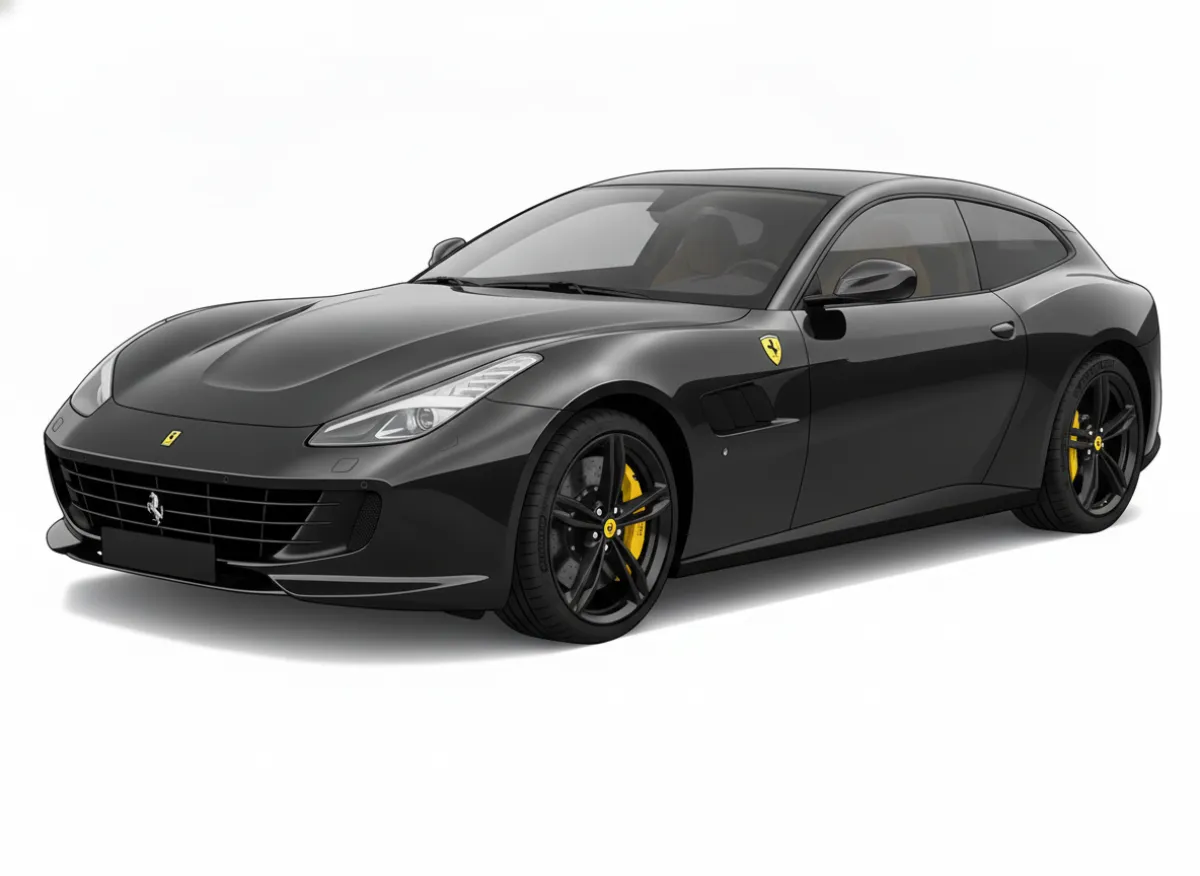
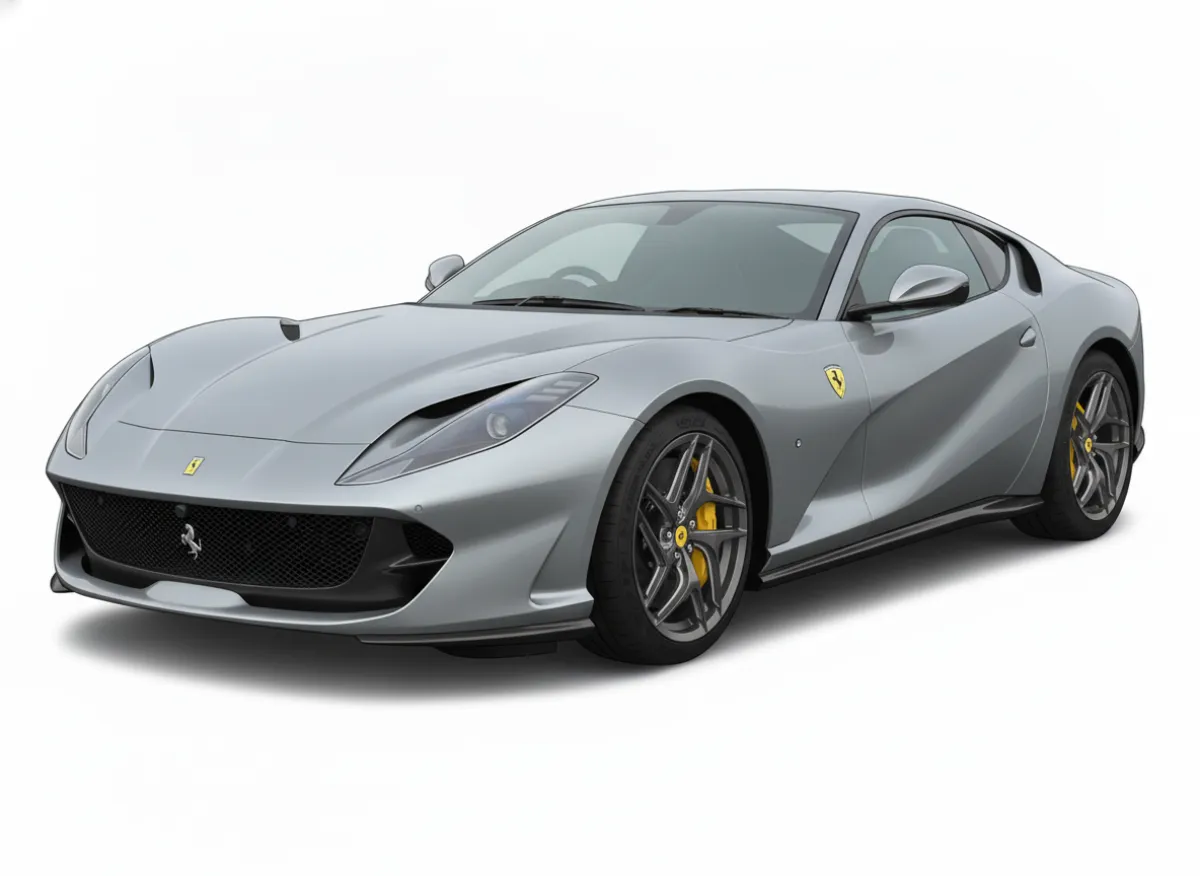
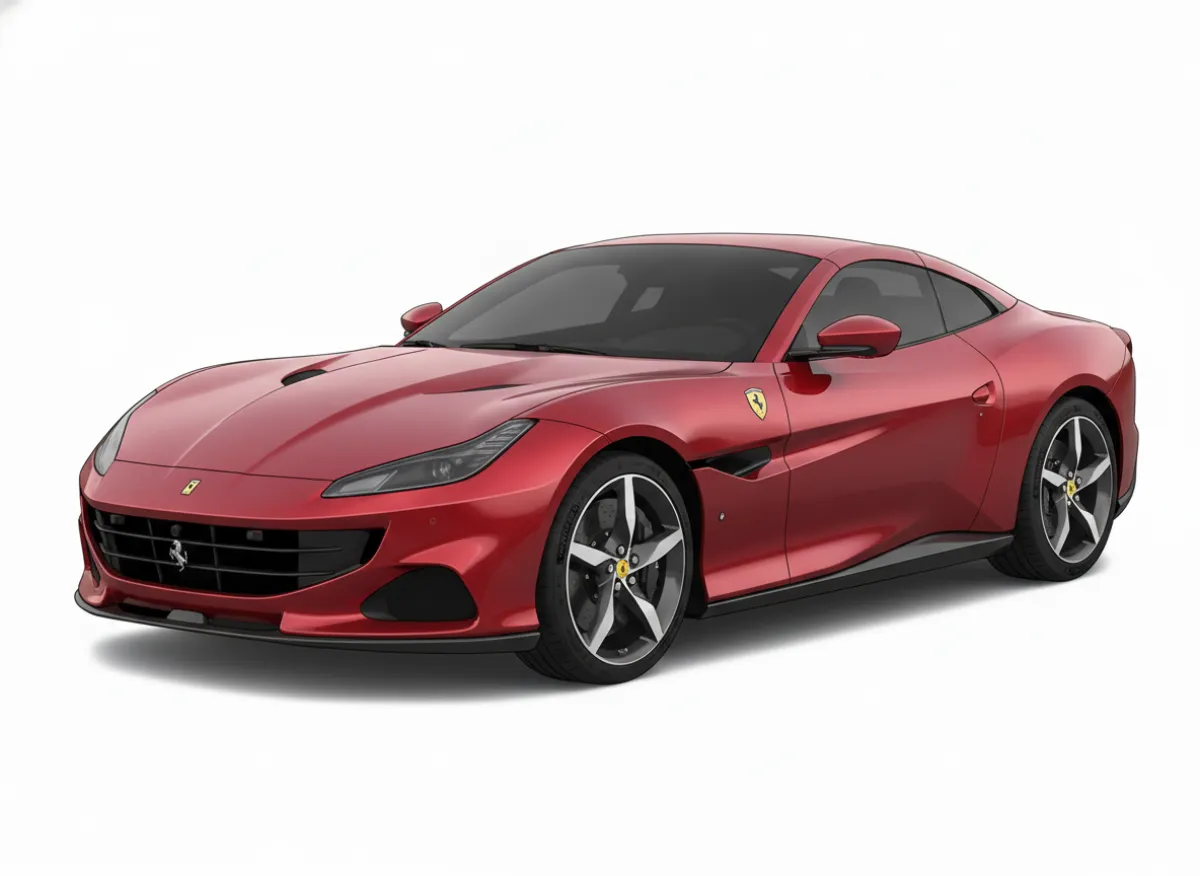
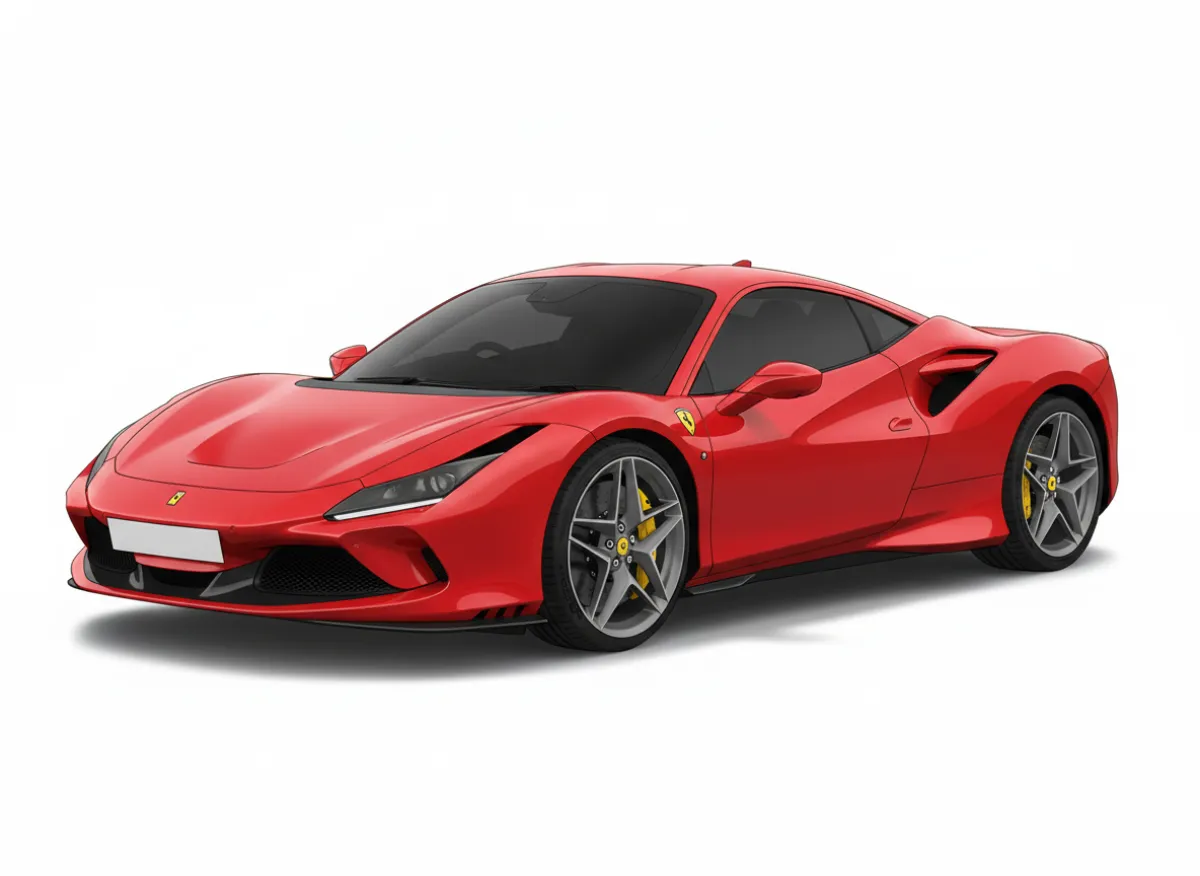
10 launched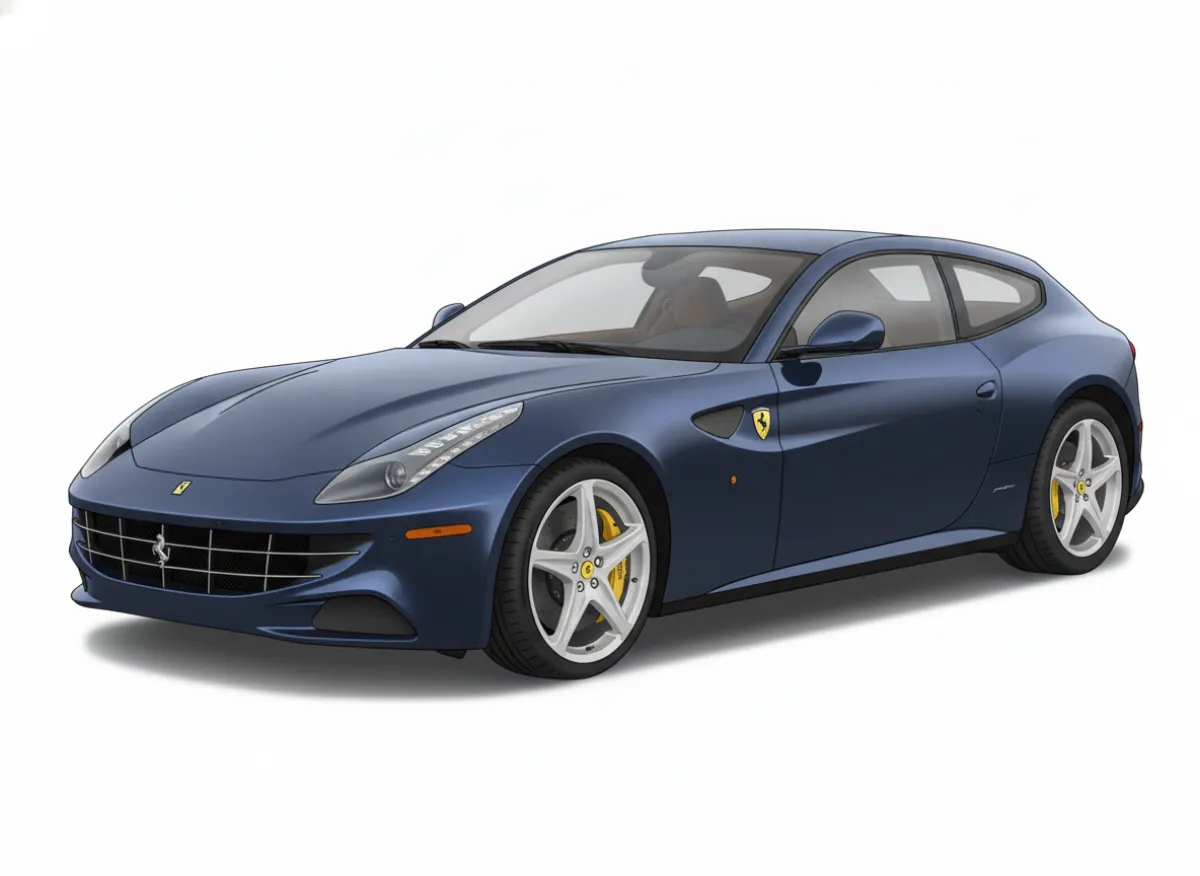
History
1929–1939
Scuderia Ferrari and Alfa Romeo
Enzo Ferrari, a former Alfa Romeo works driver, set up Scuderia Ferrari in Modena in 1929 as a racing team that entered and prepared Alfa Romeos for wealthy amateur drivers, with backing from private investors and Pirelli. For a few years in the early 1930s it also ran a motorcycle racing section.
Alfa Romeo bought 80% of the Scuderia in 1937 and brought its racing in-house. Ferrari lost his position in a 1939 reorganisation and left under an agreement that stopped him using his own name on cars for about four years.
1939–1959
Auto Avio Costruzioni and the first Ferrari
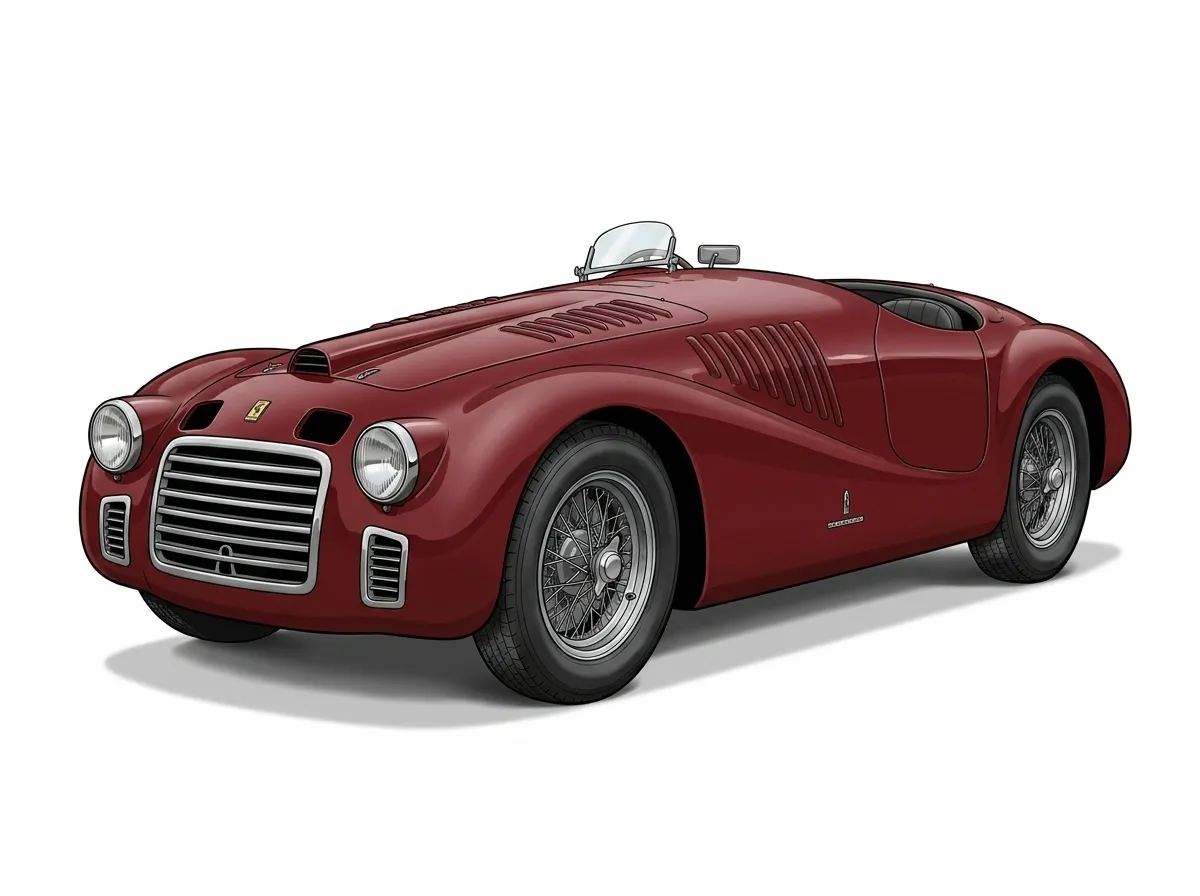
Ferrari founded Auto Avio Costruzioni in Modena on 13 September 1939. Its first car, the 815 of 1940, could not carry his name. During the war the firm made machine tools and moved to Maranello in 1943; it was renamed Auto Costruzioni Ferrari in 1945.
The 125 S of 1947 was the first car to carry the Ferrari name, and the company still dates itself from that year. Racing came first: a 166 MM won Le Mans in 1949 and Ferrari took its first Formula One championship in 1952. Road cars were built in tiny numbers, rarely more than a few dozen a year before the mid-1950s, to fund the racing.
1960–1969
SEFAC, Ford and Fiat
In 1960 the business was reorganised as a share company, Ferrari Società Esercizio Fabbriche Automobili e Corse (SEFAC). The 250 GT range had turned Ferrari into a series producer, but a 1961 walk-out of senior managers and engineers showed how much depended on Enzo himself.
Ford negotiated to buy Ferrari in the spring of 1963; the talks collapsed in May over control of the racing team, and Ford answered by building the GT40 that beat Ferrari at Le Mans in 1966. Ferrari began working with Fiat on the Dino V6 in 1965, and in June 1969 Fiat bought 50% of the company, leaving Enzo in charge of racing.
1969–1988
The Fiat years under Enzo
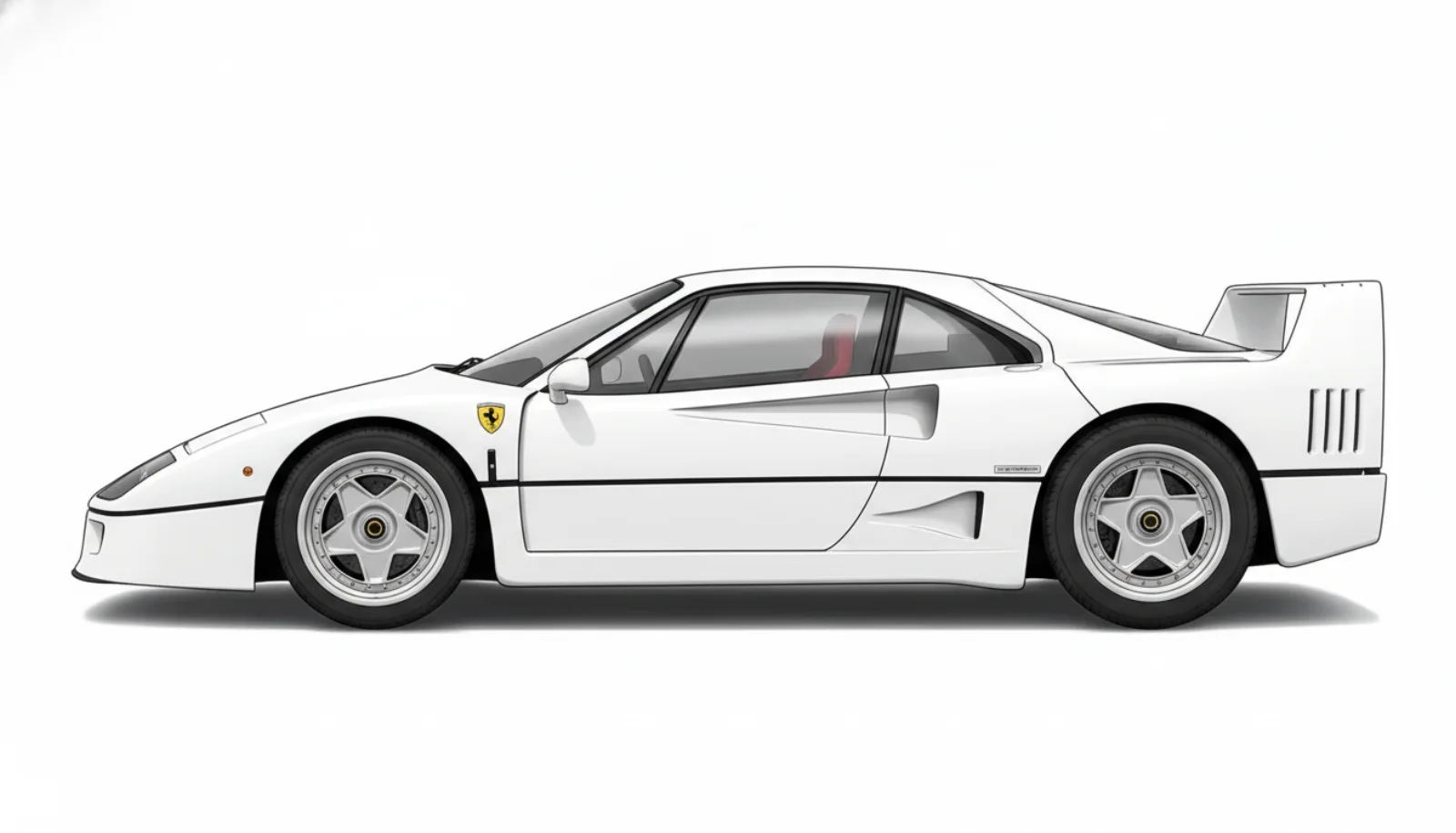
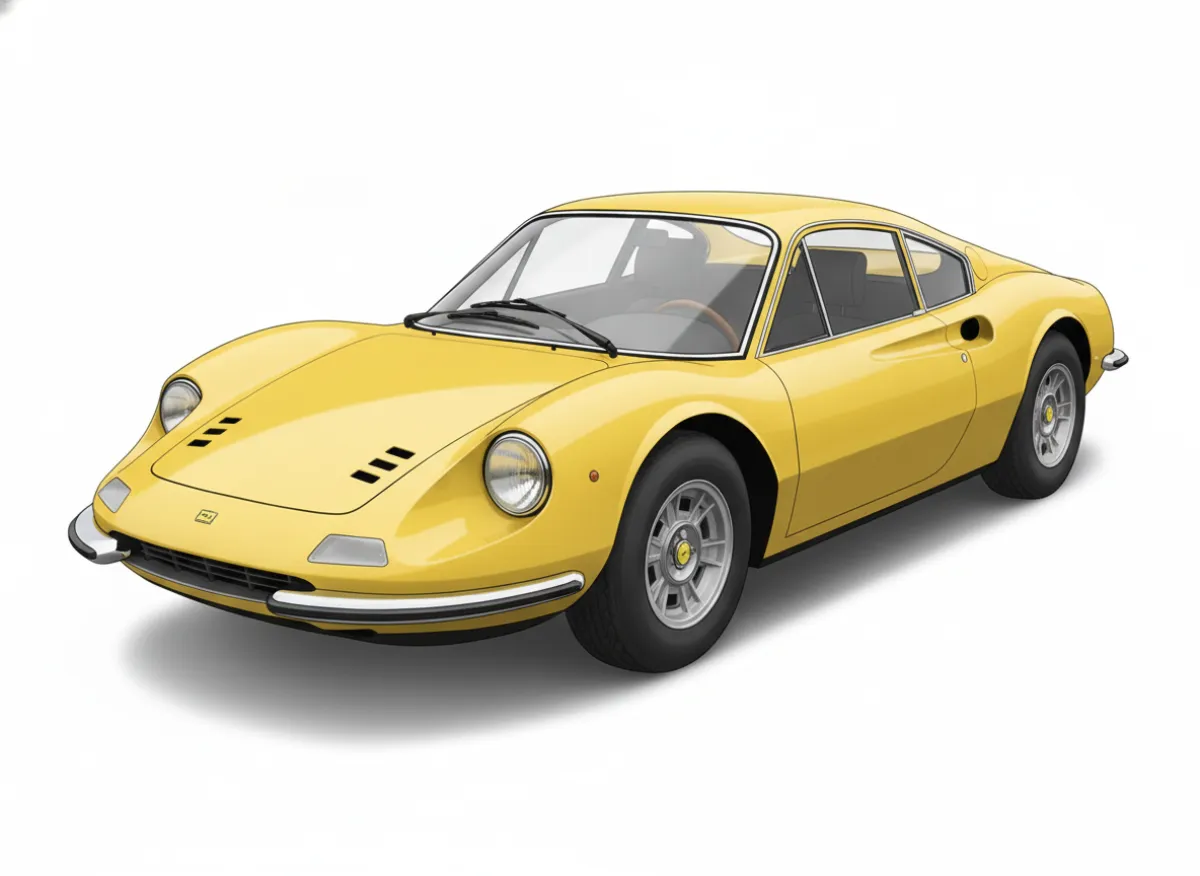
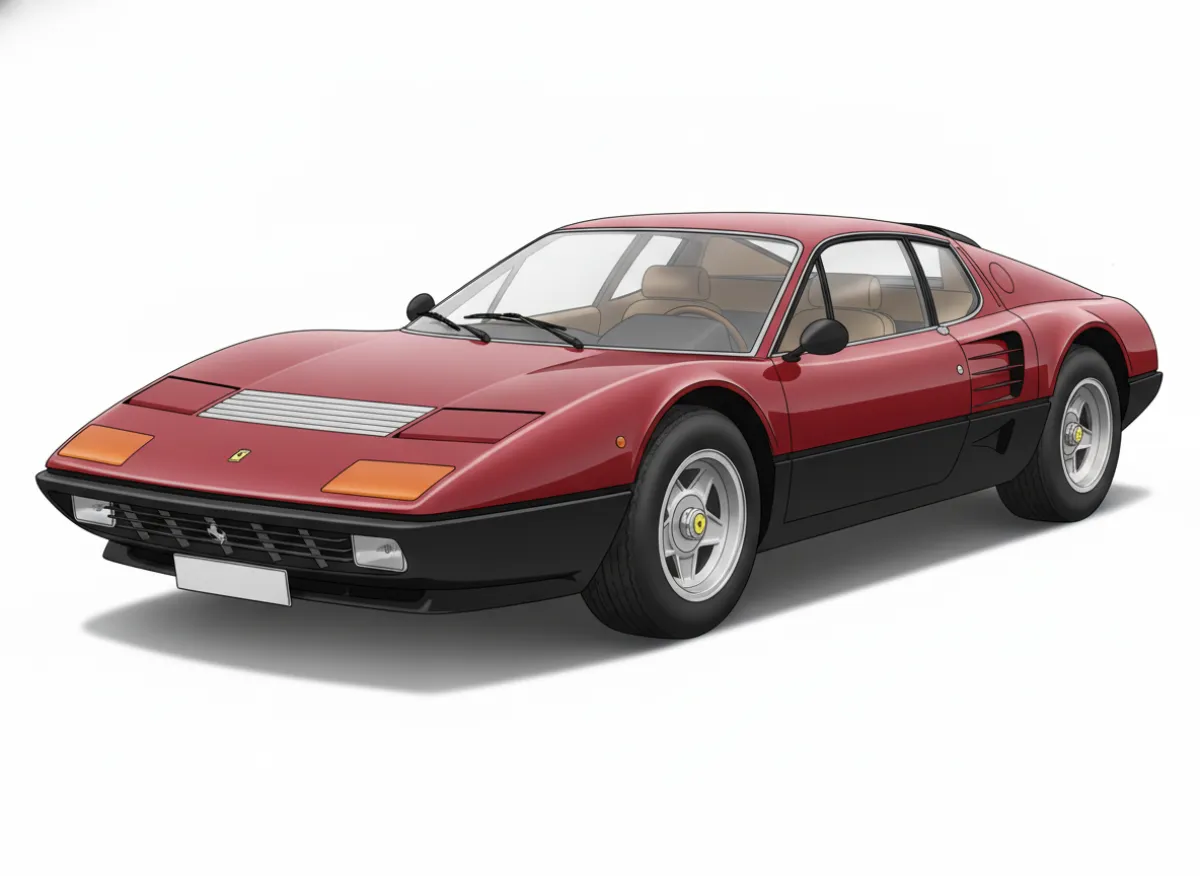
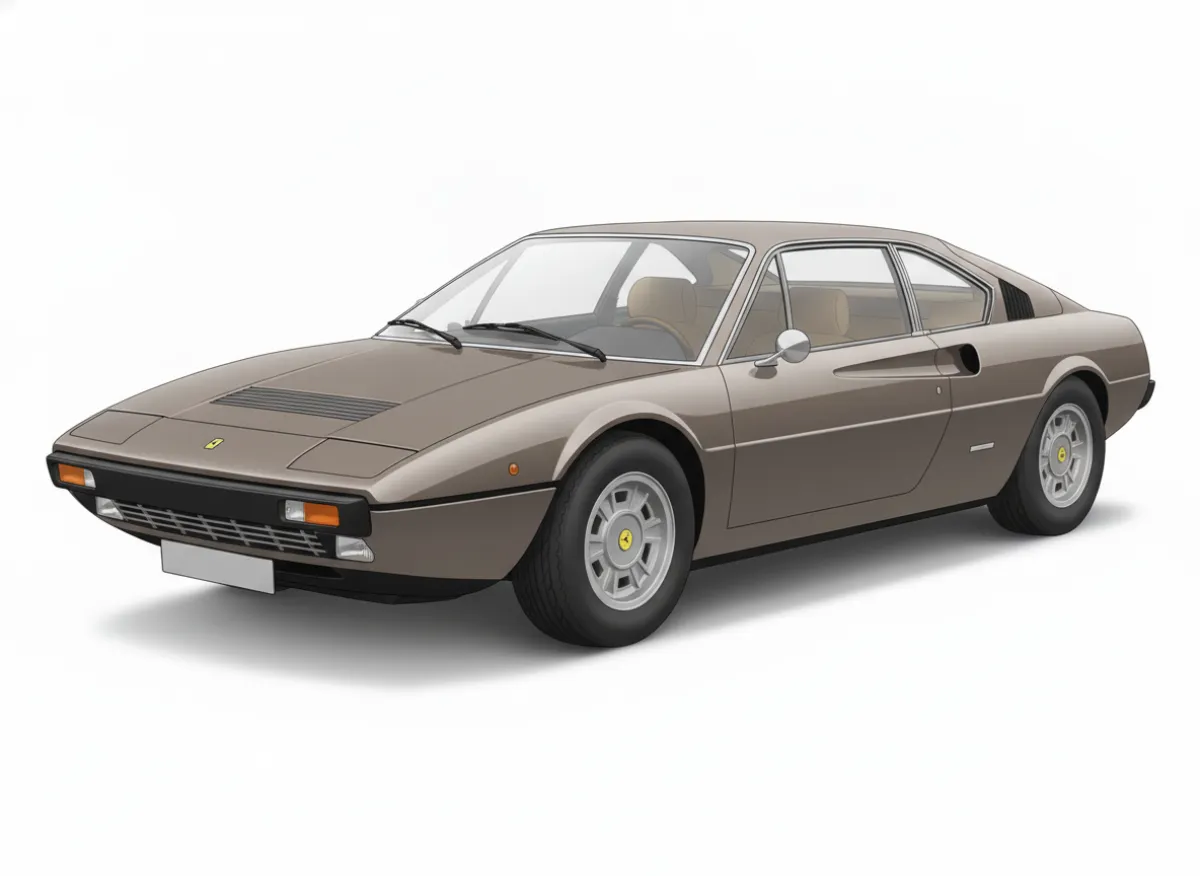
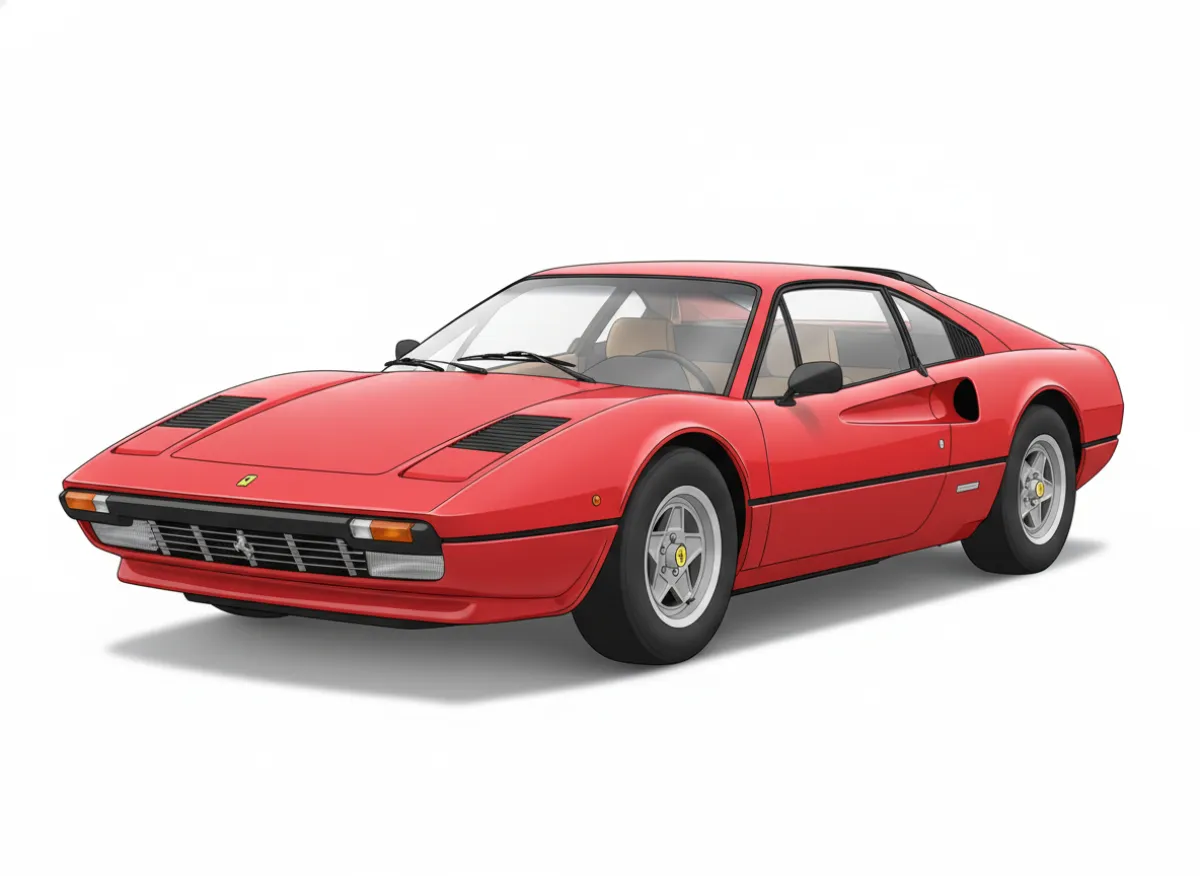
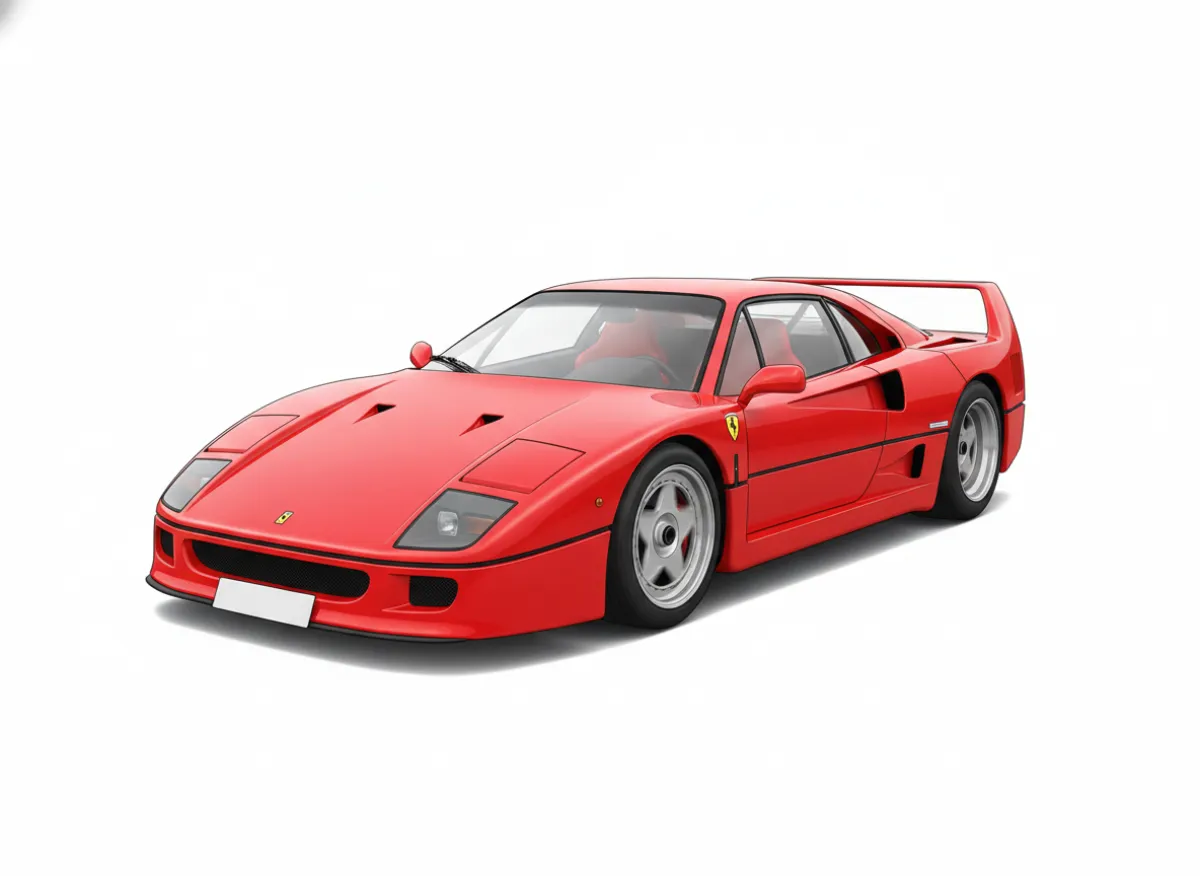
Fiat money paid for higher volumes. The mid-engined Dino 206 GT had arrived in 1967, the Berlinetta Boxer and the V8 308 GT4 followed in 1973, and the Testarossa in 1984. Production passed 1,000 cars in 1971 and about 4,000 by 1988. On track Niki Lauda won drivers' titles in 1975 and 1977 and Jody Scheckter in 1979.
The F40 of 1987 was the last new car Enzo Ferrari approved. He died in August 1988, and Fiat raised its holding to 90%. The remaining 10% stayed with his son, Piero Lardi Ferrari.
1991–2014
Montezemolo's Ferrari
Luca di Montezemolo, who had managed the racing team in the 1970s, became chairman in 1991, after a period in which sales fell from about 4,500 cars in 1991 to 2,345 in 1993. He refreshed the range, rebuilt the brand around exclusivity and, with Jean Todt and Michael Schumacher, made the Formula One team the dominant force of the early 2000s.
Sales climbed through the 2000s to above 7,000 a year by 2011–12. Todt was chief executive from 2004 and Amedeo Felisa from 2008. The LaFerrari hybrid was introduced in 2013. Montezemolo left in September 2014 after disagreements with Fiat's chief executive, Sergio Marchionne, who took over the chair.
2014–2018
Listing and independence
Fiat Chrysler Automobiles announced in October 2014 that it would separate Ferrari: about 10% would be sold to the public and the rest distributed to FCA's own shareholders. Ferrari's shares were priced at US$52 for their New York listing in October 2015, and the separation from FCA was completed in January 2016.
After the spin-off, the Agnelli family holding company Exor and Piero Ferrari were the largest shareholders, with extra voting rights under a loyalty-share scheme. Marchionne was chairman and from 2016 also chief executive; Ferrari shipped more than 10,000 cars for the first time in 2019.
2018–now
After Marchionne
Marchionne fell ill and died in July 2018. Louis Camilleri became chief executive and John Elkann chairman. Camilleri left at the end of 2020; Elkann covered the role until Benedetto Vigna, a semiconductor executive, took over in 2021.
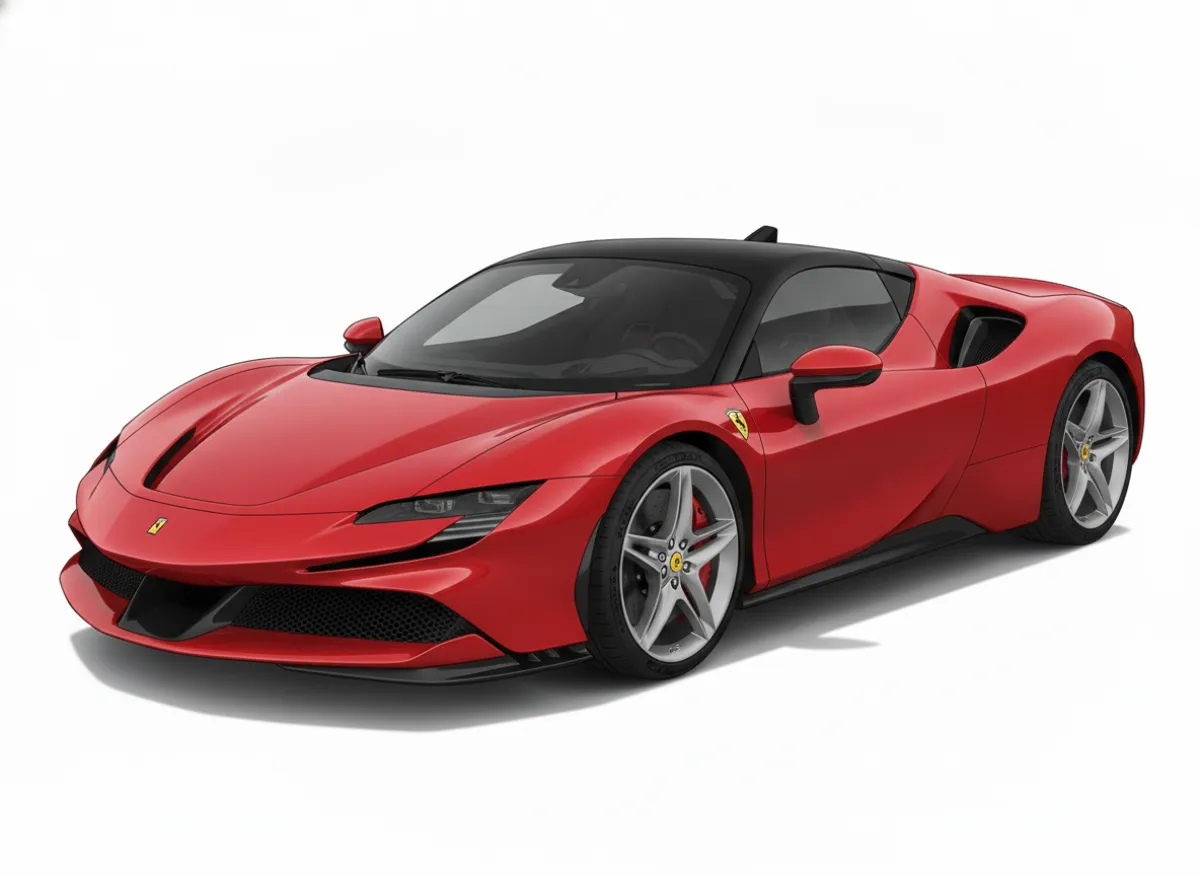
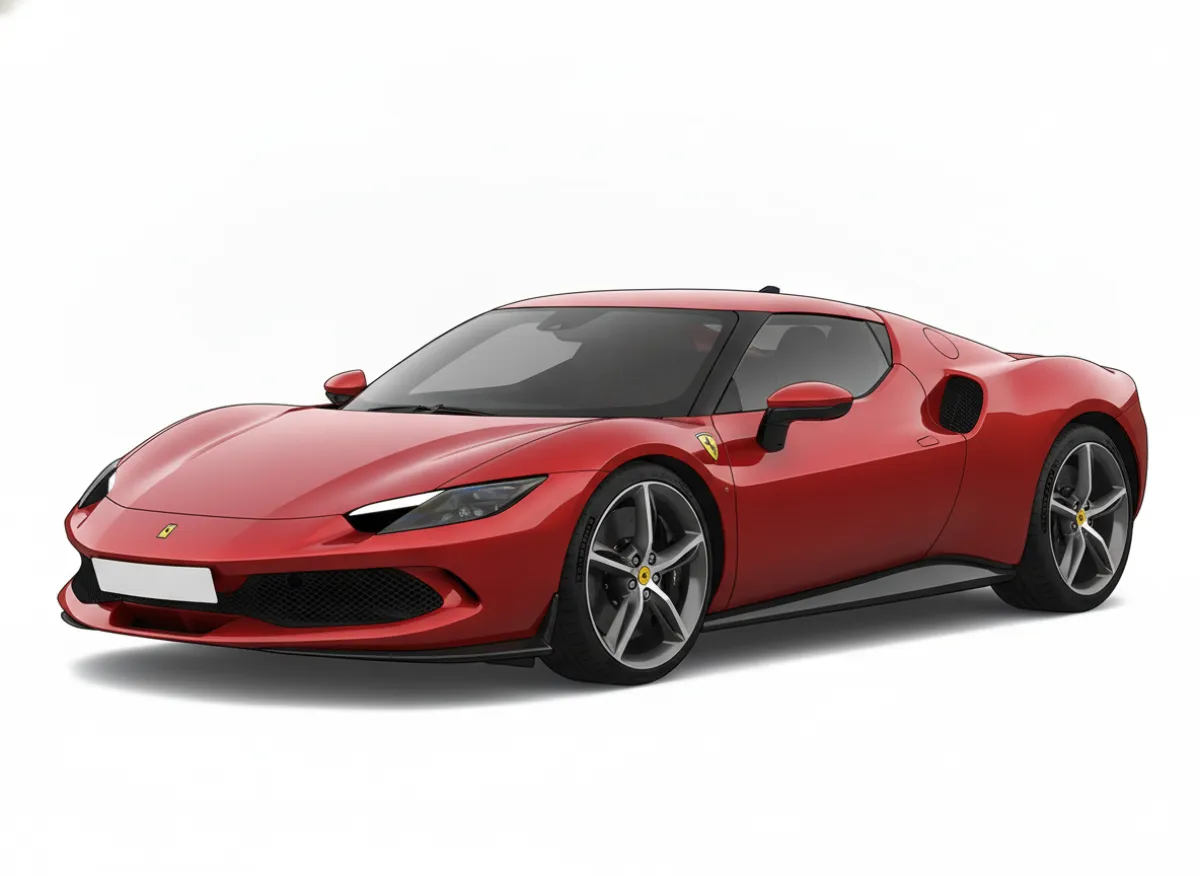
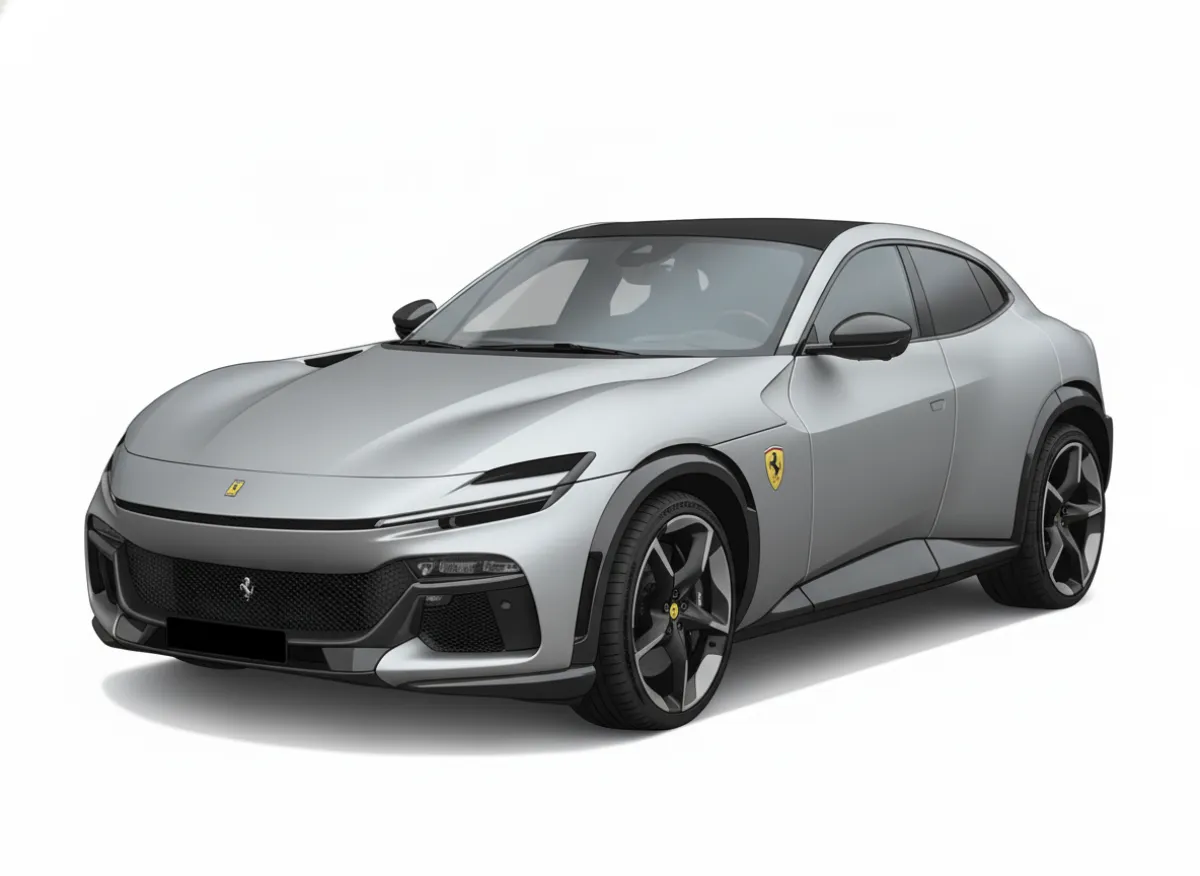
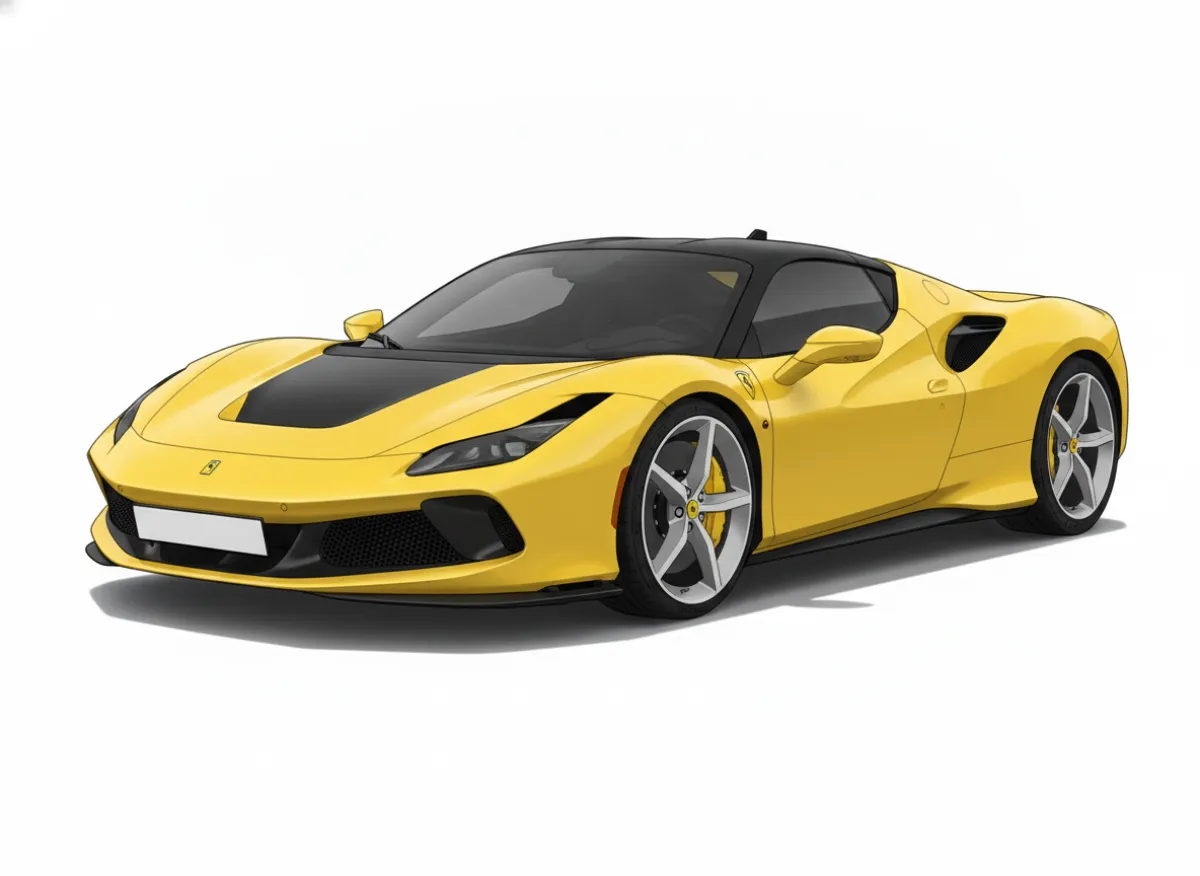
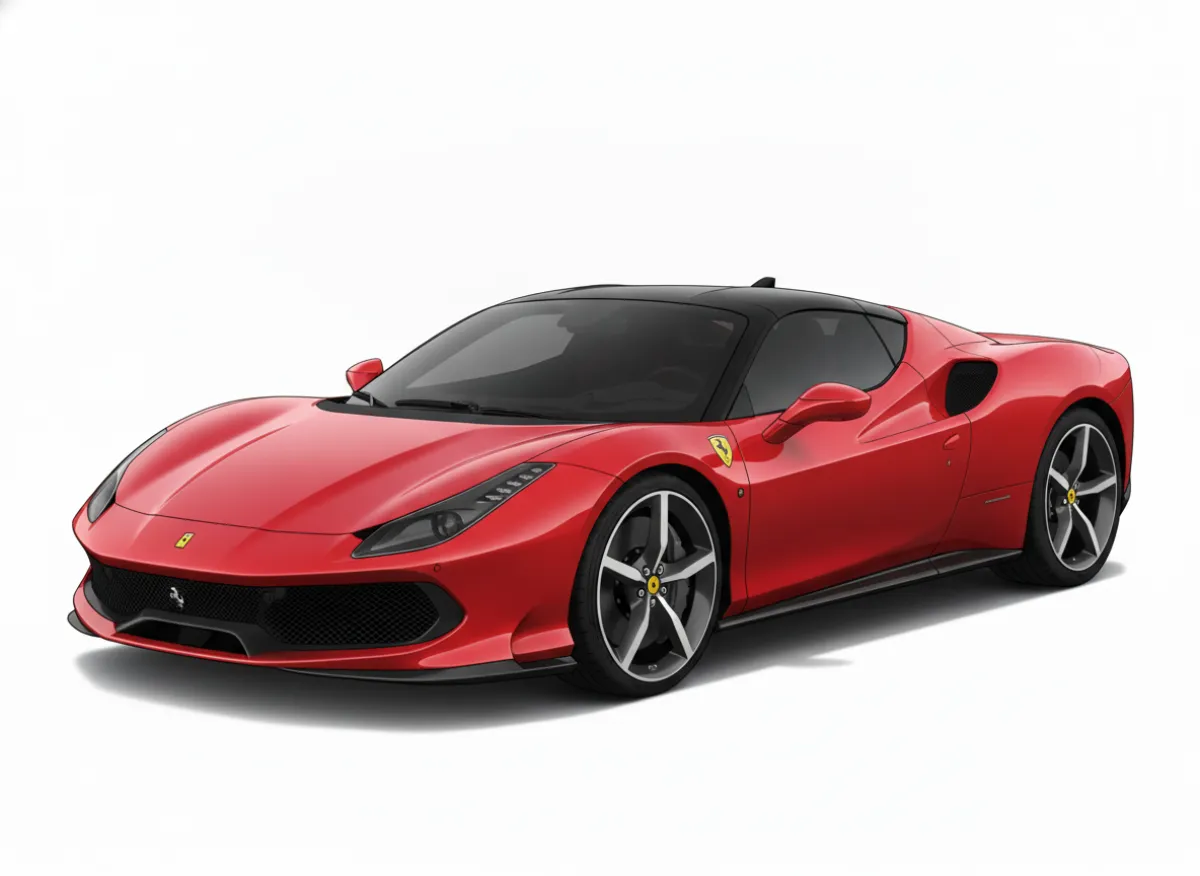
Under Vigna the range widened to hybrids such as the SF90 and 296 and to the four-door Purosangue, while volumes were held deliberately in the low 13,000s and revenue kept rising. Ferrari has said its first fully electric car will follow.
Milestones
- 1929
Enzo Ferrari founds Scuderia Ferrari in Modena to race Alfa Romeos.
- 1937
Alfa Romeo buys 80% of Scuderia Ferrari.
- 1939
Auto Avio Costruzioni founded (13 September).
- 1943
The works moves from Modena to Maranello.
- 1945
Renamed Auto Costruzioni Ferrari.
- 1947
The 125 S, the first car named Ferrari, is completed.
- 1949
First Le Mans win, with a 166 MM.
- 1952
First Formula One drivers' championship.
- 1960
Reorganised as the share company SEFAC.
- 1963
Ford's attempt to buy Ferrari collapses in May.
- 1969
Fiat buys 50% of Ferrari (June).
- 1984
Testarossa introduced.
- 1987
F40 introduced.
- 1988
Enzo Ferrari dies; Fiat raises its stake to 90%.
- 1991
Luca di Montezemolo becomes chairman.
- 2013
LaFerrari hybrid introduced.
- 2014
Montezemolo leaves; Sergio Marchionne becomes chairman. FCA announces the separation of Ferrari.
- 2015
IPO on the New York Stock Exchange, priced at US$52 a share (October).
- 2016
Separation from Fiat Chrysler Automobiles completed (January).
- 2018
Marchionne dies; Louis Camilleri CEO, John Elkann chairman.
- 2019
Shipments exceed 10,000 cars for the first time (10,131).
- 2021
Benedetto Vigna becomes chief executive.
- 2022
Shipments reach 13,221; net revenues pass EUR 5 billion.