Germany · since 1926
Mercedes-Benz
The brand born of the two companies that invented the motor car, through a 1926 merger, a failed transatlantic marriage and a 2022 rename after its own star.
Models on record
Researched dossiers
- Founded
- 1926
- Founders
- Carl Benz, Gottlieb Daimler, Wilhelm Maybach
- Headquarters
- Stuttgart, Germany
- Owned by
- Mercedes-Benz Group AG (listed; largest holders BAIC, Li Shufu, Kuwait Investment Authority)
- Status
- active
- Cars on record
- 1902–today
Marque summary from Wikipedia, CC BY-SA 4.0.
About Mercedes-Benz
Mercedes-Benz (German pronunciation: [mɛʁˌtseːdəs ˈbɛnts, -dɛs -] ), commonly referred to simply as Mercedes and occasionally as Benz, is a German luxury automotive brand that was founded in 1926. Mercedes-Benz AG (a subsidiary of the Mercedes-Benz Group, established in 2019) is based in Stuttgart, Baden-Württemberg, Germany. Mercedes-Benz AG manufactures luxury vehicles and light commercial vehicles, all branded under the Mercedes-Benz name.
Who owned it
5 changes of control, 1883 to today.
- 1883–1926Benz & Cie. (founded 1883) and Daimler-Motoren-Gesellschaft (founded 1890), separate companiesAgreement of mutual interest signed 1 May 1924.
- 1926–1998Daimler-Benz AG (listed company; Deutsche Bank a leading shareholder)Merger of Benz & Cie. and DMG on 28 June 1926, encouraged by Deutsche Bank. The size of Deutsche Bank's holding and the date of the Kuwait stake were not confirmed.
- 1998–2007DaimlerChrysler AG (listed)Formed in 1998 from Daimler-Benz and Chrysler Corporation in an exchange of shares valued at about US$38 billion.
- 2007–2022Daimler AG (listed)Renamed after 80.1% of Chrysler was sold to Cerberus (completed 3 August 2007). Geely owner Li Shufu (Tenaciou3 Prospect Investment) took 9.69% in February 2018; BAIC bought 5% in July 2019. Daimler Truck was spun off and listed on 10 December 2021.
- 2022–nowMercedes-Benz Group AG (listed; largest holders BAIC, Li Shufu, Kuwait Investment Authority) · BAIC 9.98%; Tenaciou3 Prospect (Li Shufu) 9.69%; Kuwait Investment Authority 5.57% (30 September 2025)Renamed 1 February 2022.
Chief executives
Sales, revenue and rank
Vehicles sold or built
What the figure counts changes 1 times. Read each numbered stretch on its own.
- 1933–1938New registrations of Mercedes-Benz passenger cars in Germany (German Reich) only, from a book cited by German Wikipedia (ISBN 3421022844, p. 328)
- 2009–2021Mercedes-Benz brand passenger-car unit sales worldwide (excluding smart; Daimler/Mercedes-Benz Cars figure), as tabulated by German Wikipedia from Daimler annual reports (rounded in the source)
Revenue
EUR of the day, not adjusted for inflation
What the figure counts changes 4 times. Read each numbered stretch on its own.
- 1997–2005DaimlerChrysler AG consolidated revenue (includes Chrysler; 1997 is a pre-merger combined figure), as tabulated by German Wikipedia
- 2006–2007Daimler AG consolidated revenue excluding Chrysler (as tabulated by German Wikipedia under Daimler AG)
- 2008–2020Daimler AG consolidated revenue (cars, vans, trucks, buses and financial services), as tabulated by German Wikipedia from Daimler annual reports
- 2021Mercedes-Benz Group AG consolidated revenue from continuing operations (excluding Daimler Truck, spun off December 2021; EUR 167.971 billion including discontinued operations)
- 2022–2025Mercedes-Benz Group AG consolidated revenue (cars, vans and Mercedes-Benz Mobility), as tabulated by German Wikipedia from group annual reports/fact sheets
Sources for these figures (5)
- Mercedes-Benz Group (history, leadership list, shareholders, financial table) — Wikipedia
- Mercedes-Benz — Wikipedia
- Mercedes-Benz Group (Geschäftsjahr table of revenue 1997–2025 citing Daimler/Mercedes-Benz annual reports; shareholder structure 30 September 2025) — Wikipedia (German)
- Mercedes-Benz Cars (worldwide unit sales by brand, citing Daimler annual reports 2010–2015 and later reports) — Wikipedia (German)
- Mercedes-Benz (new registrations in Germany 1933–1938) — Wikipedia (German)
- This file was compiled after the session's web-search budget was exhausted, and the group's investor site returned 403, so figures come from the English and German Wikipedia articles (raw wikitext) and the Daimler/Mercedes-Benz reports they cite were not opened individually.
- Units are patchy. Worldwide Mercedes-Benz brand passenger-car sales are documented for 2009–2013 and 2017–2021 only (German Wikipedia marks 2014–2016 as unknown and gives only rounded group-level totals for 2022–2024 that appear to include vans). 2014–2016 and 2022–2025 are therefore absent. 1933–1938 are German registrations only, a different scope.
- German Wikipedia also lists Mercedes-Benz new registrations in Germany for 2001–2020 (for example 406,000 in 2001 and 303,185 in 2020); they are not entered as units because they would mix a home-market series into the worldwide series.
- English Wikipedia's group table gives deliveries for 2012–2025 only in millions to one decimal place and including vans (for example 2.4 million in 2023); too coarse to use.
- Revenue is the whole group throughout: Daimler-Benz (DEM, isolated years 1962, 1972, 1989, 1990), DaimlerChrysler 1997–2005 including Chrysler, Daimler AG 2006–2020 (2006–2007 excluding Chrysler) including trucks and buses, and Mercedes-Benz Group 2021–2025 without trucks. The scope breaks in 1998, 2006/07 and 2021 are real changes in the company, not growth or decline of the brand. Mercedes-Benz Cars segment revenue (EUR 53.43 billion in 2010 to 93.103 billion in 2018, per German Wikipedia) is a narrower alternative not used here.
- No best-seller is recorded: no worldwide model ranking by year was found in the sources reachable.
- Rank is given only for 2021 (tenth-largest car manufacturer by unit sales, as stated in English Wikipedia, which does not name its source).
- Ownership: Kuwait's stake dates from the 1970s in common accounts but its entry date was not confirmed; Aabar Investments' stake (2009) and the Renault-Nissan cross-shareholding (2010) were not confirmed with percentages and are mentioned only in the history. Deutsche Bank's holding size is not given.
- Leaders: no top executive is listed for 1960–1961 or 1979–1980 in the source; the heads of Benz & Cie. and DMG before 1926 are not listed.
Researched dossiers
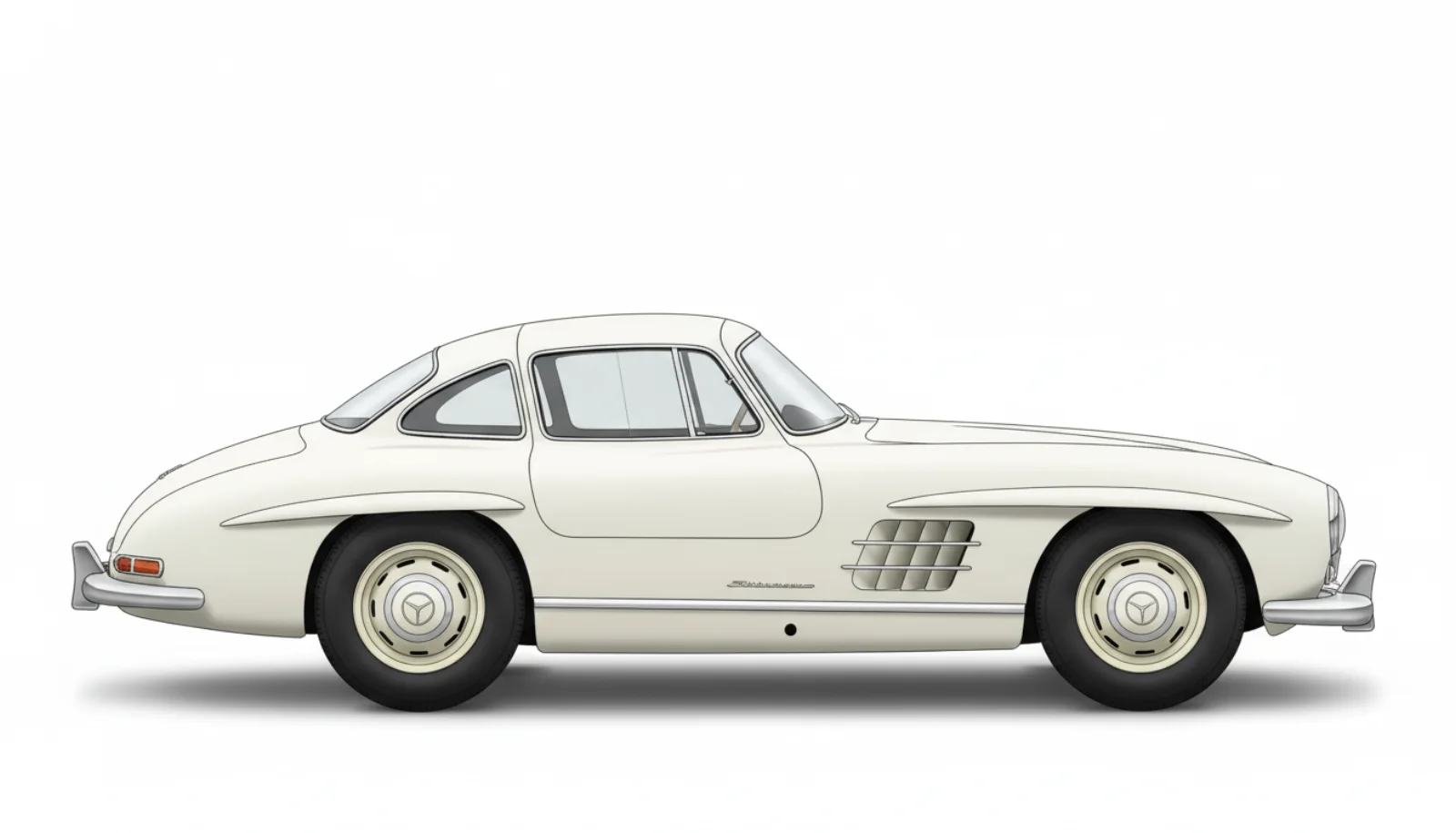
Every model
Models in production each year
1900s
1 launched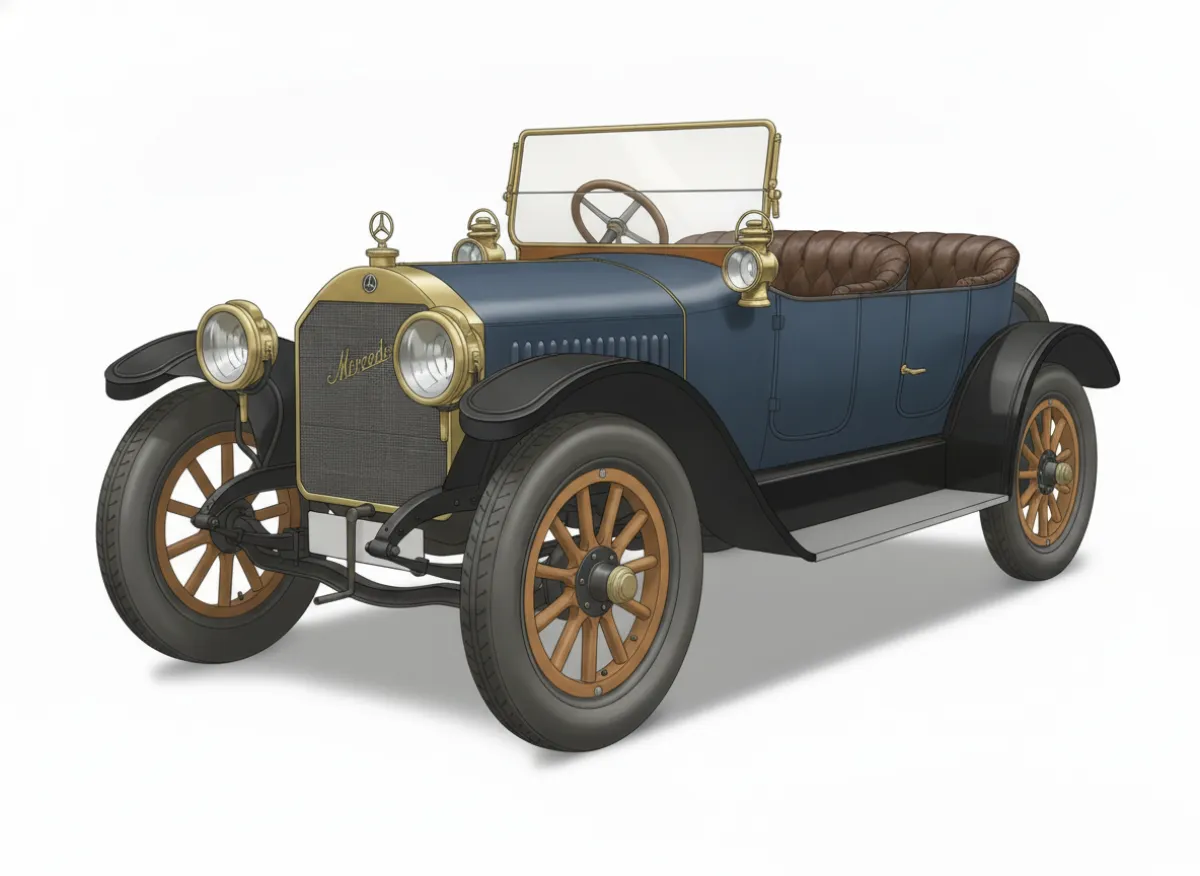
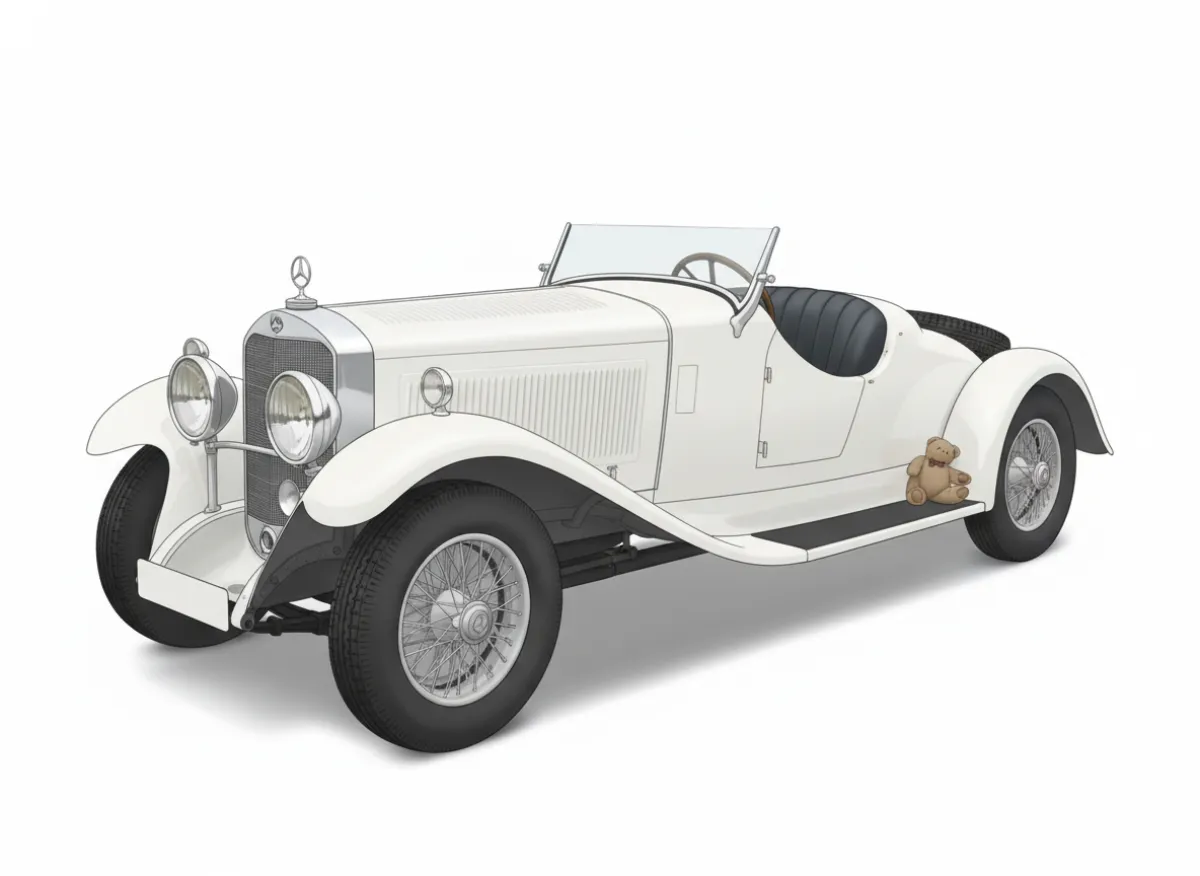
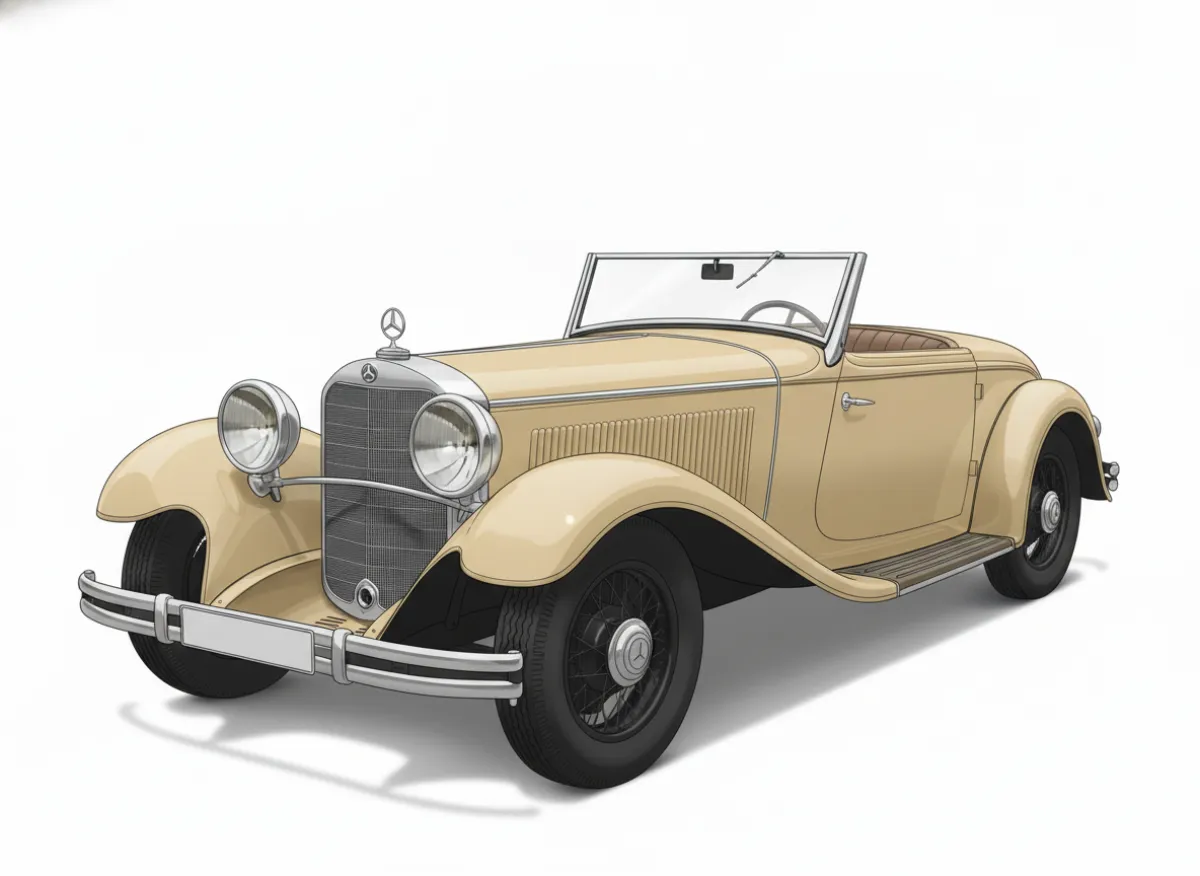
1920s
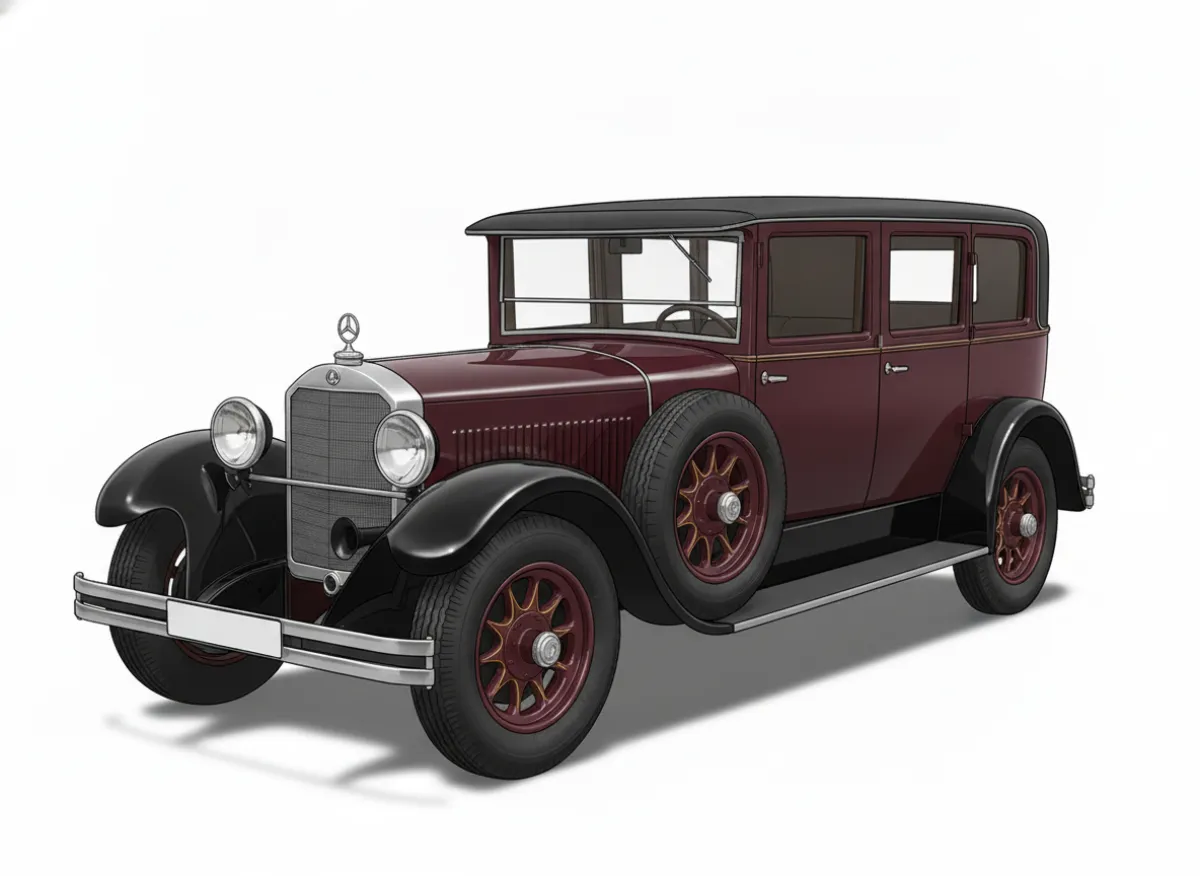
9 launched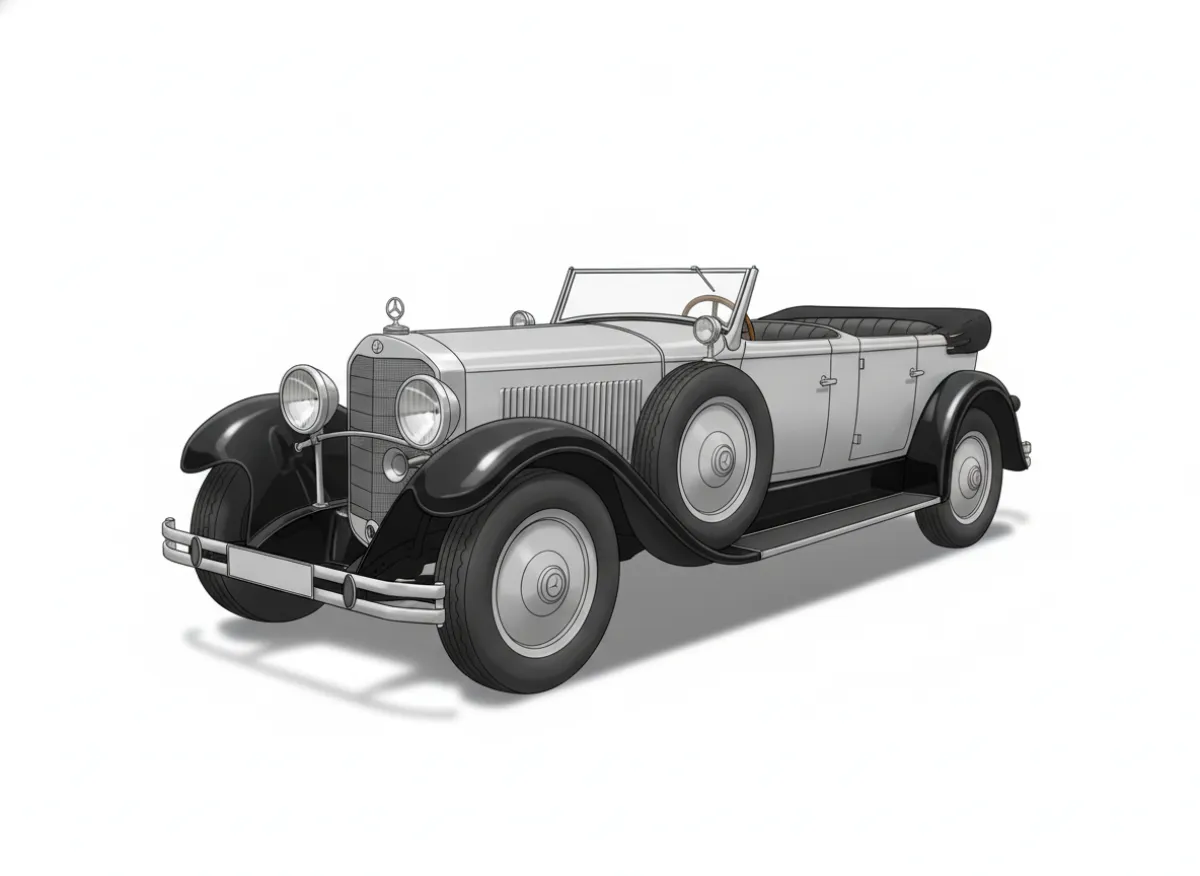
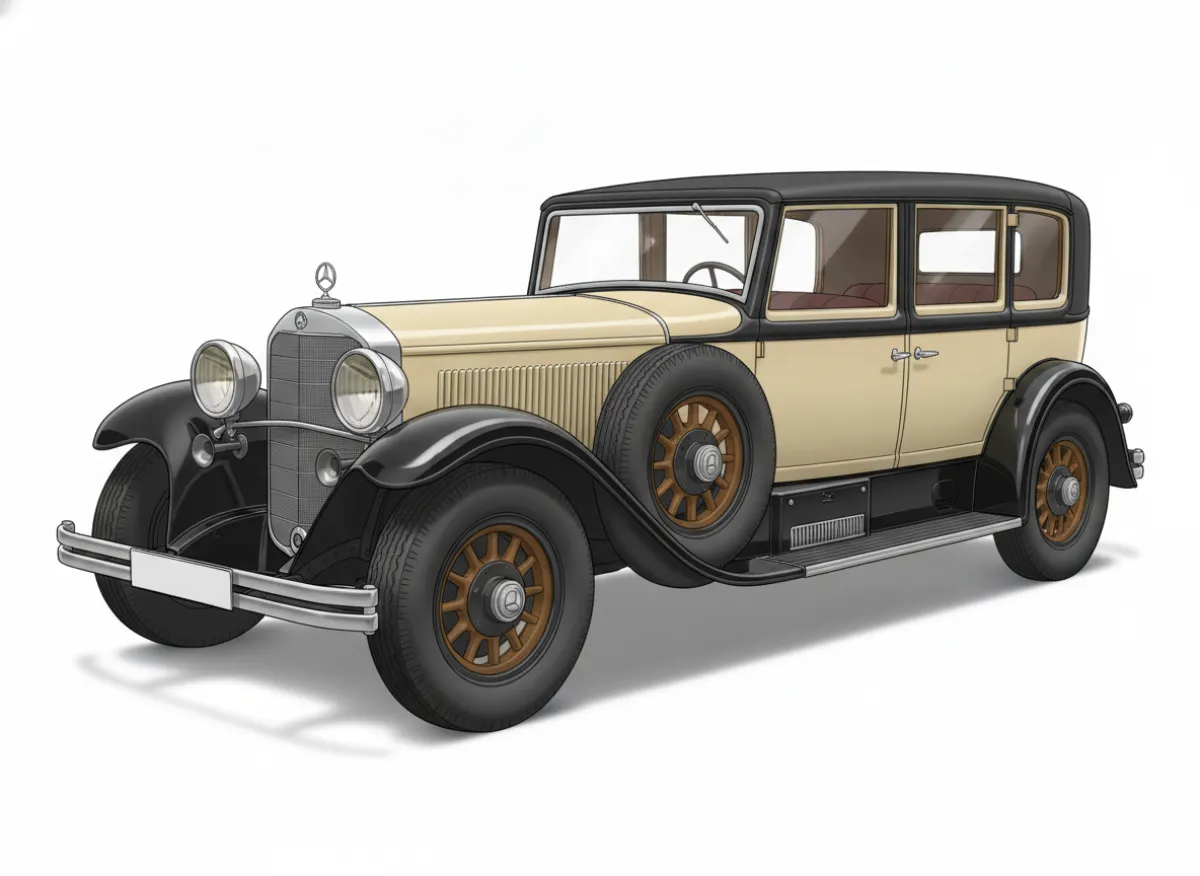
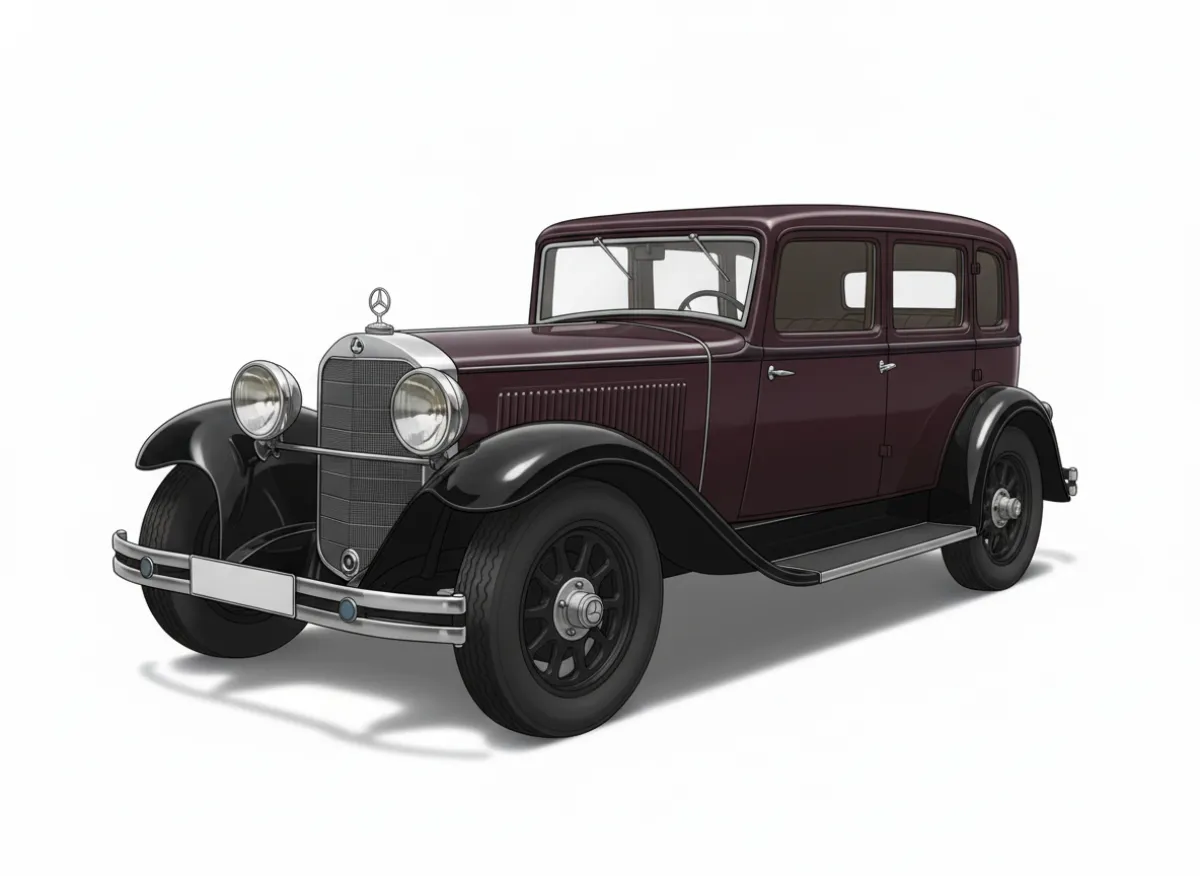
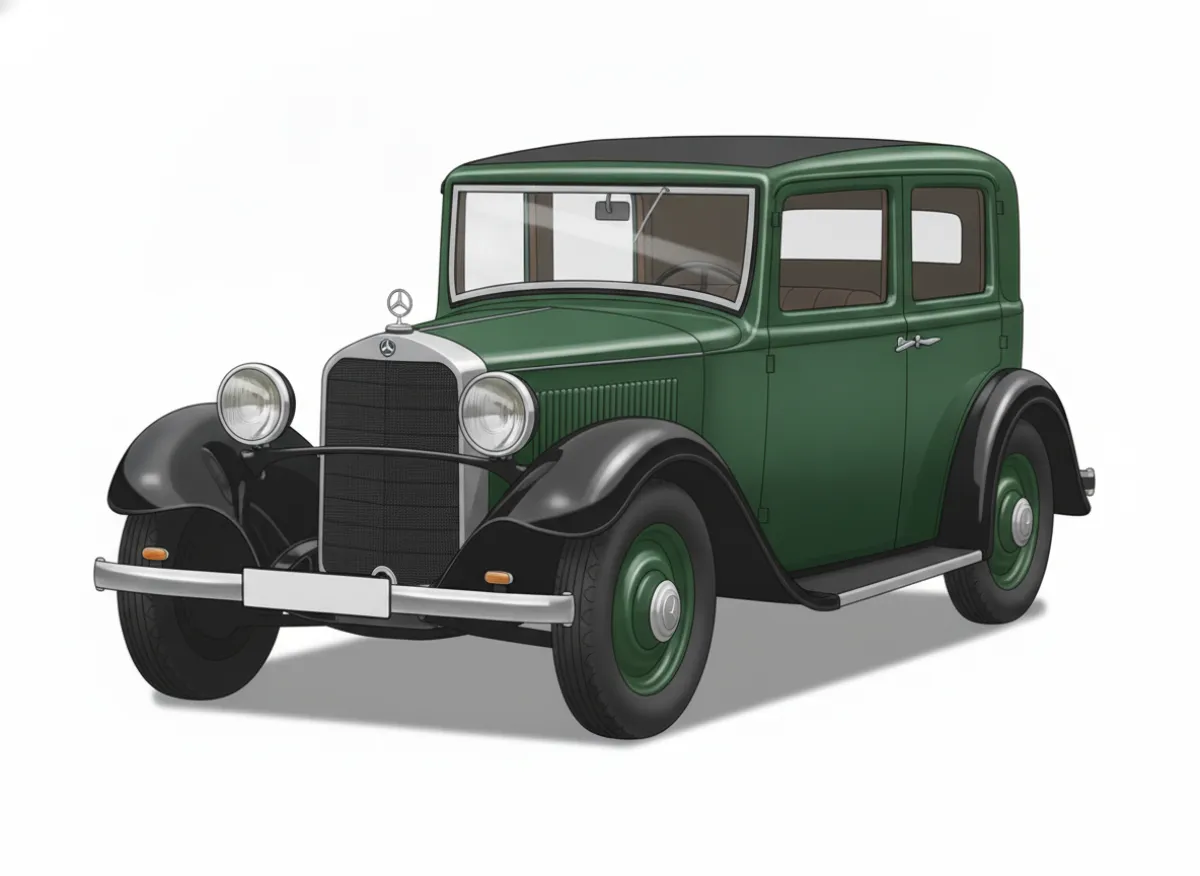
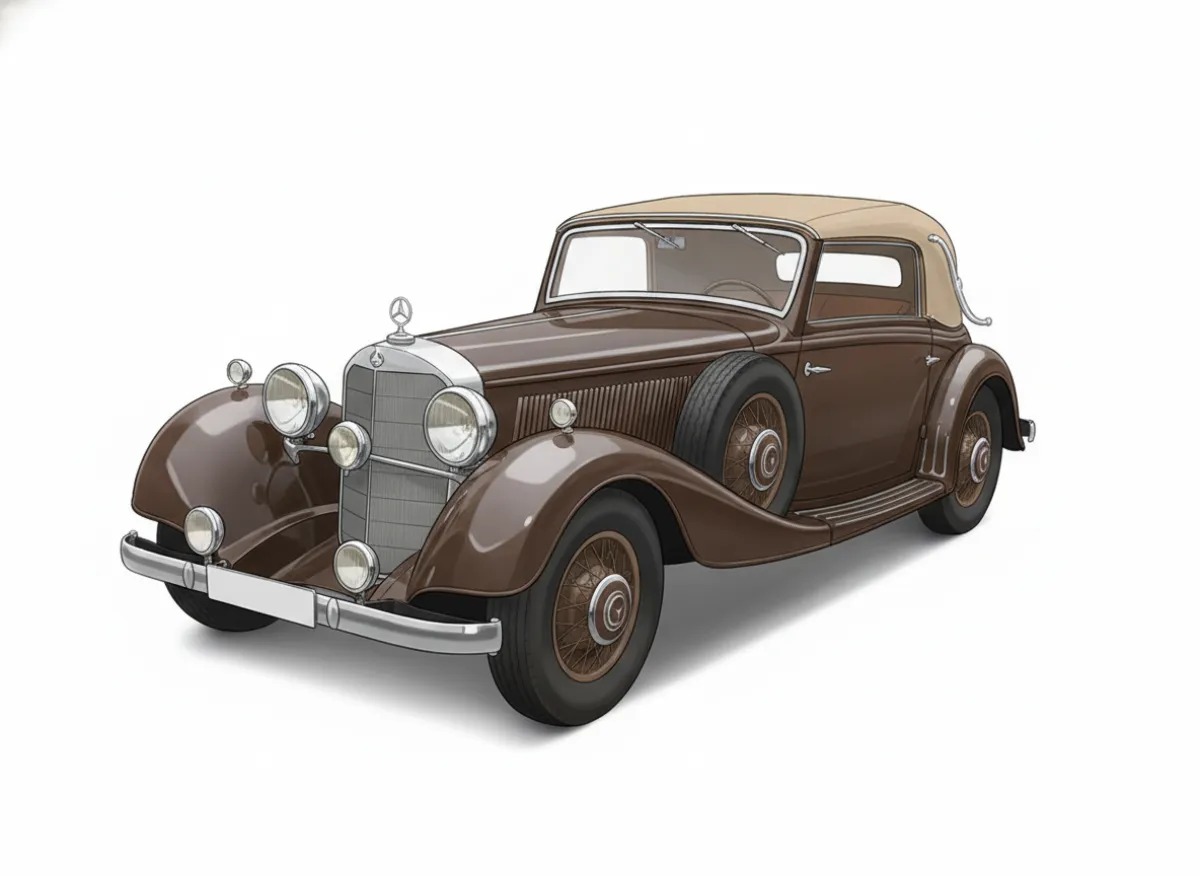
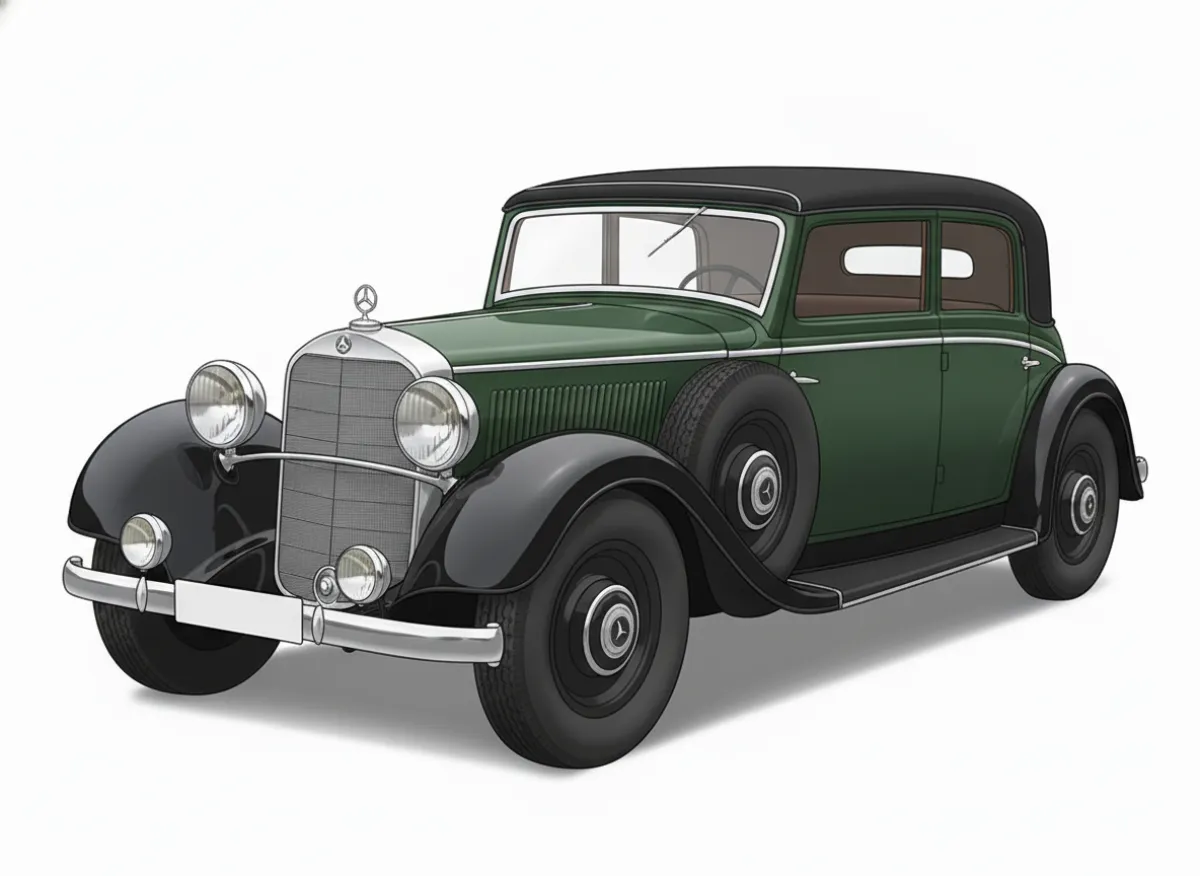
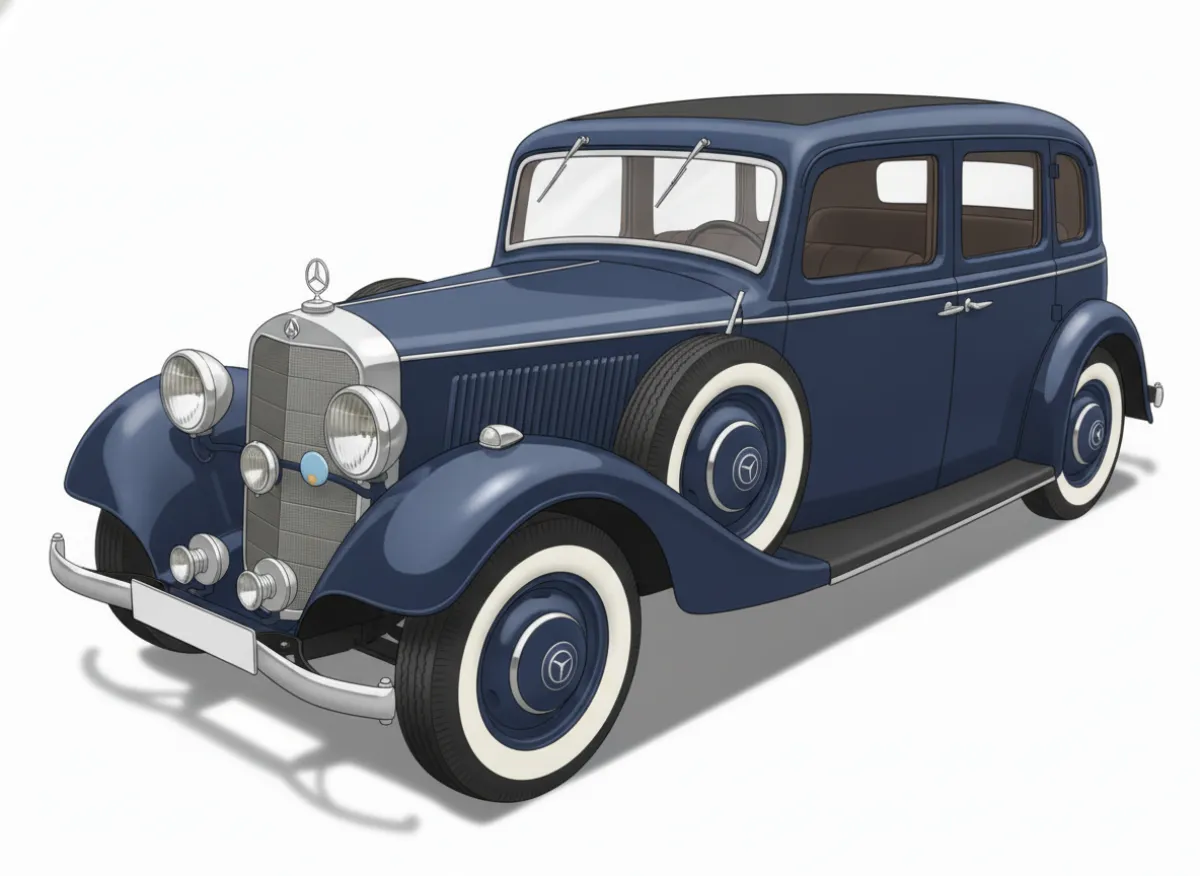
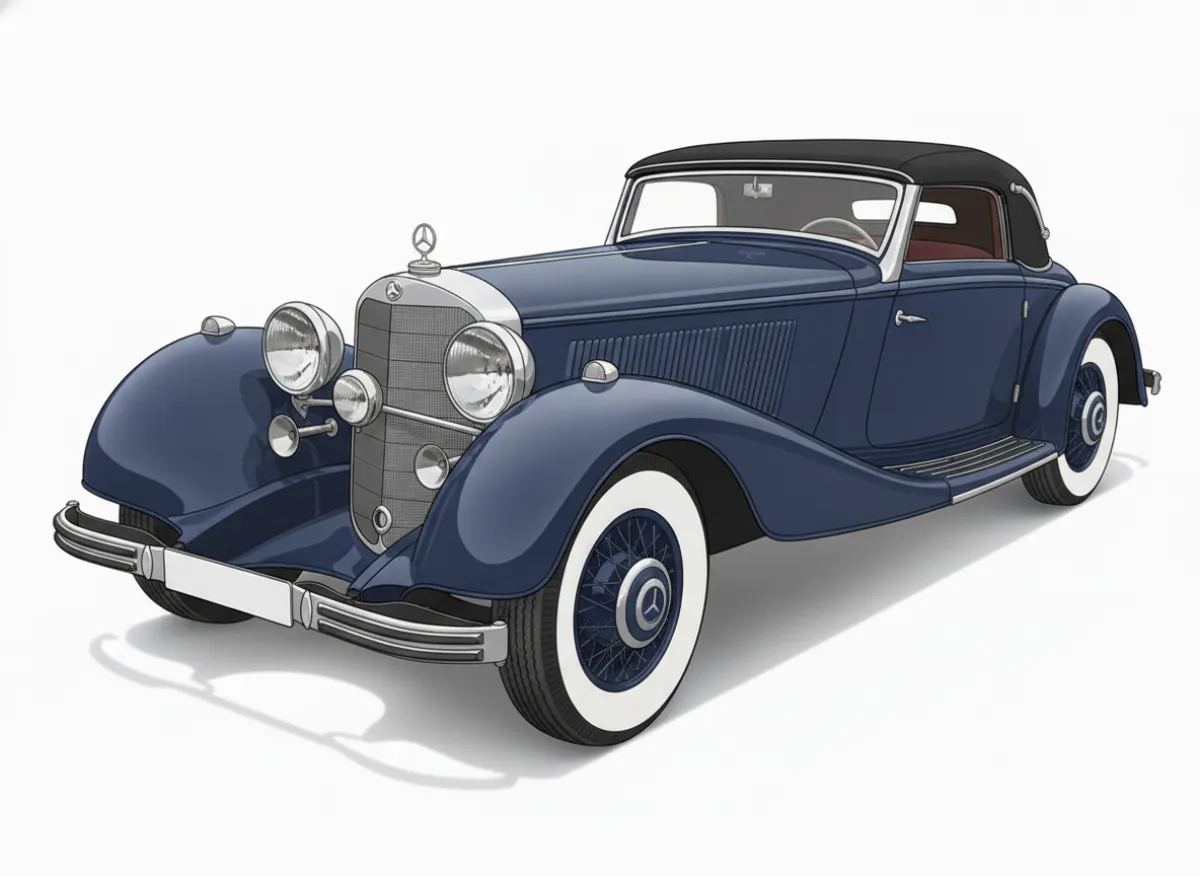
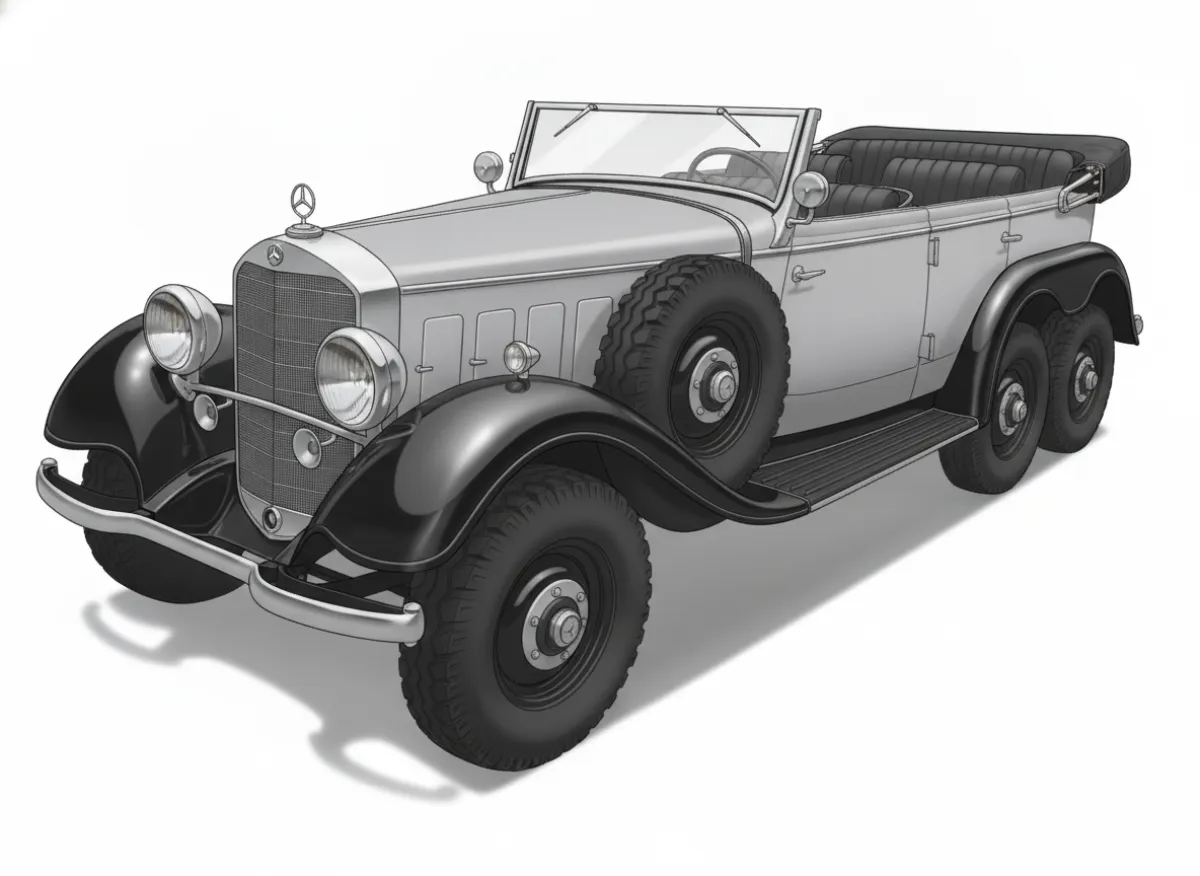
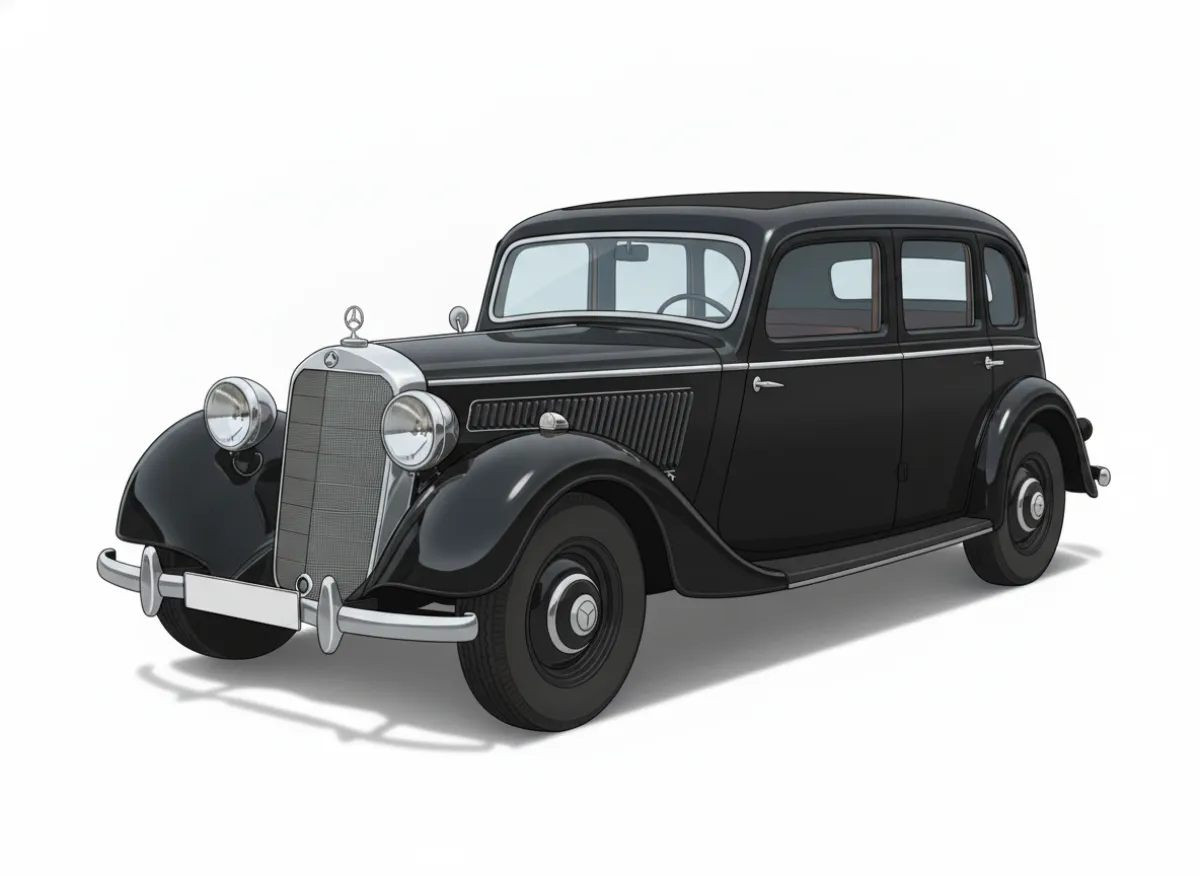
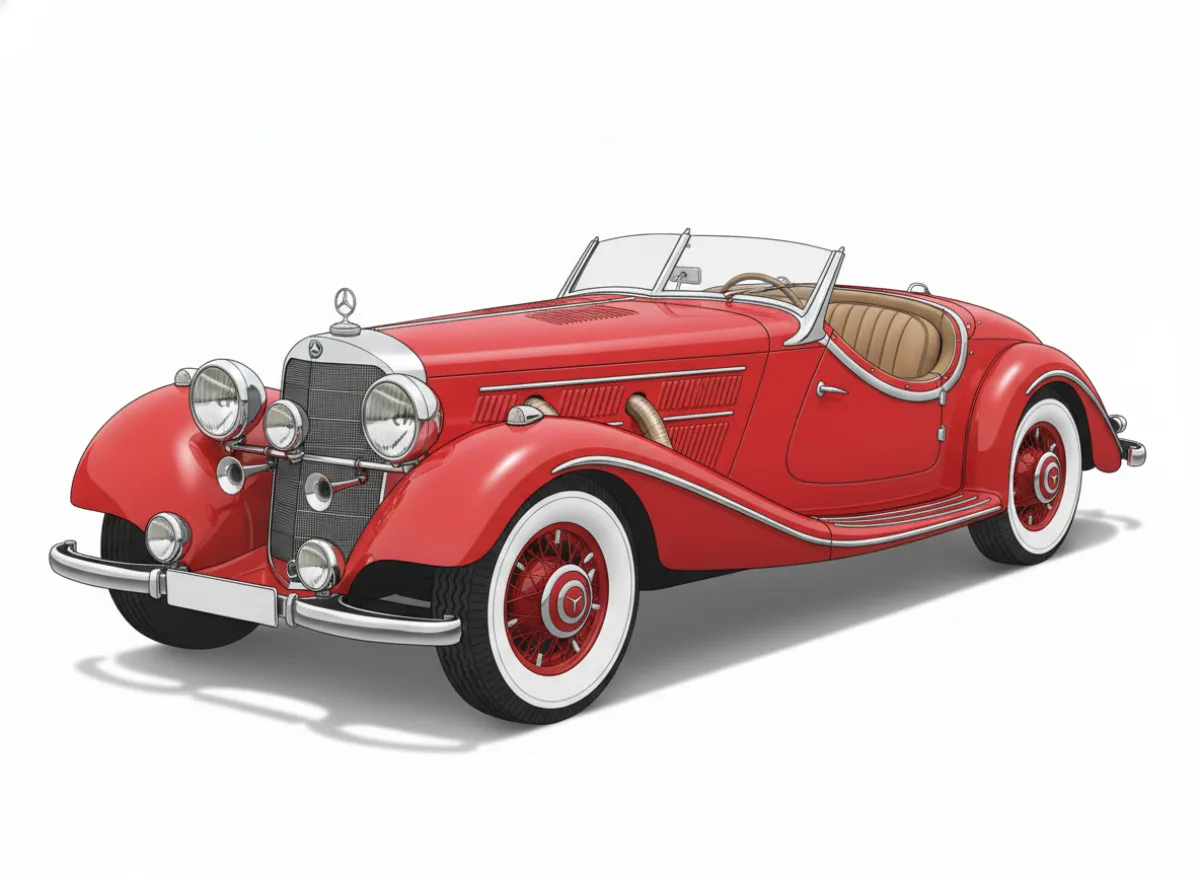
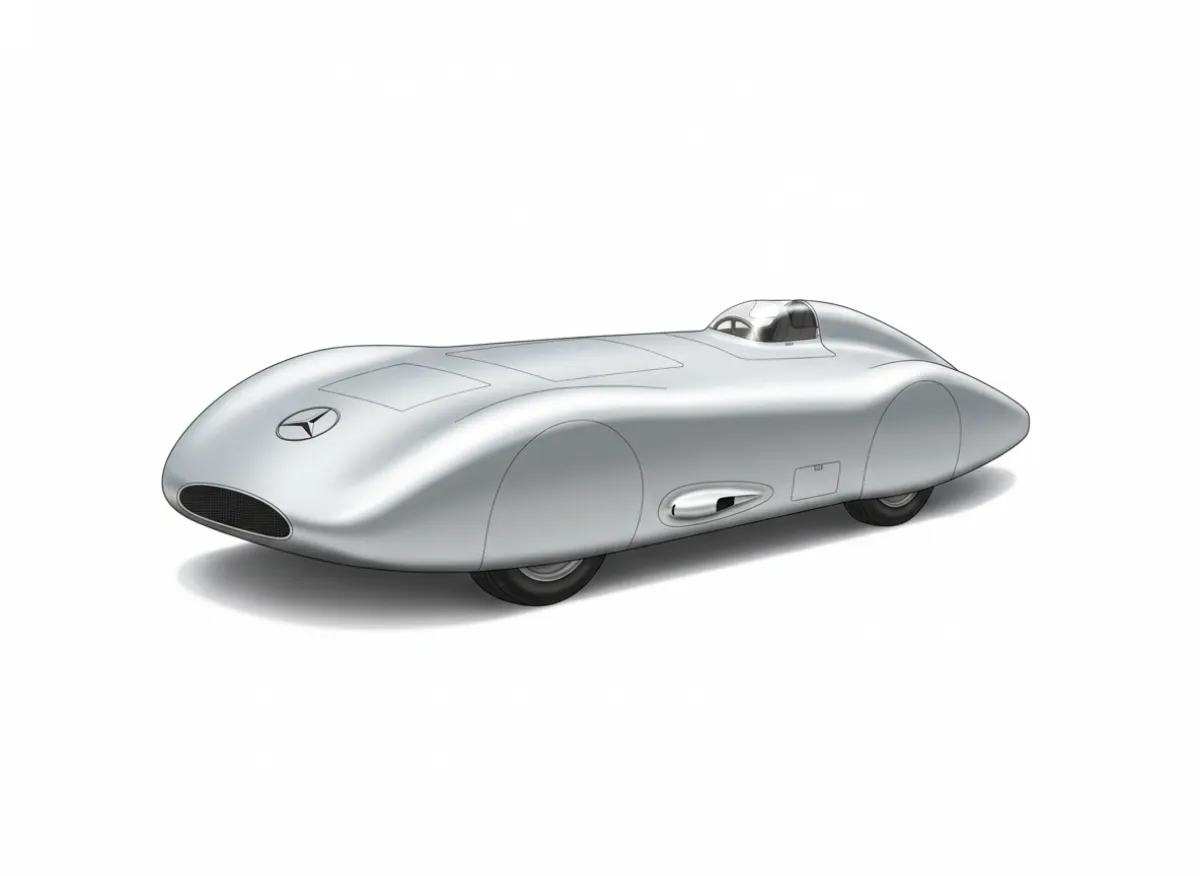
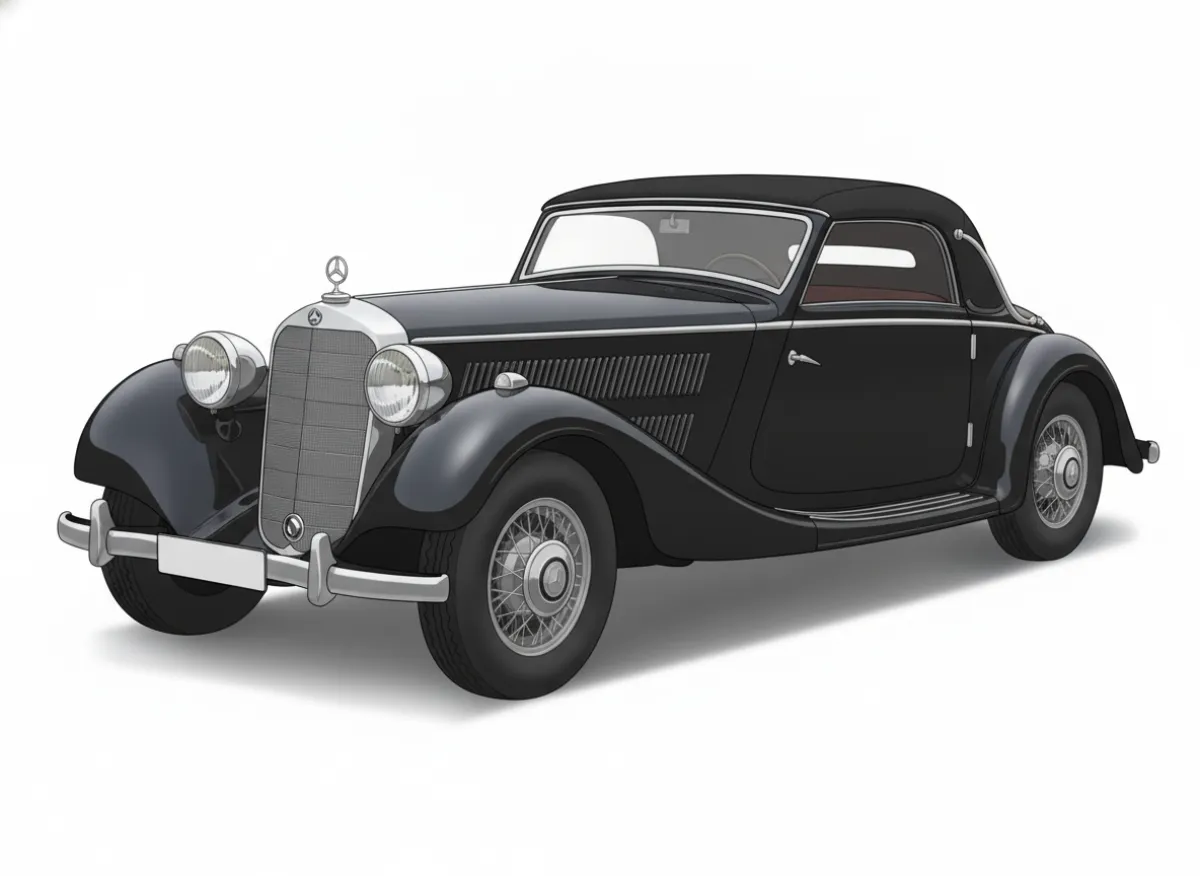
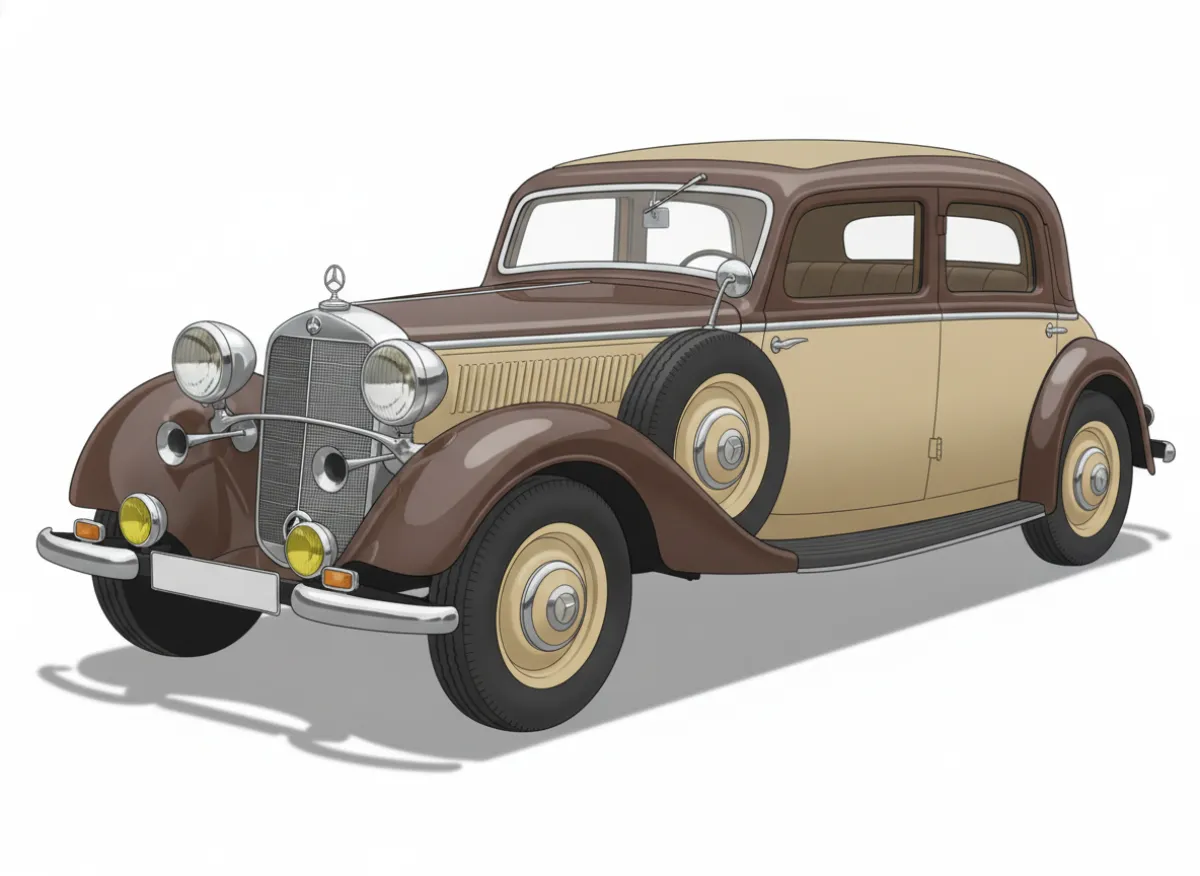
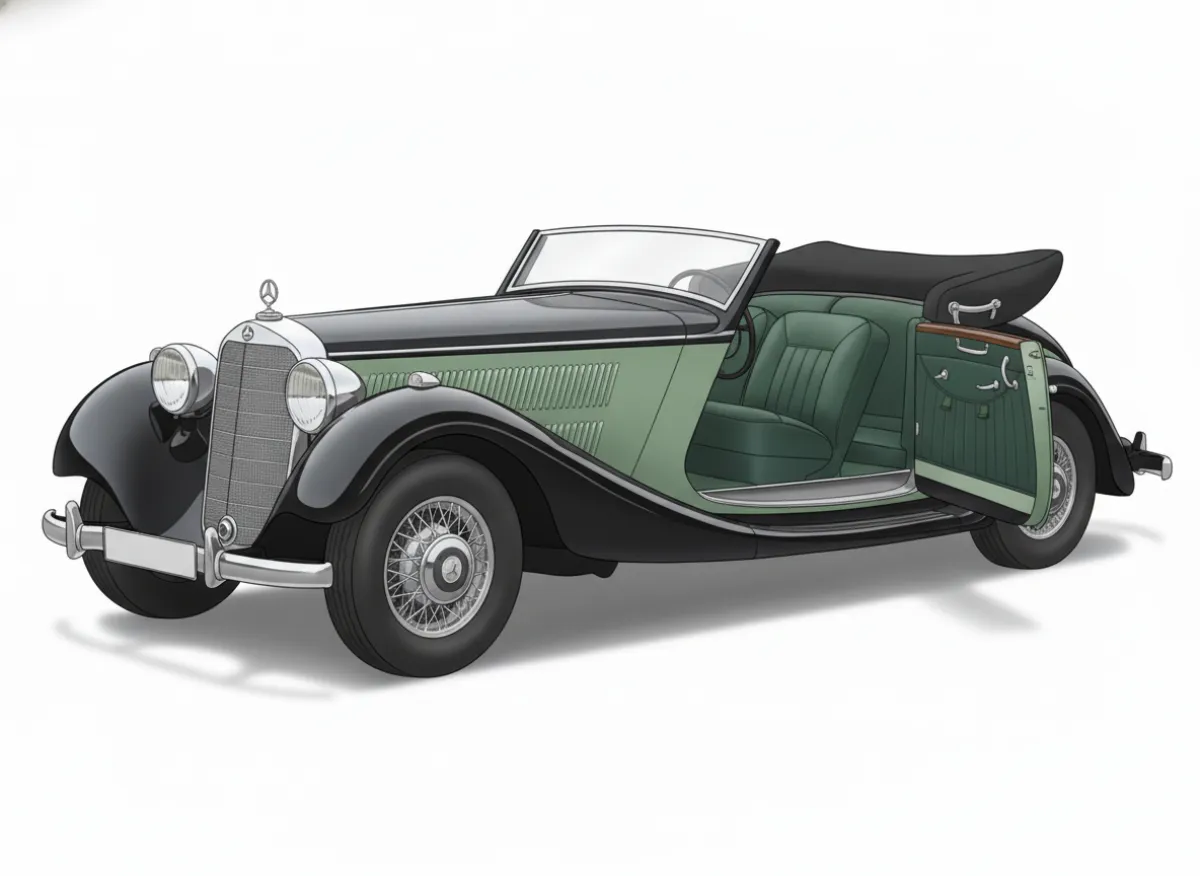
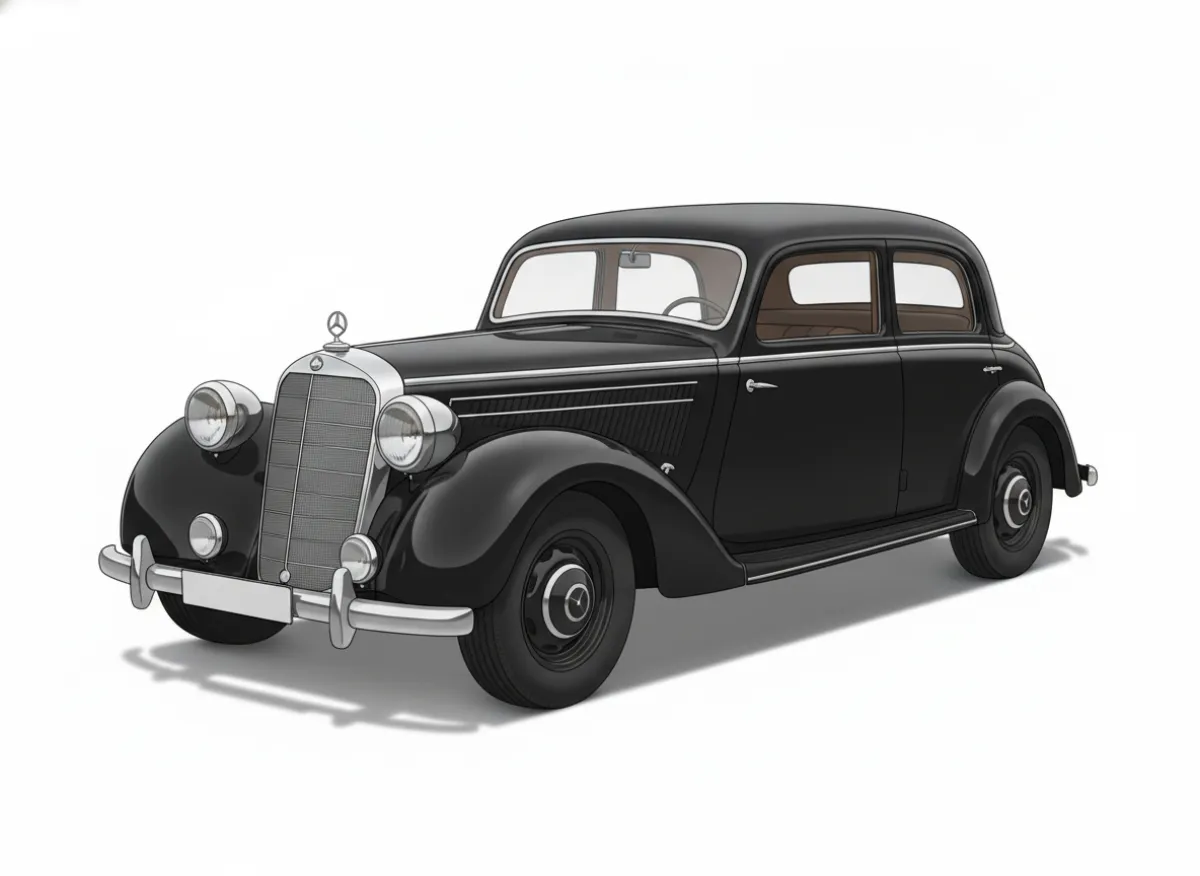
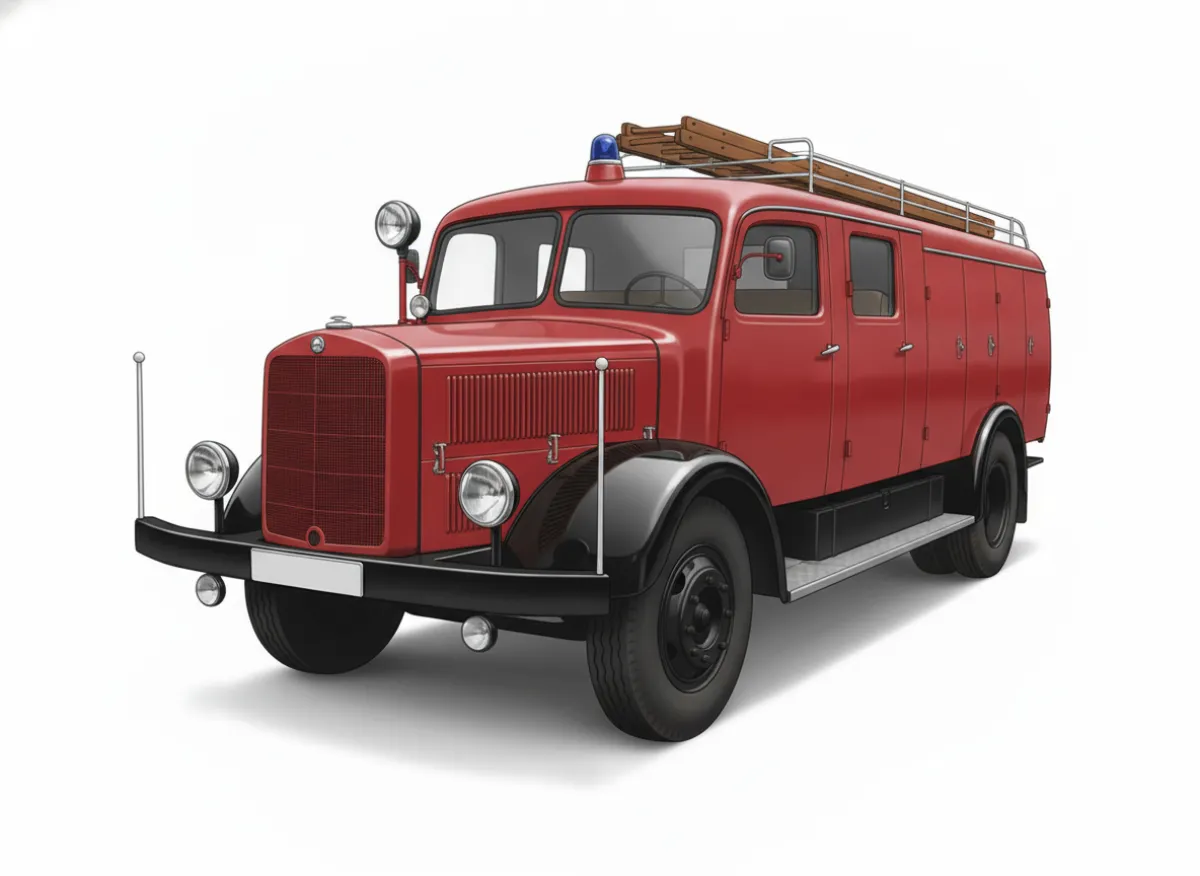
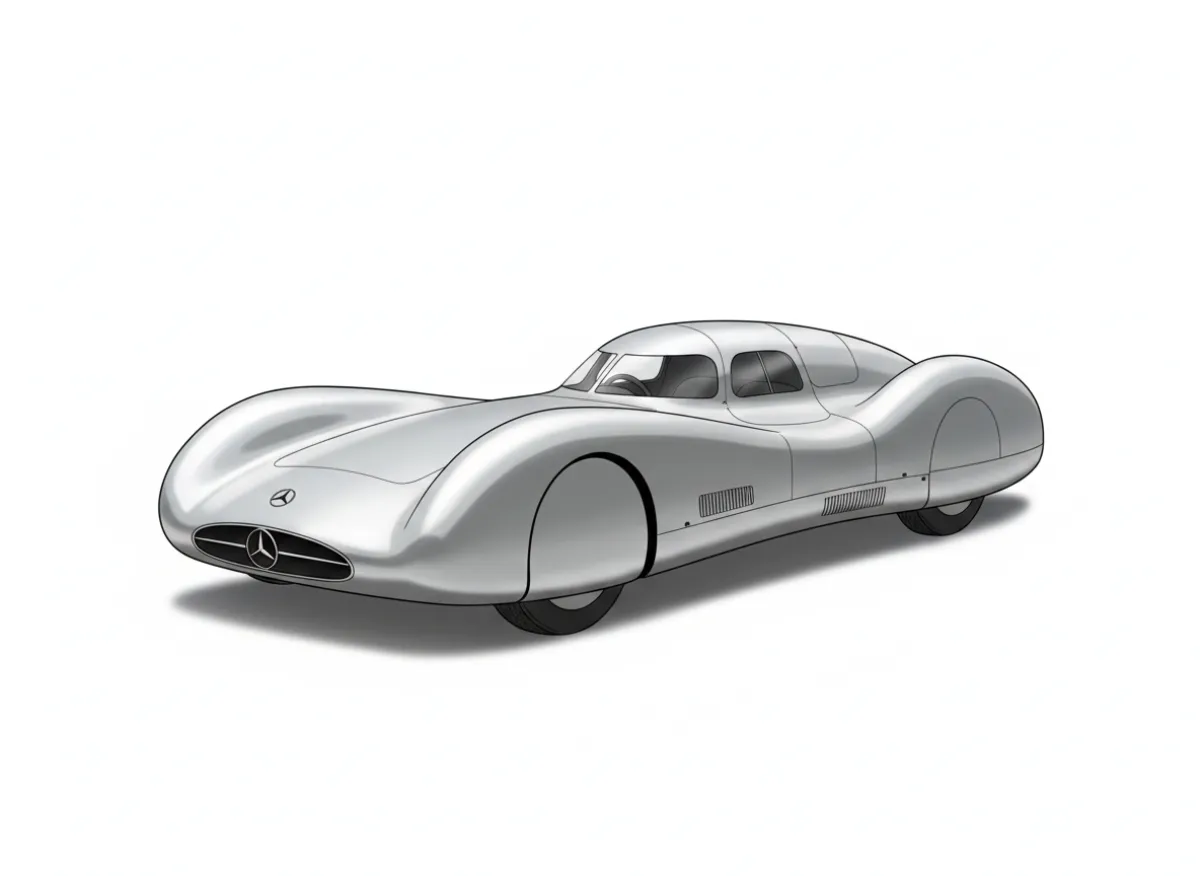
1930s
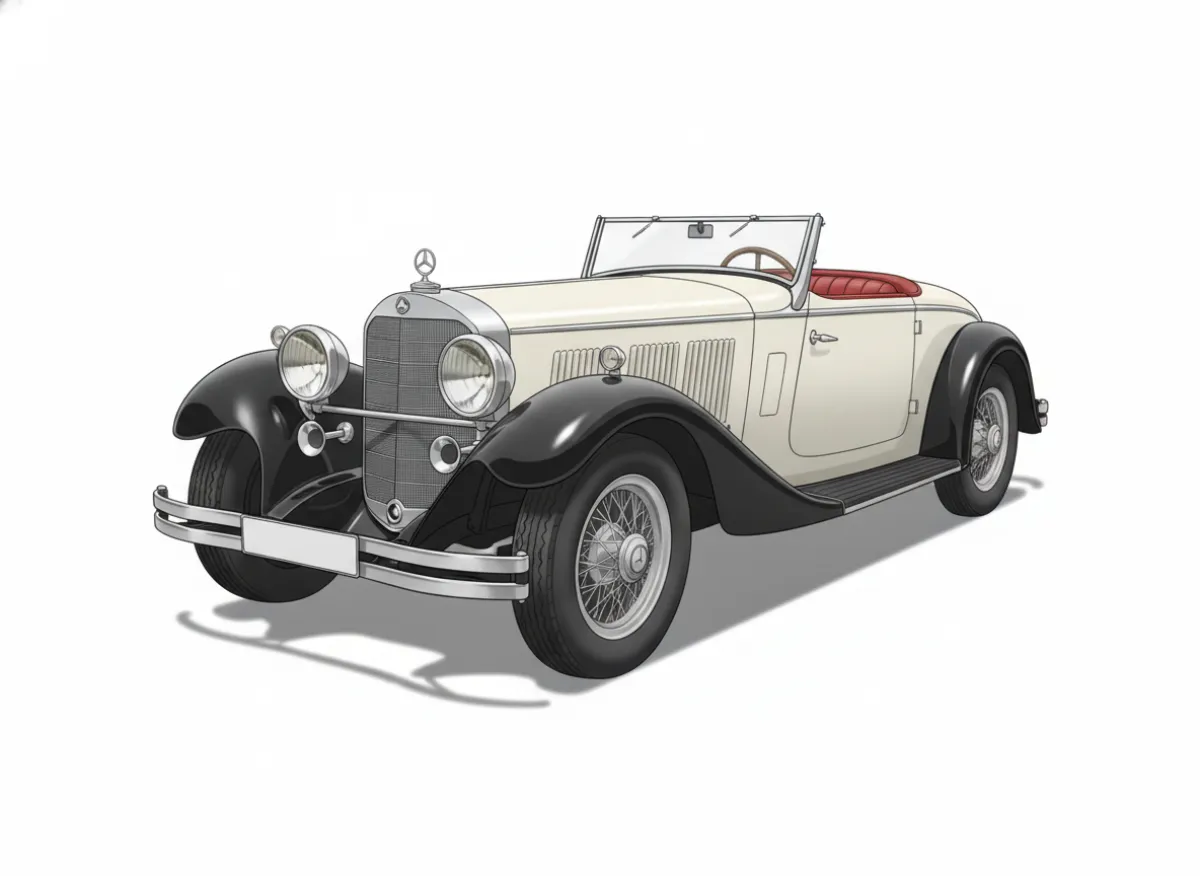
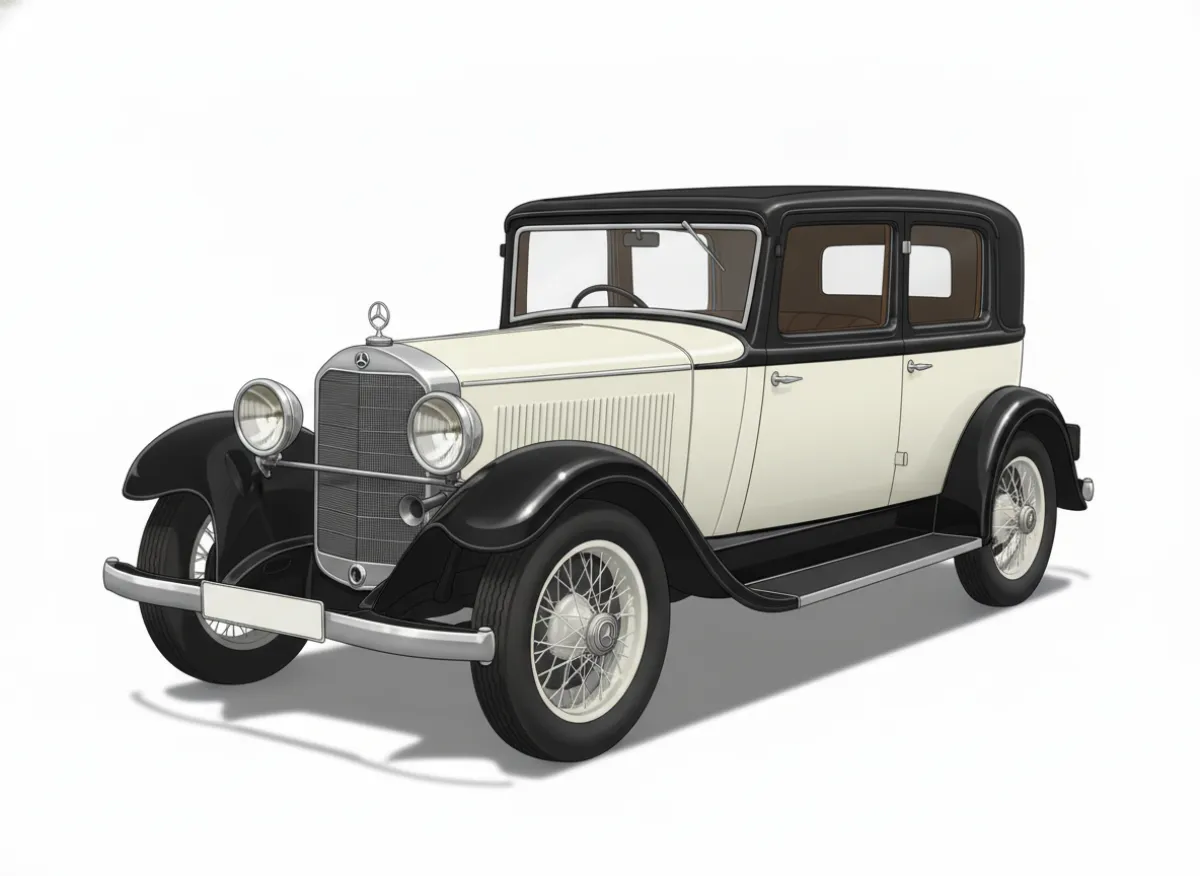
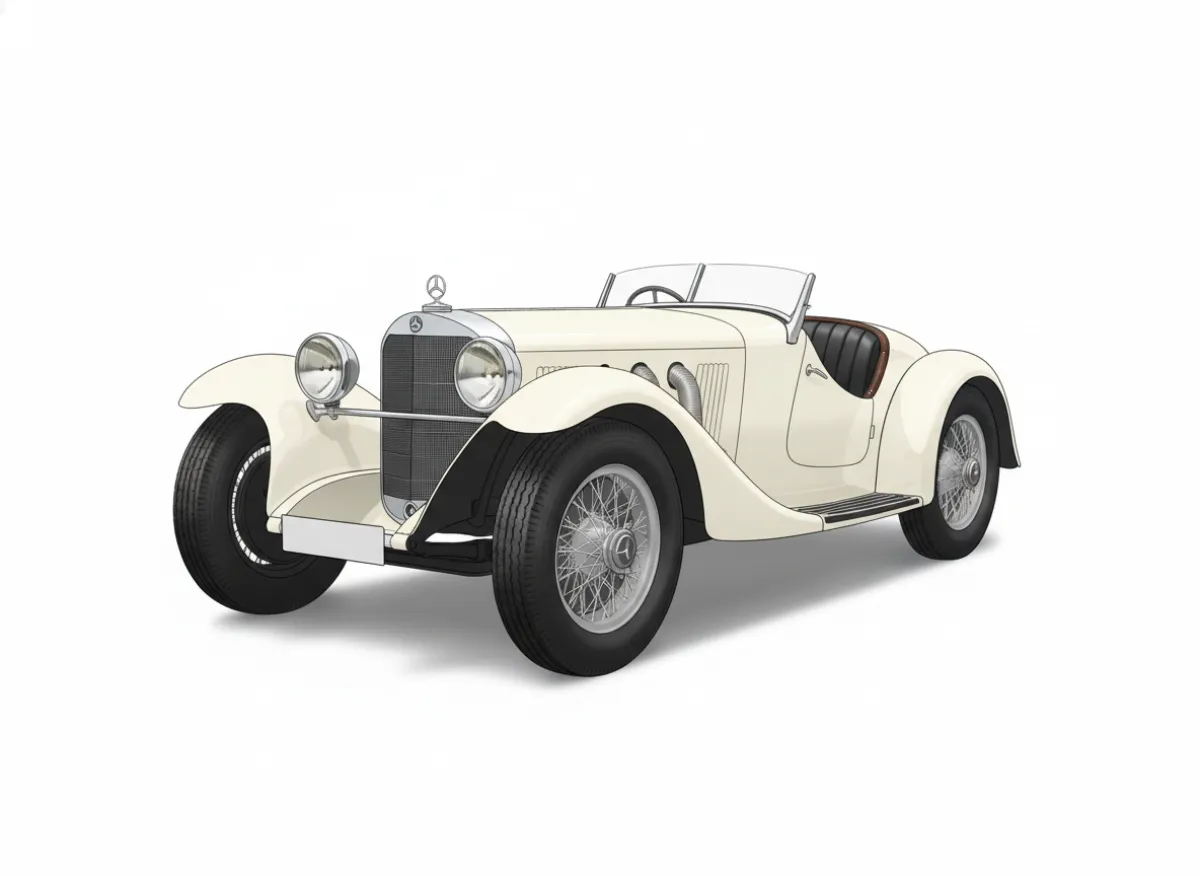
17 launched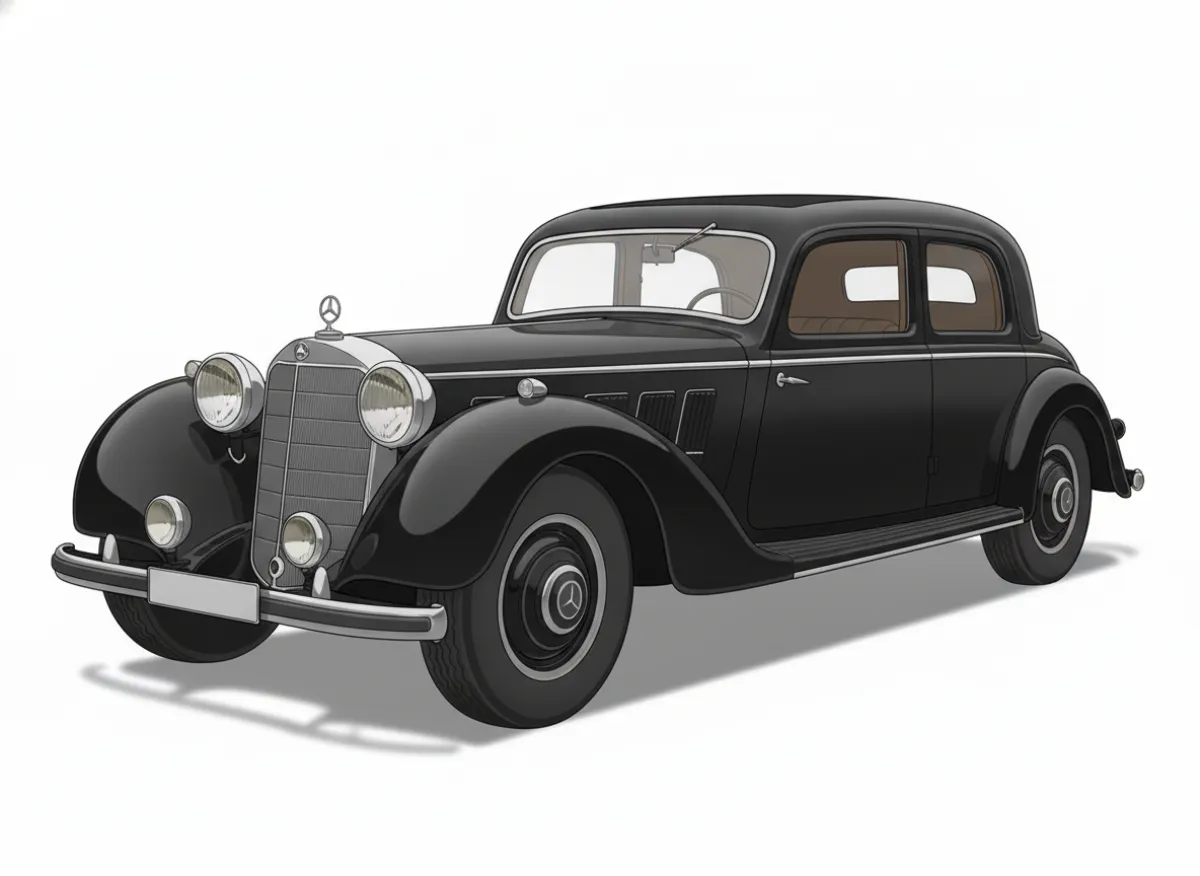
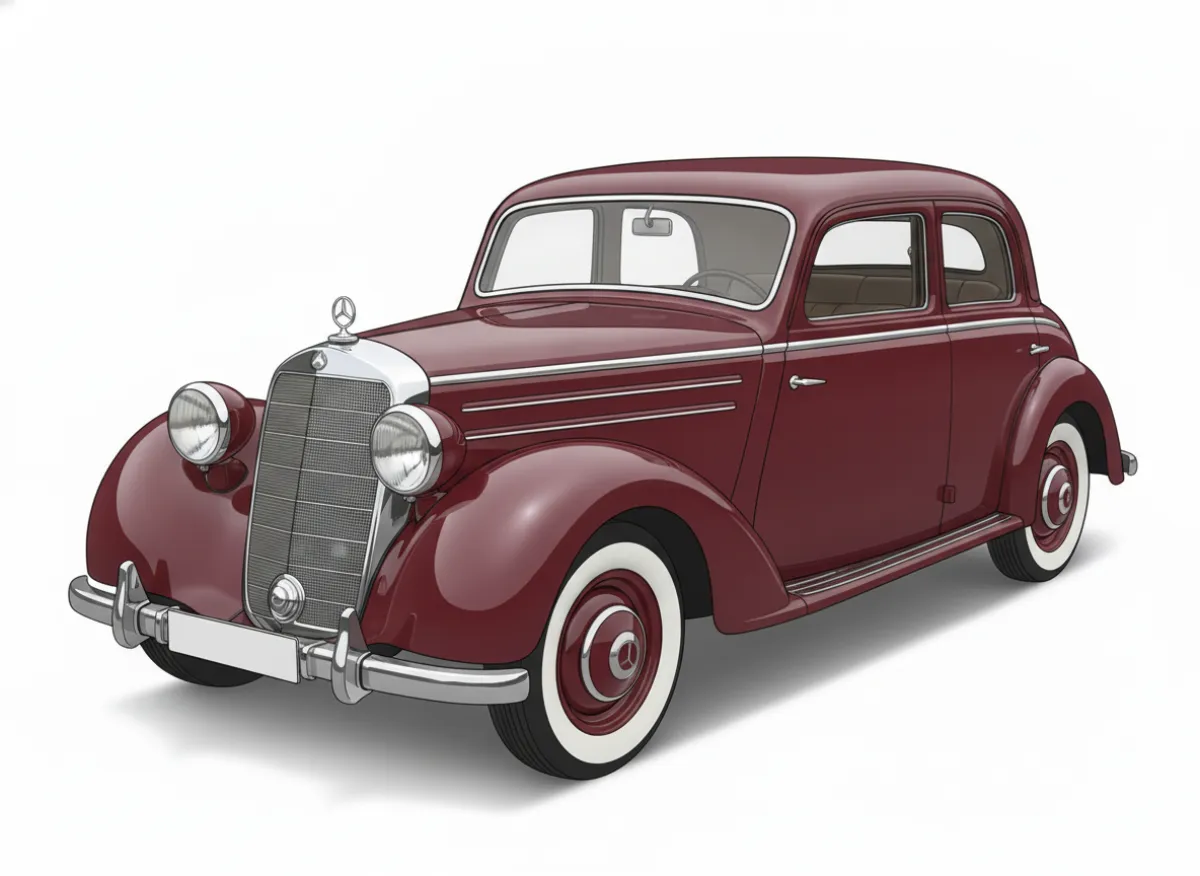
1940s
1 launched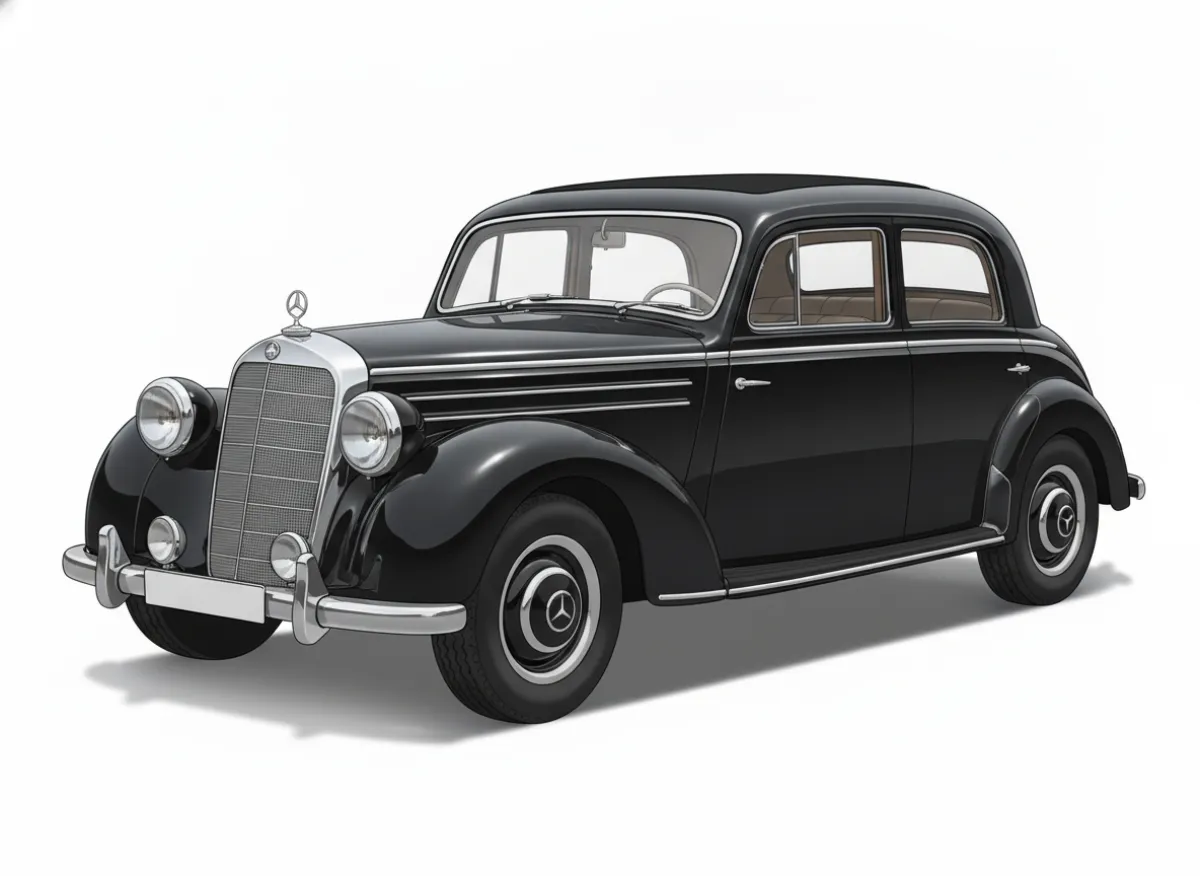
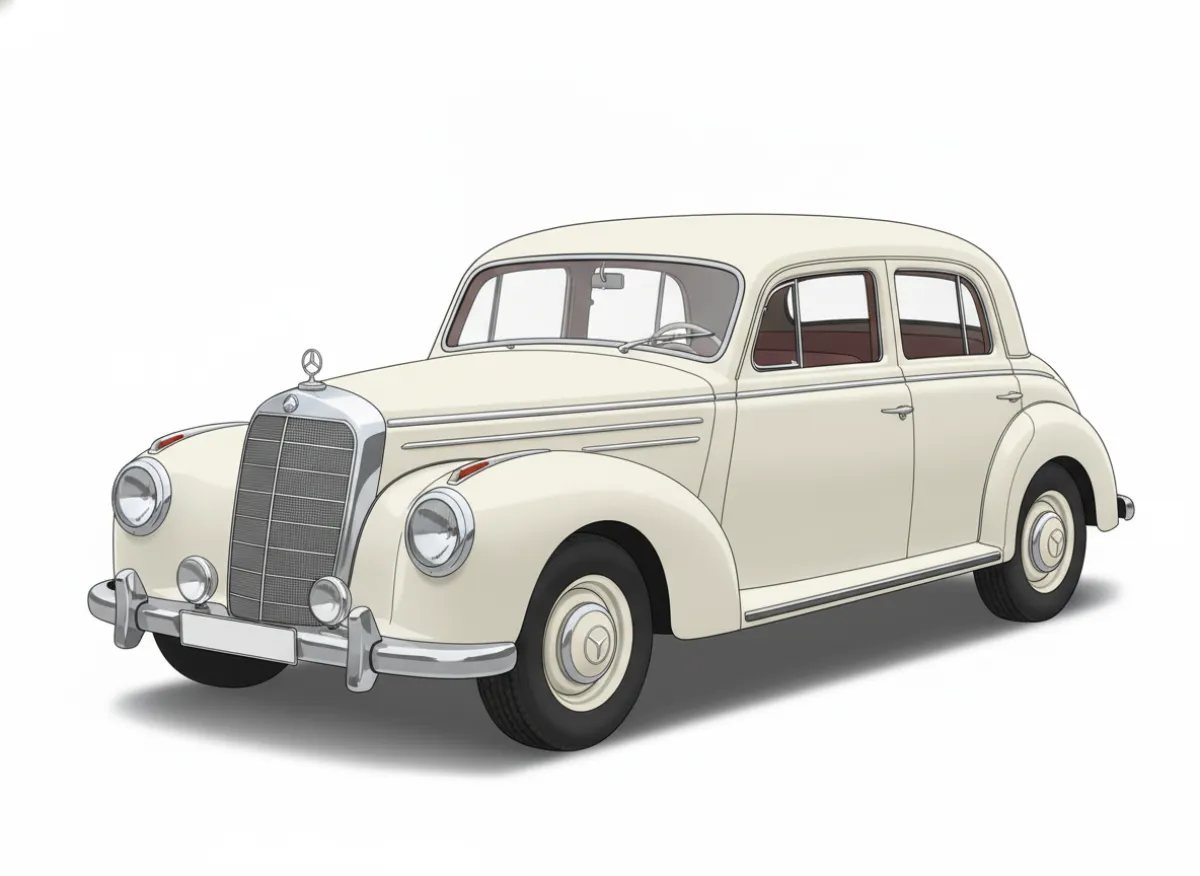
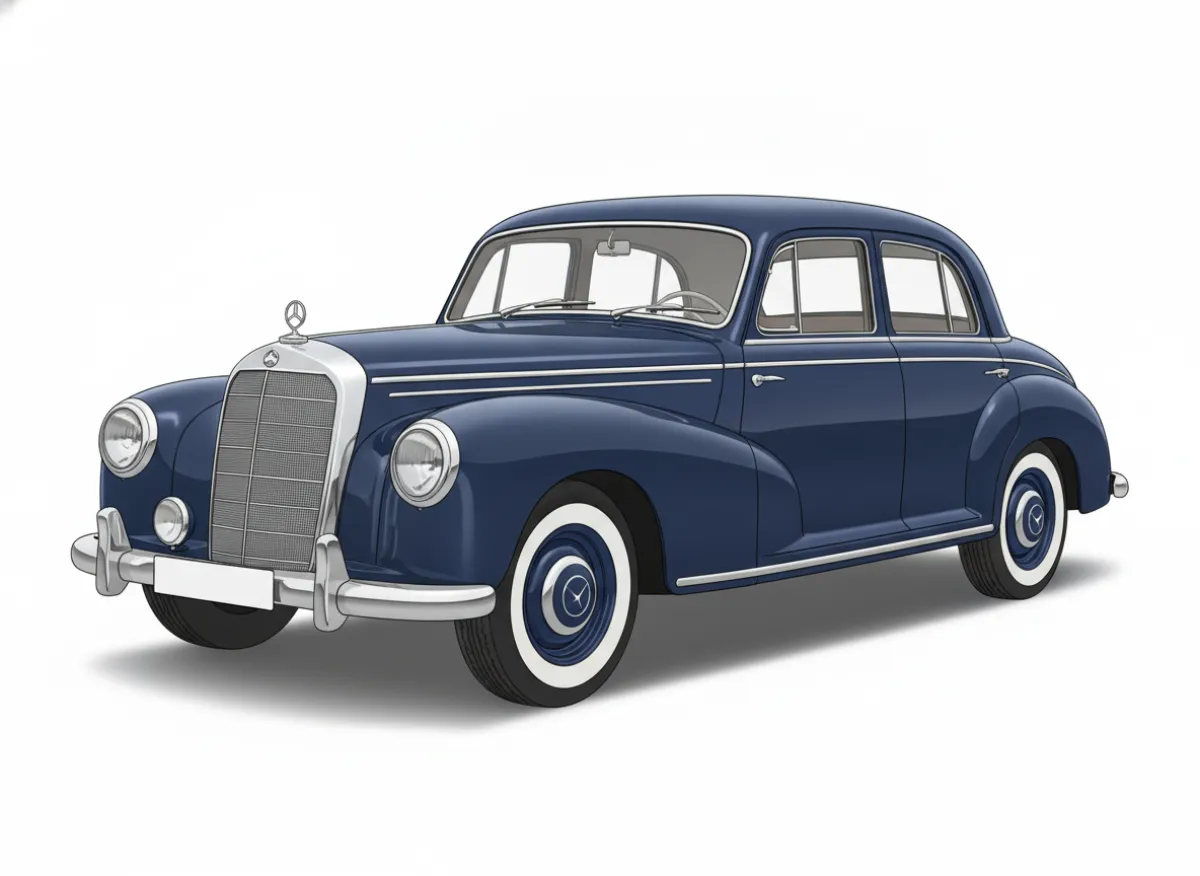
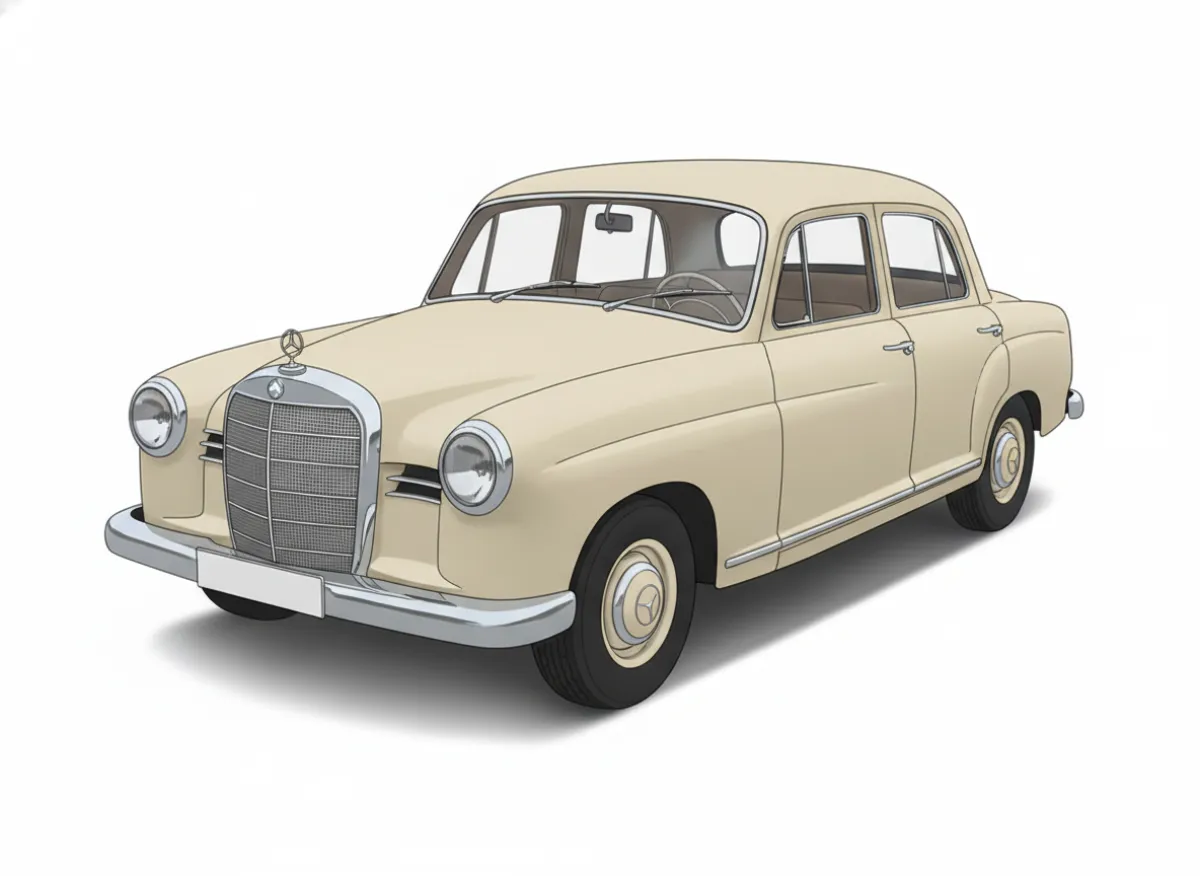
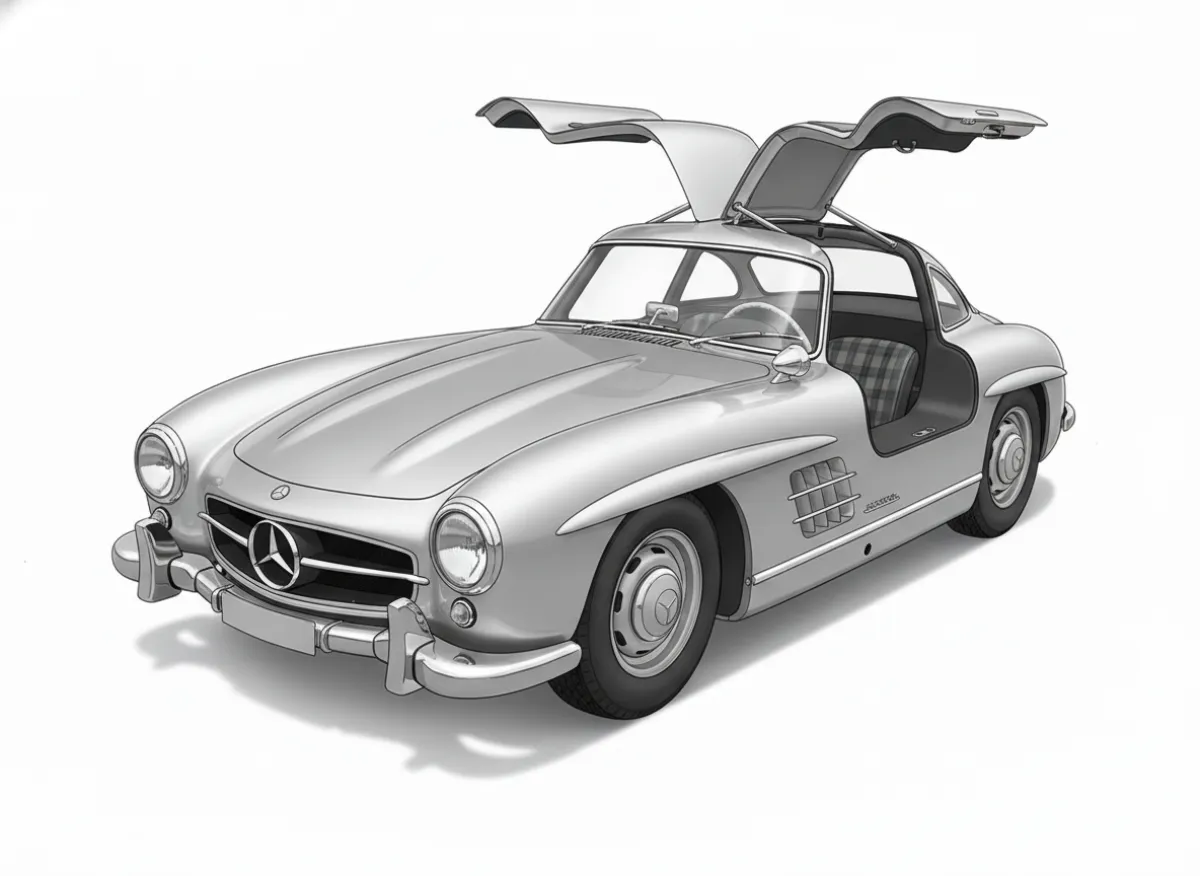
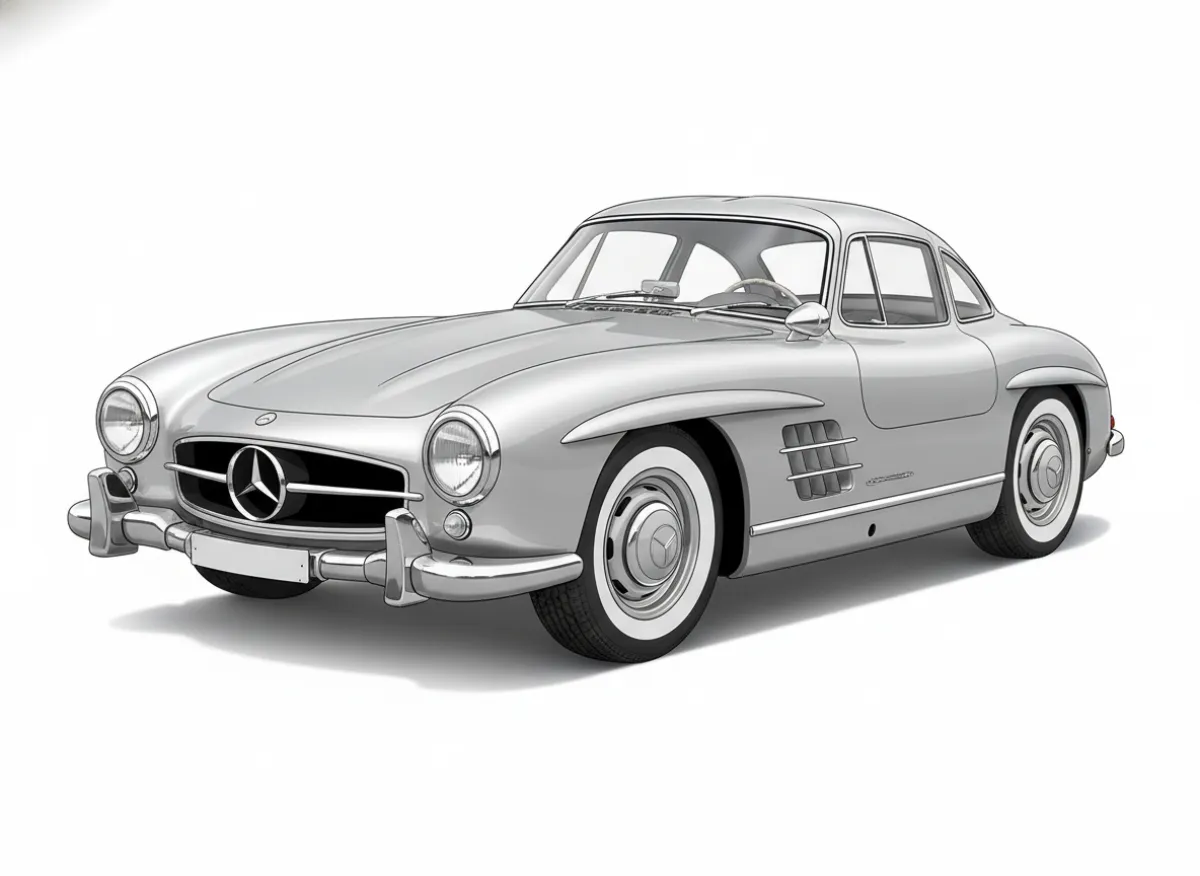
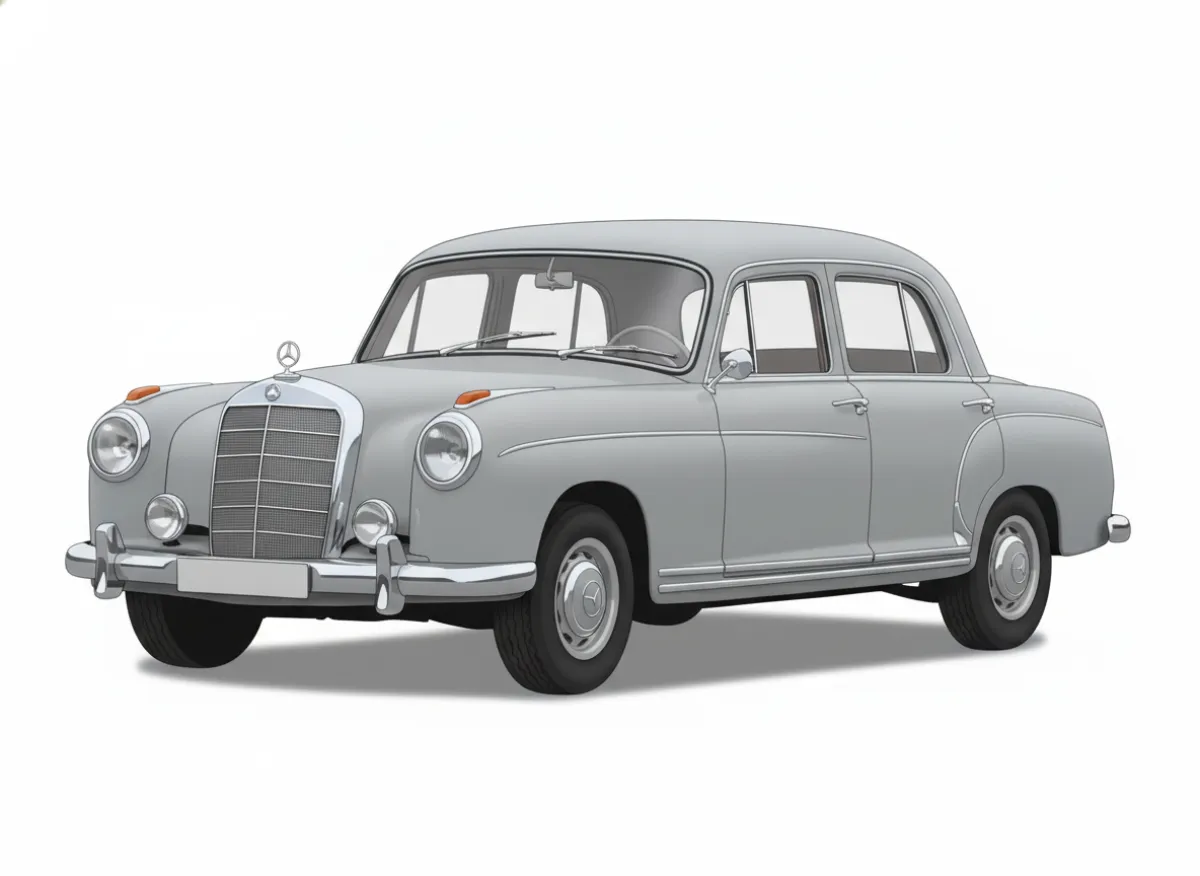
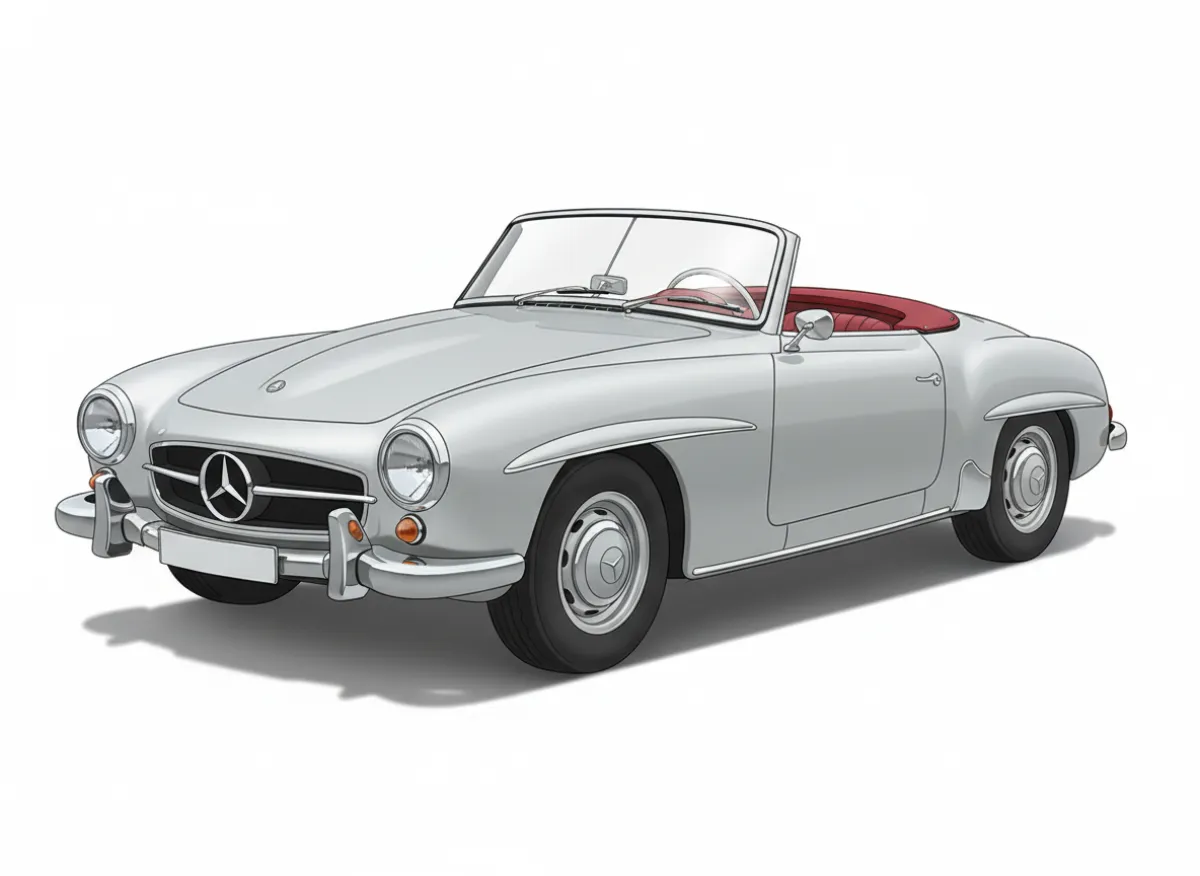
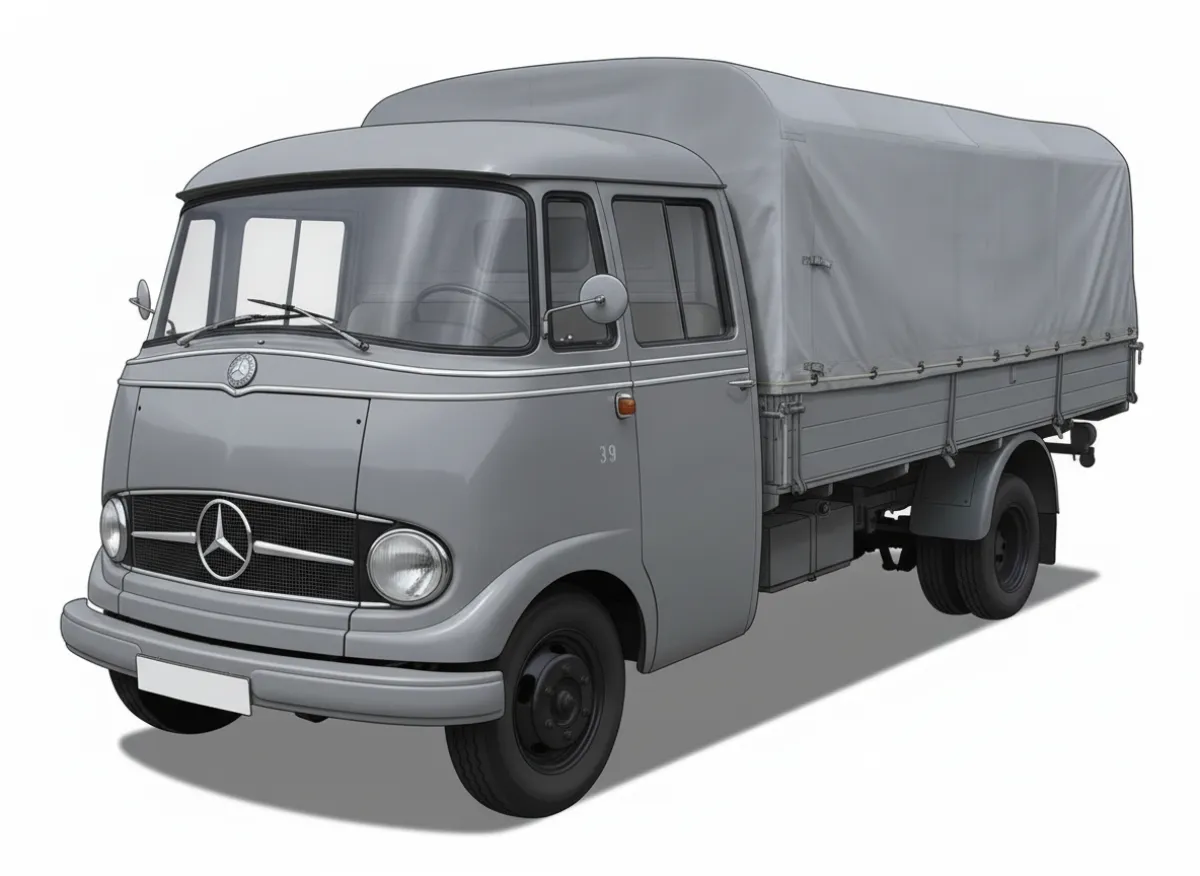
1950s
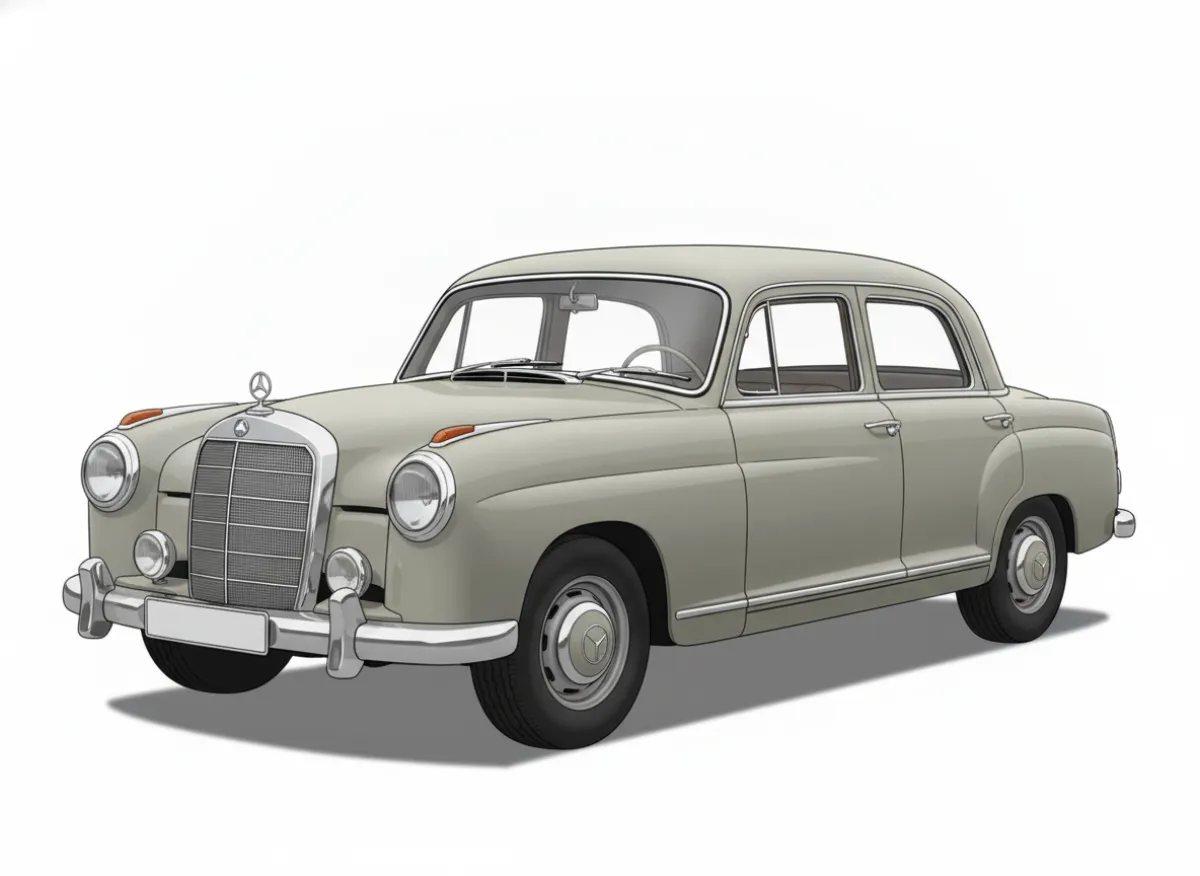
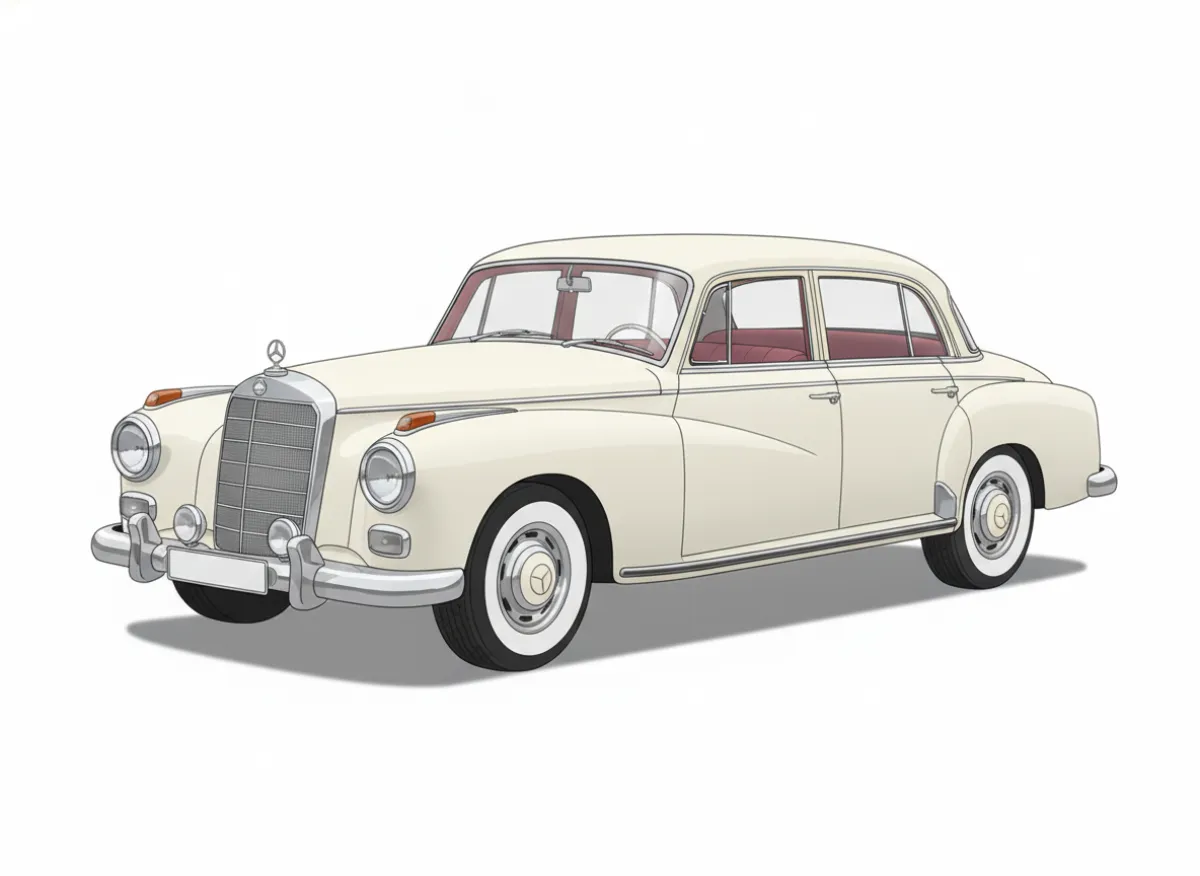
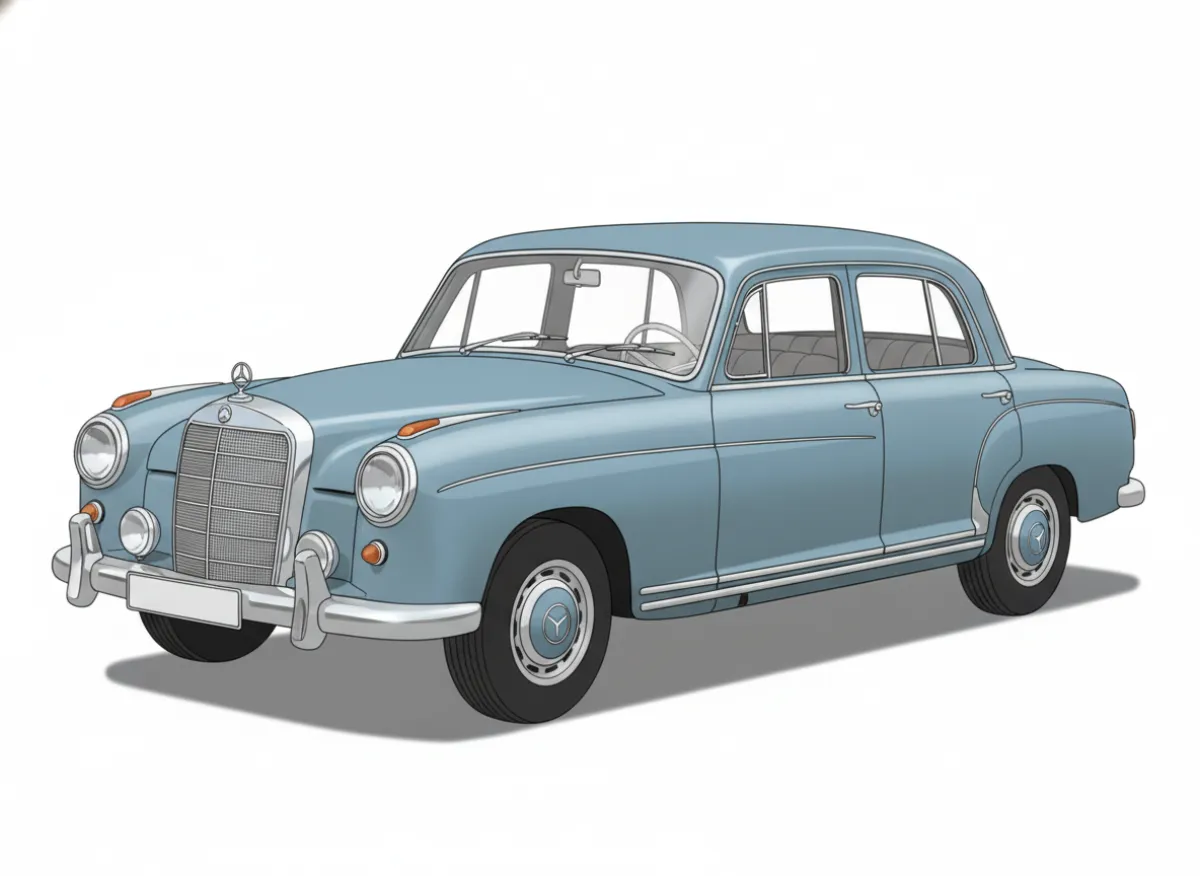
18 launched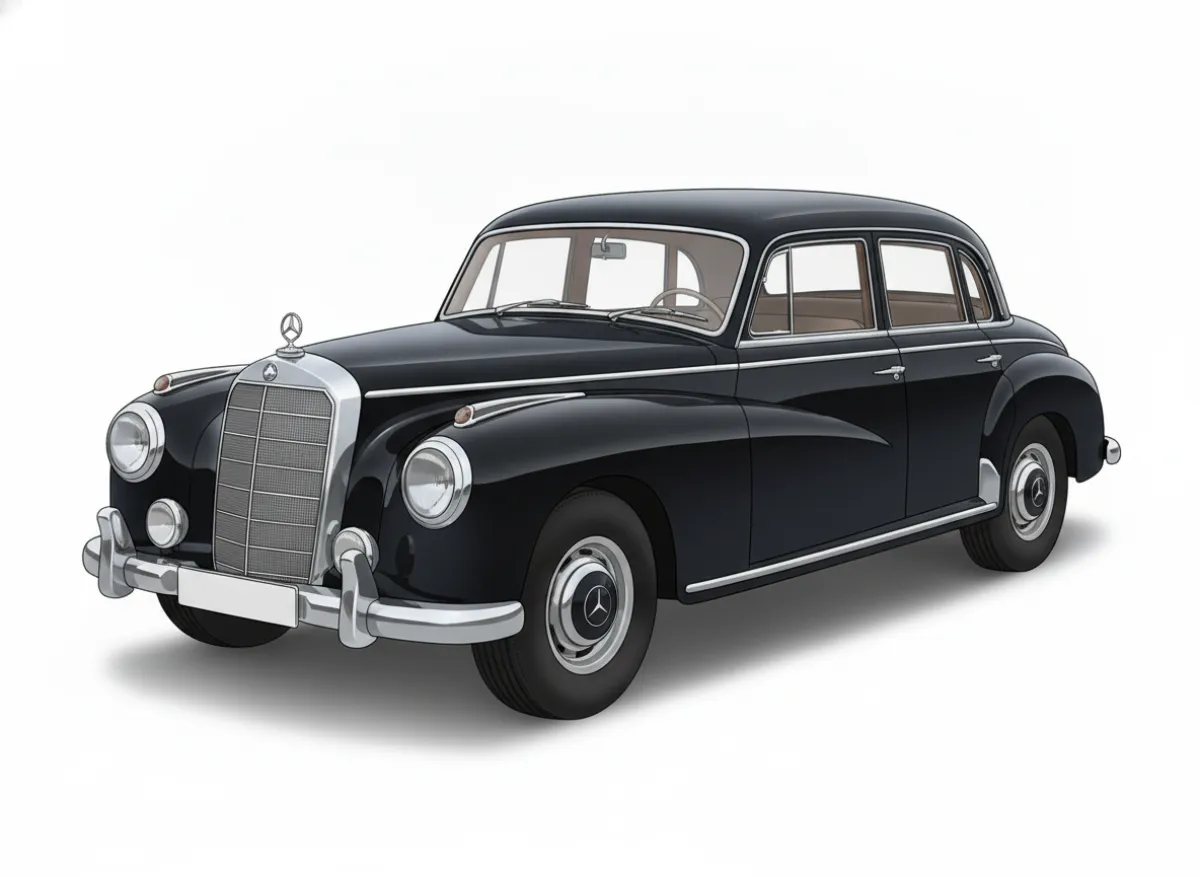
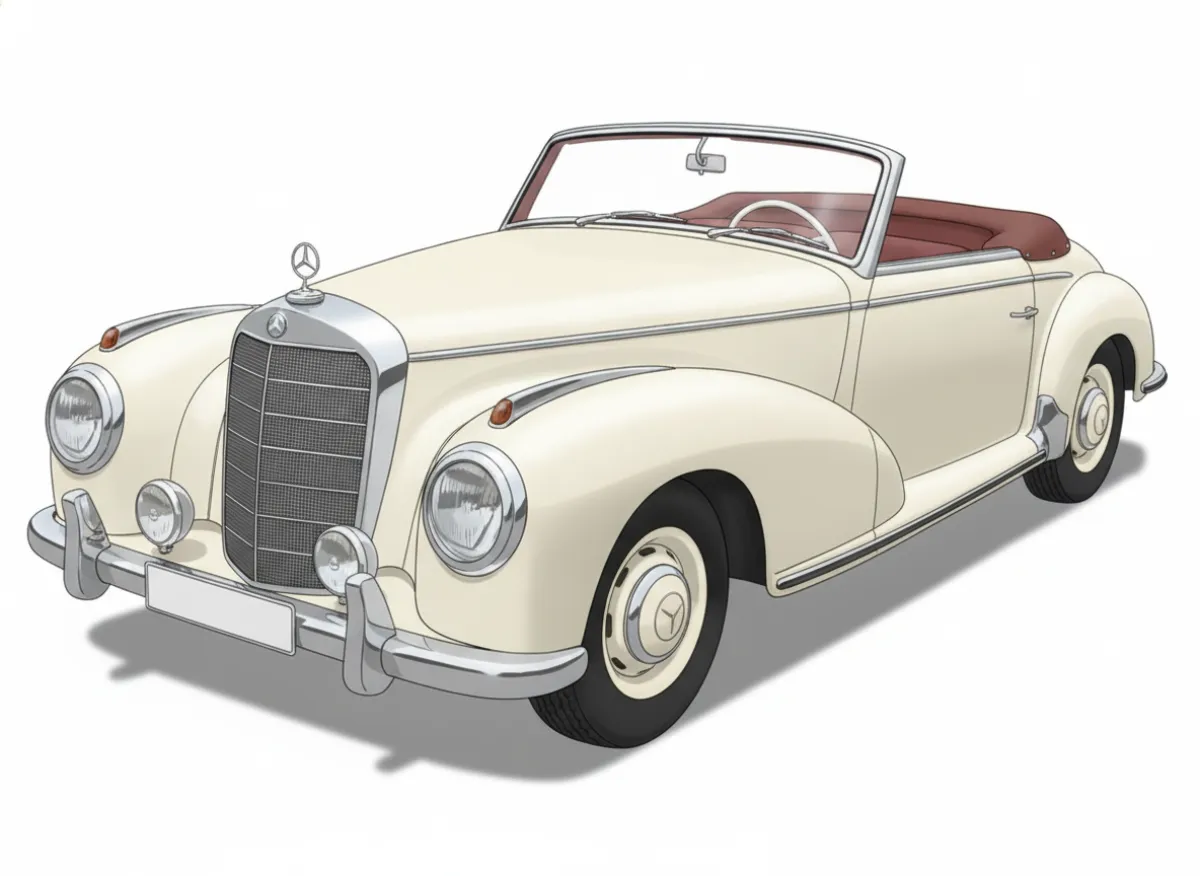

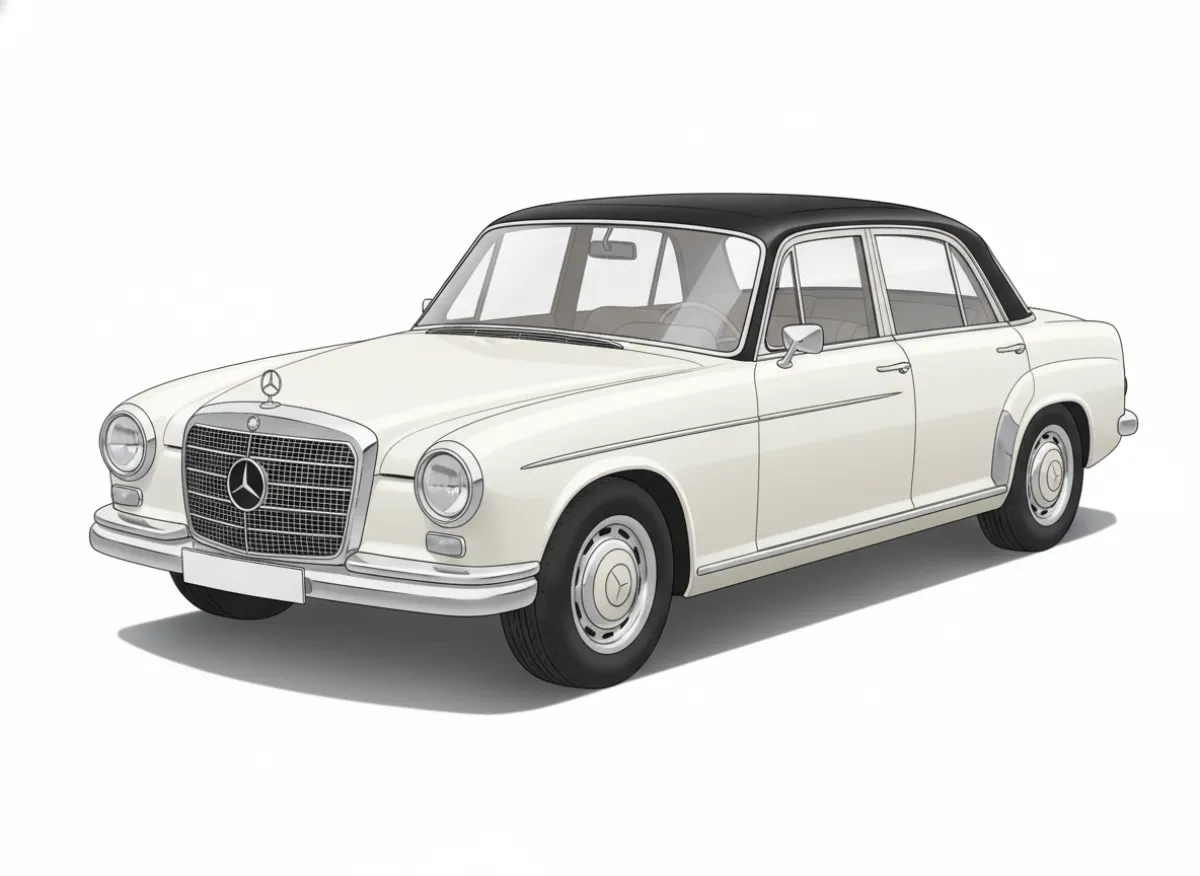
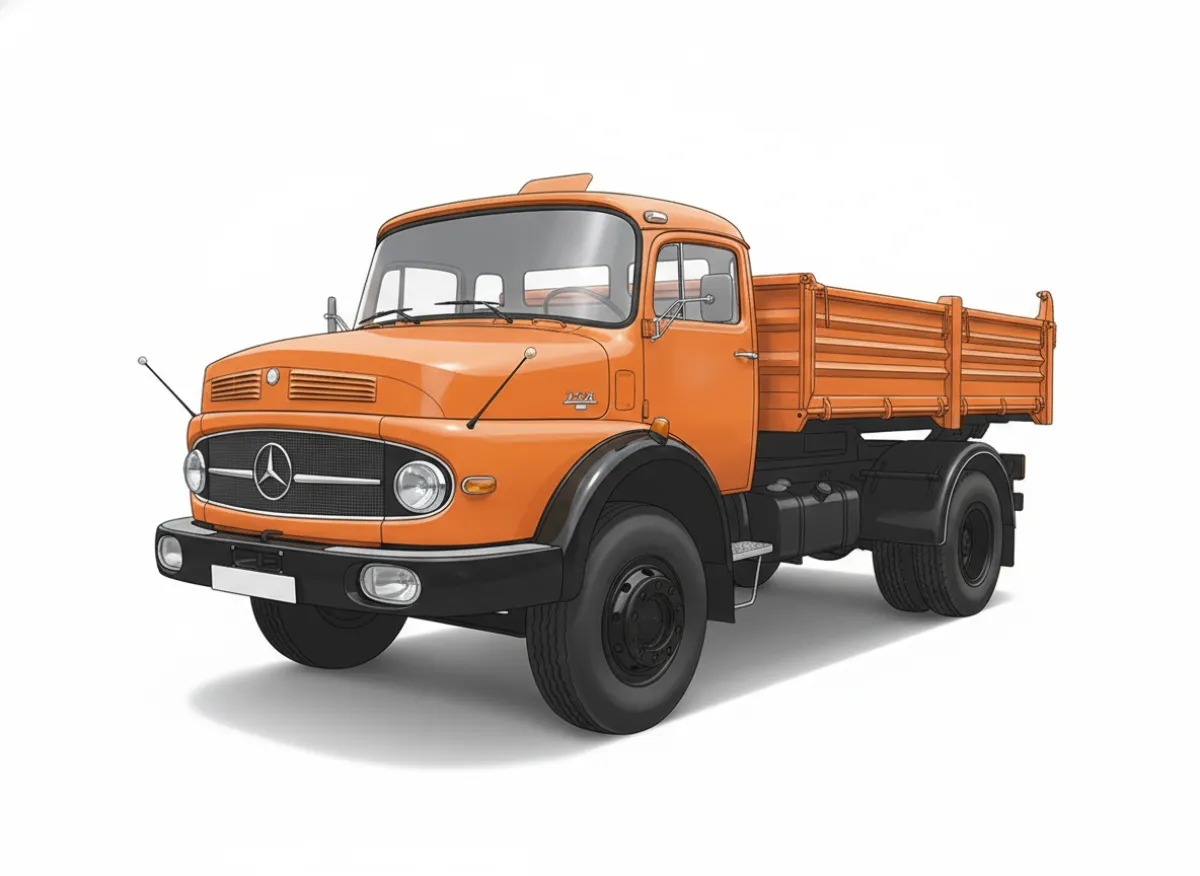
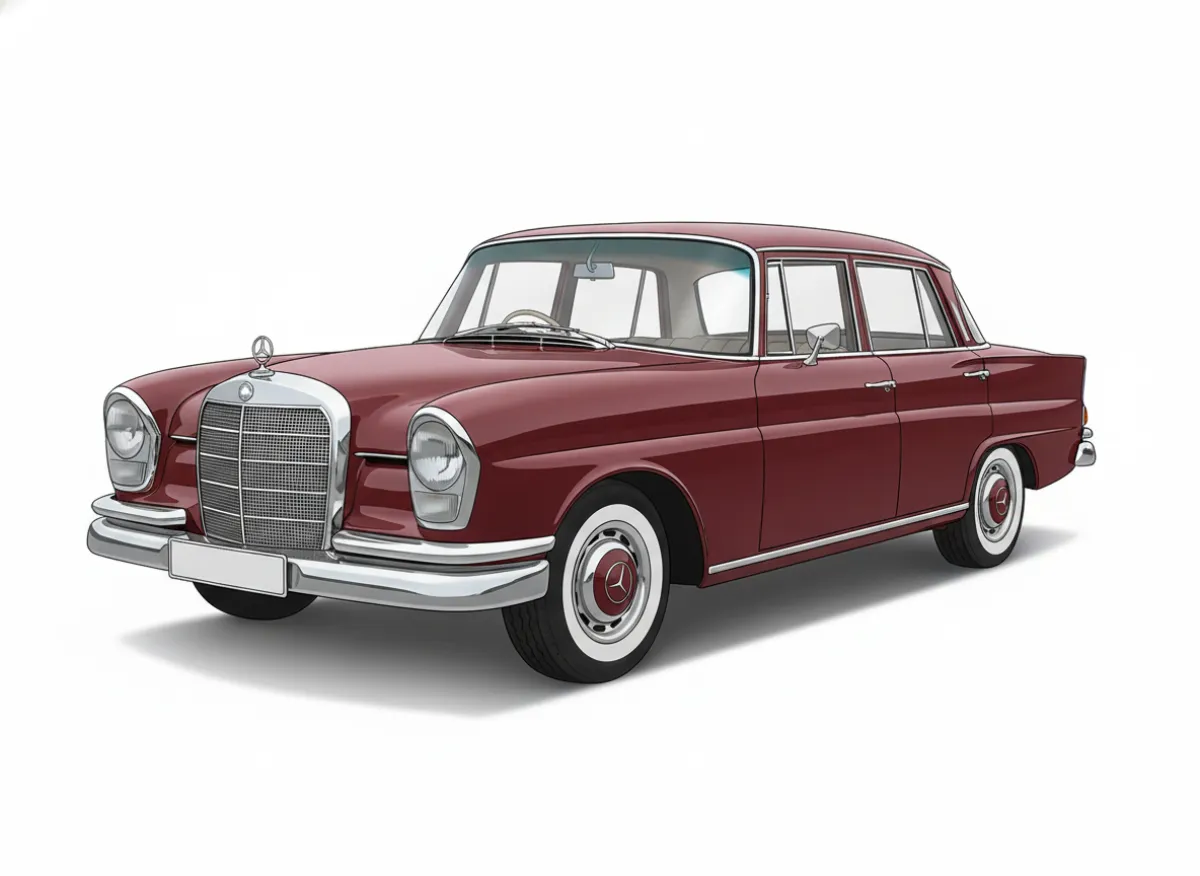
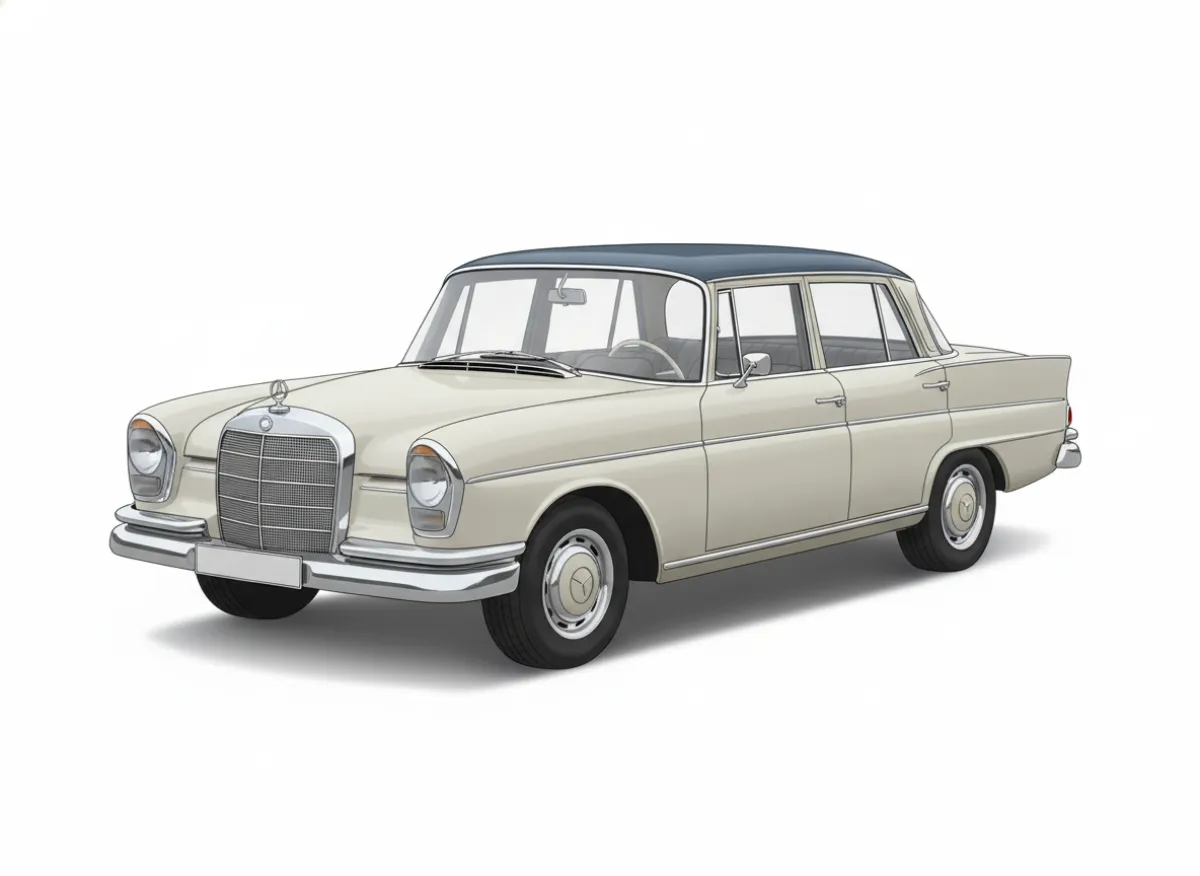
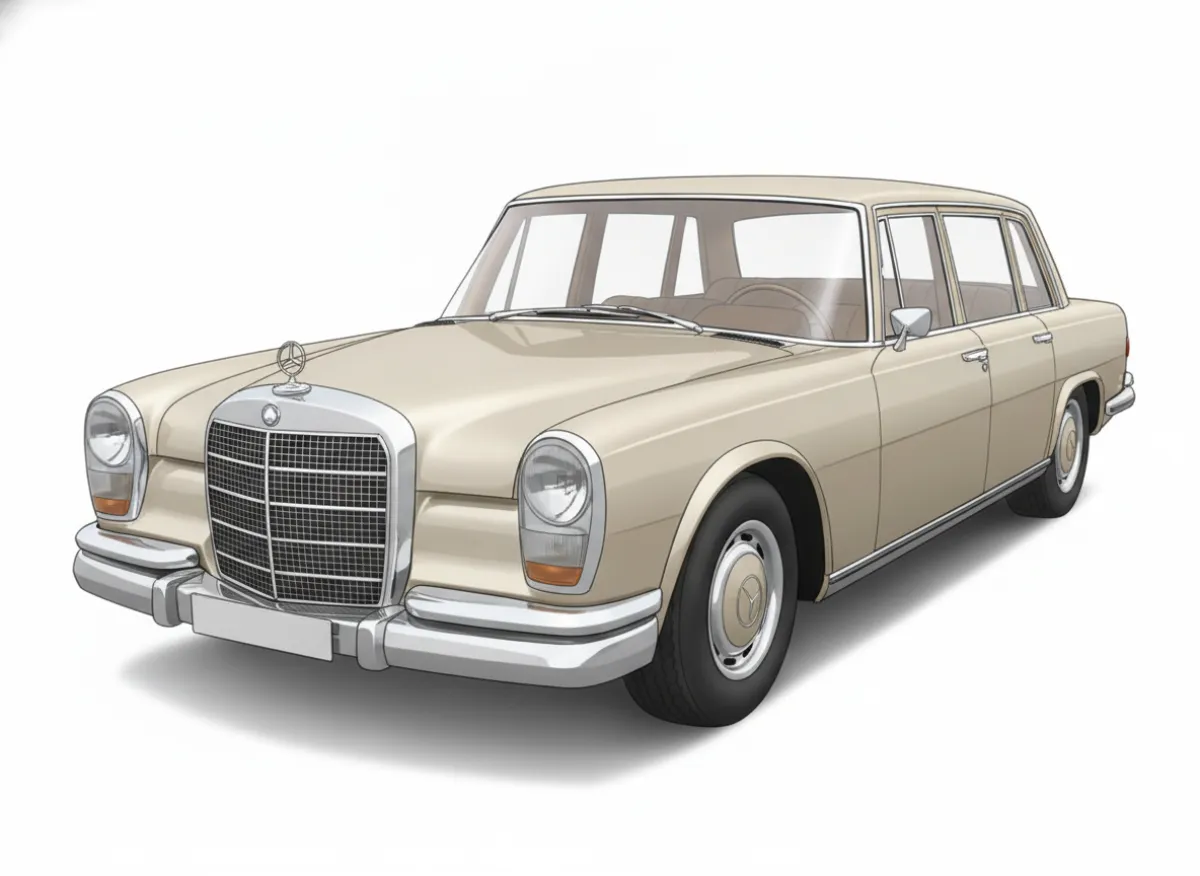
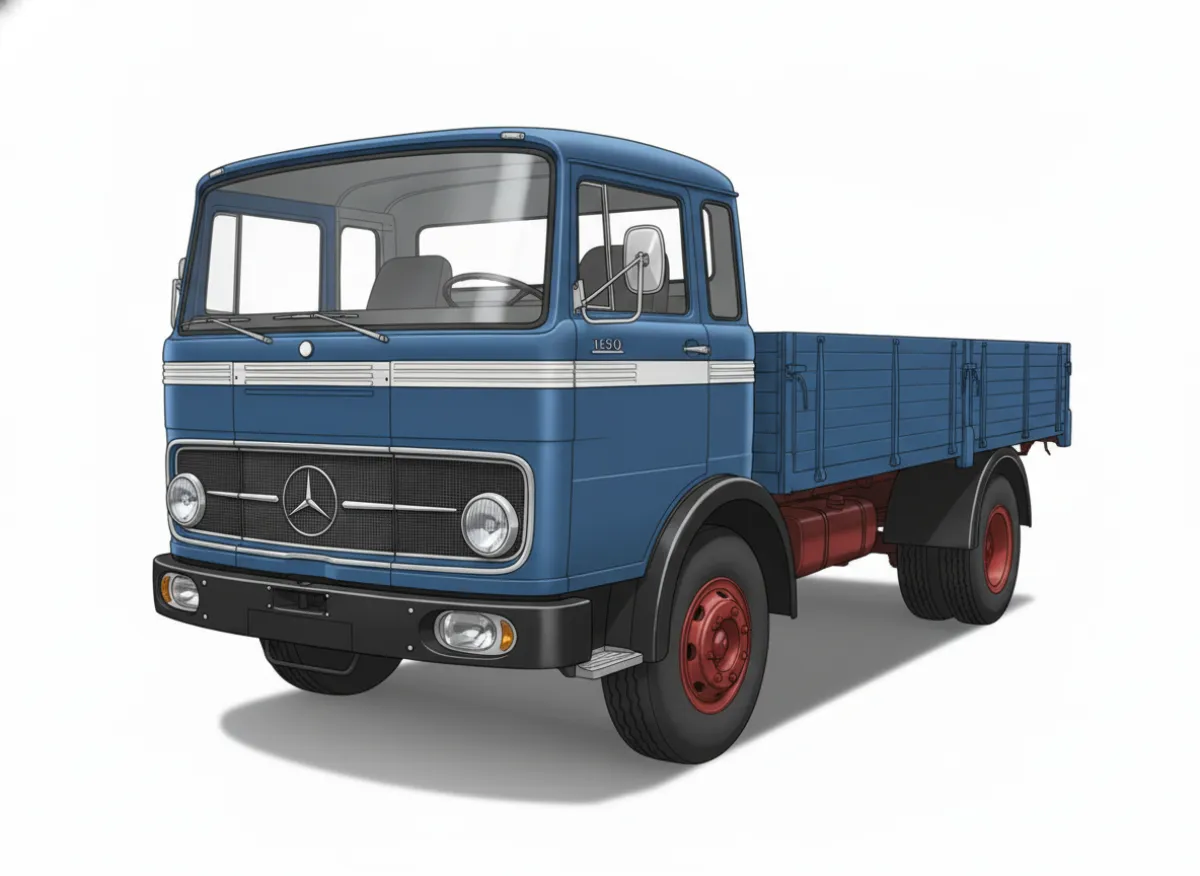
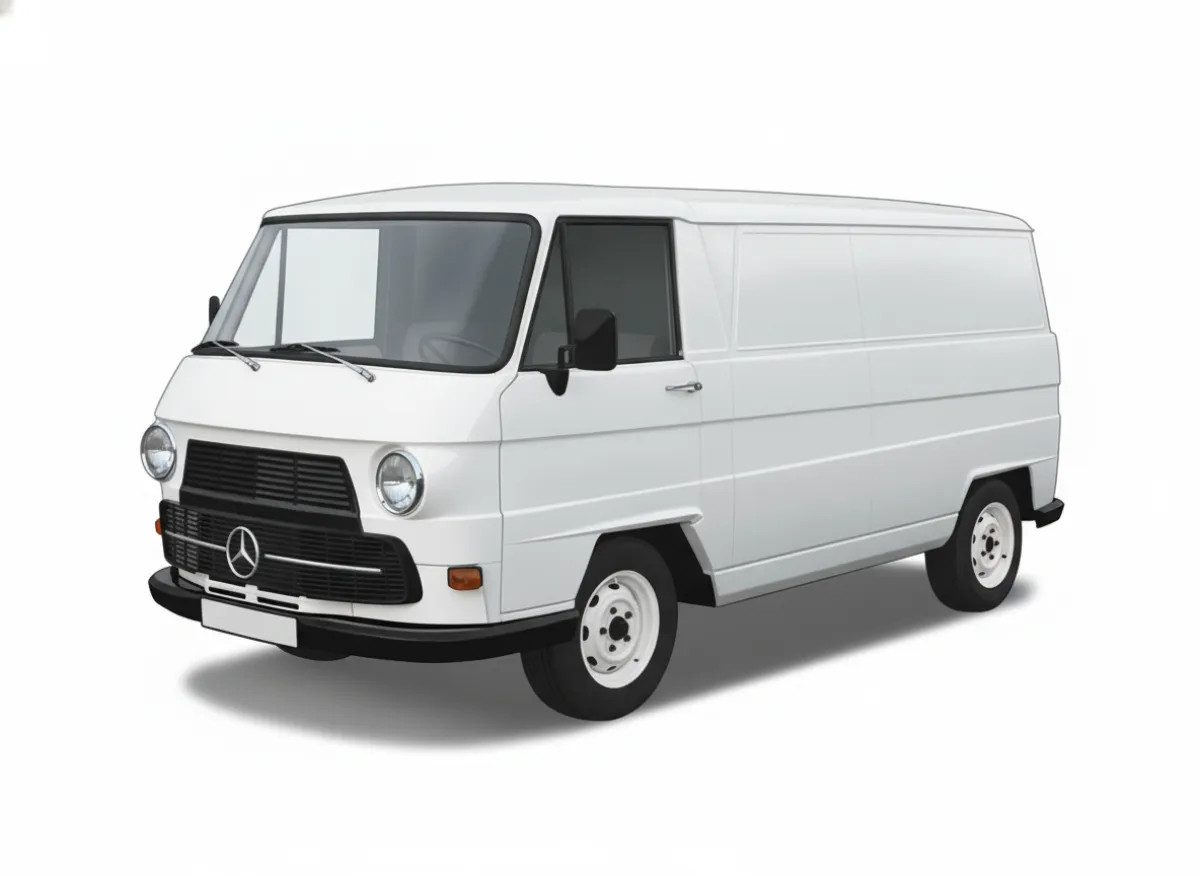
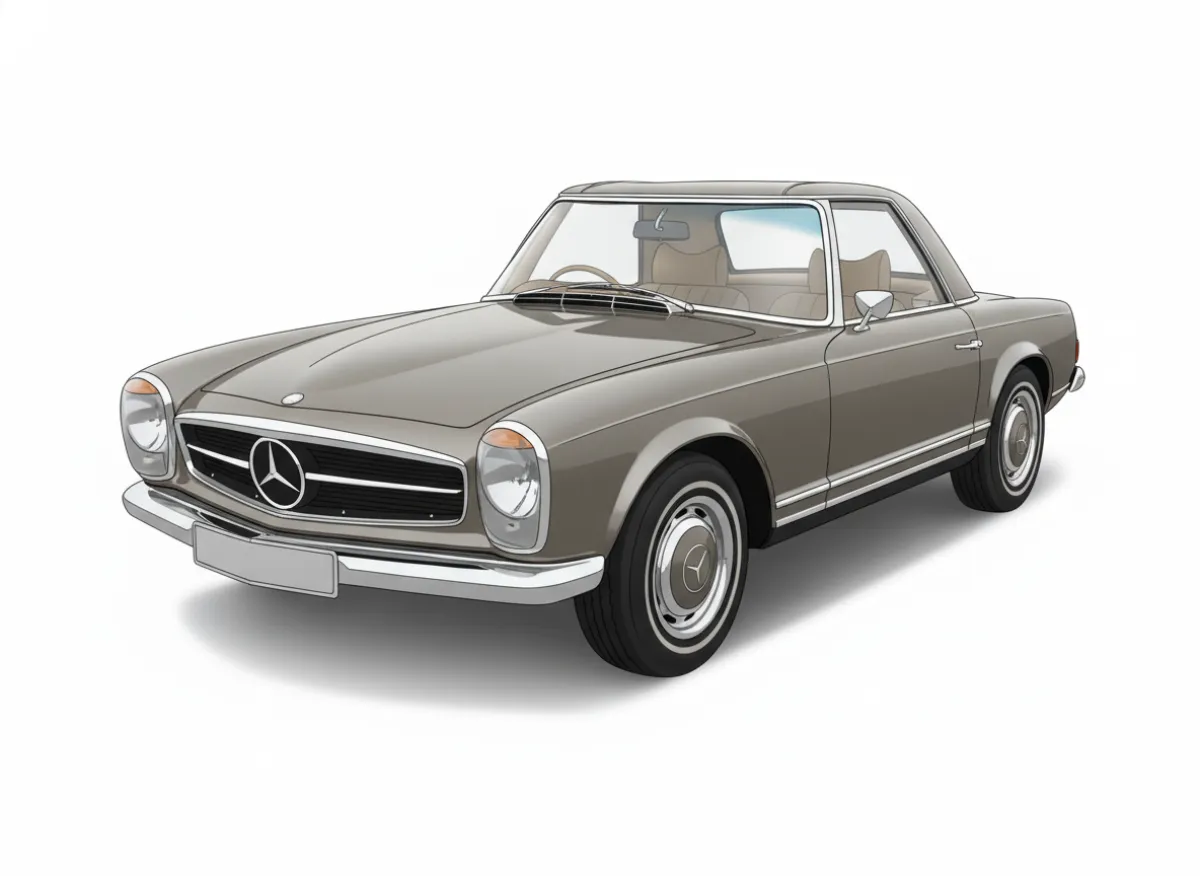
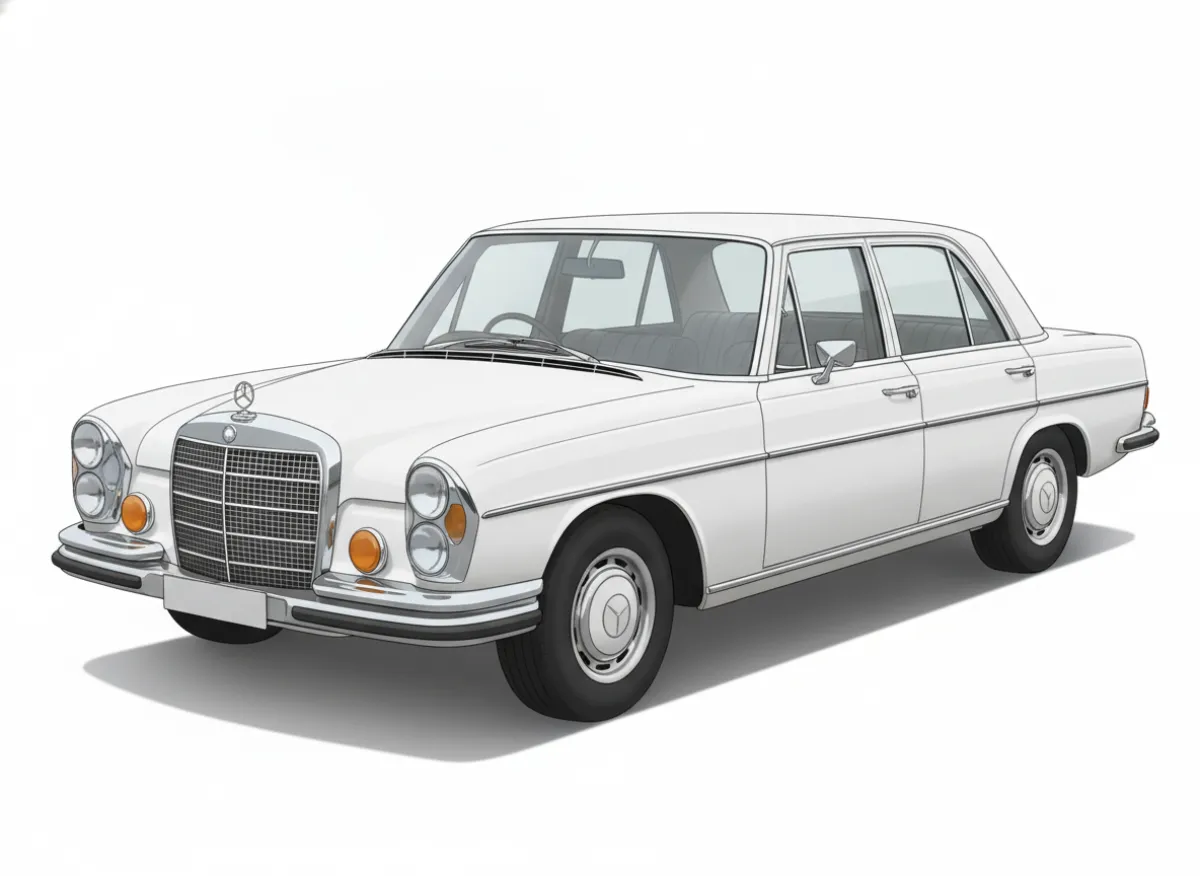
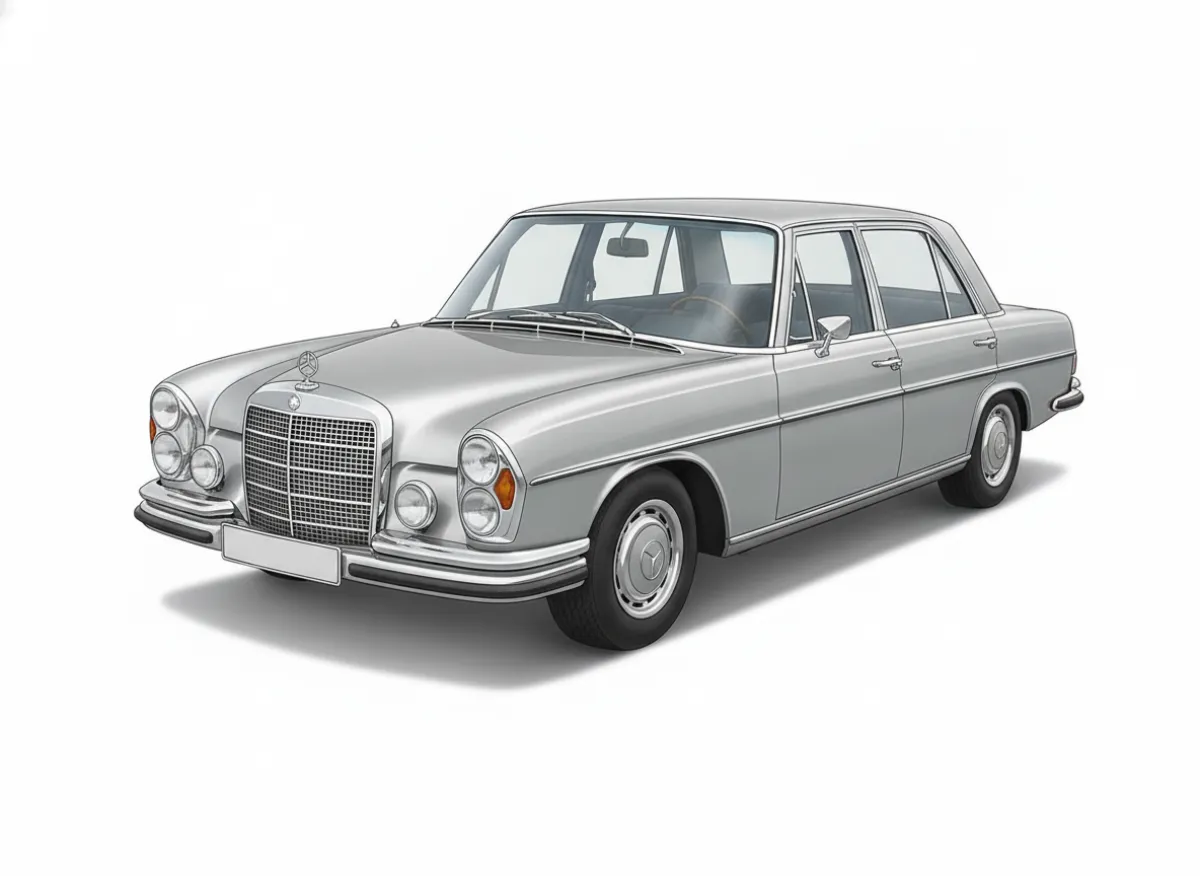
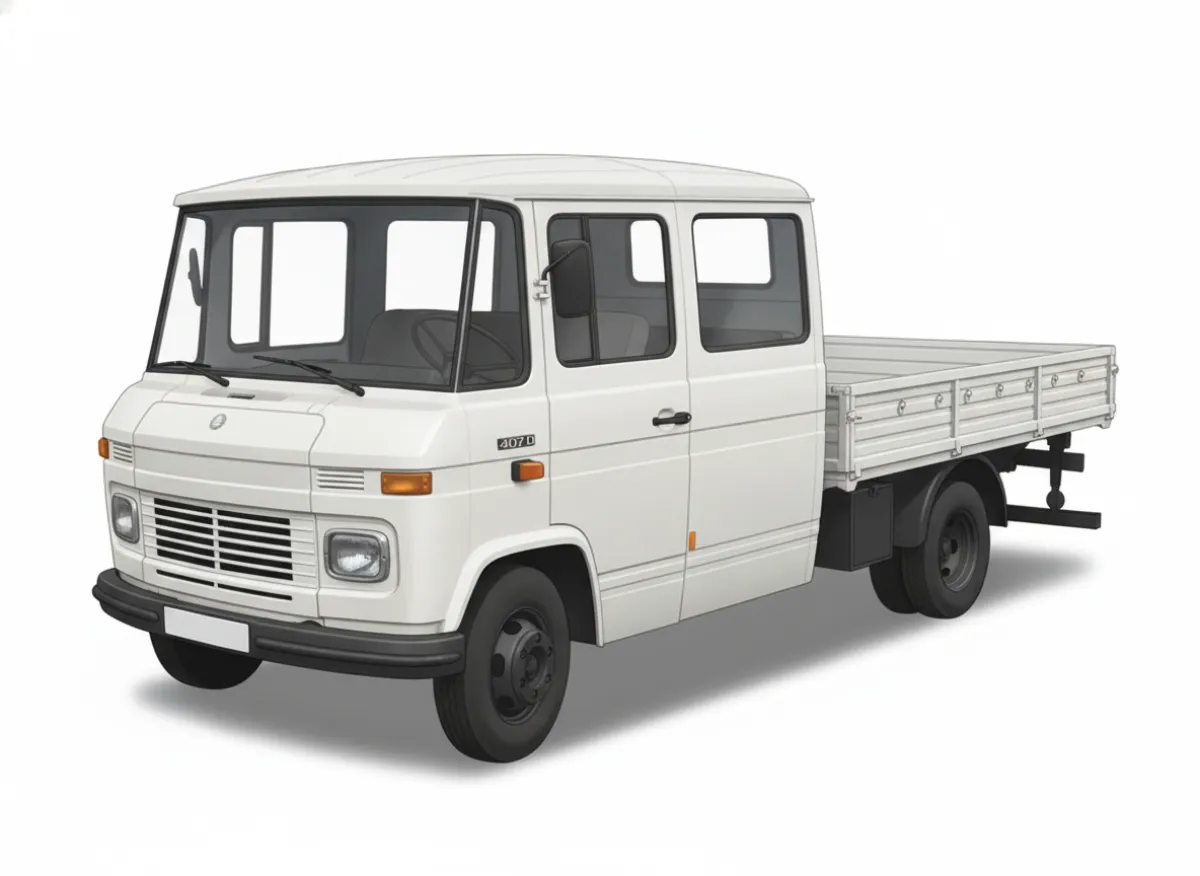
1960s
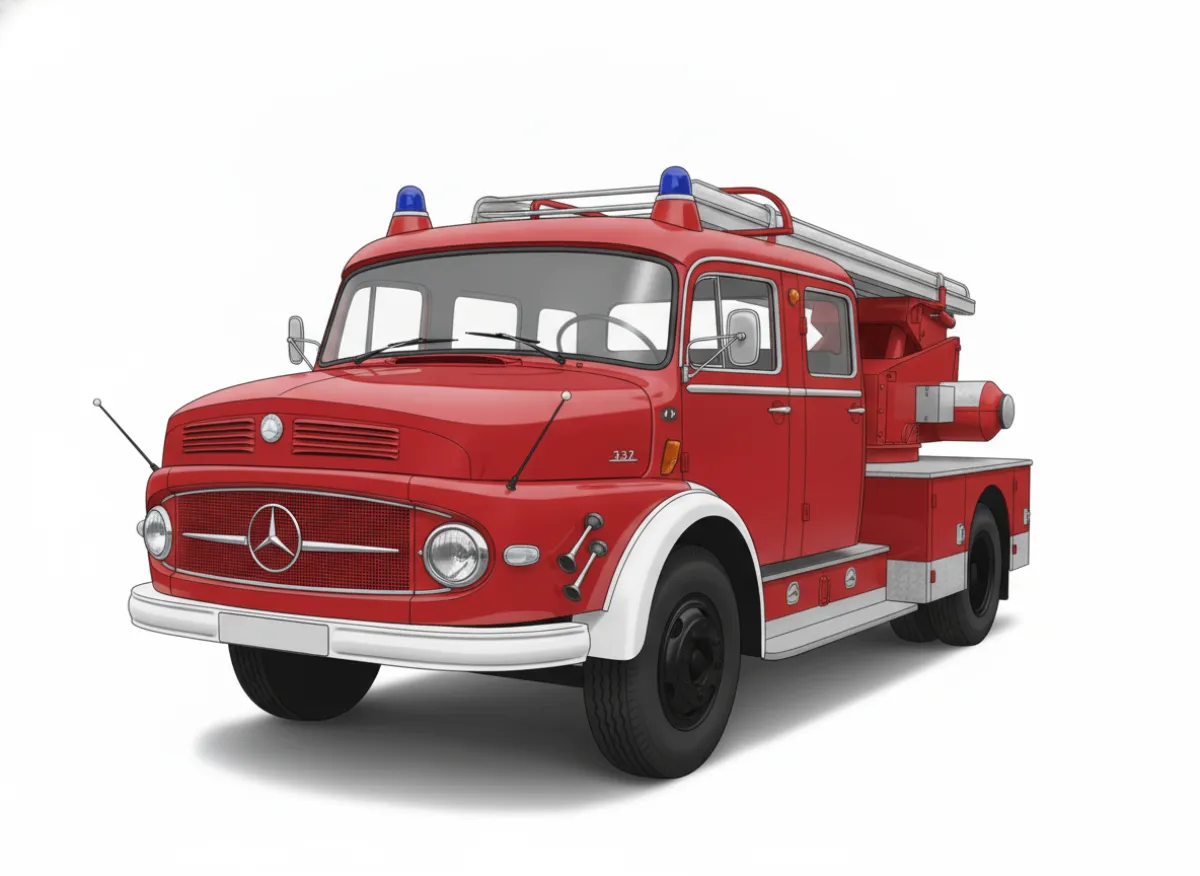
12 launched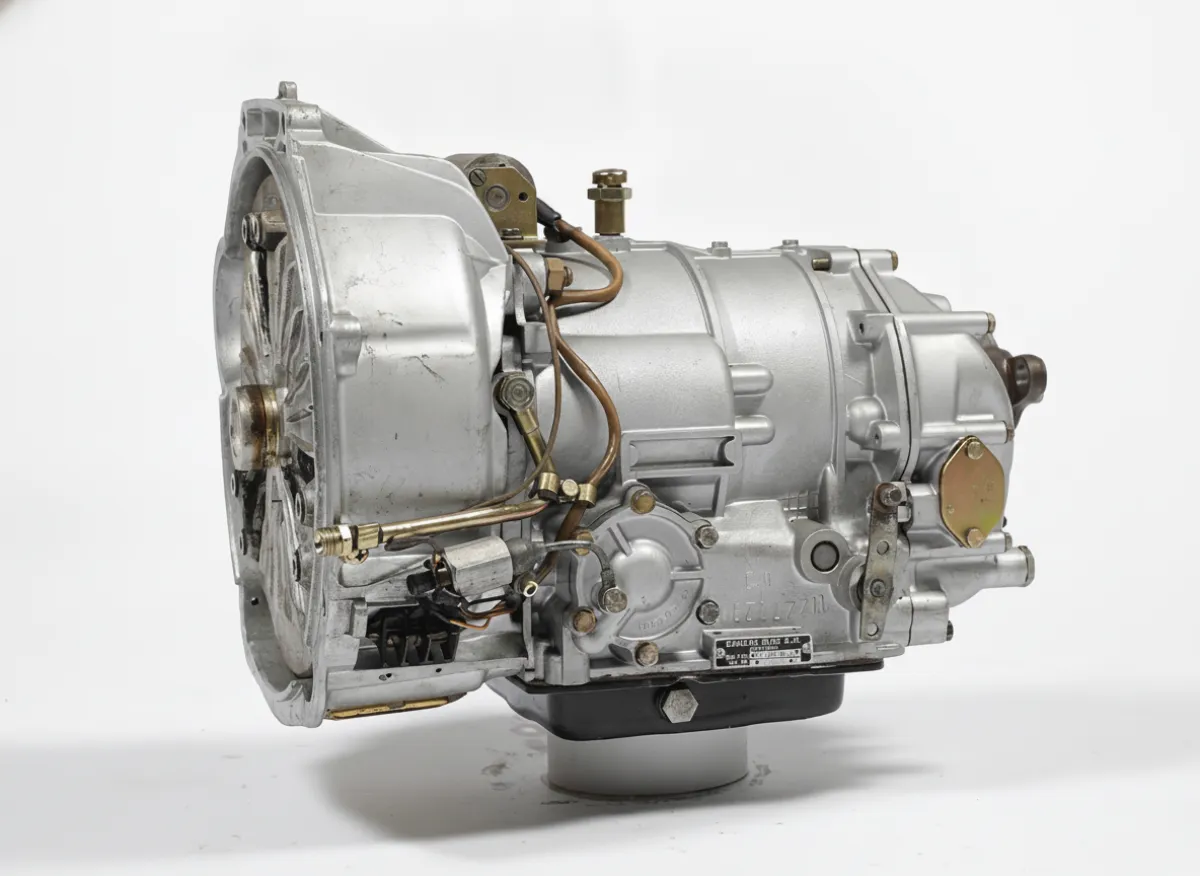
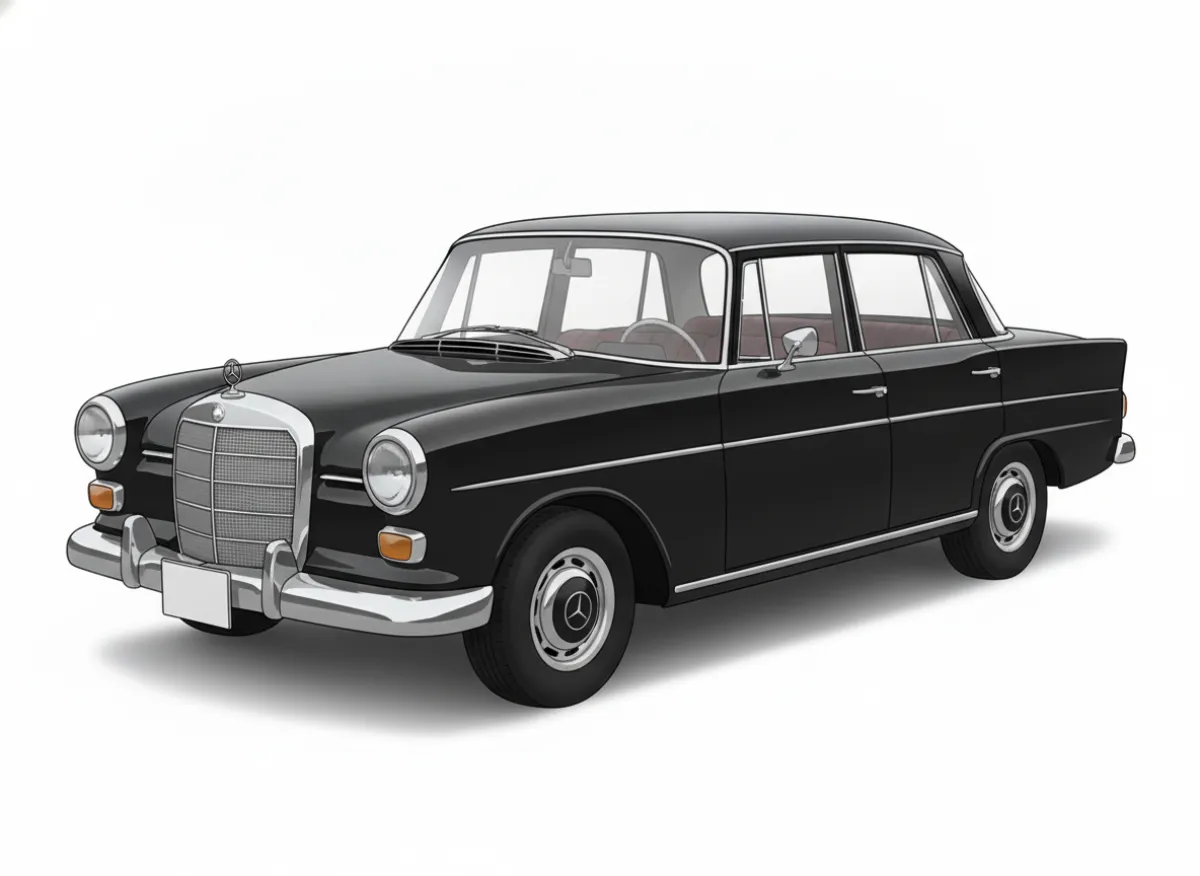
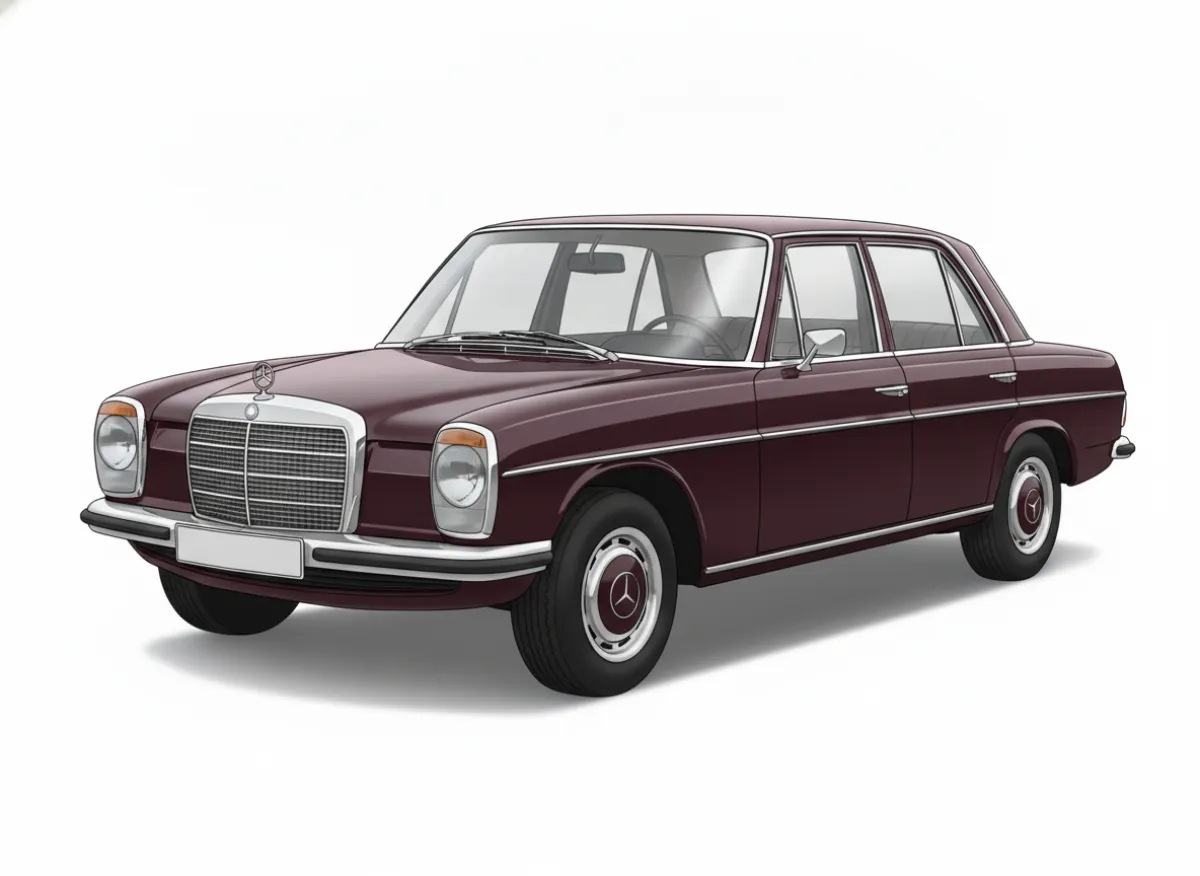
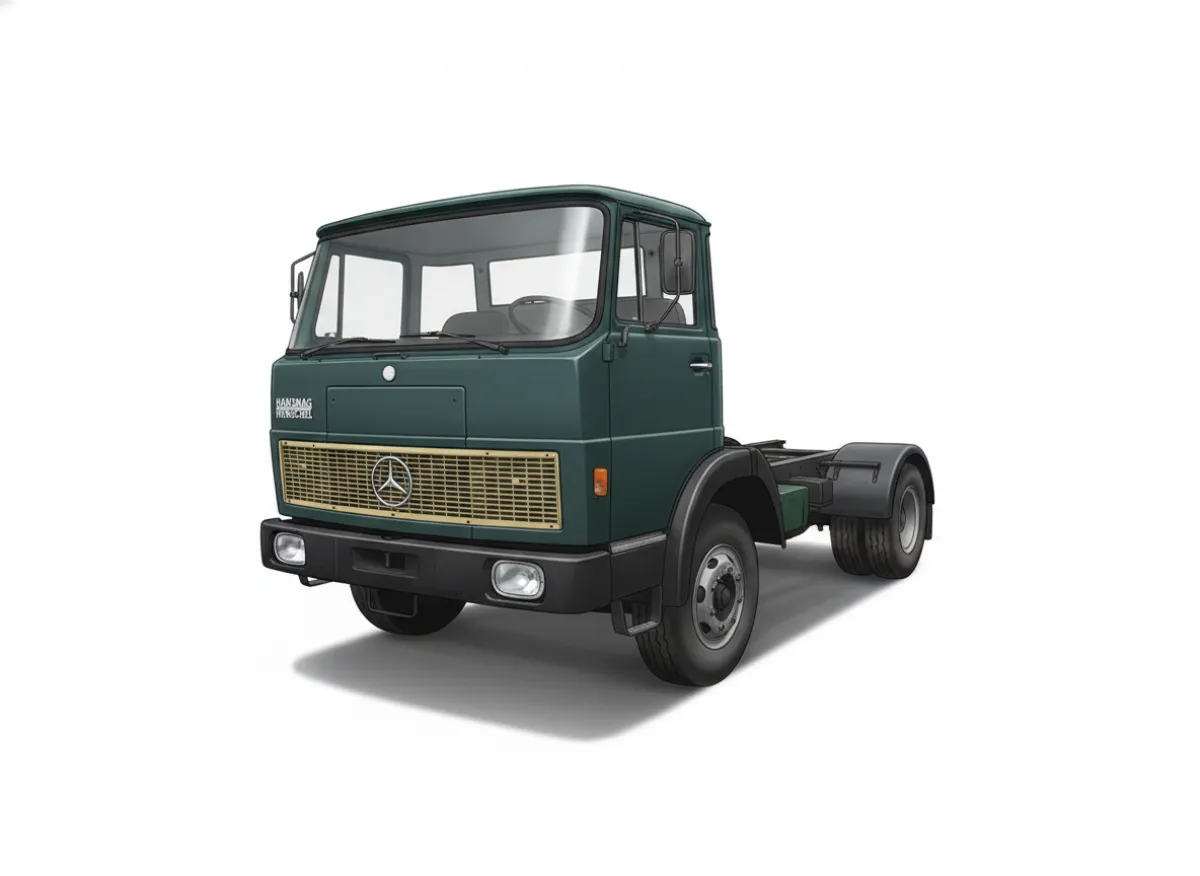
1970s
10 launched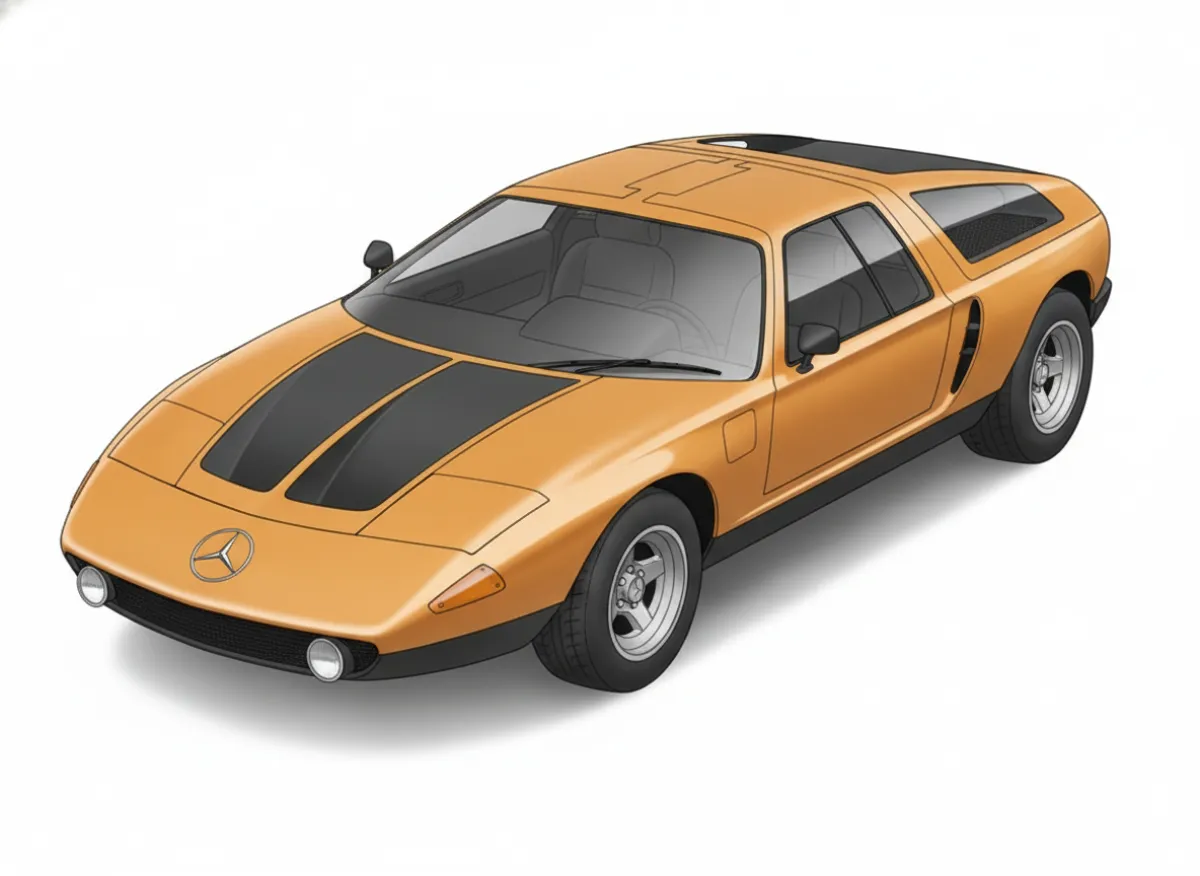
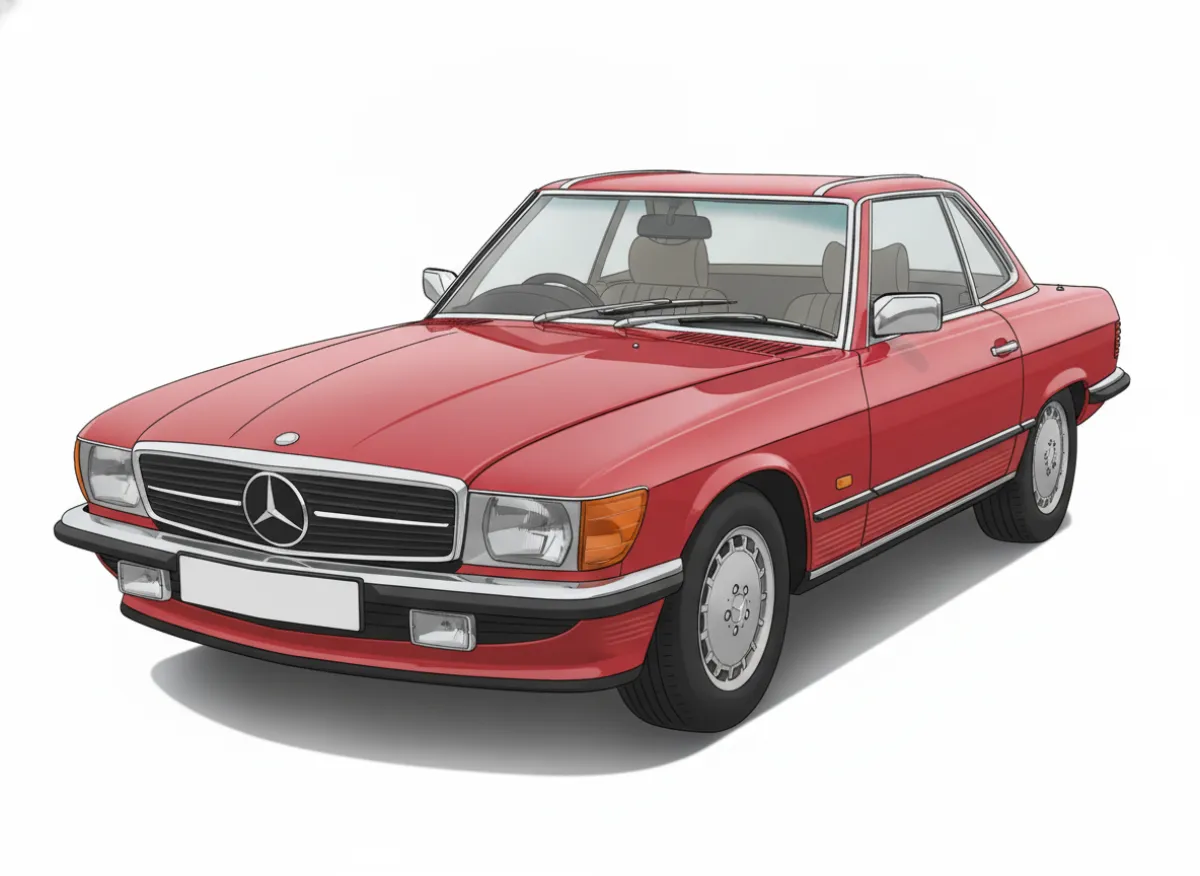
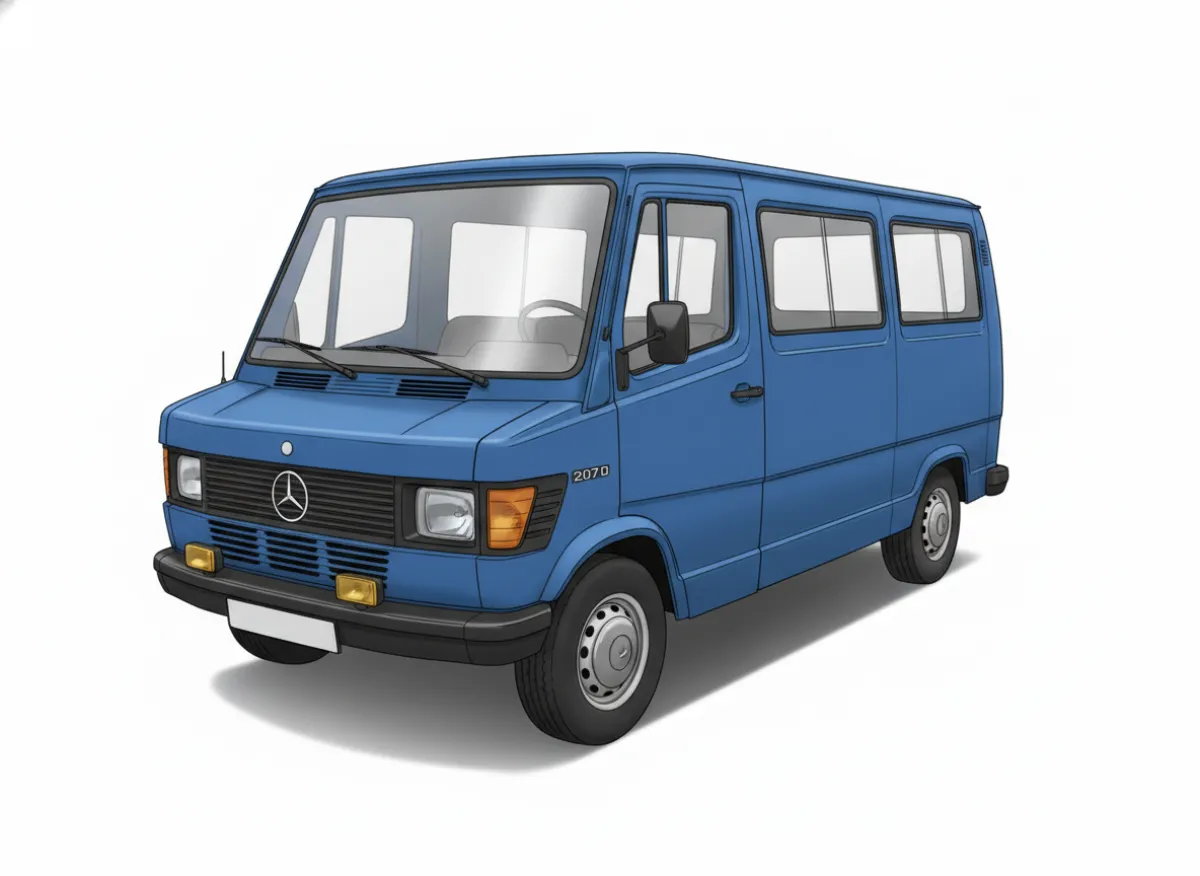
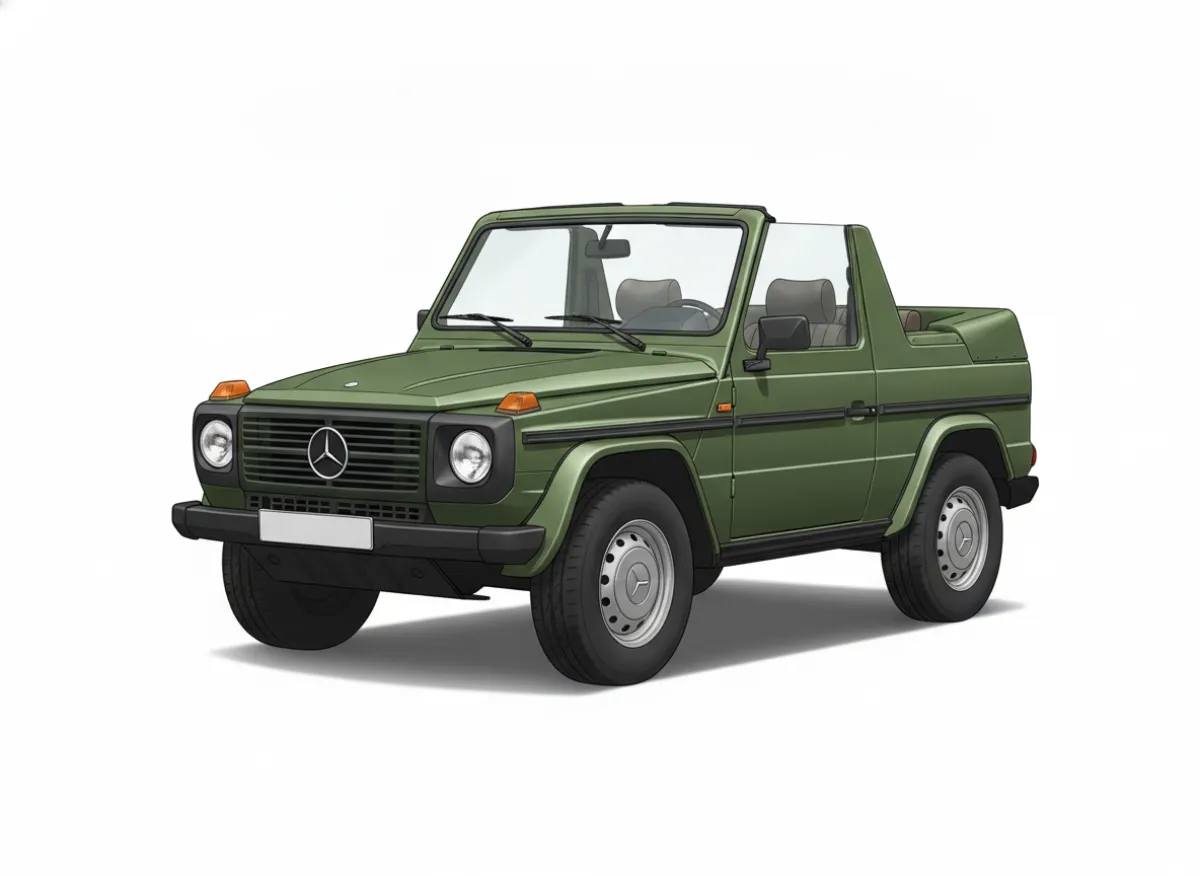
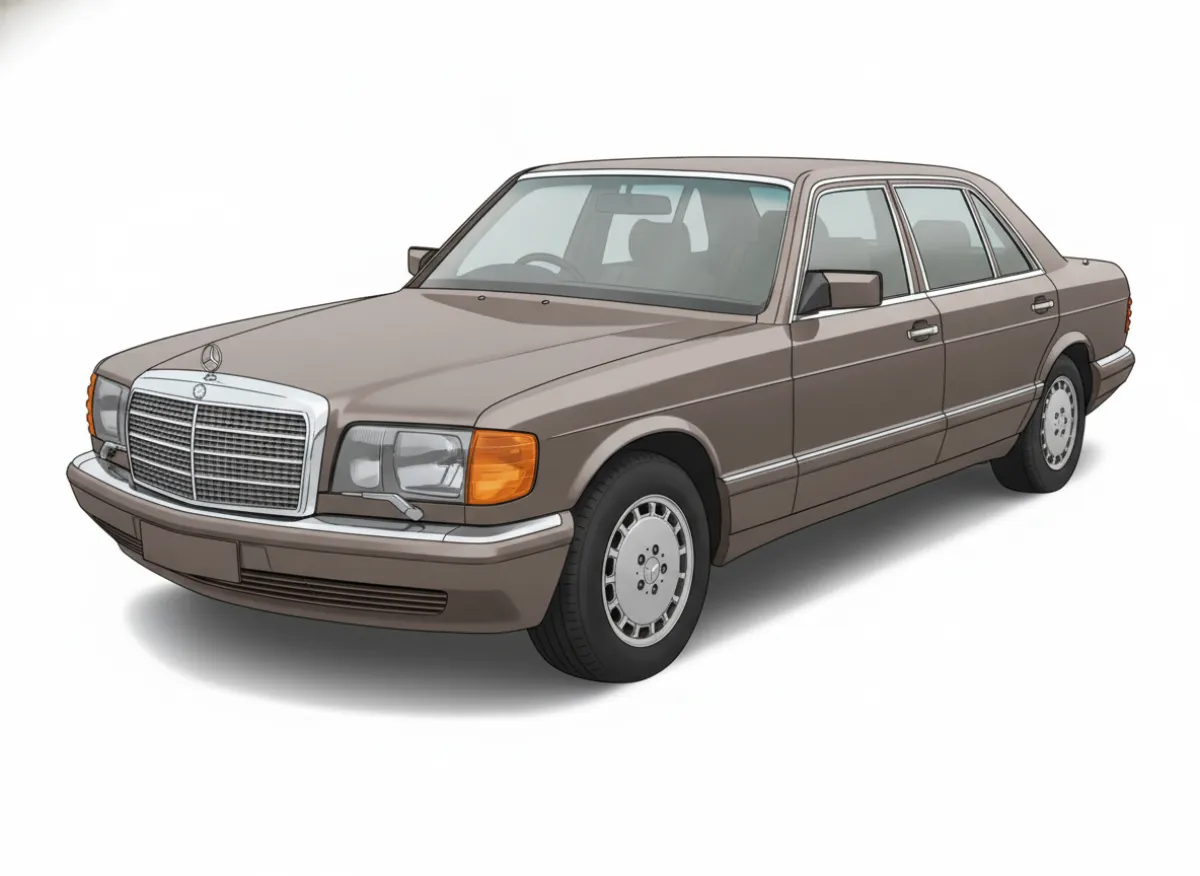
1980s
6 launched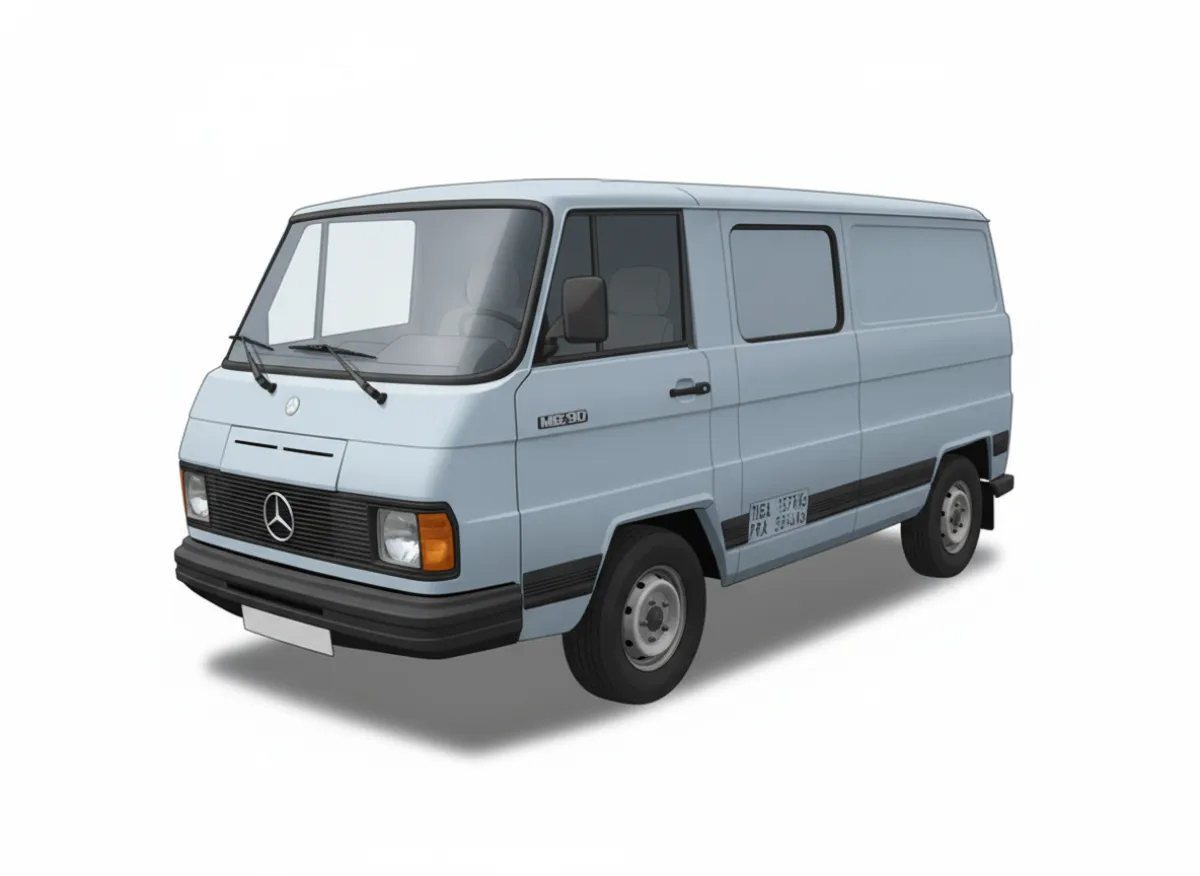
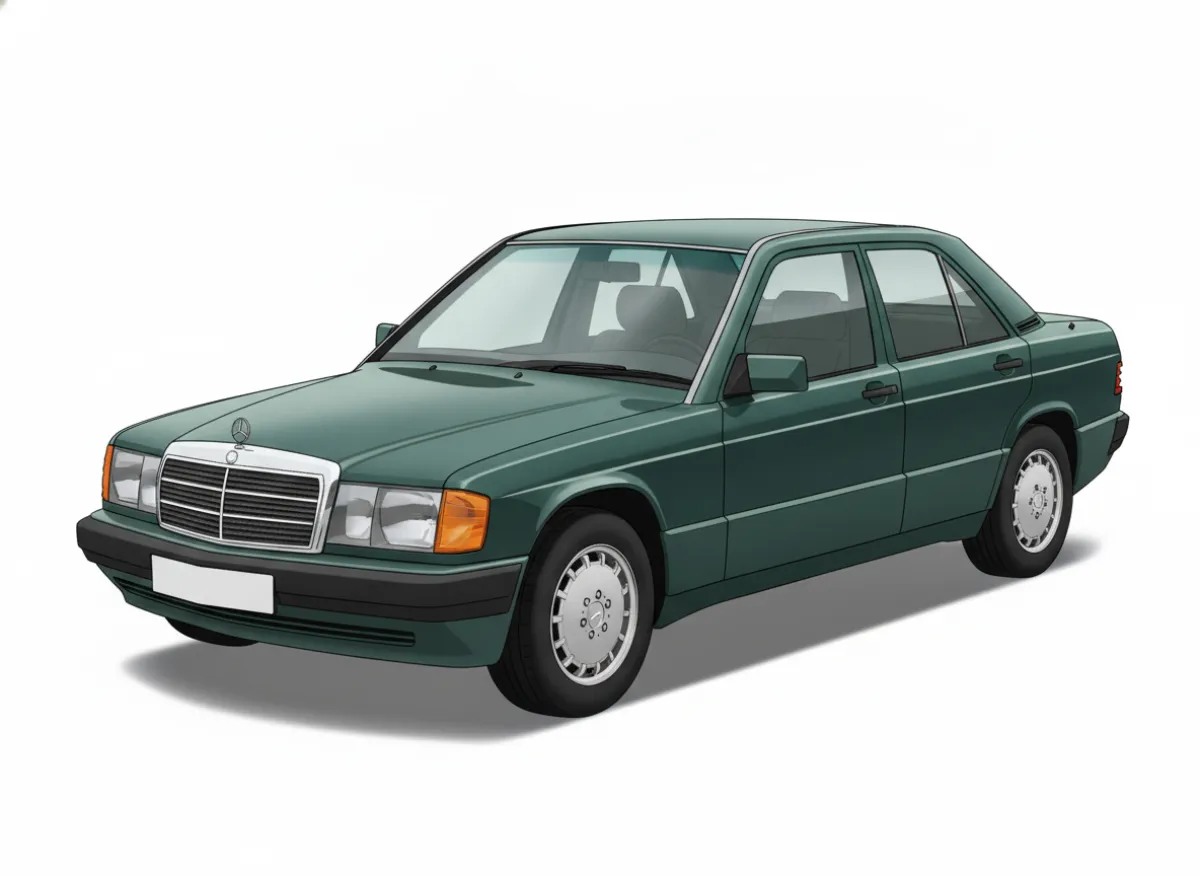
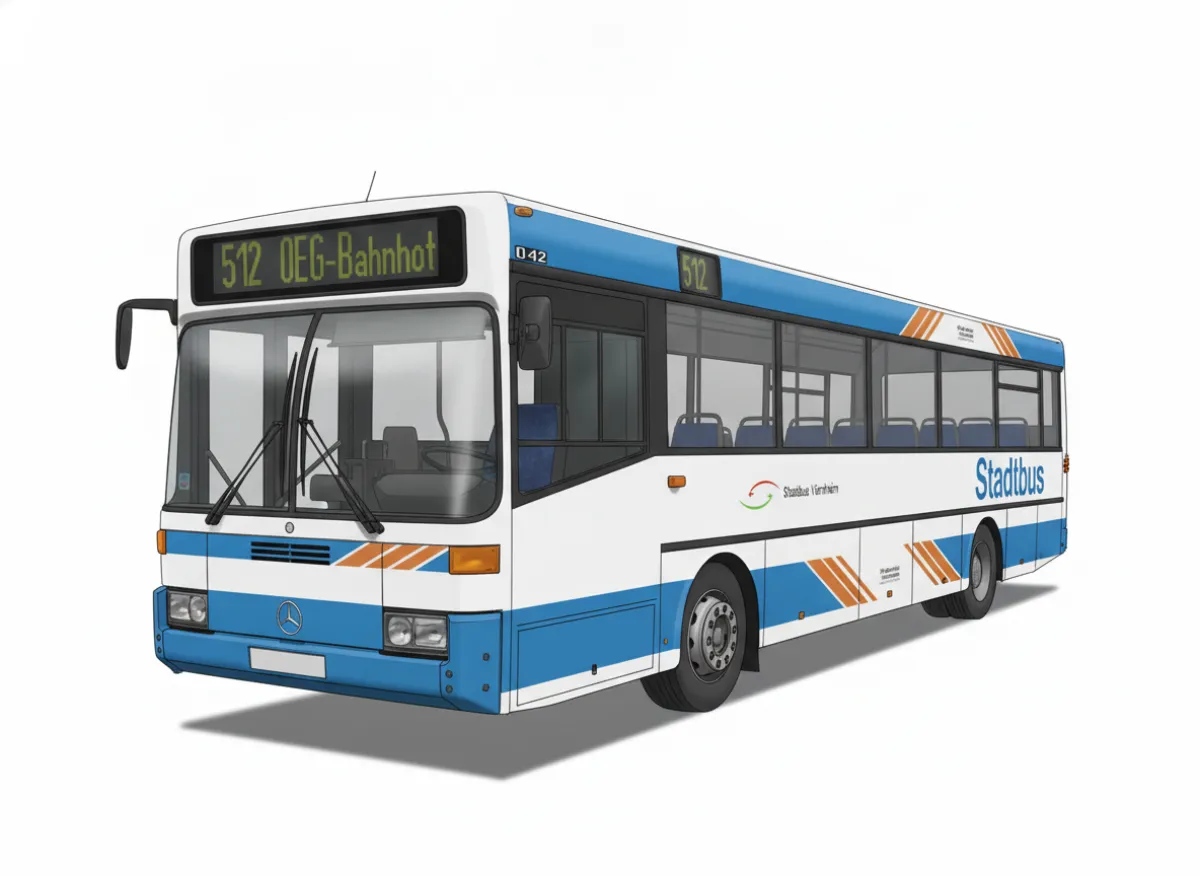
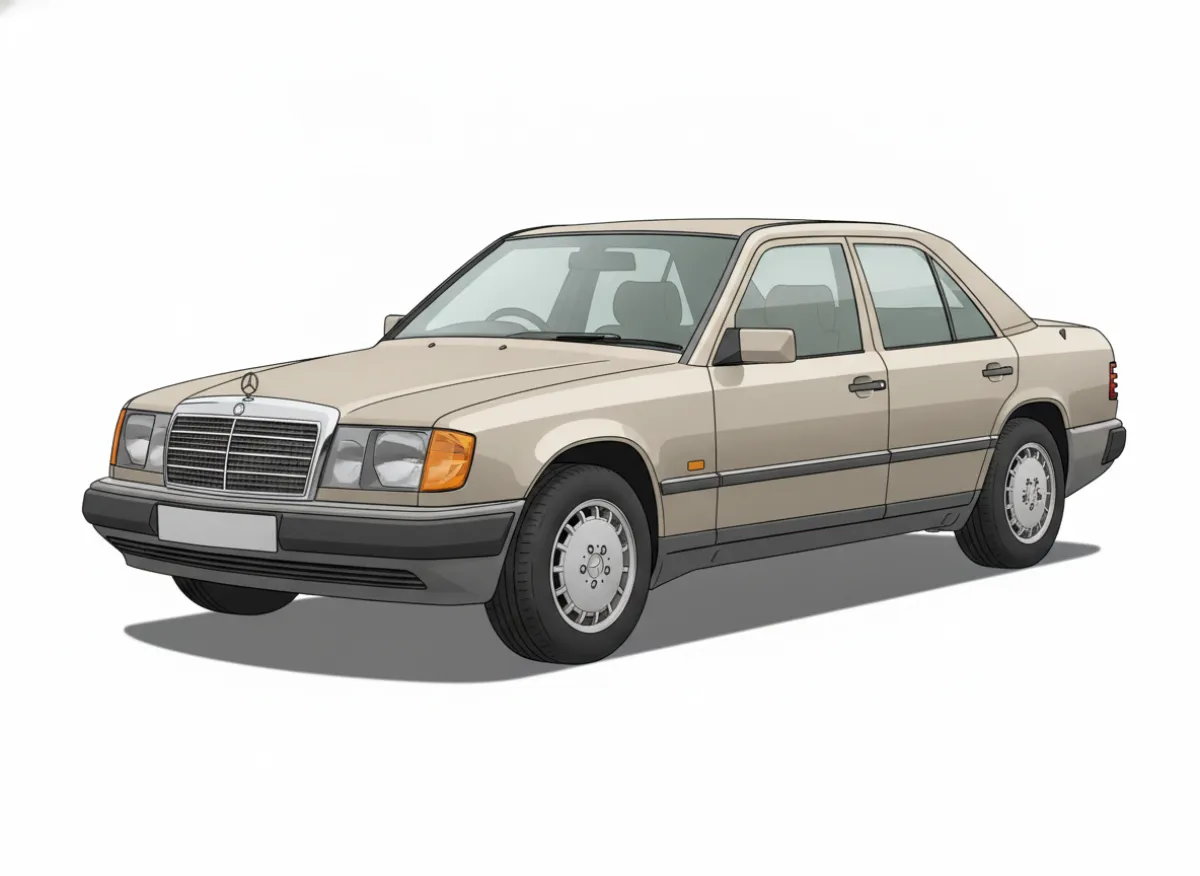
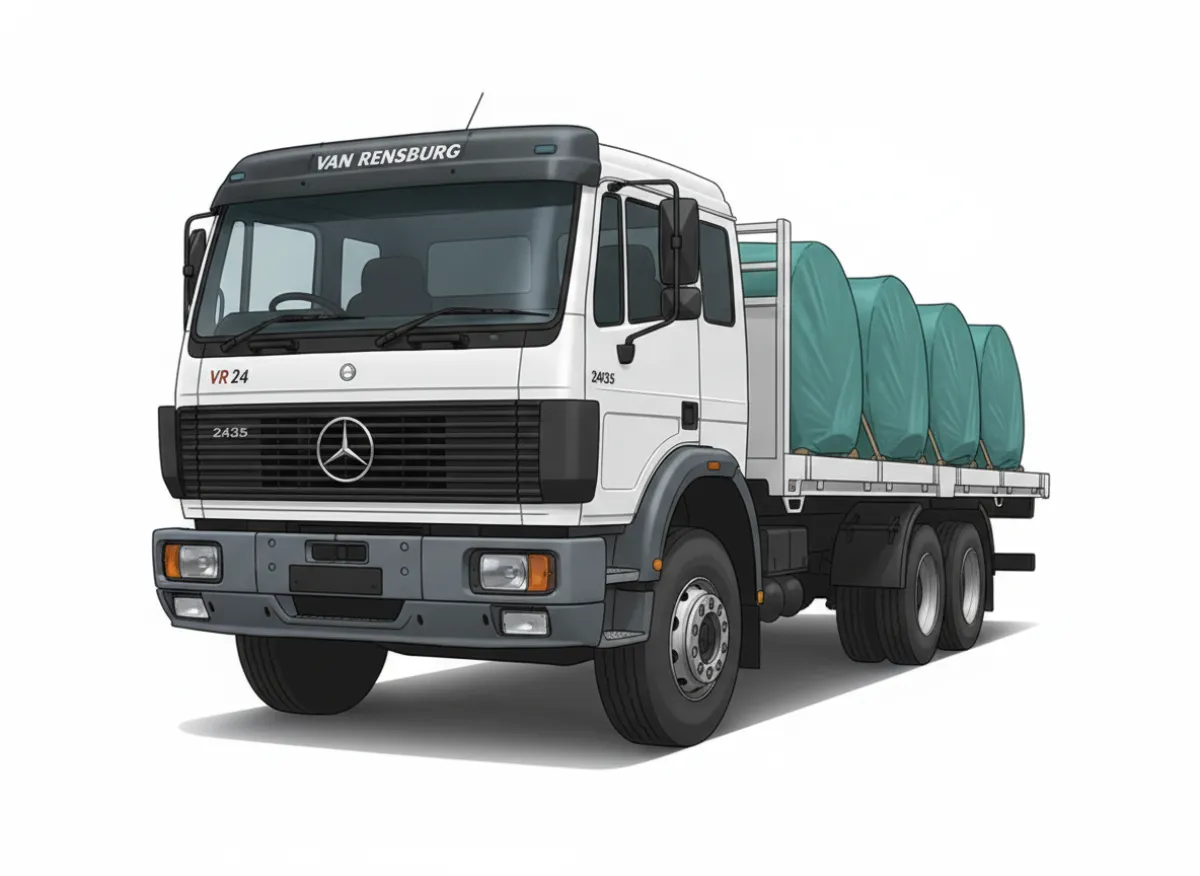
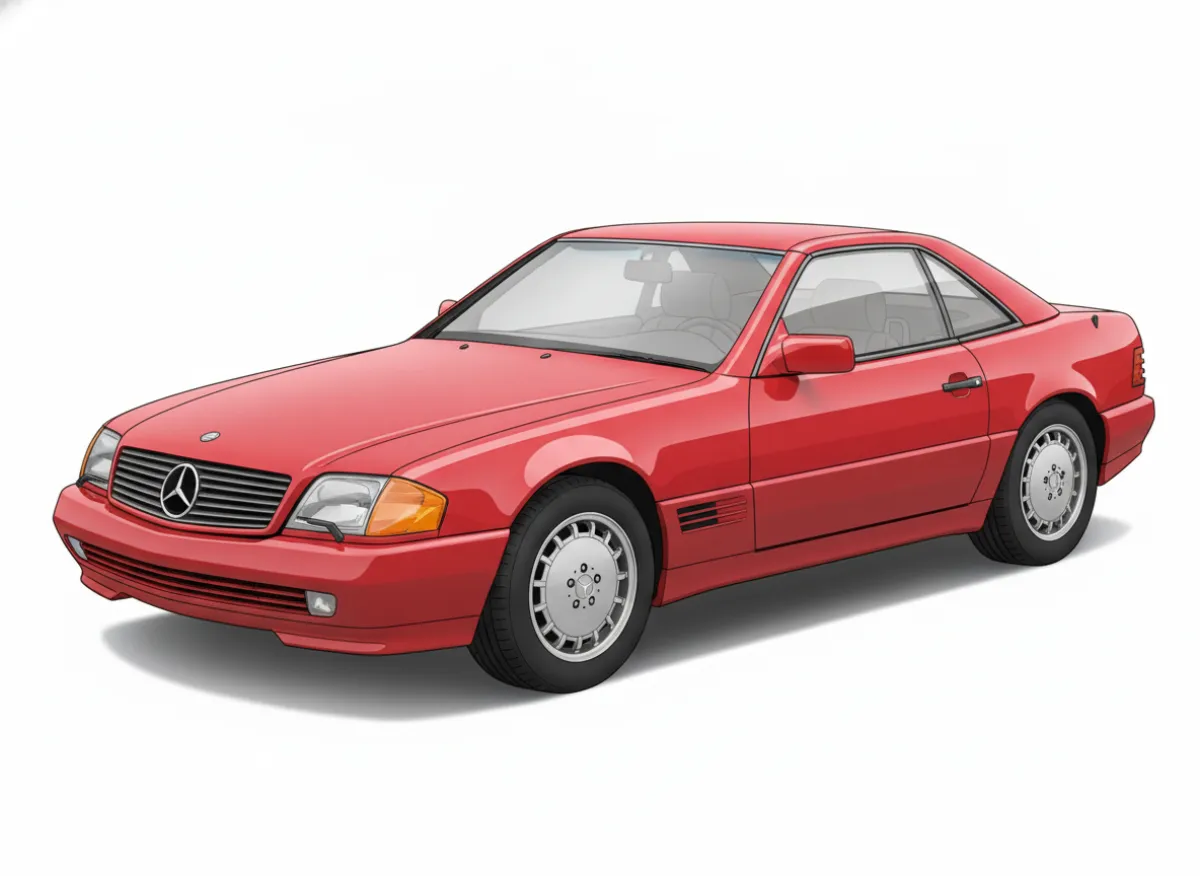
1990s
26 launched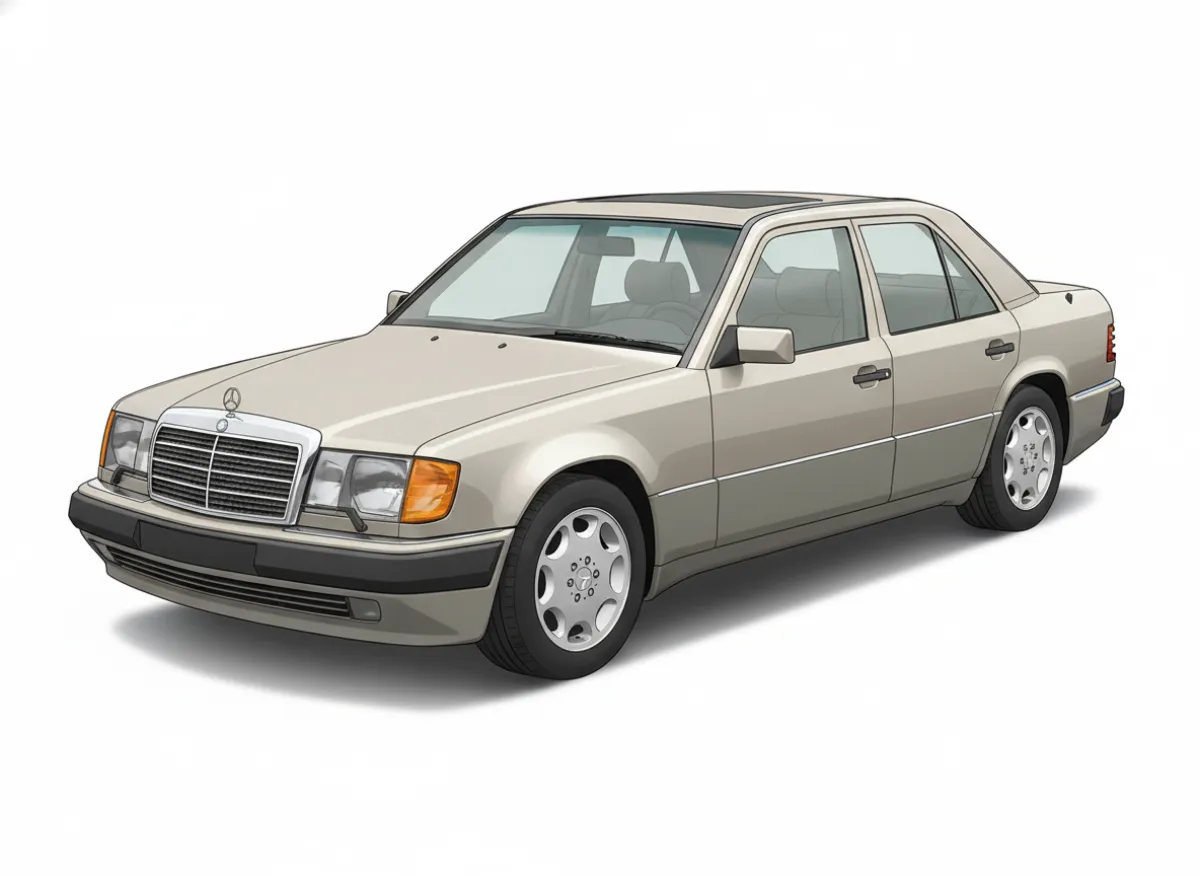 500 E1991–1994
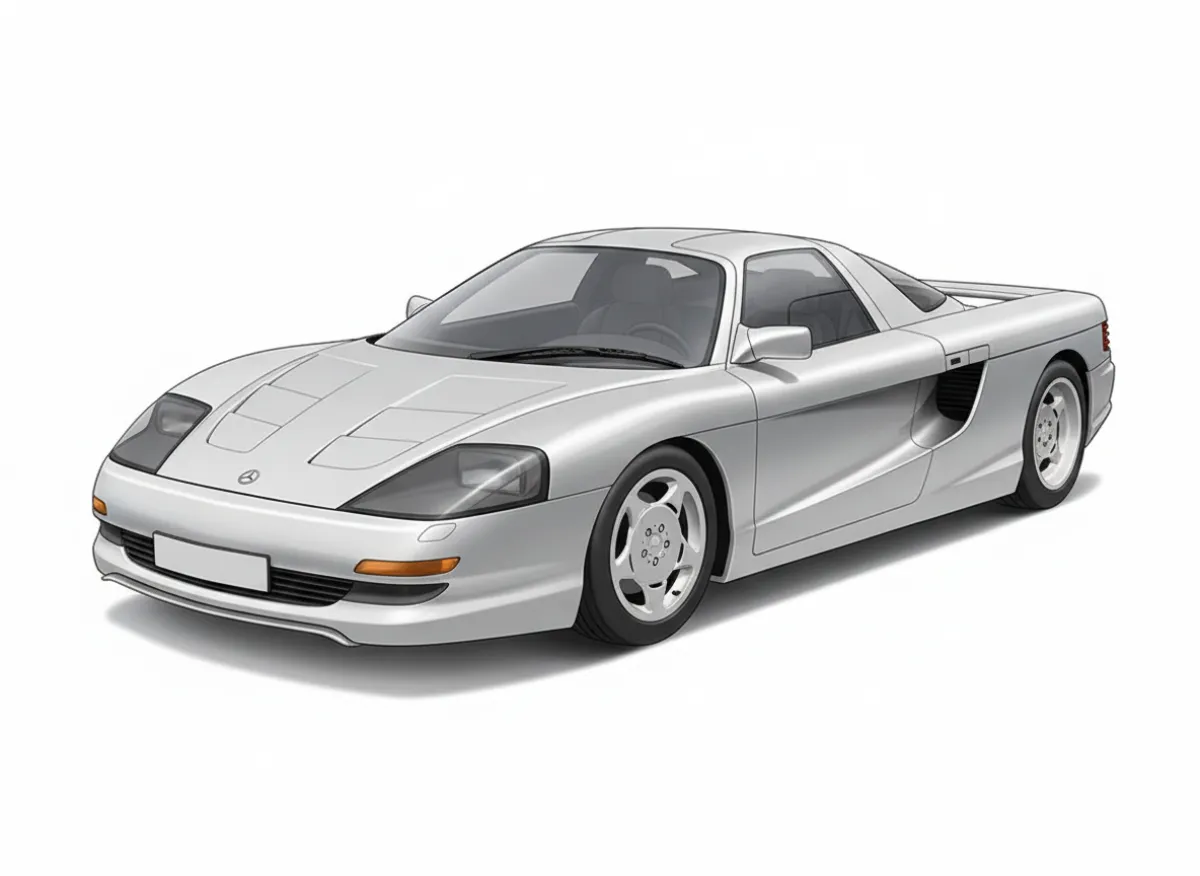 C1121991
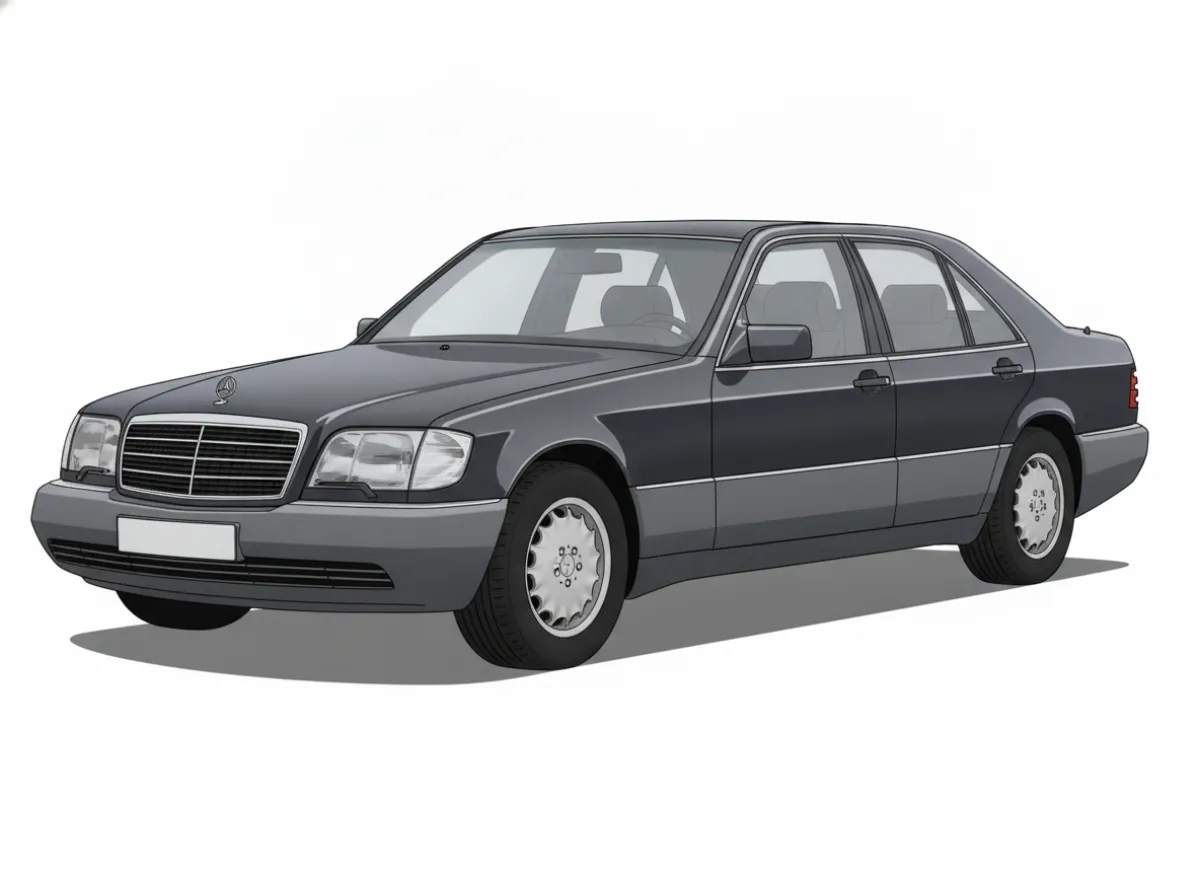 W1401991–1998
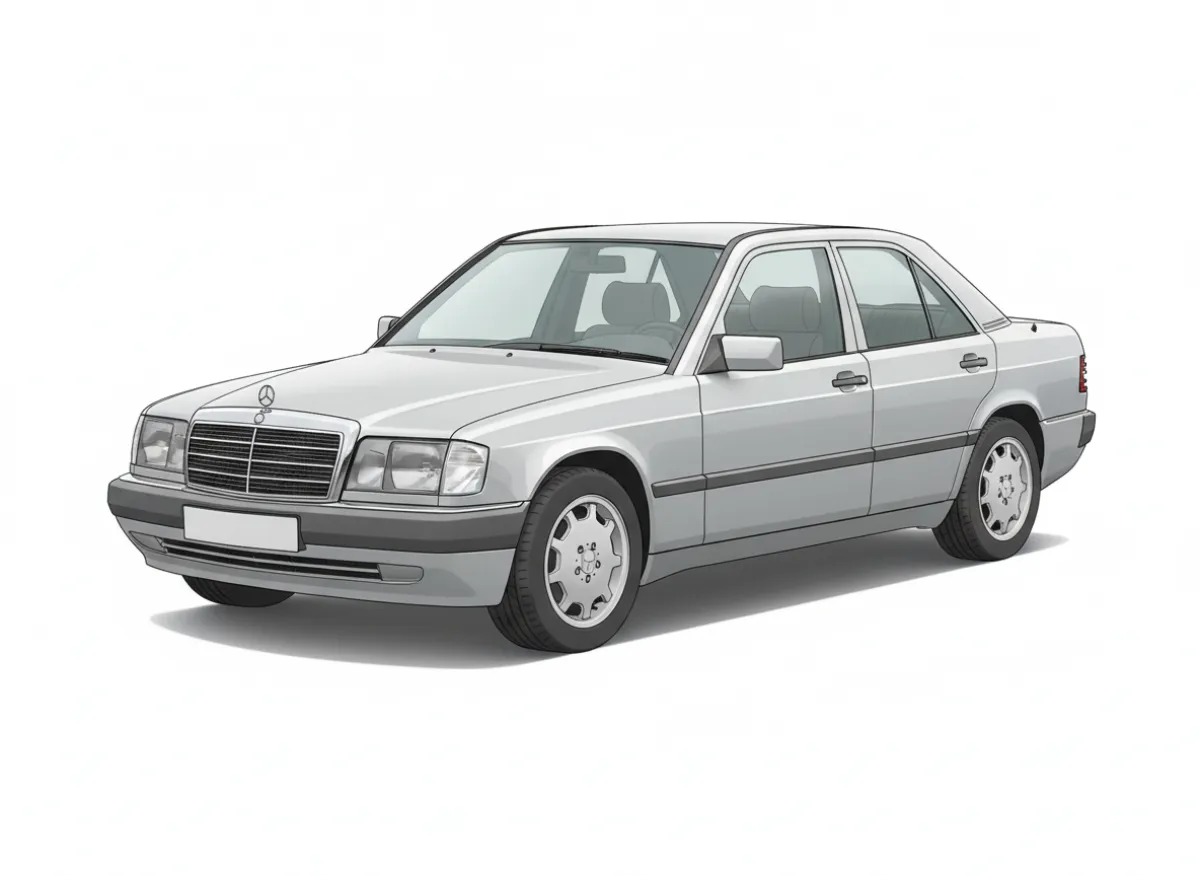 C-Class1992– · 7 gen.
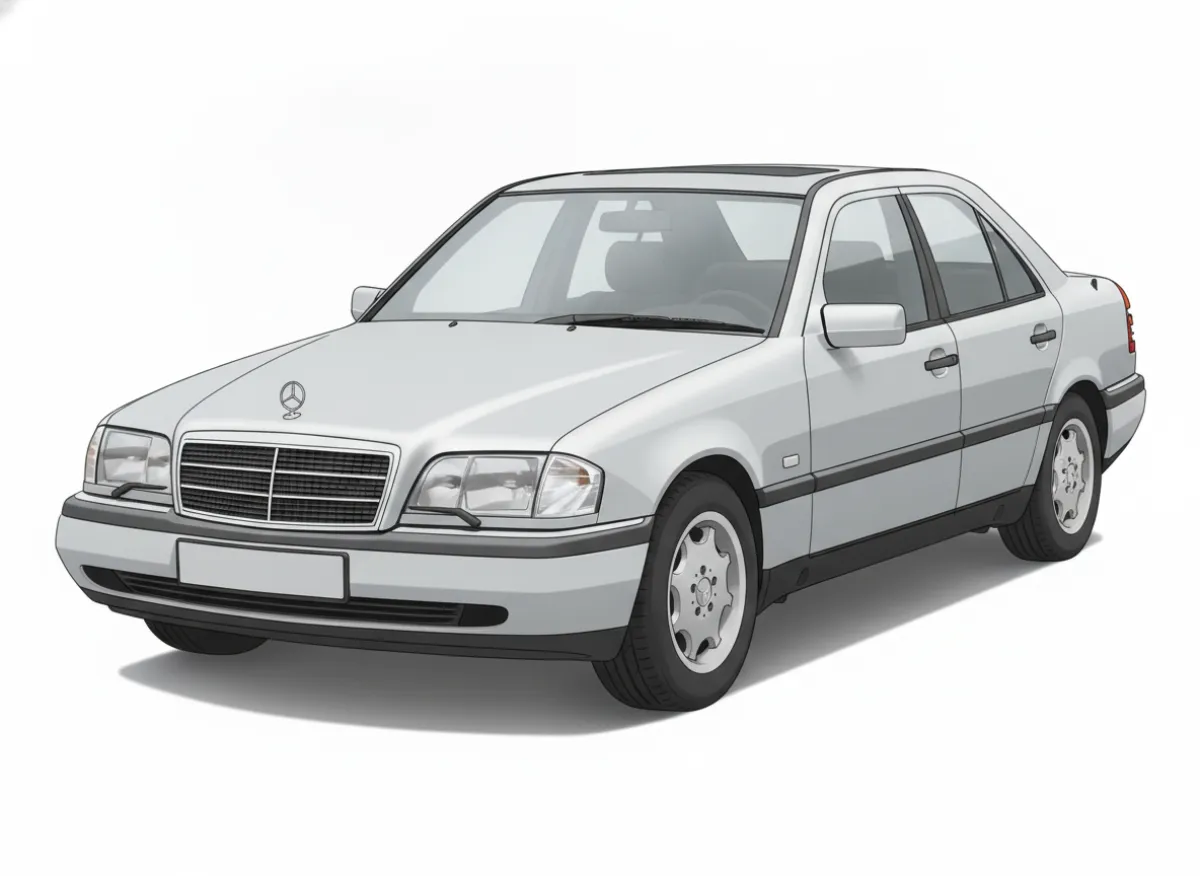 C-Class (W202)1992–2001
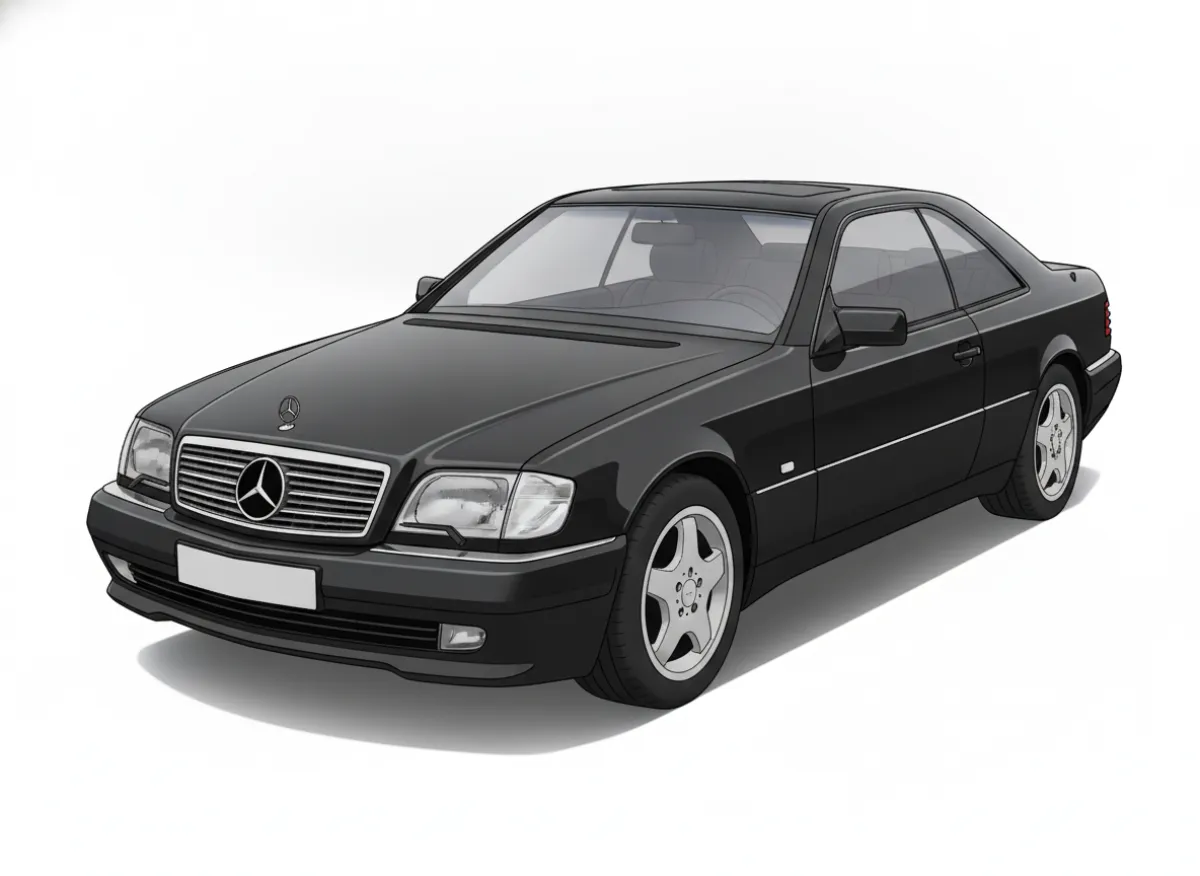 CL-Class1992–2014 · 3 gen.
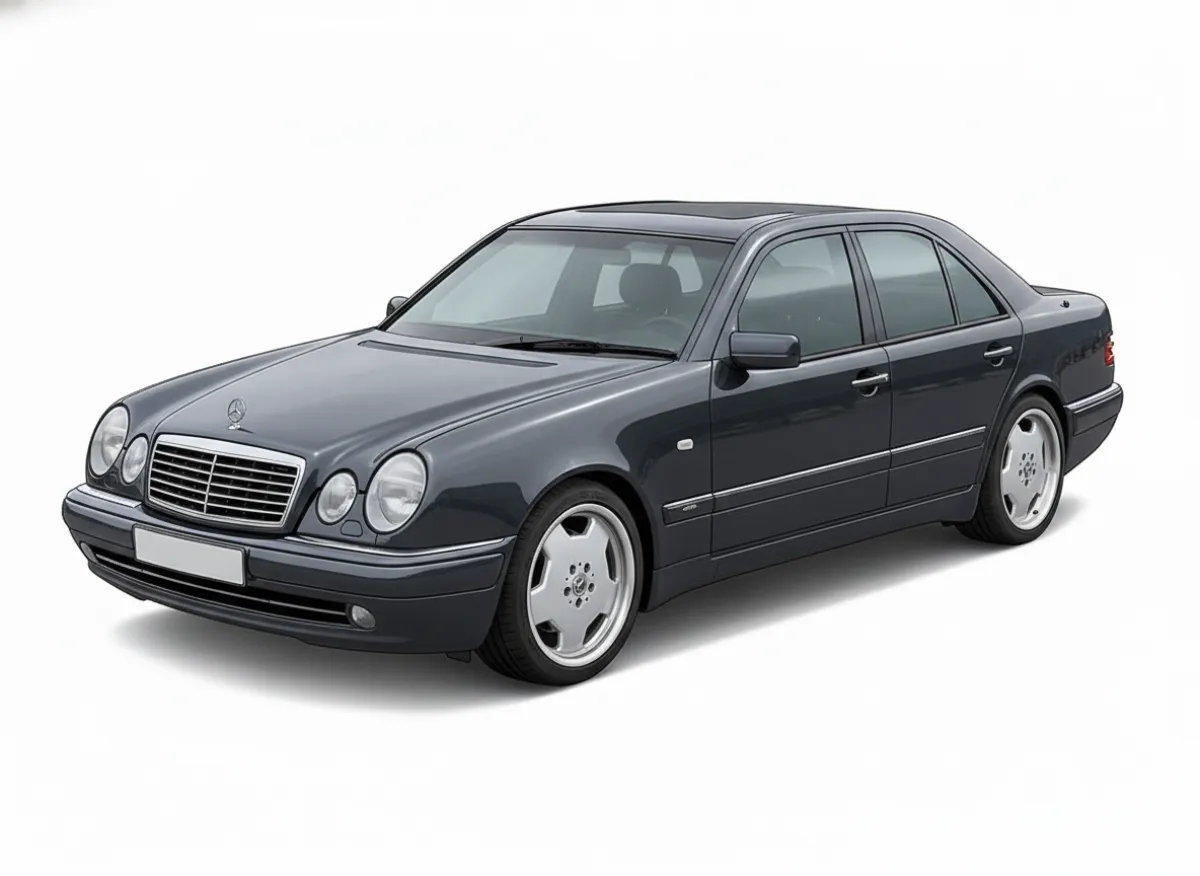 E-Class (W210)1994–2003
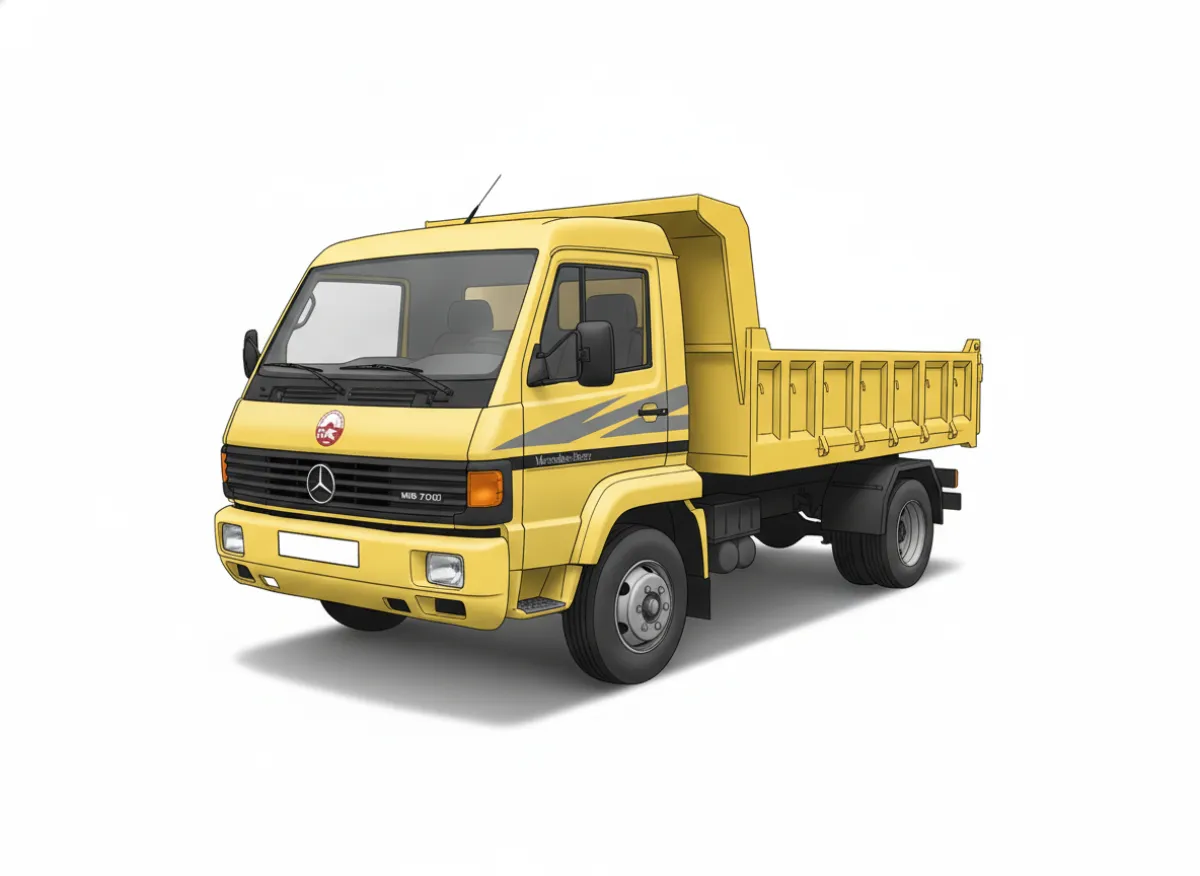 MB7001994–2002
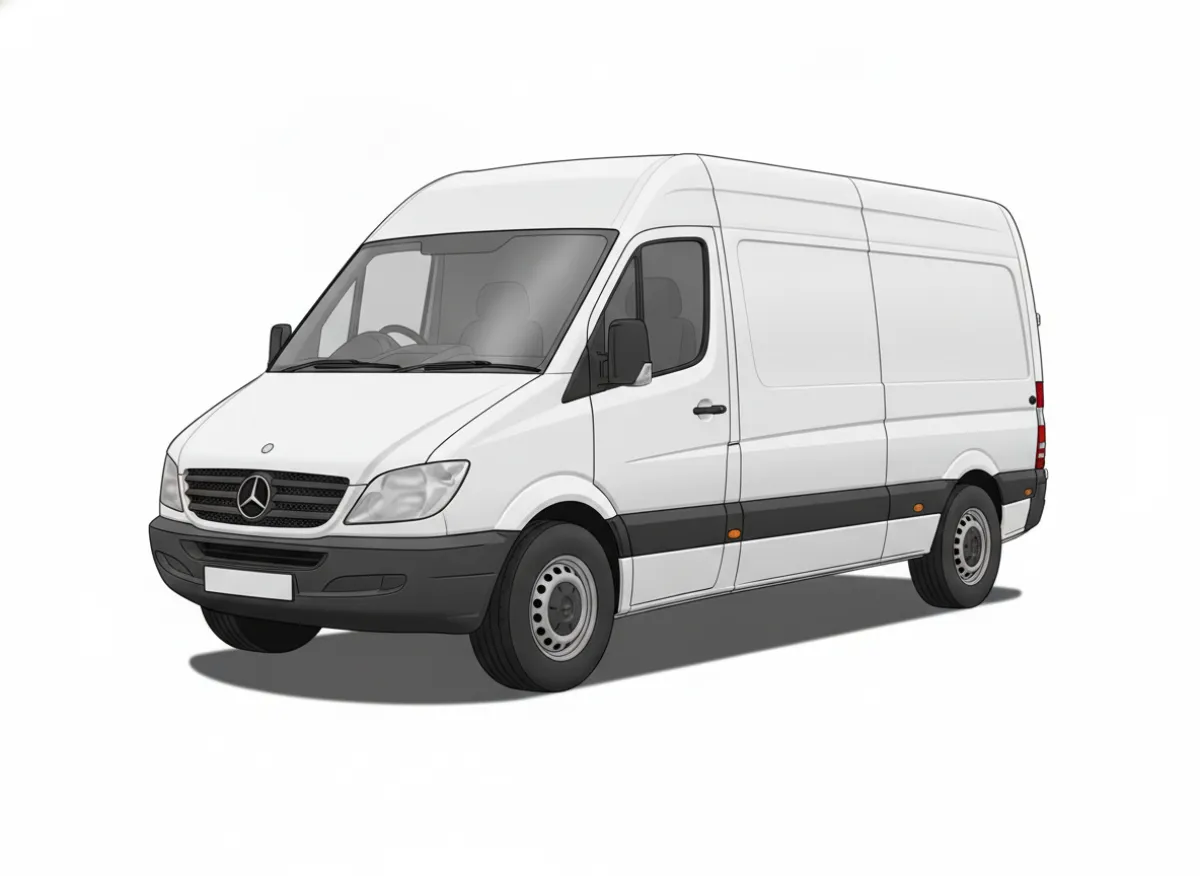 Sprinter1995– · 3 gen.
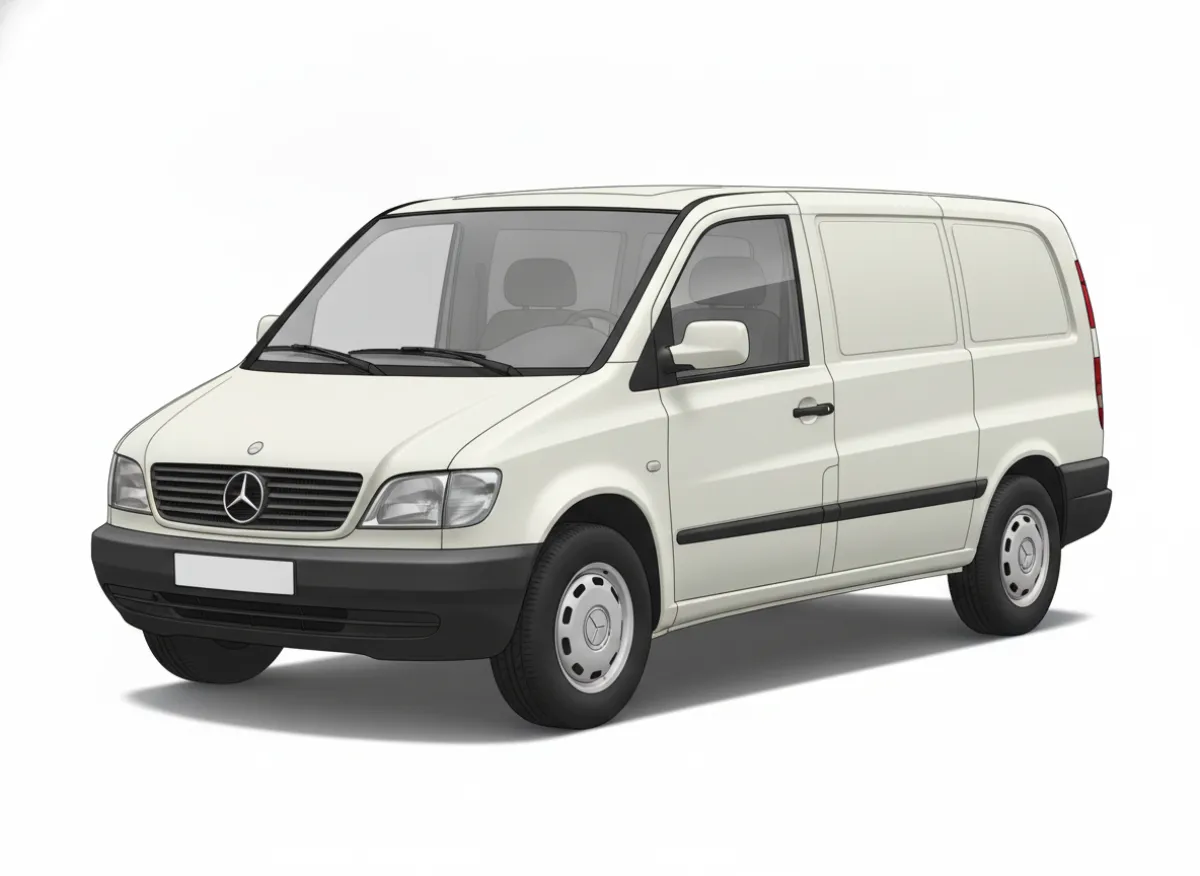 Vito1995– · 3 gen.
- 5G-Tronic transmission1996–2020
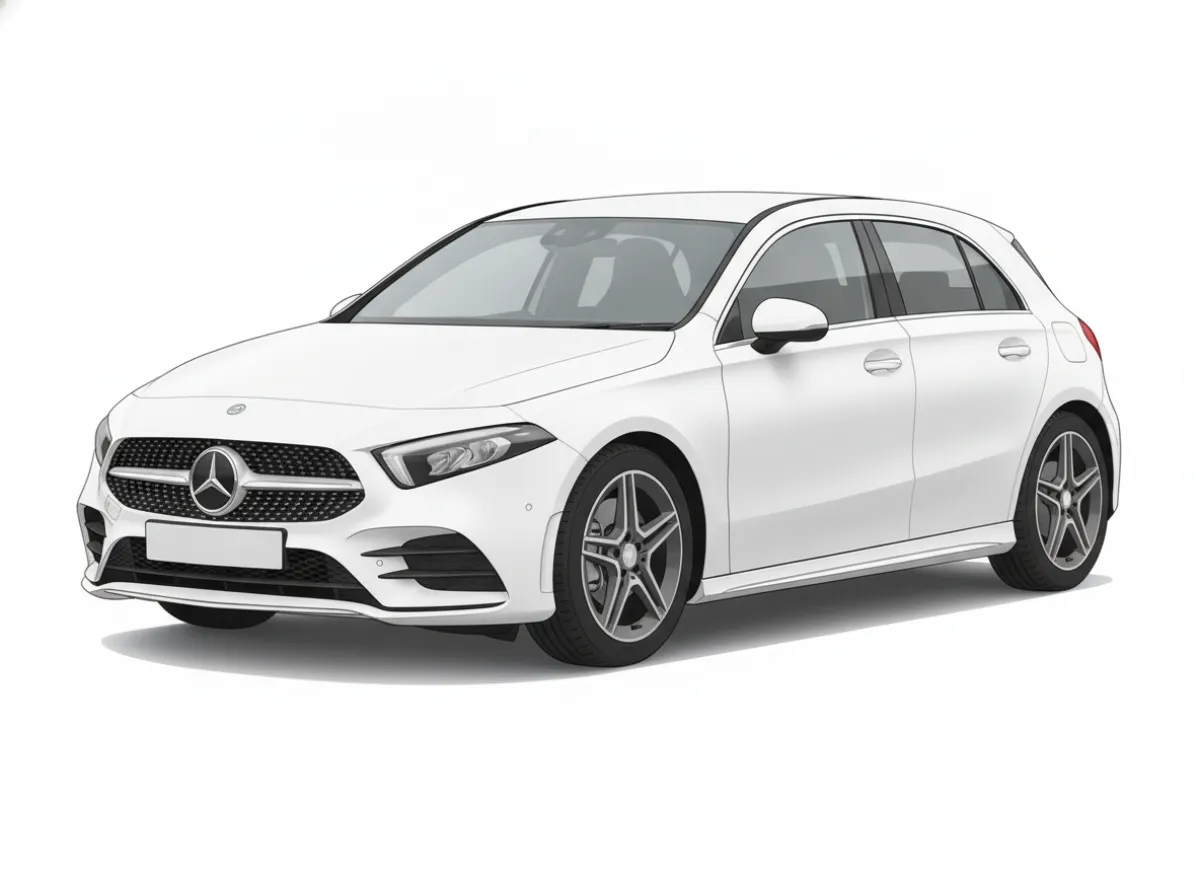 A-Class1996– · 4 gen.
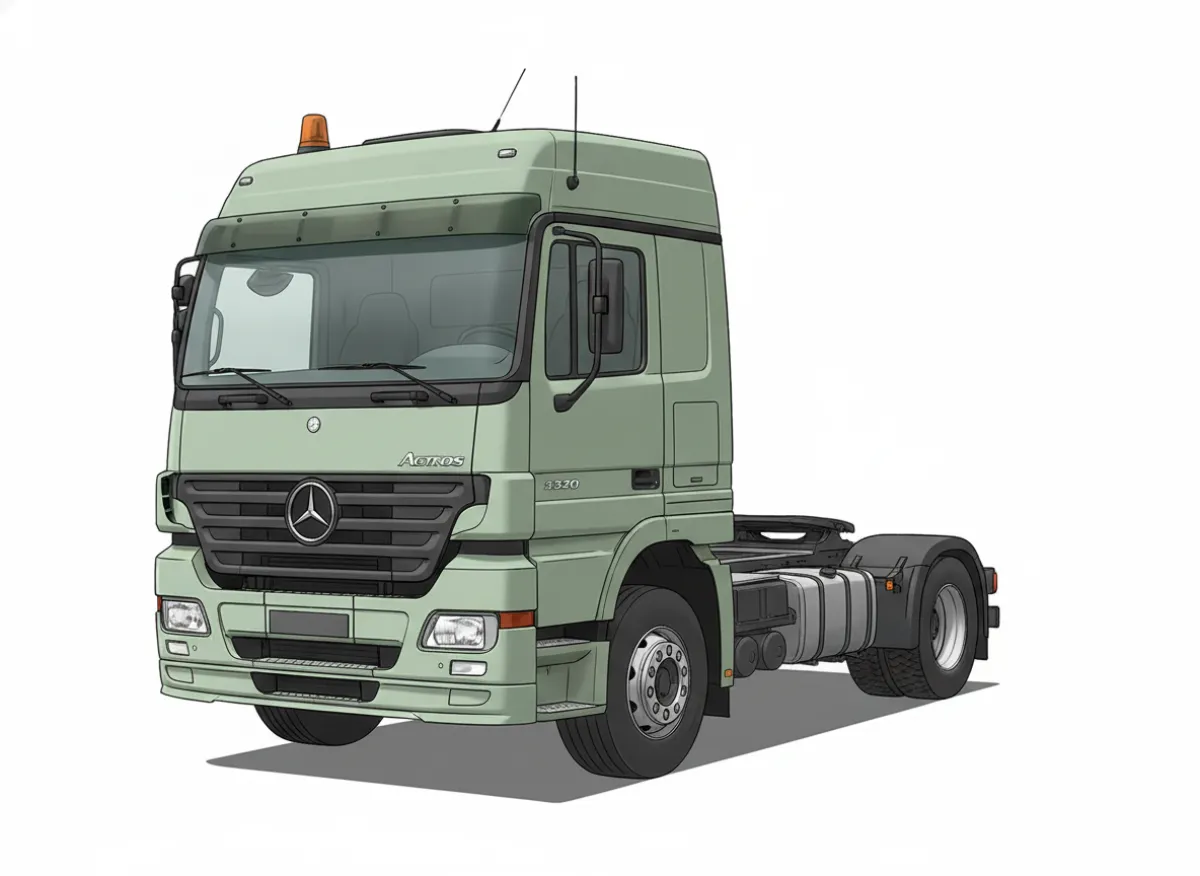 Actros1996– · 5 gen.
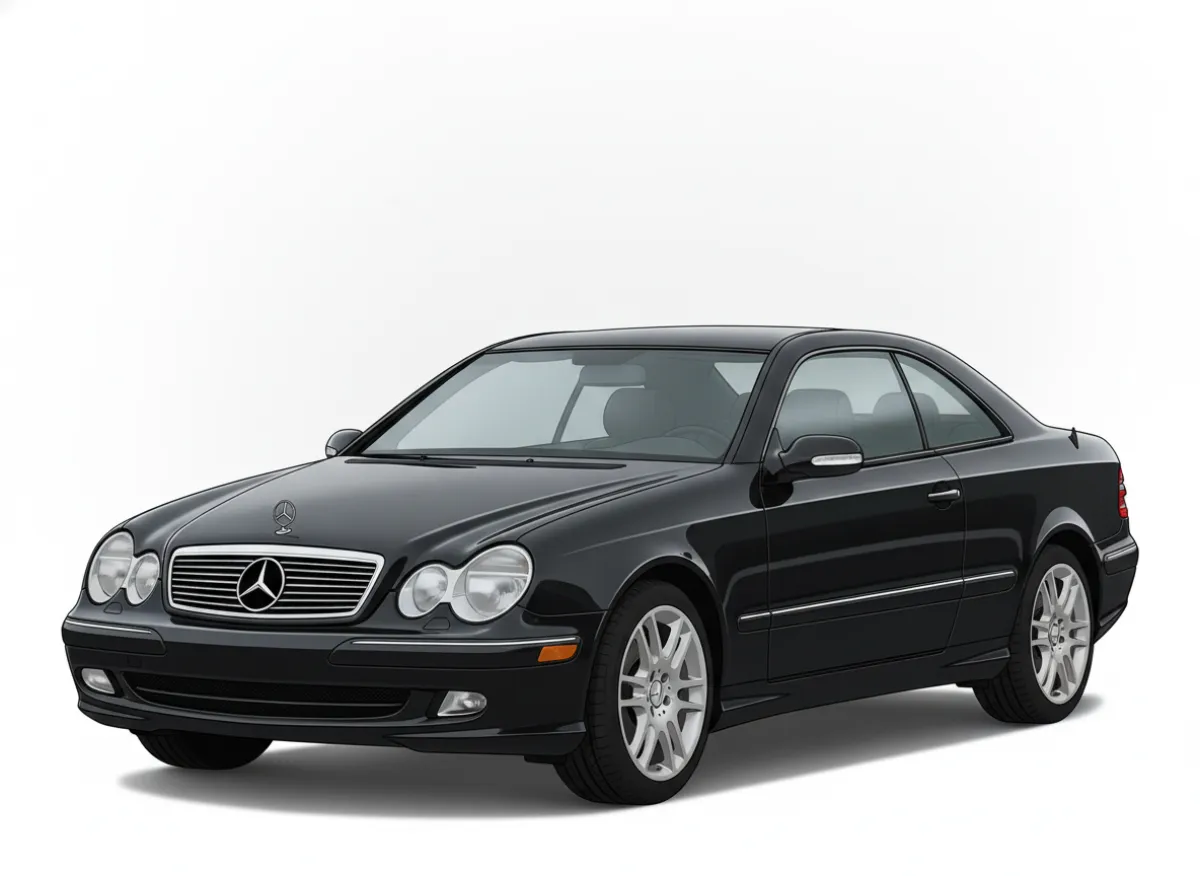 CLK-Class1996–2009
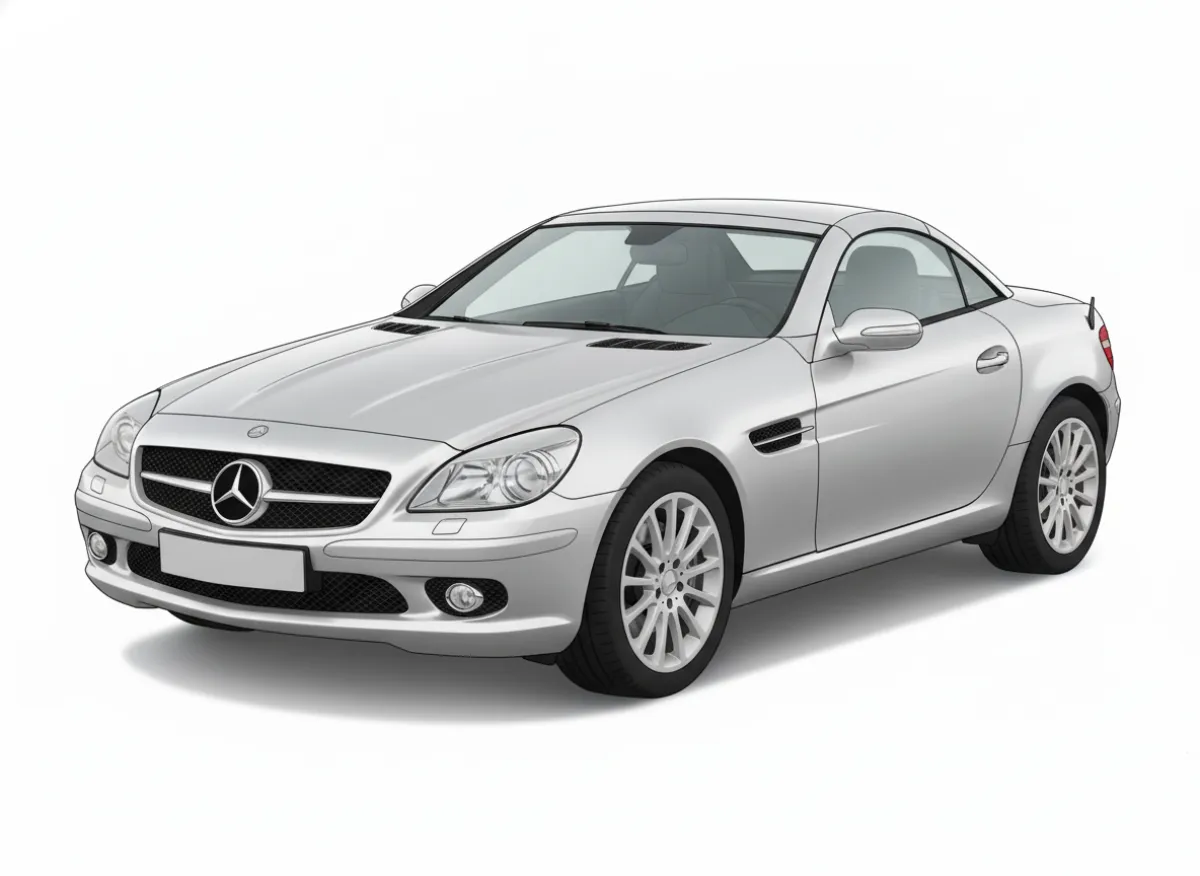 SLK-Class1996–2020
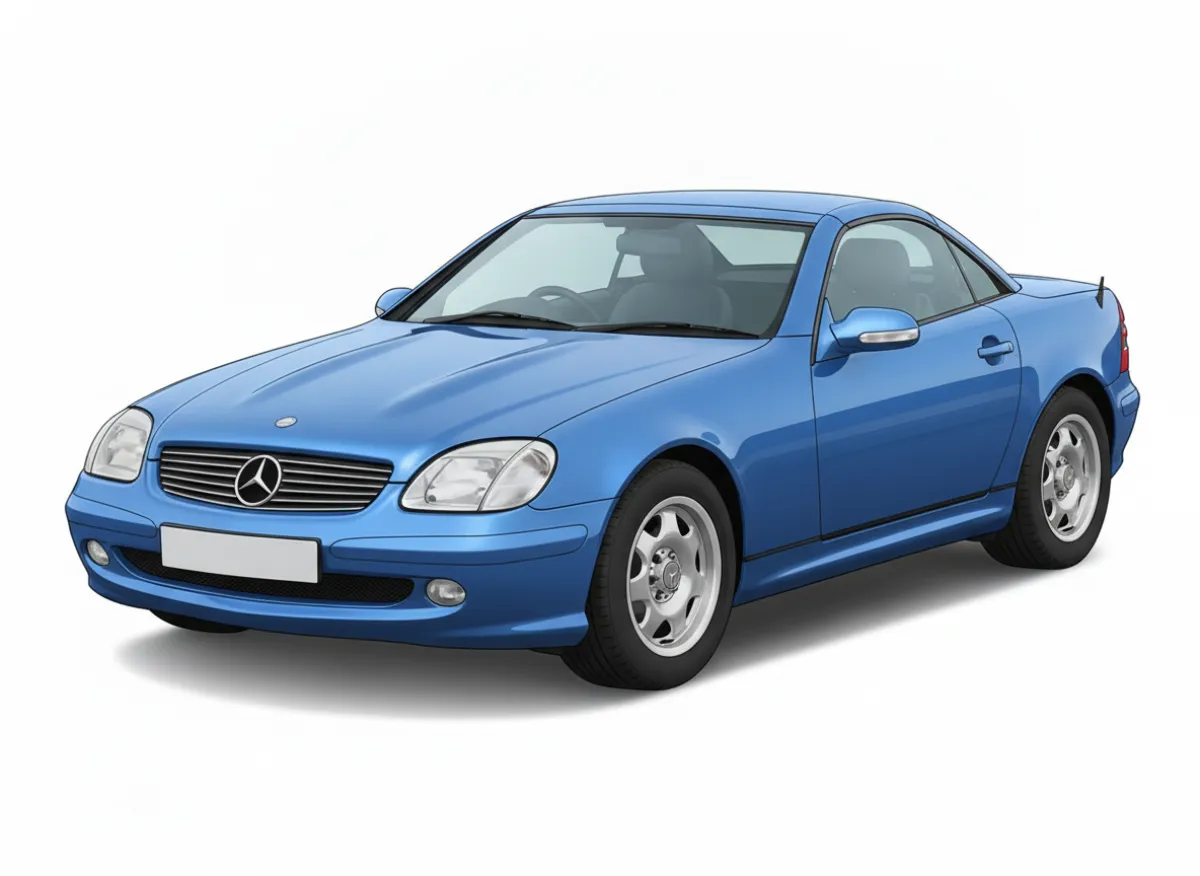 SLK-Class (R170)1996–2004
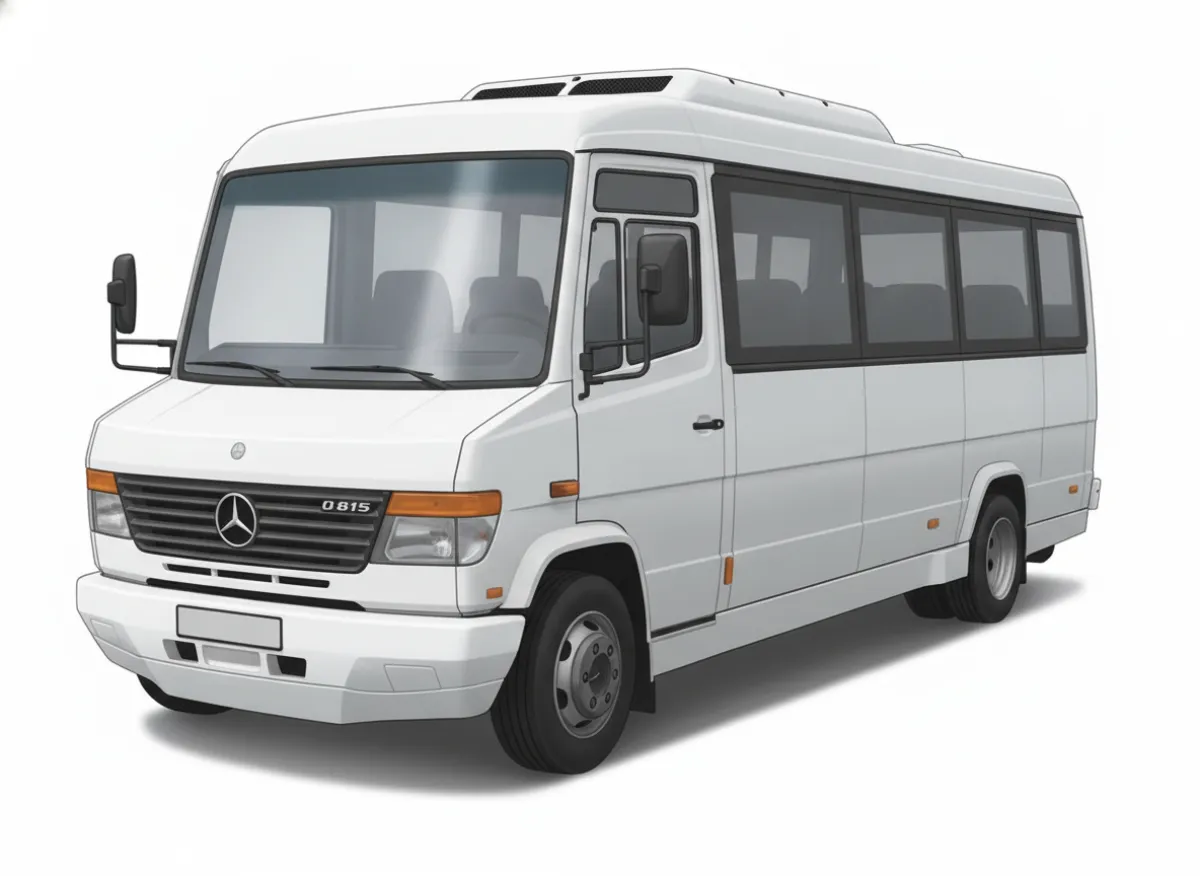 Vario1996–2013
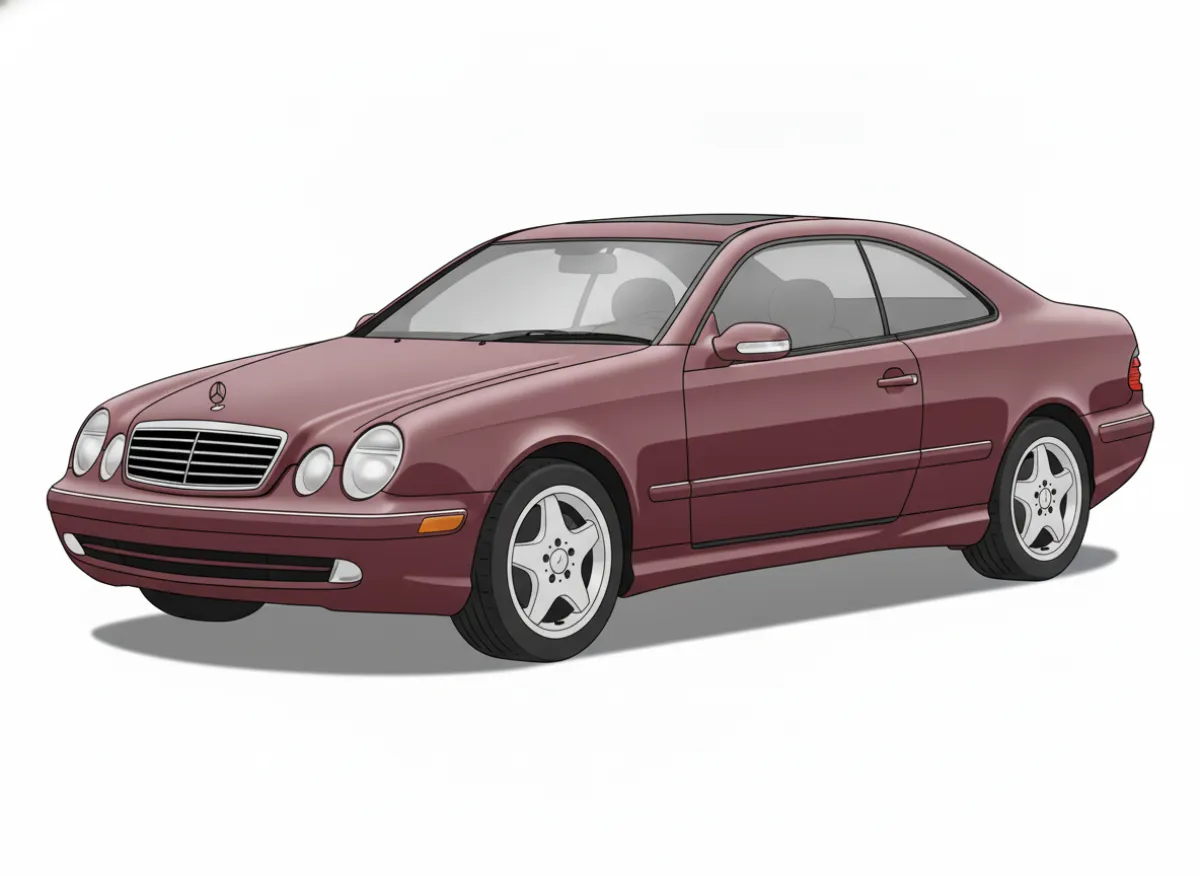 CLK-Class (C208)1997–2003
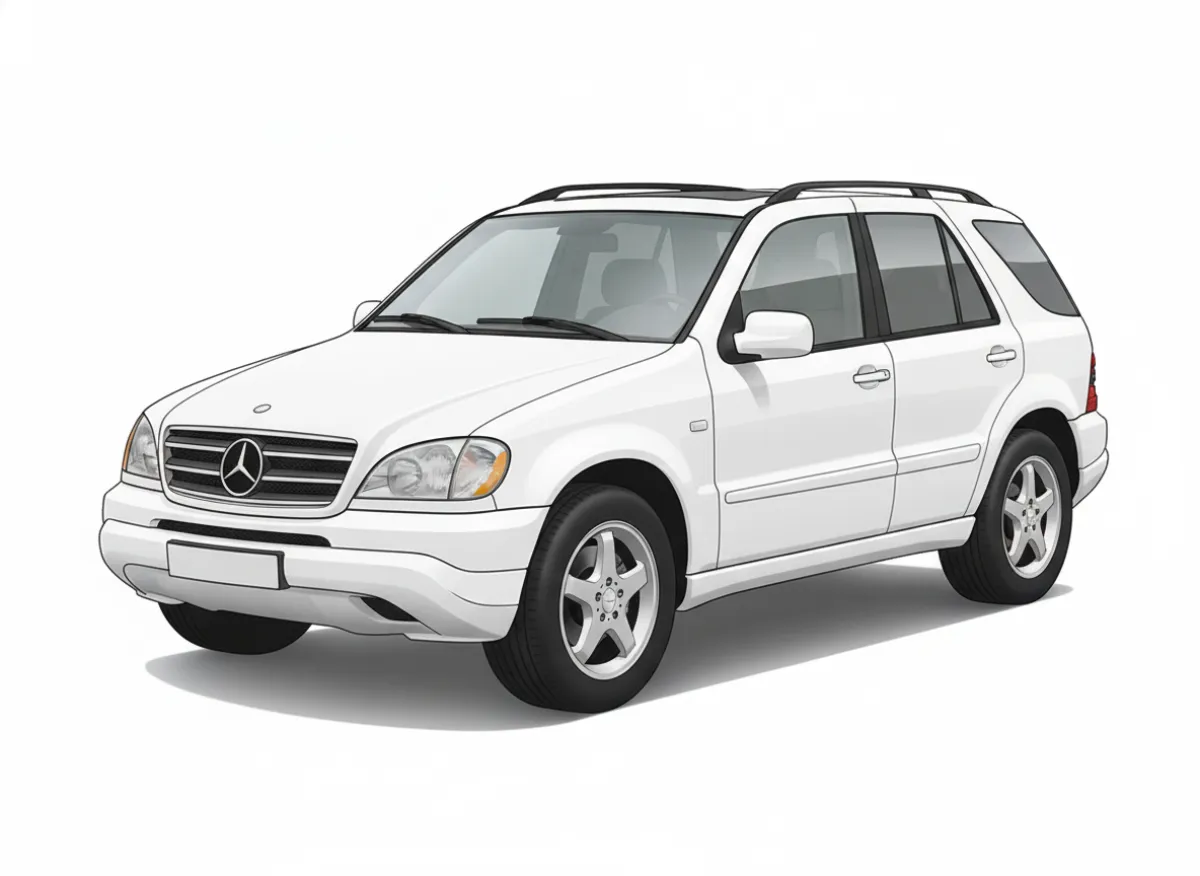 GLE1997– · 4 gen.
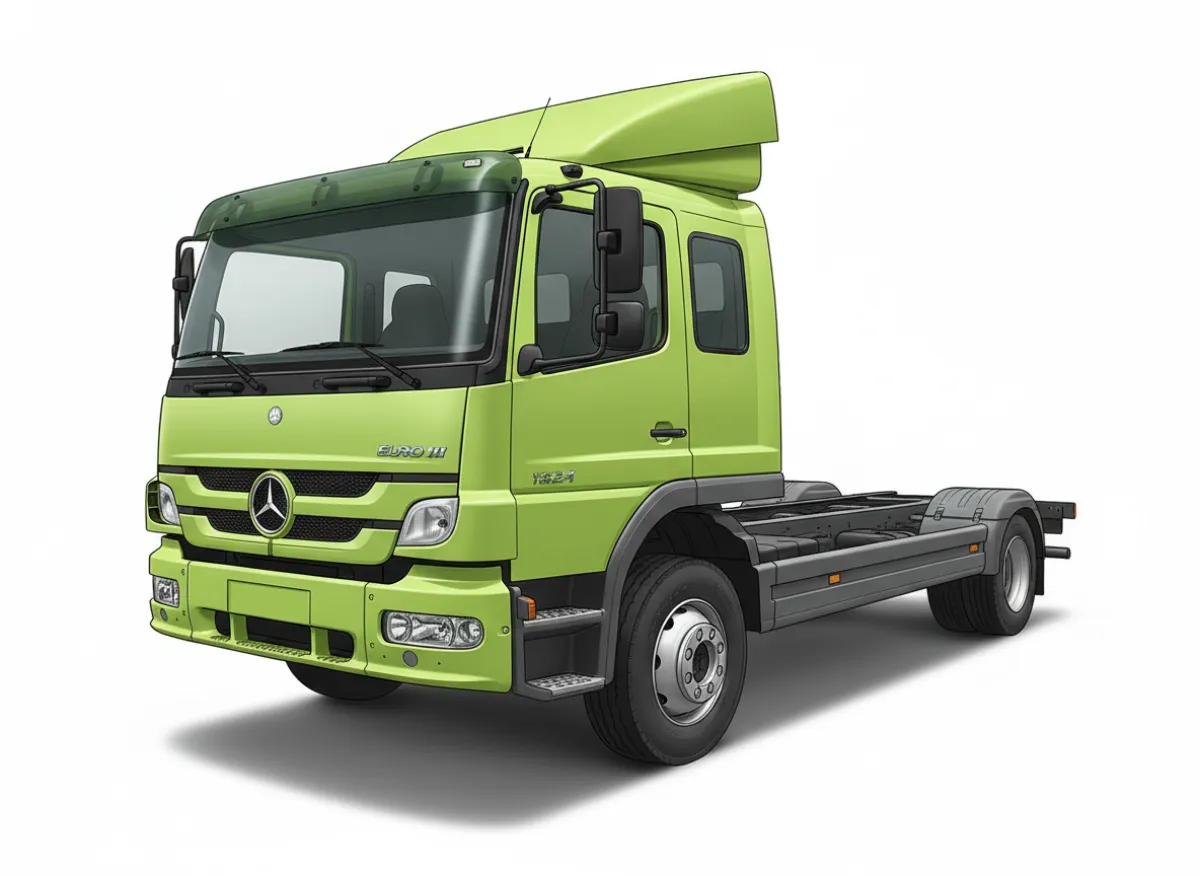 Atego1998– · 3 gen.
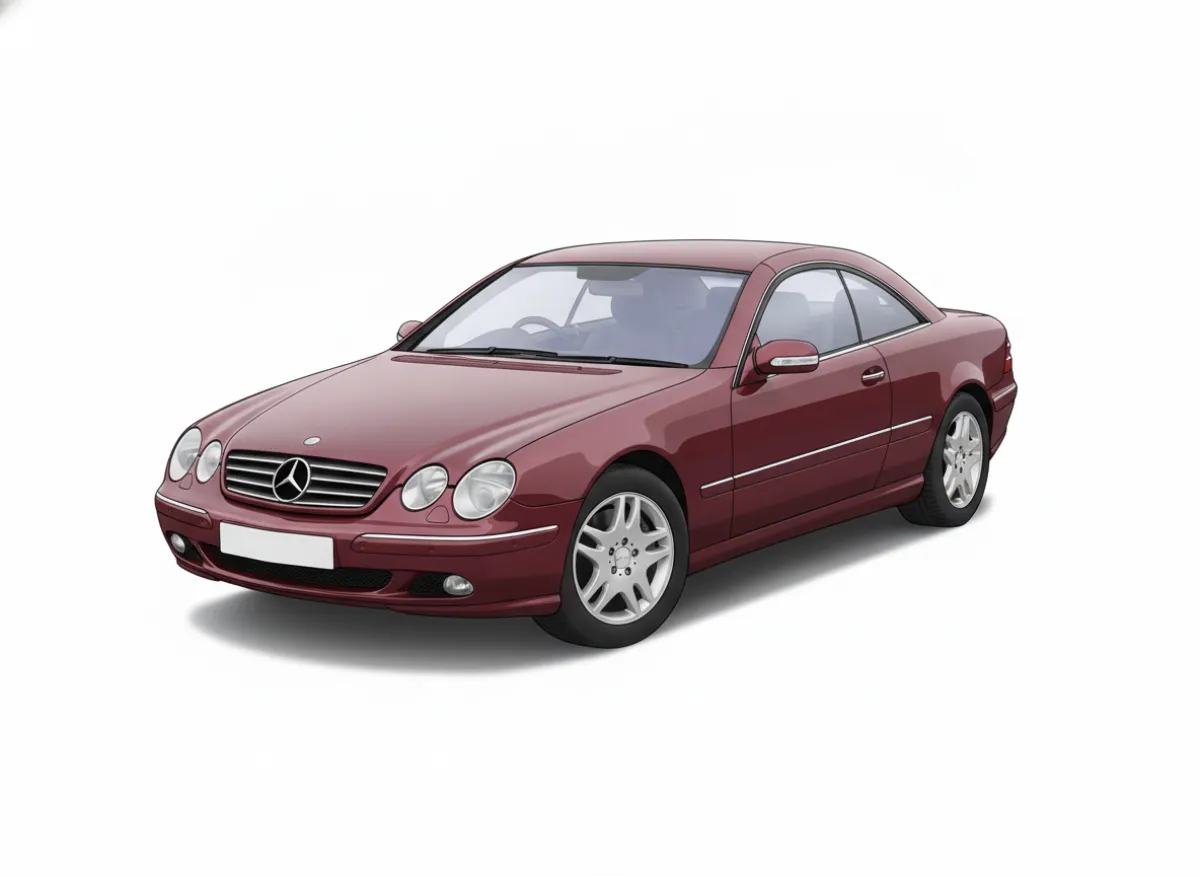 CL-Class (C215)1998–2006
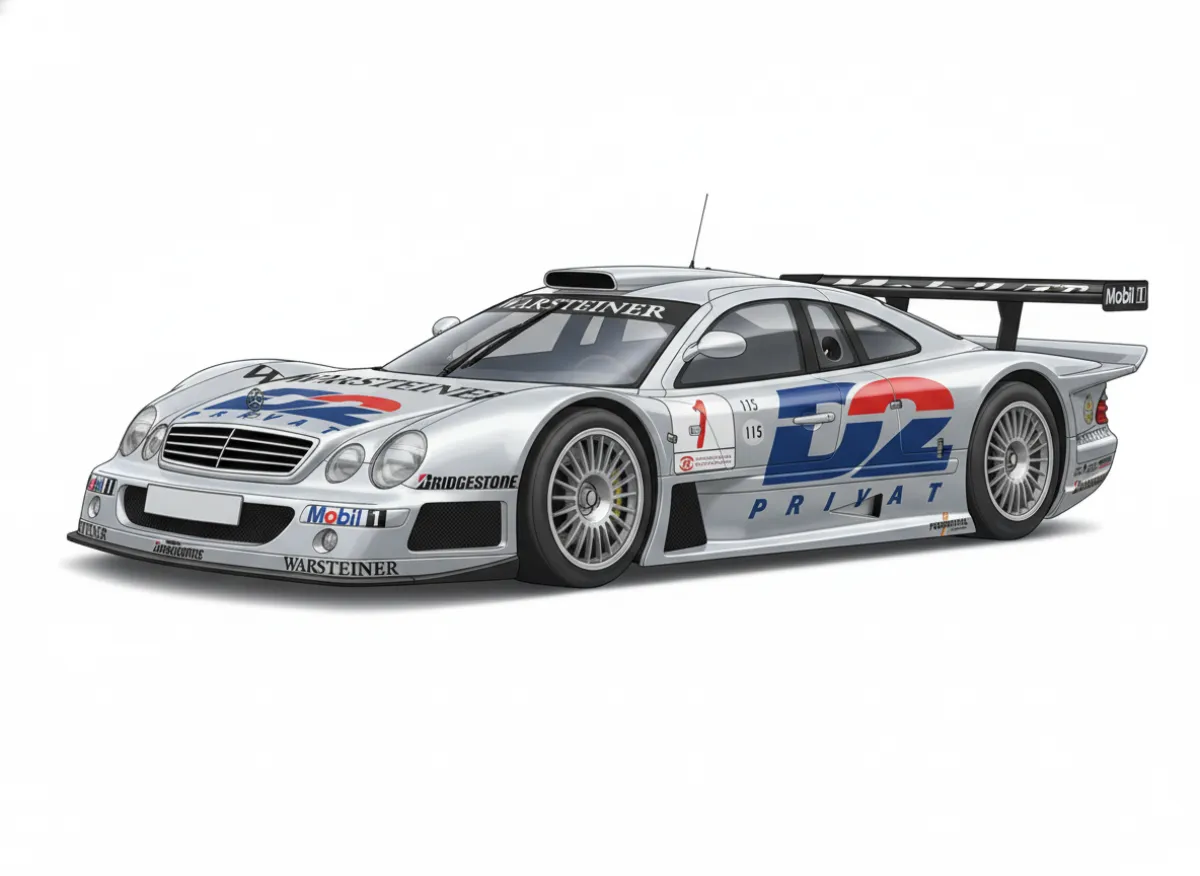 CLK GTR1998–1999 · 1 gen.
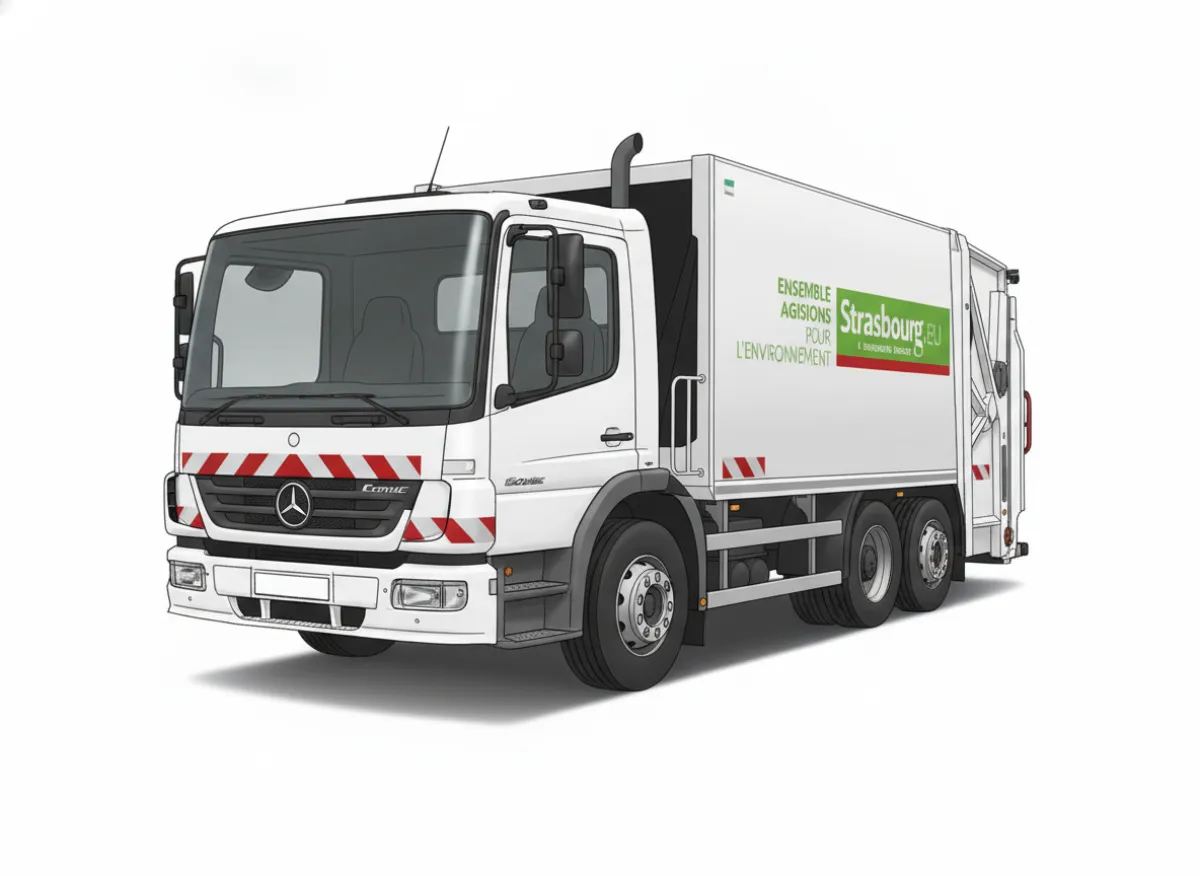 Econic1998–
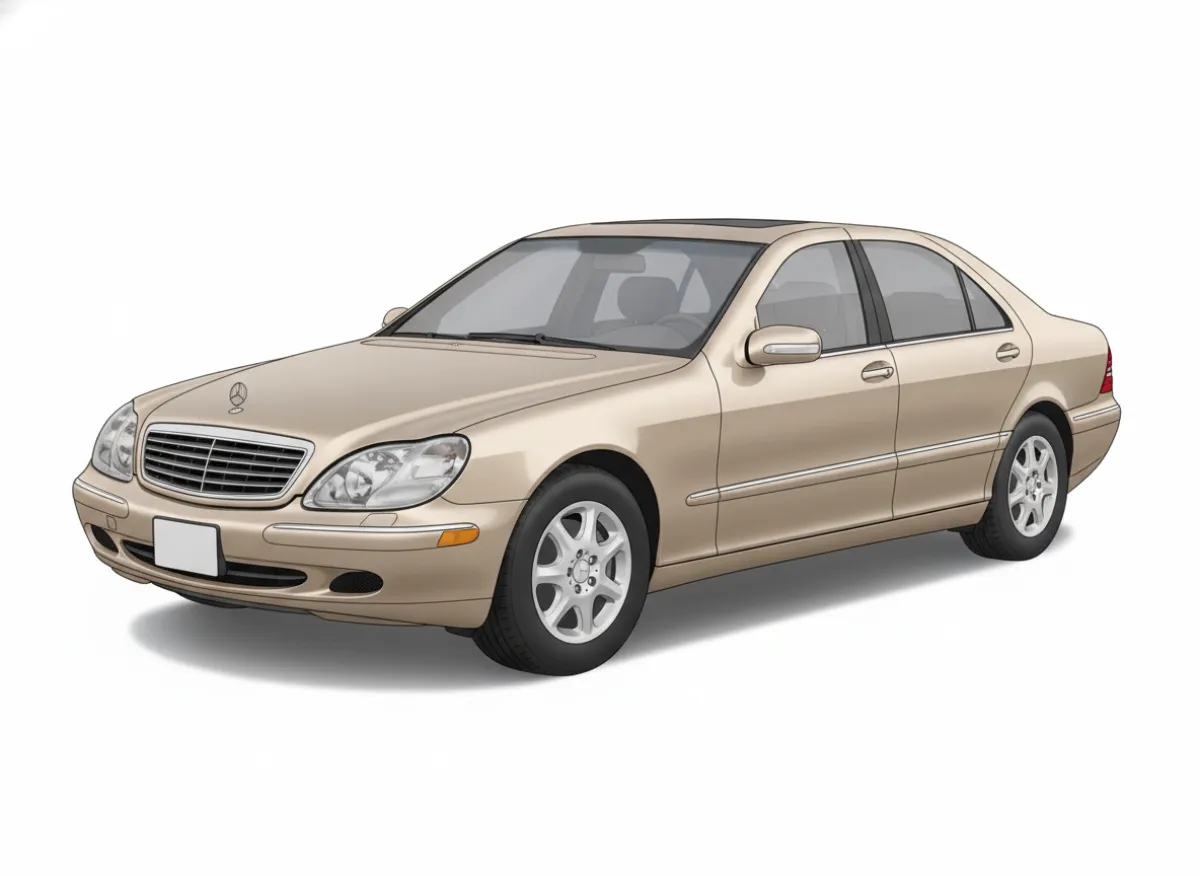 S-Class (W220)1998–2005
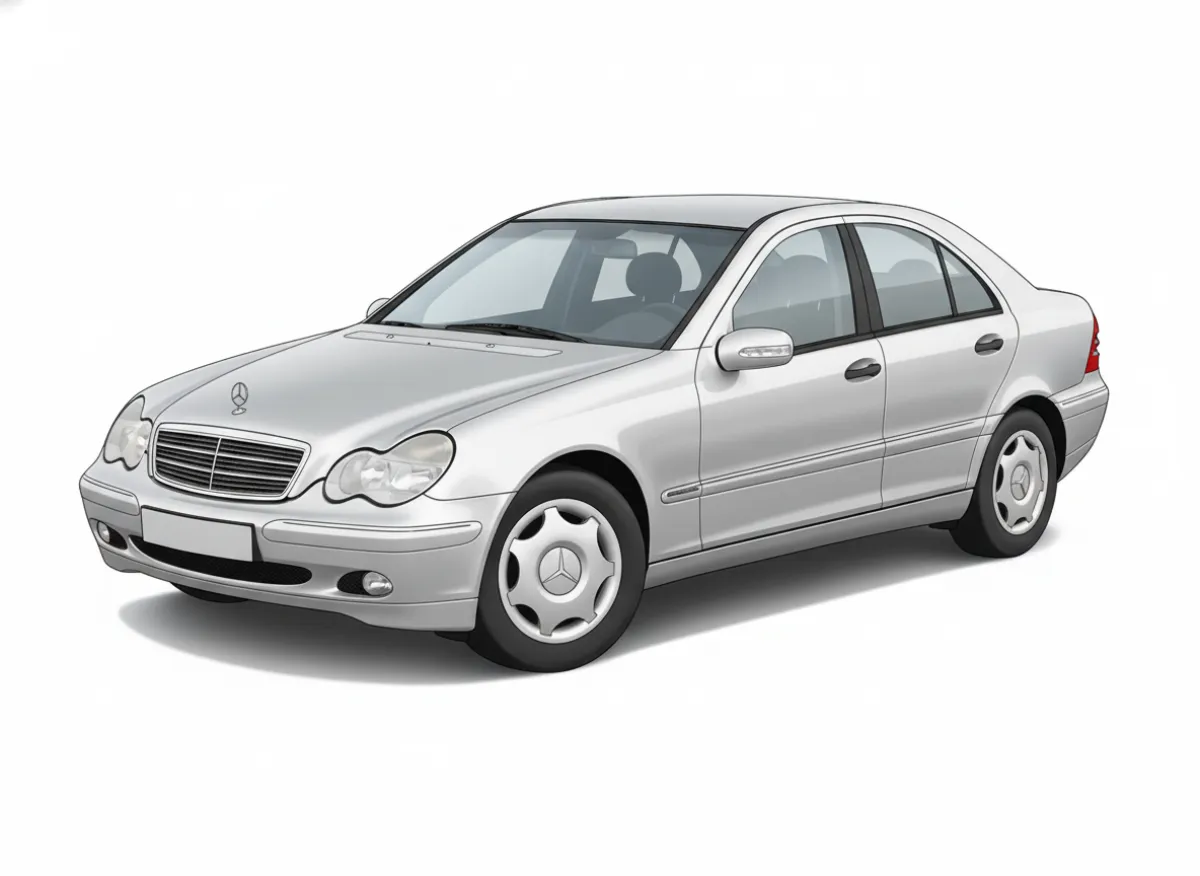 C-Class (W203)1999–2010
 Vision SLA1999
2000s
26 launched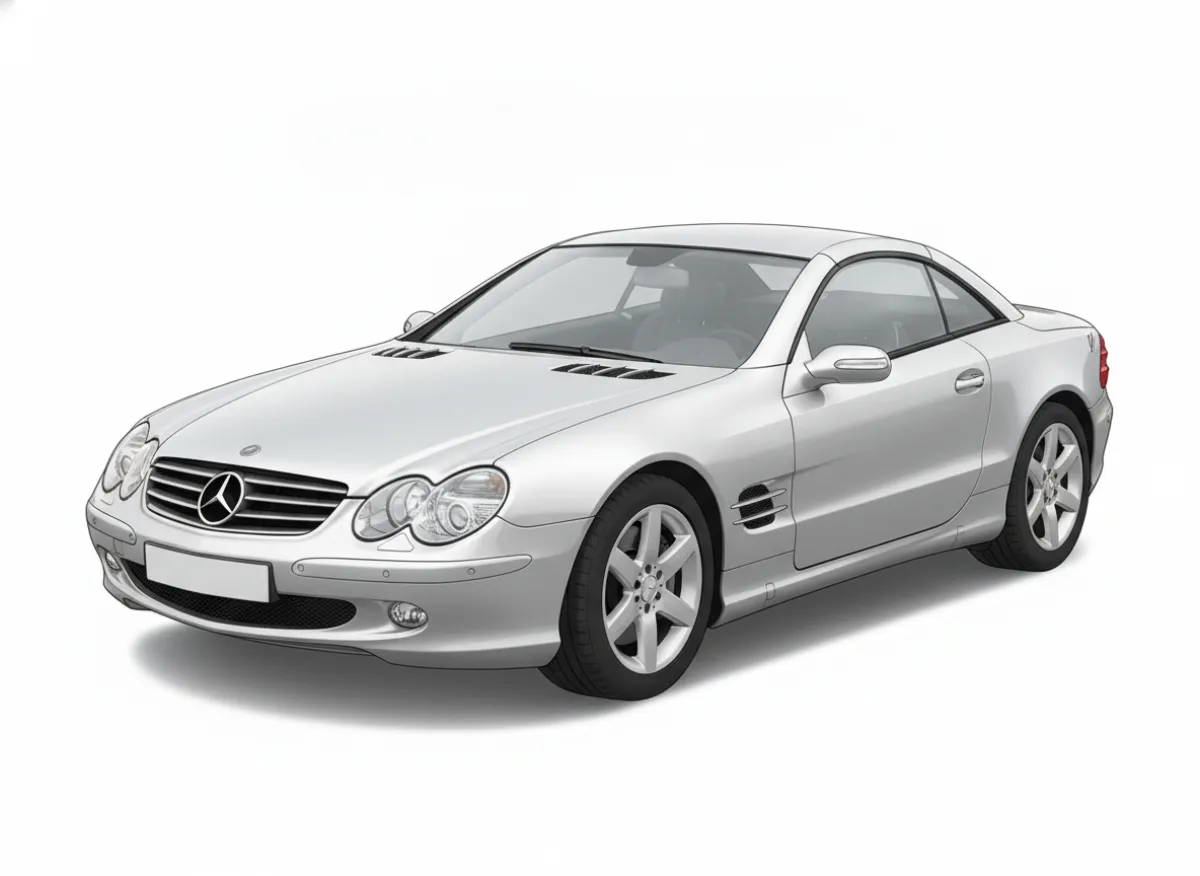 SL-Class (R230)2000–2011
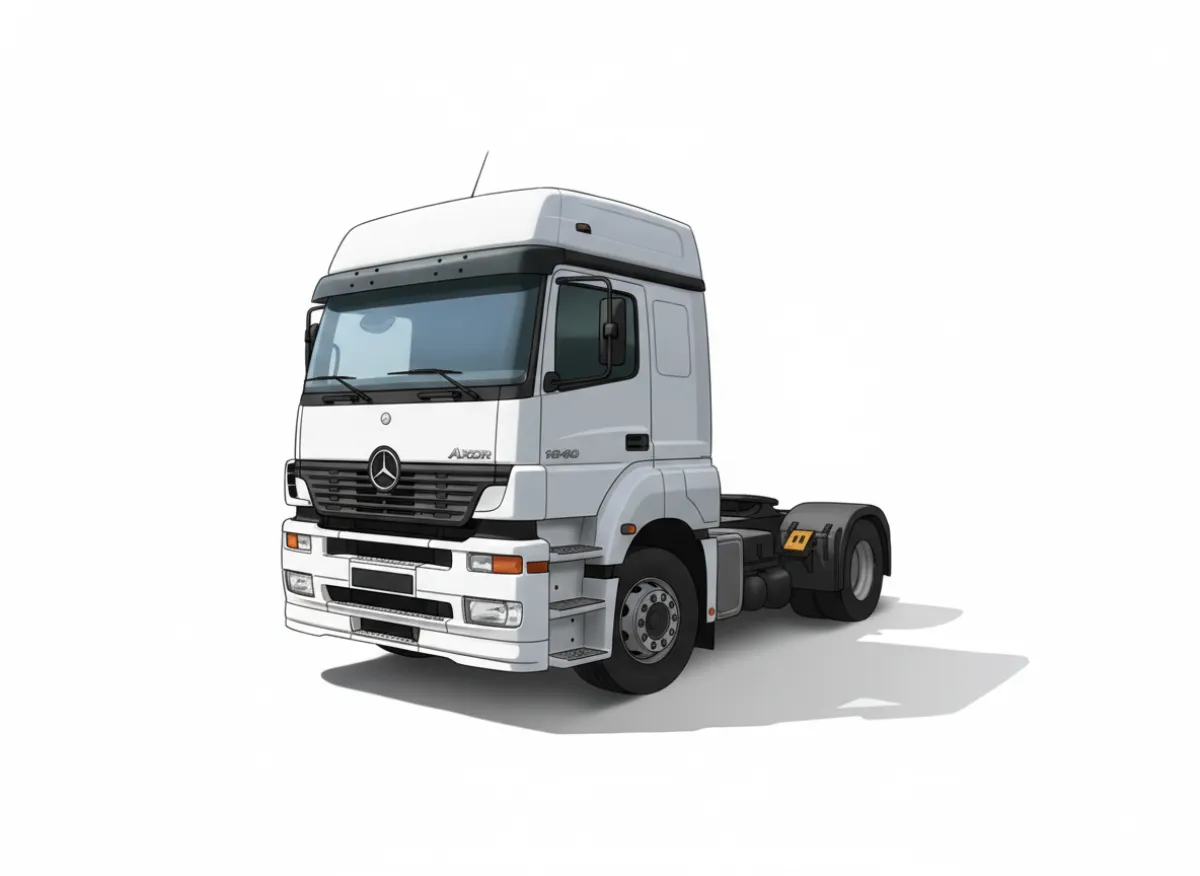 Axor2001–
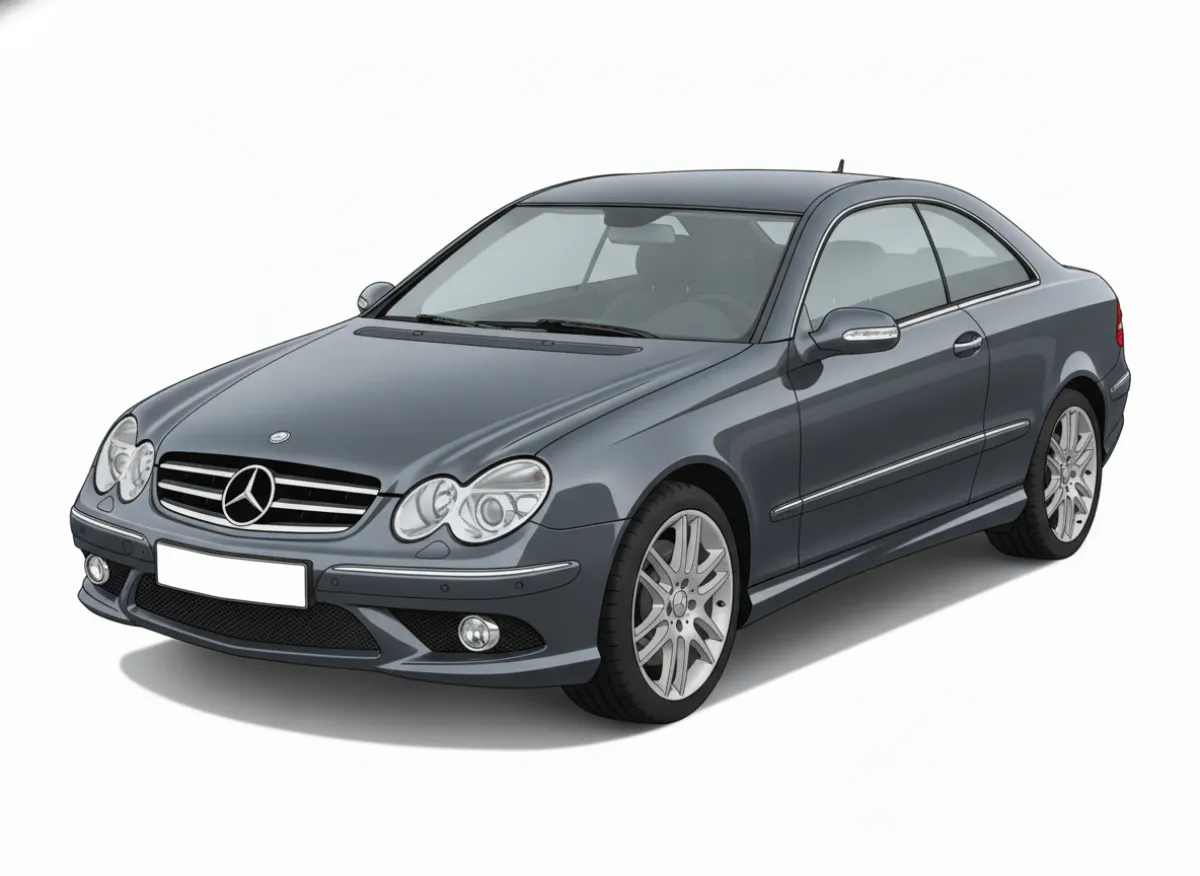 CLK-Class (C209)2001–2009
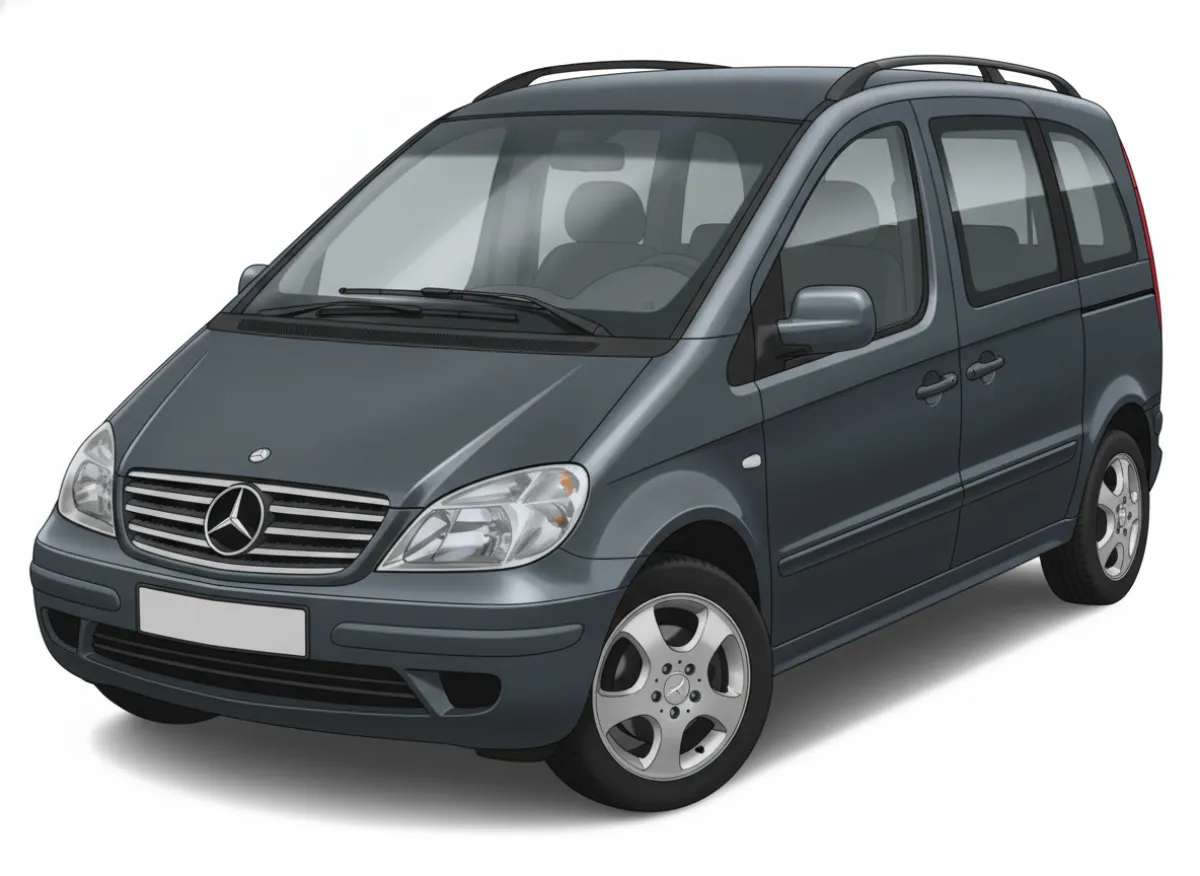 Vaneo2001–2005
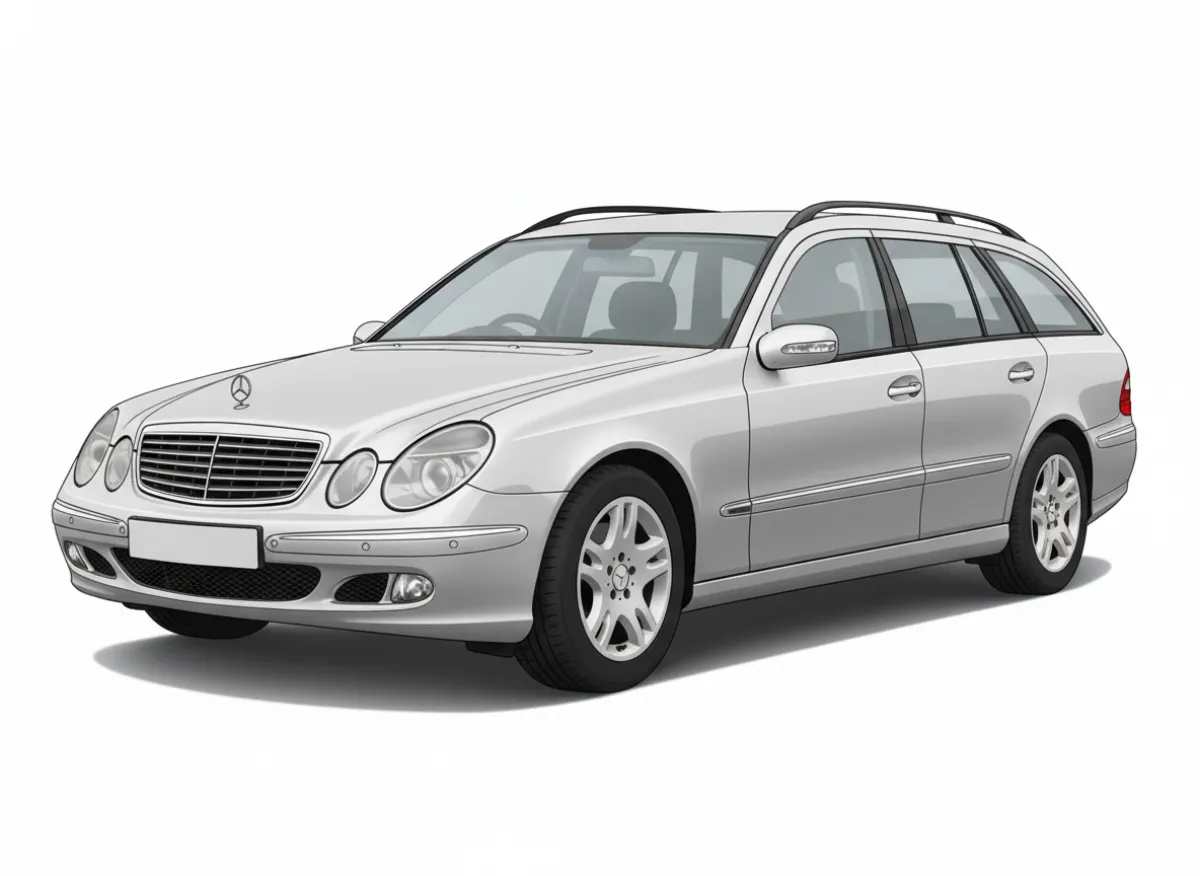 E-Class (W211)2002–2009
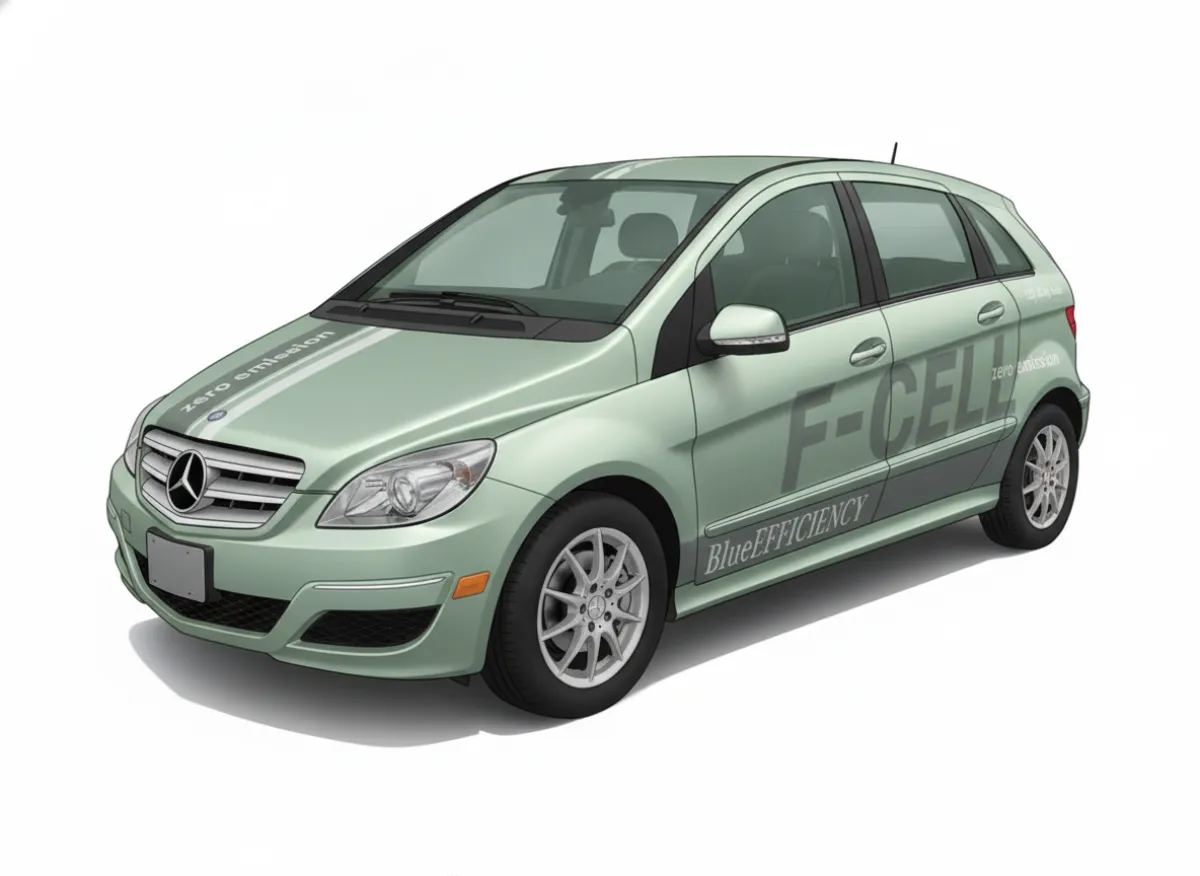 F-Cell2002–2010
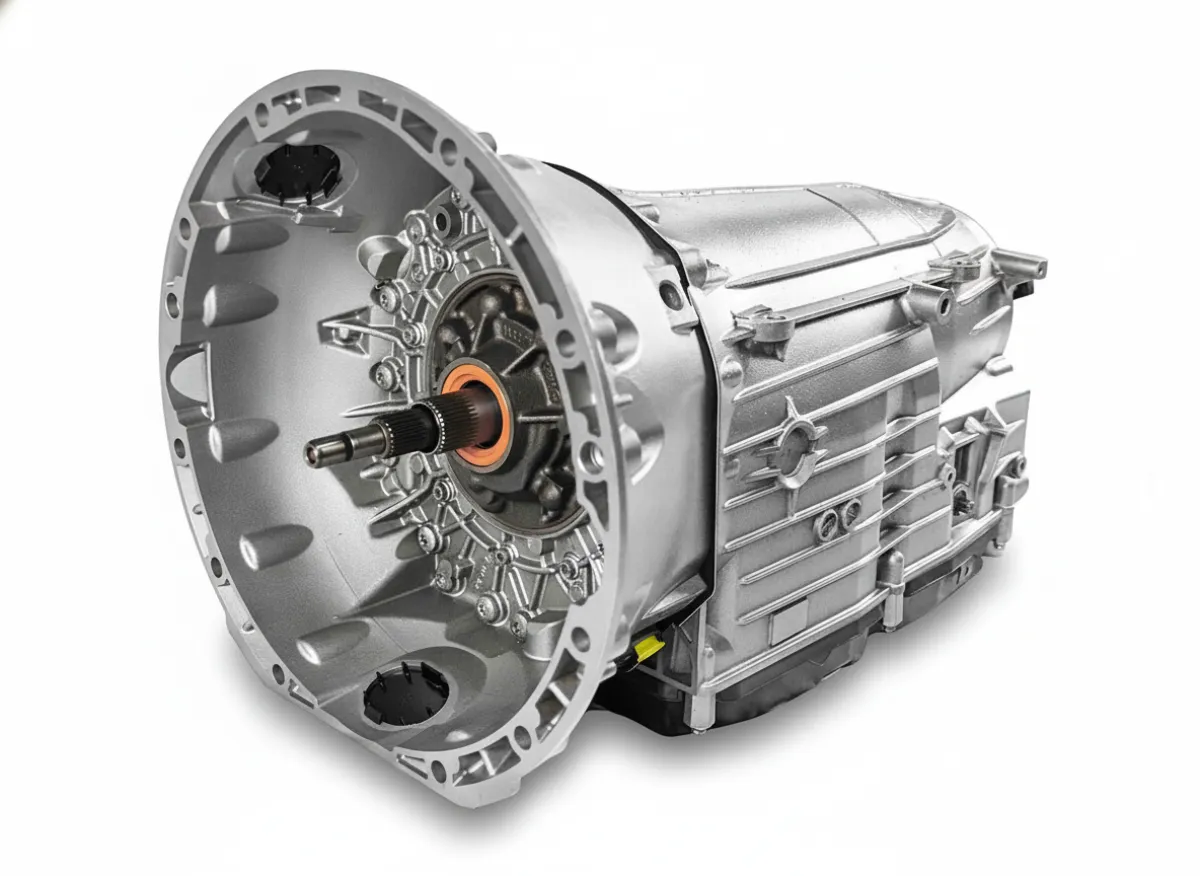 7G-Tronic transmission2003–2020
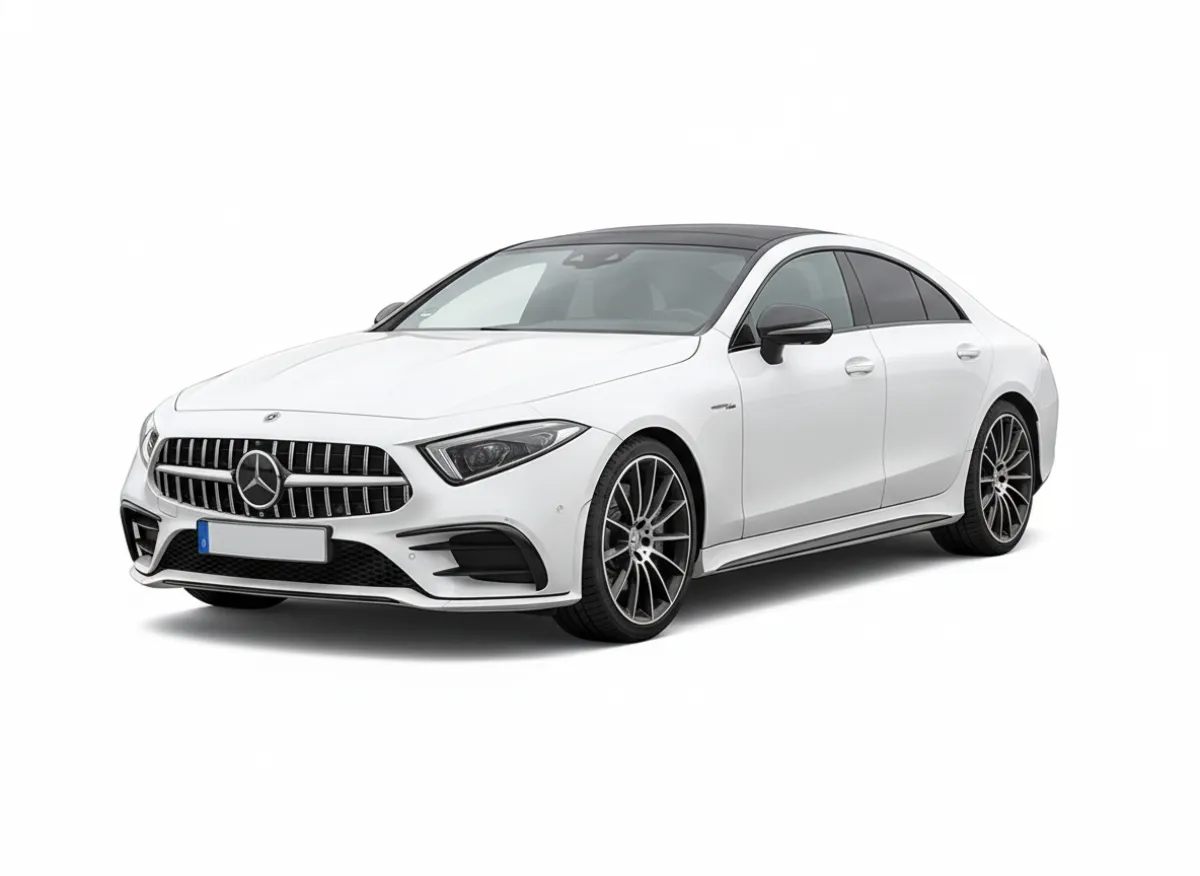 CLS2003–2023
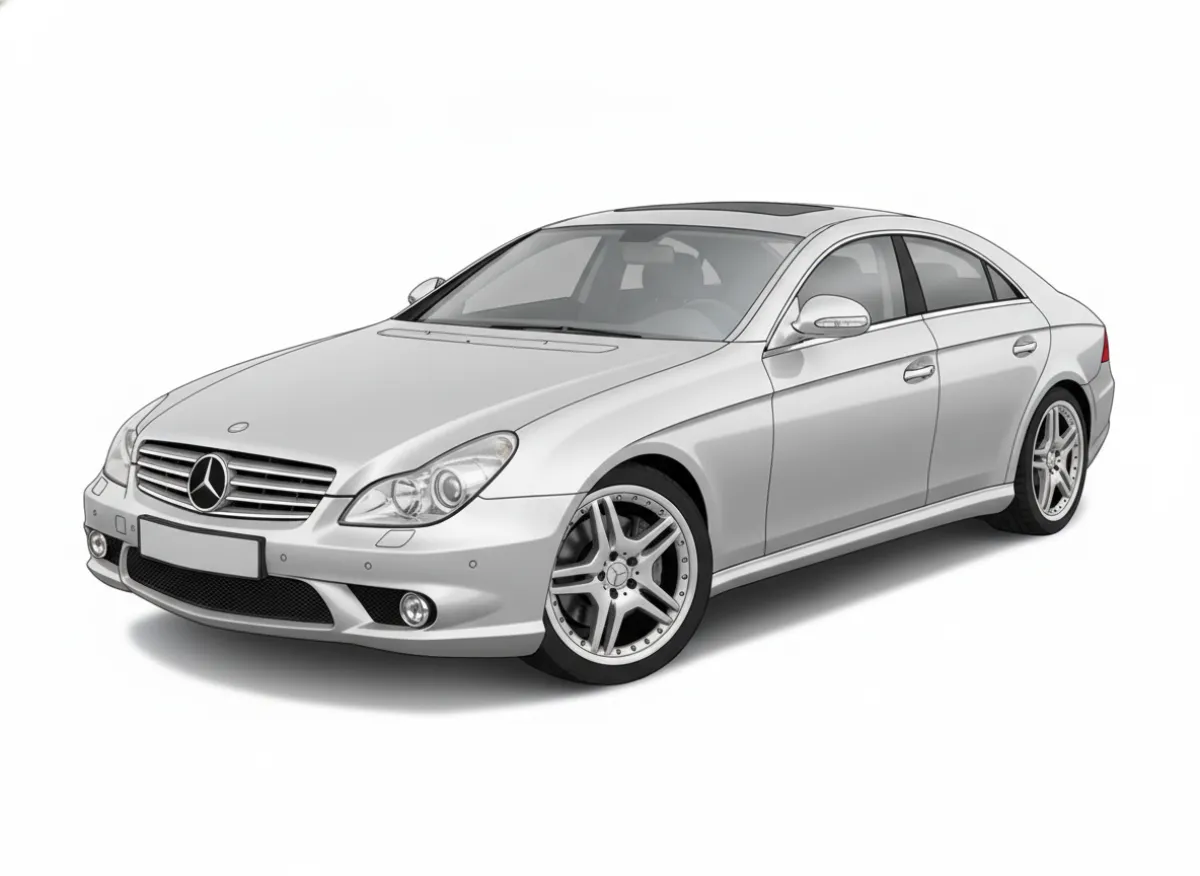 CLS-Class (C219)2003–2010
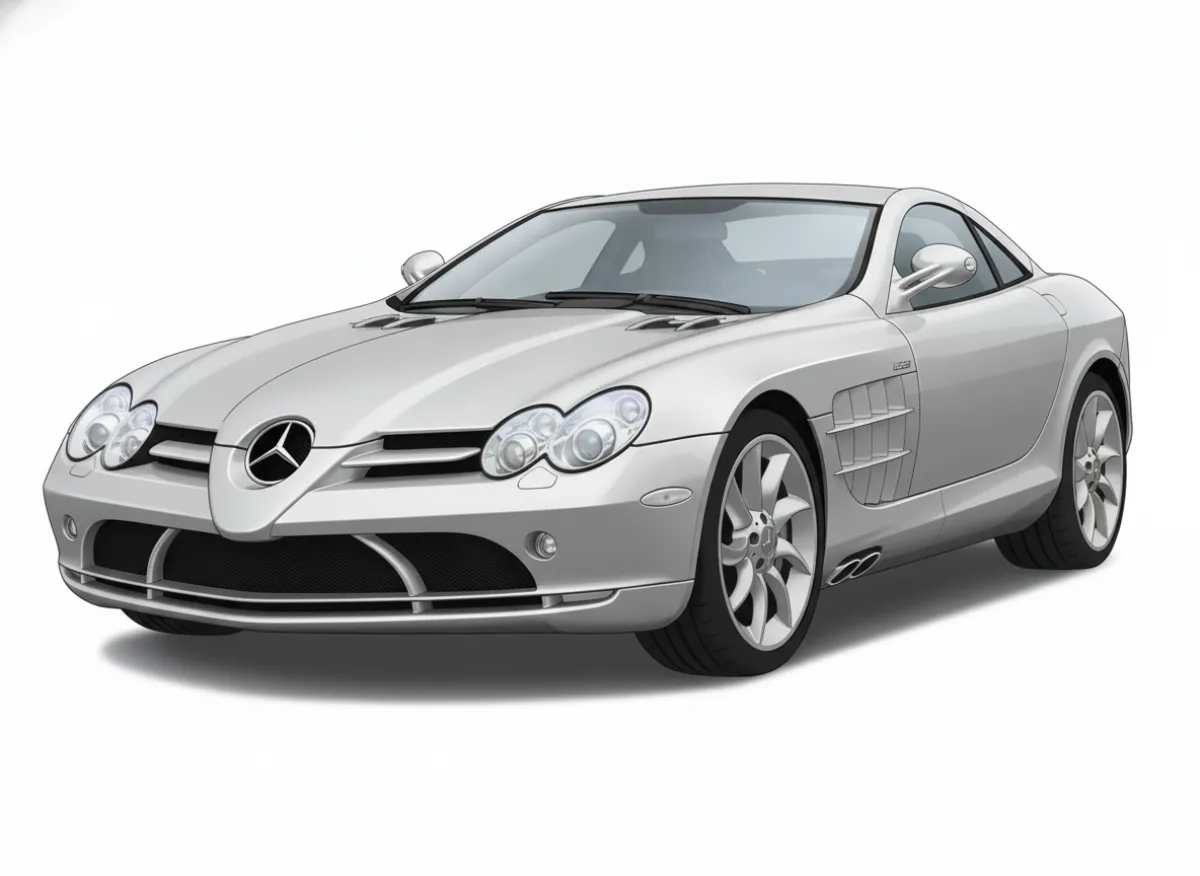 SLR McLaren2003–2010
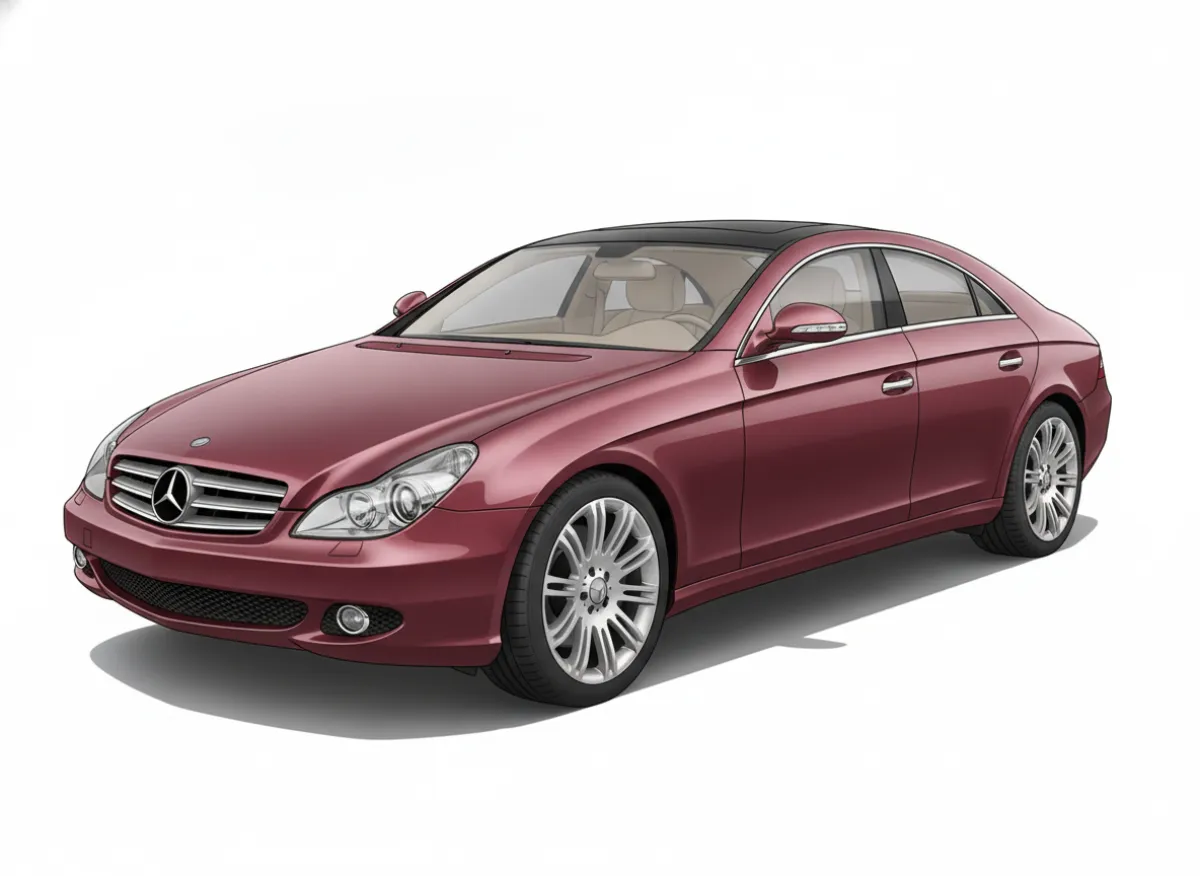 Vision CLS2003
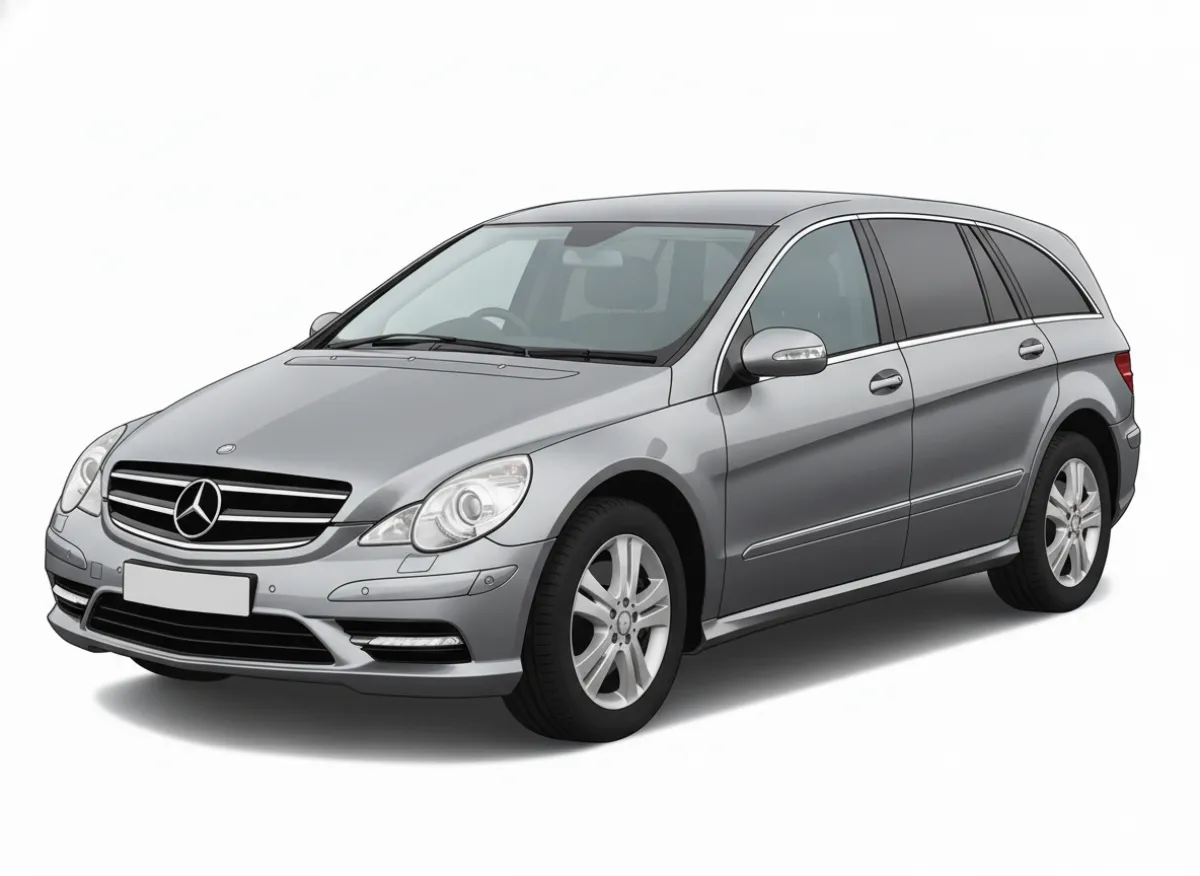 R-Class2004–2017
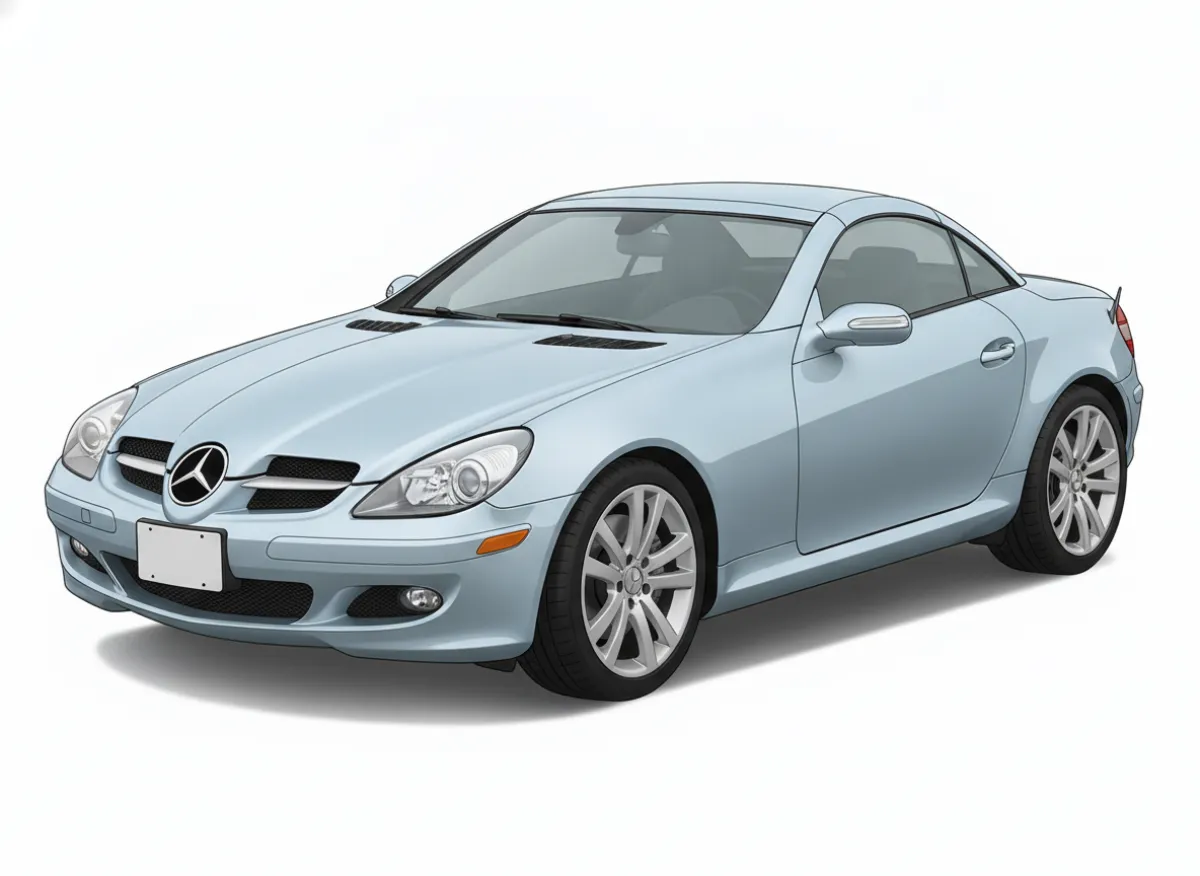 SLK-Class (R171)2004–2011
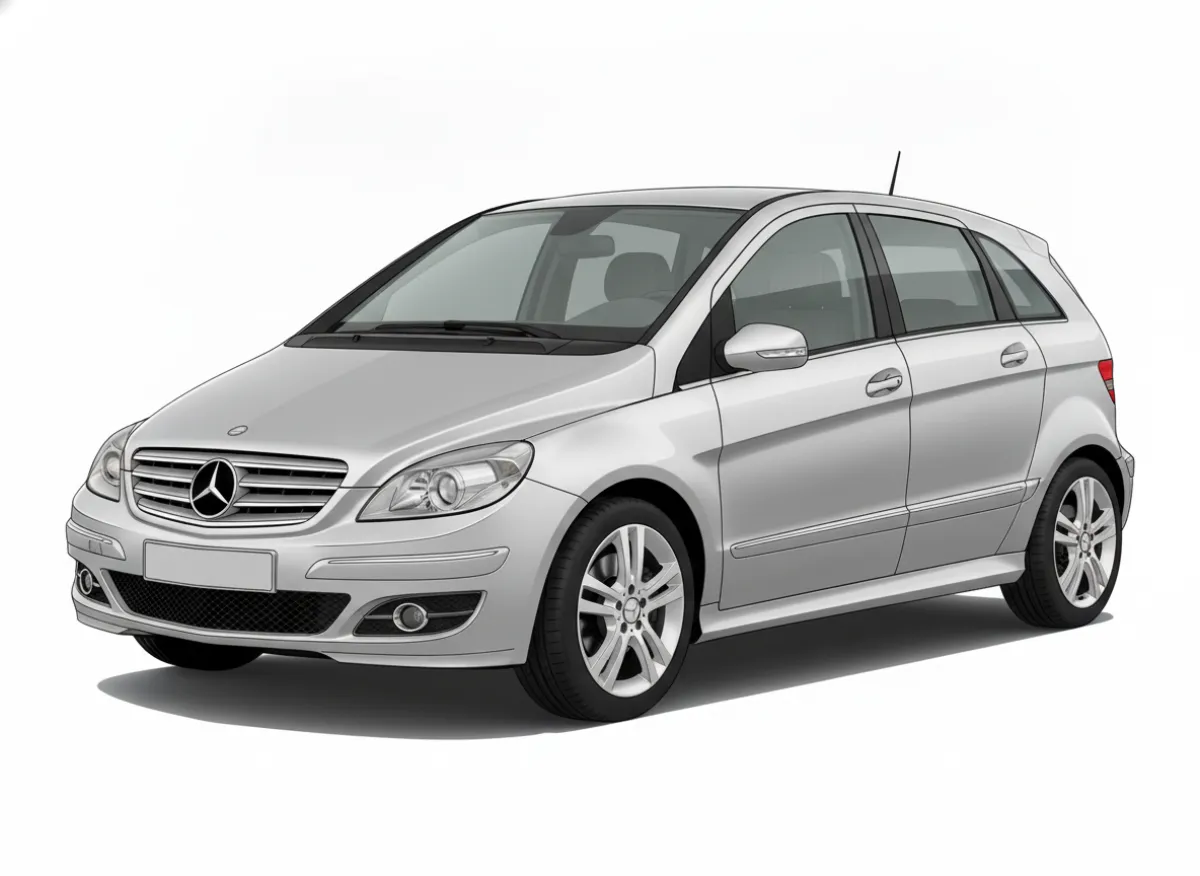 B-Class2005–2026 · 2 gen.
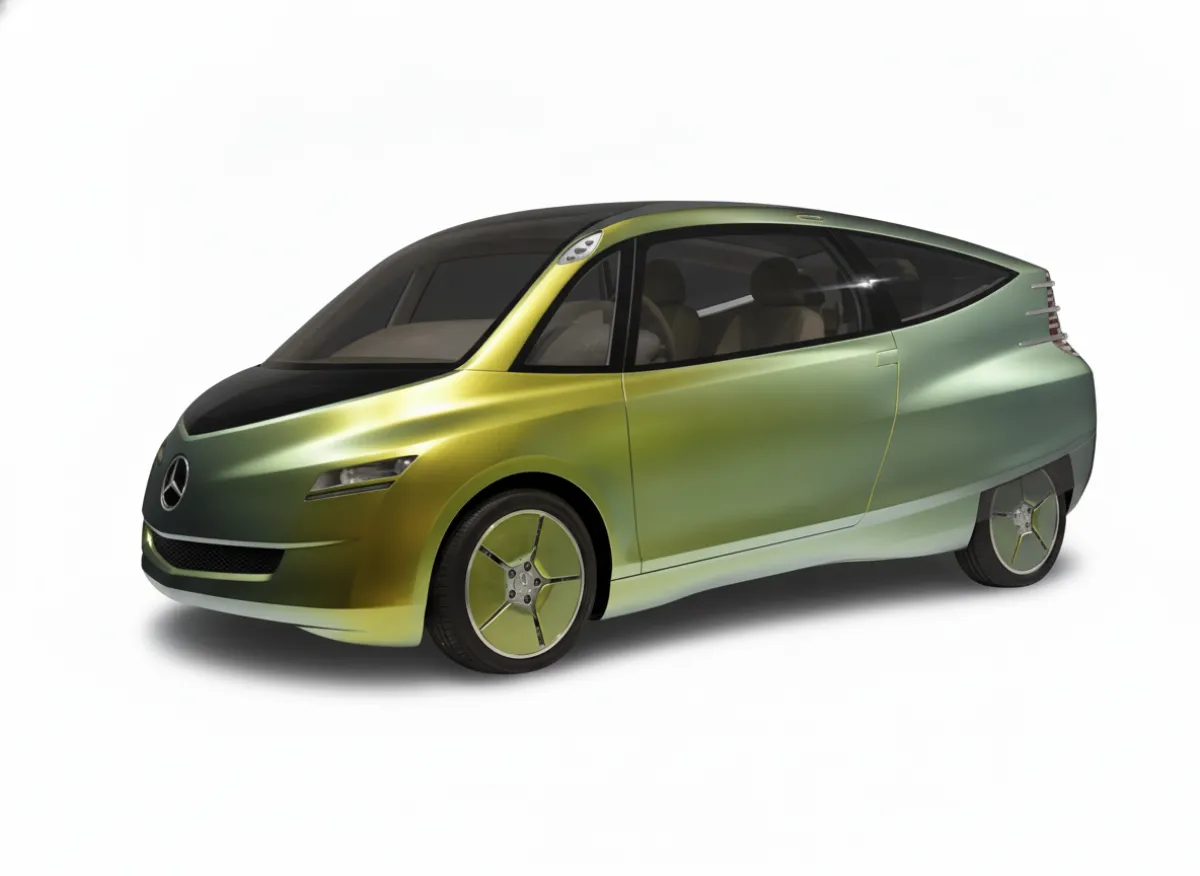 Bionic2005
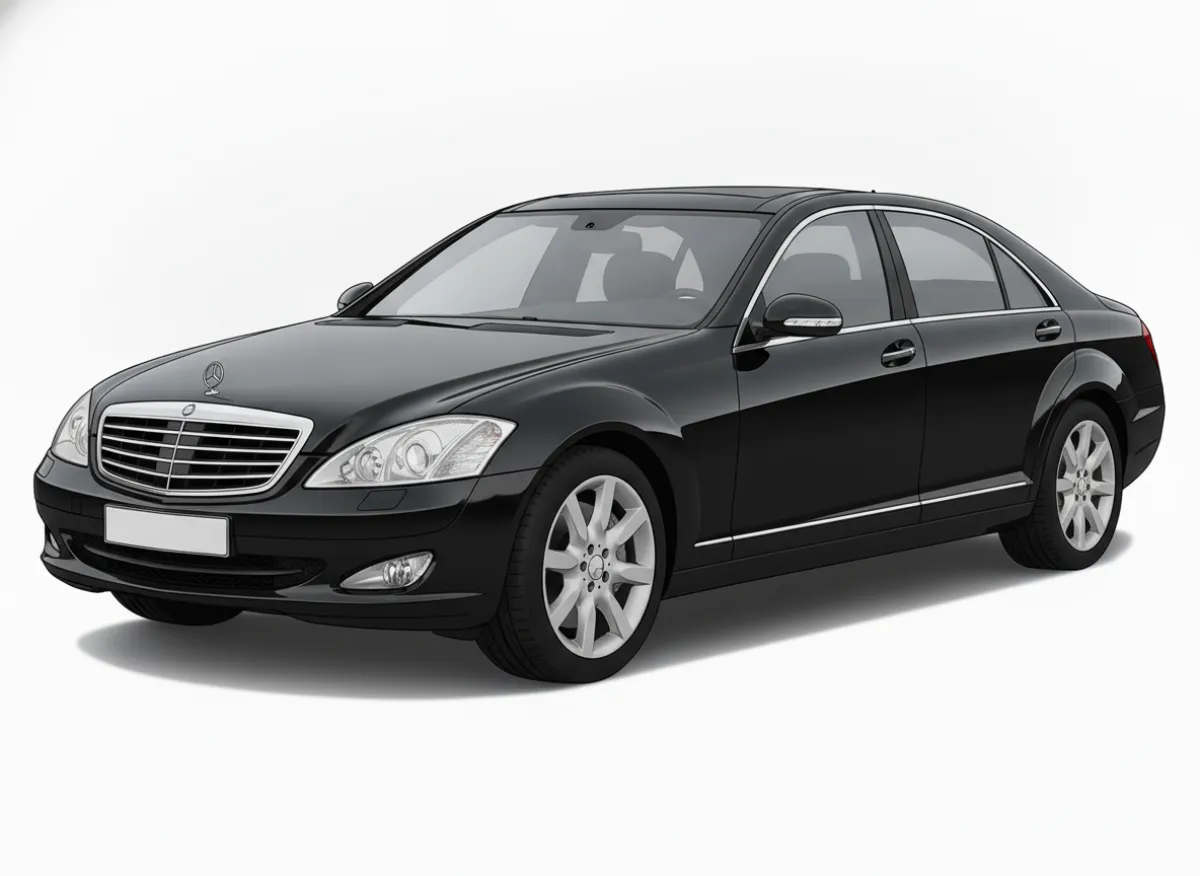 S-Class (W221)2005–2013
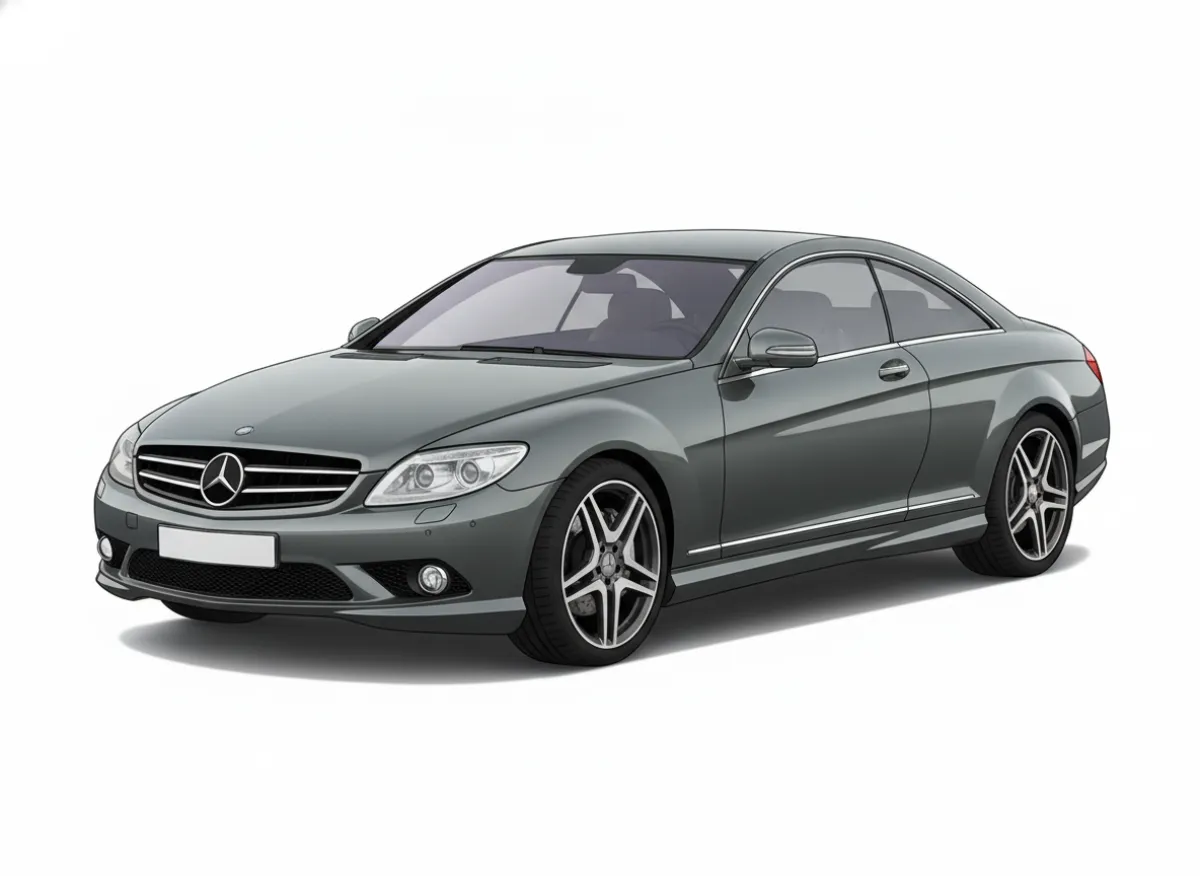 CL-Class (C216)2006–2014
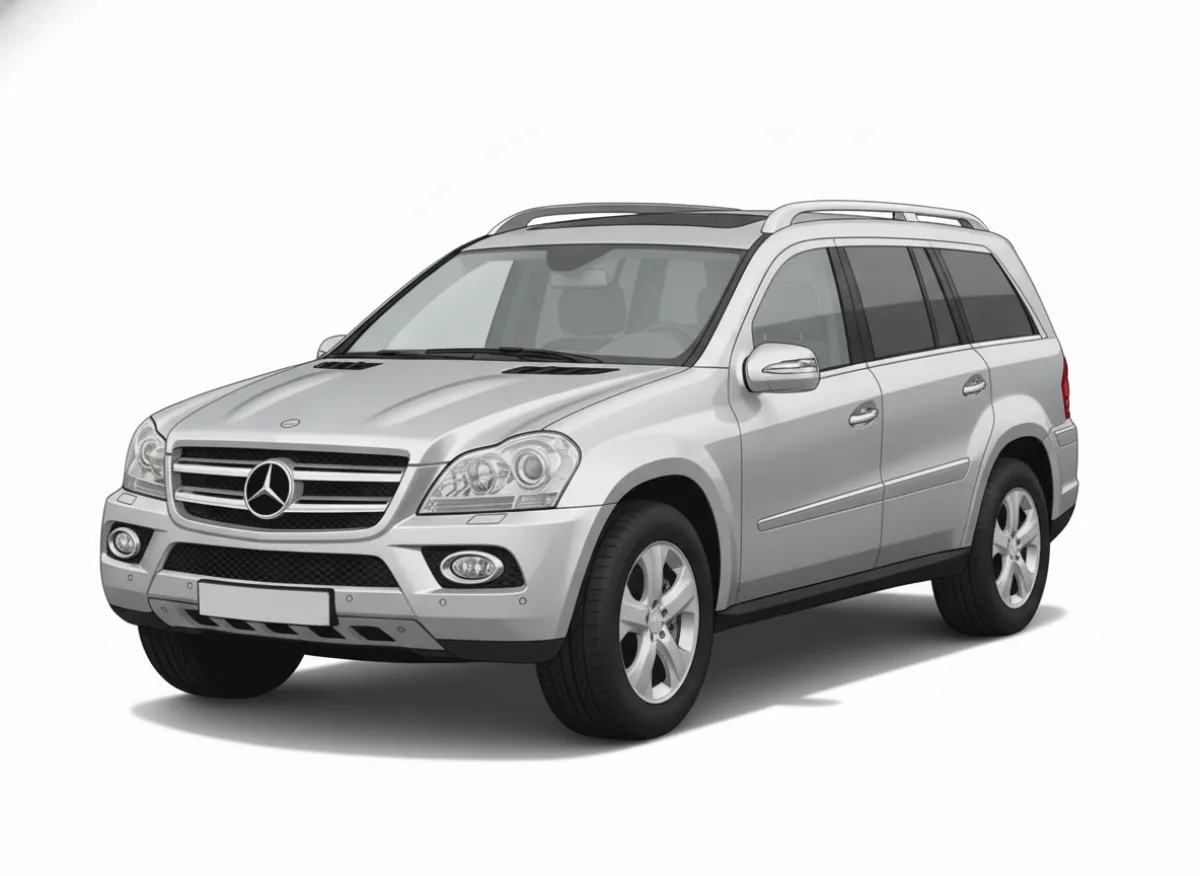 GL-Class (X164)2006–2012
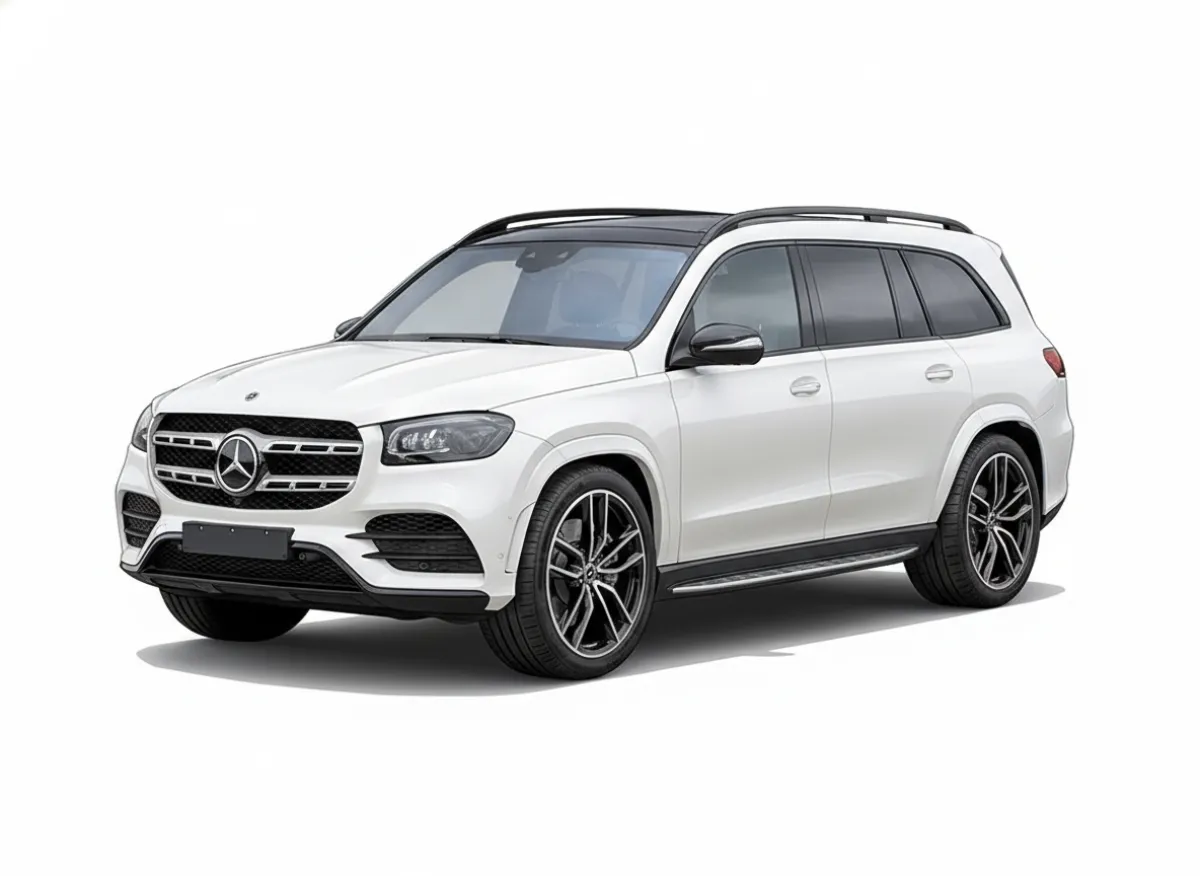 GLS2006–
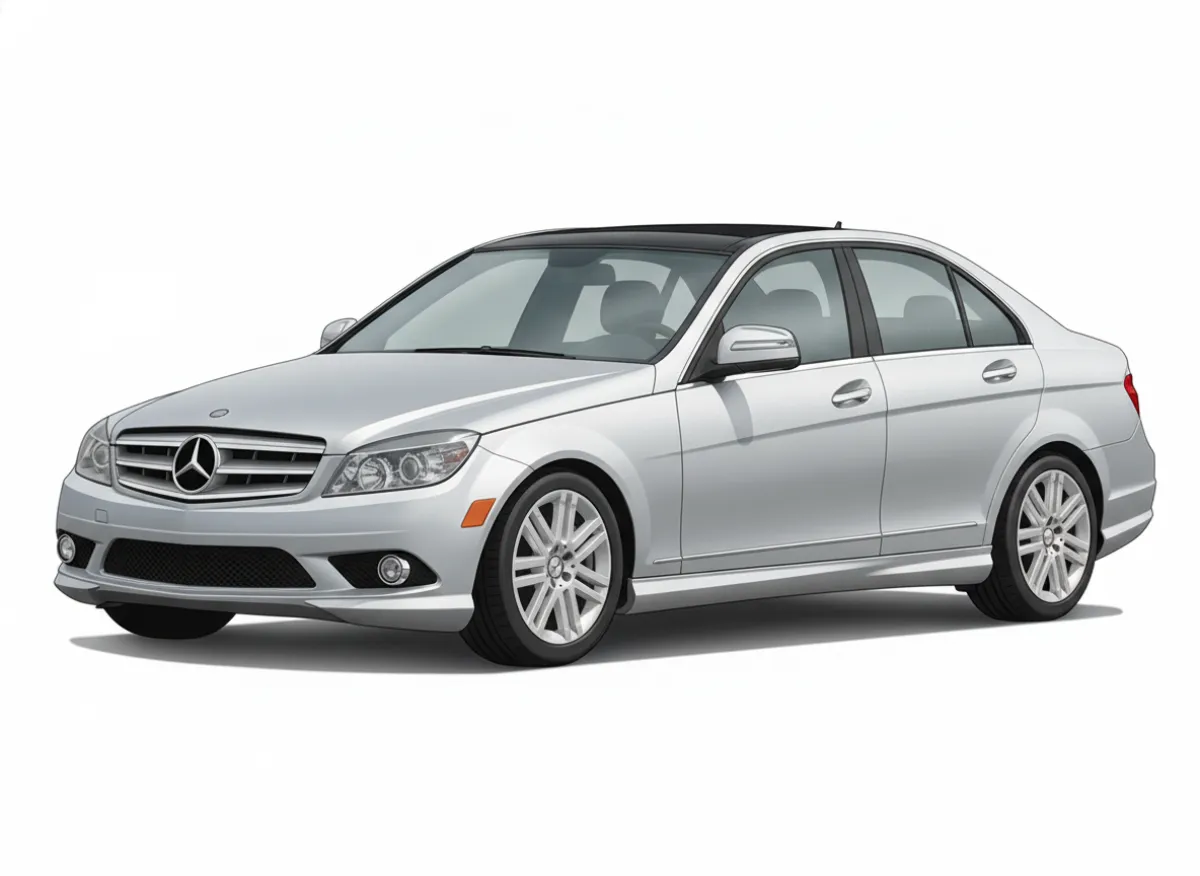 C-Class (W204)2007–2015
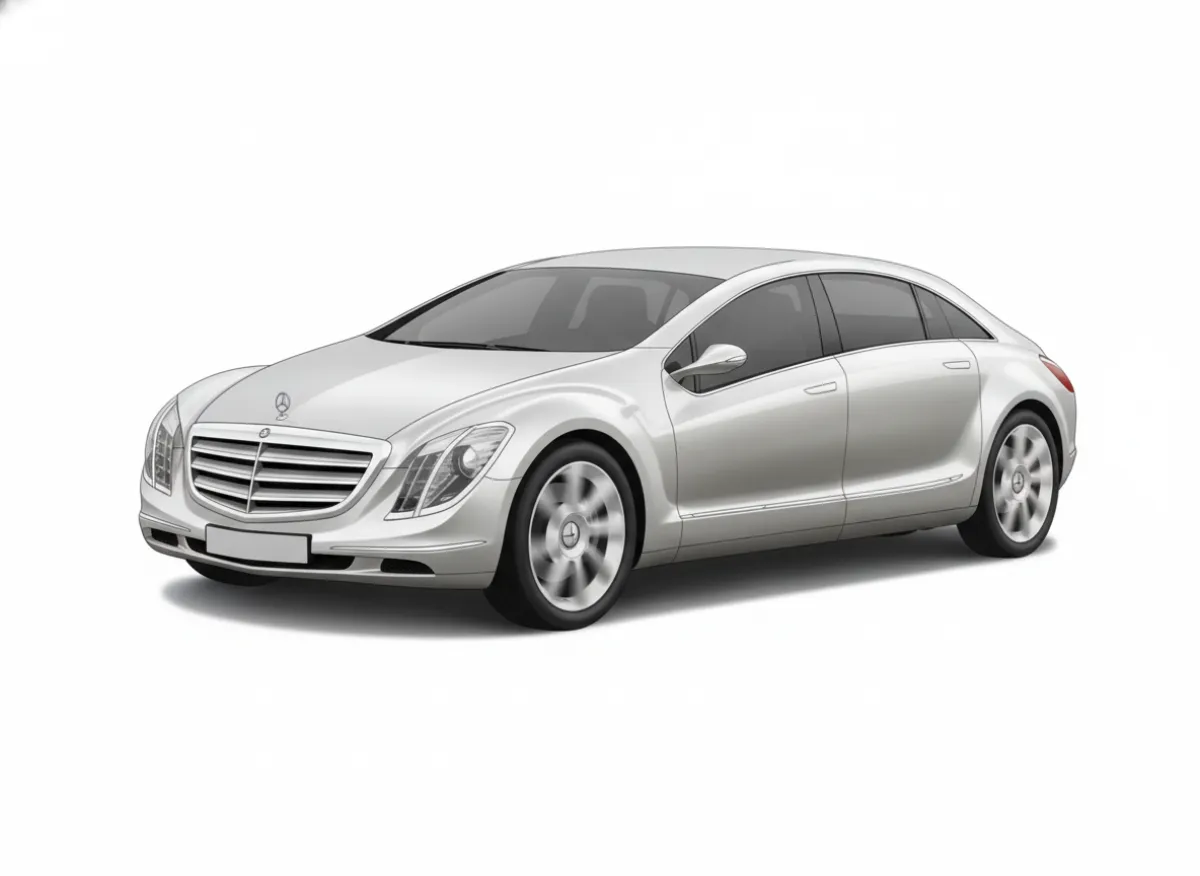 F7002007
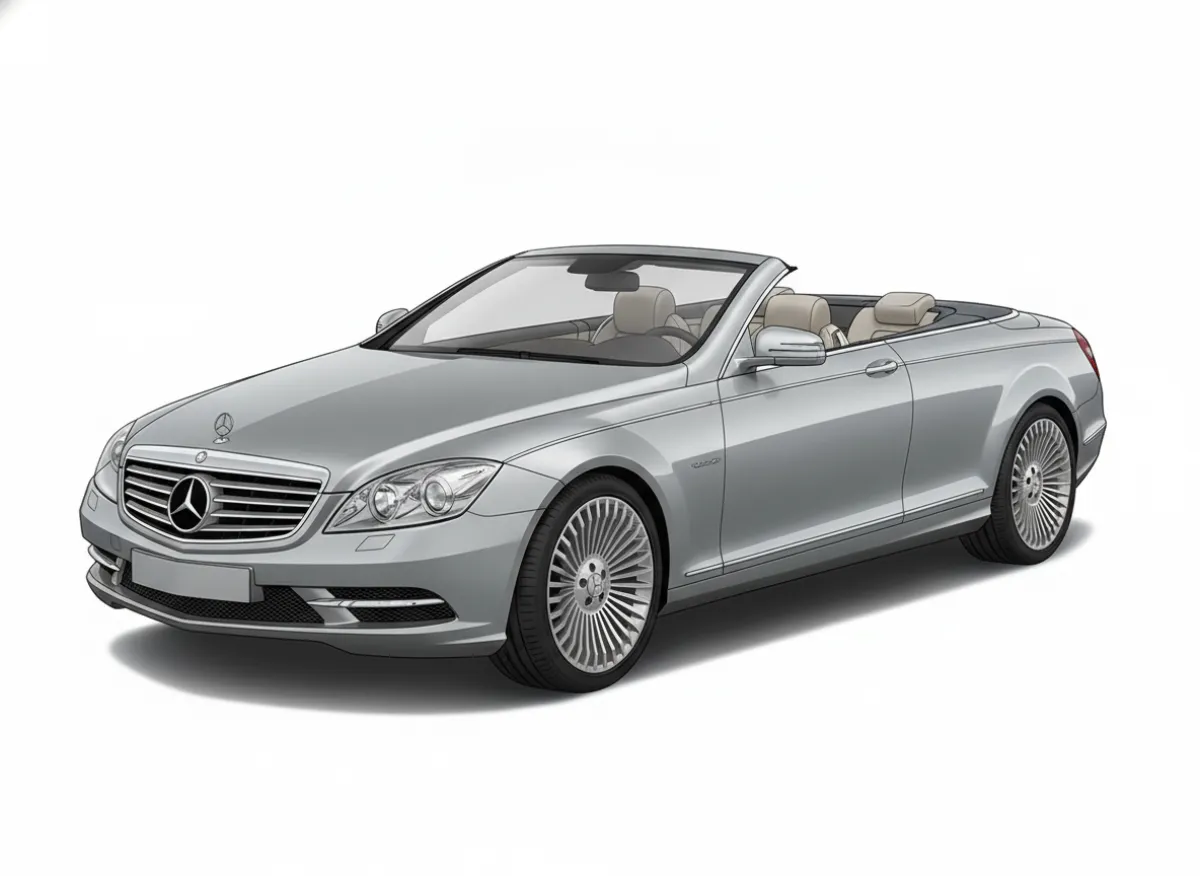 Ocean Drive2007
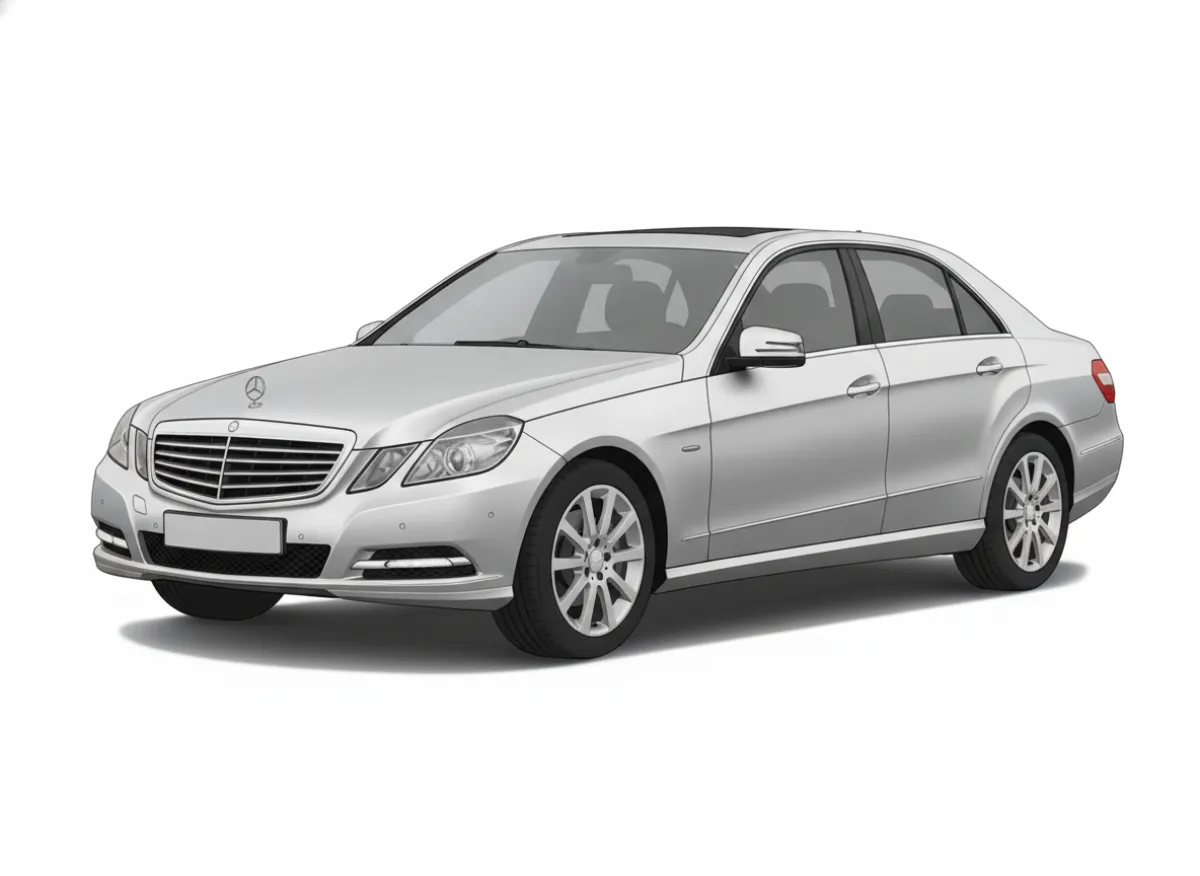 E-Class (W212)2008–2016
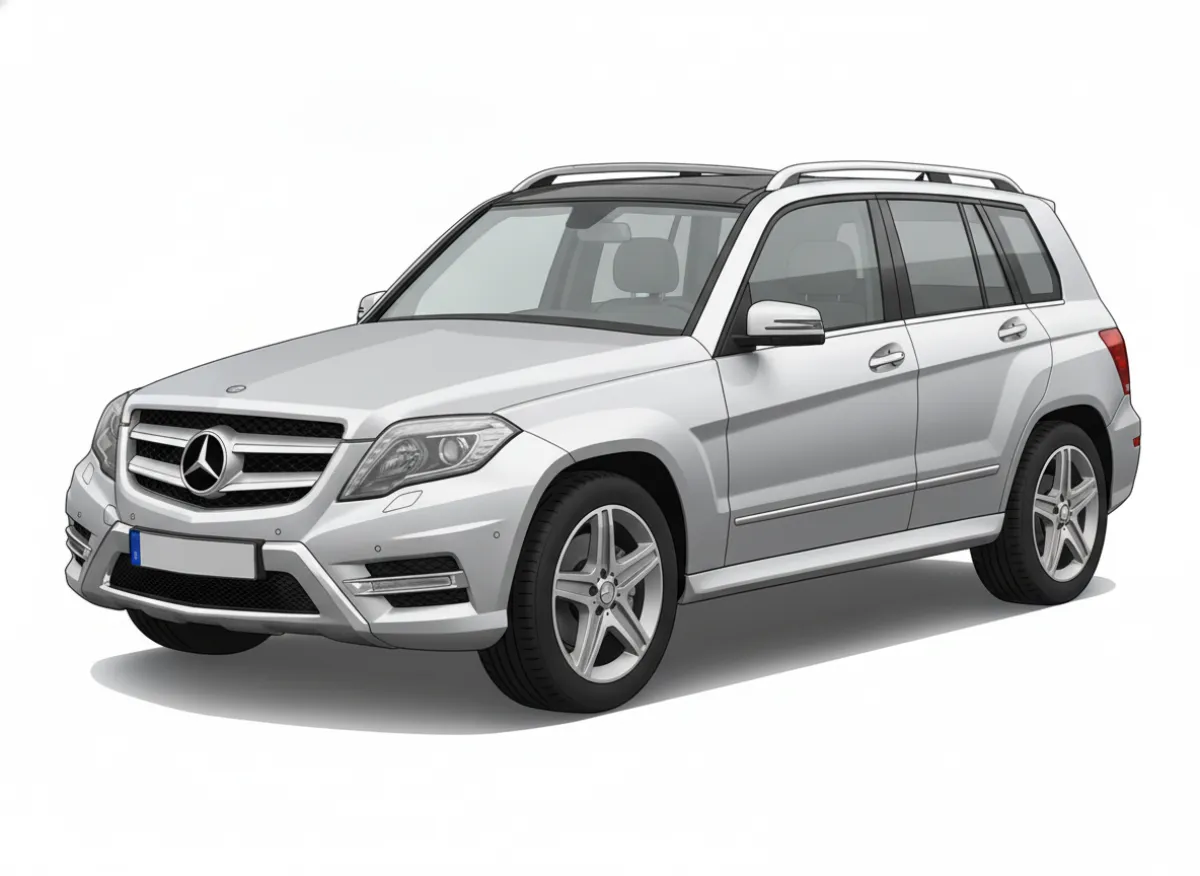 GLK-Class2008–2015
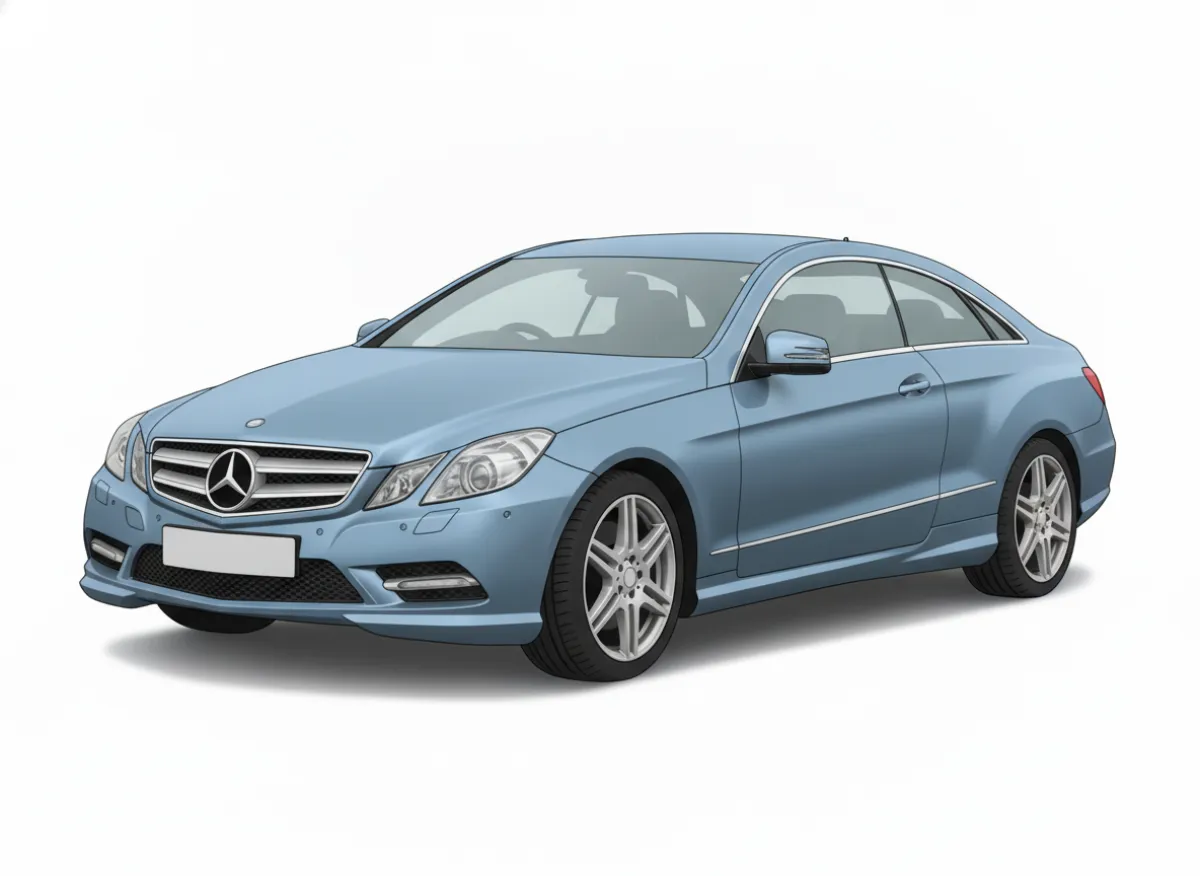 E-Class (C207)2009–2017
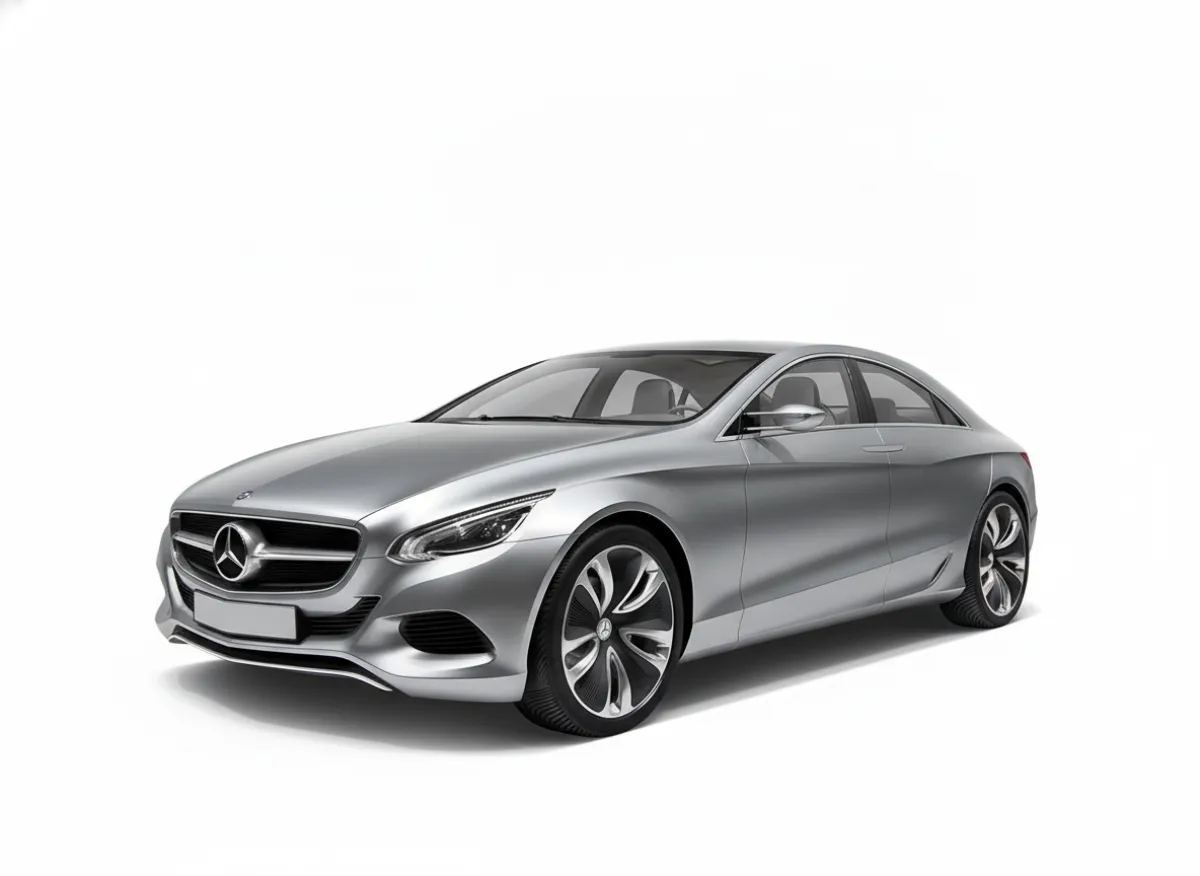 F8002009
2010s
29 launched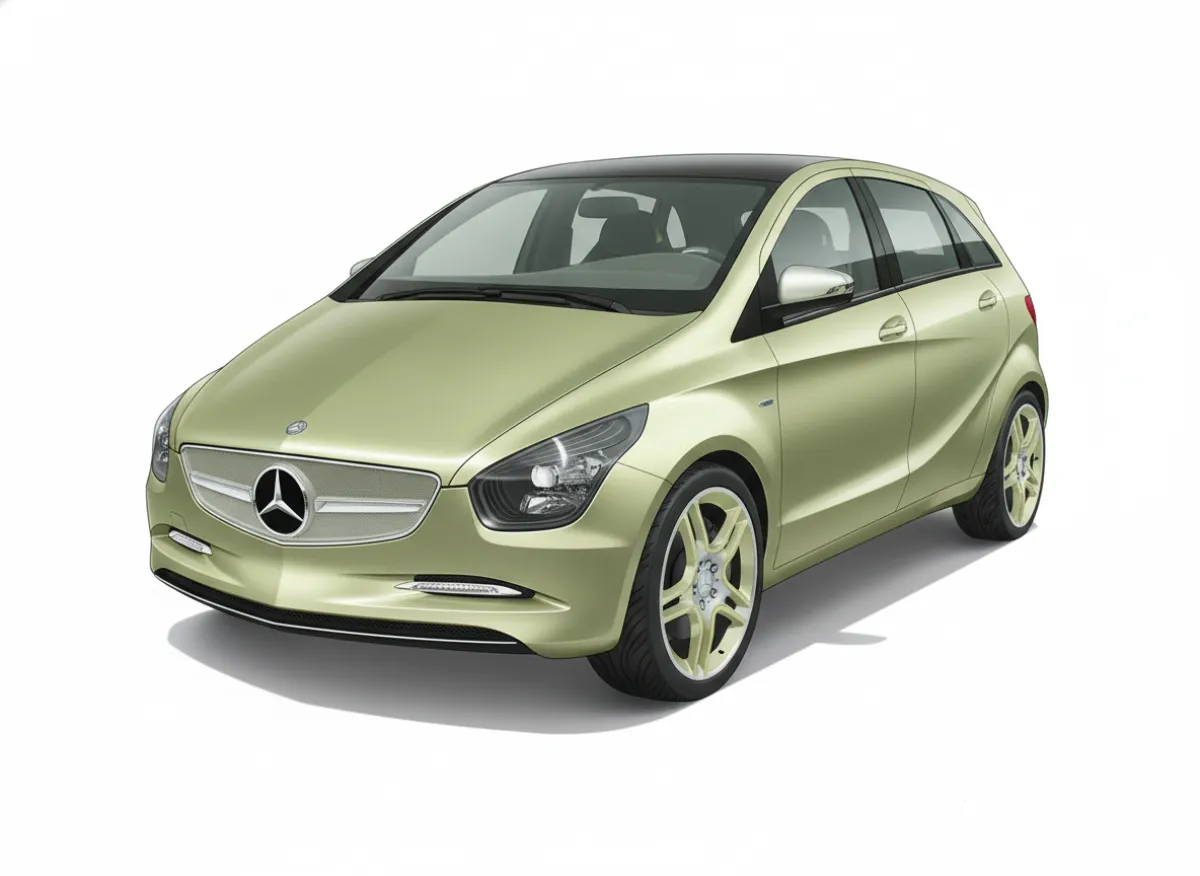 BlueZERO2010
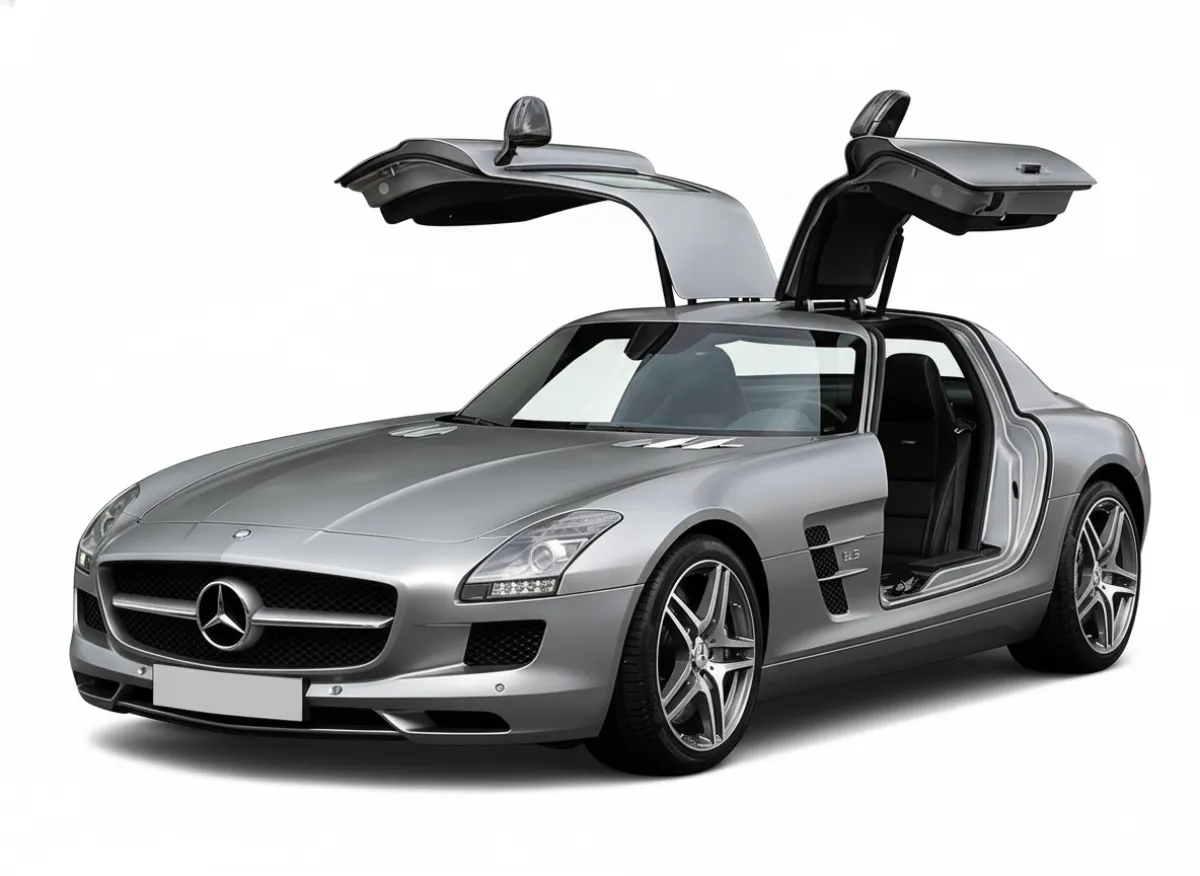 SLS AMG2010–2014 · 1 gen.
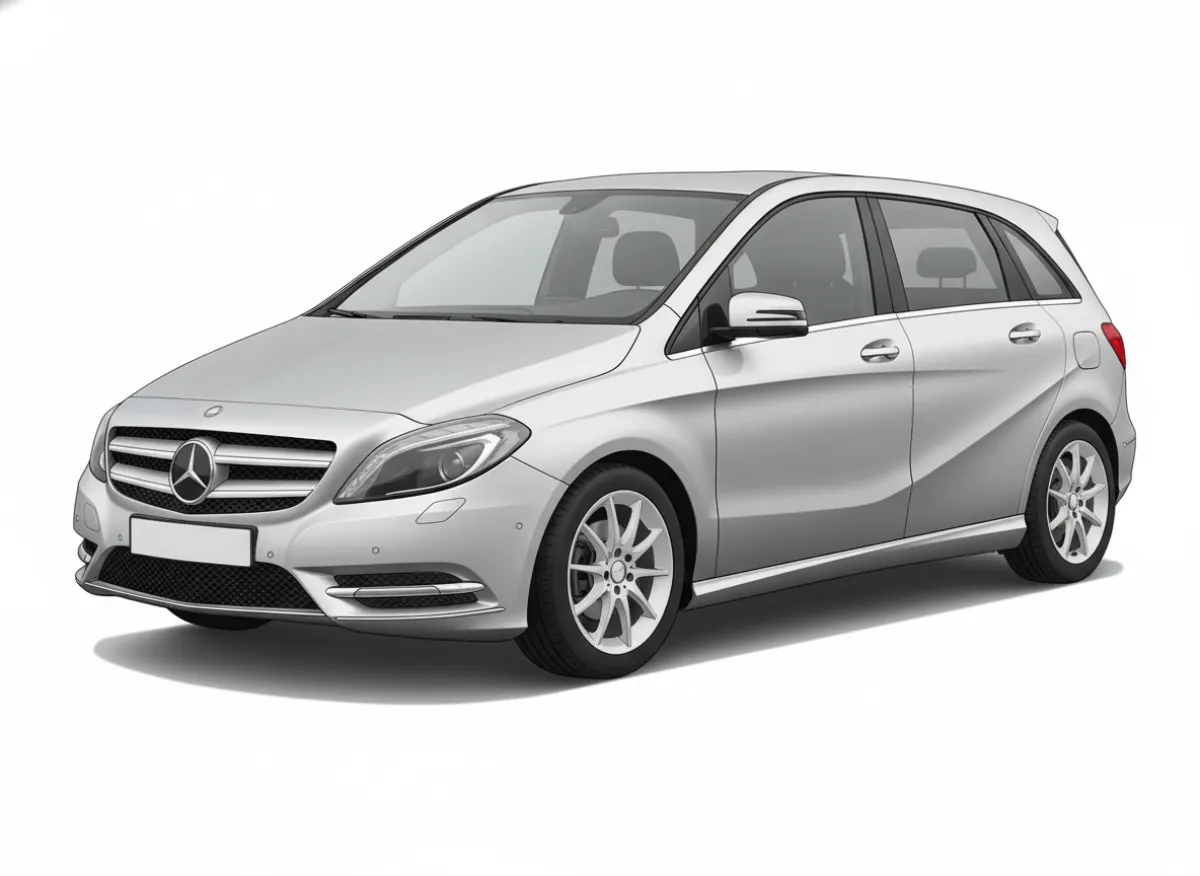 B-Class (W246)2011–2018
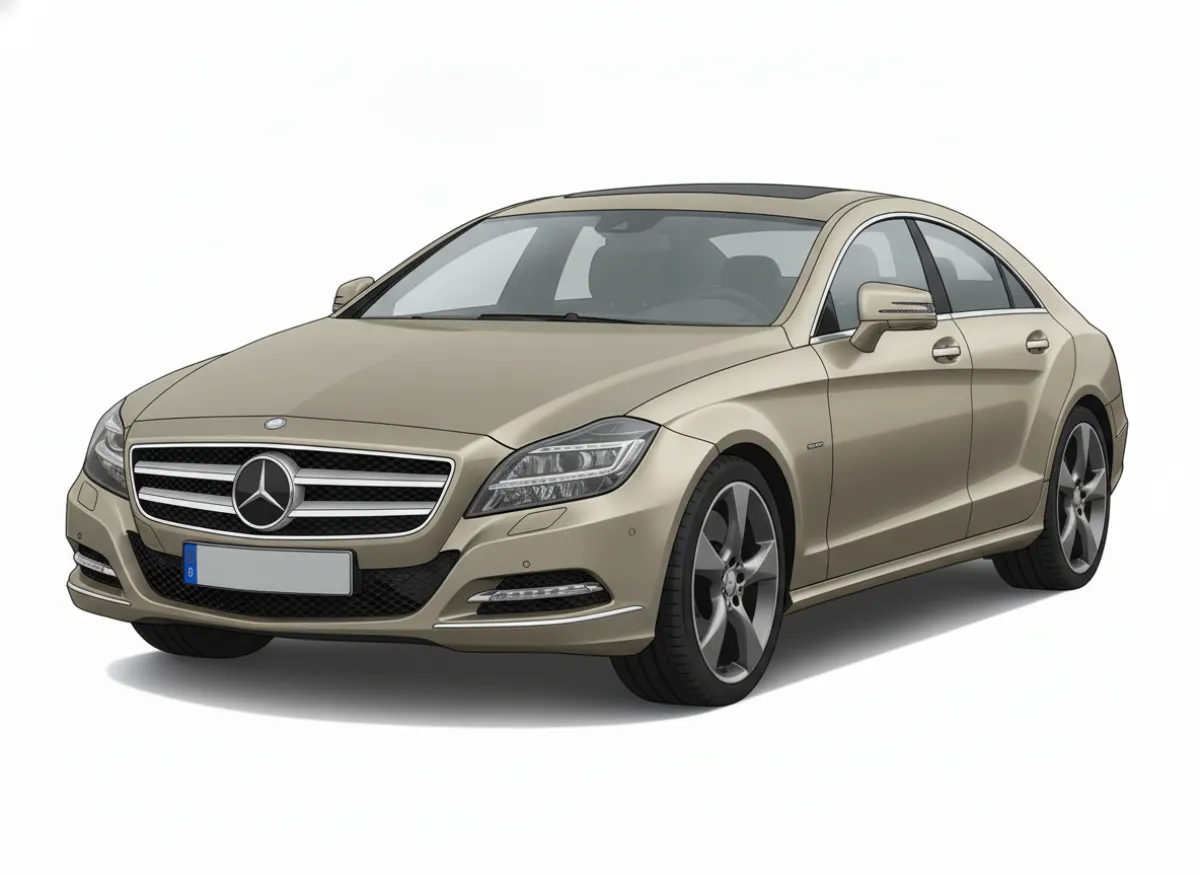 CLS-Class (C218)2011–2017
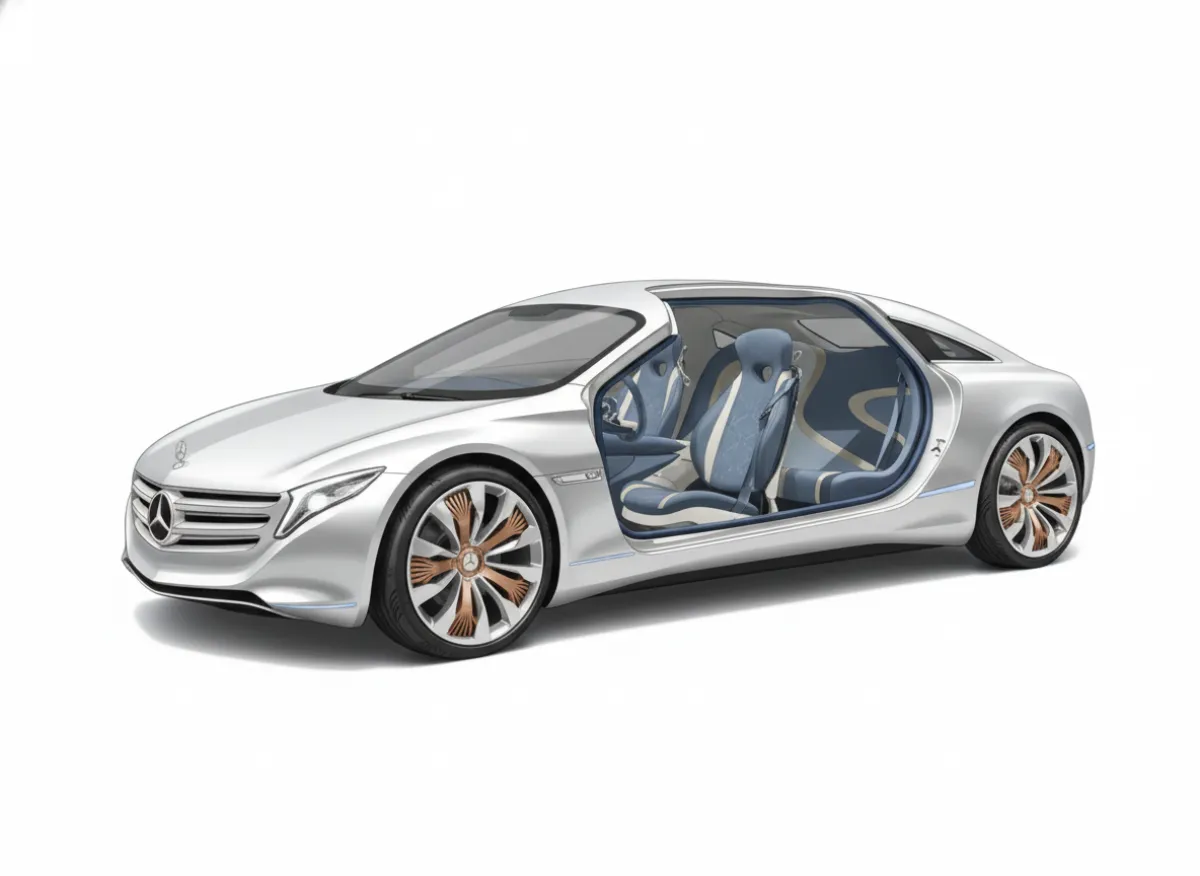 F1252011
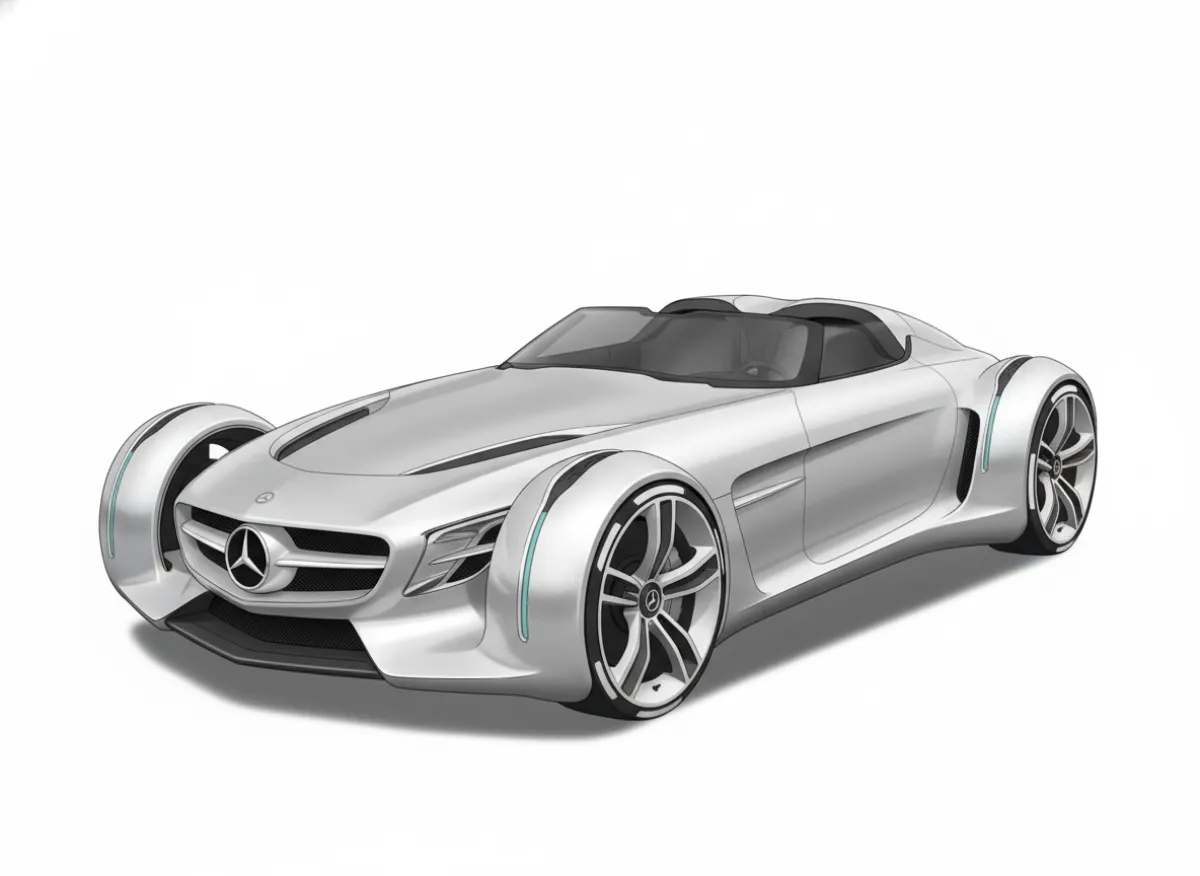 Silver Lightning2011
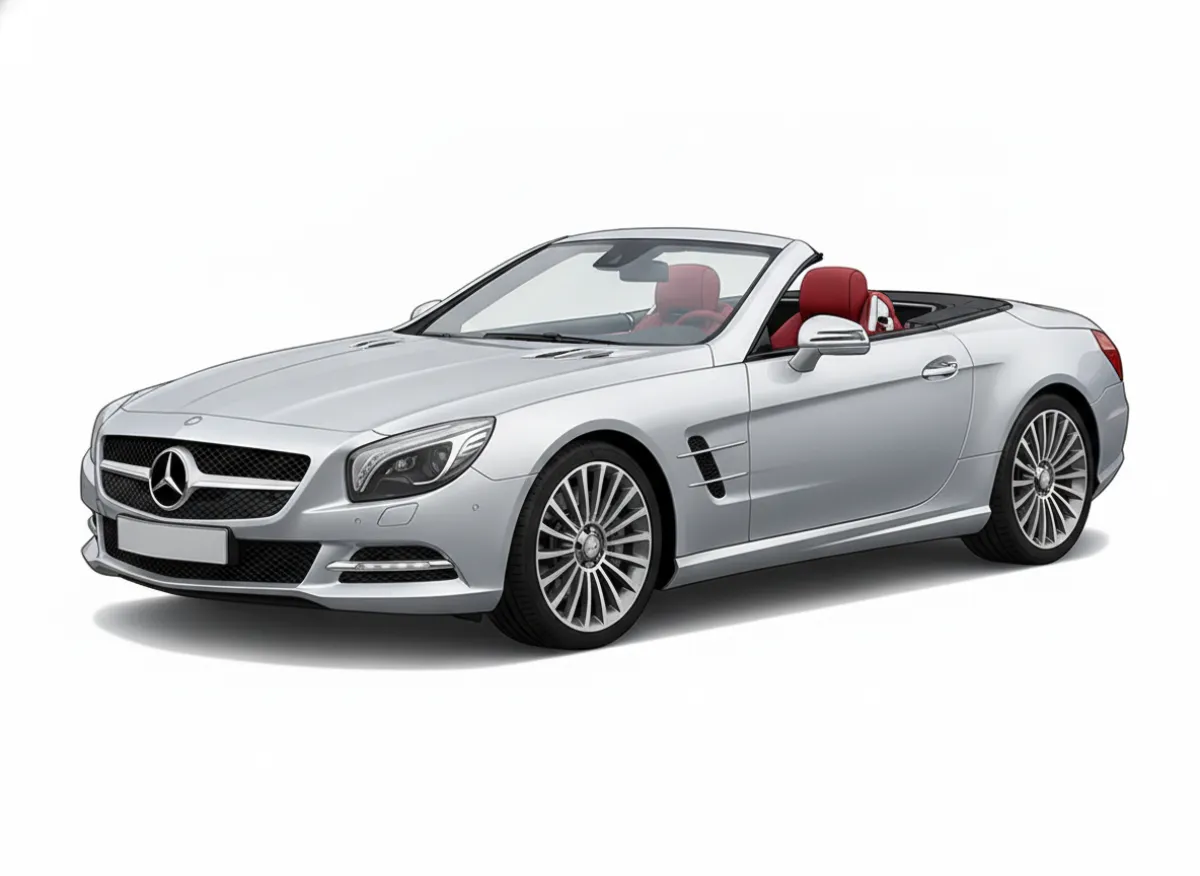 SL-Class (R231)2011–2020
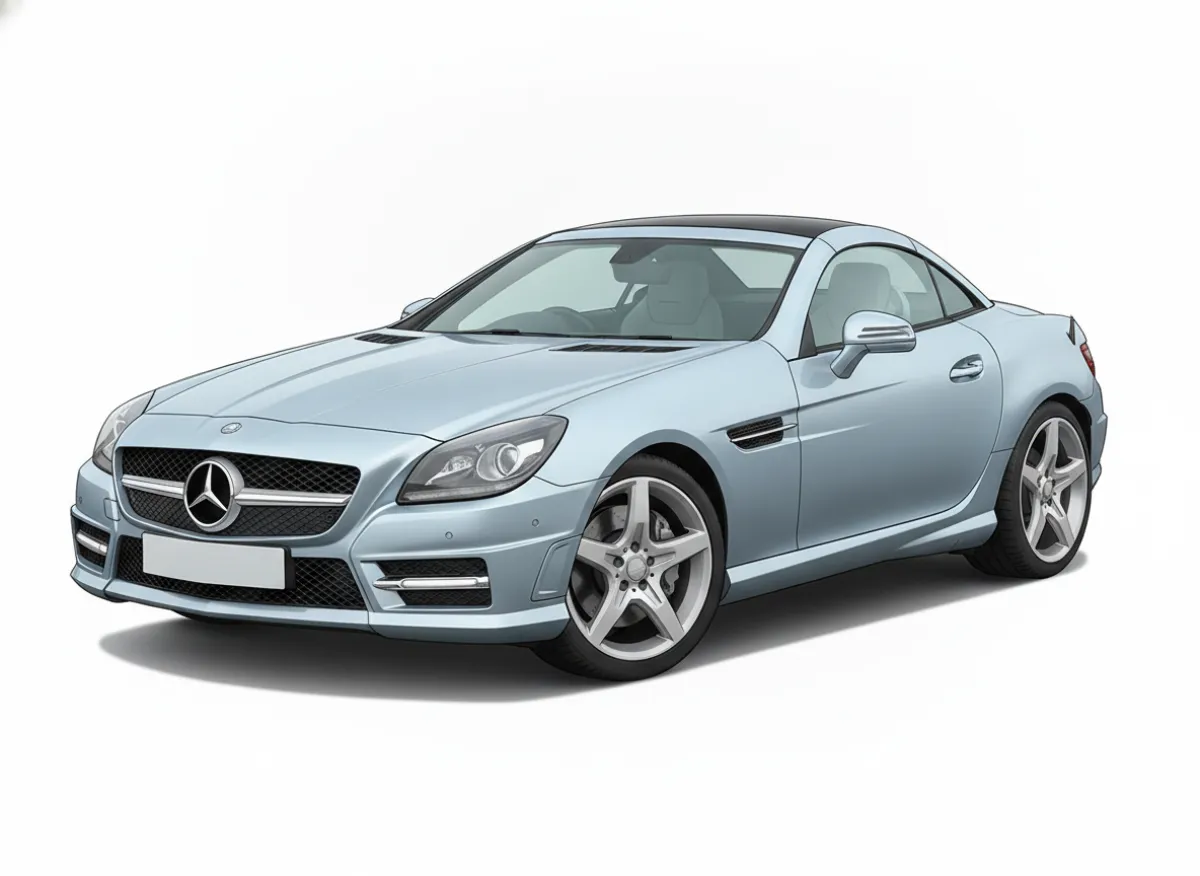 SLK-Class (R172)2011–2020
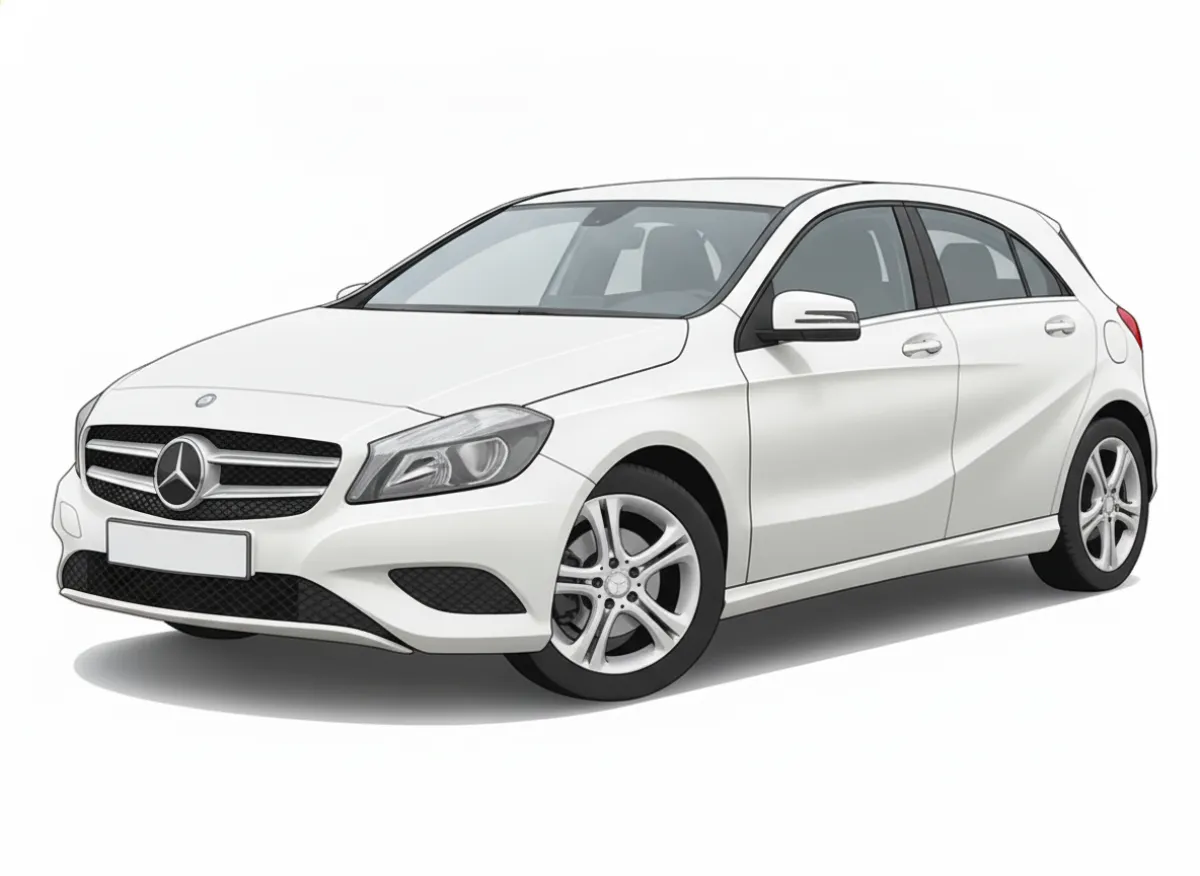 A-Class (W176)2012–2018
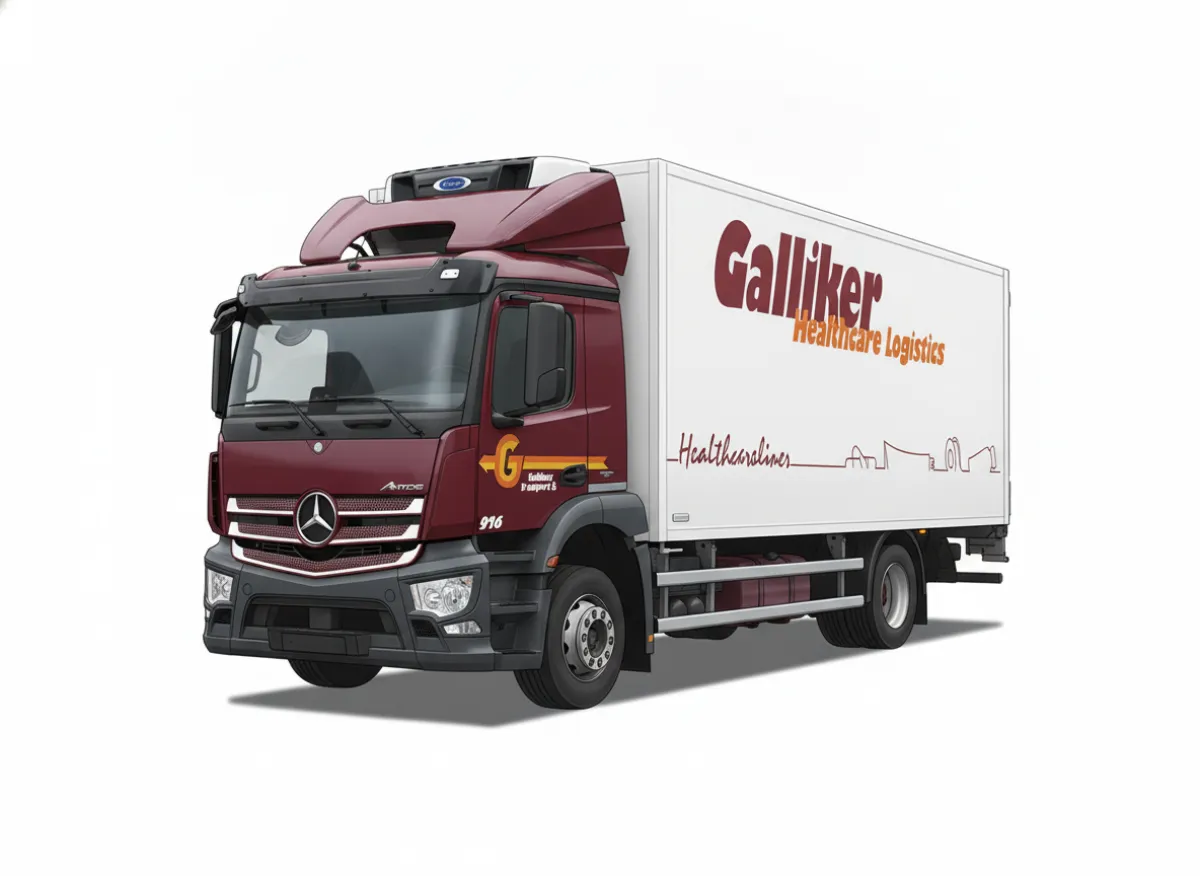 Antos2012–2021
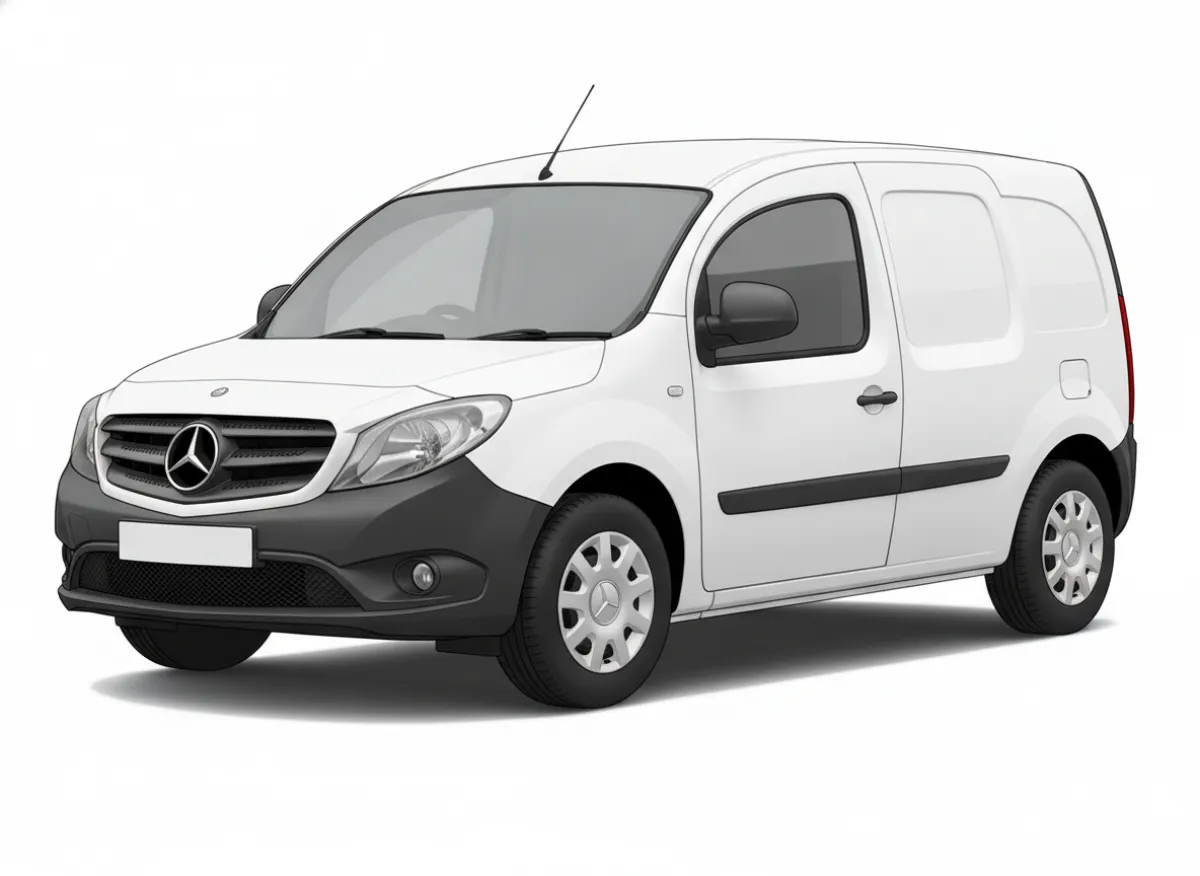 Citan2012–2026 · 2 gen.
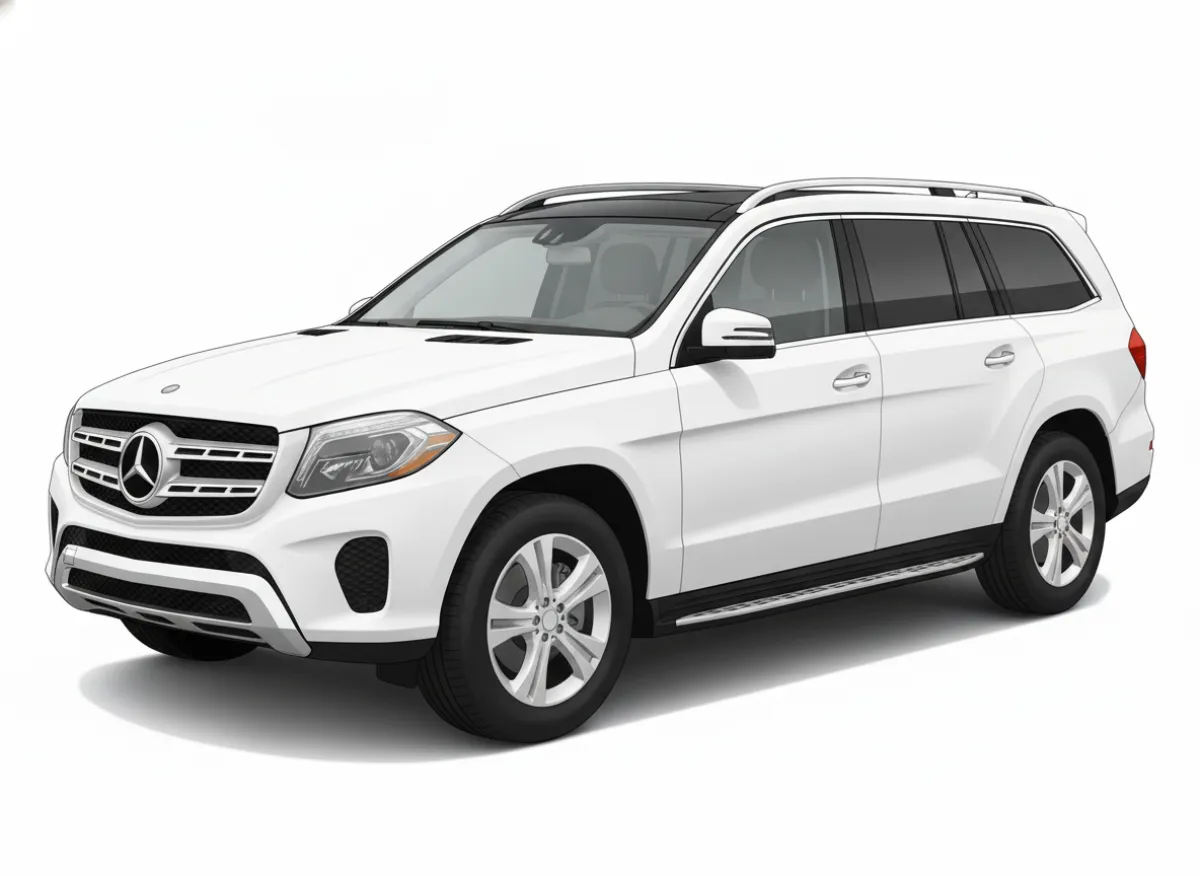 GL-Class (X166)2012–2019
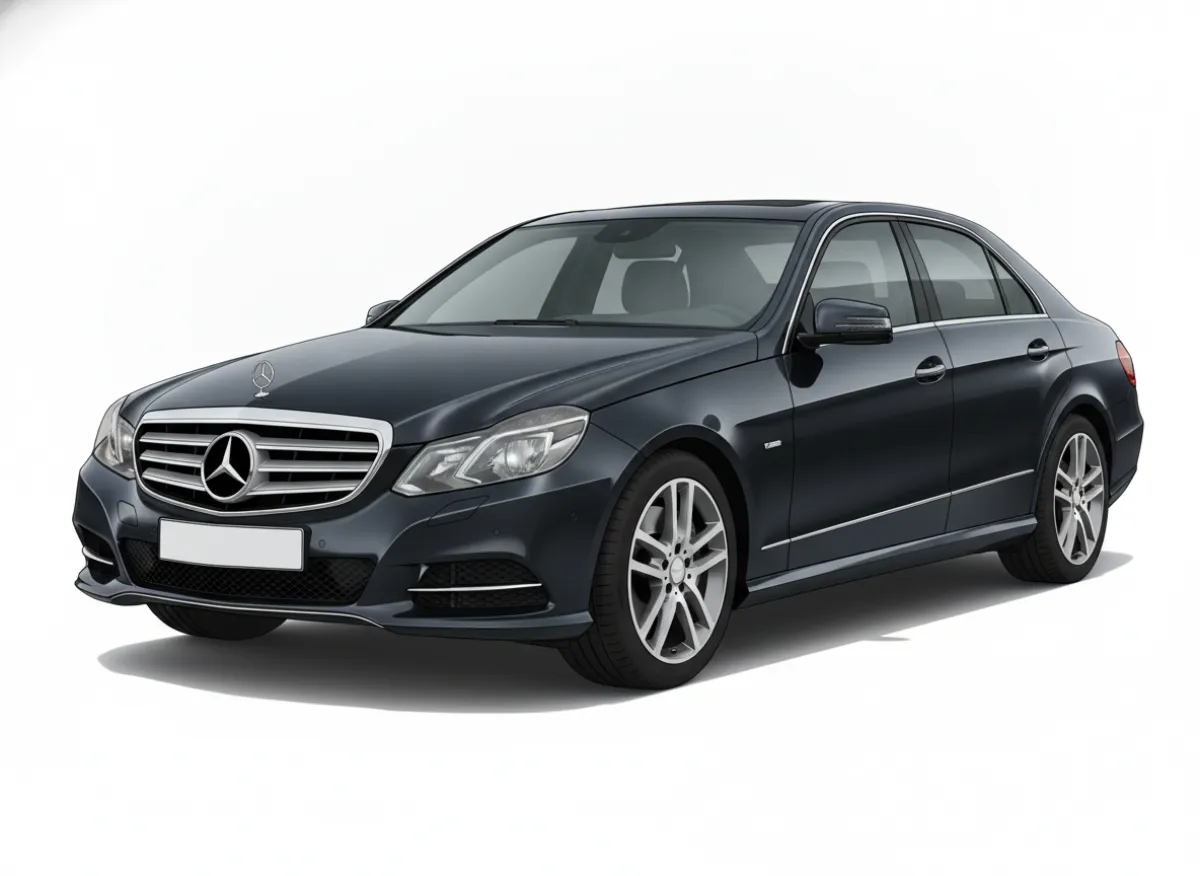 9G-Tronic transmission2013–
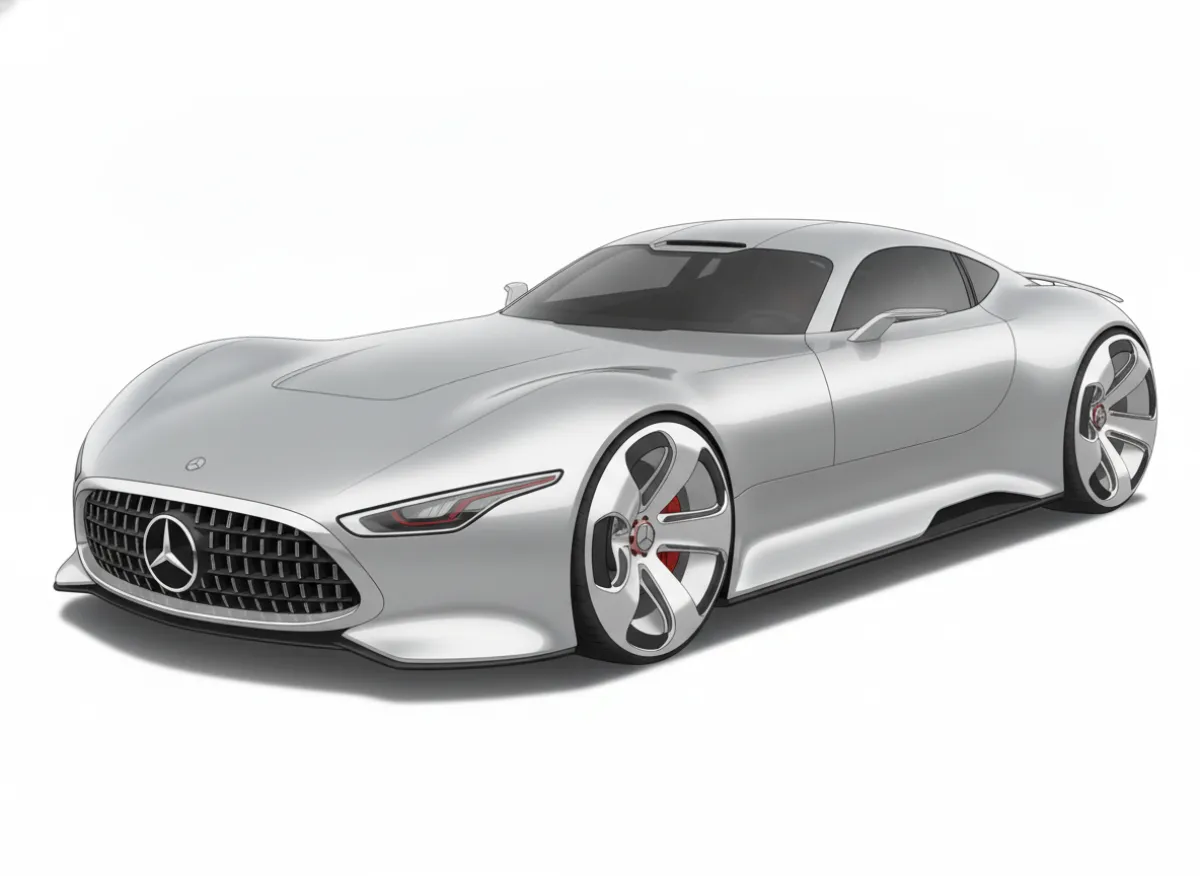 AMG Vision Gran Turismo2013
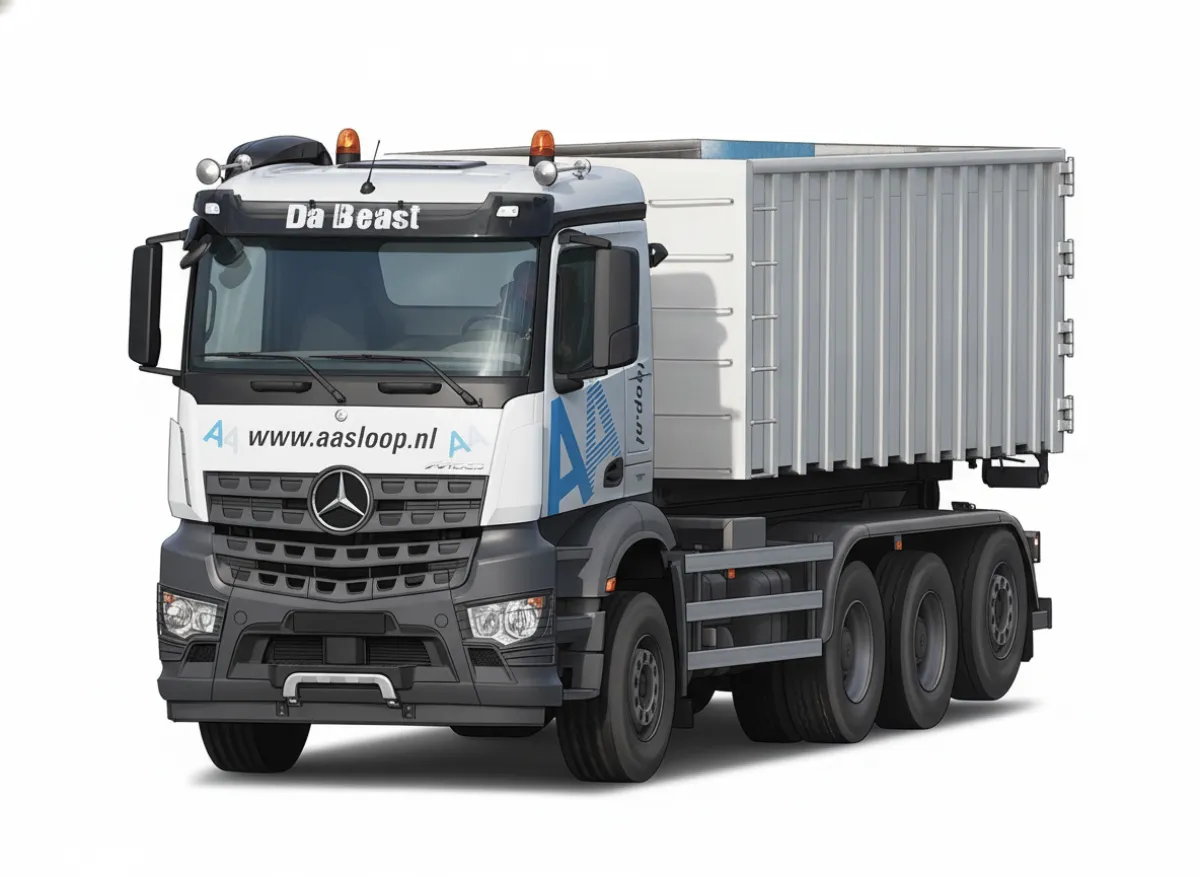 Arocs2013–
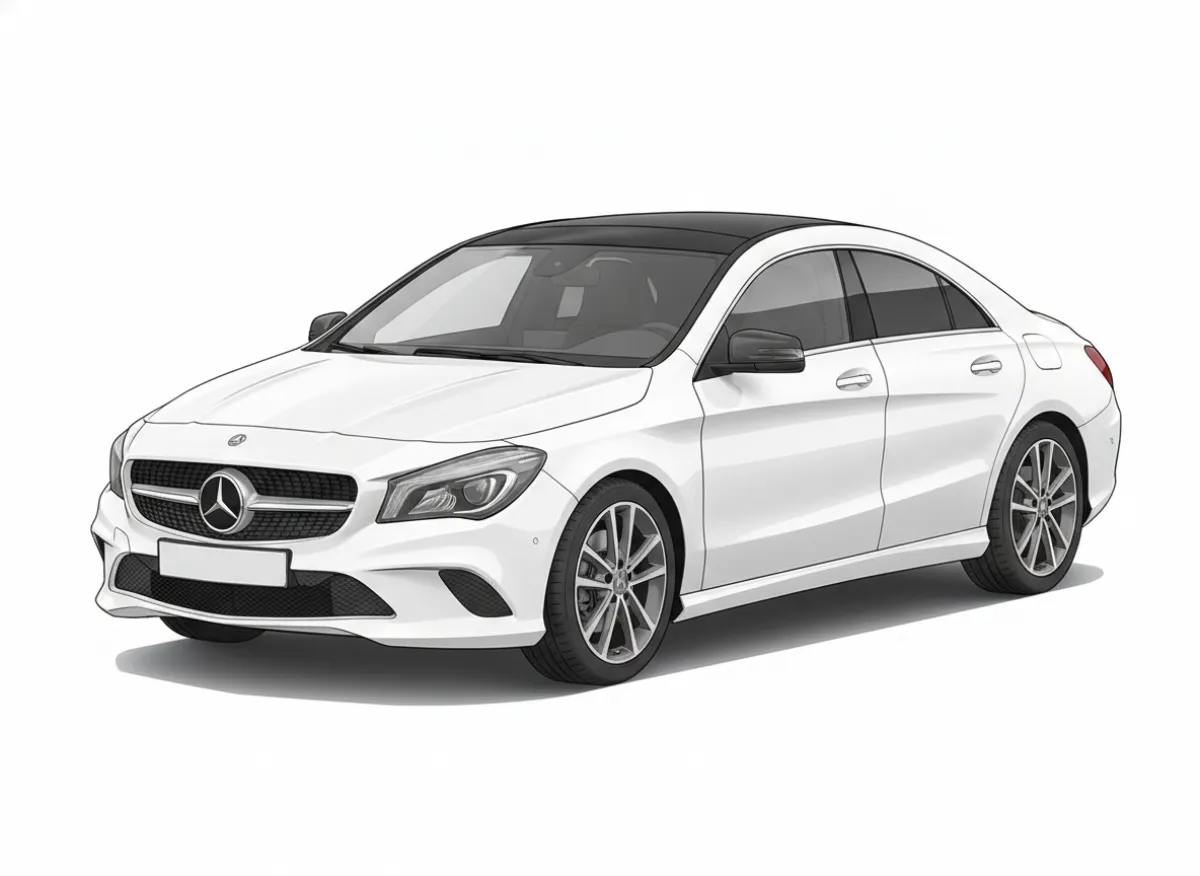 CLA2013– · 3 gen.
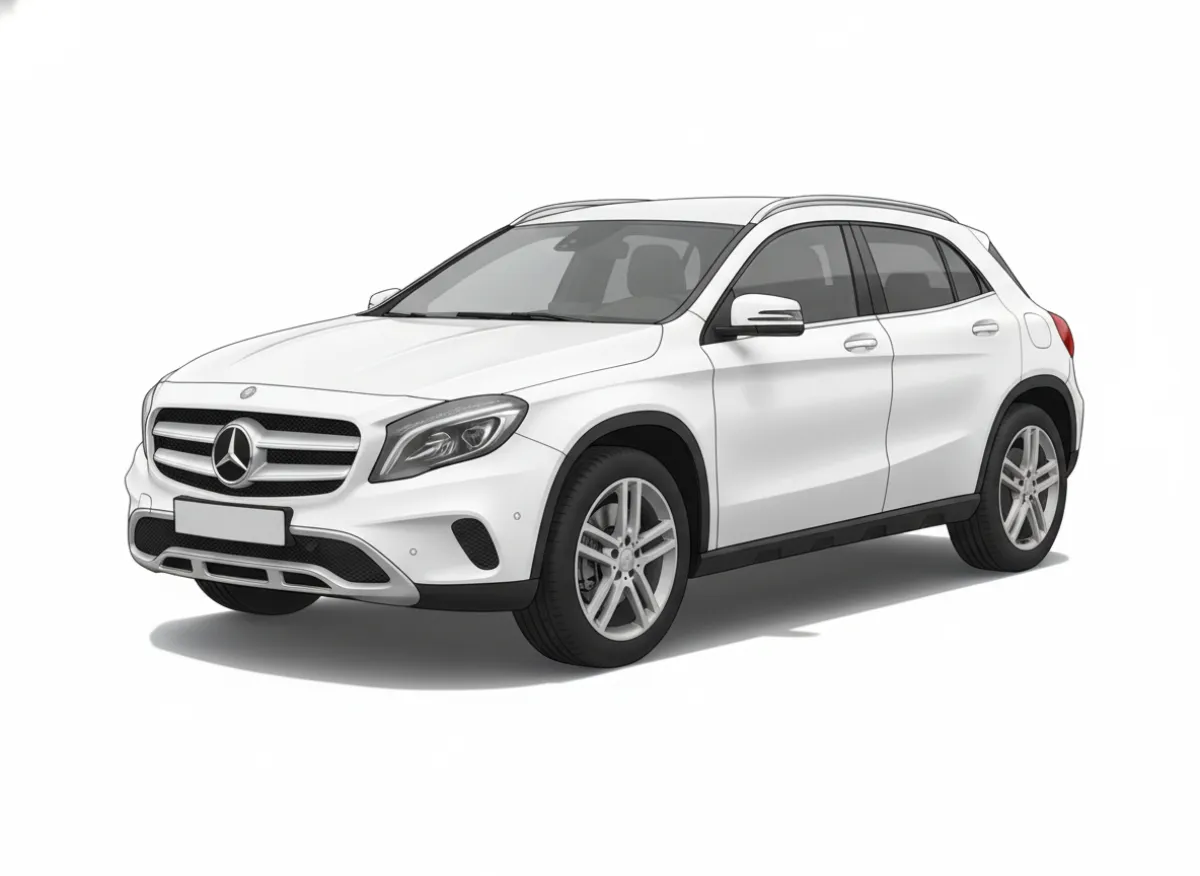 GLA2013– · 3 gen.
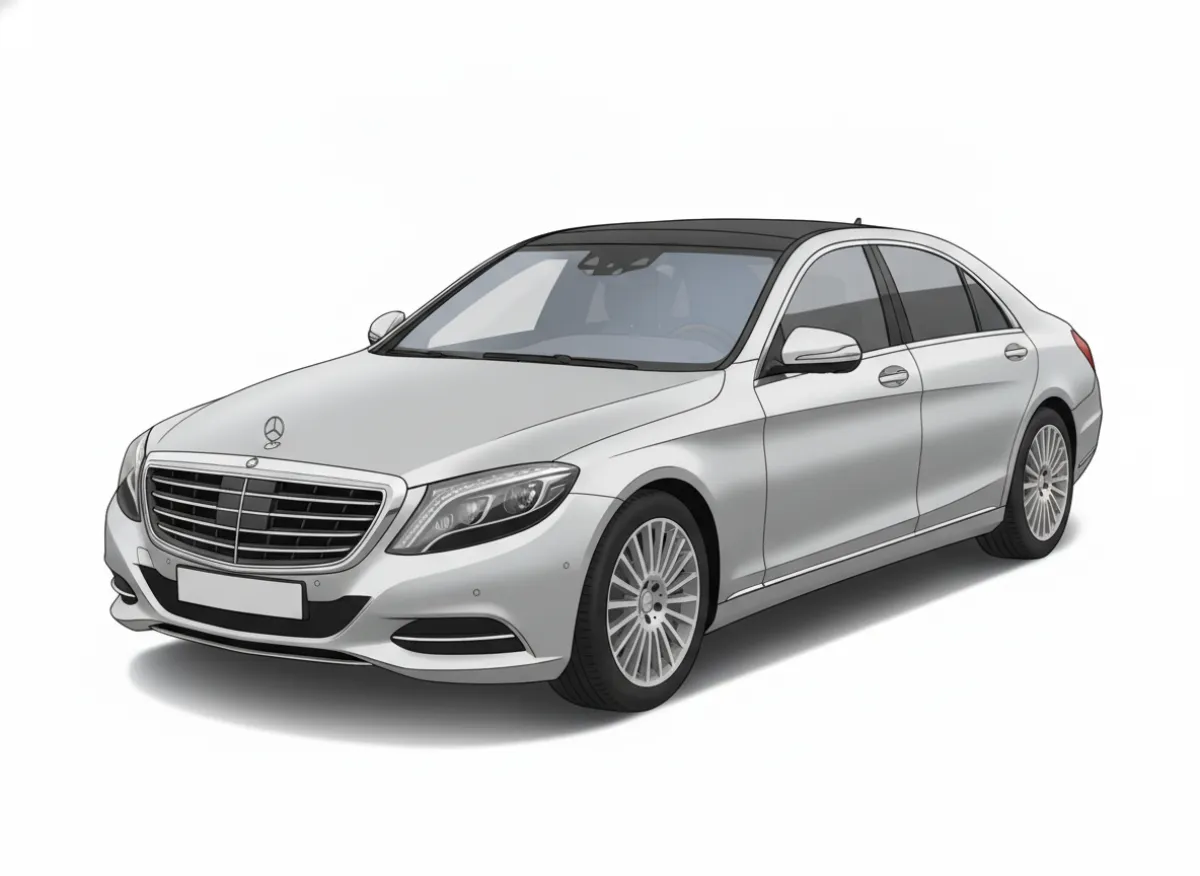 S-Class (W222)2013–2020
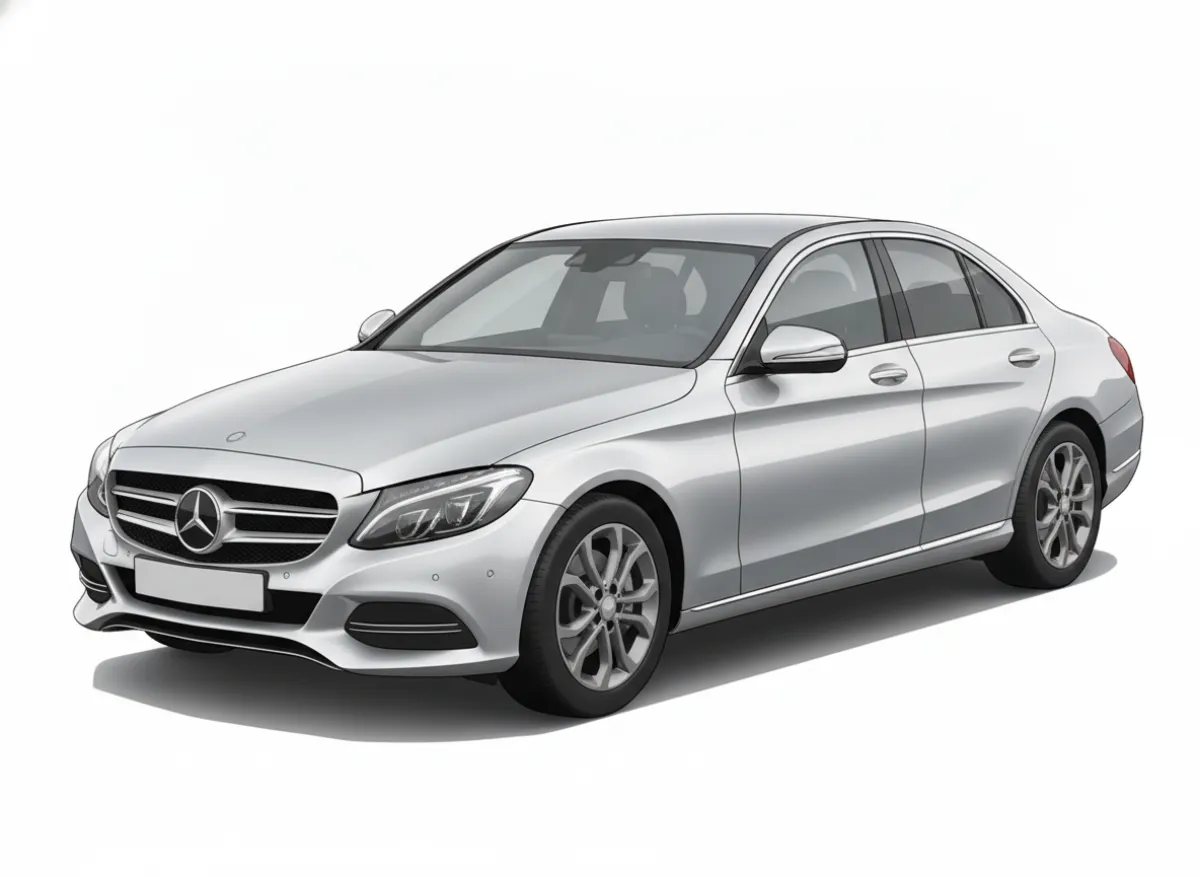 C-Class (W205)2014–2023
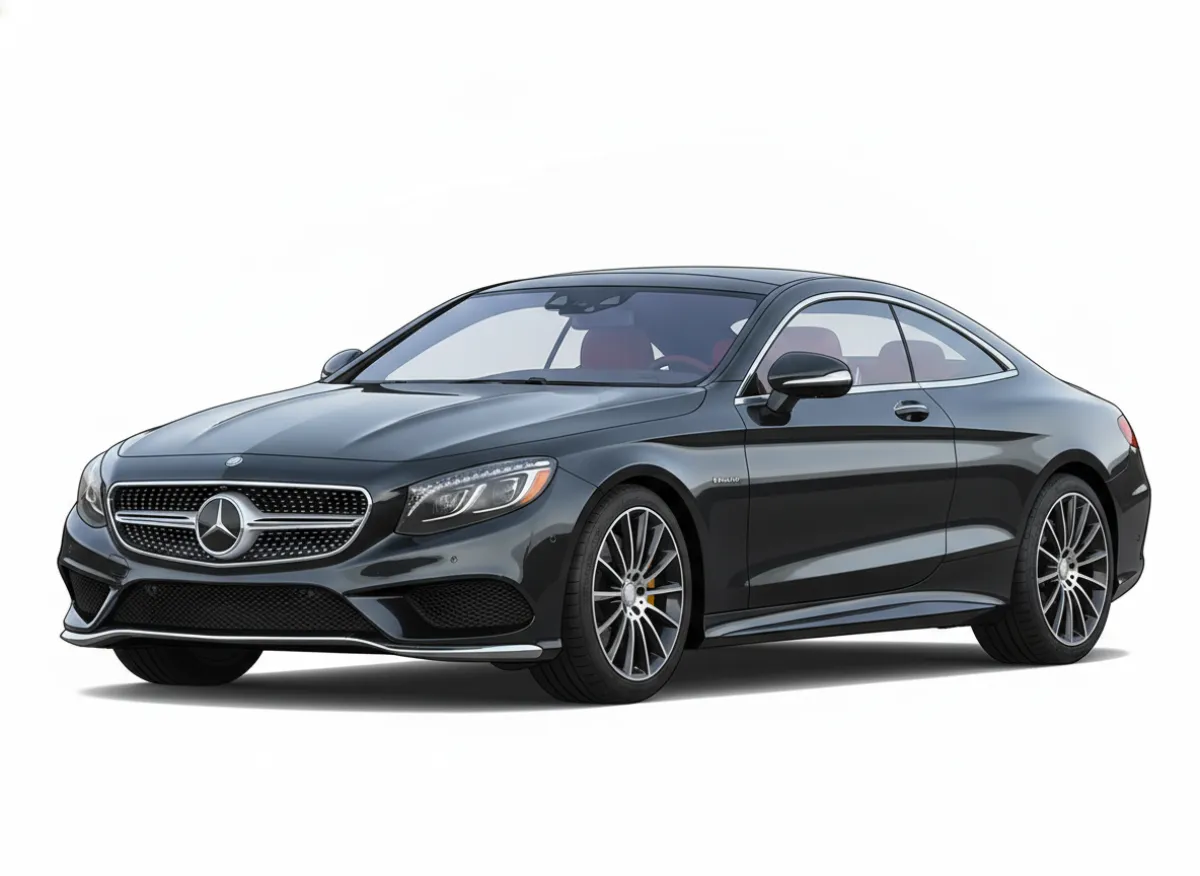 S-Class (C217)2014–2020
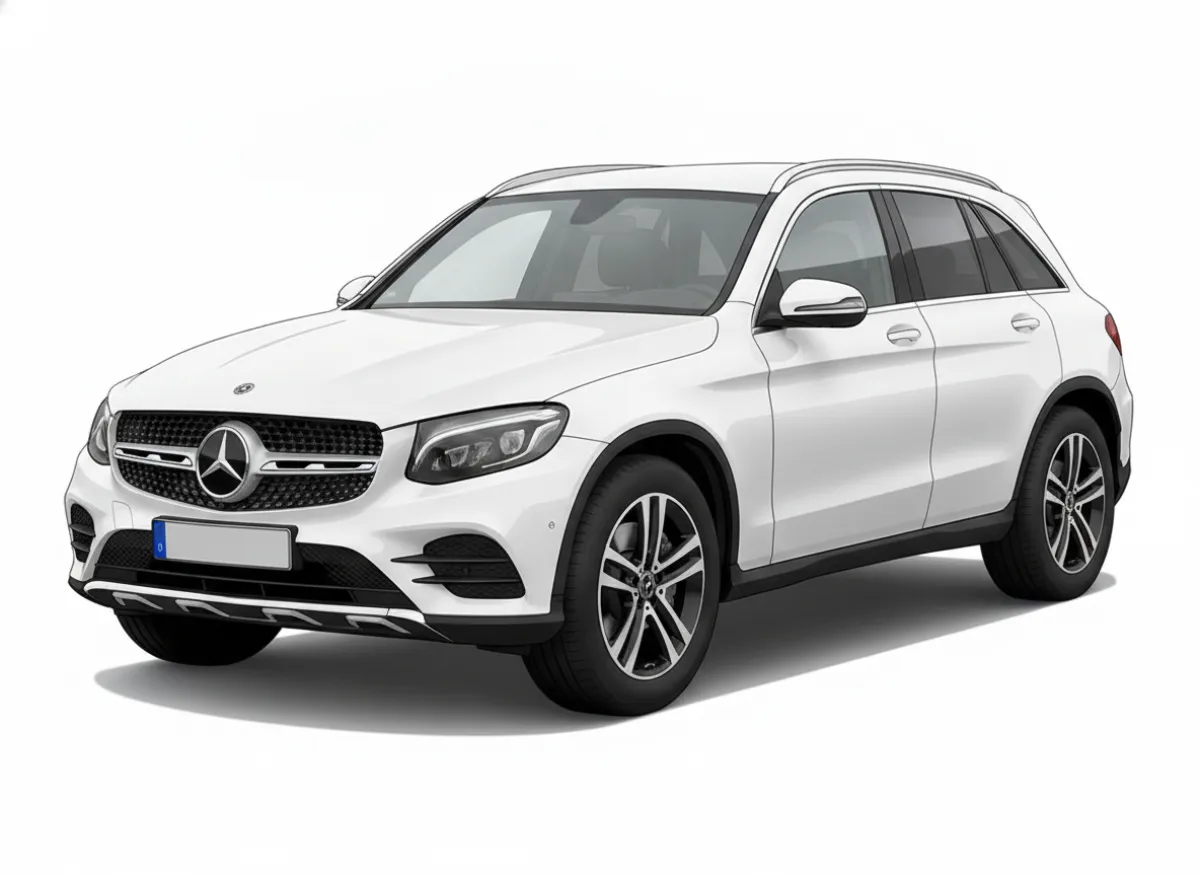 GLC2015– · 2 gen.
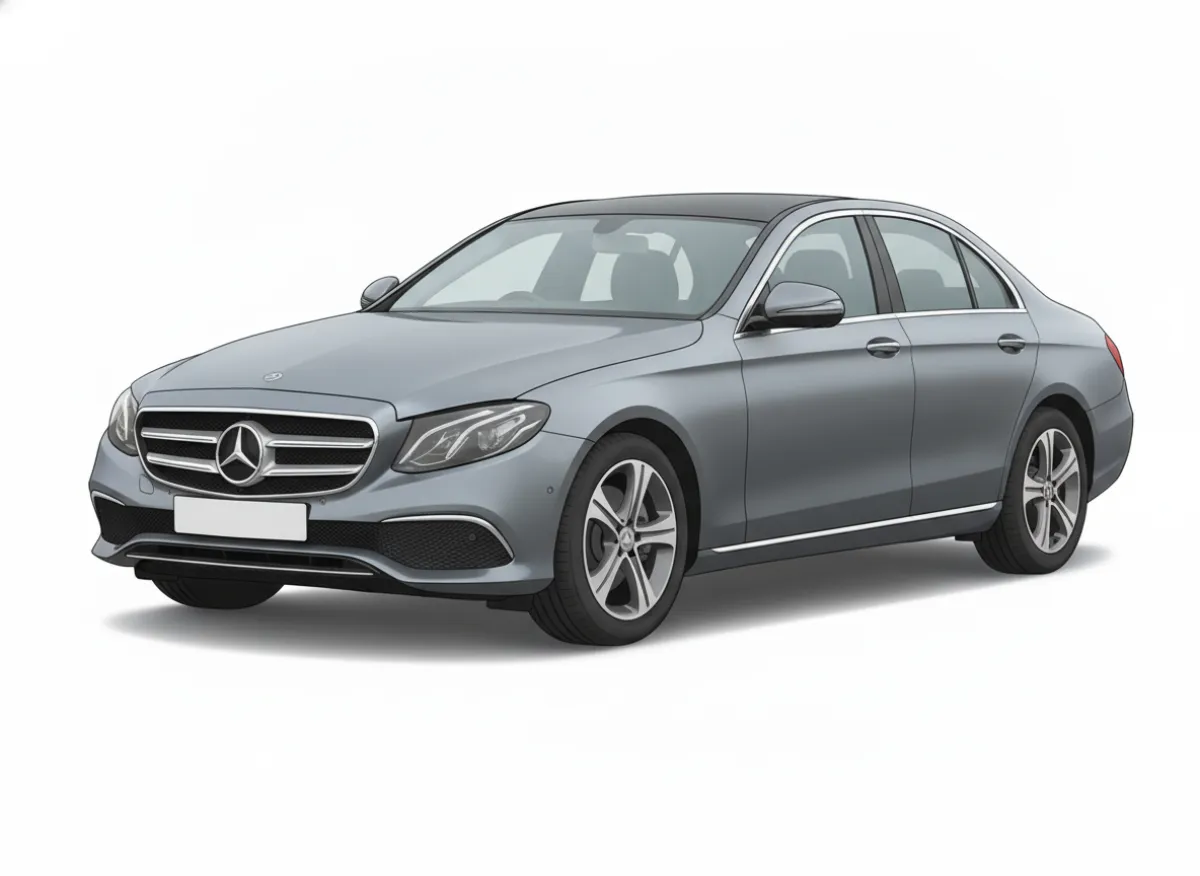 E-Class (W213)2016–2023
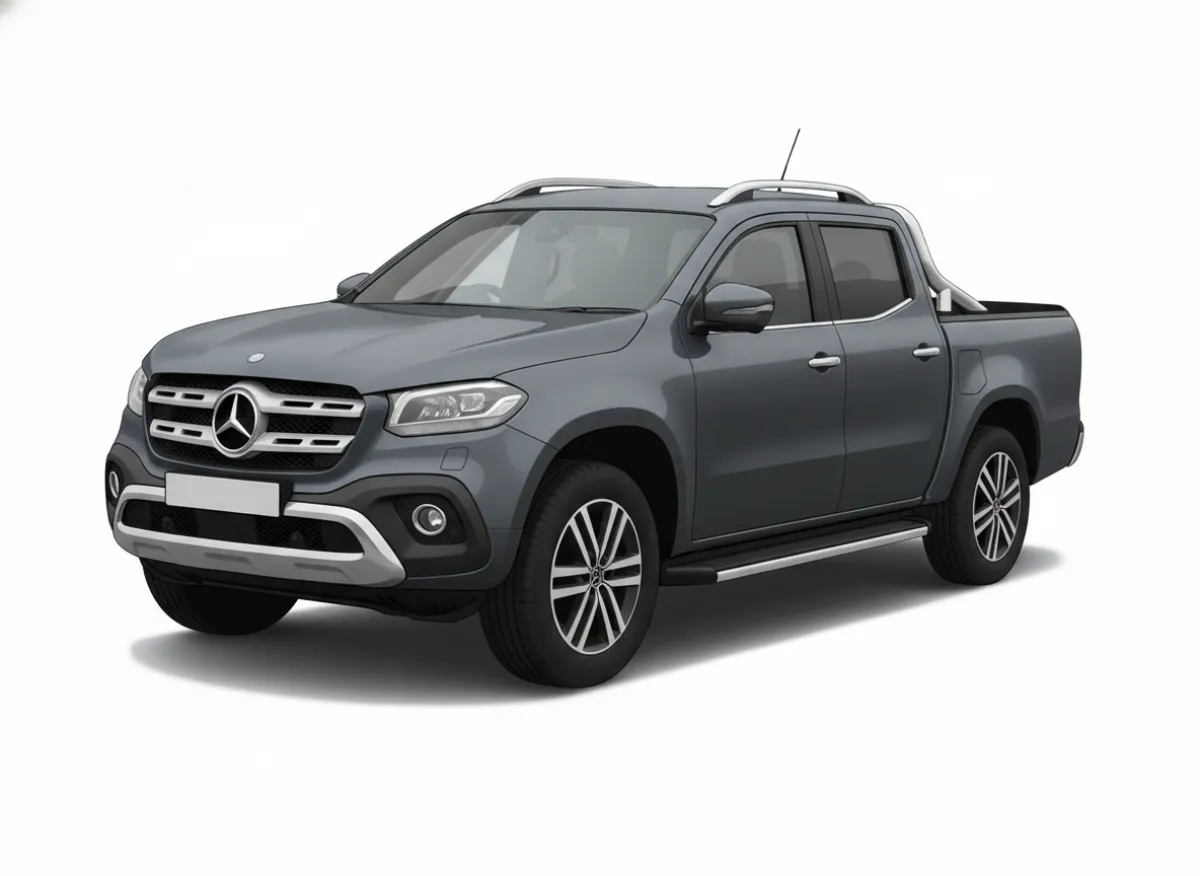 X-Class2017–2020
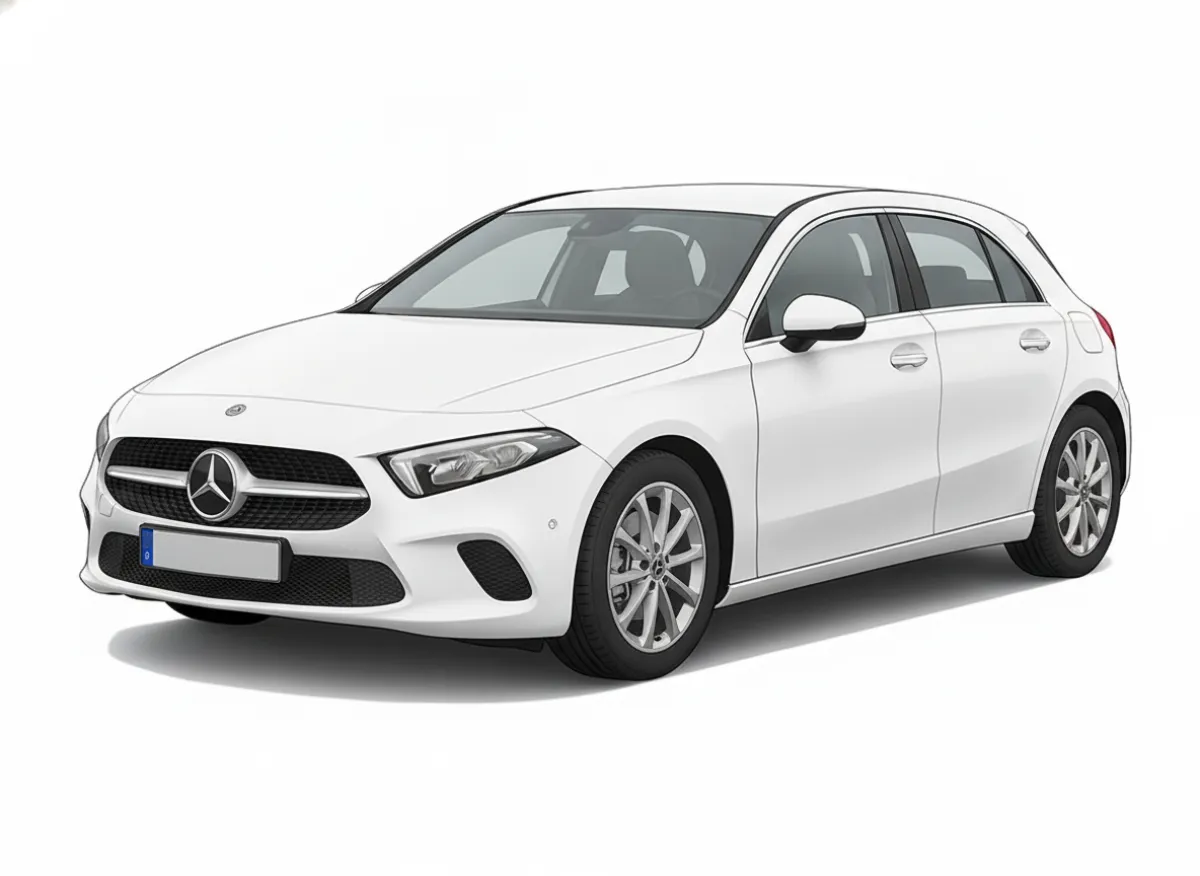 A-Class (W177)2018–
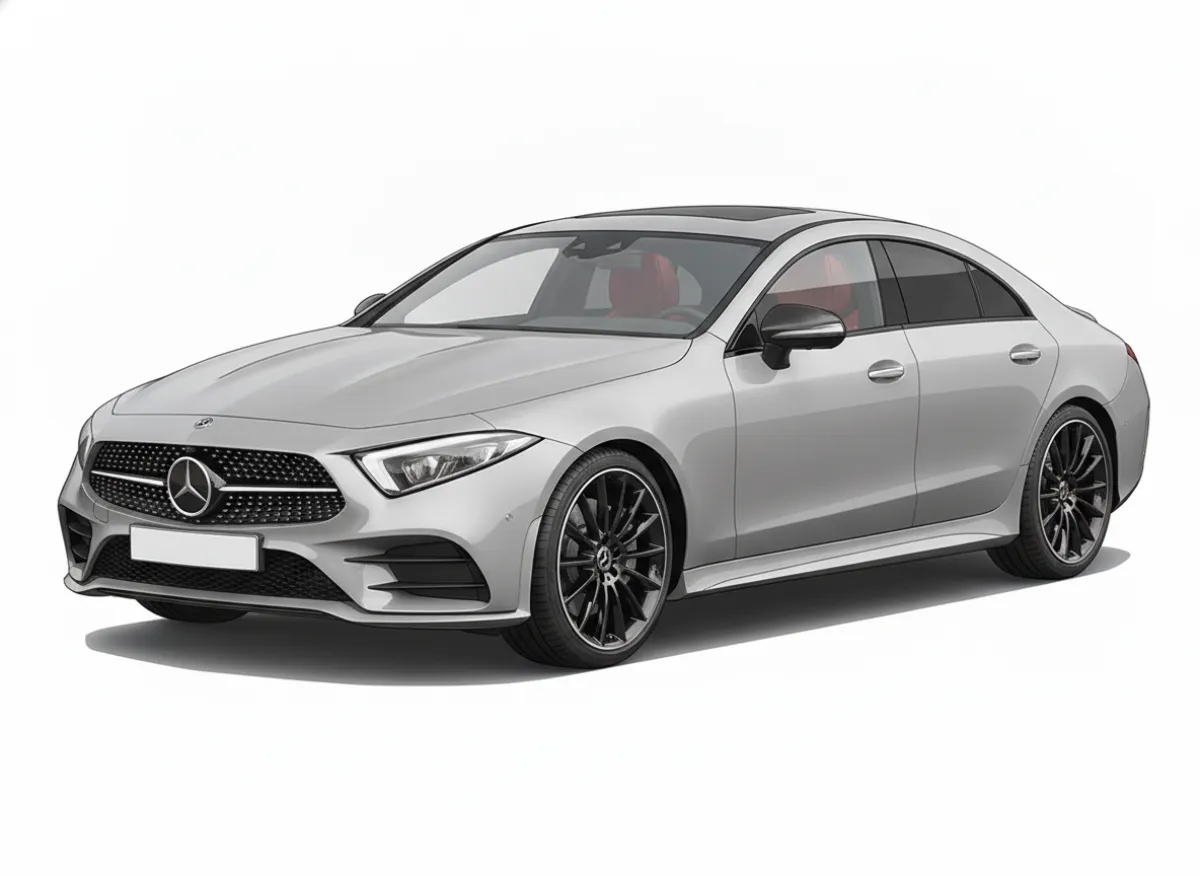 CLS (C257)2018–2023
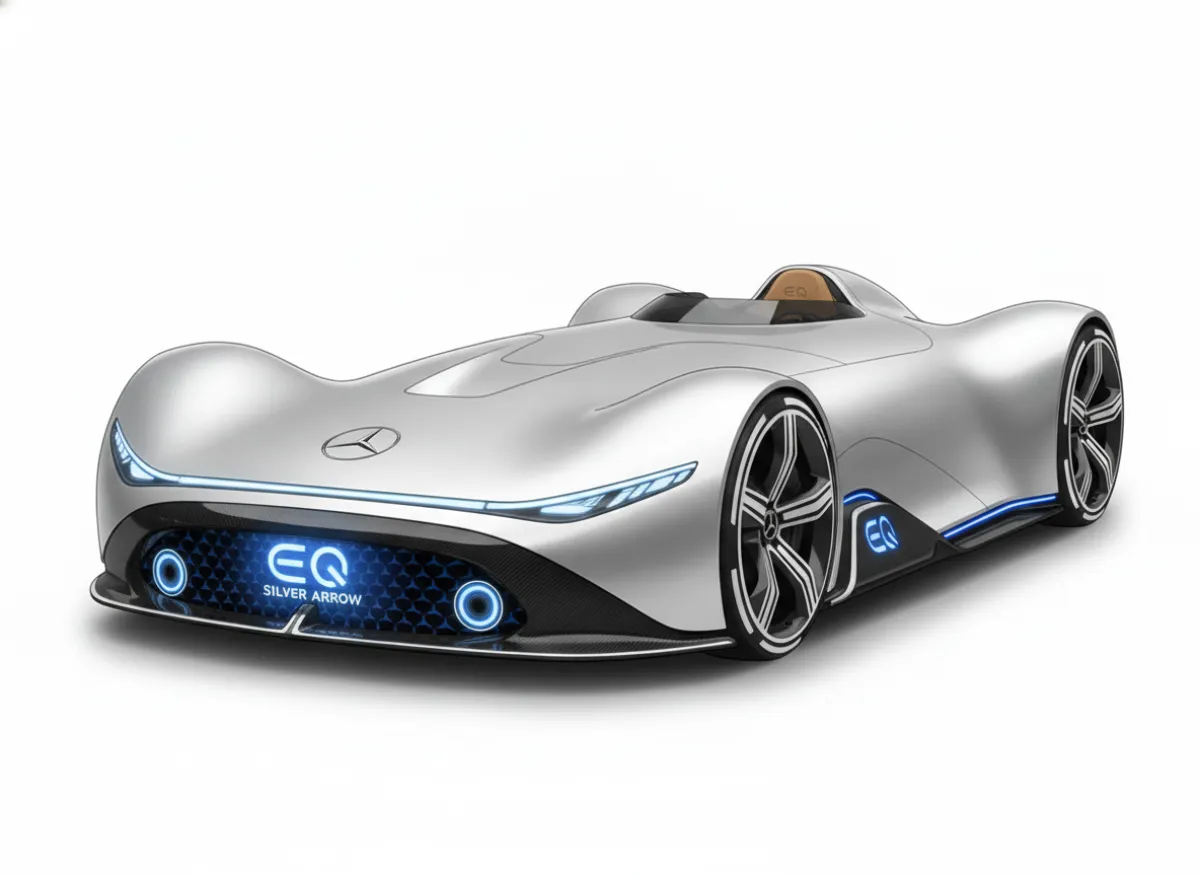 Vision EQ Silver Arrow2018
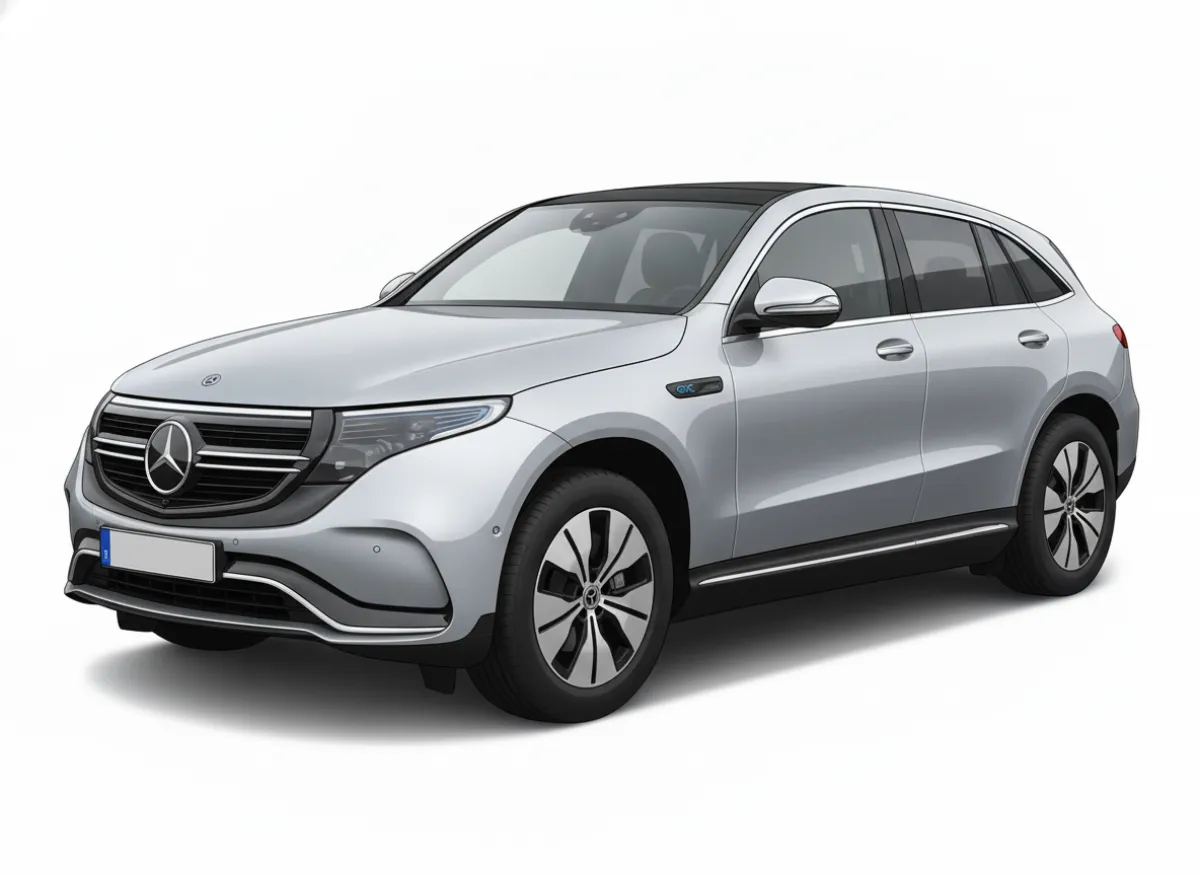 EQC2019–2023
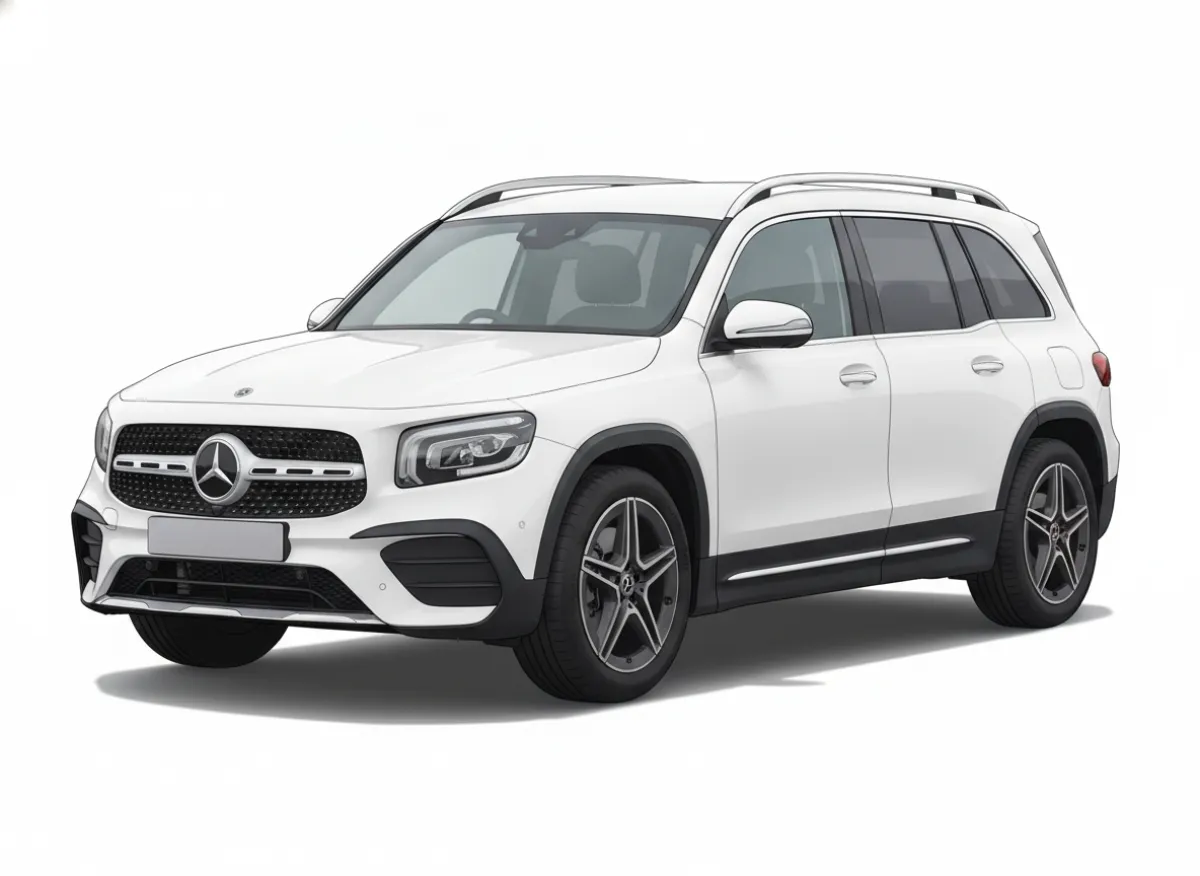 GLB2019– · 2 gen.
- GLS (X167)2019–
2020s
16 launched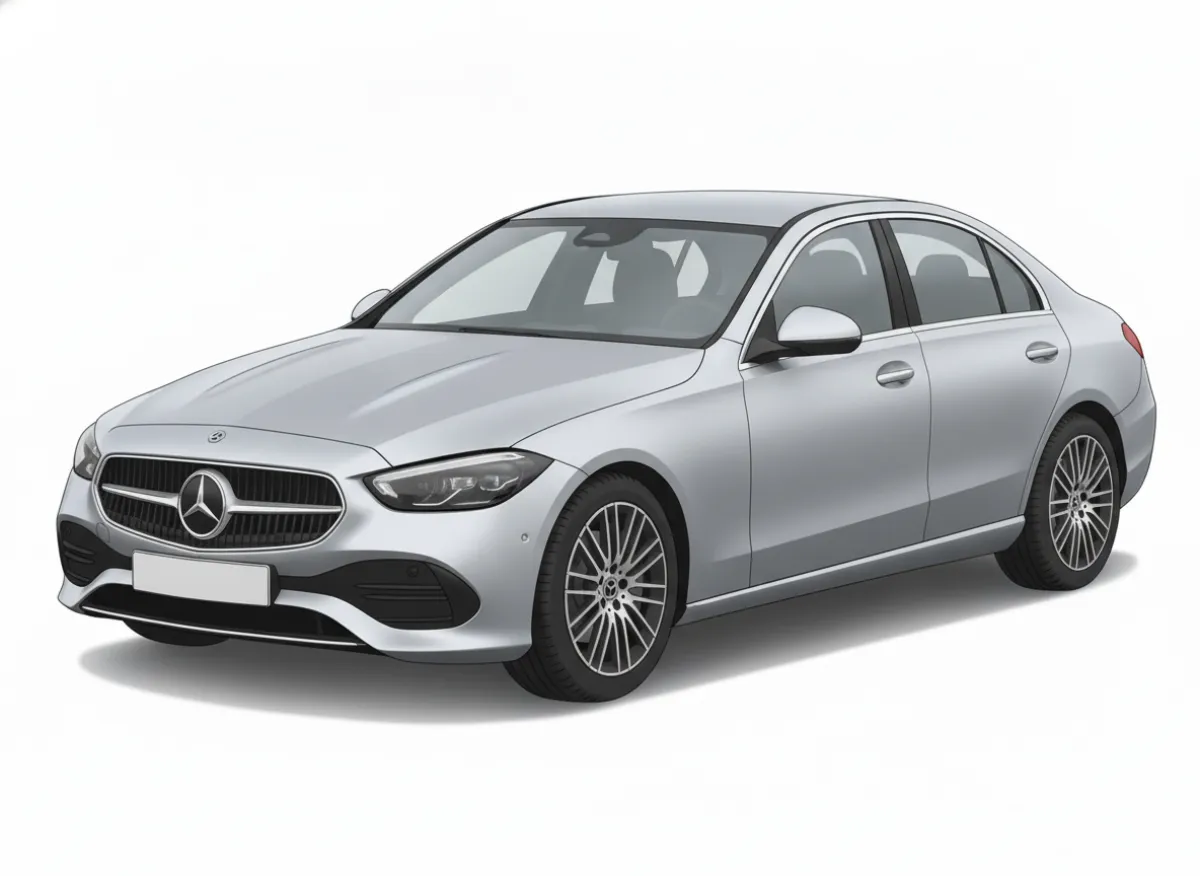
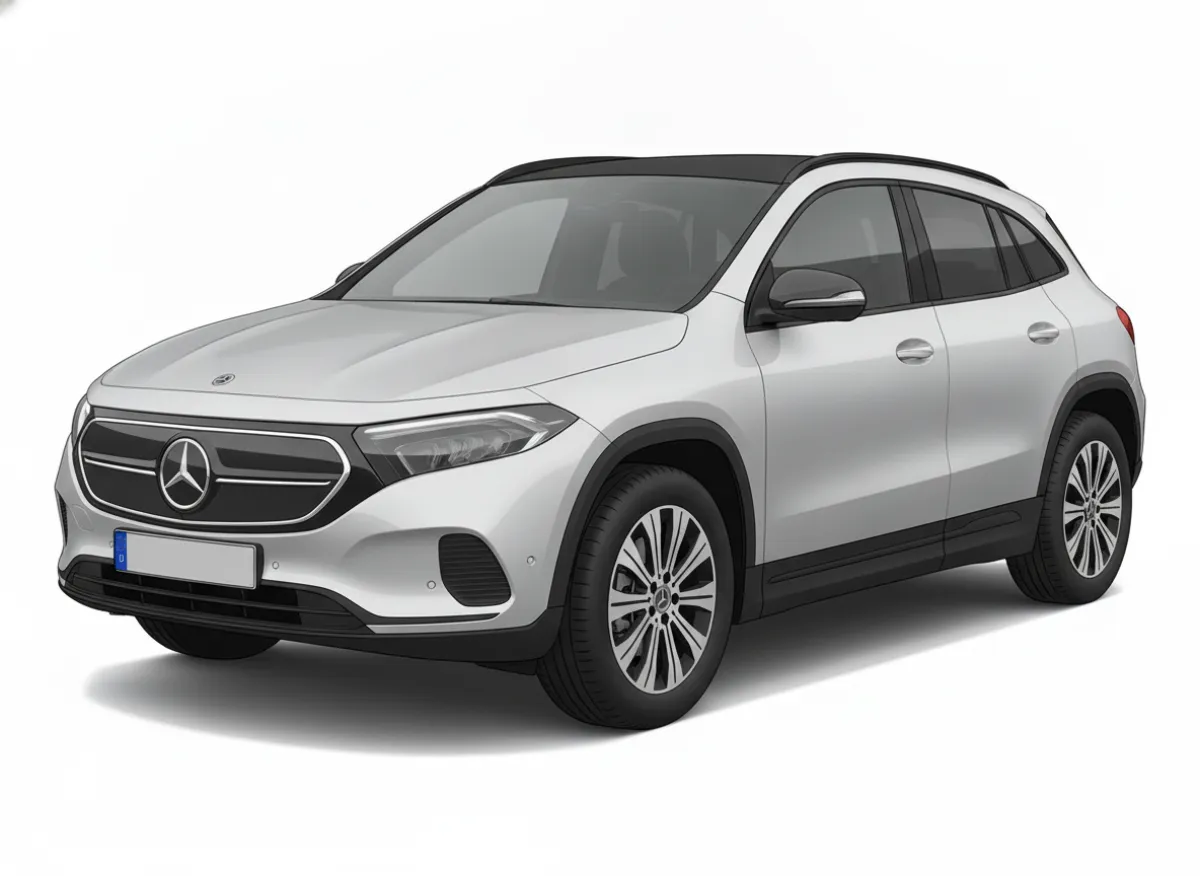
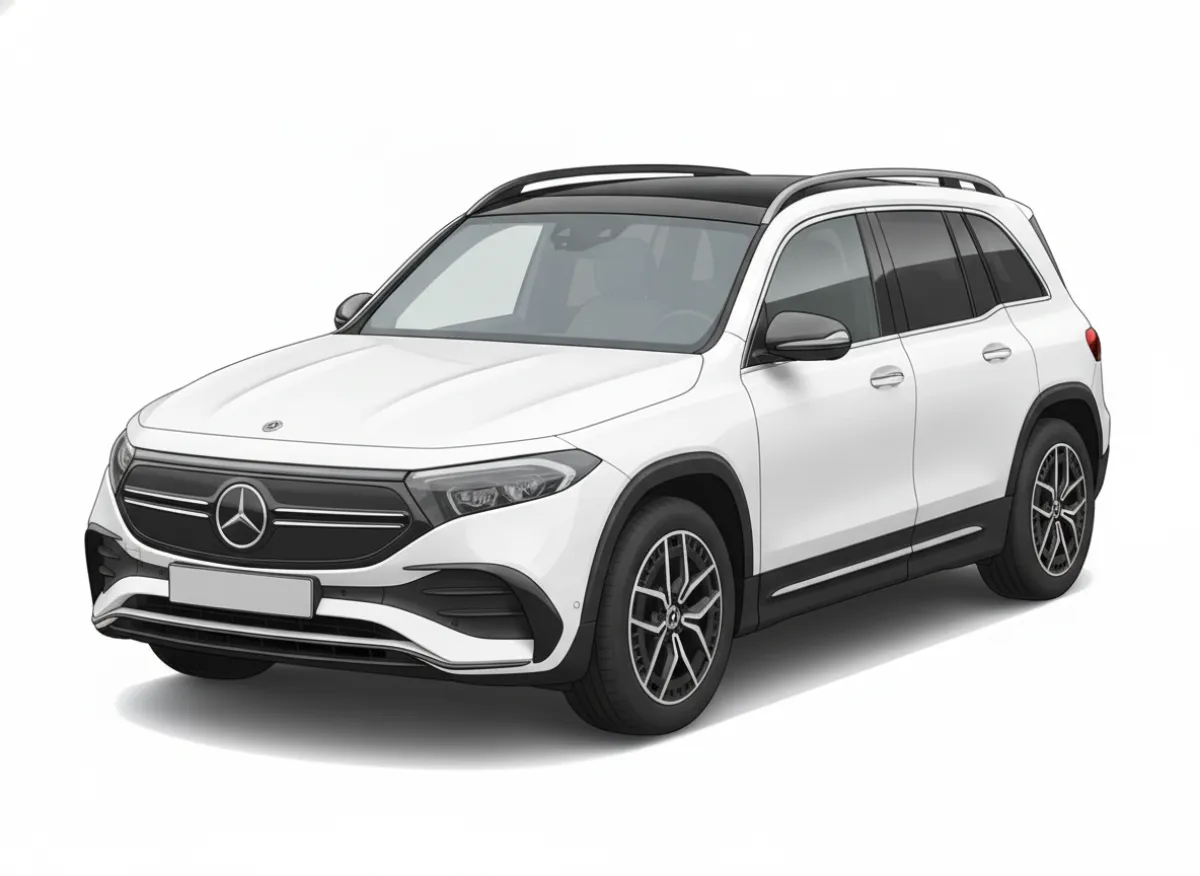
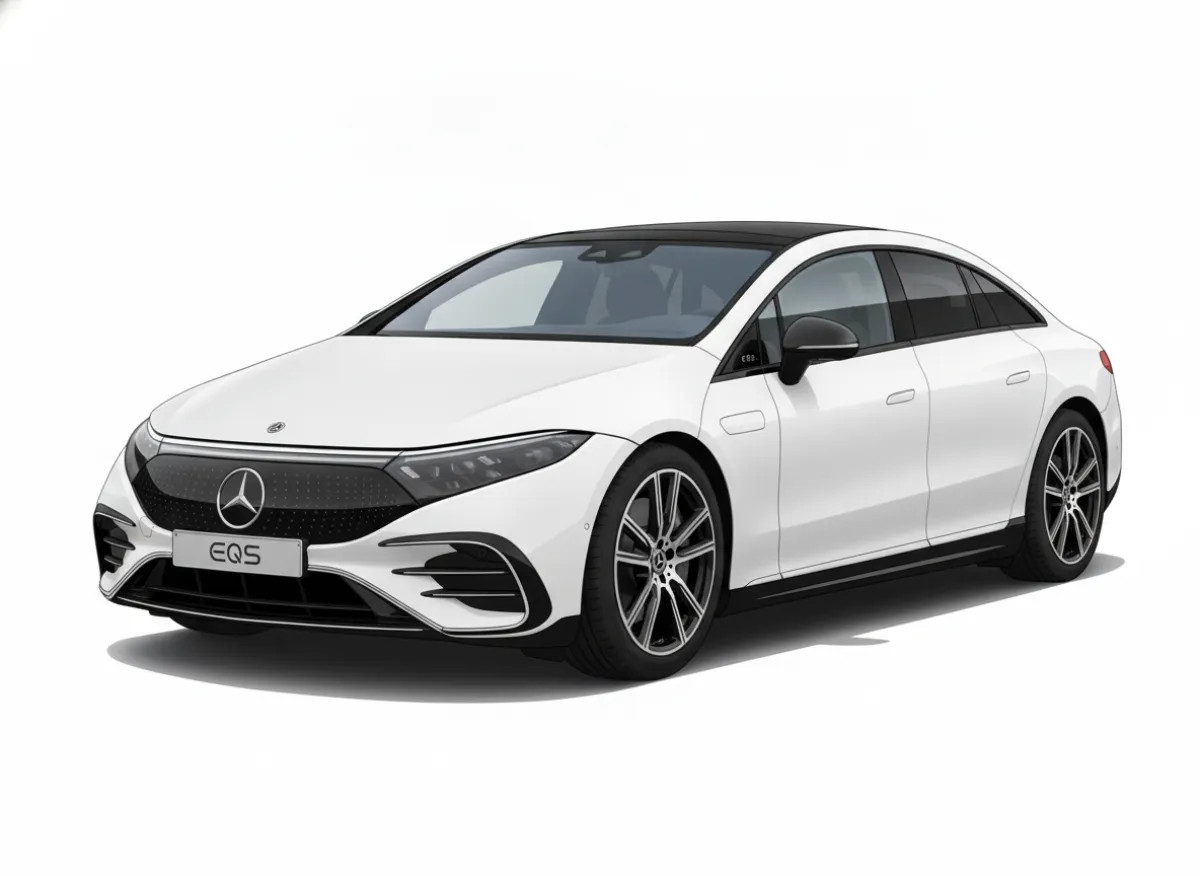
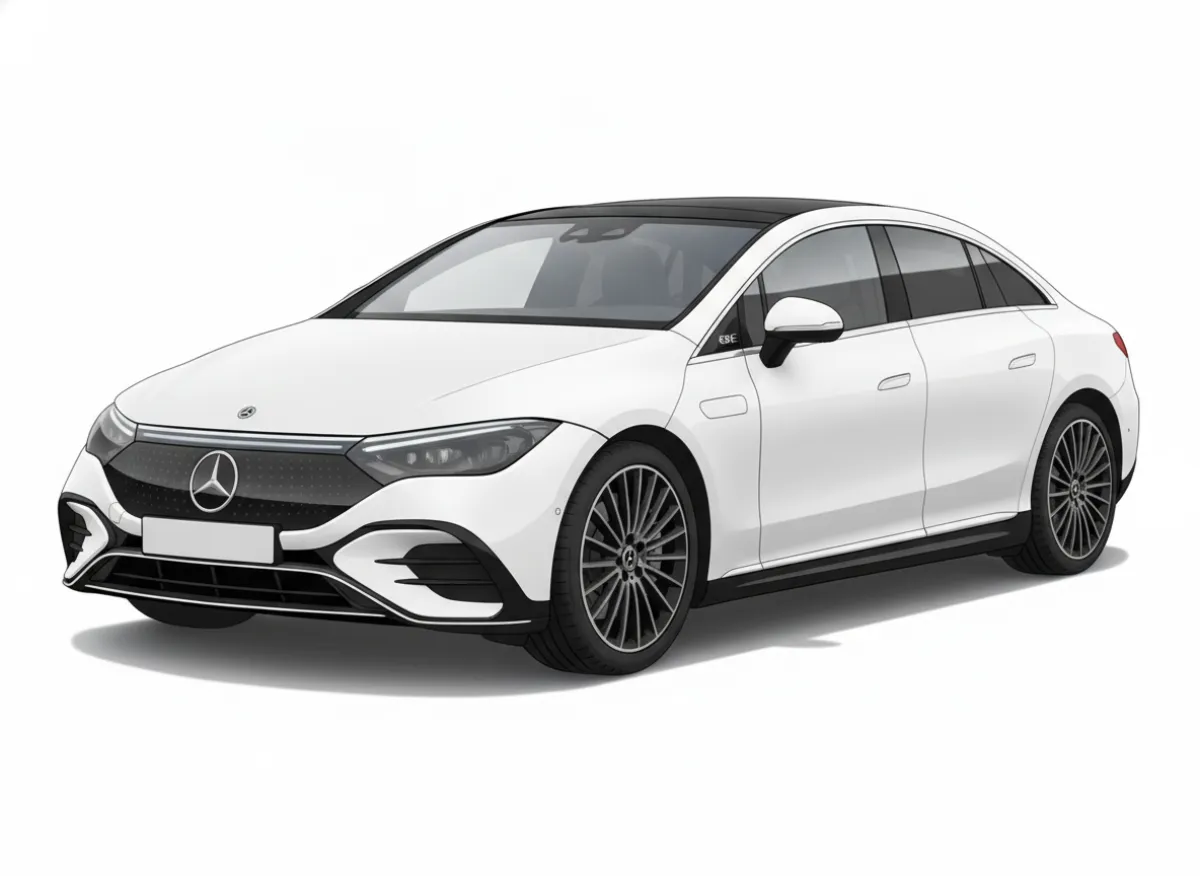
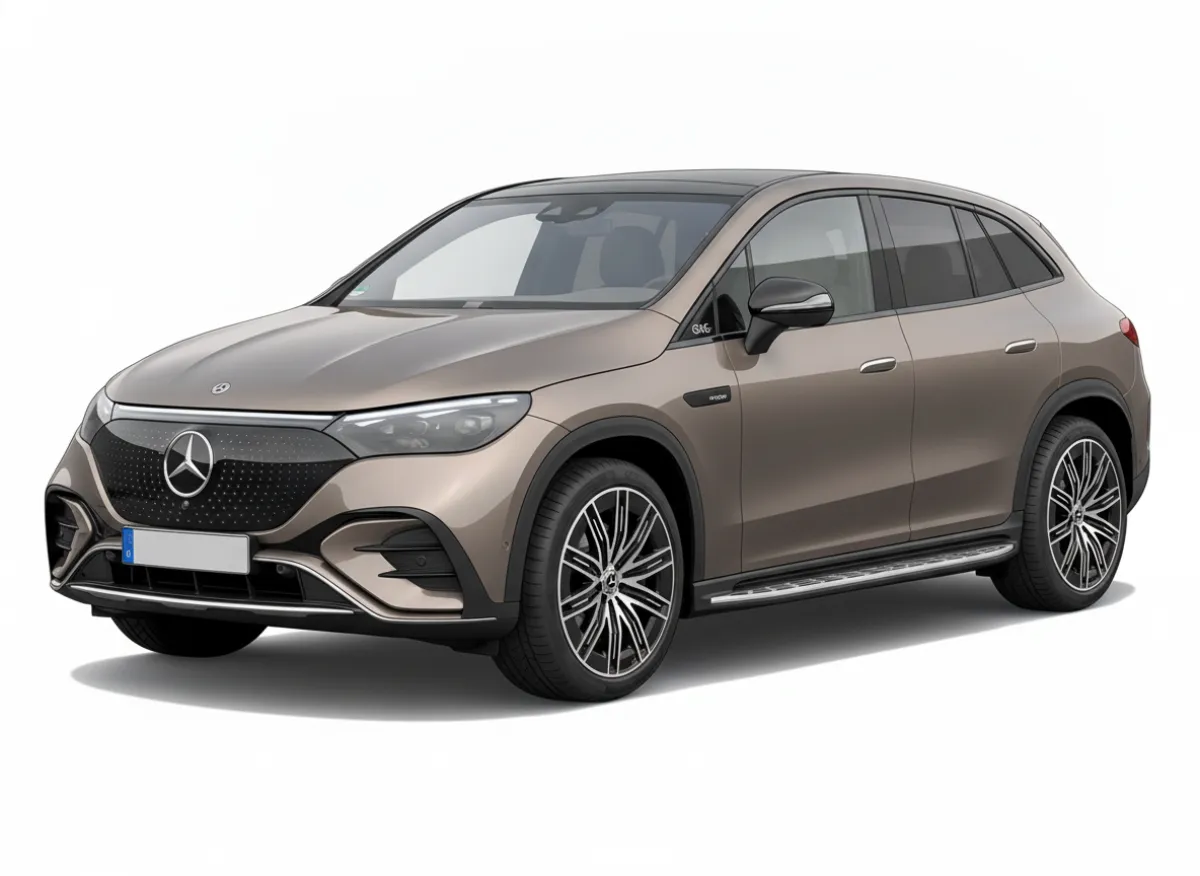
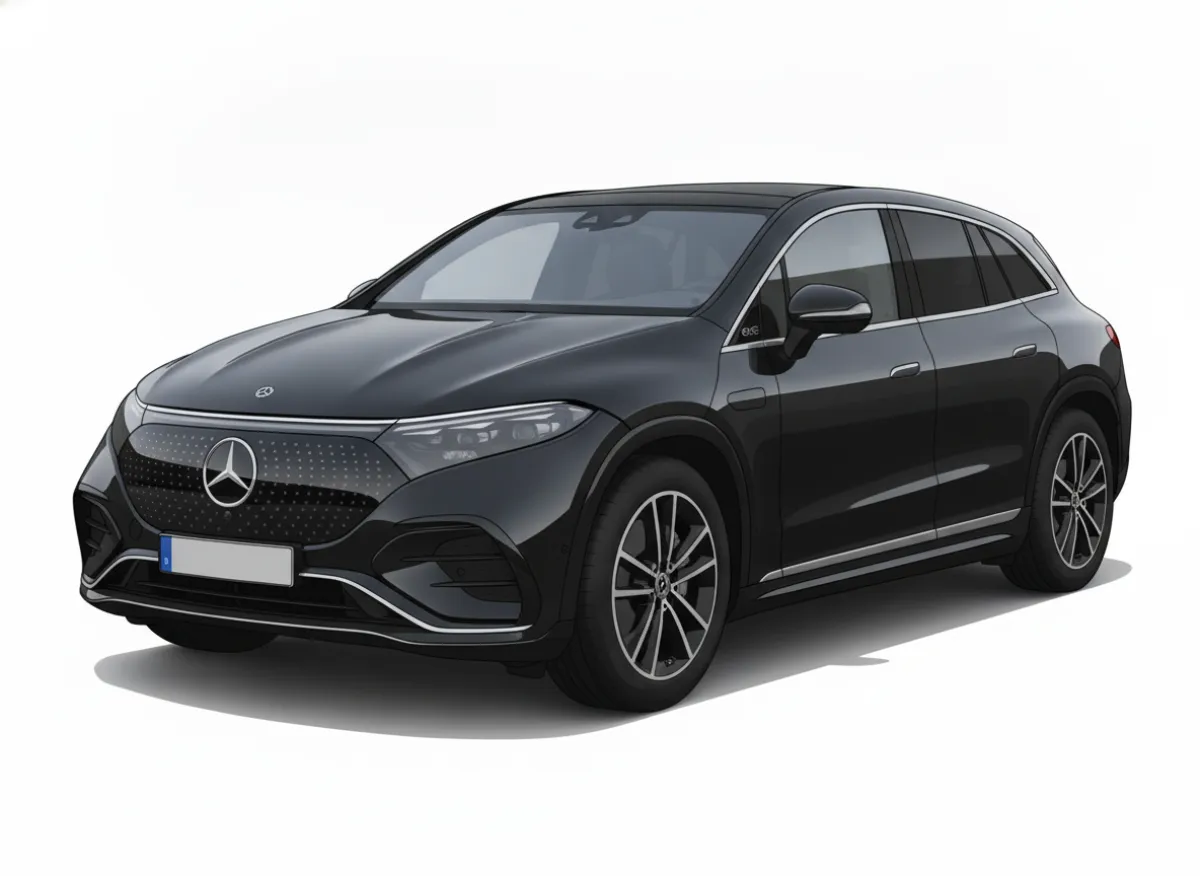
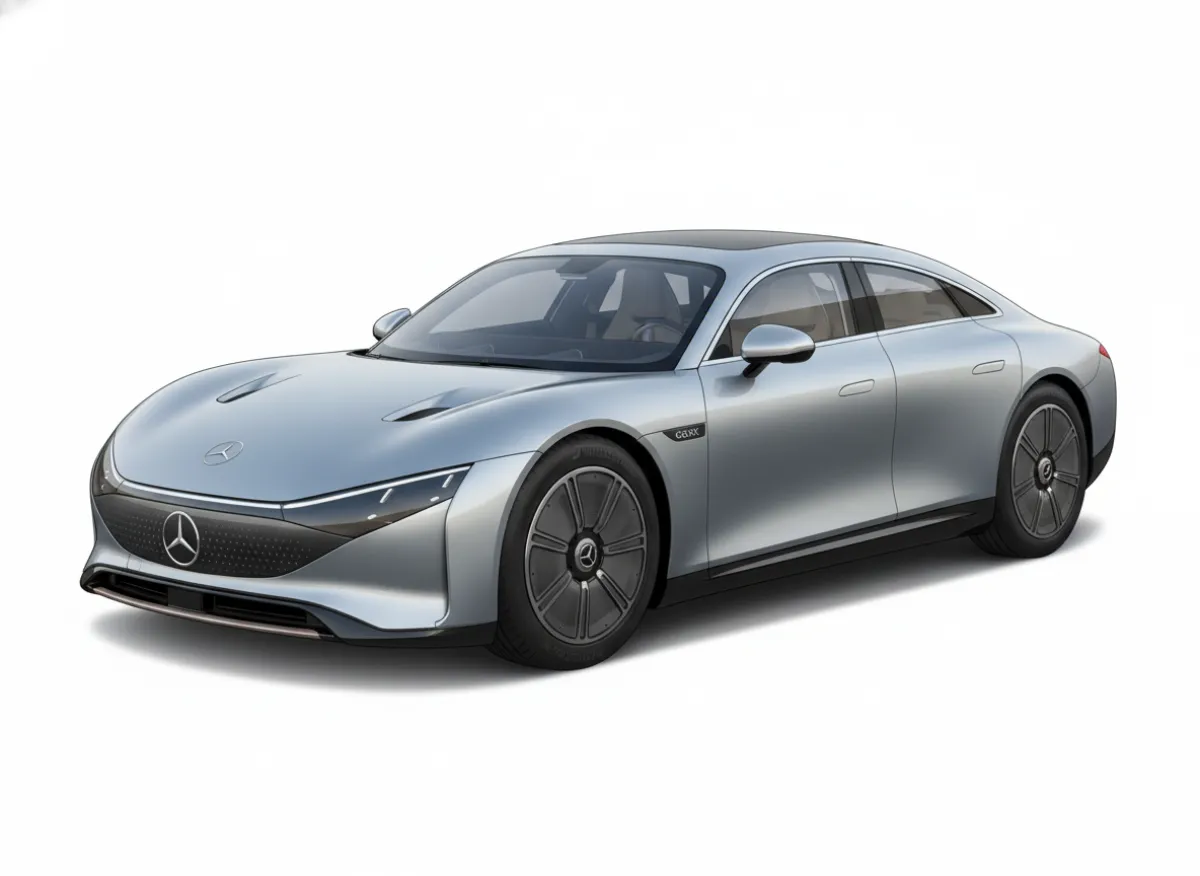
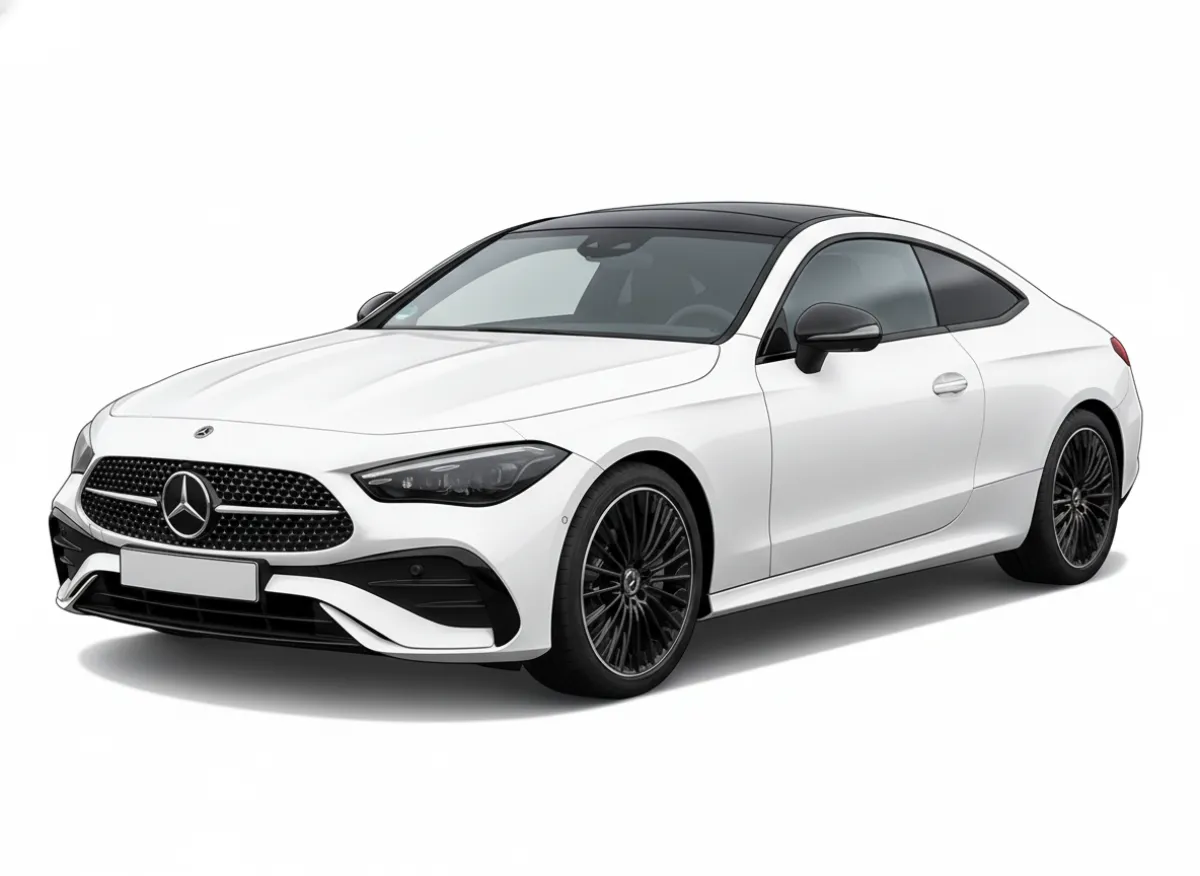
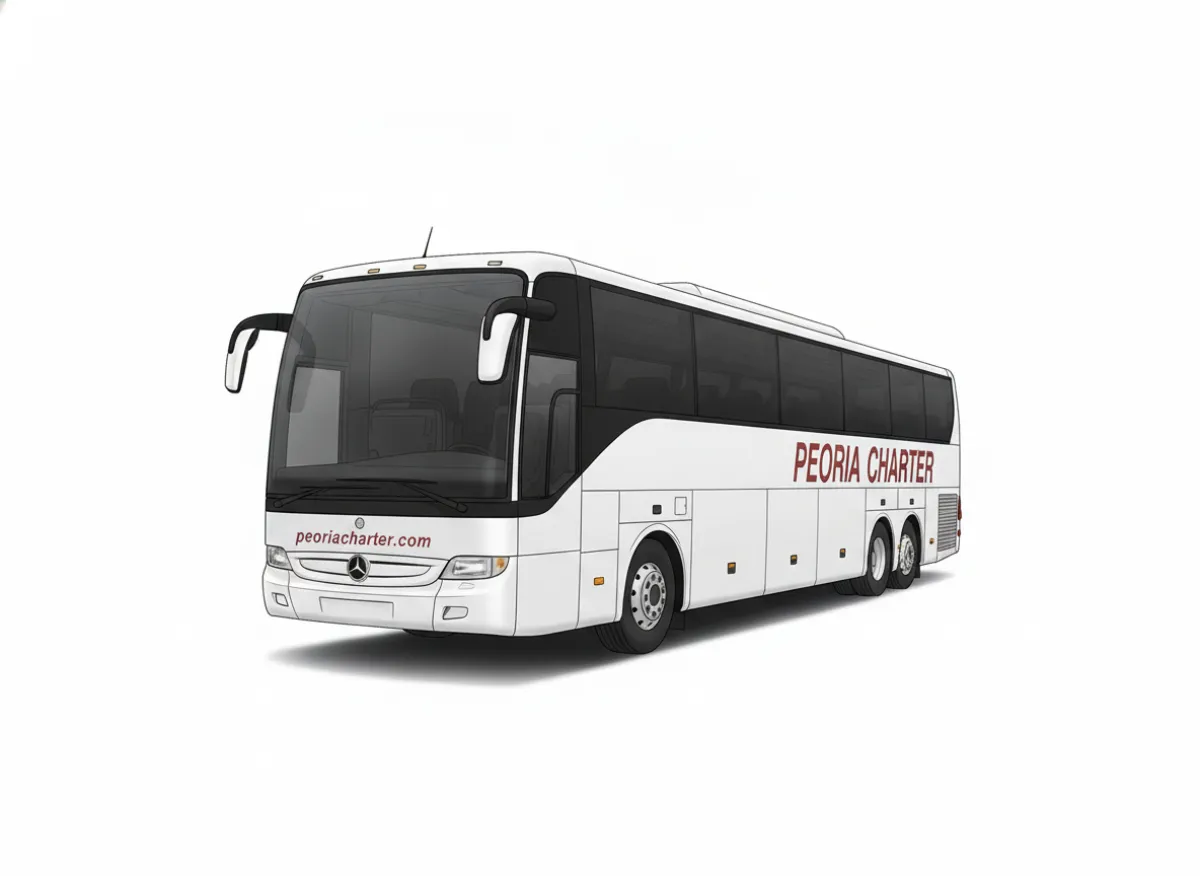
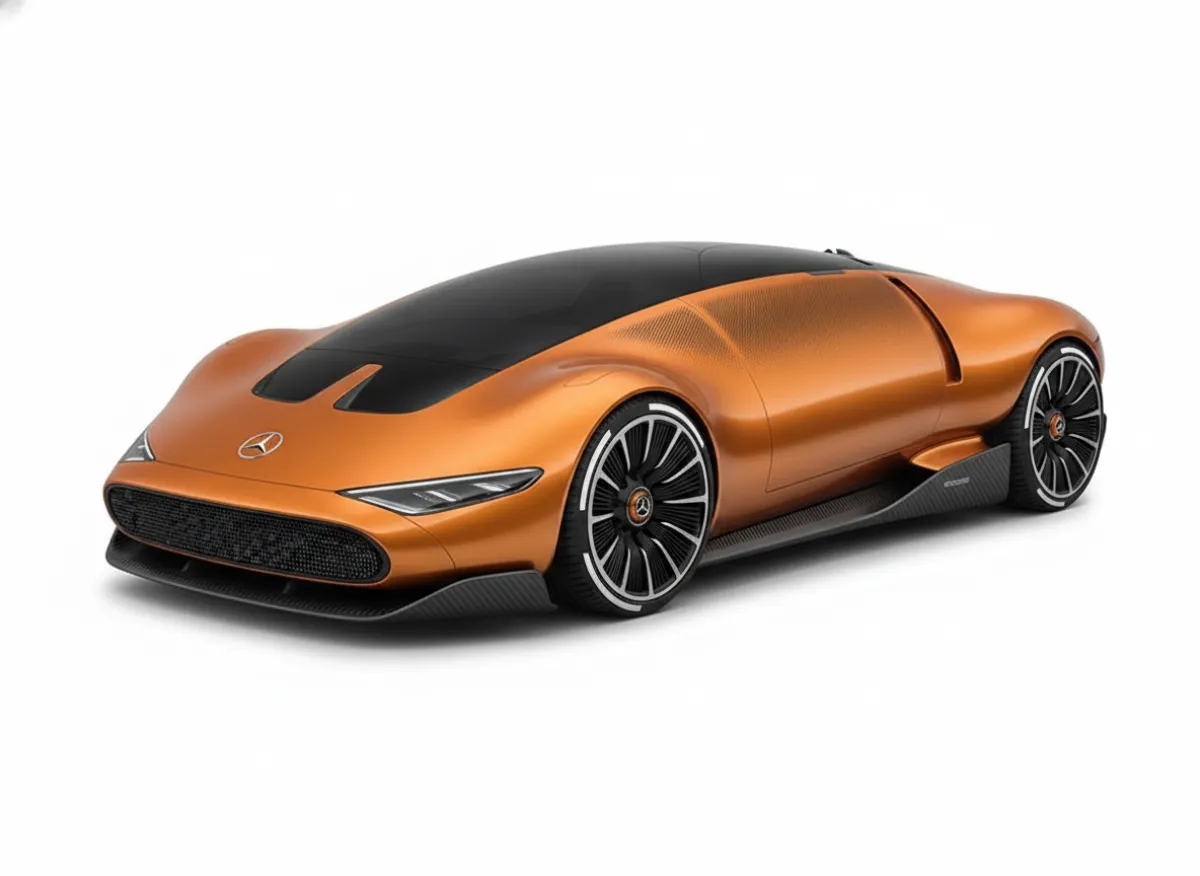
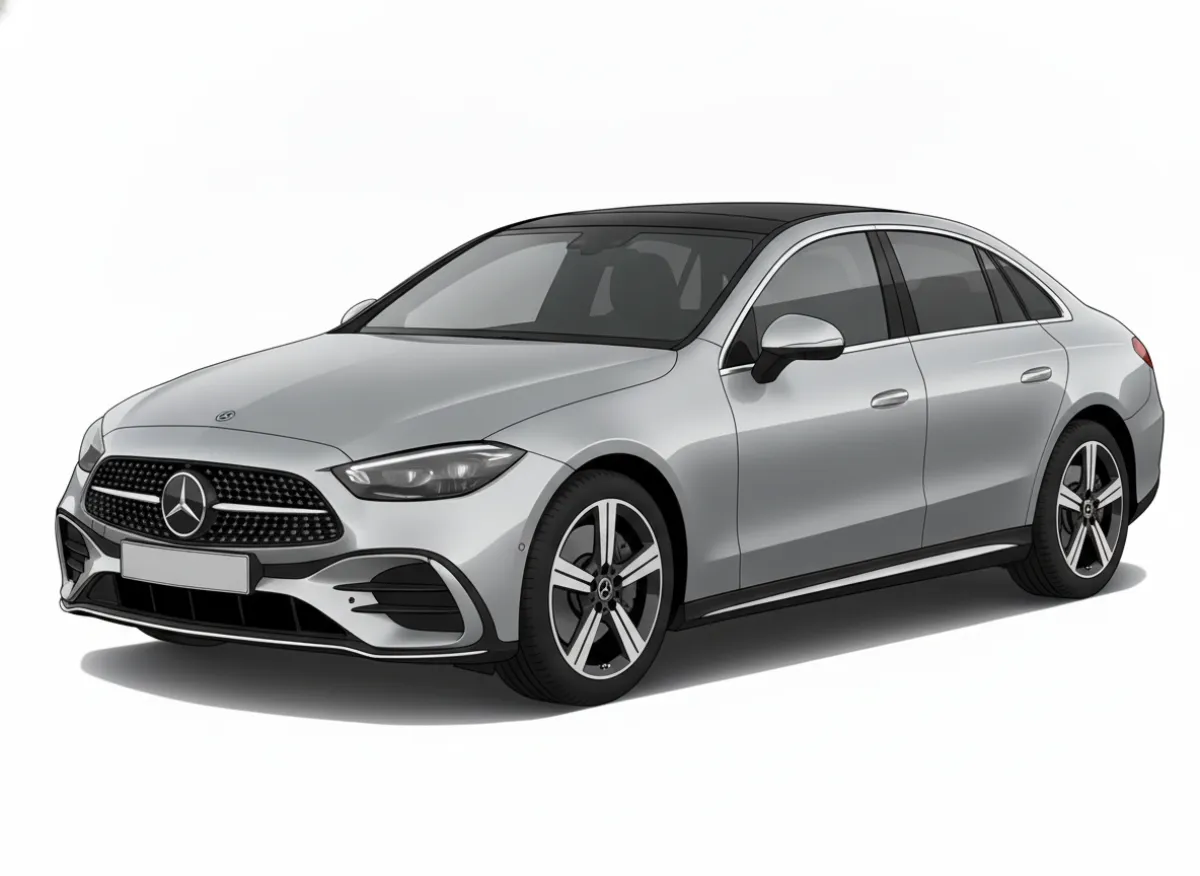
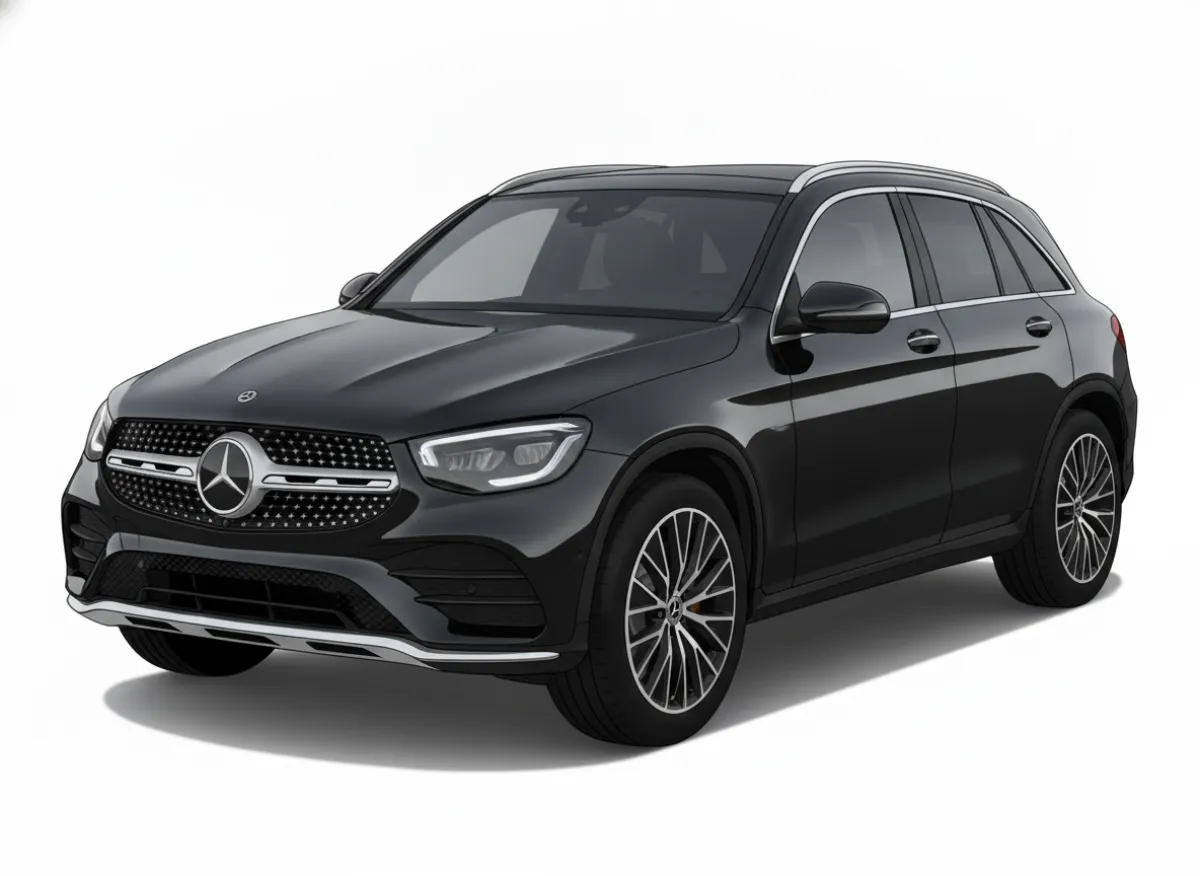
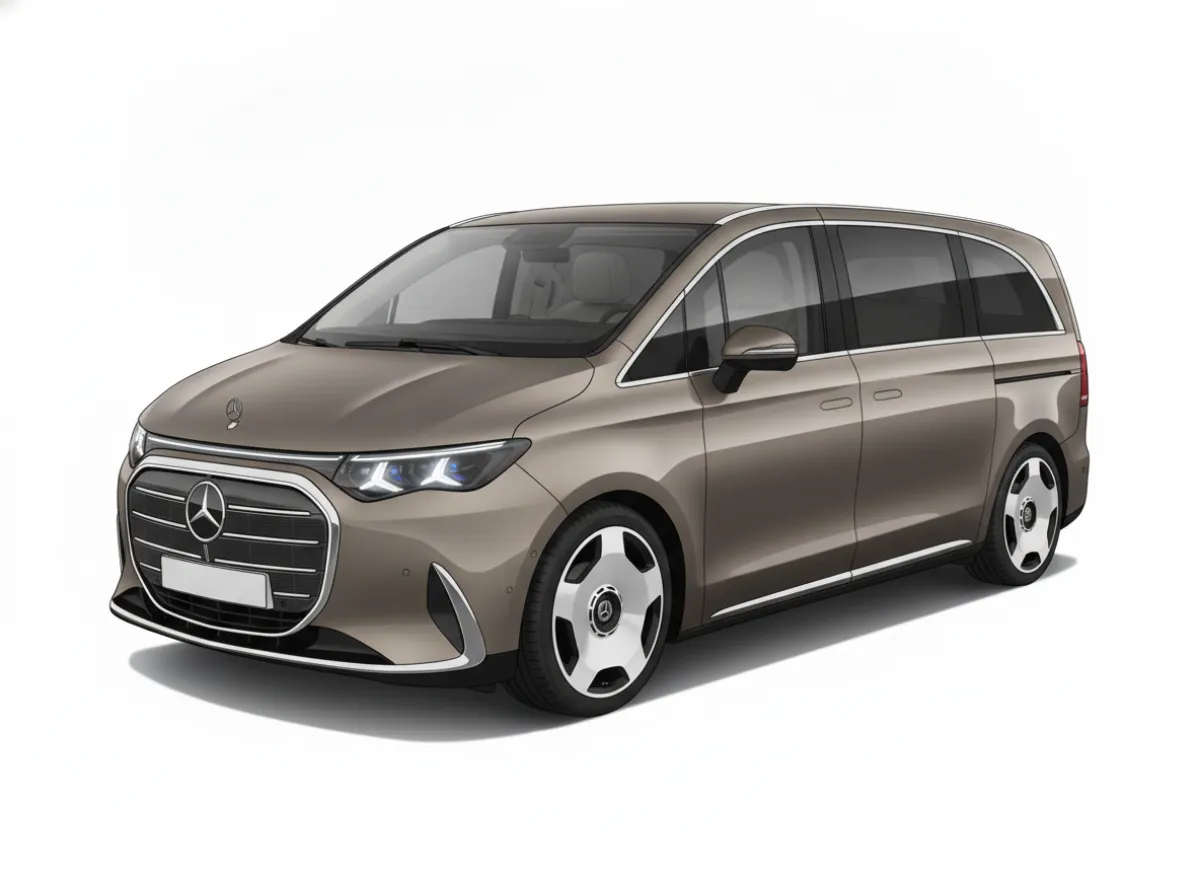
Year not recorded
3 launched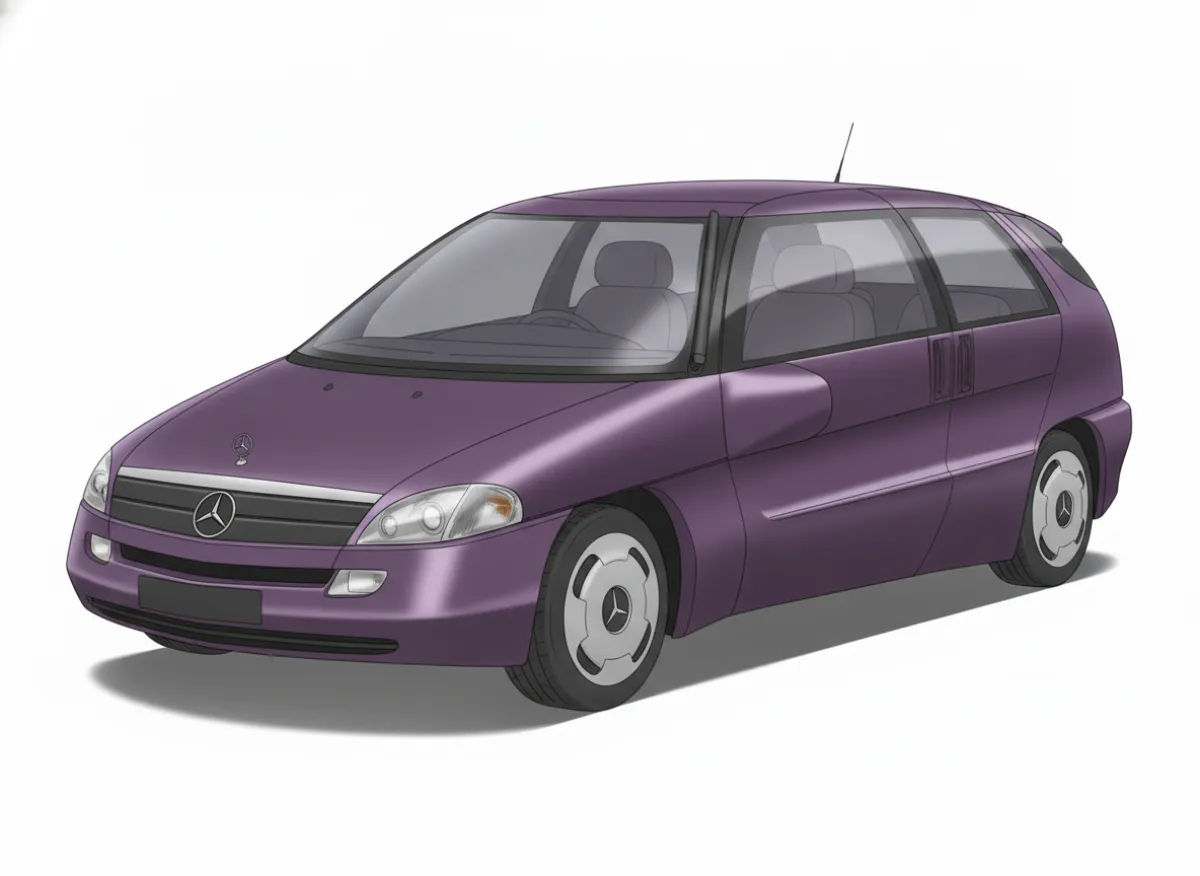
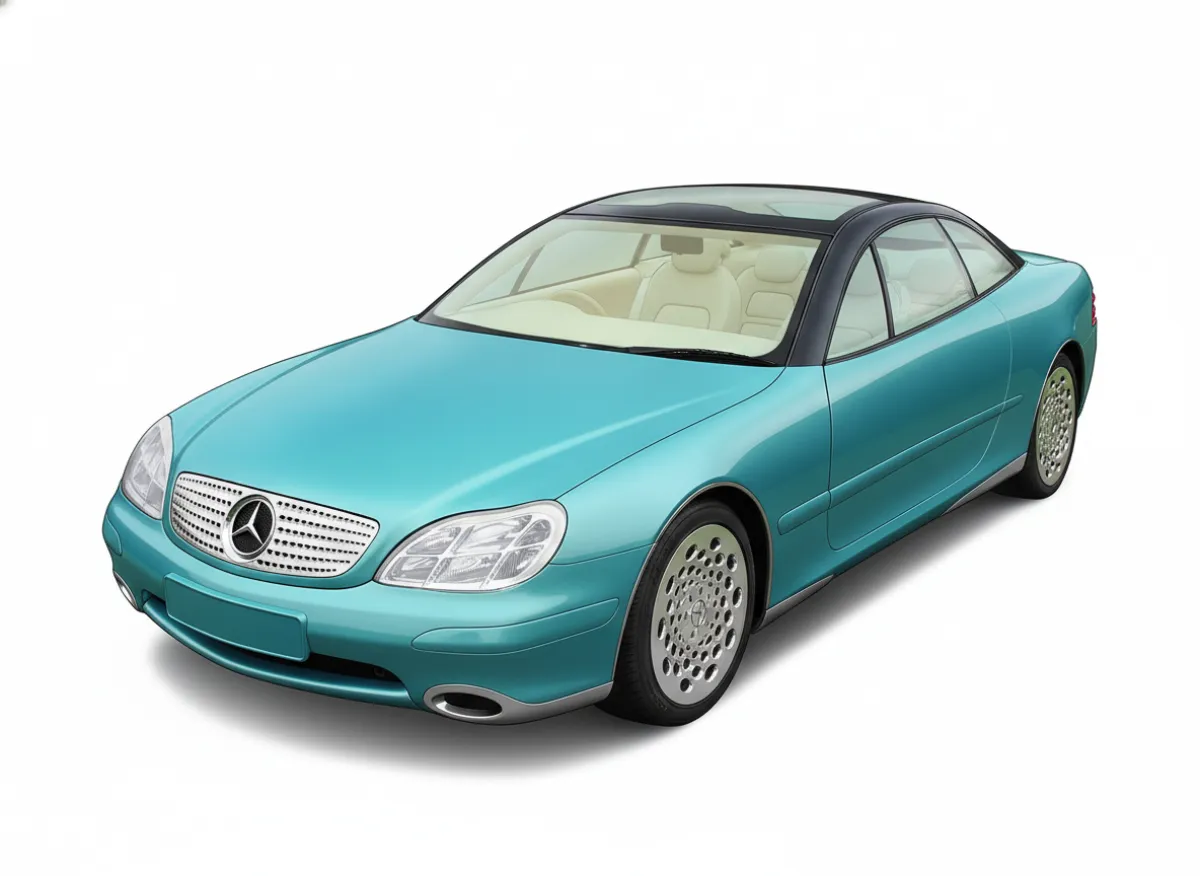
History
1883–1918
Benz and Daimler
Two rival firms lie behind the brand. Carl Benz founded Benz & Co. Rheinische Gasmotorenfabrik in Mannheim in 1883 (Benz & Cie. from 1899) and patented his Motorwagen in January 1886, widely regarded as the first car powered by an internal-combustion engine. Gottlieb Daimler and Wilhelm Maybach fitted a petrol engine to a carriage later that year and founded Daimler-Motoren-Gesellschaft (DMG) in 1890.
The name Mercedes came from Emil Jellinek, an Austrian businessman and DMG director from 1900, who sold Daimler cars to wealthy clients and had them named after his daughter Mercédès. The 1901 Mercedes 35 hp, designed by Maybach, set the pattern for the modern car, and Jellinek registered the name in 1902. Gottlieb Daimler had died in 1900.
1919–1933
The 1926 merger
Both firms struggled in Germany's post-war inflation. With Deutsche Bank encouraging a combination, they signed an agreement of mutual interest on 1 May 1924 and merged on 28 June 1926 as Daimler-Benz AG. All cars from then on carried the Mercedes-Benz name, the Mercedes part honouring DMG's most important model series. Carl Benz sat on the board until his death in 1929. Wilhelm Kissel led the company from 1926 to 1942.
1933–1945
Silver Arrows and the Nazi state
In the 1930s the Silver Arrow racing cars and large luxury saloons such as the 770 made the brand a symbol of prestige, and the regime's leaders used its cars. Mercedes-Benz registrations in Germany rose from 7,844 in 1933 to 23,679 in 1937.
In the war the company built aero, tank and submarine engines and other armaments, and used more than 60,000 concentration-camp prisoners and other forced labourers. Daimler later acknowledged its role.
1945–1985
Recovery and growth
Car production restarted after the war with the pre-war 170 design. The safety body cell (1951) and, later, the airbag and belt tensioner (1981) became Mercedes signatures, and the company built plants in Argentina and Brazil and founded a US subsidiary in 1955. By 1962 Daimler-Benz employed 90,000 people and had revenue of DM 4.4 billion; by 1972, 149,800 people and DM 13.3 billion. The 190 (W201) compact of 1982 and the W123 and W124 saloons sold in millions.
1985–1998
Reuter's technology conglomerate
From the mid-1980s, under Edzard Reuter, Daimler-Benz bought Dornier, MTU, Fokker and AEG and built an aerospace arm (Deutsche Aerospace) and a services arm (debis), turning the car maker into Germany's biggest industrial group with revenue of DM 85.5 billion in 1990. The diversification lost money, and Jürgen Schrempp, chief executive from 1995, began unwinding it.
1998–2007
DaimlerChrysler
Schrempp and Chrysler's Robert Eaton announced a "merger of equals" on 7 May 1998; DaimlerChrysler AG was formed that year in a share exchange valued at about US$38 billion. In practice it was a German takeover, investors sued, and the Chrysler side lost money. Eaton left in 2000 and Schrempp resigned at the end of 2005, succeeded by Dieter Zetsche.
In May 2007 the company agreed to sell 80.1% of Chrysler to Cerberus Capital Management. The sale completed on 3 August 2007, Daimler paying to take the liabilities off its hands, and the company was renamed Daimler AG.
2007–now
Daimler AG to Mercedes-Benz Group
Under Zetsche, Daimler built a Chinese business with BAIC and an alliance with Renault-Nissan (2010). Mercedes-Benz passenger-car sales grew from 980,000 in 2009 to about 2.3 million in 2019. Li Shufu, owner of Geely, bought 9.69% in February 2018 and BAIC 5% in July 2019; both later became the largest shareholders.
Ola Källenius succeeded Zetsche on 22 May 2019. The truck business was spun off as Daimler Truck, listed on 10 December 2021, and on 1 February 2022 Daimler renamed itself Mercedes-Benz Group AG. The group is now concentrated on Mercedes-Benz cars and vans, a push upmarket and electrification; revenue fell from a peak of EUR 172.7 billion in 2019 to EUR 132.2 billion in 2025.
Milestones
- 1883
Carl Benz founds Benz & Co. Rheinische Gasmotorenfabrik in Mannheim.
- 1886
Benz patents the Motorwagen (January); Daimler and Maybach build their motor carriage.
- 1890
Daimler-Motoren-Gesellschaft founded.
- 1901
DMG's Mercedes 35 hp, named after Mercédès Jellinek, goes on sale.
- 1924
Benz & Cie. and DMG sign an agreement of mutual interest (1 May).
- 1926
Merger into Daimler-Benz AG (28 June); cars are badged Mercedes-Benz.
- 1951
Safety body cell introduced.
- 1955
Daimler-Benz of North America founded in New York.
- 1981
Airbag and belt tensioner introduced.
- 1986
Centenary of the motor car celebrated.
- 1998
Merger with Chrysler forms DaimlerChrysler AG.
- 2007
80.1% of Chrysler sold to Cerberus (completed 3 August); company renamed Daimler AG.
- 2010
Alliance with Renault-Nissan announced (7 April).
- 2018
Li Shufu takes a 9.69% stake (February).
- 2019
Ola Källenius succeeds Dieter Zetsche (22 May); BAIC buys 5% (July).
- 2021
Daimler Truck spun off and listed (10 December).
- 2022
Daimler AG renamed Mercedes-Benz Group AG (1 February).