Germany · since 1931
Porsche
A family design office that became the most profitable sports-car maker, tried to swallow Volkswagen, and was swallowed by it instead.
Models on record
Researched dossiers
- Founded
- 1931
- Founders
- Ferdinand Porsche, Adolf Rosenberger, Anton Piëch
- Headquarters
- Stuttgart-Zuffenhausen, Germany
- Owned by
- Volkswagen AG (majority), Porsche SE and public shareholders
- Status
- active
- Cars on record
- 1931–today
Marque summary from Wikipedia, CC BY-SA 4.0.
About Porsche
No summary is on record for Porsche.
Key people Wolfgang Porsche (chairman) · Michael Leiters (CEO)
Who owned it
7 changes of control, 1931 to today.
- 1931–1937Dr. Ing. h.c. F. Porsche GmbH (Ferdinand Porsche 80%, Adolf Rosenberger 10%, Anton Piëch 10%)
- 1937–1972Dr. Ing. h.c. F. Porsche KG (Porsche and Piëch families)Partners from 1937 were Ferdinand Porsche, Ferry Porsche (15%), Louise Piëch (5%) and Anton Piëch (10%). The Stuttgart company was under Allied asset control from 1945 until October 1950; the first 356 cars were built in 1948 by the families' Austrian company, Porsche Konstruktionen GesmbH, in Gmünd.
- 1972–2007Dr. Ing. h.c. F. Porsche AG (ordinary shares held by the Porsche and Piëch families)Converted from KG to AG in 1972 and family members withdrew from management. Non-voting preference shares were floated in 1984 at DM 780.
- 2007–2009Porsche Automobil Holding SE (Porsche and Piëch families) · 100% of the car businessIn June 2007 the old Porsche AG was renamed Porsche SE and a new Porsche AG was created for the car business, held through Porsche Zwischenholding GmbH.
- 2009–2012Porsche SE (50.1%) and Volkswagen AG (49.9%) · 49.9% VolkswagenUnder the August 2009 agreement VW took 49.9% of Porsche AG (via Porsche Zwischenholding) by the end of 2009.
- 2012–2022Volkswagen AG · 100%VW bought the remaining 50.1% on 1 August 2012, paying US$5.61 billion, structured as a restructuring rather than a takeover.
- 2022–nowVolkswagen AG (majority), Porsche SE and public shareholders · VW about 75%; Porsche SE 25% plus one ordinary share (12.5% of capital)IPO of preference shares on the Frankfurt Stock Exchange on 29 September 2022 (12.5% of capital sold; Qatar Investment Authority committed to 4.99% of the preference shares). Wikipedia's infobox lists VW 75.4%, Porsche SE 12.5%, QIA 2.5%.
Chief executives
Sales, revenue and rank
Vehicles sold or built
What the figure counts changes 5 times. Read each numbered stretch on its own.
- 1995–2001Porsche total vehicle sales (Gesamtabsatz) in the fiscal year 1 August 1994 to 31 July 1995, as tabulated by German Wikipedia
- 2002–2009Porsche vehicle sales in the fiscal year ending 31 July 2002, as tabulated by English Wikipedia
- 2010–2015Porsche AG vehicle sales/deliveries to customers worldwide, calendar year, as tabulated by English Wikipedia
- 2016–2018Porsche AG deliveries to customers worldwide, calendar year (German Wikipedia table, citing Porsche annual reports)
- 2019–2022Porsche AG vehicle sales/deliveries to customers worldwide, calendar year, as tabulated by English Wikipedia
- 2023–2025Porsche AG deliveries to customers worldwide, calendar year (German Wikipedia table, citing Porsche annual reports)
Revenue
EUR of the day, not adjusted for inflation
What the figure counts changes 1 times. Read each numbered stretch on its own.
- 1995–2008Porsche AG group revenue for the fiscal year ending 31 July 1995, in EUR as given by German Wikipedia (Porsche reported in DEM at the time)
- 2010–2025Porsche AG Group sales revenue, calendar year
Best-selling model each year
| Year | Model | Units | Market | All vehicles |
|---|---|---|---|---|
| 2025 | Macan | 27,139 | US | 279,449 |
| 2024 | Macan | 25,180 | US | 310,718 |
| 2023 | Macan | 26,947 | US | 320,221 |
| 2022 | Macan | 23,688 | US | 309,884 |
| 2021 | Macan | 24,716 | US | 301,915 |
| 2020 | Macan | 18,631 | US | 272,162 |
| 2019 | Macan | 22,667 | US | 280,800 |
| 2018 | Macan | 23,504 | US | 256,255 |
| 2017 | Macan | 21,429 | US | 246,375 |
| 2016 | Macan | 19,332 | US | 237,778 |
| 2015 | Cayenne | 16,473 | US | 225,121 |
| 2014 | Cayenne | 16,205 | US | 187,208 |
| 2013 | Cayenne | 18,507 | US | 162,145 |
| 2012 | Cayenne | 15,545 | US | 143,096 |
| 2011 | Cayenne | 12,978 | US | 116,978 |
| 2010 | Cayenne | 8,343 | US | 97,273 |
| 2009 | Cayenne | 7,735 | US | 75,238 |
| 2008 | Cayenne | 12,898 | US | 98,652 |
| 2007 | Cayenne | 13,370 | US | 97,515 |
| 2006 | 911 | 12,702 | US | 96,794 |
| 2005 | Cayenne | 14,524 | US | 88,379 |
| 2004 | Cayenne | 19,134 | US | 76,827 |
| 2003 | Cayenne | 13,661 | US | 66,803 |
Sources for these figures (3)
- Porsche (history, leadership list, financial table from Porsche annual reports, US sales by model tables from Porsche Cars North America releases) — Wikipedia
- Porsche (company history, Vorstandsvorsitzende list, Geschäftsjahr table of revenue and sales 1994/95–2023) — Wikipedia (German)
- Porsche SE — Wikipedia
- This file was compiled after the session's web-search budget was exhausted. Porsche's annual reports (newsroom.porsche.com) exceed the fetch size limit and the newsroom's figures pages render empty, so the figures come from the English and German Wikipedia tables (which cite Porsche annual reports and releases) read from the raw wikitext; individual Porsche documents were not opened.
- Fiscal years: until 2008/09 Porsche's year ran 1 August to 31 July. Those figures are entered under the calendar year in which the fiscal year ended (fiscal 1994/95 under 1995). From 2010 the figures are calendar years. The fiscal year ending 31 July 2010 (81,850 sales, EUR 7.79 billion revenue) is not entered because it overlaps calendar 2010.
- Conflicts: 2010 sales are 97,273 in English Wikipedia and 96,473 in German Wikipedia (97,273 used). Fiscal 2002/03 revenue is EUR 5,583m (English) vs 5,582m (German). For fiscal 2007/08 German Wikipedia gives EUR 6,247m for the new Porsche AG excluding subsidiaries; English Wikipedia's 7,466m group figure is used. English Wikipedia also gives conflicting 2025 operating profit (EUR 413m in the infobox, about EUR 90m in the text); no profit is recorded here.
- Revenue for 1995–2001 is given by German Wikipedia in euros although Porsche reported in Deutsche Marks; the conversion is Wikipedia's. Revenue for fiscal 2008/09 (entered as 2009) was not found. 2019–2022 revenues are rounded to EUR 0.1 billion in the source.
- Units before fiscal 1994/95 are missing: no year-by-year production or sales series for 1948–1994 was found (only isolated figures, such as about 23,000 sales in fiscal 1991/92 and 76,302 356s built 1950–1965).
- Best seller is the US-market best seller from Porsche Cars North America figures tabulated by Wikipedia (2003–2025), not worldwide. Worldwide deliveries by model are in Porsche's annual reports, which could not be read.
- No ranking given: OICA ranks the Volkswagen Group, not Porsche.
- German Wikipedia's production table gives 86,083 for 2012 German production, which looks like a typo against 151,999 total production in English Wikipedia; production figures are not used in this file.
Researched dossiers
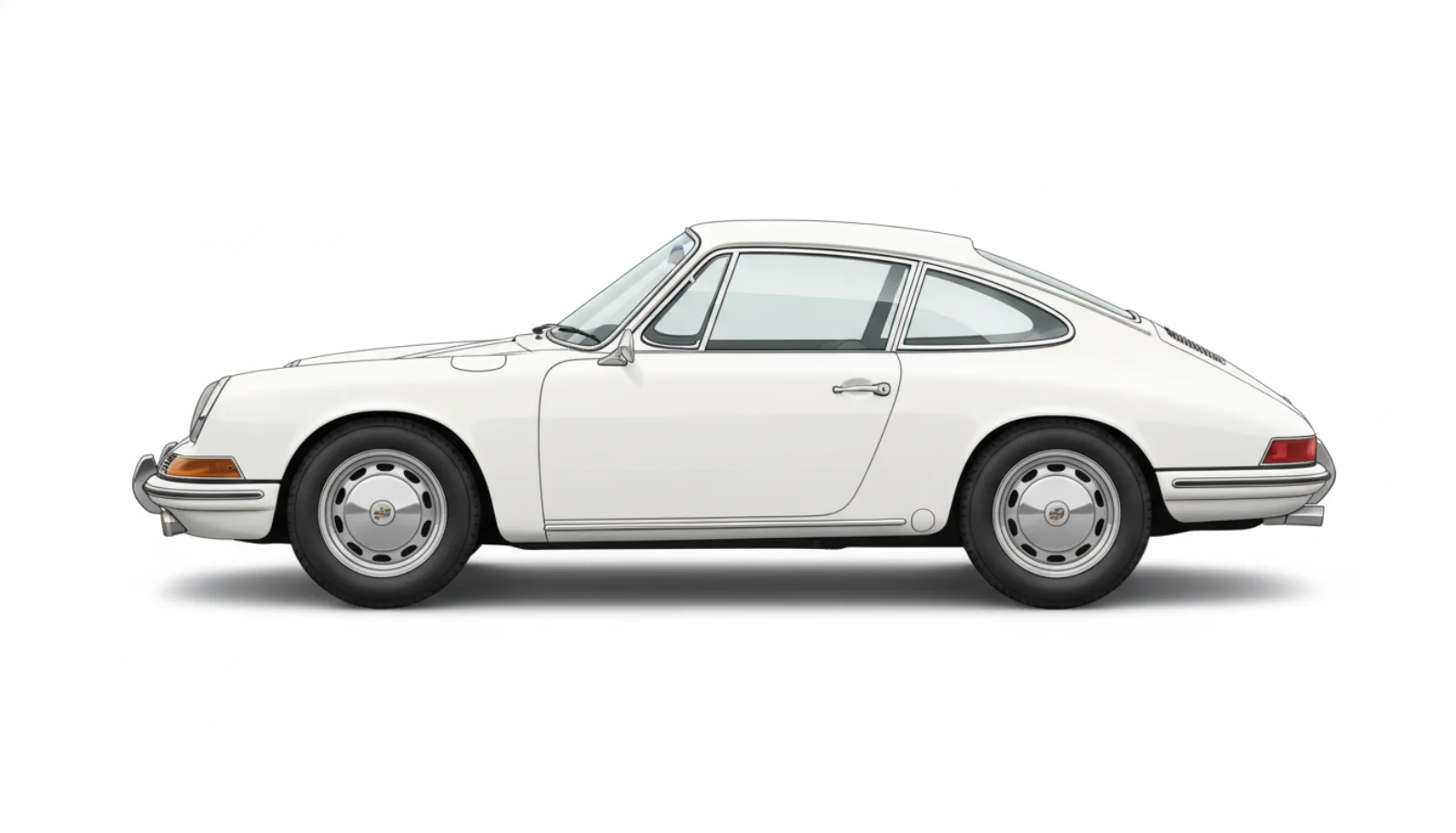
Every model
Models in production each year
1930s
1 launched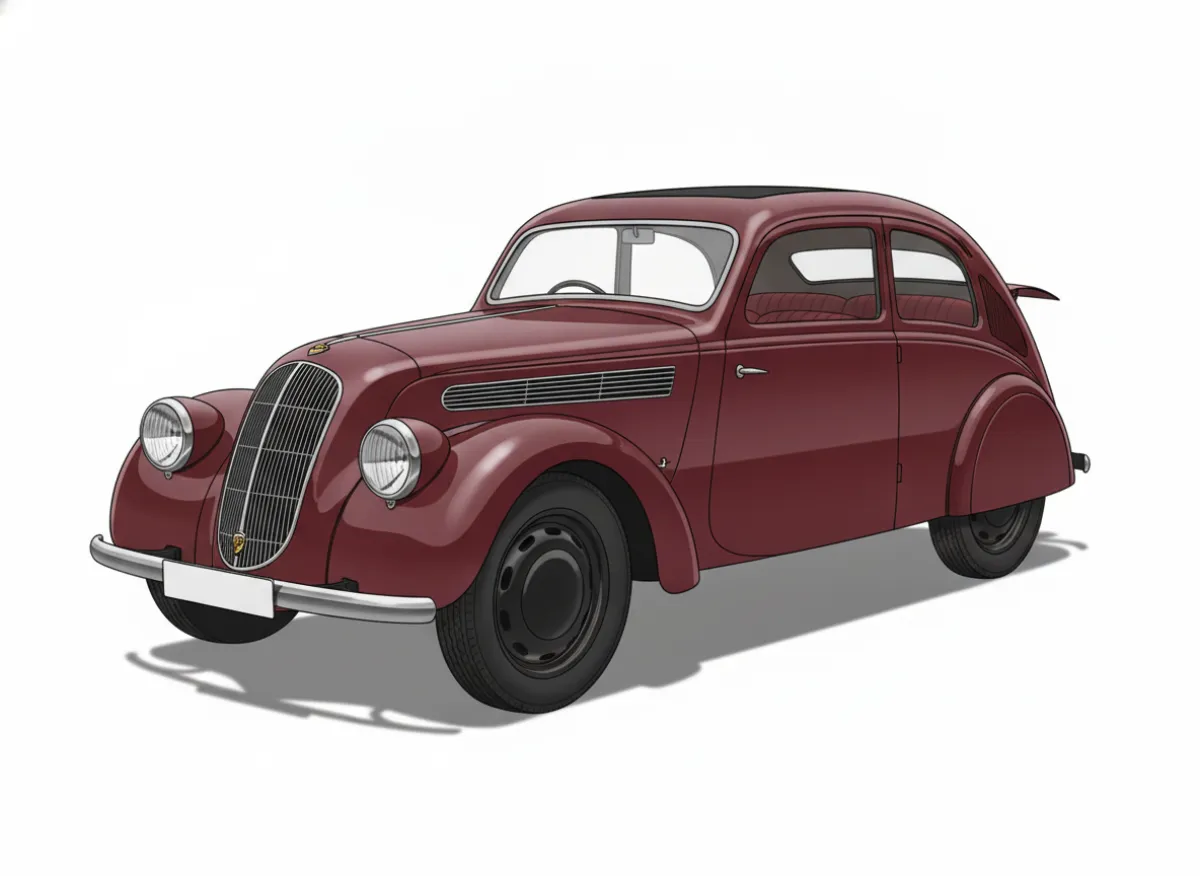
1940s
3 launched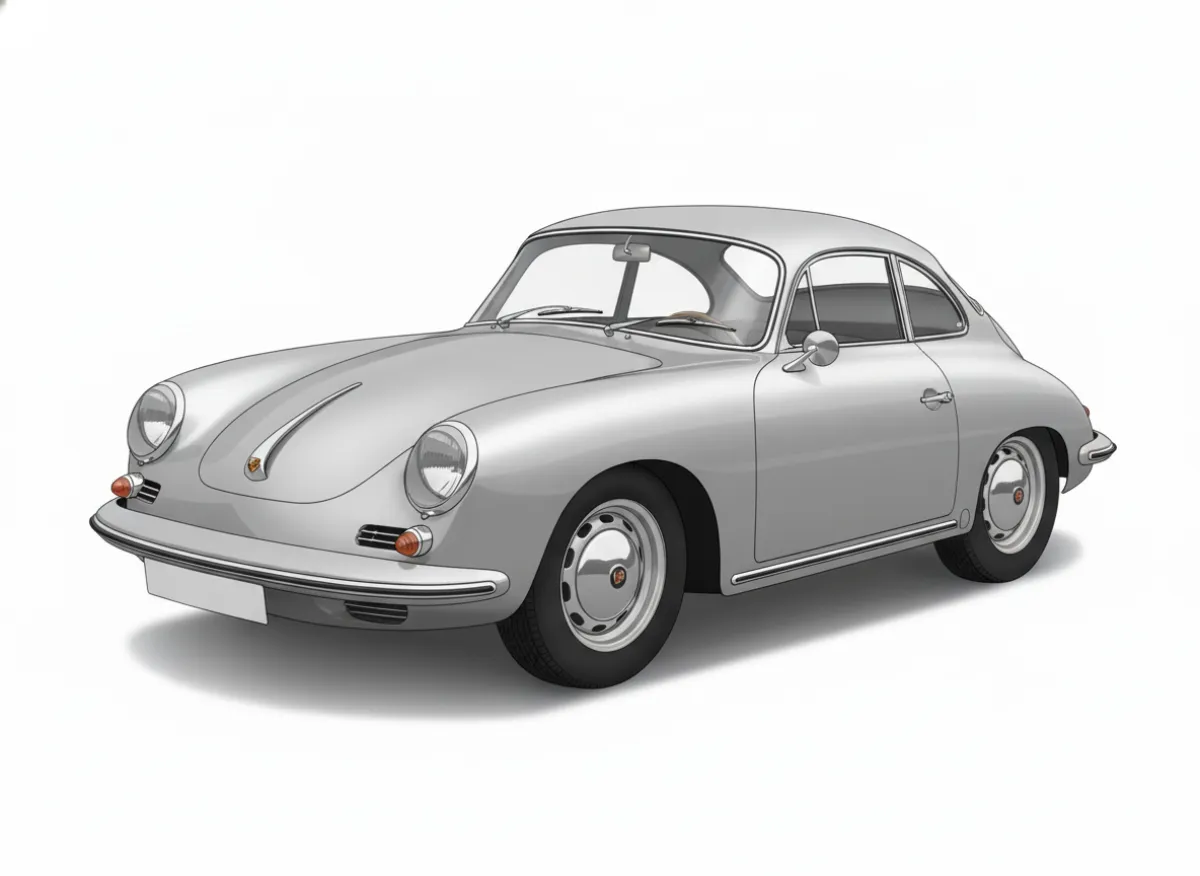
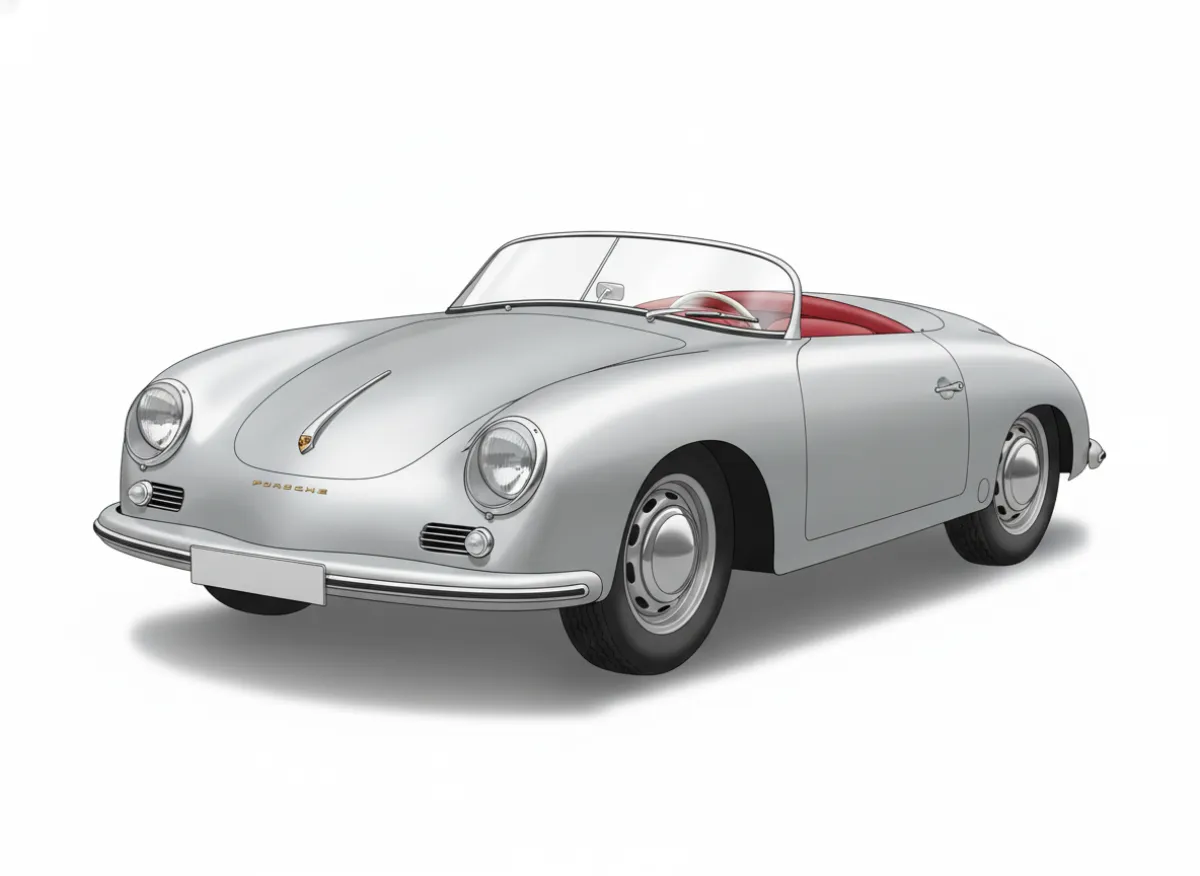
1950s
4 launched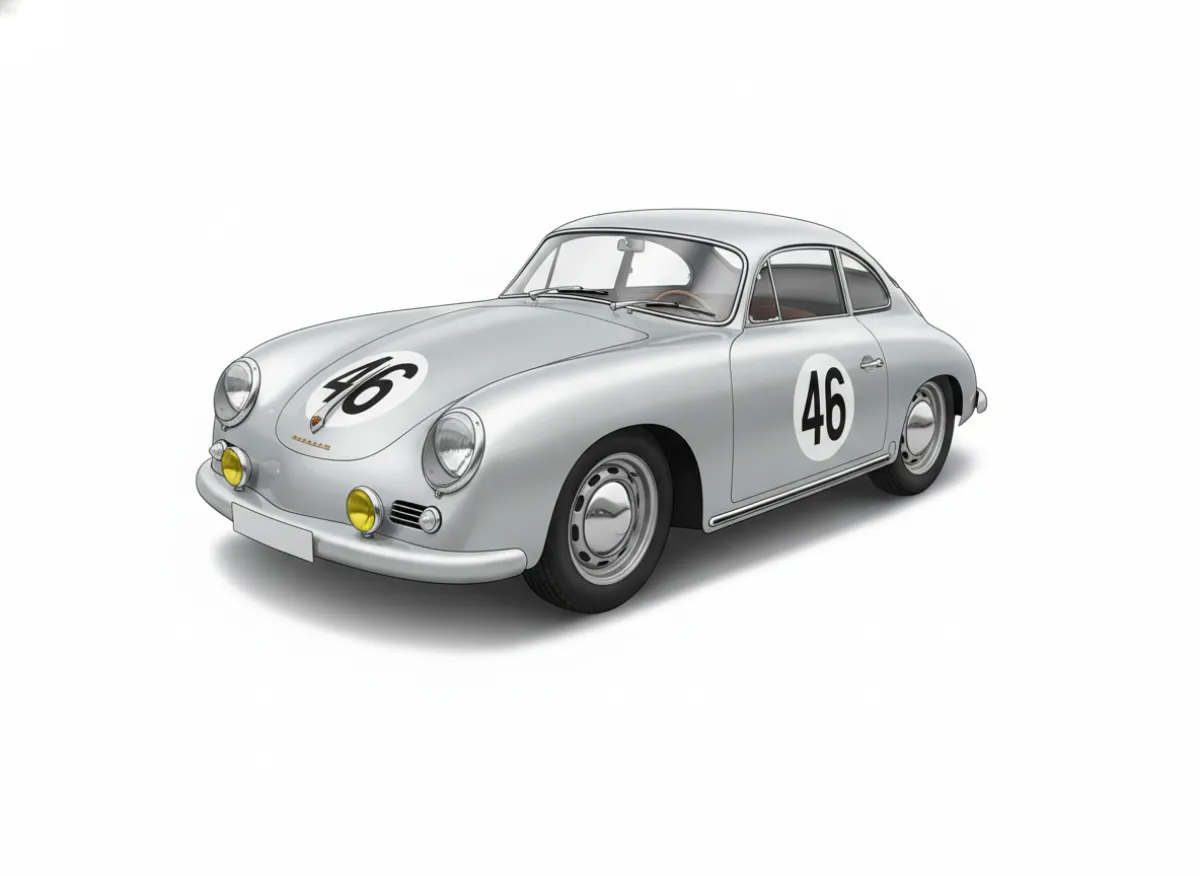
1960s
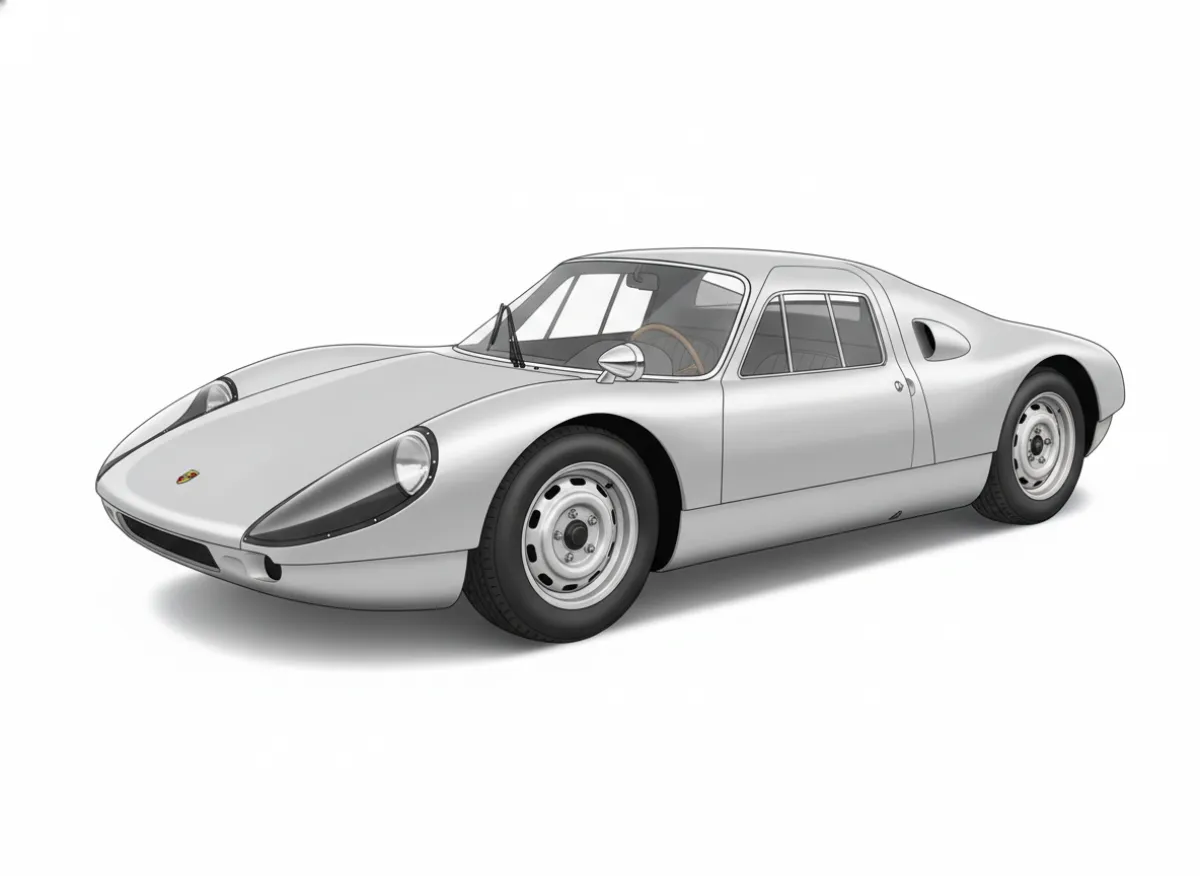
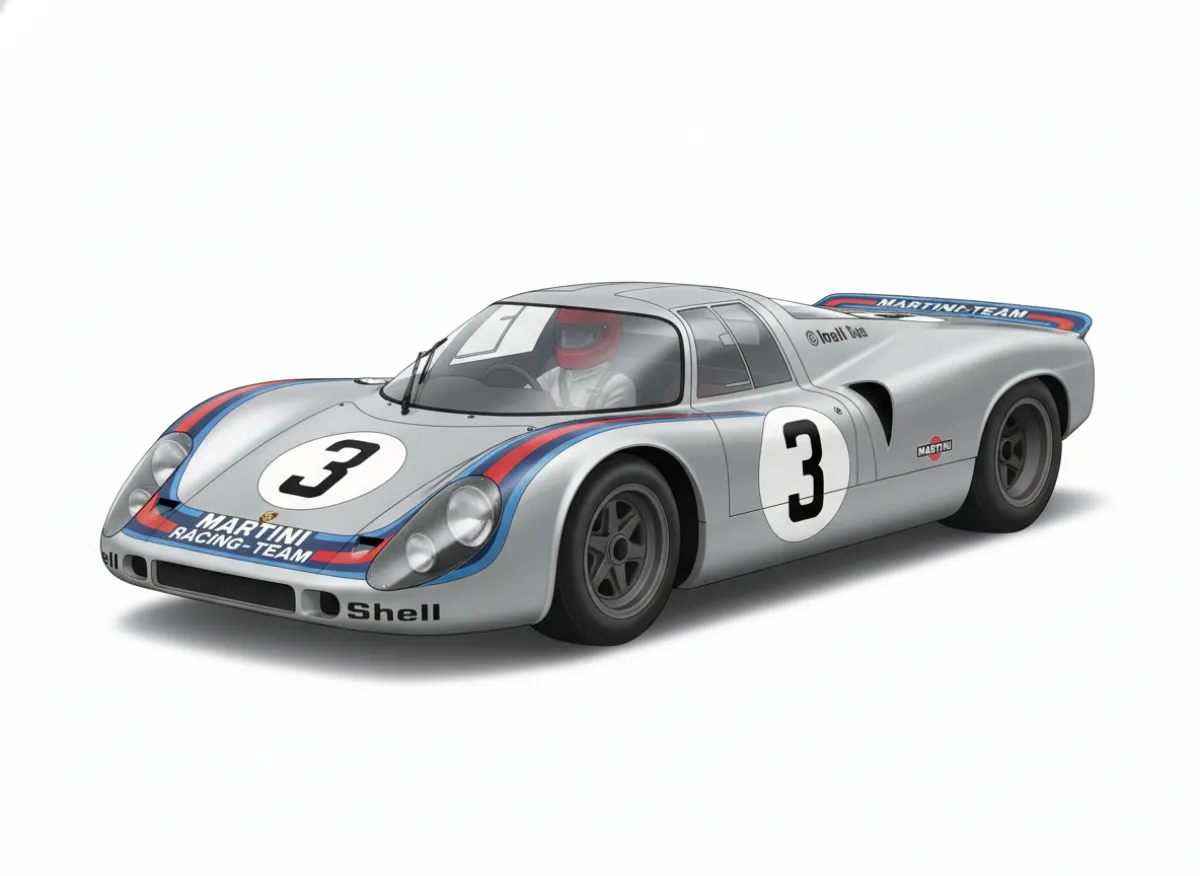
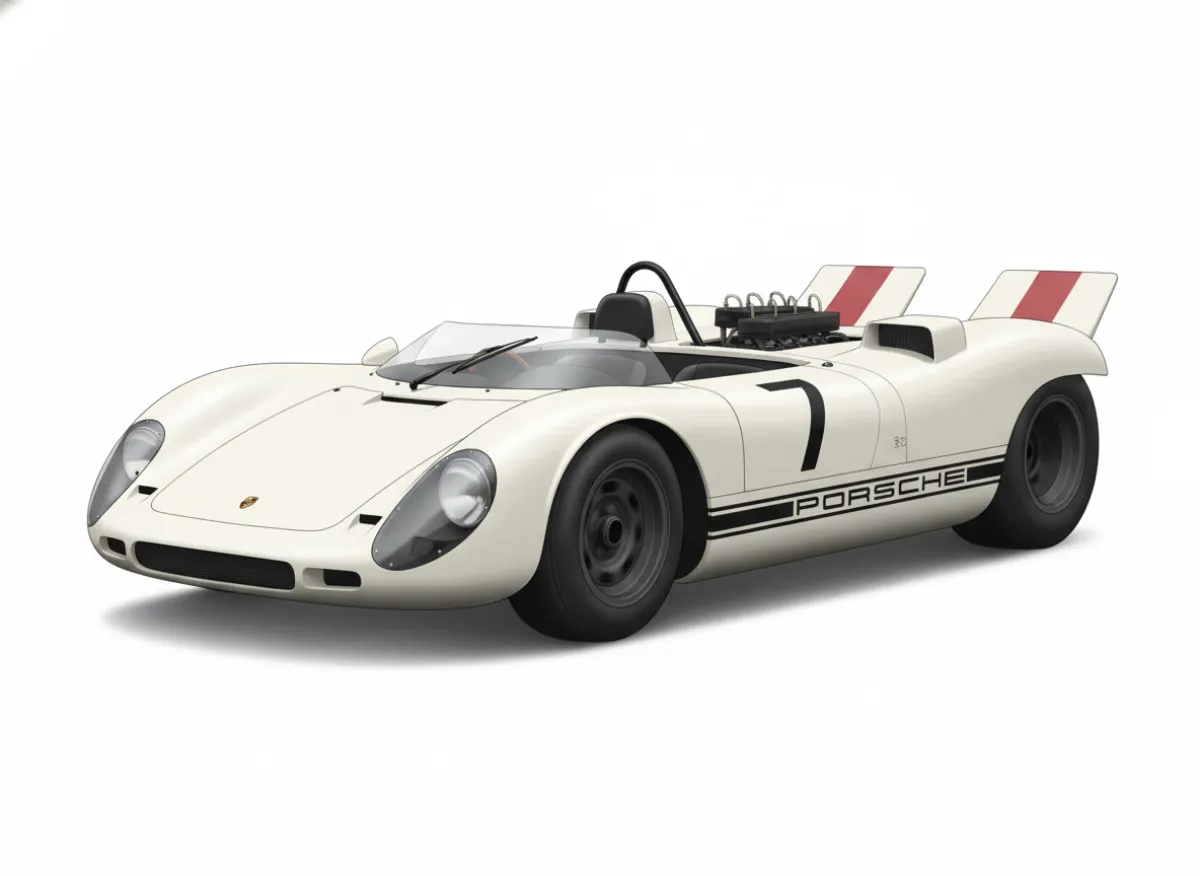
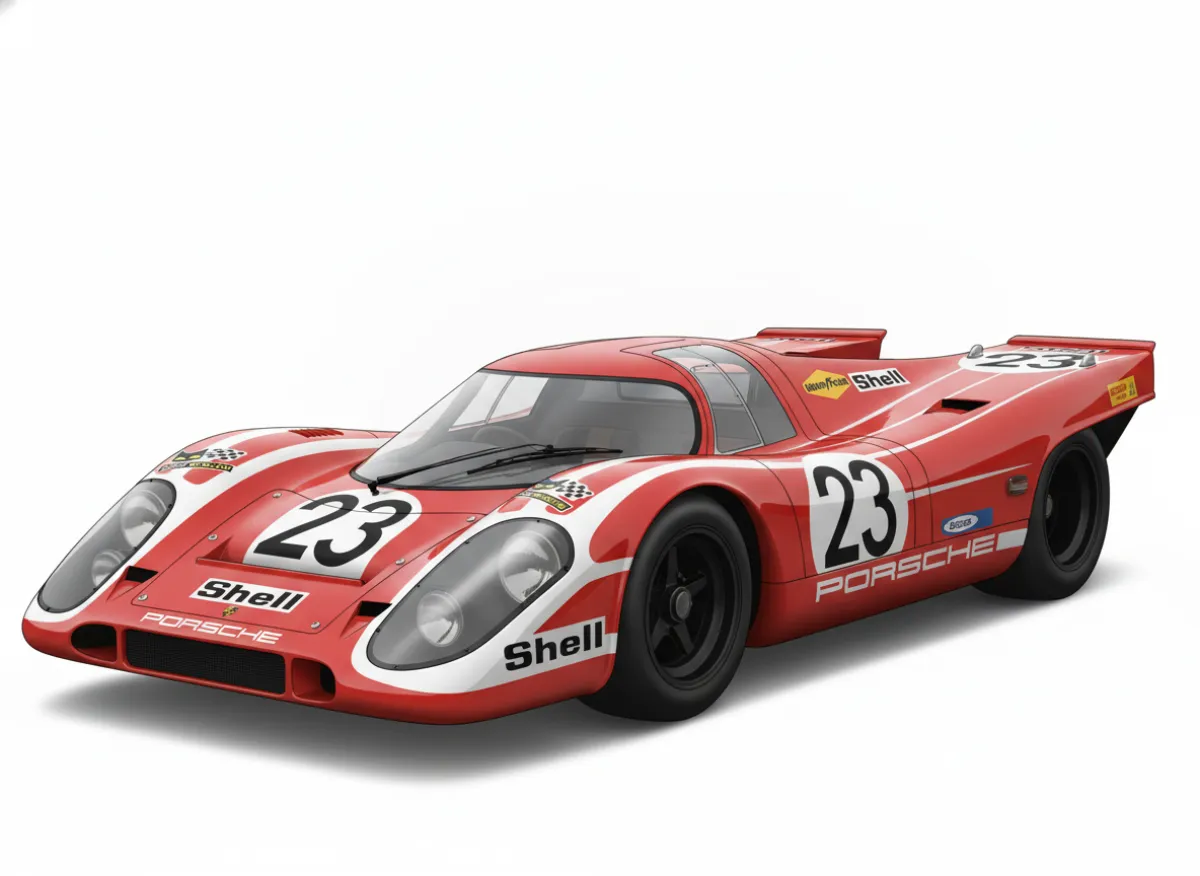
12 launched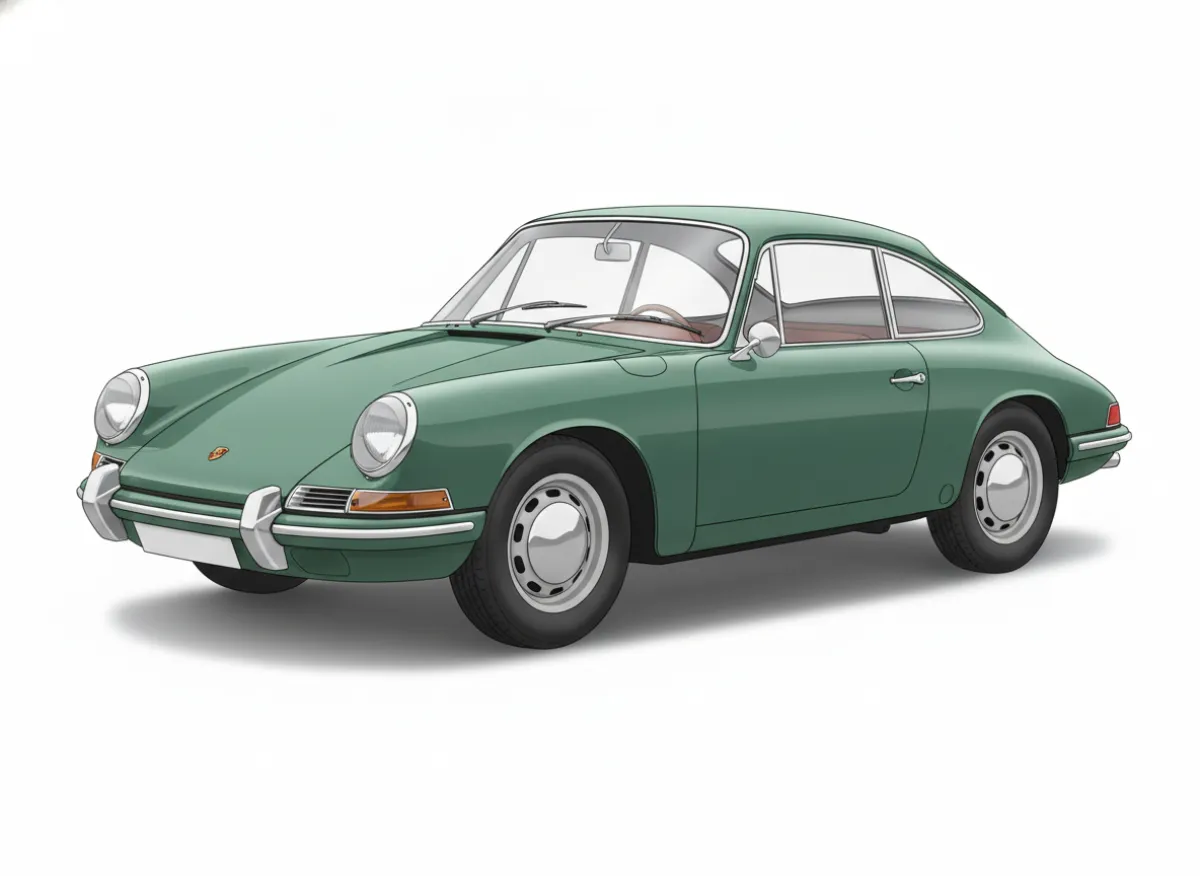
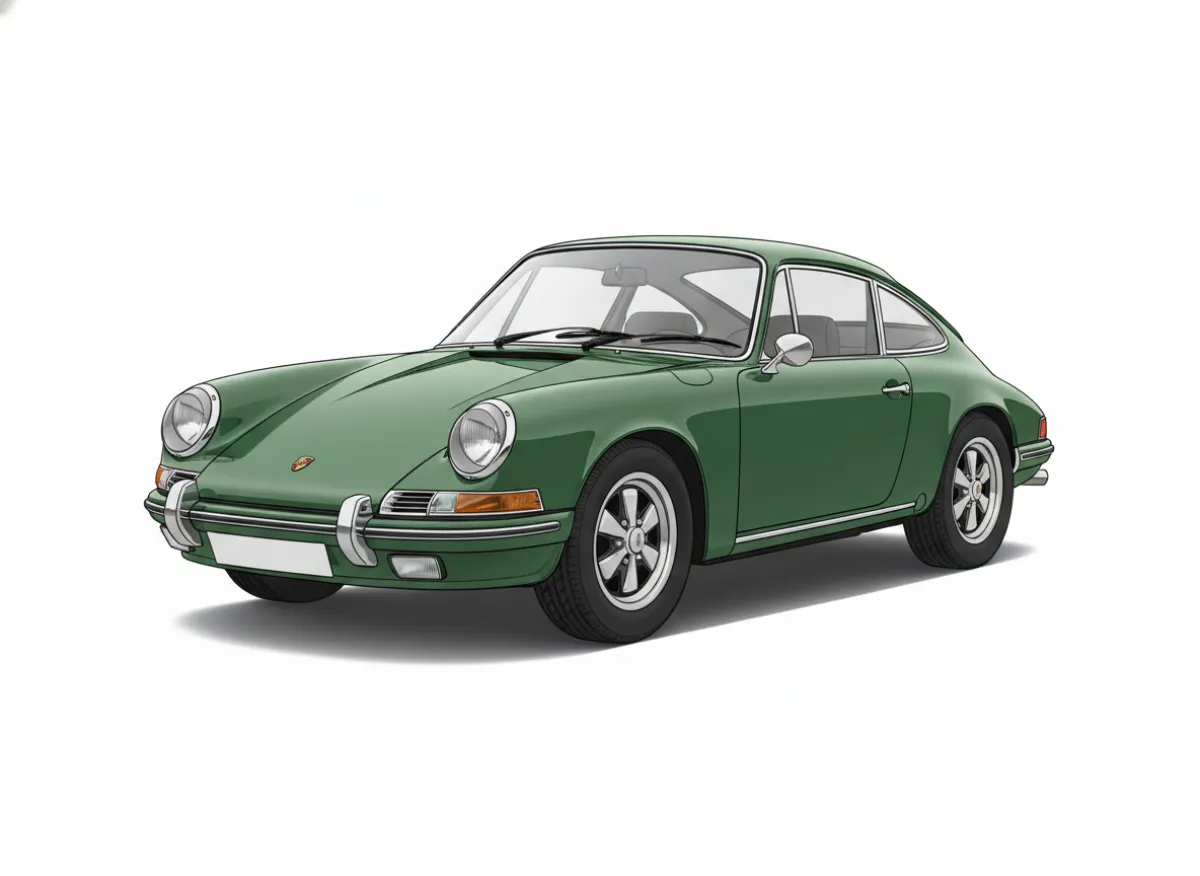
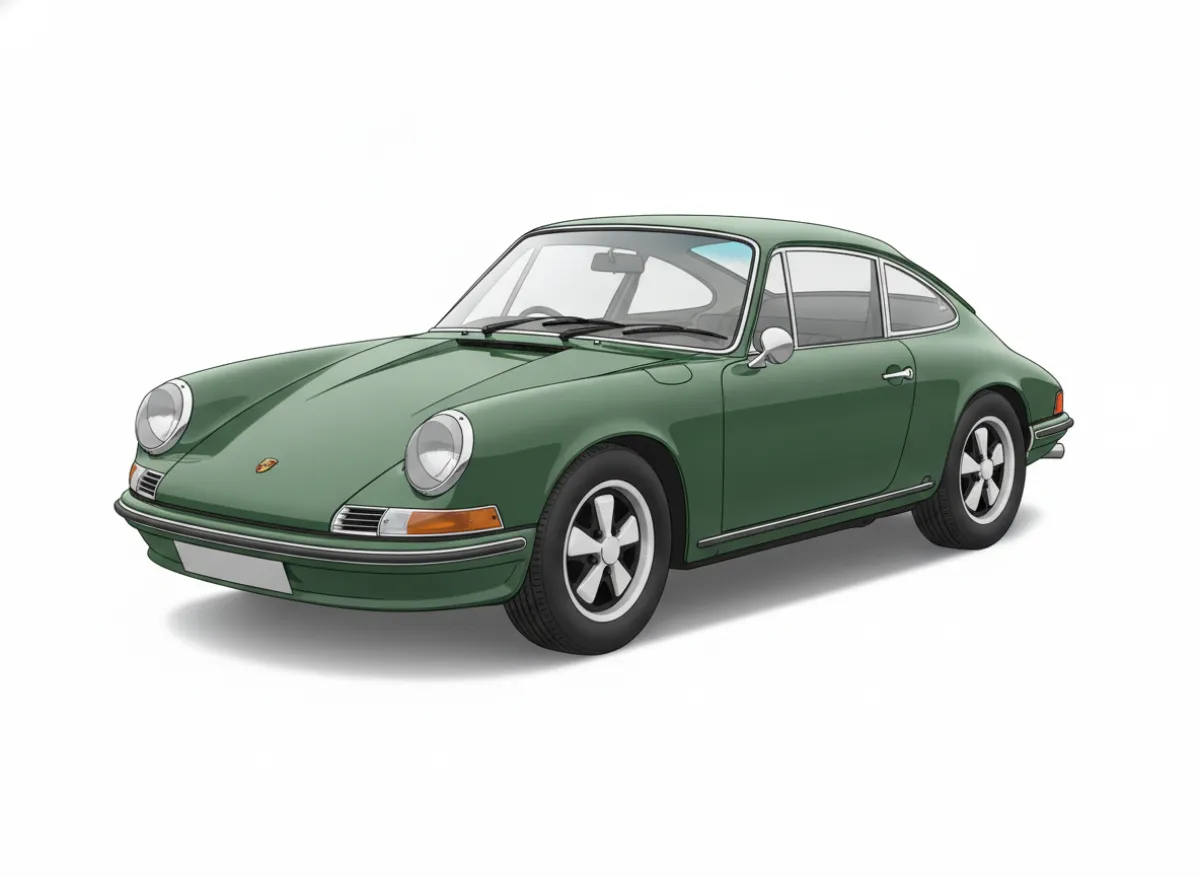
1970s
8 launched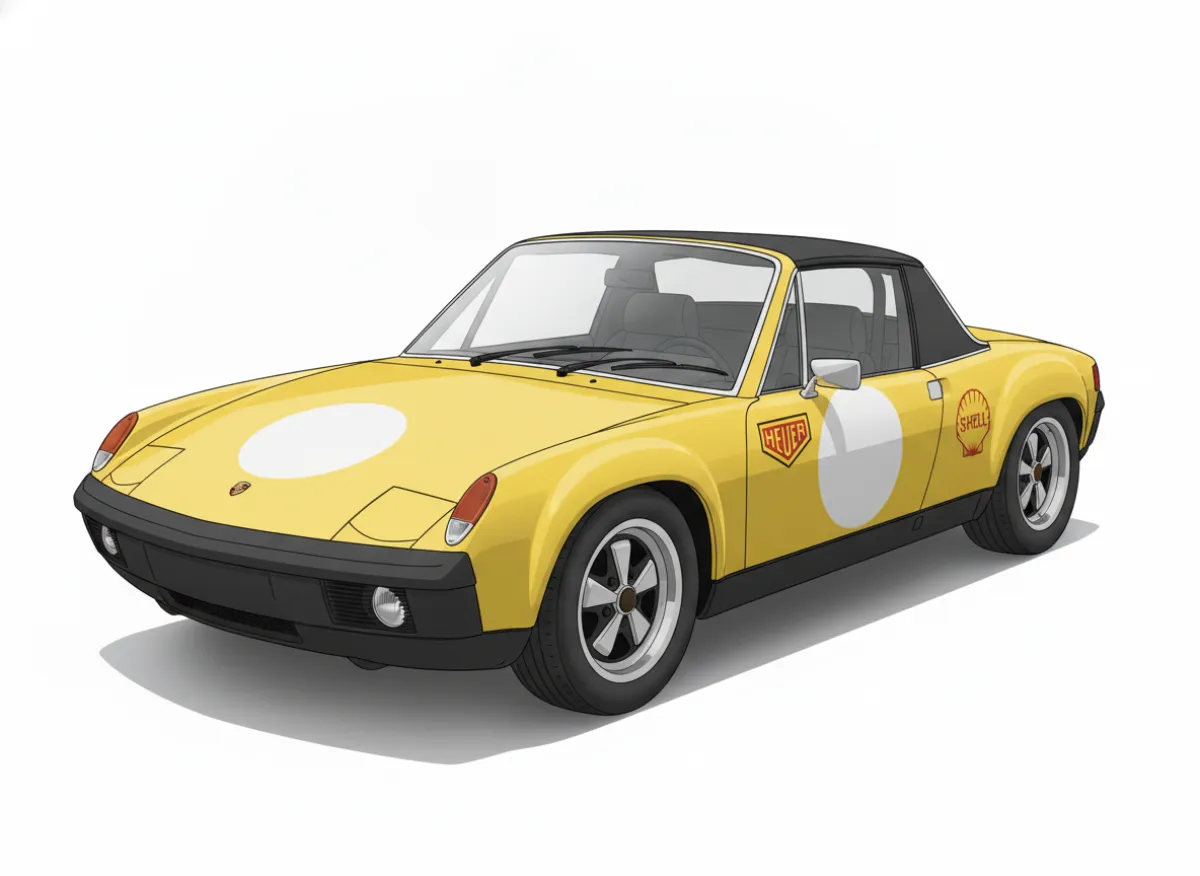

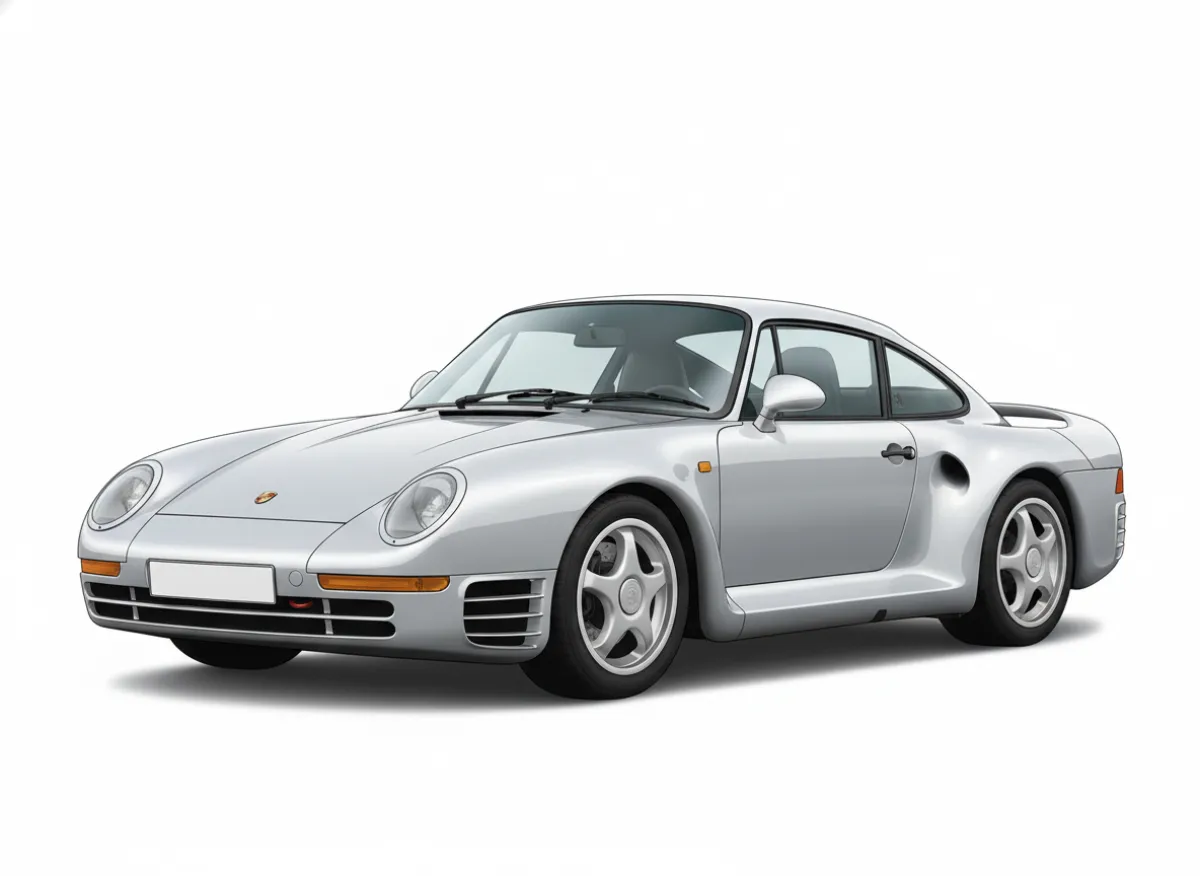
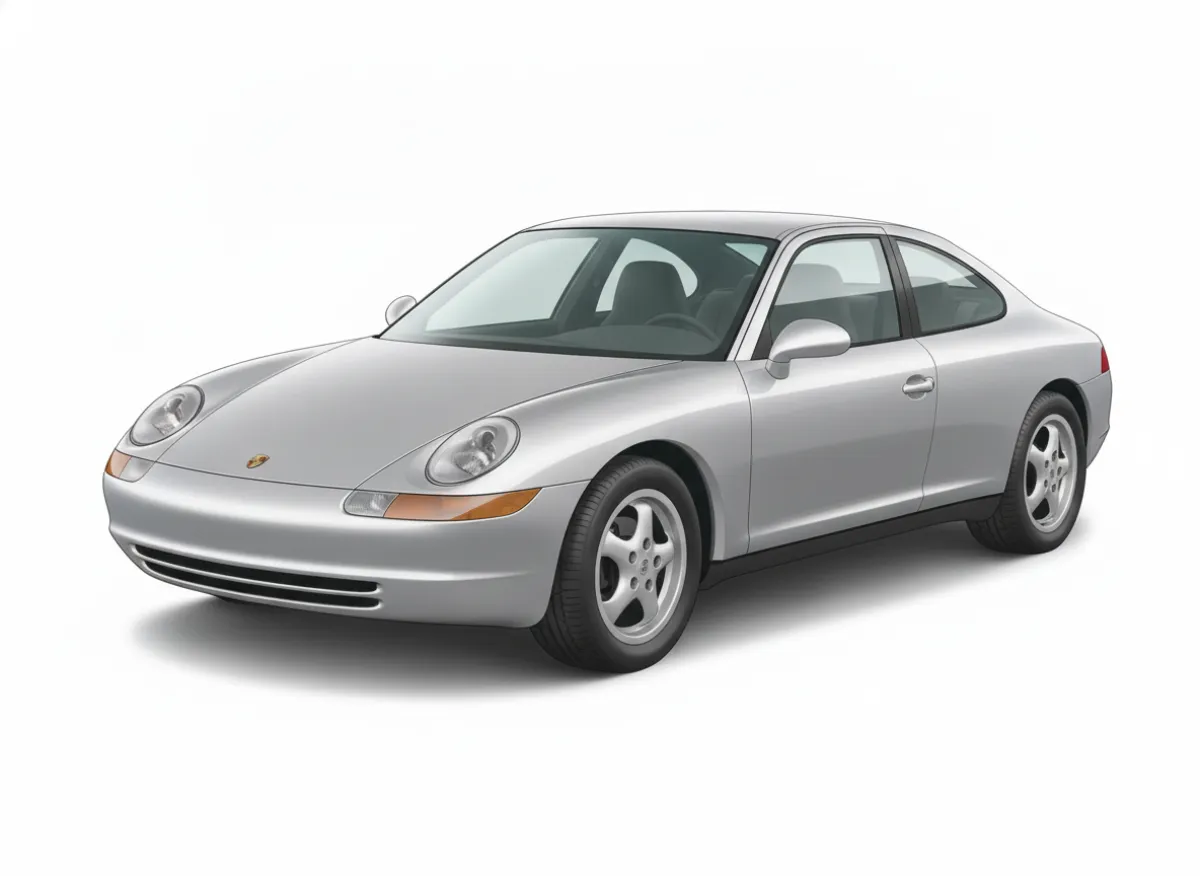
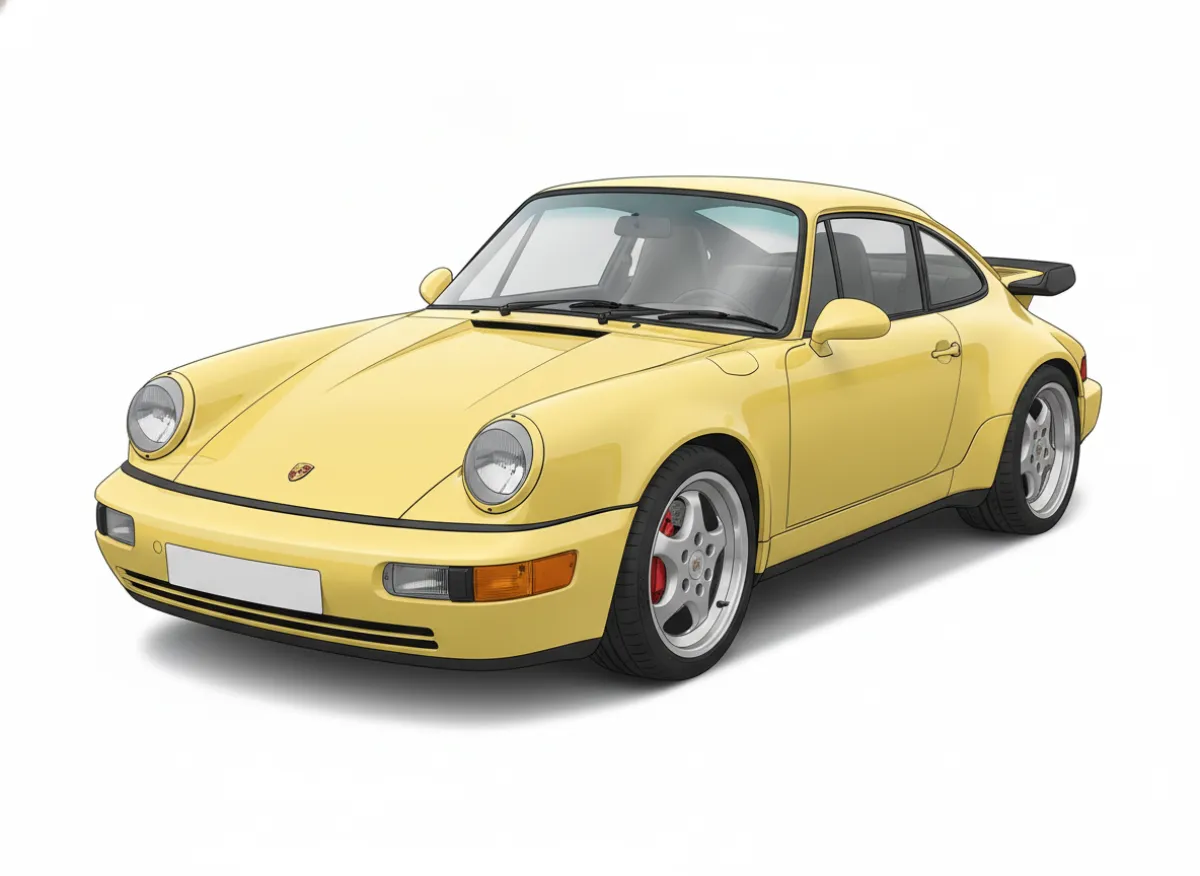
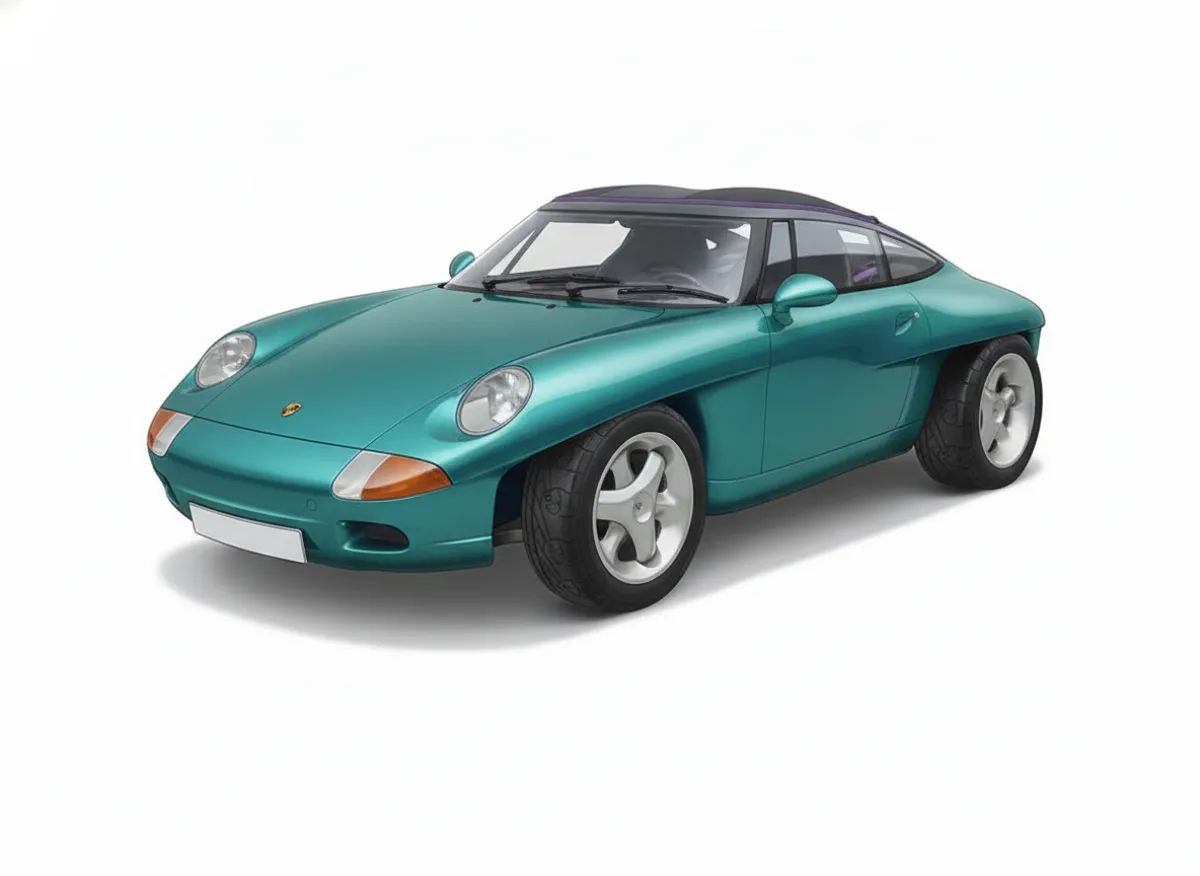
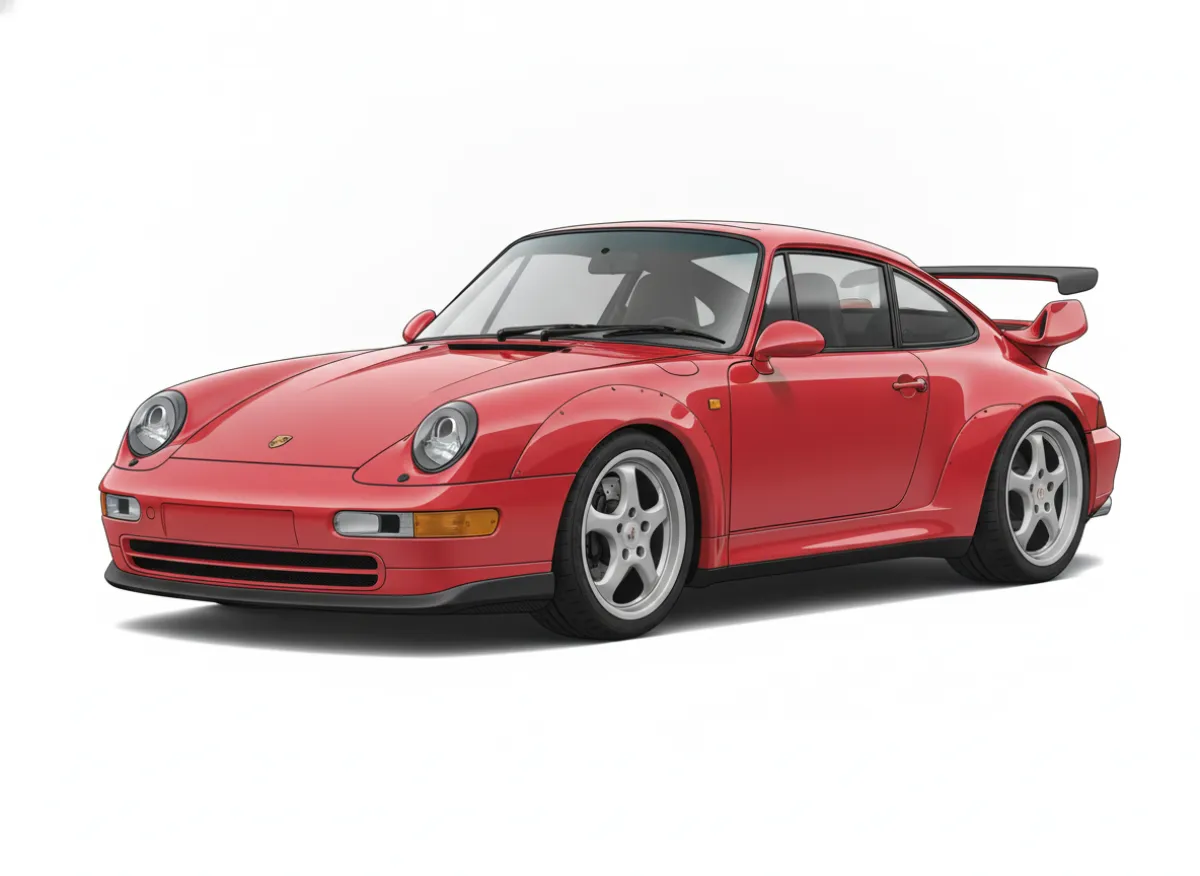
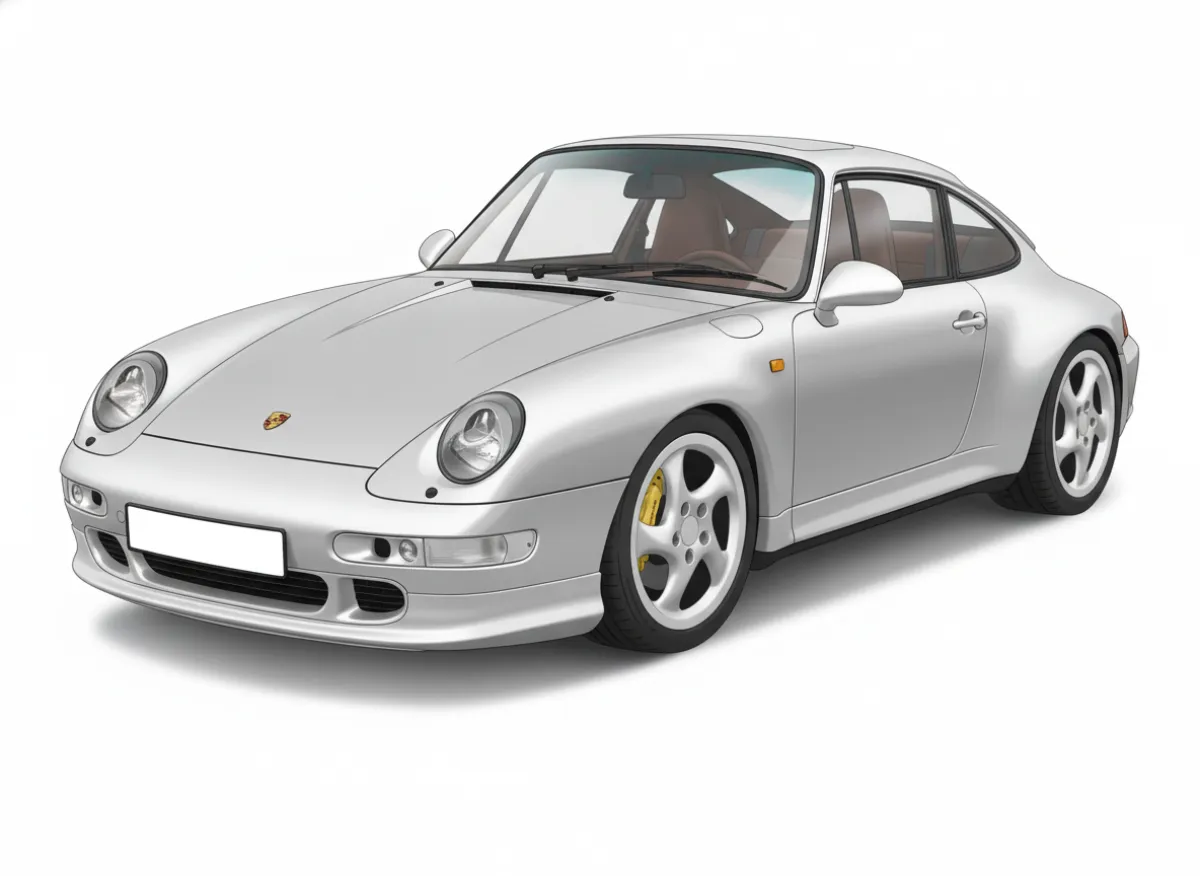
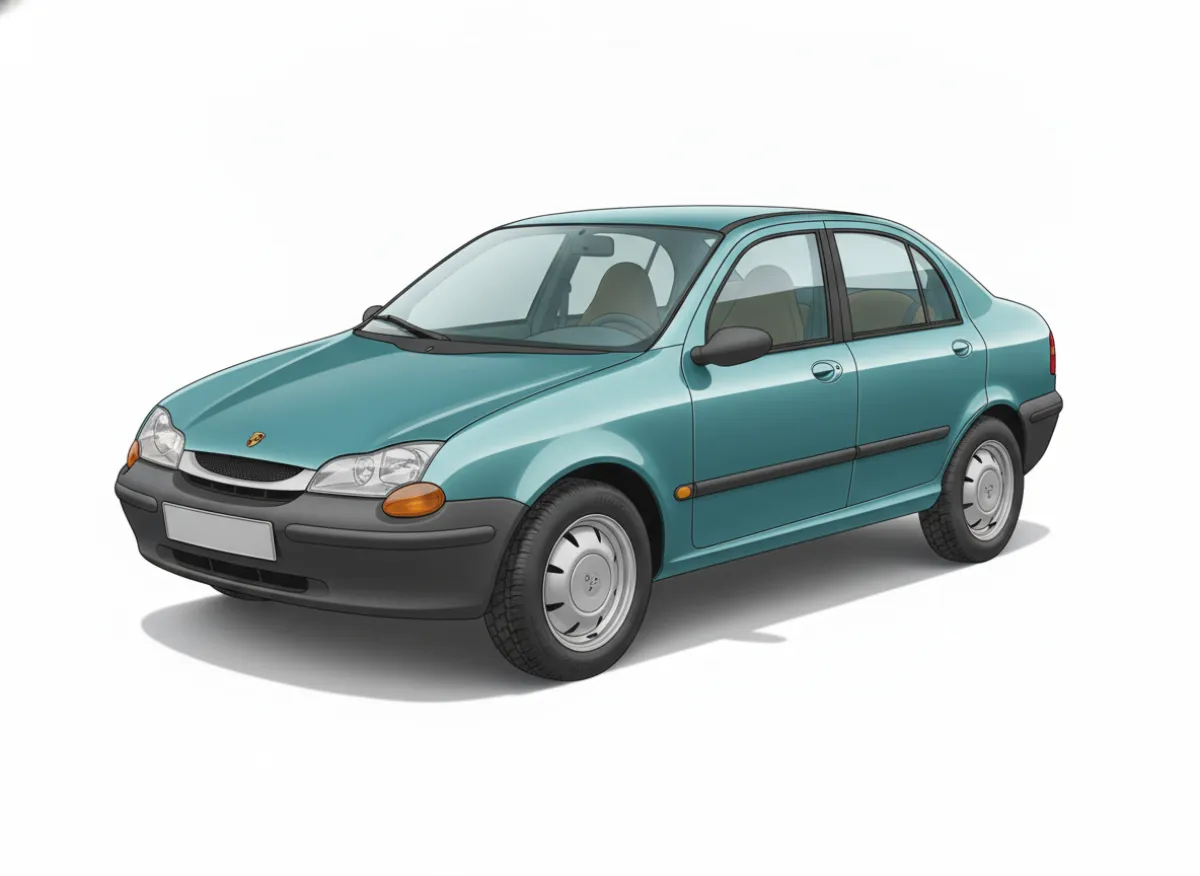
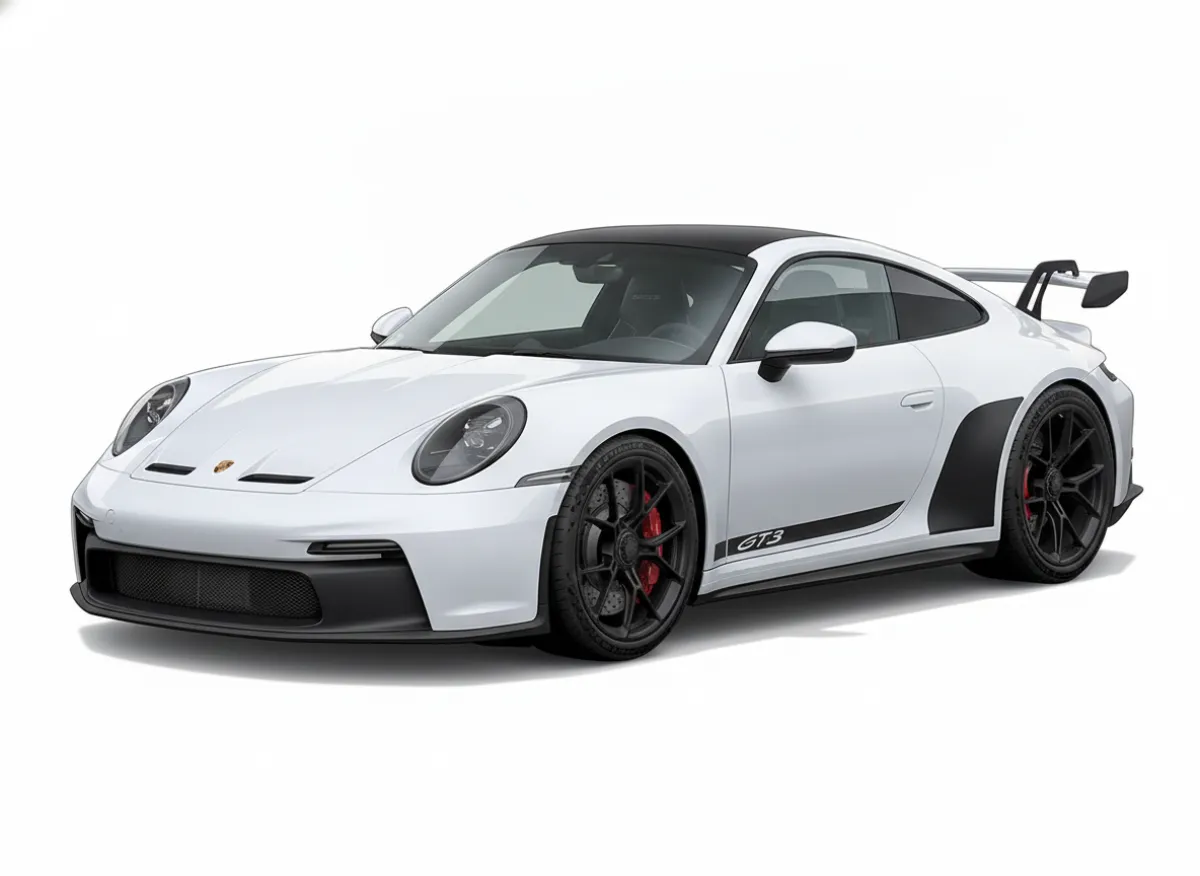
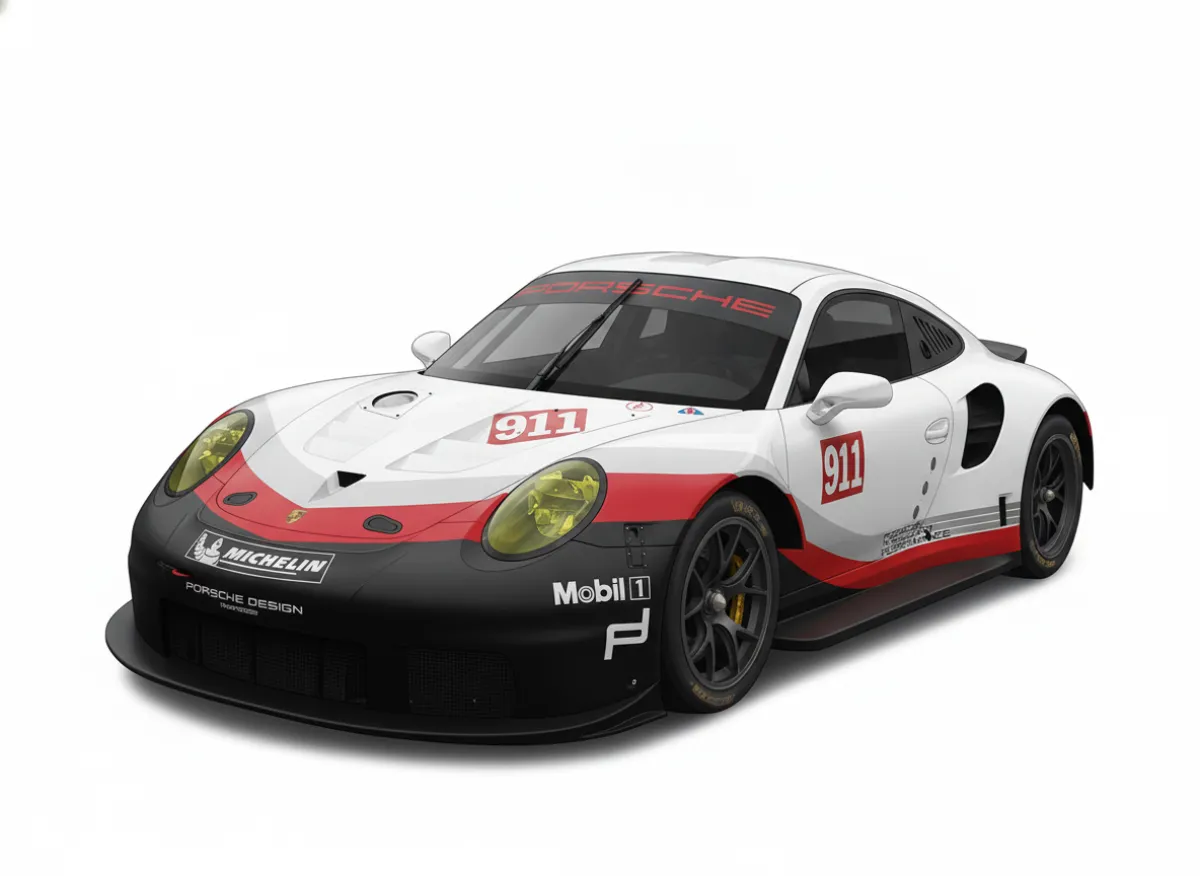
1990s
10 launched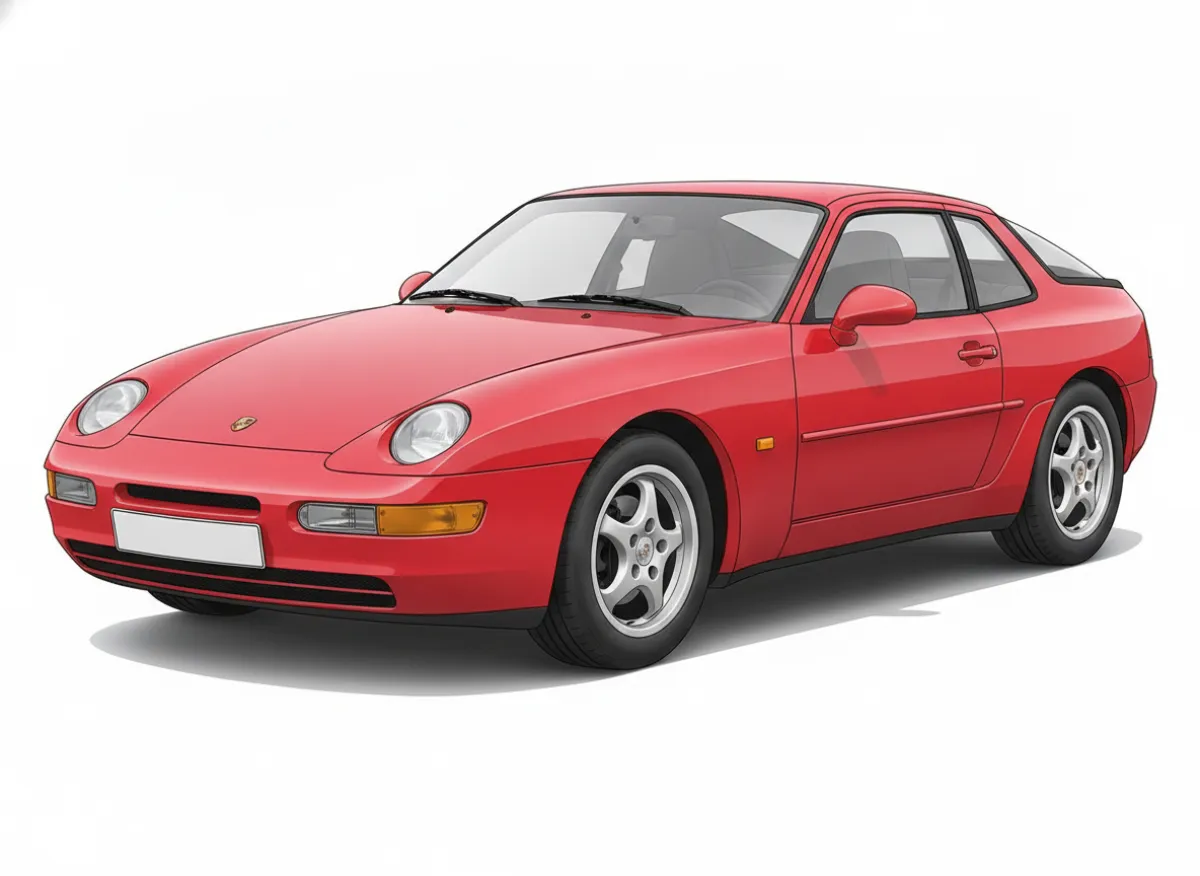
2000s
5 launched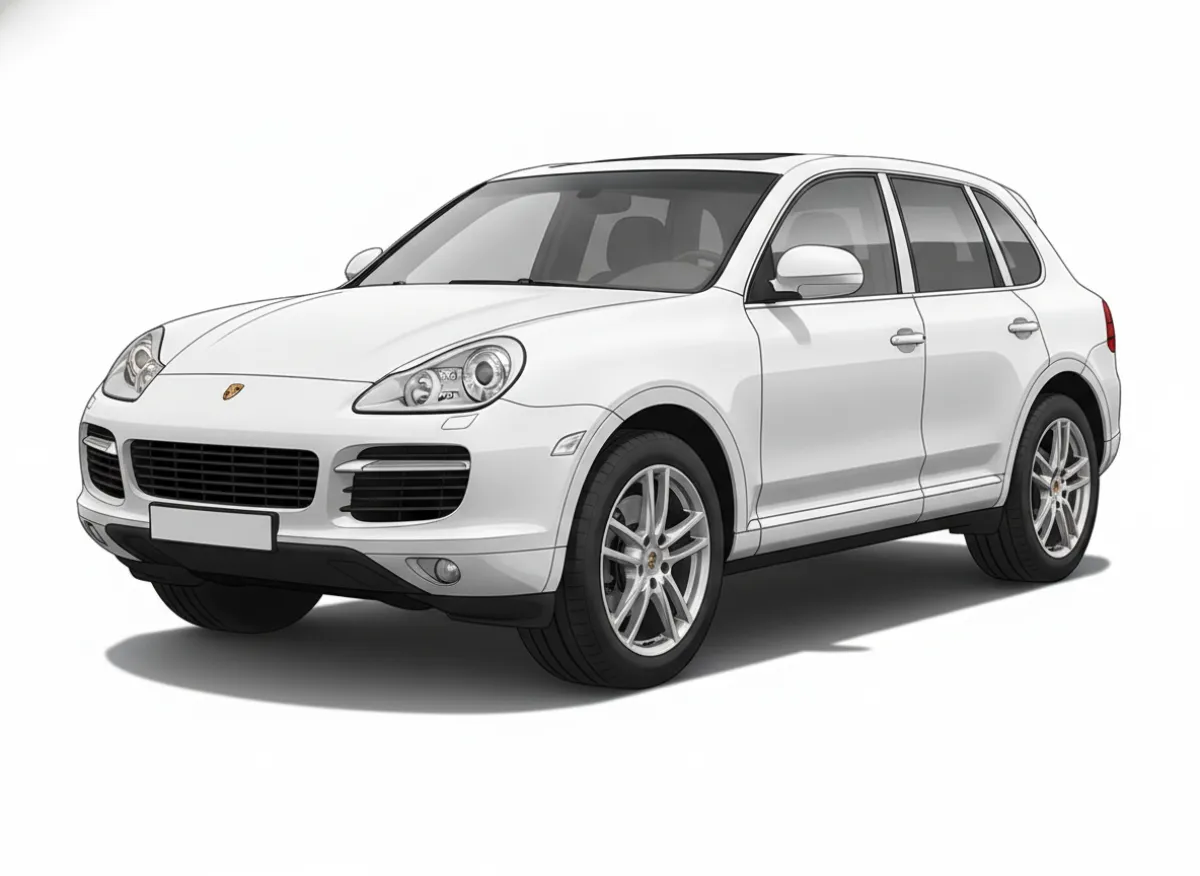
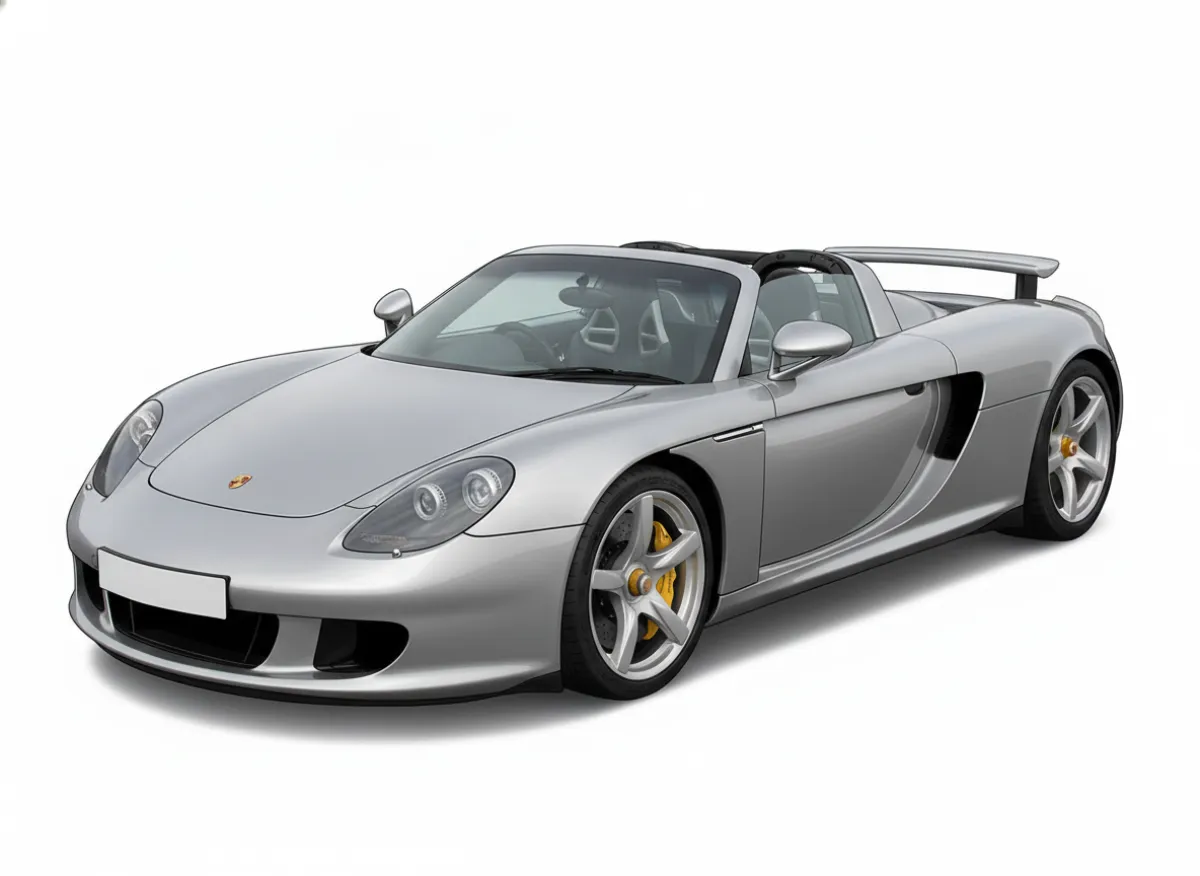
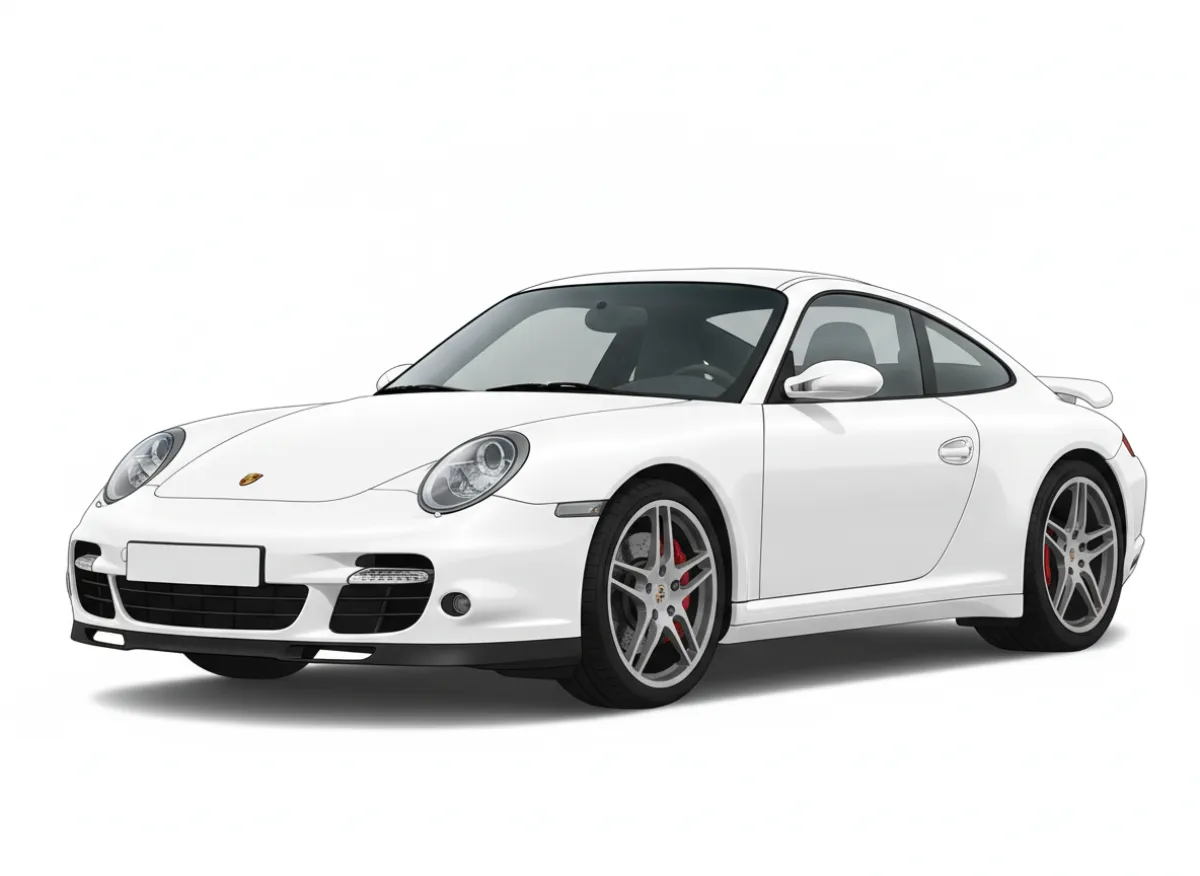
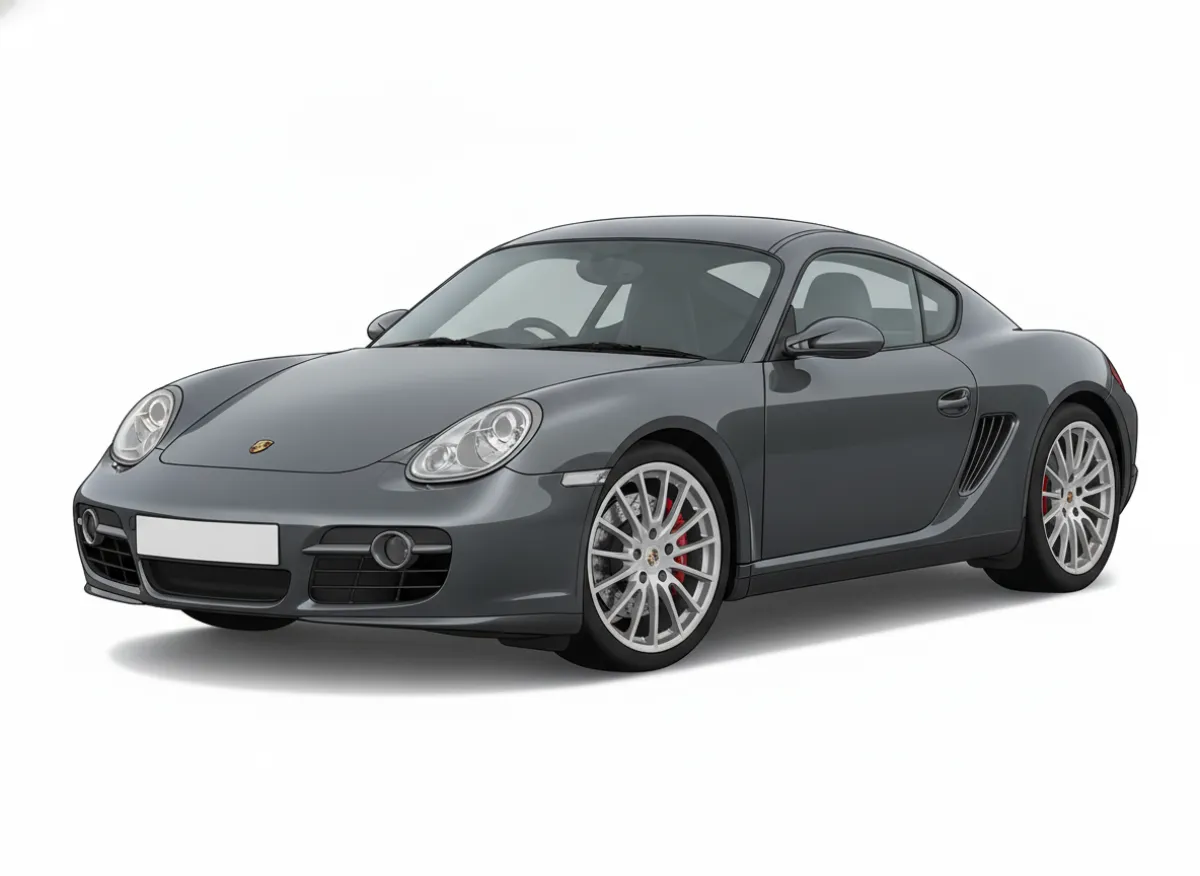
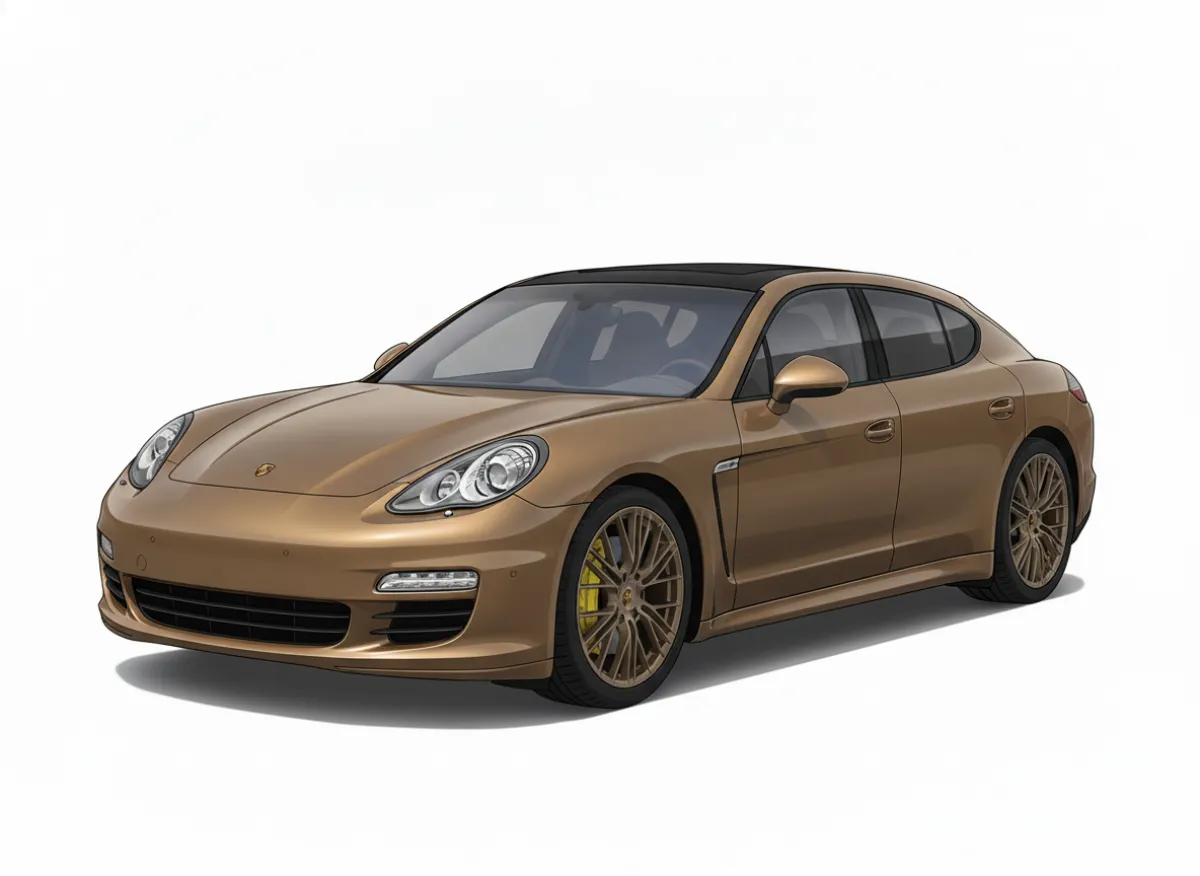
2010s
7 launched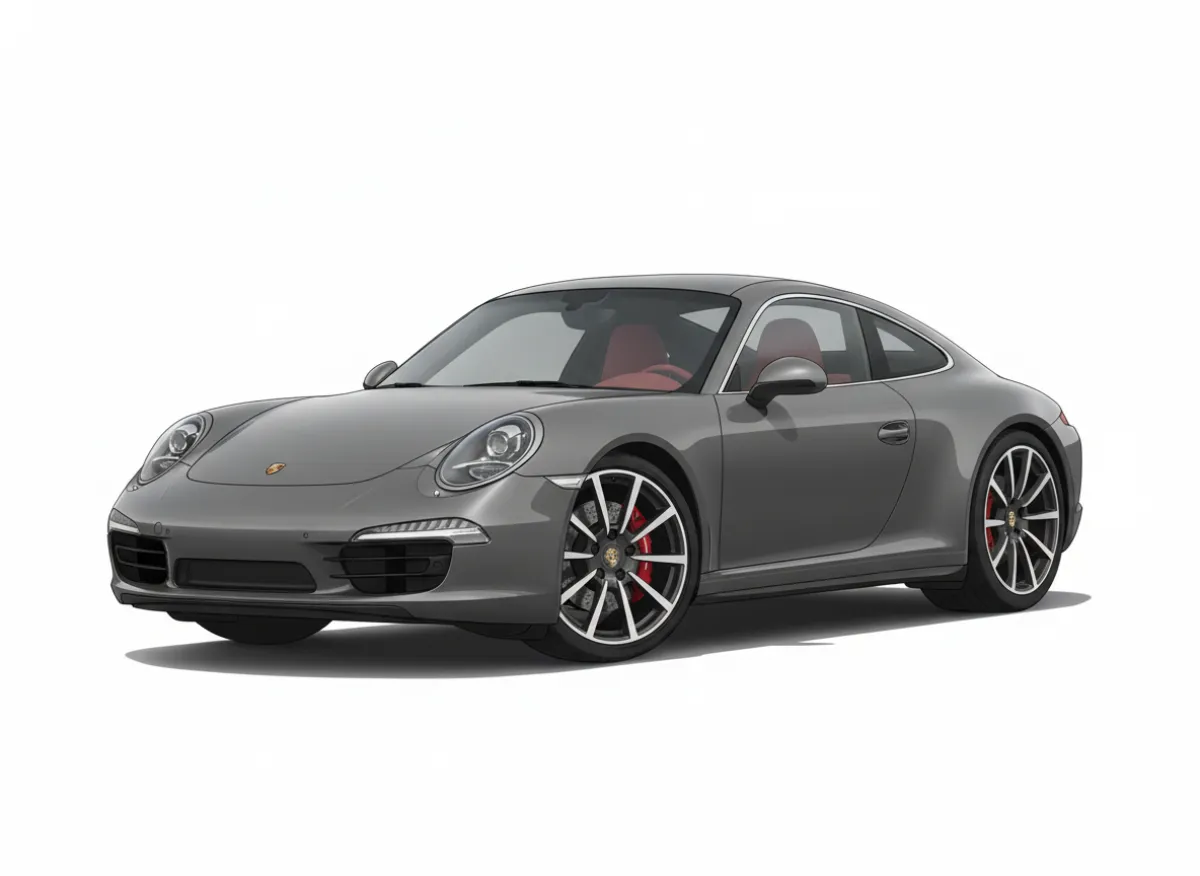
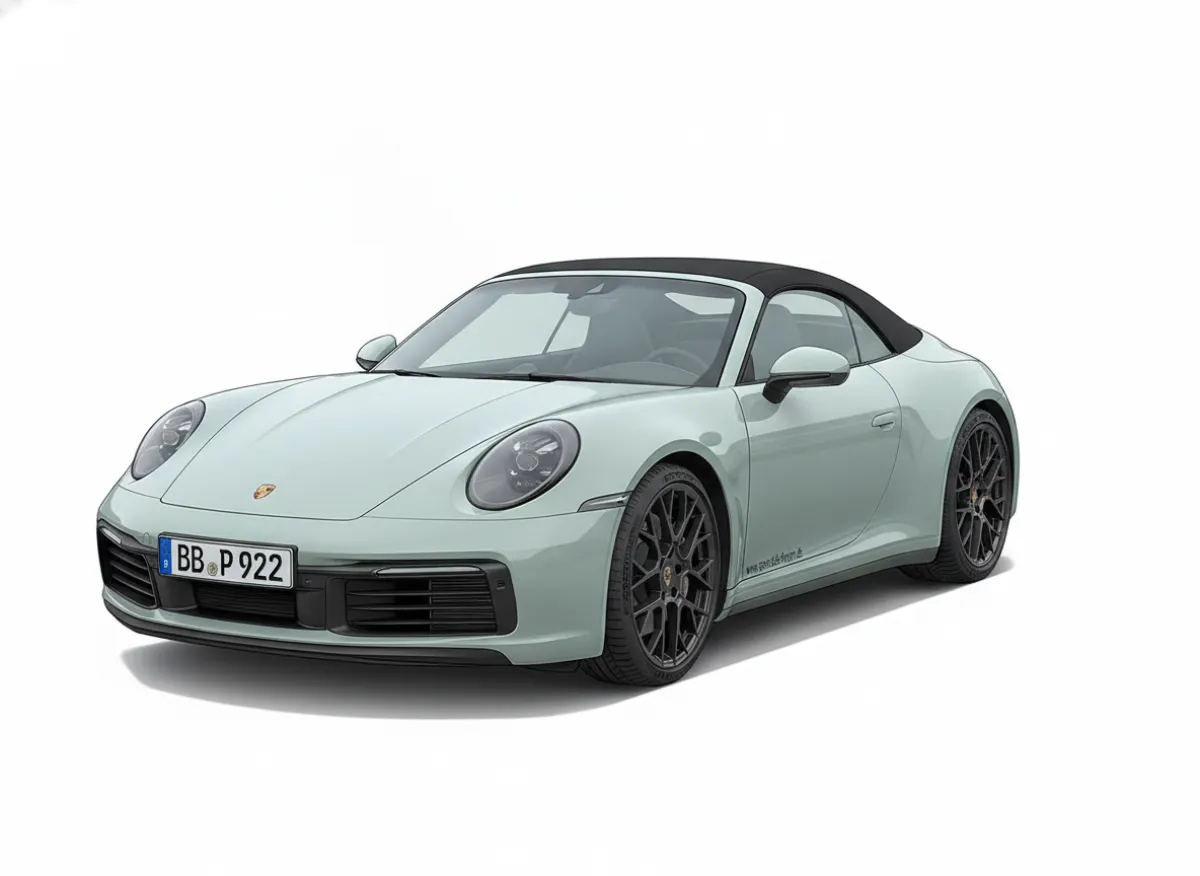
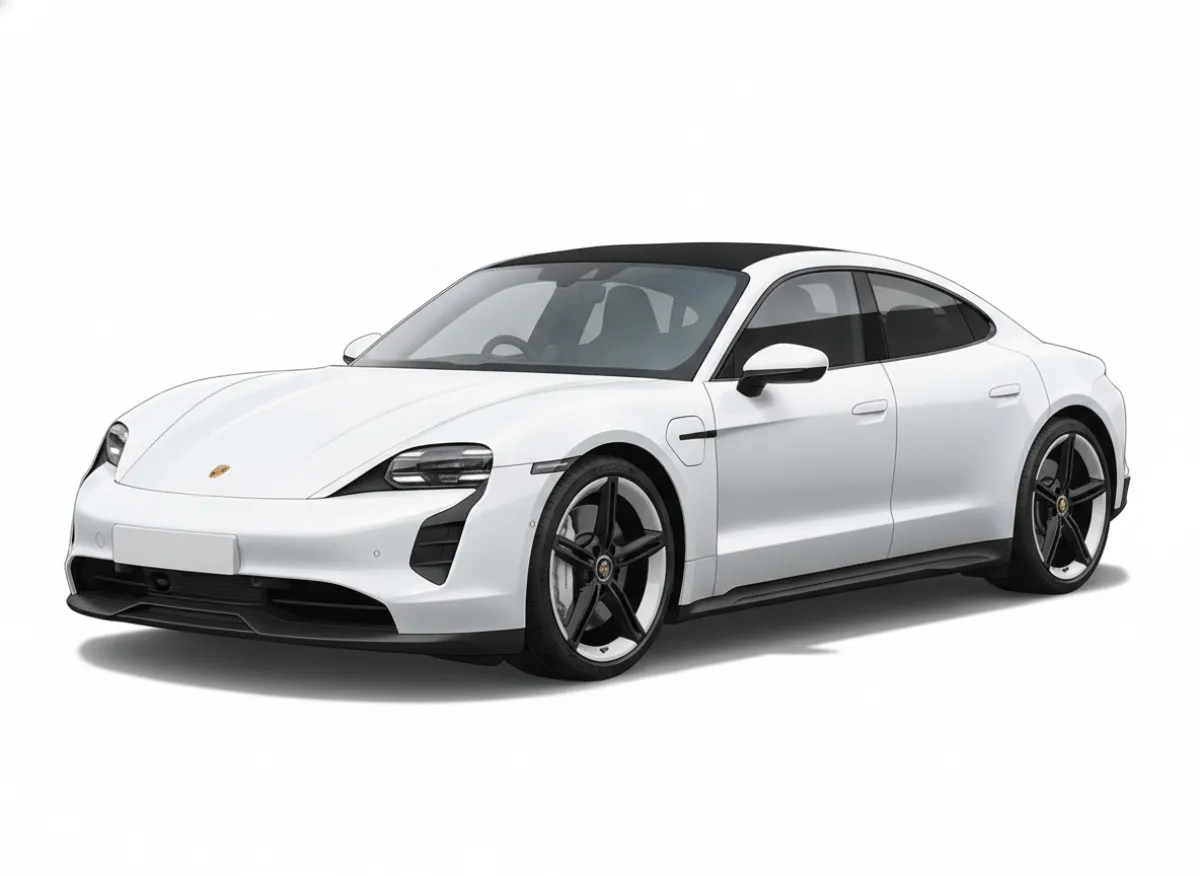
2020s
6 launched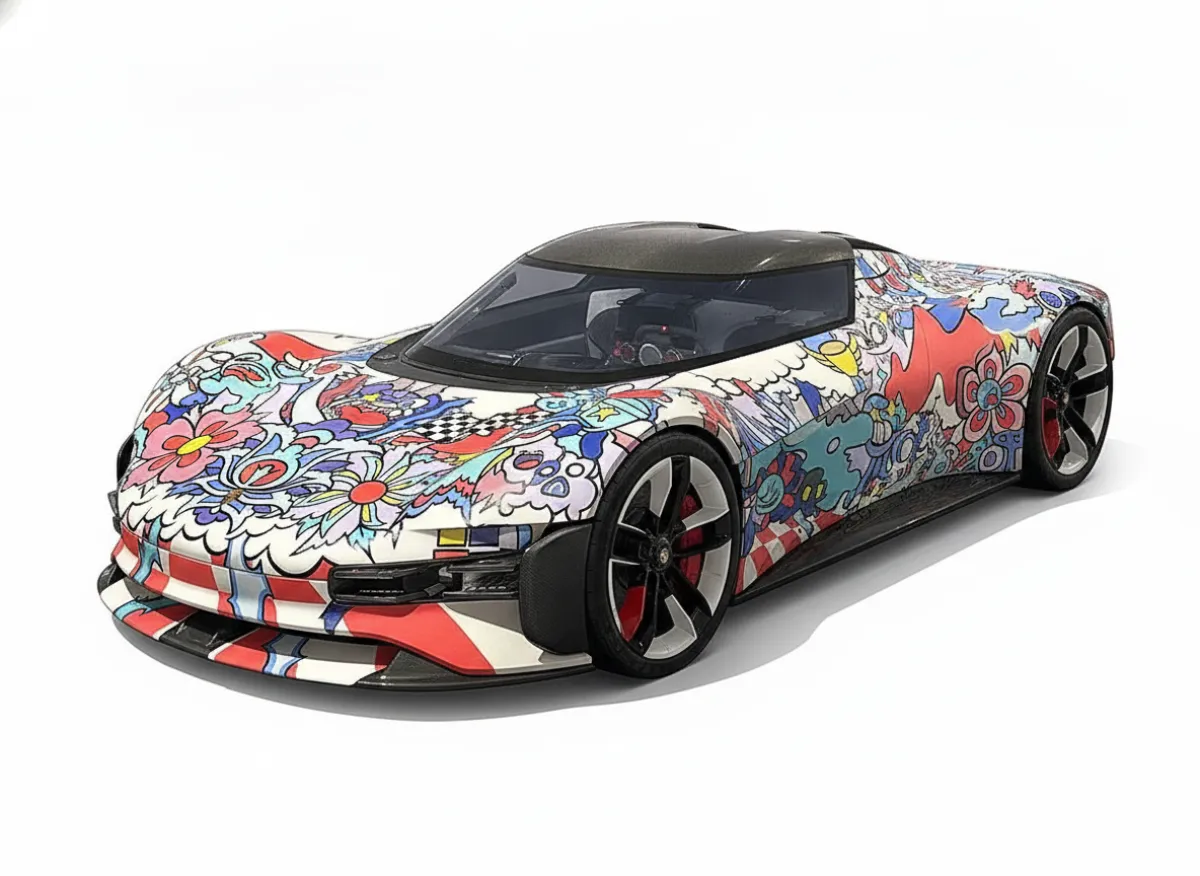
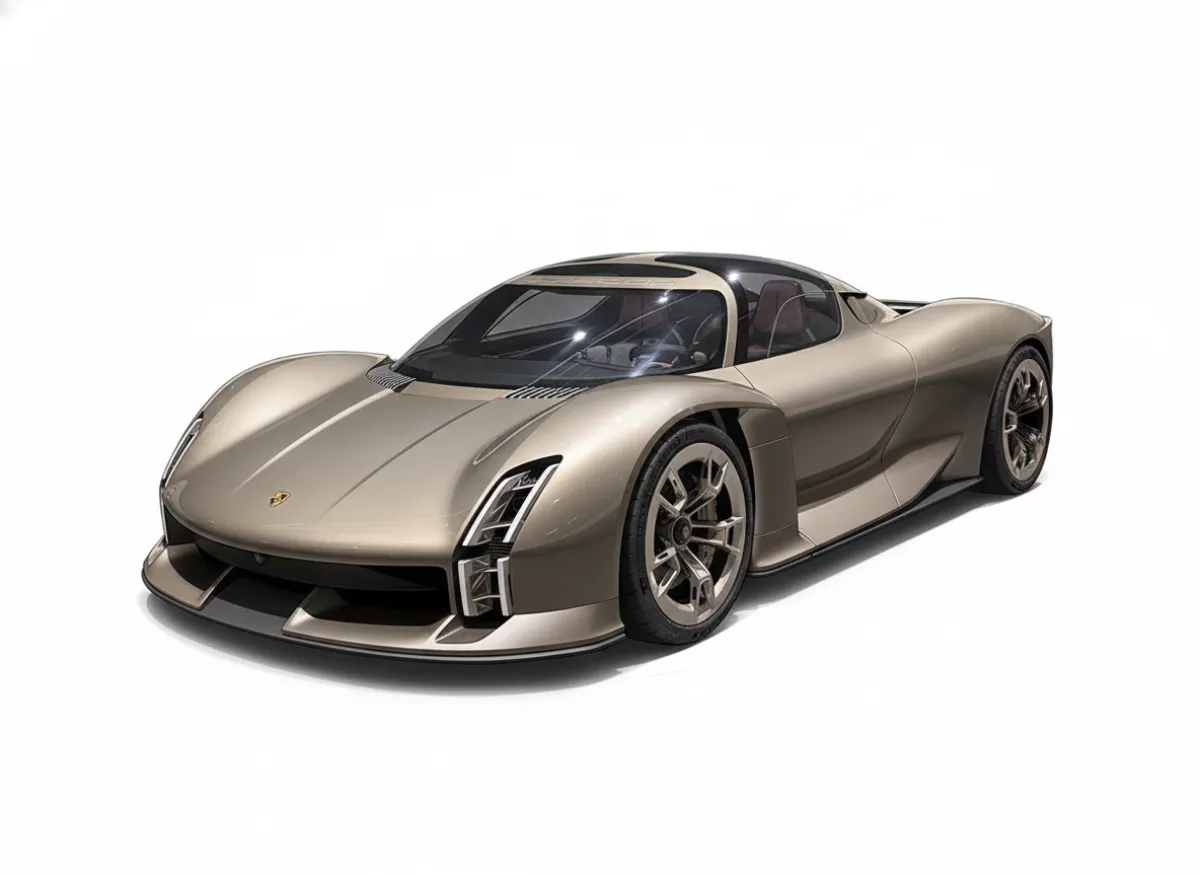
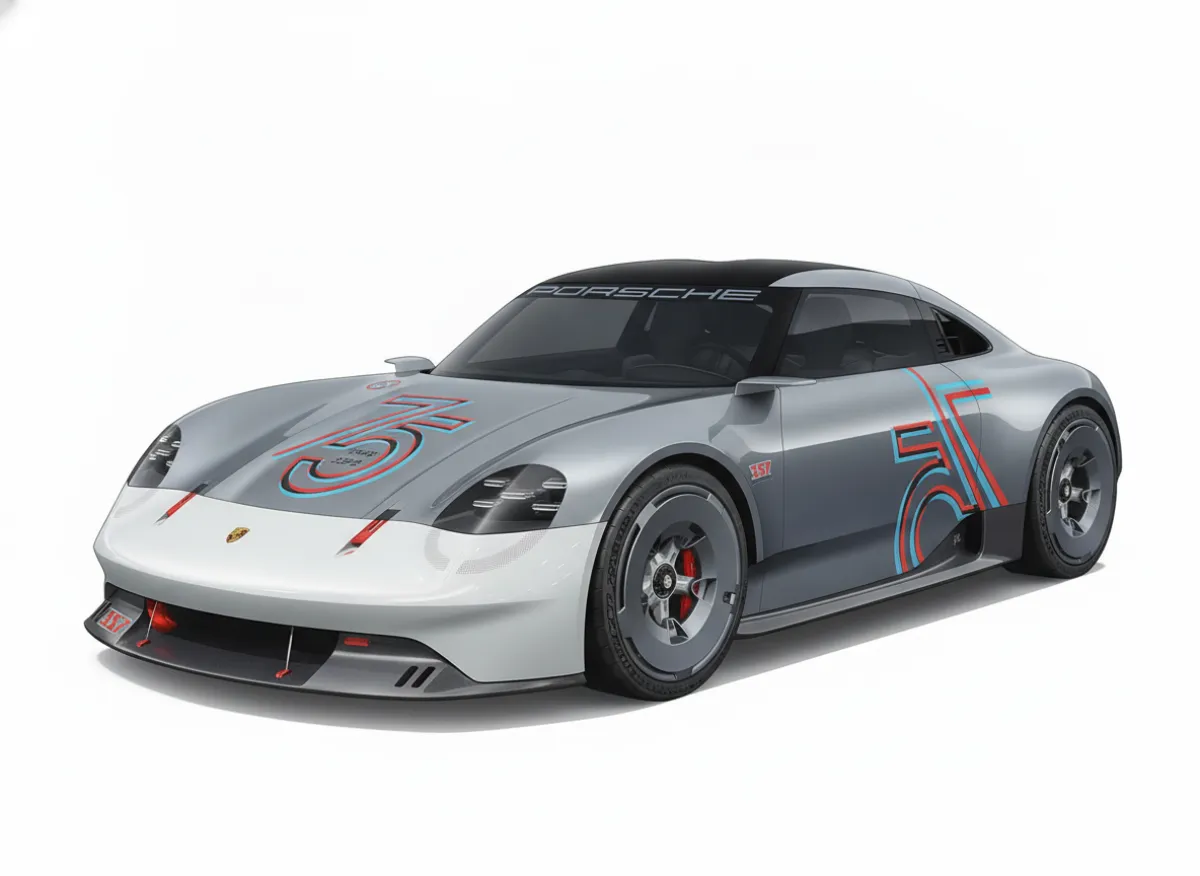
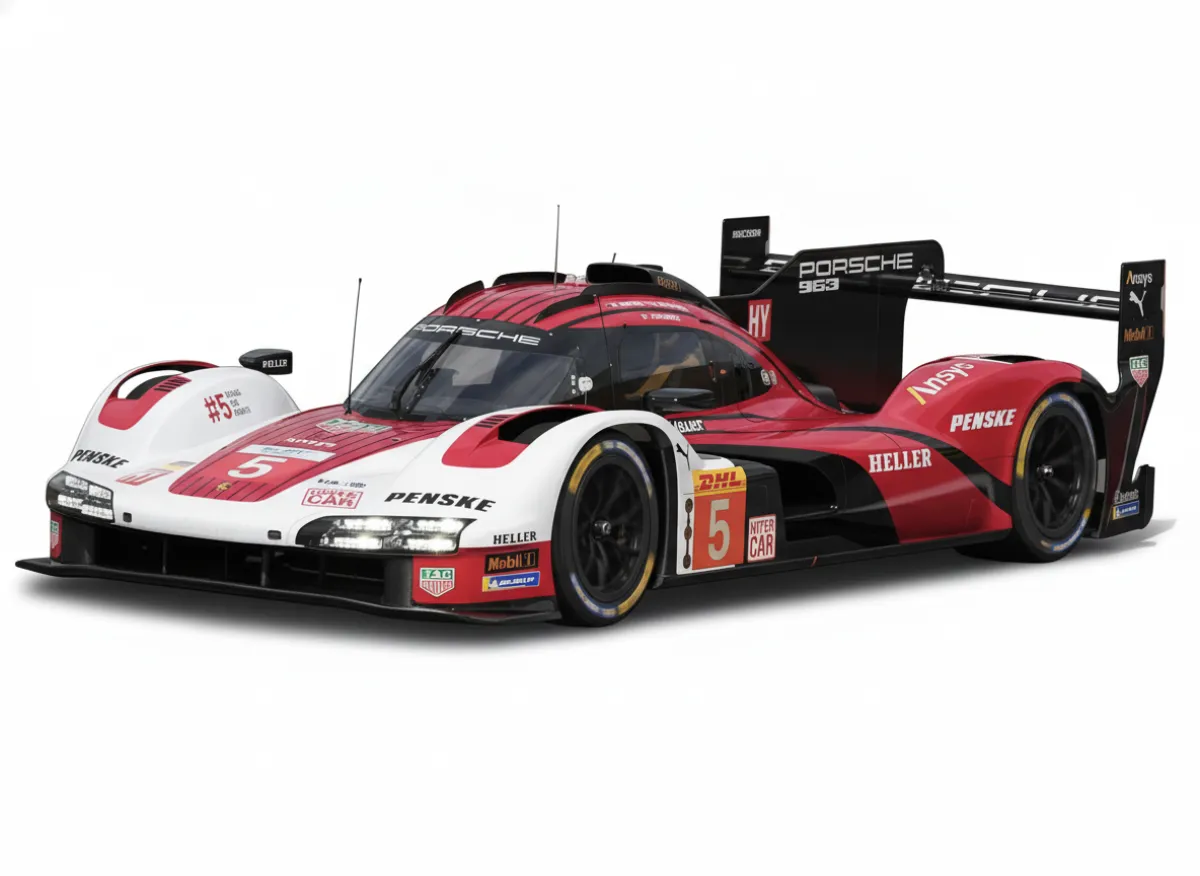
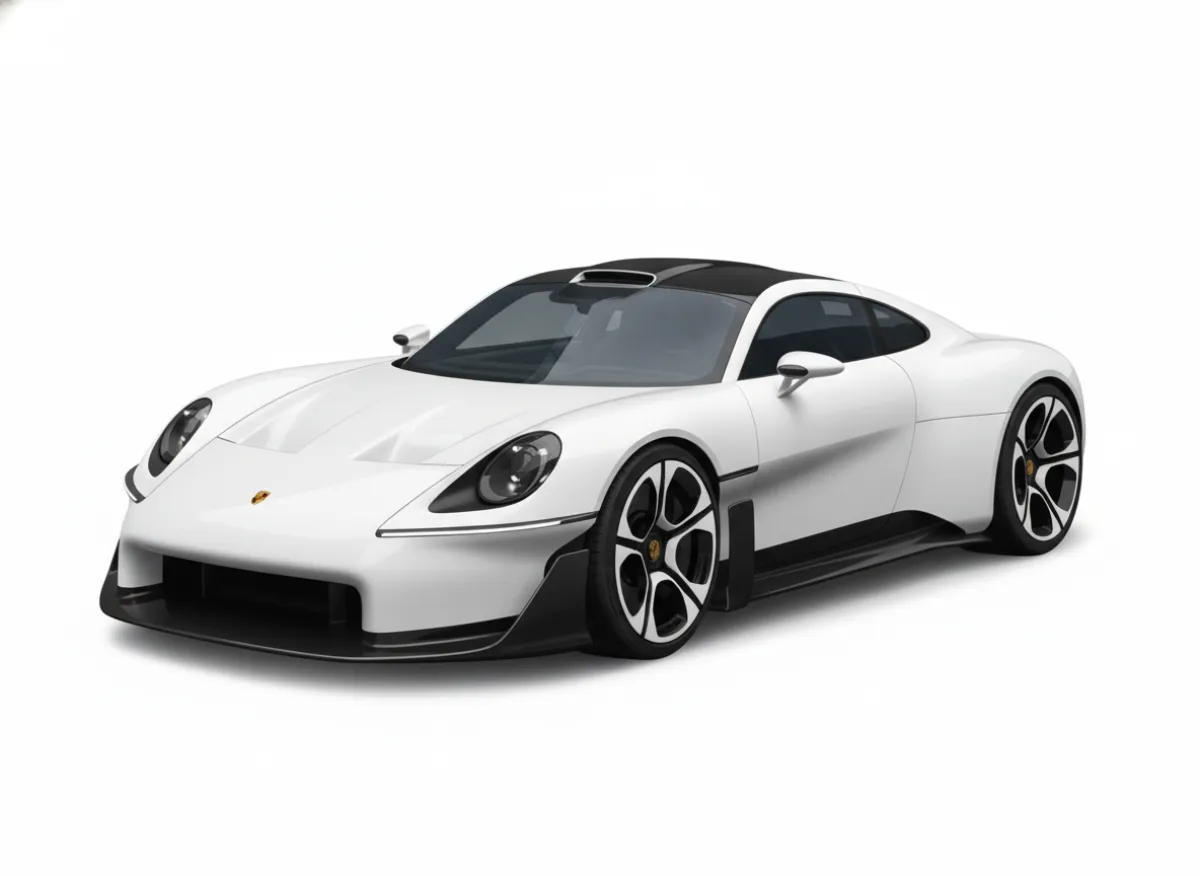
Year not recorded
2 launched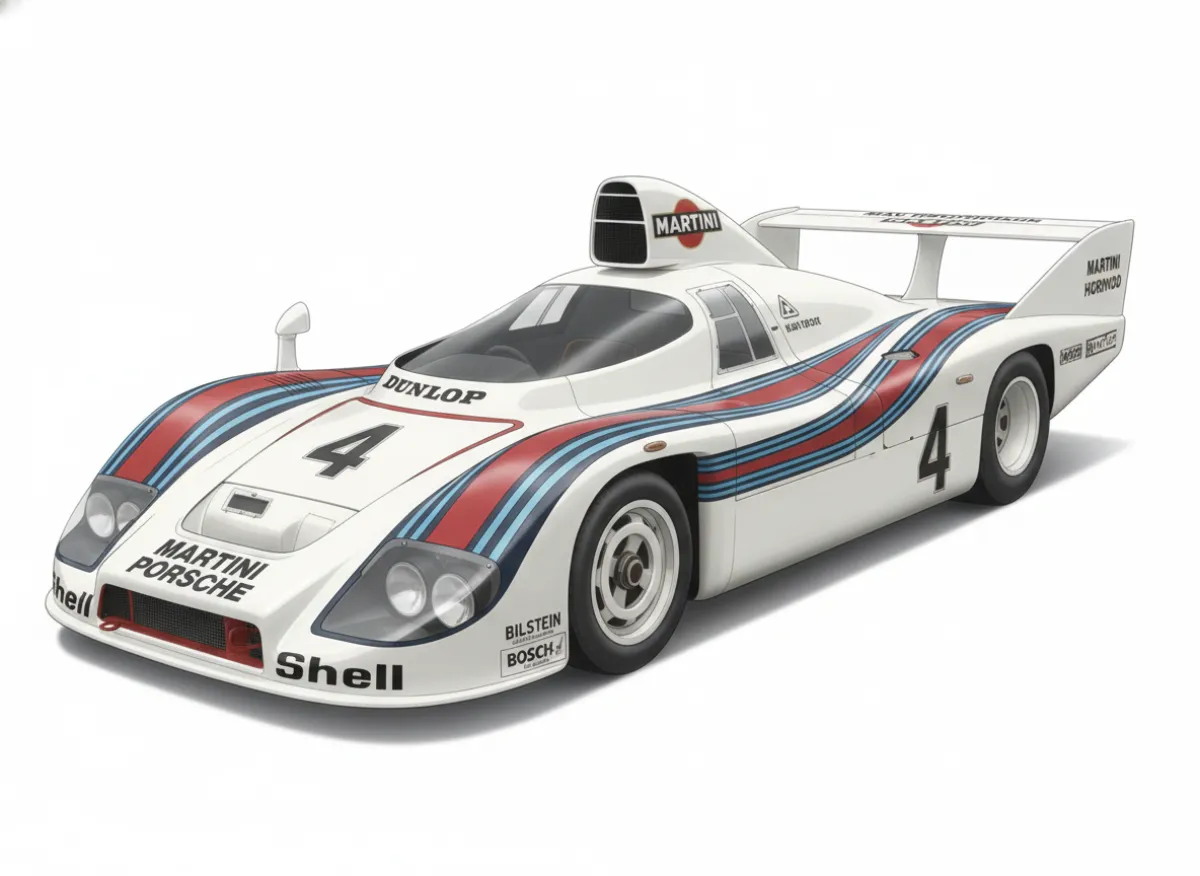
History
1931–1945
The design office
Ferdinand Porsche registered Dr. Ing. h.c. F. Porsche GmbH in Stuttgart on 25 April 1931 as an engineering consultancy, owning 80% himself with 10% each for the racing driver Adolf Rosenberger and his son-in-law Anton Piëch. Its early commissions included small cars for Zündapp and NSU and the Auto Union racing cars.
From 1934 the office depended heavily on work for the Nazi state, above all the KdF-Wagen that became the Volkswagen Beetle. It became a limited partnership (KG) in December 1937 and moved to Zuffenhausen. During the war it designed military vehicles and tanks, and the business used forced labour.
1945–1963
Gmünd and the 356
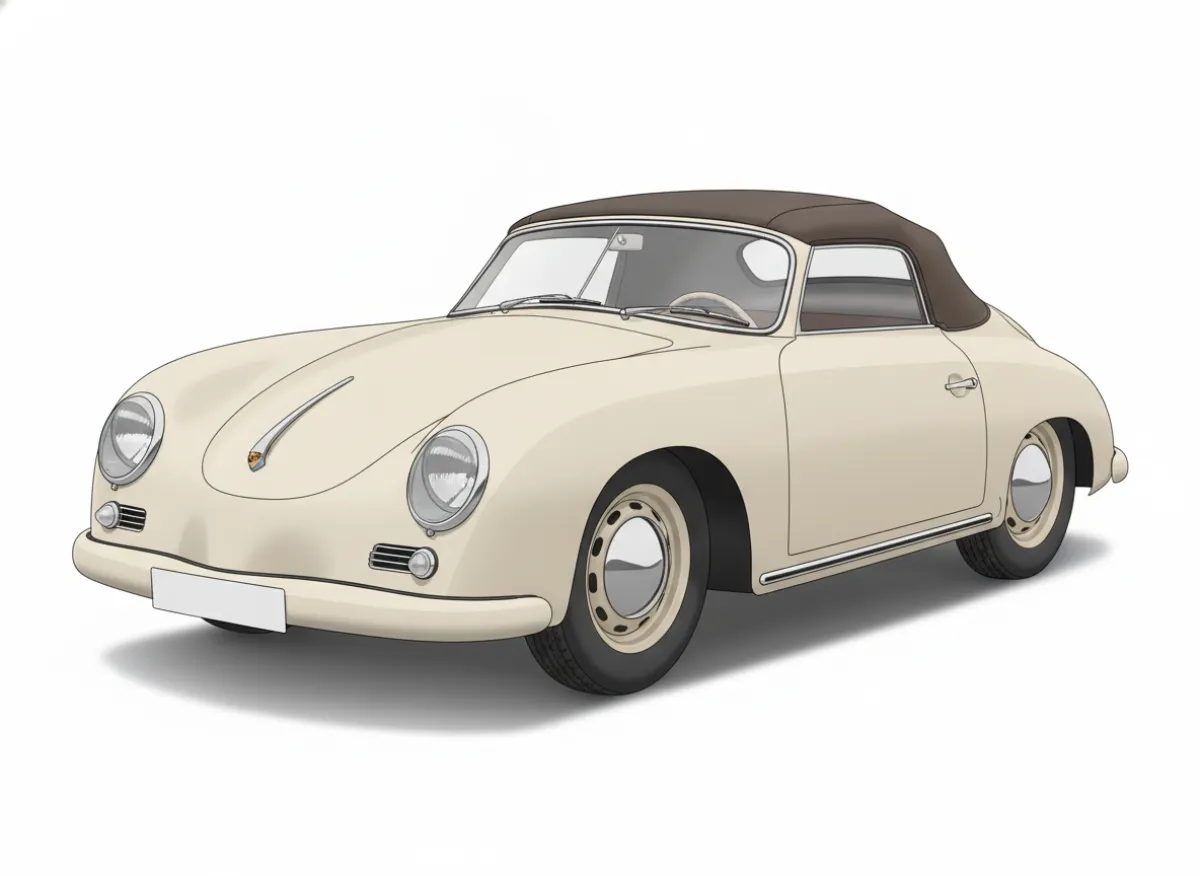
In 1944 the administration and part of the works moved to Gmünd in Austria. After the war Ferdinand Porsche was held in France, and his son Ferry and daughter Louise ran the business; their Austrian company, Porsche Konstruktionen GesmbH, built the first car to carry the Porsche name, the 356, which was road-certified in 1948. A September 1948 agreement with Volkswagen gave Porsche a licence fee on every Beetle.
The Stuttgart company, placed under asset control in 1945, was returned in October 1950, and 356 production began at Zuffenhausen that year. Ferdinand Porsche died on 30 January 1951. By the end of 356 production in 1965, 76,302 had been built.
1963–1980
The 911 and the 1972 reorganisation
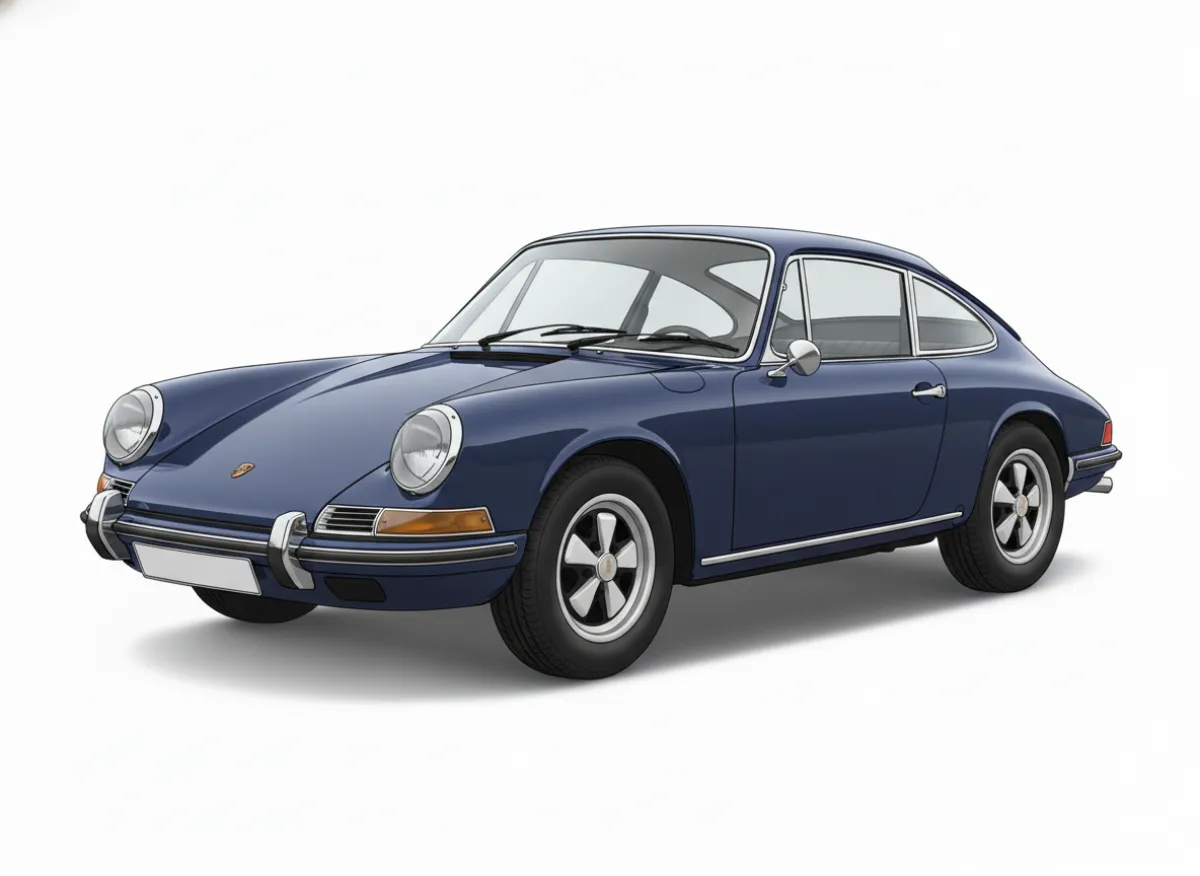
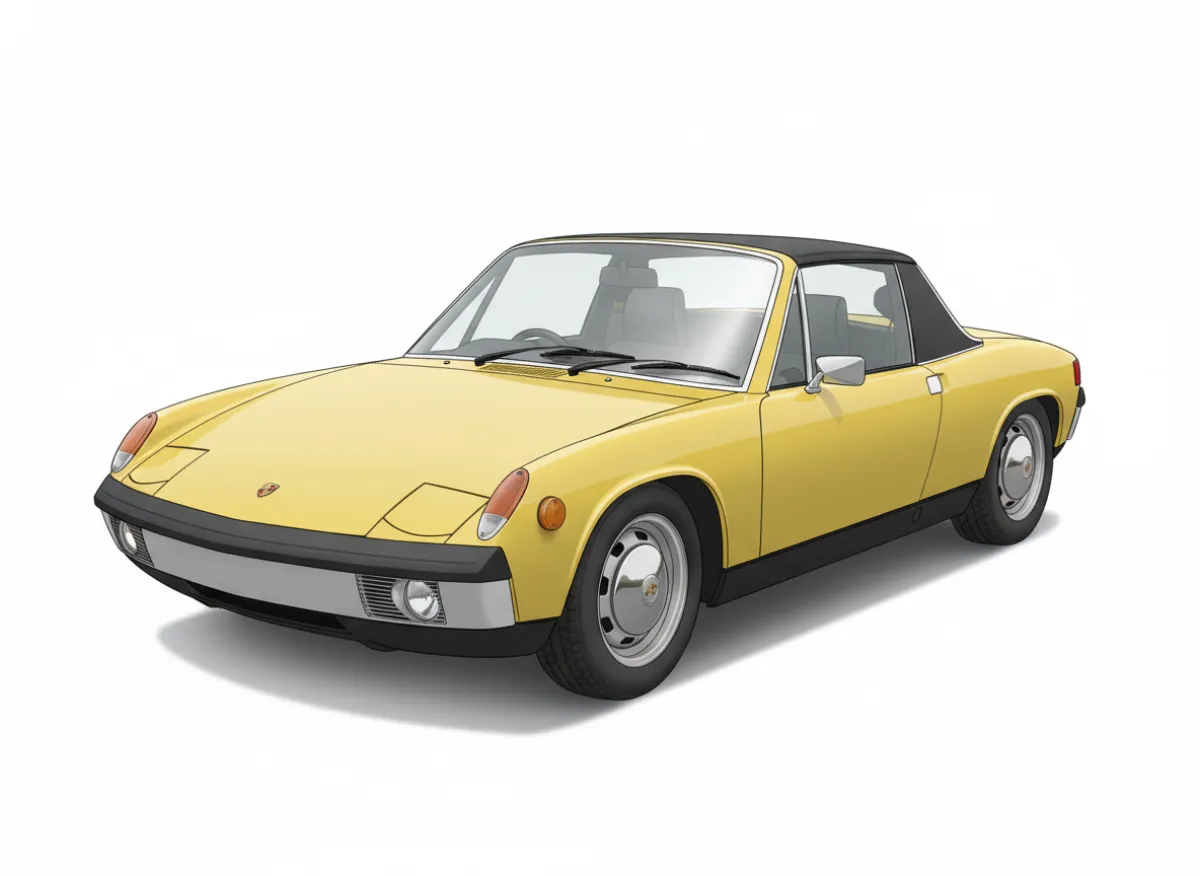
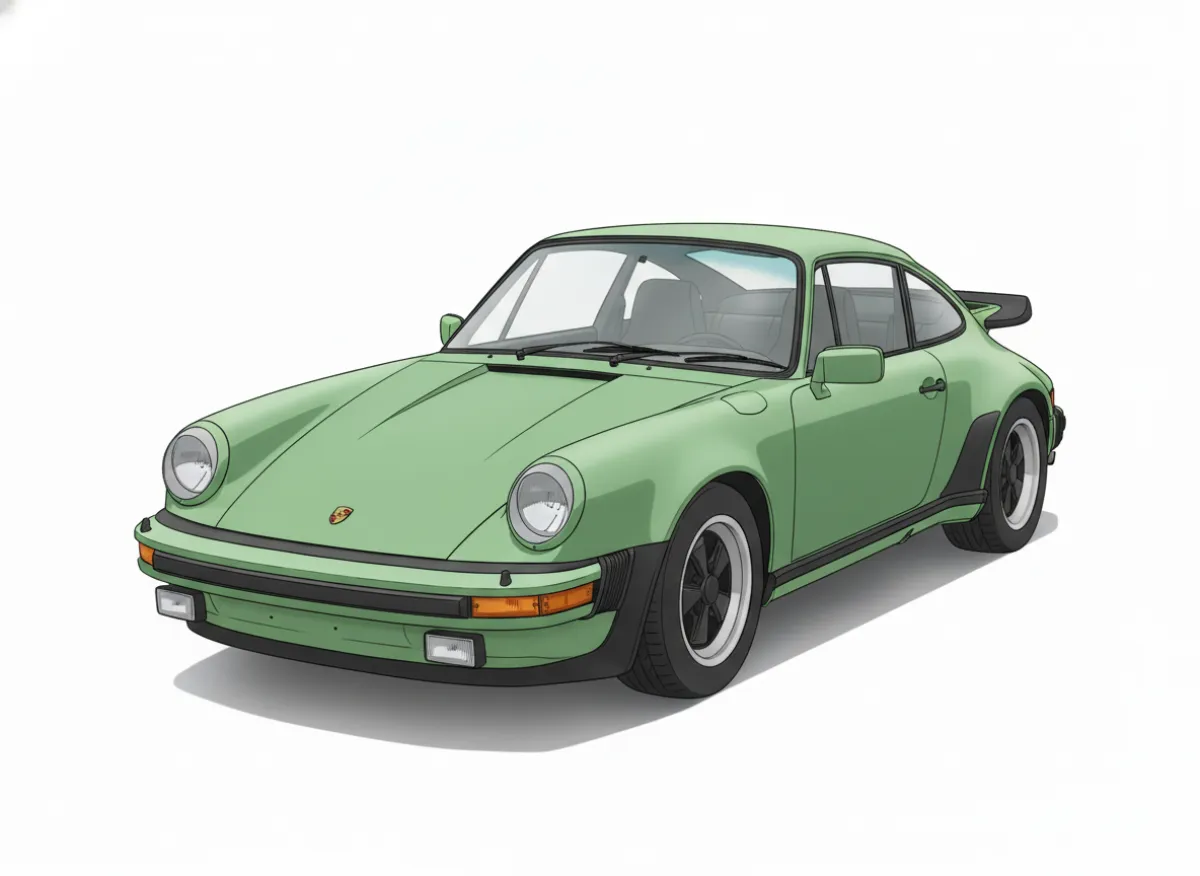
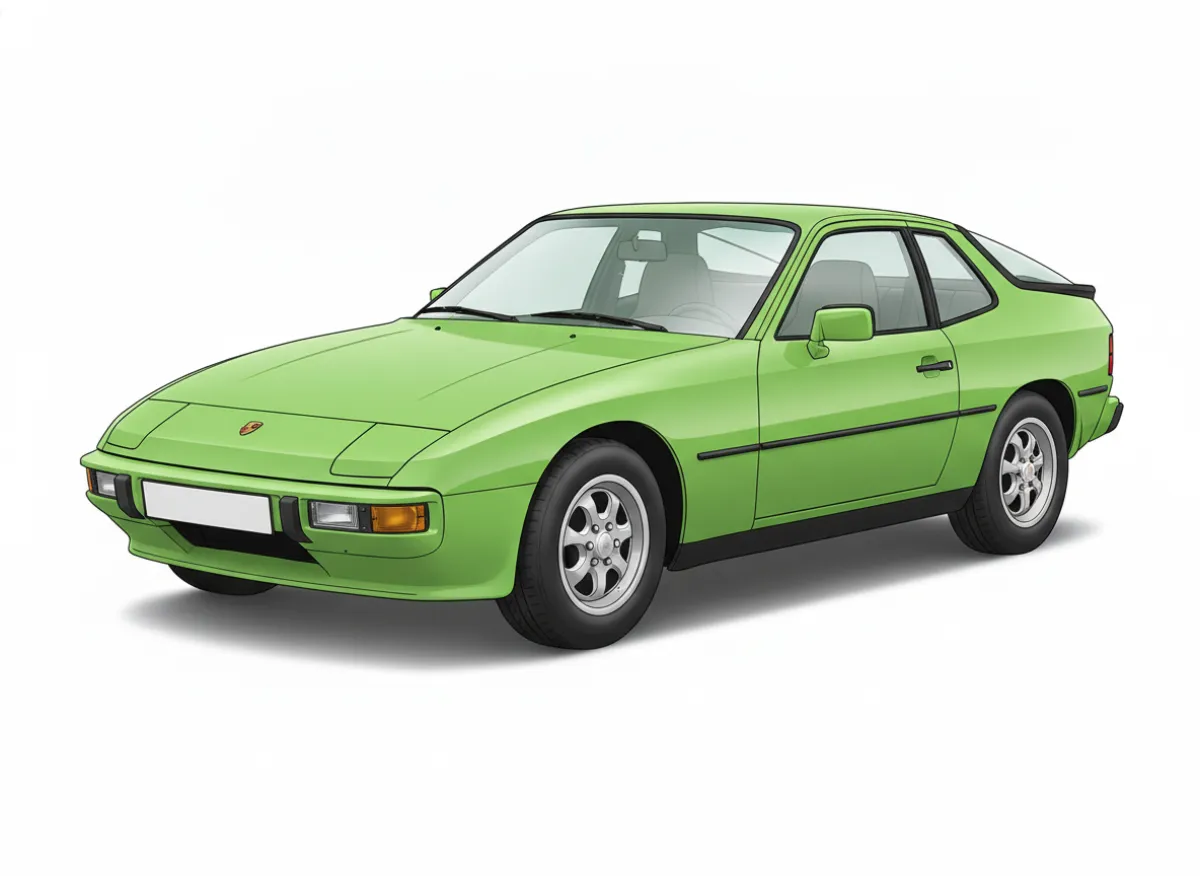
The 911, with an air-cooled flat six in the tail, replaced the 356 from 1964 and became the company's identity. Joint projects with Volkswagen produced the 914 (1969) and the 924, built at Audi's Neckarsulm plant from 1976.
Rivalries among the founder's grandchildren led Ferry Porsche and Louise Piëch to decide in 1972 that no family member would work in the company. Ferdinand Piëch, Hans-Peter Porsche and Ferdinand Alexander Porsche left, the KG became Porsche AG, and Ernst Fuhrmann became the first chairman of the executive board from outside the family. The families kept all the voting shares and sat on the supervisory board.
1980–1993
Listing, boom and crisis
Peter Schutz, an American manager, replaced Fuhrmann and kept the 911 alive. In 1984 Porsche floated non-voting preference shares at DM 780 each; the families kept the ordinary shares.
A falling dollar hit sales in the late 1980s. In fiscal 1991/92 Porsche sold only about 23,000 cars and the following year it reported a loss of DM 240 million. Arno Bohn was dismissed in 1992 and Heinz Branitzki served as interim chief.
1993–2005
Wiedeking's recovery and the Cayenne
Wendelin Wiedeking, spokesman of the board from 1992 and chairman from 1993, restructured the management and production, drawing on Japanese lean methods. Porsche returned to profit in fiscal 1994/95; the Boxster arrived in 1996 and the water-cooled 996 generation of the 911 in 1997.
The Cayenne SUV of 2002, built in a new plant at Leipzig, broadened the business. Sales rose from 21,124 in fiscal 1994/95 to 88,379 in 2004/05, and Porsche became one of the most profitable carmakers in the world.
2005–2012
The battle for Volkswagen
Porsche began buying Volkswagen shares in late 2005 (18.65%), passed 25% in 2006 and 30.9% in March 2007, and in June 2007 reorganised as Porsche Automobil Holding SE, with a new Porsche AG for the car business. On 7 January 2009 Porsche SE's holding in VW reached 50.76%, but the options and loans behind the campaign left it with more than EUR 10 billion of debt.
The tables turned in 2009. Wiedeking left in July, and in August VW's supervisory board agreed an integrated group led by Volkswagen. VW took 49.9% of Porsche AG by the end of 2009, and on 1 August 2012 bought the remaining 50.1%, making Porsche AG a wholly owned VW subsidiary. Porsche SE, still controlled by the Porsche and Piëch families, kept its majority of VW's voting shares.
2012–now
Inside VW, the IPO and the 2025 reversal
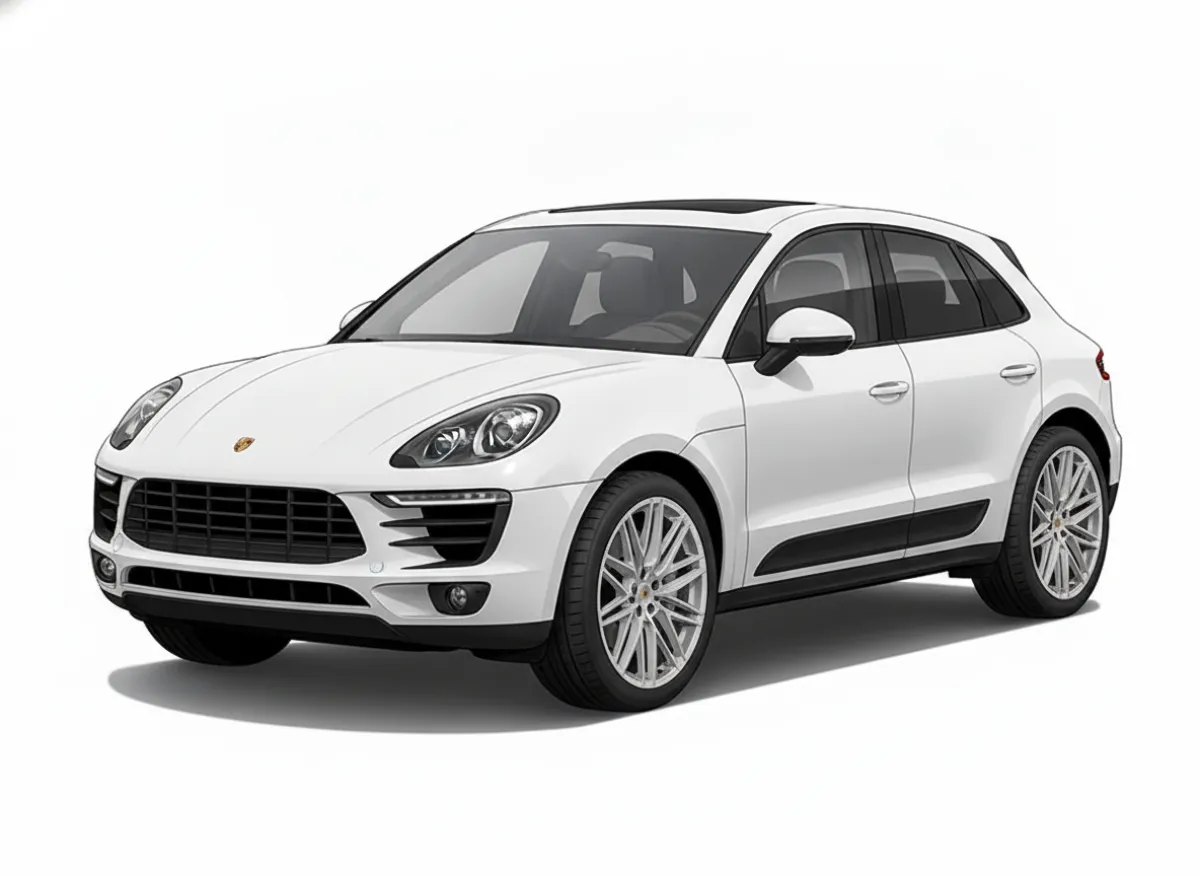
Under Matthias Müller and then Oliver Blume, the Macan (2014) and the electric Taycan (2019) took deliveries past 300,000 in 2021, and revenue reached about EUR 40 billion. On 29 September 2022 Volkswagen listed Porsche AG's preference shares in Frankfurt, sold a quarter of them to investors and sold 25% plus one of the ordinary shares to Porsche SE.
Blume combined the job with running Volkswagen. In 2025 deliveries fell to 279,449, weak Chinese demand, US tariffs and a costly retreat from parts of the electric-car plan cut operating profit to a fraction of the year before, and Michael Leiters became chief executive from 1 January 2026.
Milestones
- 1931
Dr. Ing. h.c. F. Porsche GmbH registered in Stuttgart (25 April).
- 1937
Becomes a limited partnership (KG); moves to Zuffenhausen.
- 1944
Administration and part of the works moved to Gmünd, Austria.
- 1948
The first Porsche 356 is road-certified; licence agreement with Volkswagen (September).
- 1950
Stuttgart company returned from asset control; 356 production begins at Zuffenhausen.
- 1951
Ferdinand Porsche dies (30 January).
- 1964
Porsche 911 goes into production.
- 1972
Family members withdraw from management; the KG becomes Porsche AG.
- 1984
Non-voting preference shares listed at DM 780.
- 1993
Wendelin Wiedeking becomes chairman of the executive board.
- 1996
Boxster launched.
- 2002
Cayenne launched; Leipzig plant opens.
- 2005
Porsche takes an 18.65% stake in Volkswagen.
- 2007
Porsche Automobil Holding SE formed; stake in VW raised to 30.9% (March).
- 2009
Porsche SE holds 50.76% of VW (January); Wiedeking leaves; VW takes 49.9% of Porsche AG.
- 2012
Volkswagen takes full ownership of Porsche AG (1 August).
- 2014
Macan launched.
- 2019
Taycan, the first electric Porsche, launched.
- 2021
Deliveries exceed 300,000 for the first time (301,915).
- 2022
Porsche AG preference shares listed in Frankfurt (29 September).
- 2025
Deliveries fall 10% to 279,449; operating profit collapses.
- 2026
Michael Leiters becomes chief executive (1 January).