Japan · since 1937
Toyota
A loom maker's automobile department that grew into the world's largest car producer, built on the Corolla, the Toyota Production System and the hybrid.
Models on record
Researched dossiers
- Founded
- 1937
- Founders
- Kiichiro Toyoda
- Headquarters
- Toyota City, Aichi, Japan
- Owned by
- Toyota Motor Corporation (publicly listed; independent)
- Status
- active
- Cars on record
- 1935–today
Marque summary from Wikipedia, CC BY-SA 4.0.
About Toyota
Toyota Motor Corporation (Japanese: トヨタ自動車株式会社, Hepburn: Toyota Jidōsha kabushiki gaisha; IPA: [toꜜjota], English: , commonly known as simply Toyota) is a Japanese multinational automotive manufacturer headquartered in Toyota City, Aichi, Japan. Founded in 1937 by Kiichiro Toyoda, Toyota is the largest automobile manufacturer in the world, producing about 10 million vehicles per year. The company was founded as a spinoff of Toyota Industries, a machine maker started by Sakichi Toyoda, Kiichiro's father.
Key people Akio Toyoda (chairman) · Koji Sato (Vice Chairman and Chief Industry Officer) · Kenta Kon (president & CEO) · Simon Humphries (Chief Designer)
Who owned it
4 changes of control, 1933 to today.
- 1933–1937Toyoda Automatic Loom Works, Ltd. (in-house Automobile Division) · 100% (a division, not a separate company)Division established 1 September 1933; the Model G1 truck went on sale in November 1935.
- 1937–1949Toyota Motor Co., Ltd. (separate company; Toyoda Automatic Loom Works the largest shareholder)Incorporated 28 August 1937. At founding Toyoda Automatic Loom Works held 180,400 shares, far ahead of Toyoda Boshoku, Risaburo Toyoda and Kiichiro Toyoda with 10,000 each; the source does not give the total share count, so no percentage is stated.
- 1949–1982Toyota Motor Co., Ltd. (publicly listed on the Tokyo, Nagoya and Osaka stock exchanges)Shares first listed in May 1949. From April 1950 sales were handled by a separate company, Toyota Motor Sales Co., Ltd.; by 1967 Toyota Motor Co. was that company's largest shareholder.
- 1982–nowToyota Motor Corporation (publicly listed; independent)Formed 1 July 1982 by merging Toyota Motor Co. and Toyota Motor Sales. Listed in New York and London from September 1999. No controlling shareholder: Toyota Industries (formerly Toyoda Automatic Loom Works) held 6.34% in March 2012 and 9.17% of voting shares in March 2026, then tendered almost all of it into Toyota's 2026 buyback, leaving it with 0.1%. Toyota in turn controls Daihatsu (51.2% from 1998) and controlled Hino (majority from 2001 until 1 April 2026).
Chief executives
Sales, revenue and rank
Vehicles sold or built
What the figure counts changes 2 times. Read each numbered stretch on its own.
- 1935–1978Toyota vehicle production in Japan, incl. knockdown kits for overseas assembly (Toyota's worldwide series before overseas local production is counted)
- 1979–2011Toyota worldwide vehicle production: Japan (incl. knockdown kits) plus overseas local line-off excluding kits; Toyota and Lexus brands, excluding Daihatsu and Hino
- 2012–2025Toyota (incl. Lexus) worldwide vehicle production, excluding Daihatsu and Hino (Toyota detailed sales/production data)
Revenue
JPY of the day, not adjusted for inflation
What the figure counts changes 3 times. Read each numbered stretch on its own.
- 1975–1986Toyota Motor Co. / Toyota Motor Corporation net revenues, UNCONSOLIDATED (parent only), fiscal year July 1975-June 1976, attached to the year it began; before the July 1982 merger this is the manufacturing company only, whose output was sold through the separate Toyota Motor Sales Co.
- 1987–2011Toyota Motor Corporation net revenues, consolidated, fiscal year July 1987-June 1988, attached to the year it began (from securities reports)
- 2012–2018Toyota Motor Corporation total net revenues, consolidated, US GAAP, fiscal year April 2012-March 2013, attached to the year it began (Form 20-F)
- 2019–2025Toyota Motor Corporation total sales revenues, consolidated, IFRS, fiscal year April 2019-March 2020, attached to the year it began (Form 20-F)
Rank among manufacturers
Higher on the chart is a better rank.
world, by motor vehicle production (OICA ranking of manufacturers; listed as Toyota-Daihatsu-Hino, i.e. group incl. Daihatsu and Hino)
Best-selling model each year
| Year | Model | Units | Market | All vehicles |
|---|---|---|---|---|
| 2024 | RAV4 | 1,187,000 | World | 9,521,876 |
| 2023 | RAV4 | 1,075,000 | World | 10,033,171 |
| 2022 | RAV4 | 1,016,000 | World | 9,026,713 |
| 2011 | Prius | 252,528 | Japan | 6,928,813 |
| 2010 | Prius | 315,669 | Japan | 7,623,349 |
| 2009 | Prius | 208,876 | Japan | 6,371,291 |
| 2008 | Corolla | 144,051 | Japan | 8,210,818 |
| 2007 | Corolla | 147,069 | Japan | 8,534,690 |
| 2006 | Corolla | 143,176 | Japan | 8,093,163 |
| 2005 | Corolla | 149,810 | Japan | 7,360,742 |
| 2004 | Corolla | 173,301 | Japan | 6,723,674 |
| 2003 | Corolla | 198,904 | Japan | 6,078,296 |
| 2002 | Corolla | 226,222 | Japan | 5,640,383 |
| 2001 | Corolla | 236,507 | Japan | 5,135,027 |
| 2000 | Corolla | 162,870 | Japan | 5,180,651 |
Sources for these figures (69)
- 75 Years of Toyota: Production Overview (worldwide, Japan and overseas production by year, 1935-2011) — Toyota Motor Corporation
- Sales, Production, and Export Results: detailed data (Excel), published January 2025, calendar years 2007-2024 — Toyota Motor Corporation
- Sales, Production, and Export Results: detailed data (Excel), published January 2026, calendar years 2016-2025 — Toyota Motor Corporation
- Sales, Production, and Export Results for 2025 (January-December) — Toyota Motor Corporation
- 75 Years of Toyota: Changes in Income, 1960-1987 (unconsolidated, from securities reports) — Toyota Motor Corporation
- 75 Years of Toyota: Changes in Income, 1988-2012 (consolidated, from securities reports) — Toyota Motor Corporation
- Toyota Motor Corp (CIK 0001094517): XBRL company facts from Form 20-F filings (Revenues, RevenueFromContractWithCustomerIncludingAssessedTax, ifrs-full Revenue) — U.S. Securities and Exchange Commission
- Toyota Motor Corporation Form 20-F for the fiscal year ended March 31, 2026 (filed June 10, 2026) — U.S. Securities and Exchange Commission (EDGAR)
- 75 Years of Toyota: Overall Chronological Table, 1931-1940 — Toyota Motor Corporation
- 75 Years of Toyota: Overall Chronological Table, 1941-1950 — Toyota Motor Corporation
- 75 Years of Toyota: Overall Chronological Table, 1961-1970 — Toyota Motor Corporation
- 75 Years of Toyota: Overall Chronological Table, 1971-1980 — Toyota Motor Corporation
- 75 Years of Toyota: Overall Chronological Table, 1981-1990 — Toyota Motor Corporation
- 75 Years of Toyota: Overall Chronological Table, 1991-2000 — Toyota Motor Corporation
- 75 Years of Toyota: Overall Chronological Table, 2001-2012 — Toyota Motor Corporation
- 75 Years of Toyota: Past Chairmen, Vice Chairmen and Presidents — Toyota Motor Corporation
- 75 Years of Toyota: Changes in Large Shareholders — Toyota Motor Corporation
- 75 Years of Toyota: Top 5 Passenger Vehicles Sold in Japan by Year (2000 to 2011), from Japan Automobile Dealers Association data — Toyota Motor Corporation
- 75 Years of Toyota: Toyoda Automatic Loom Works' automobile department, Model A1 and G1 prototypes — Toyota Motor Corporation
- 75 Years of Toyota: Dodge Line recession and liberalization of vehicle production and sales — Toyota Motor Corporation
- 75 Years of Toyota: Training at the Ford Motor Company (end of the 1950 labor dispute) — Toyota Motor Corporation
- 75 Years of Toyota: Toyota Motor Sales U.S.A. and the first Crown exports to the United States — Toyota Motor Corporation
- 75 Years of Toyota: launch of the Toyopet Crown and Master — Toyota Motor Corporation
- 75 Years of Toyota: the first Corolla and Takaoka Plant — Toyota Motor Corporation
- 75 Years of Toyota: the kanban system — Toyota Motor Corporation
- 75 Years of Toyota: export growth in the 1960s — Toyota Motor Corporation
- 75 Years of Toyota: background to the merger of production and sales — Toyota Motor Corporation
- 75 Years of Toyota: A New Toyota is Born (1982 merger) — Toyota Motor Corporation
- 75 Years of Toyota: joint production with GM (NUMMI) — Toyota Motor Corporation
- 75 Years of Toyota: Toyota's own plants in the United States and Canada — Toyota Motor Corporation
- 75 Years of Toyota: launch of the Lexus brand — Toyota Motor Corporation
- 75 Years of Toyota: Guiding Principles and the 1992 change of senior management — Toyota Motor Corporation
- 75 Years of Toyota: Daihatsu becomes a consolidated subsidiary (1998) — Toyota Motor Corporation
- 75 Years of Toyota: listing on the New York and London stock exchanges — Toyota Motor Corporation
- 75 Years of Toyota: the Prius — Toyota Motor Corporation
- 75 Years of Toyota: 2009 change of senior management — Toyota Motor Corporation
- 75 Years of Toyota: the 2009-2010 recalls — Toyota Motor Corporation
- 75 Years of Toyota: the Great East Japan Earthquake — Toyota Motor Corporation
- Investor FAQ: stock exchange listings — Toyota Motor Corporation
- Toyota announces changes to executive structure effective April 1, 2026 (Feb. 6, 2026) — Toyota Motor Corporation
- Toyota (history, lists of former chairmen and presidents) — Wikipedia
- Kiichiro Toyoda — Wikipedia
- Hiroshi Okuda — Wikipedia
- Fujio Cho — Wikipedia
- Takeshi Uchiyamada — Wikipedia
- Akio Toyoda — Wikipedia
- Koji Sato (engineer) — Wikipedia
- Eiji Toyoda — Wikipedia
- Toyota RAV4 Was The World's Best-Selling Car in 2022: Study (JATO Dynamics data) — The Drive
- These Were the World's Best-Selling Vehicles in 2022 (JATO Dynamics data) — Guide Auto
- Toyota RAV4 topples Tesla Model Y as world's best-selling car (JATO Dynamics figures, 2023 and 2024) — CarExpert
- OICA World Motor Vehicle Production: World Ranking of Manufacturers, 2000 (Wayback Machine copy) — OICA (International Organization of Motor Vehicle Manufacturers)
- OICA World Motor Vehicle Production: World Ranking of Manufacturers, 2001 (Wayback Machine copy) — OICA (International Organization of Motor Vehicle Manufacturers)
- OICA World Motor Vehicle Production: World Ranking of Manufacturers, 2002 (Wayback Machine copy) — OICA (International Organization of Motor Vehicle Manufacturers)
- OICA World Motor Vehicle Production: World Ranking of Manufacturers, 2003 (Wayback Machine copy) — OICA (International Organization of Motor Vehicle Manufacturers)
- OICA World Motor Vehicle Production: World Ranking of Manufacturers, 2004 (Wayback Machine copy) — OICA (International Organization of Motor Vehicle Manufacturers)
- OICA World Motor Vehicle Production: World Ranking of Manufacturers, 2005 (Wayback Machine copy) — OICA (International Organization of Motor Vehicle Manufacturers)
- OICA World Motor Vehicle Production: World Ranking of Manufacturers, 2006 (Wayback Machine copy) — OICA (International Organization of Motor Vehicle Manufacturers)
- OICA World Motor Vehicle Production: World Ranking of Manufacturers, 2007 (Wayback Machine copy) — OICA (International Organization of Motor Vehicle Manufacturers)
- OICA World Motor Vehicle Production: World Ranking of Manufacturers, 2008 (Wayback Machine copy) — OICA (International Organization of Motor Vehicle Manufacturers)
- OICA World Motor Vehicle Production: World Ranking of Manufacturers, 2009 (Wayback Machine copy) — OICA (International Organization of Motor Vehicle Manufacturers)
- OICA World Motor Vehicle Production: World Ranking of Manufacturers, 2010 (Wayback Machine copy) — OICA (International Organization of Motor Vehicle Manufacturers)
- OICA World Motor Vehicle Production: World Ranking of Manufacturers, 2011 (Wayback Machine copy) — OICA (International Organization of Motor Vehicle Manufacturers)
- OICA World Motor Vehicle Production: World Ranking of Manufacturers, 2012 (Wayback Machine copy) — OICA (International Organization of Motor Vehicle Manufacturers)
- OICA World Motor Vehicle Production: World Ranking of Manufacturers, 2013 (Wayback Machine copy) — OICA (International Organization of Motor Vehicle Manufacturers)
- OICA World Motor Vehicle Production: World Ranking of Manufacturers, 2014 (Wayback Machine copy) — OICA (International Organization of Motor Vehicle Manufacturers)
- OICA World Motor Vehicle Production: World Ranking of Manufacturers, 2015 (Wayback Machine copy) — OICA (International Organization of Motor Vehicle Manufacturers)
- OICA World Motor Vehicle Production: World Ranking of Manufacturers, 2016 (Wayback Machine copy) — OICA (International Organization of Motor Vehicle Manufacturers)
- OICA World Motor Vehicle Production: World Ranking of Manufacturers, 2017 (Wayback Machine copy) — OICA (International Organization of Motor Vehicle Manufacturers)
- Units are one series of Toyota-brand worldwide vehicle production (Toyota and Lexus; Daihatsu and Hino excluded throughout, even after they became subsidiaries). 1935-2011 come from Toyota's 75 Years data table; 2012-2025 from Toyota's detailed sales/production Excel files. The two agree exactly for the overlapping years 2007-2011. Before 1979 the series is Japan production only (it includes knockdown kits sent abroad); overseas local production is counted from 1979, excluding kits from Japan.
- Production rather than sales was chosen because it is the only Toyota series that runs back to 1935. Toyota's worldwide sales (Toyota incl. Lexus) are available only from 2007 in the files consulted, e.g. 10,307,395 in 2023 and 10,536,807 in 2025. Group totals including Daihatsu and Hino are in the same files, e.g. production of 11,517,622 in 2023 and 11,221,960 in 2025.
- Revenue is attached to the calendar year in which each fiscal year begins (e.g. the year April 2025-March 2026 is under 2025). The series changes basis and must not be read as one smooth line: 1975-1986 are UNCONSOLIDATED parent-company net revenues for July-June years (and before July 1982 the parent was only the manufacturing company, selling through the separate Toyota Motor Sales); 1987-1993 are consolidated, July-June years; 1995 onward are consolidated, April-March years. Accounting standards also changed (Japanese GAAP in the earlier securities reports, US GAAP in the 20-F filings through the year to March 2019, IFRS from the year to March 2020 as restated in the 2021 20-F).
- 1994 revenue is omitted: Toyota changed its fiscal year end from June to March, and the transitional term July 1994-March 1995 (consolidated net revenues 8,120,975 million yen) covers only nine months.
- Revenue before 1975 is omitted: Toyota Motor Co. reported in half-year terms until 1975 (June-November and December-May), and the 75 Years tables give only those half-year figures, which were not summed here. Toyota Motor Sales' separate figures for 1950-1982 exist on the same site but were not used.
- The 1937-1960 income table on the 75 Years site gives half-year terms in thousand yen and was not used.
- Rank is OICA's world ranking of manufacturers by motor vehicle production, read from OICA's ranking PDFs via the Wayback Machine (OICA's current site no longer hosts them). OICA's scope changed: 2000-2002 'Toyota-Daihatsu-Hino'; 2003-2007 'Toyota' alone, with Daihatsu and Hino ranked separately (Toyota's 2007 OICA figure, 8,534,690, equals Toyota-brand production); 2008-2017 a 'TOYOTA' group line covering Daihatsu and Hino, which are no longer listed separately. Its figure equals Toyota's own group total (incl. Daihatsu and Hino) in 2010 (8,557,351) and 2016 (10,213,486) and is within a few hundred units in 2008, 2009, 2015 and 2017, but runs higher than Toyota's group total in 2011-2014 (2011: OICA 8,050,181 against Toyota's 7,858,106). No OICA ranking was found for 1998 or 1999, and OICA has published none since 2017; no other ranking was added for 2018-2025.
- Best sellers are a patchwork. 2000-2011 (market 'Japan'): Toyota's best-selling passenger model in Japan (registered vehicles, minivehicles excluded, overseas-built units of the same name included), from Japan Automobile Dealers Association figures in Toyota's 75 Years data. 2022-2024 (market 'World'): JATO Dynamics figures as reported by The Drive and Guide Auto (2022) and CarExpert (2023, 2024); Guide Auto rounds the 2022 RAV4 figure to 1.02 million, The Drive gives 1.016 million. JATO counts the Corolla (992,000 in 2022; Corolla/Levin sedan 697,000 in 2024) and the Corolla Cross as separate models, which is why the RAV4 leads. No year-by-year worldwide Corolla figure from Toyota was found, so years before 2022 have no worldwide best seller even though the Corolla is widely described as the world's best-selling nameplate.
- Best seller 2021 is omitted: The Drive says the RAV4 was the best-selling car globally in 2021 but gives no figure, and no JATO or Toyota figure for 2021 was opened. 2025 is omitted because the reports found conflict (Auto Express and Focus2move-based reports put the RAV4 first; a Statista-based report puts the Corolla ahead of the RAV4) and give different unit counts.
- Leaders: until the 1982 merger the president of Toyota Motor Co. ran the manufacturing company and the president of Toyota Motor Sales ran sales, so both are listed. Pre-merger chairmen are not listed as separate entries because their terms could not all be dated: Risaburo Toyoda became chairman in January 1941, Taizo Ishida in August 1961 and Shoichi Saito in December 1972; Masaya Hanai was chairman by March 1982, but his start date was not found.
- Source conflicts on leaders: Wikipedia's Toyota article gives Eiji Toyoda's chairmanship as 1982-1994; Toyota's 75 Years history says he became honorary chairman in September 1992 when Shoichiro Toyoda became chairman, and that is used. Wikipedia's list of former chairmen also gives dates for pre-1982 chairmen (e.g. Rizaburo Toyoda 1937-1948, Shoichi Saito 1952-1959) that contradict Toyota's chronology and were not used. Fujio Cho's move to chairman is dated June 2006 (Wikipedia) and Hiroshi Okuda's chairmanship 1999-2006; one passage of Wikipedia's Toyota article places Cho's move in 2005.
- Ownership: no percentage is given for Toyoda Automatic Loom Works' 1937 holding because Toyota's shareholder list gives share counts but not the total. The date Daihatsu became wholly owned was not confirmed in the sources consulted, so only the 1998 majority (51.2%) is stated.
- The 2009-2010 recall figures are Toyota's own as given in its 75 Years history: 4.26 million vehicles in the US and 6.1 million worldwide for the floor-mat-related recalls, and 4.44 million worldwide for the accelerator-pedal recall.
Factories
- Kanto Auto Works25 models
- Takaoka plant21 models
- Toyota Motor Corporation Tahara plant18 models
- Toyota Motor Manufacturing Kentucky11 models
- Toyota Australia Altona Plant9 models
- Toyota Motor Manufacturing Canada8 models
- Toyota Motor Manufacturing Türkiye8 models
- Toyota Manufacturing UK5 models
- Toyota Motor Manufacturing Indiana5 models
- Toyota Motor Manufacturing Texas3 models
- Toyota Motor Manufacturing France3 models
- Toyota Motor Manufacturing Czech Republic3 models
- Toyota Motor Manufacturing Mississippi3 models
- Toyota Motor Manufacturing Russia2 models
- Toyota Motor Manufacturing de Baja California1 models
- Toyota Motor Manufacturing de Guanajuato1 models
- Mazda Toyota Manufacturing USA1 models
- Yamaha Motor Iwata Factory1 models
Researched dossiers
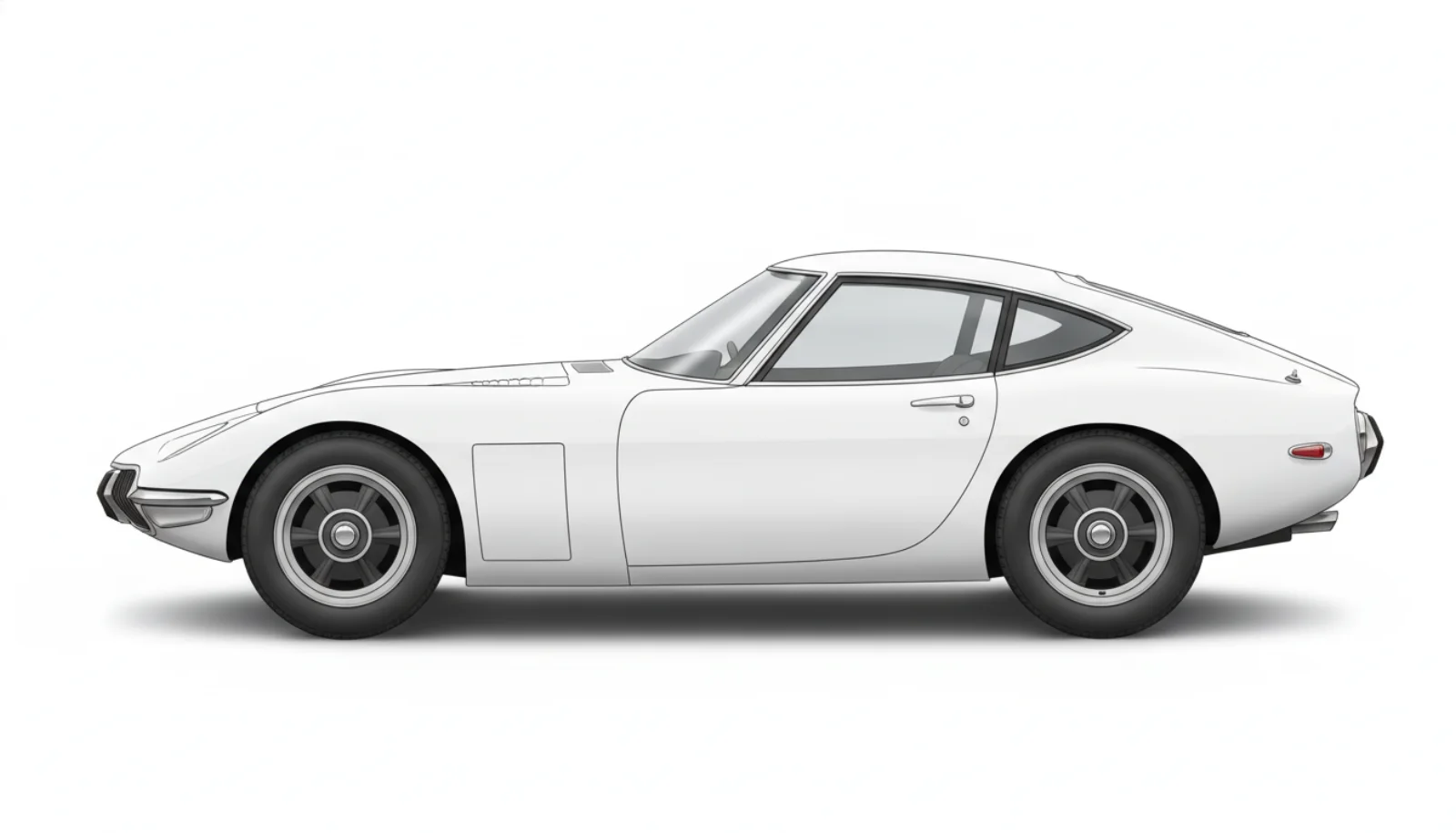
Every model
Models in production each year
1930s
2 launched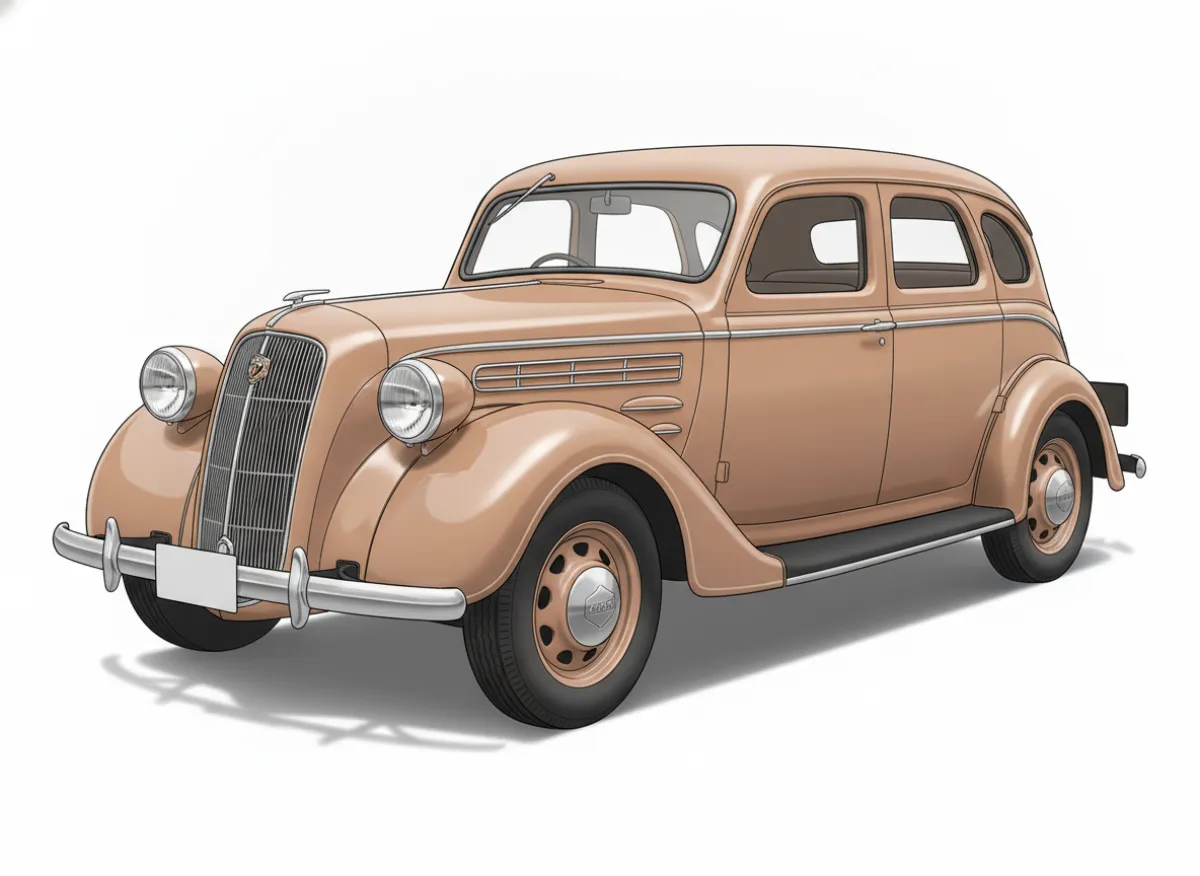
1940s
1 launched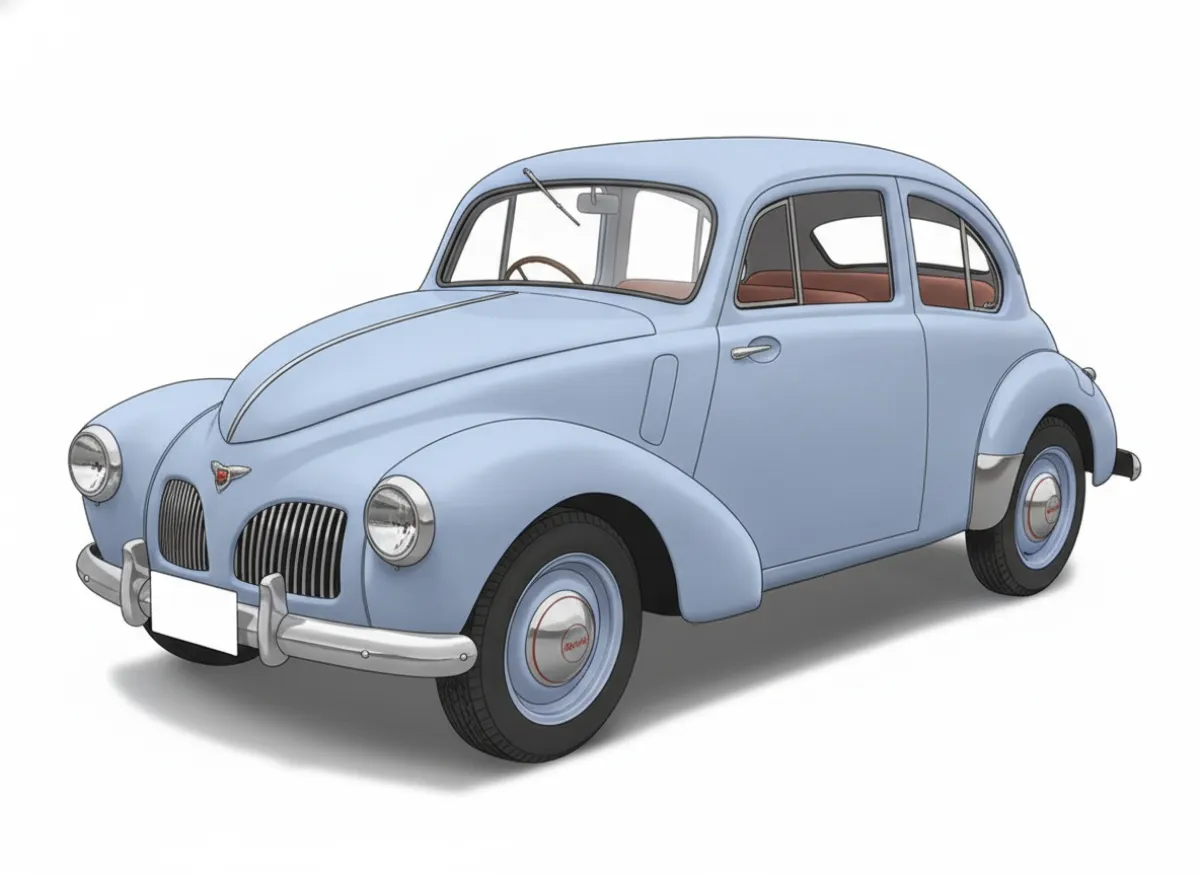
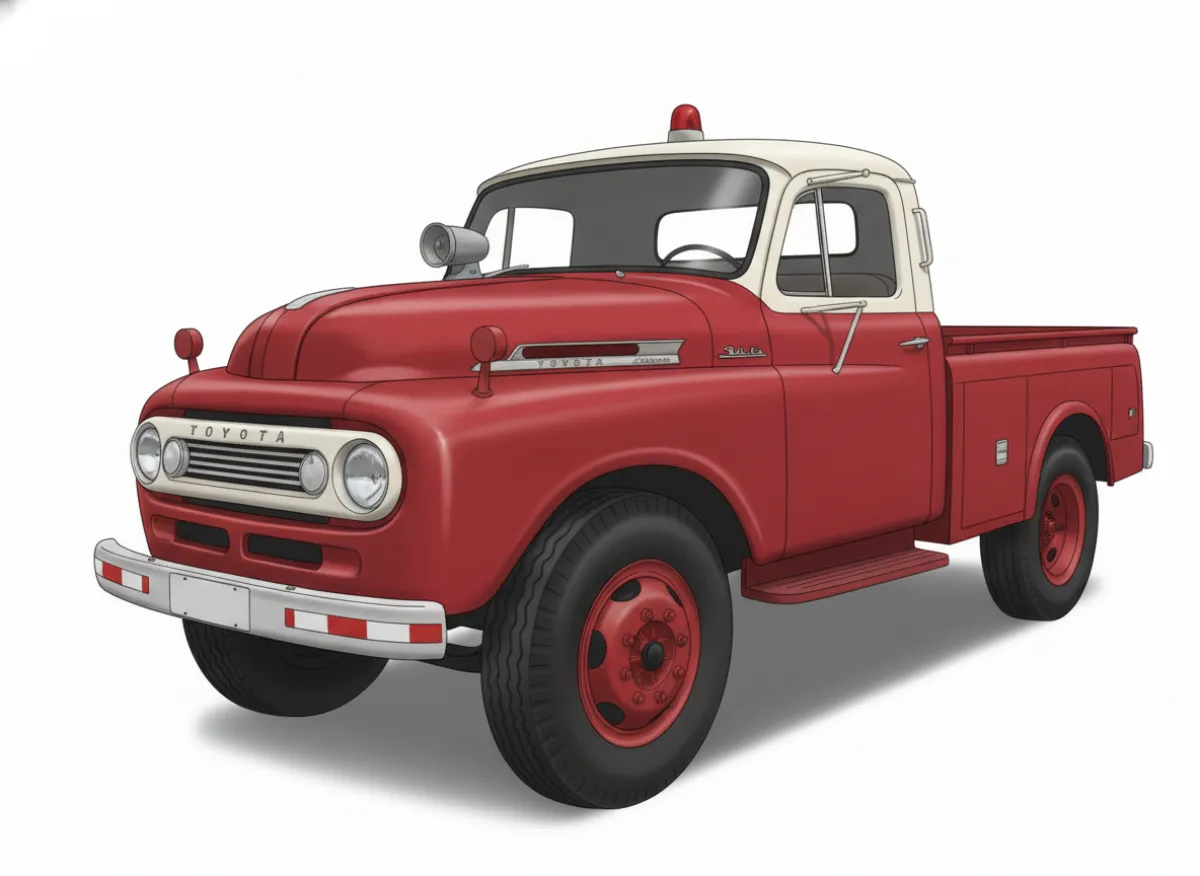
1950s
9 launched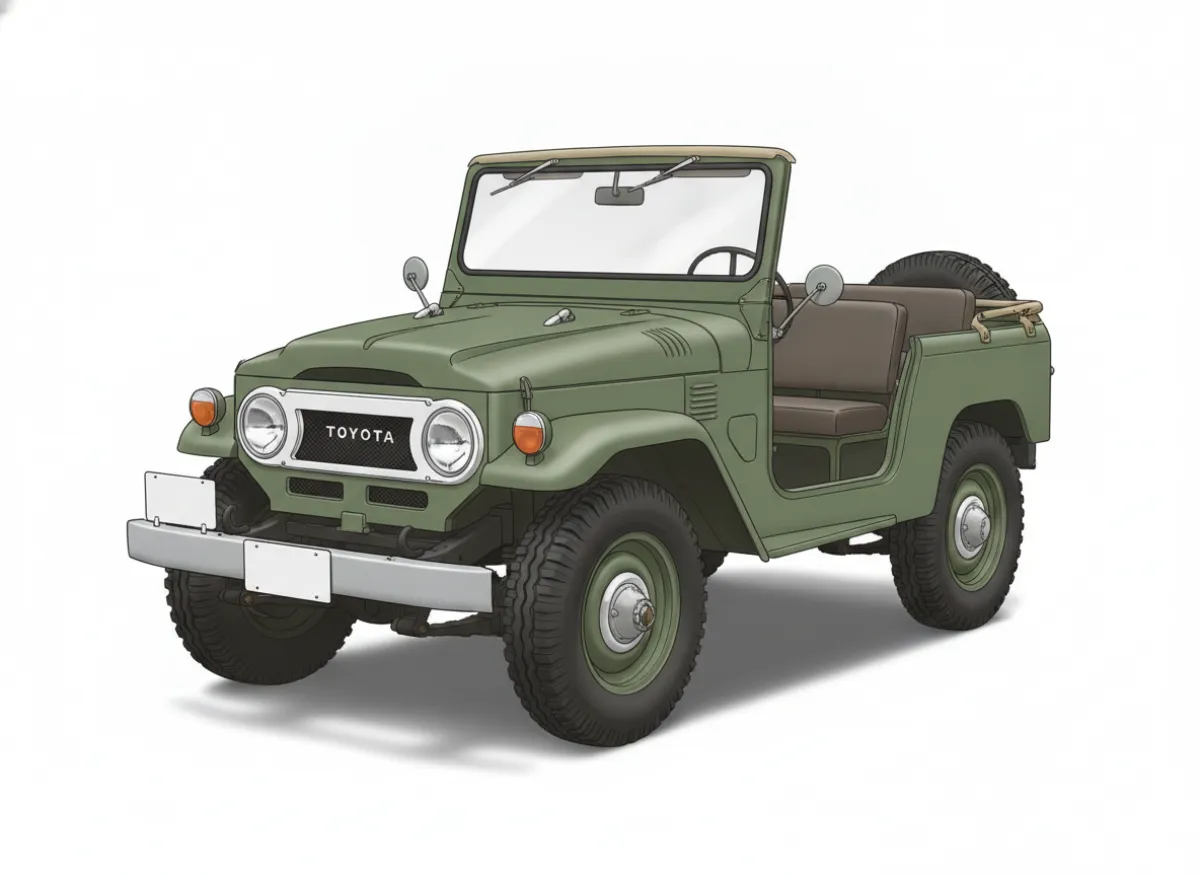
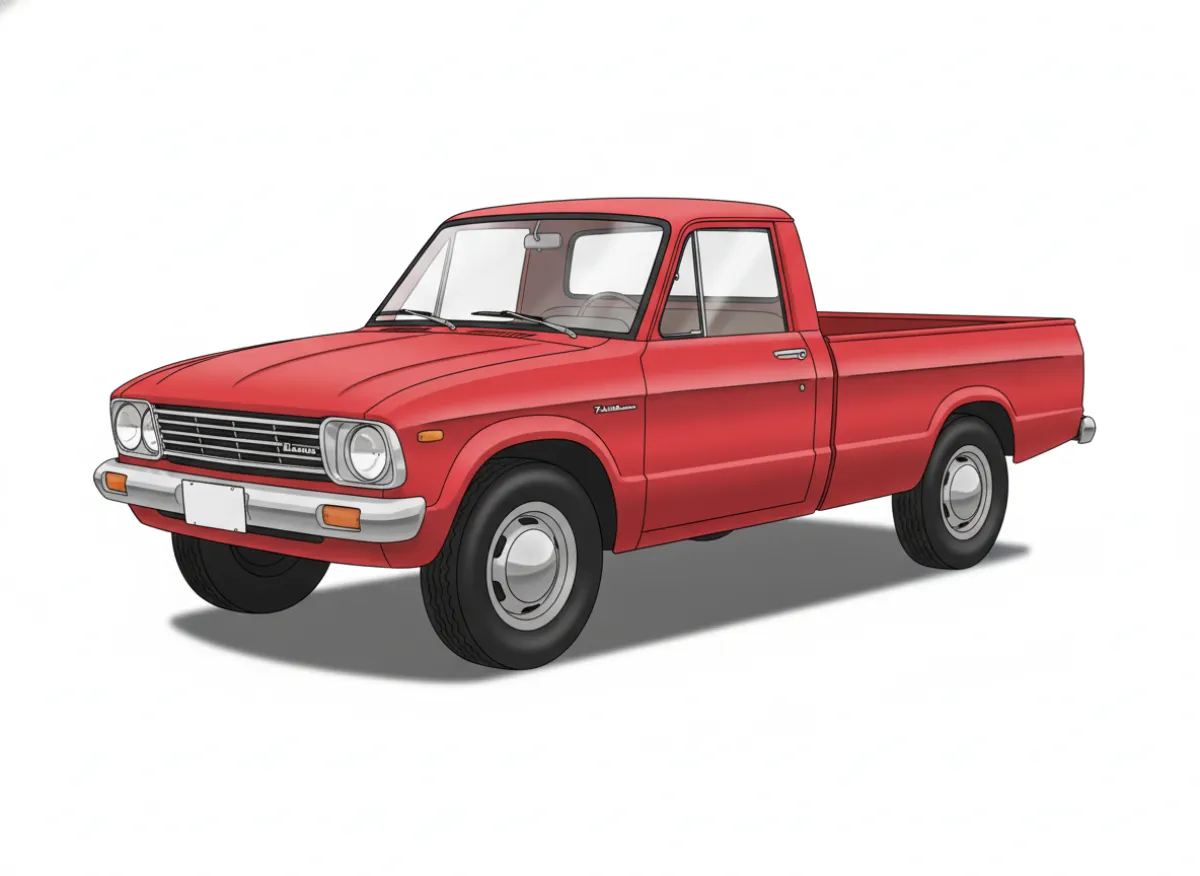
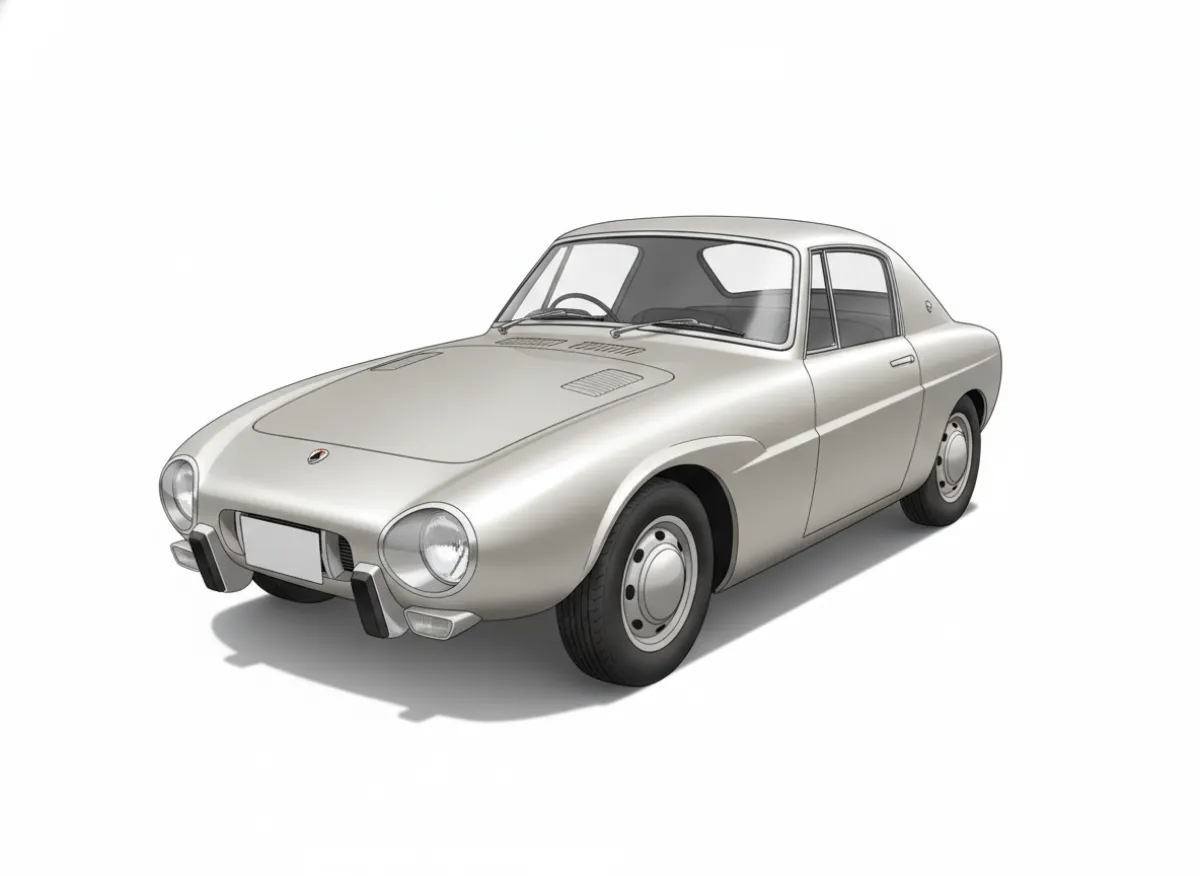
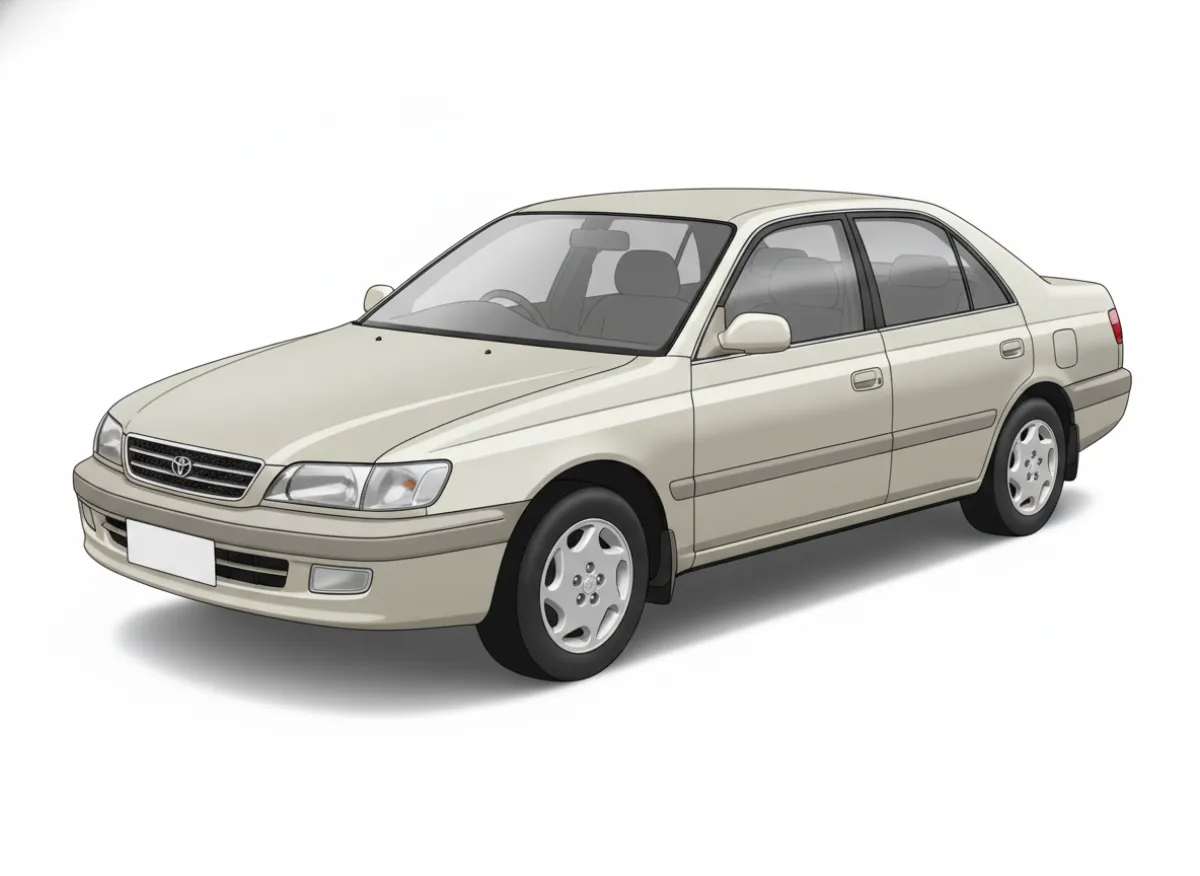
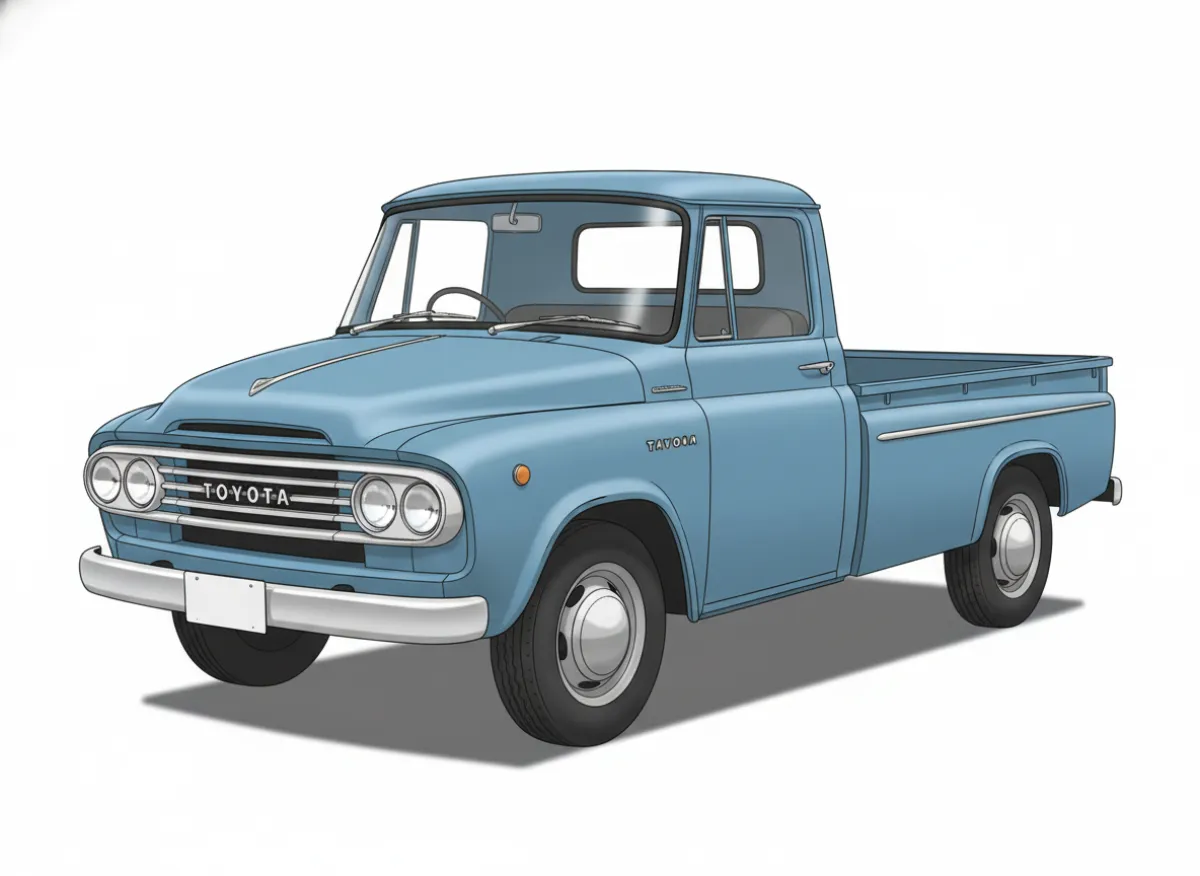
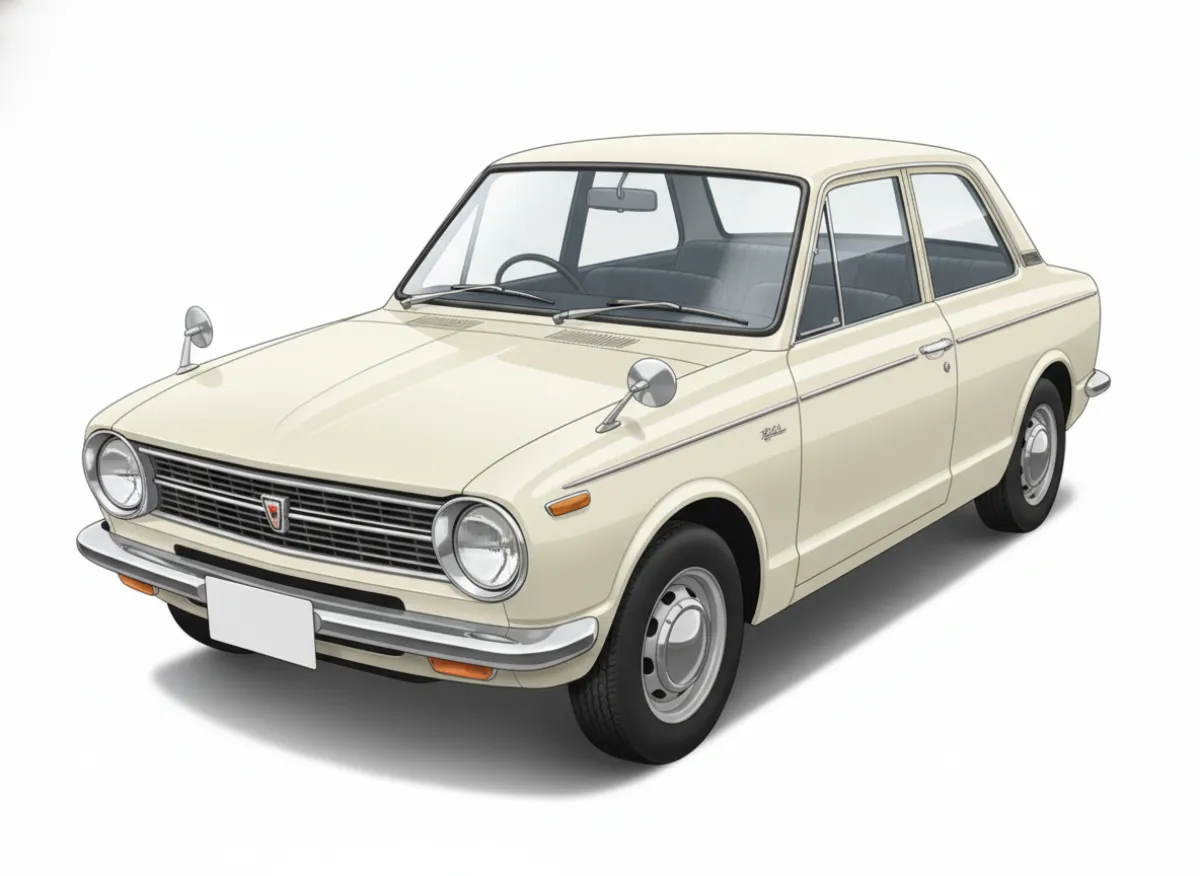
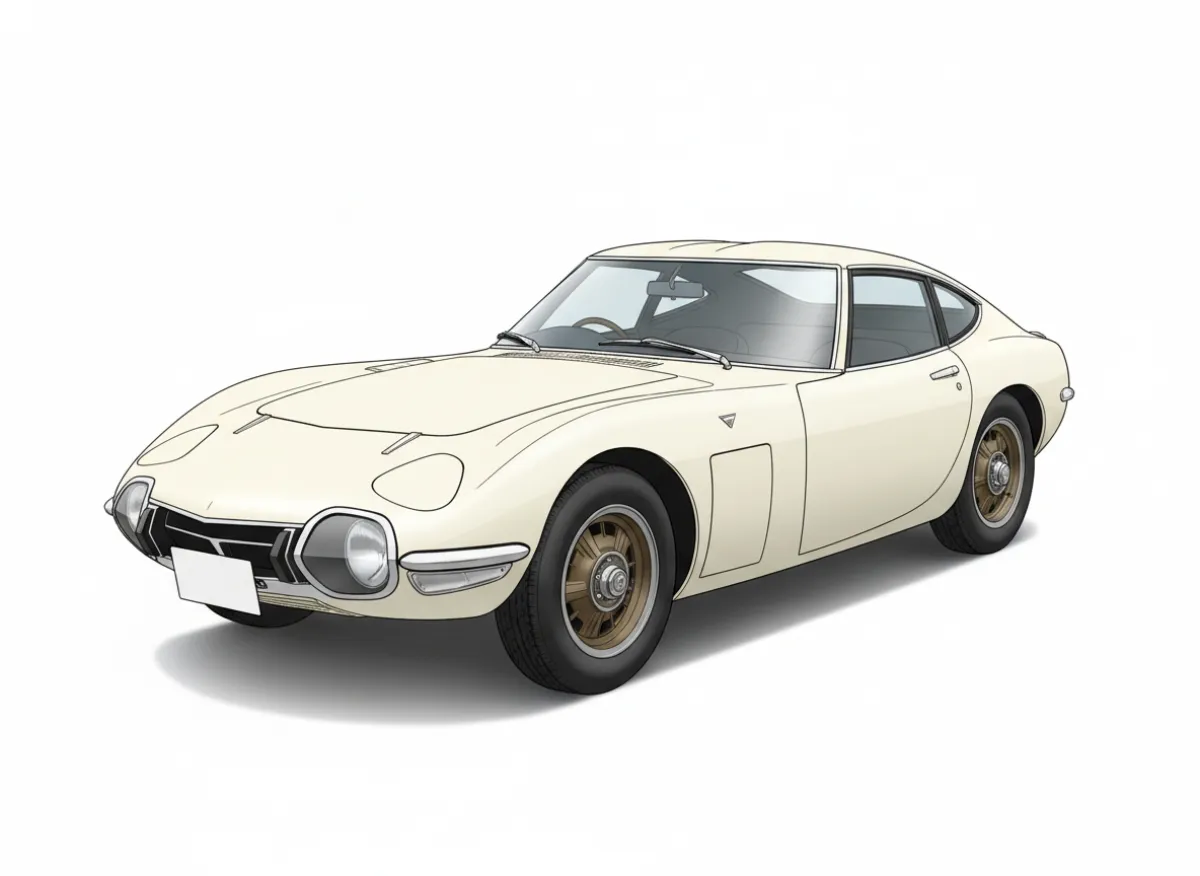
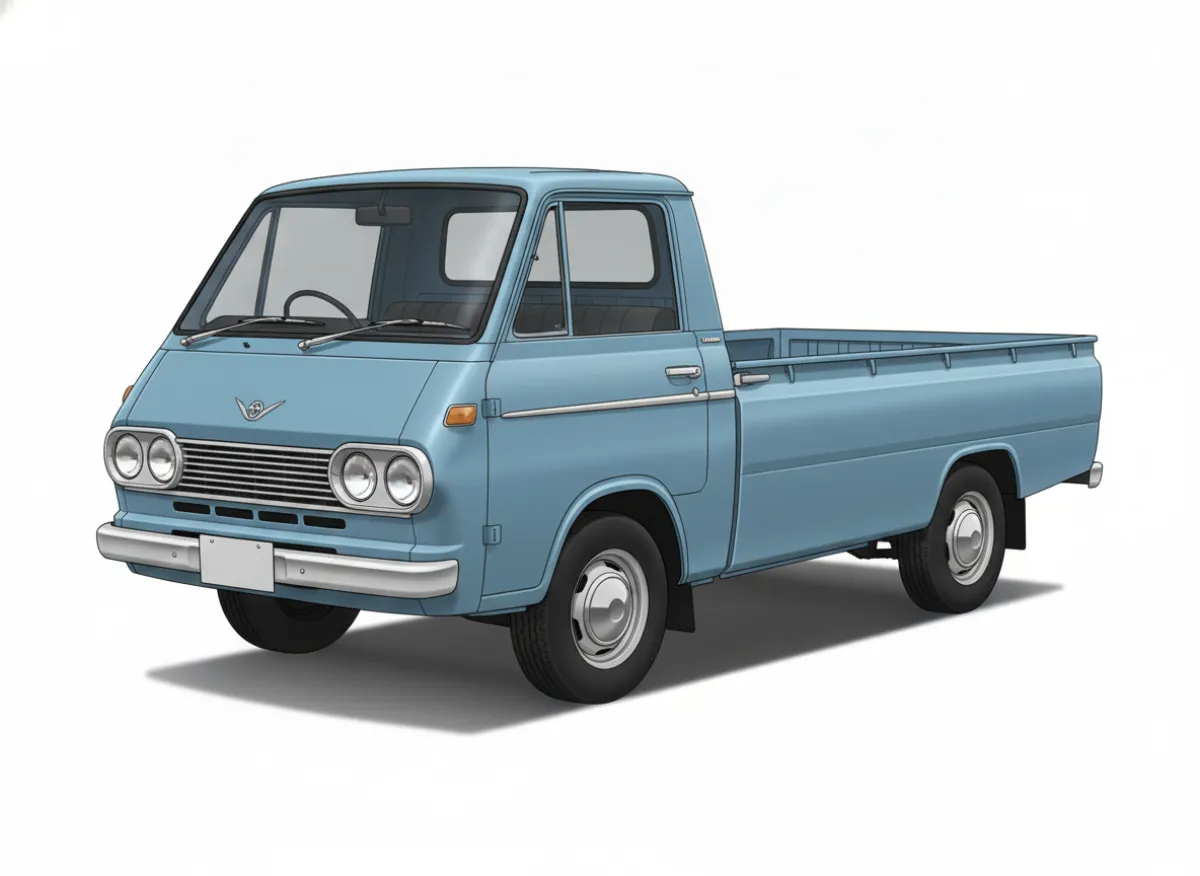
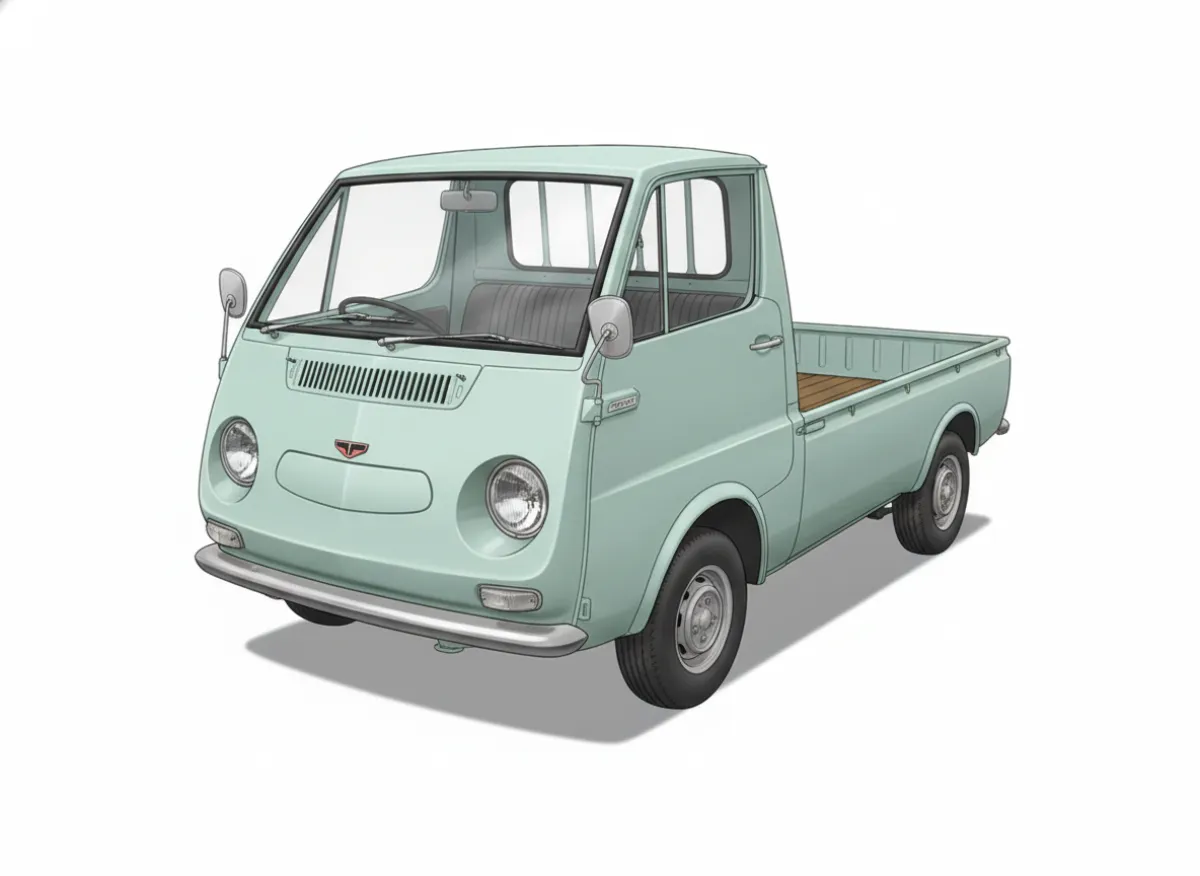
1960s
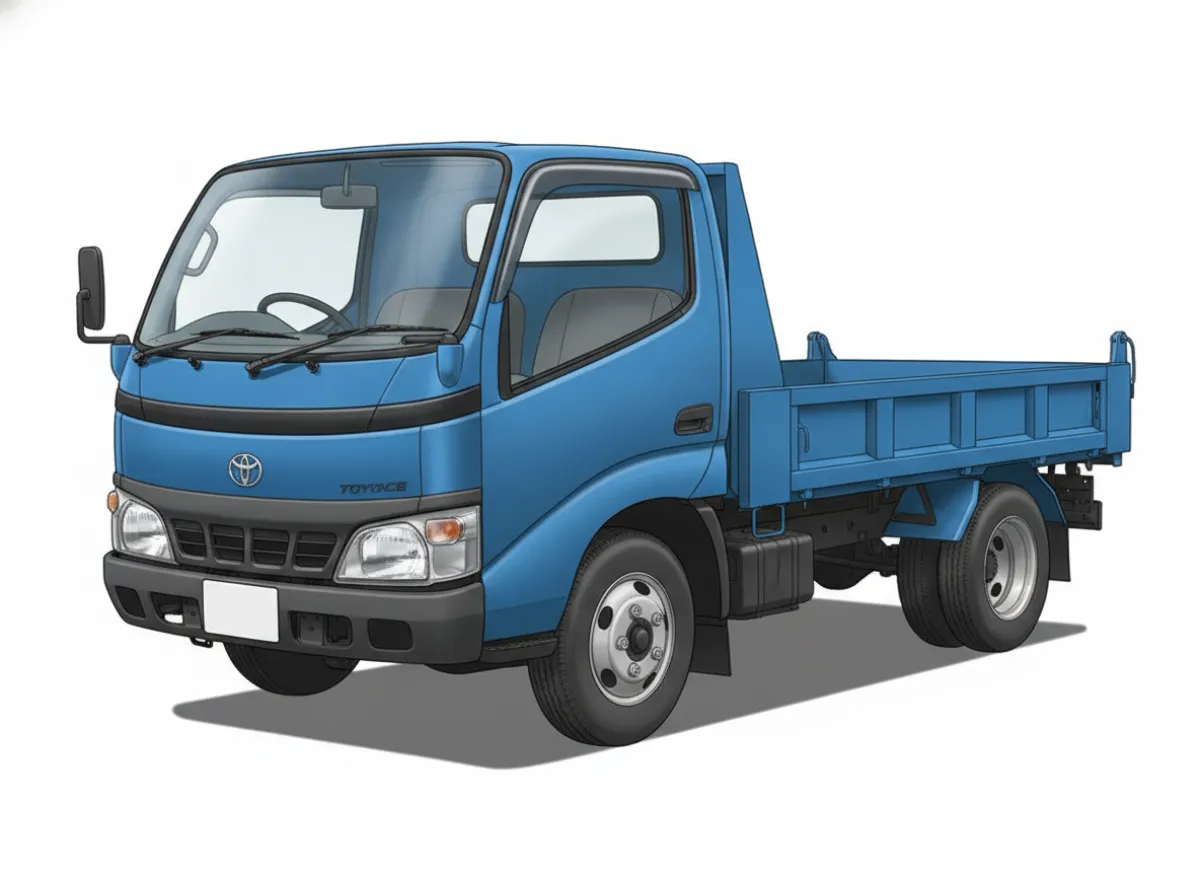
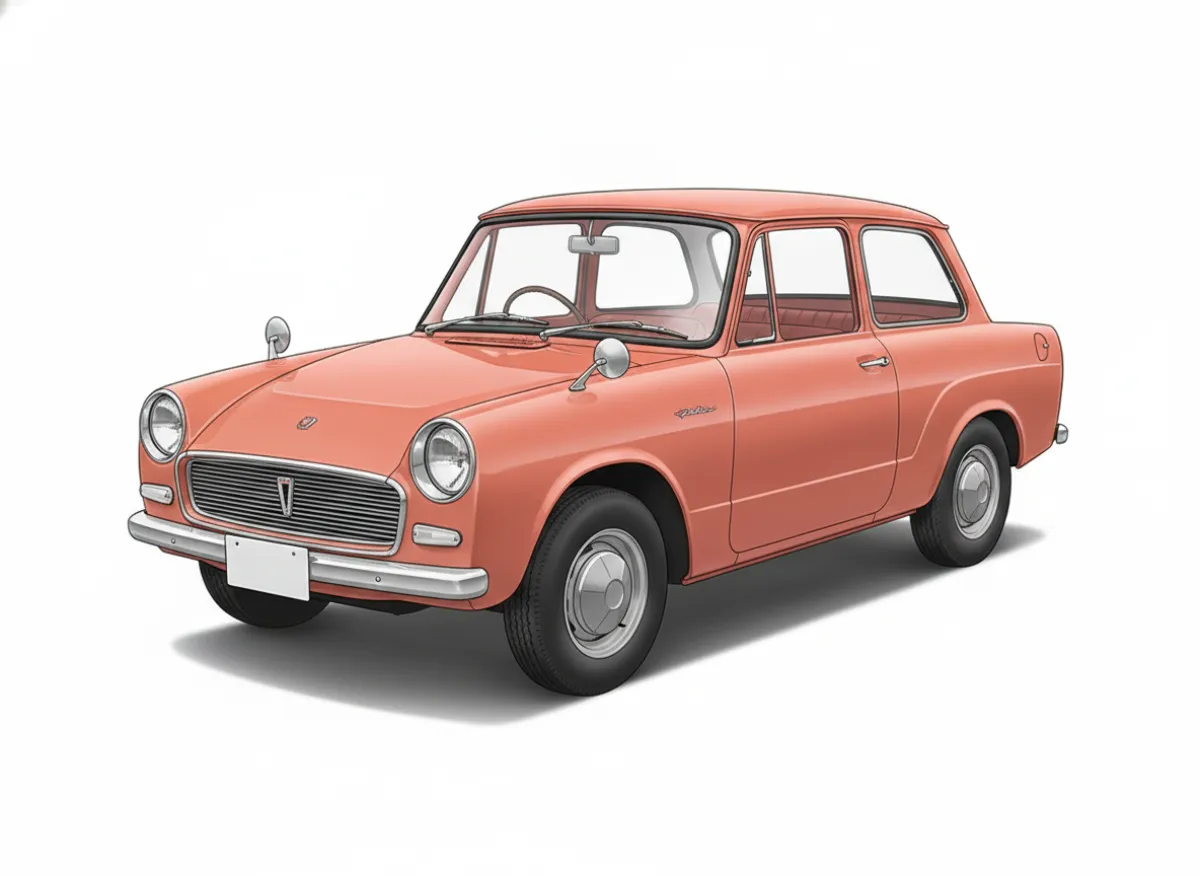
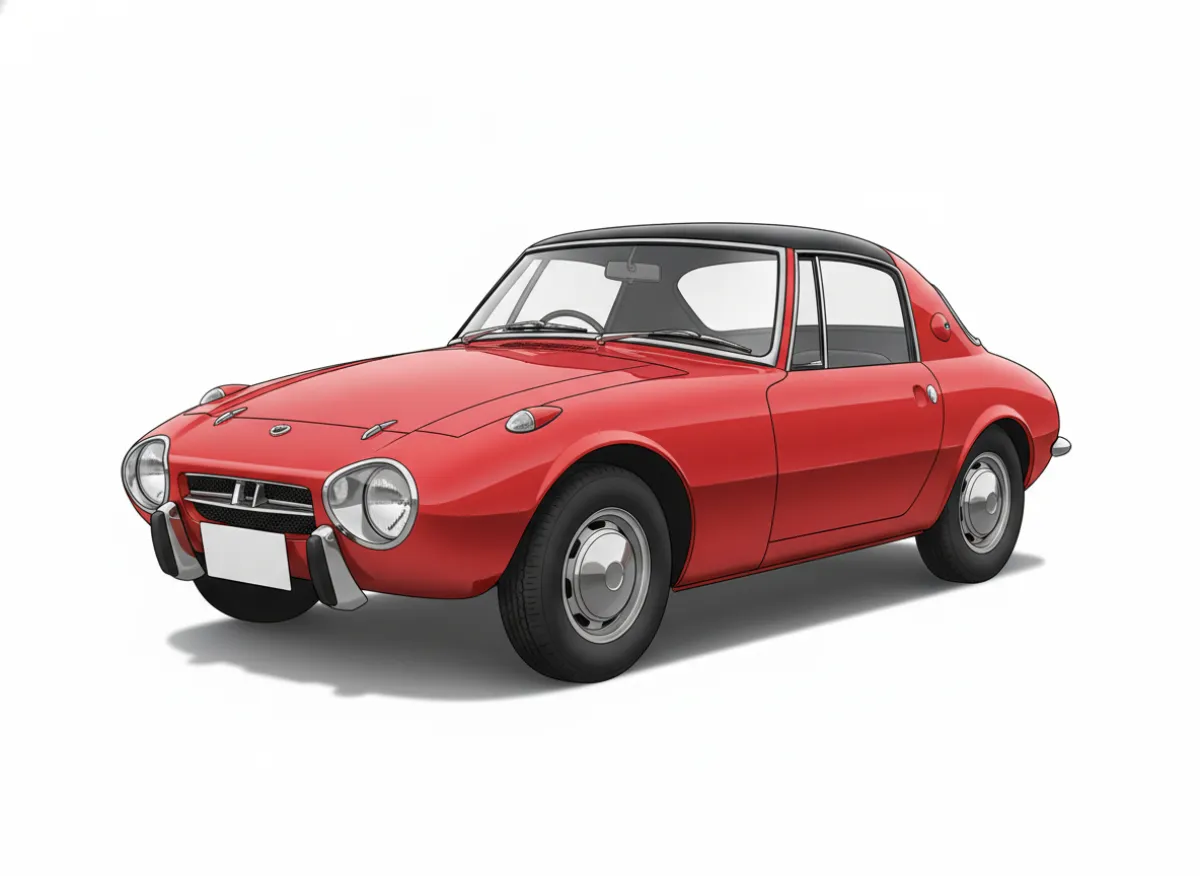
12 launched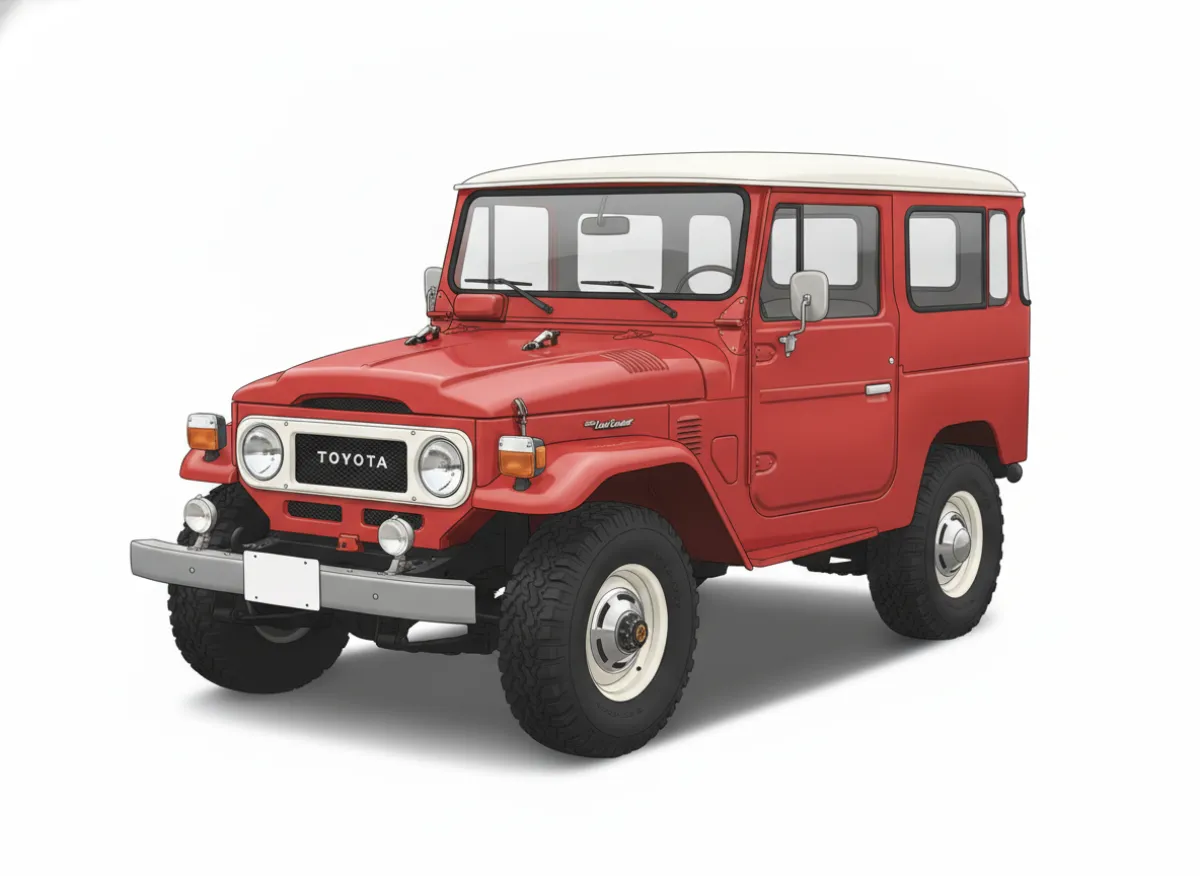
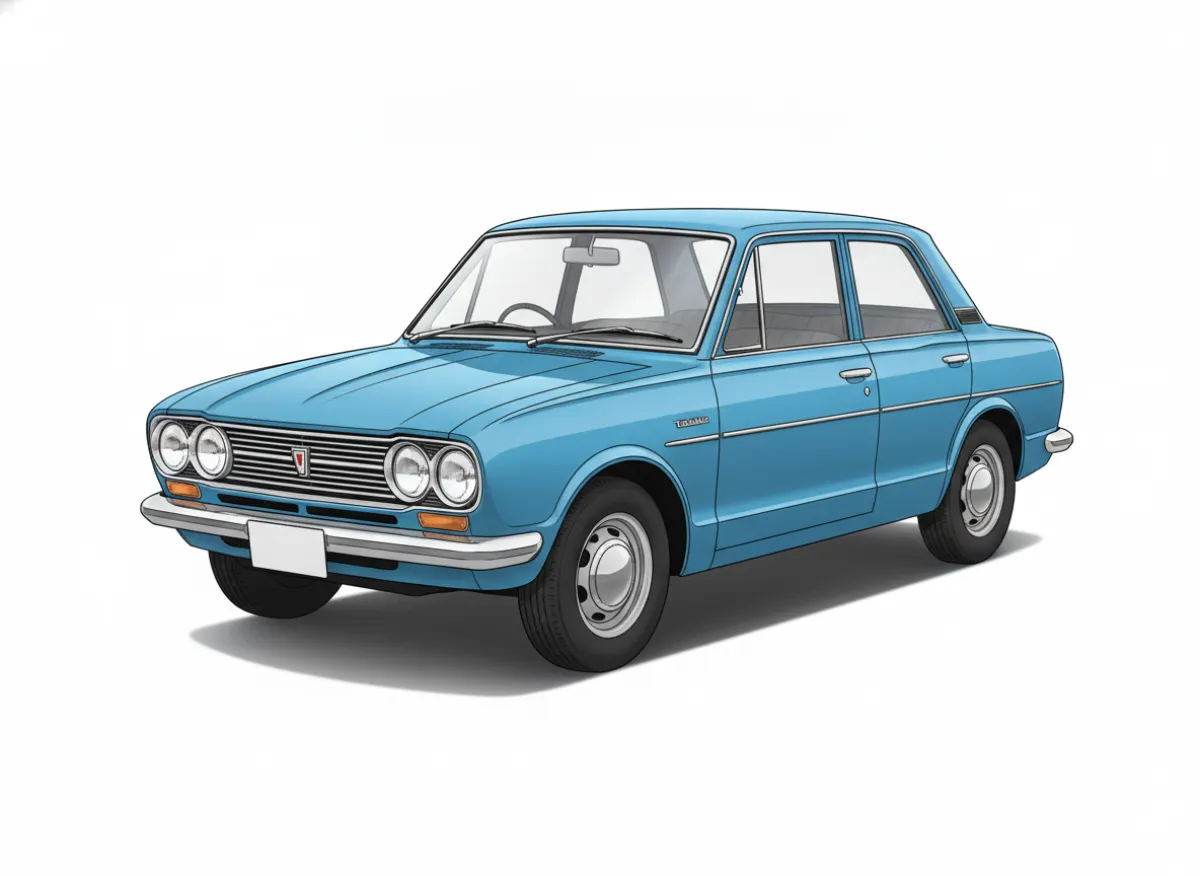
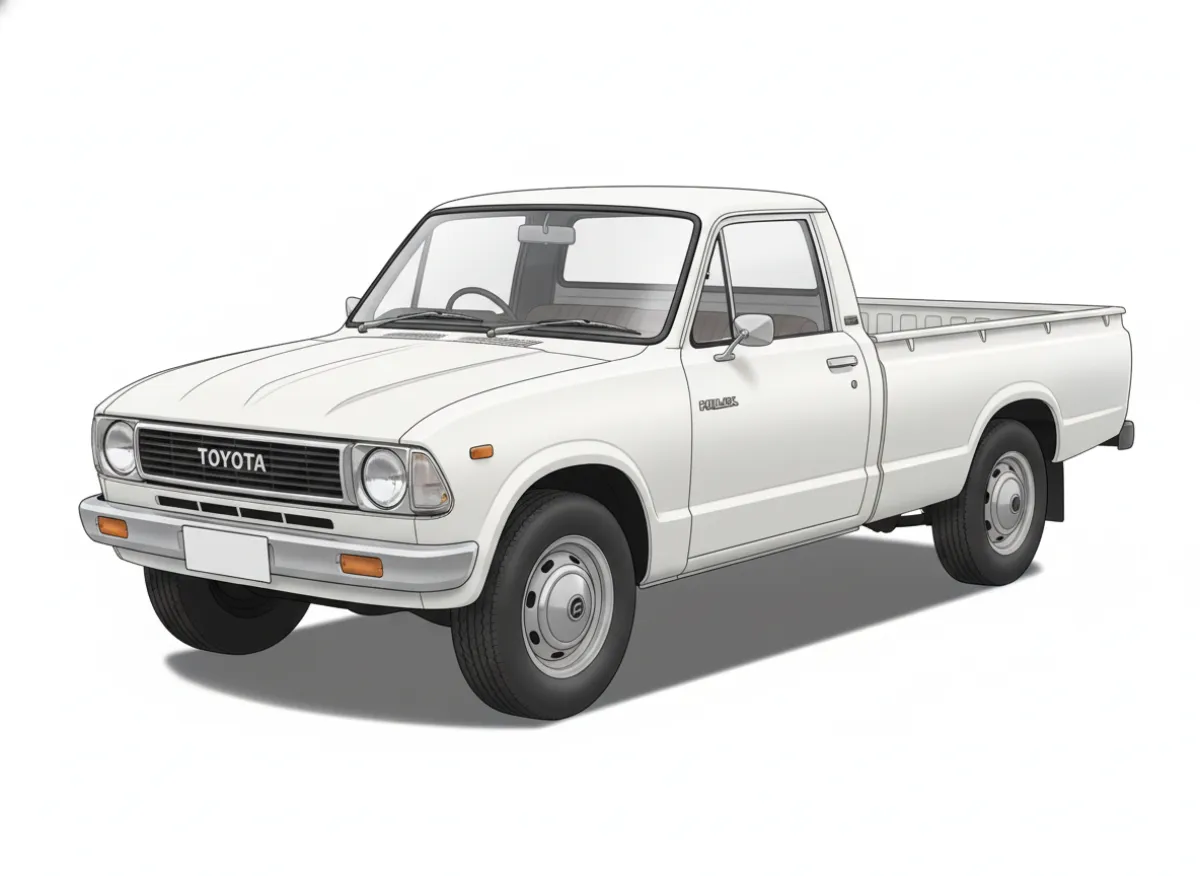
1970s
13 launched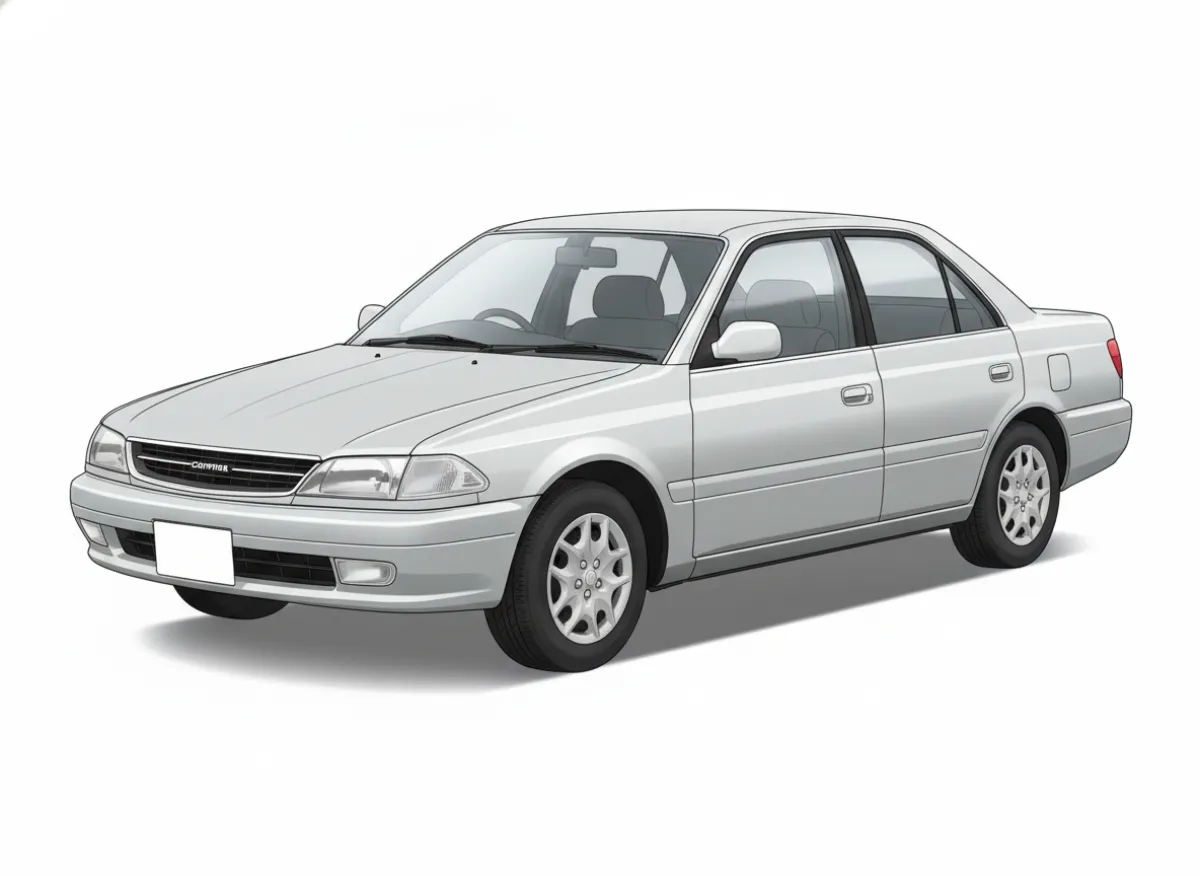 Carina1970–2001 · 7 gen.
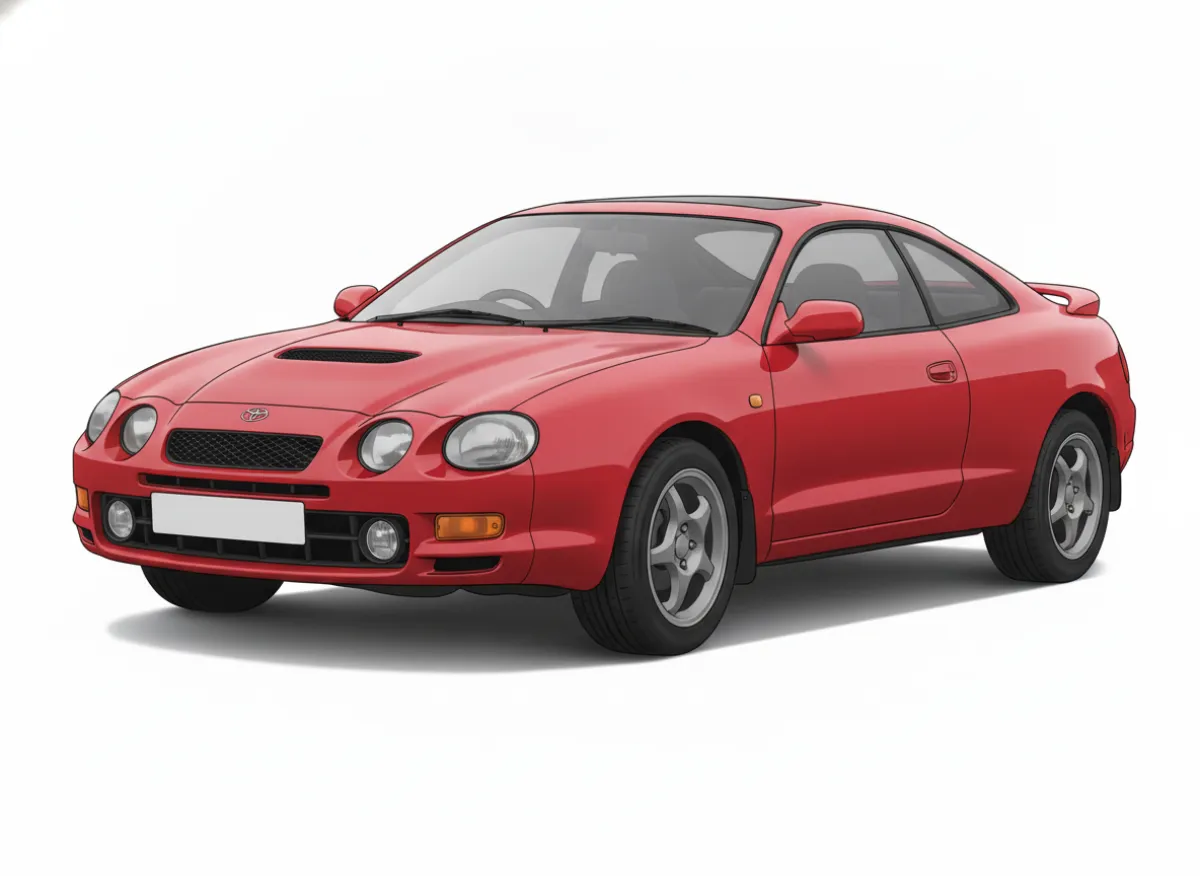 Celica1970–2006 · 7 gen.
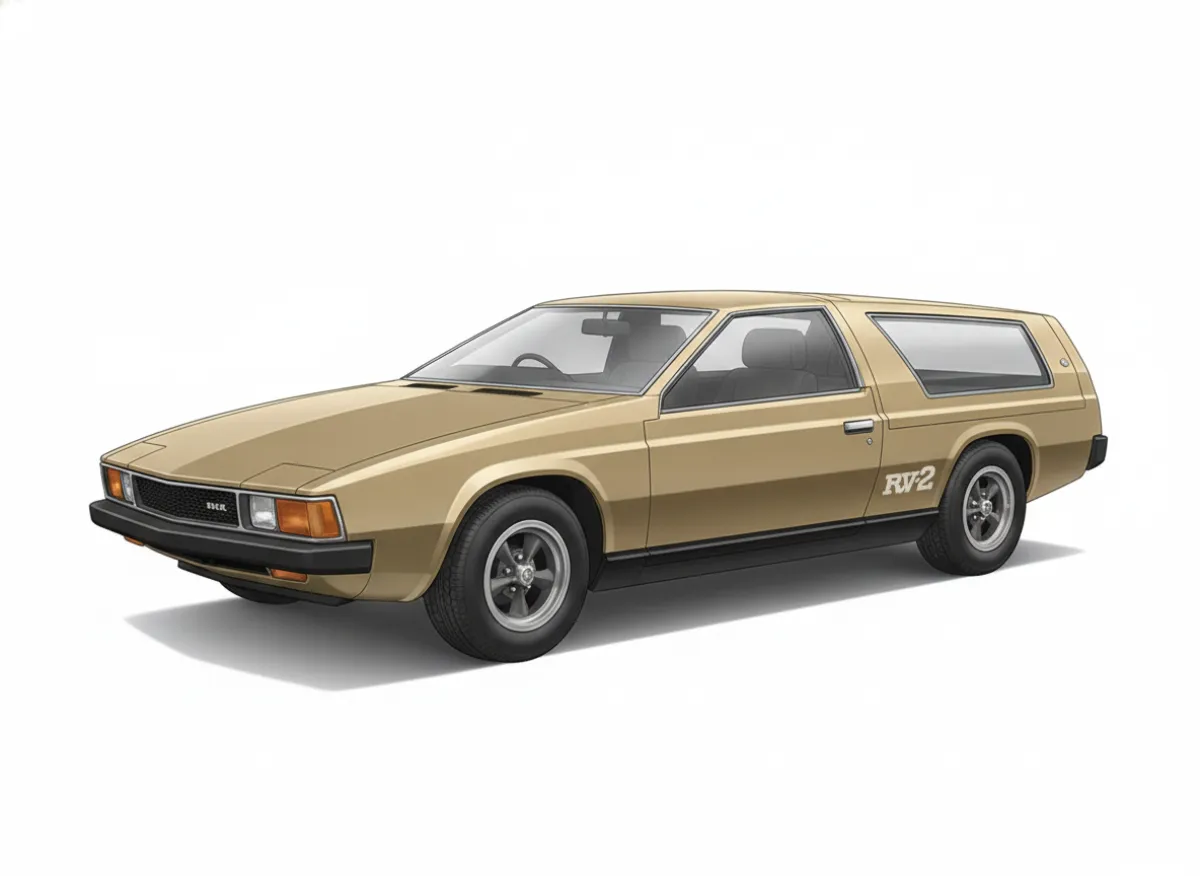 concept vehicles (1970–1979)1970 · 16 gen.
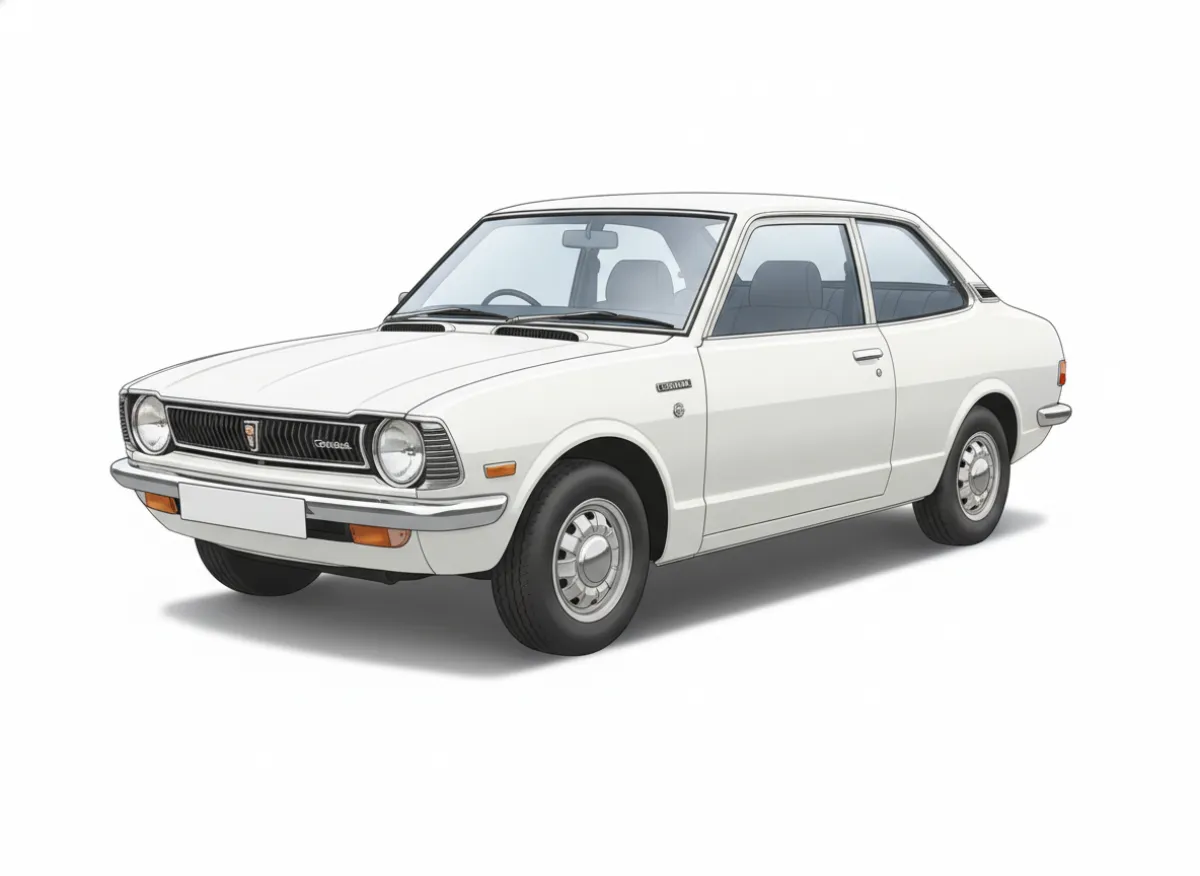 Corolla (E20)1970–1978
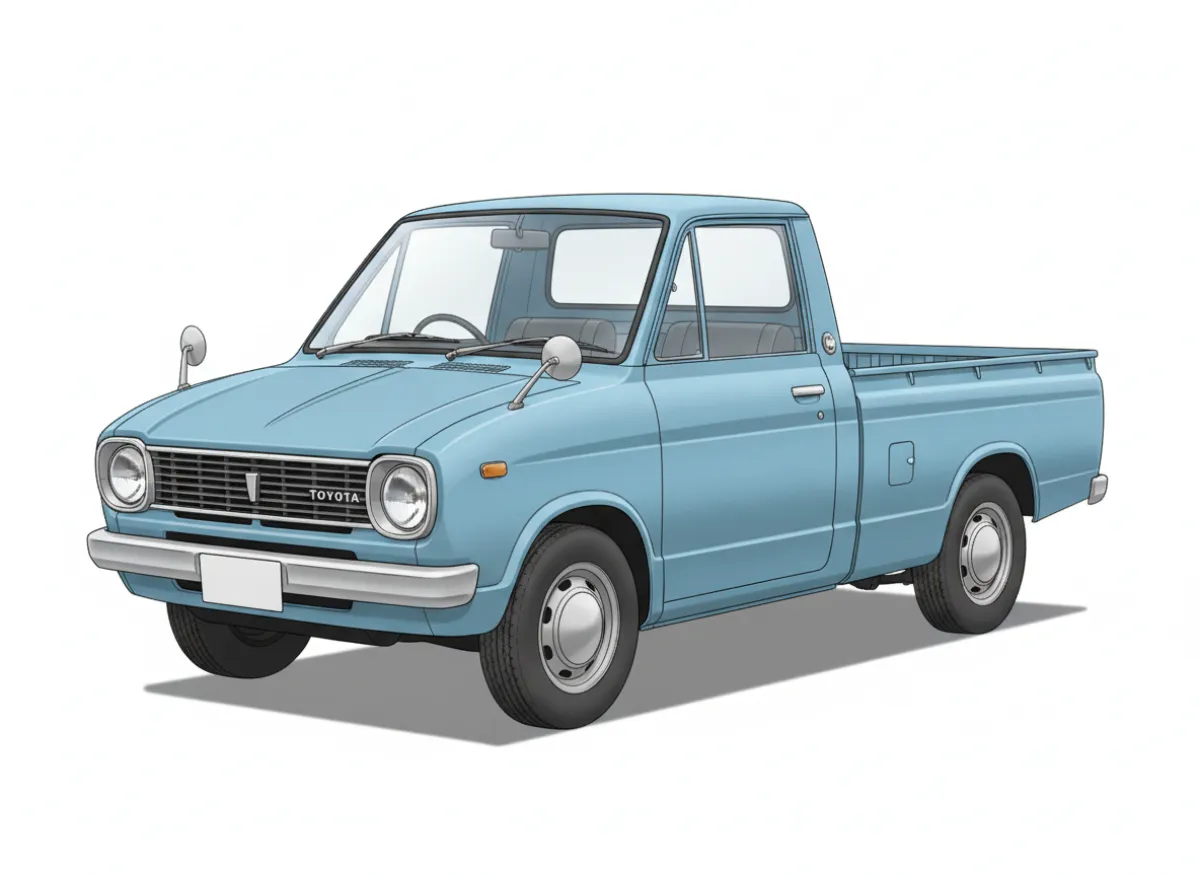 LiteAce1970– · 8 gen.
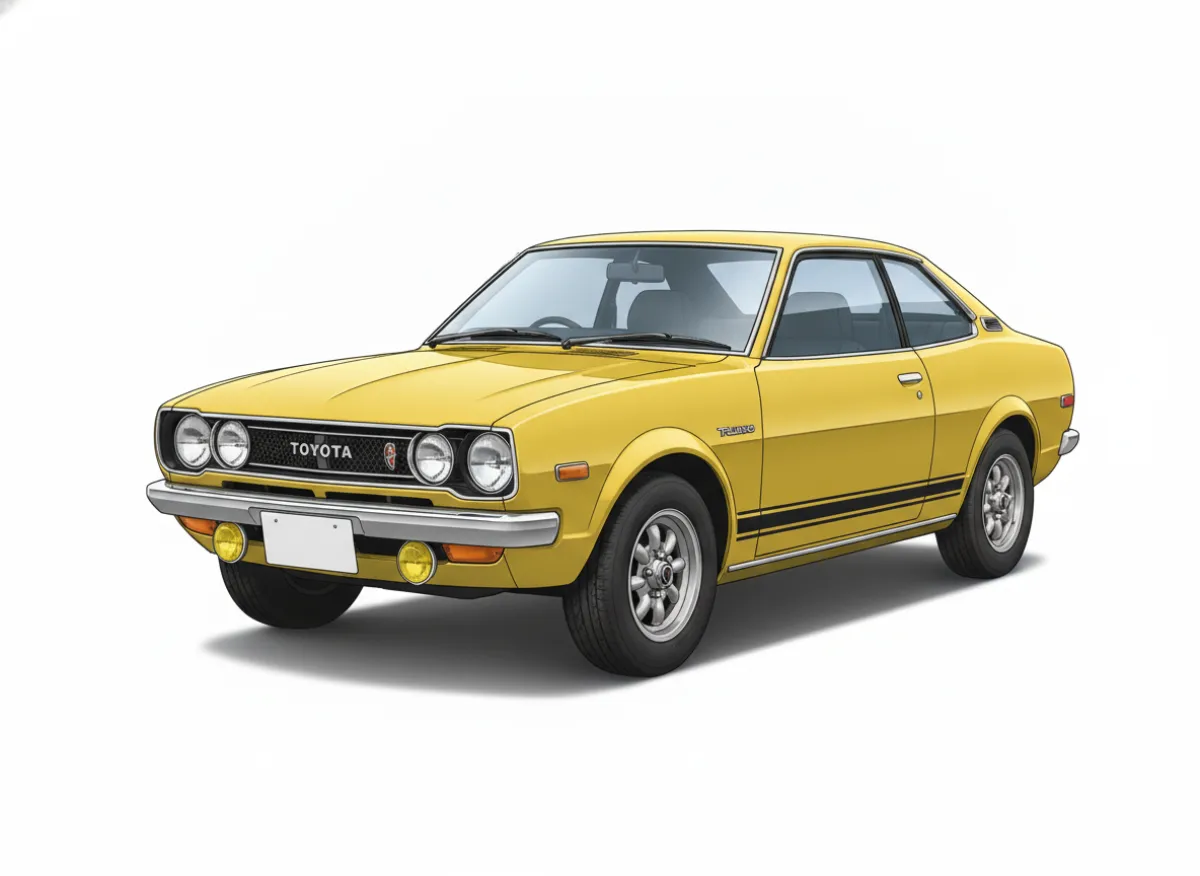 Sprinter Trueno1972–2000 · 7 gen.
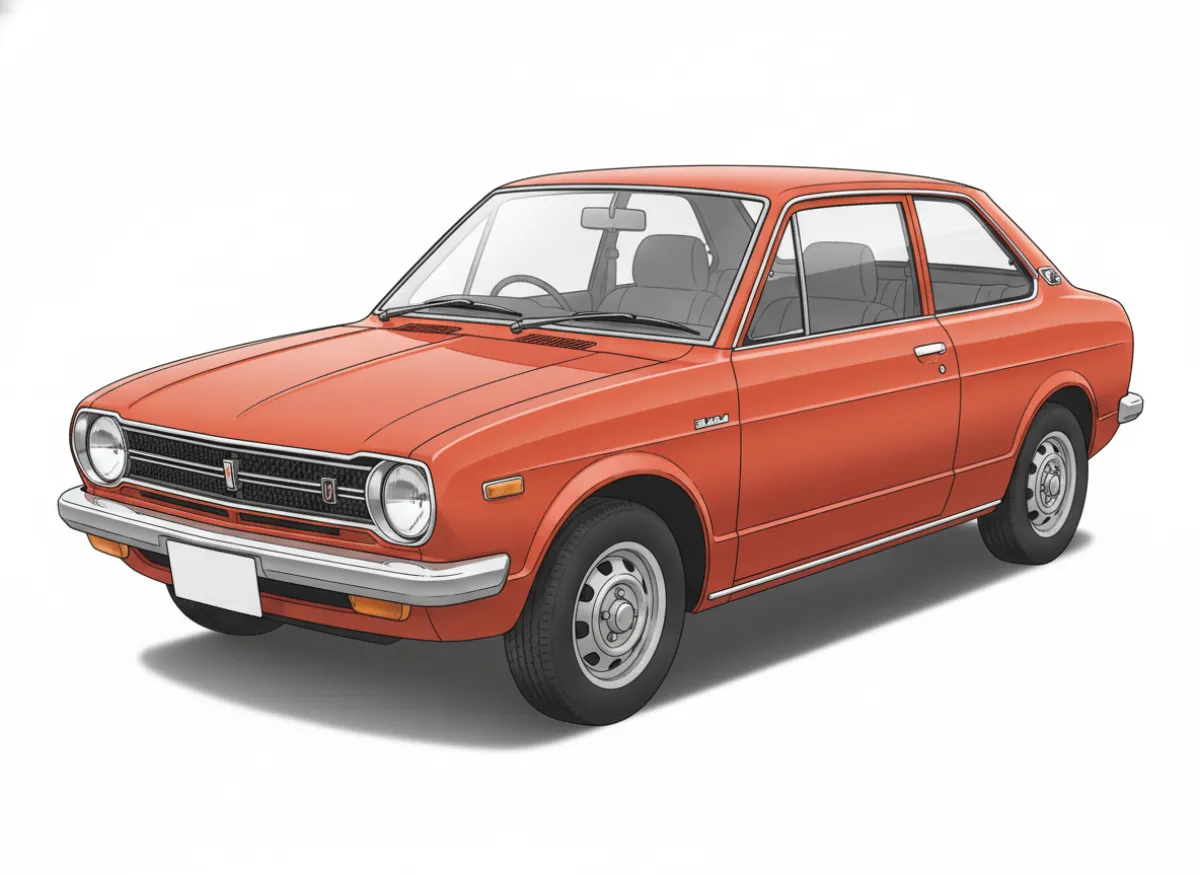 Starlet1973–1999 · 5 gen.
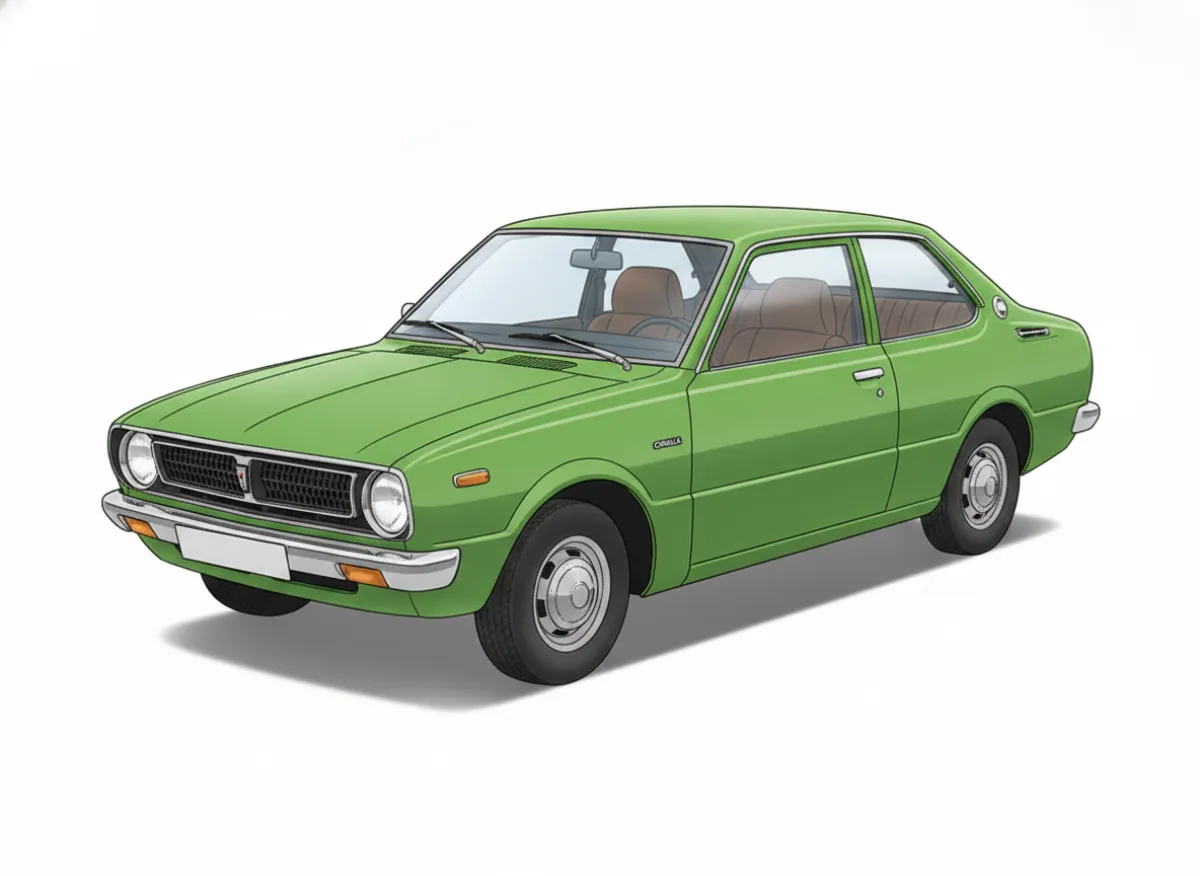 Corolla (E30)1974–1981
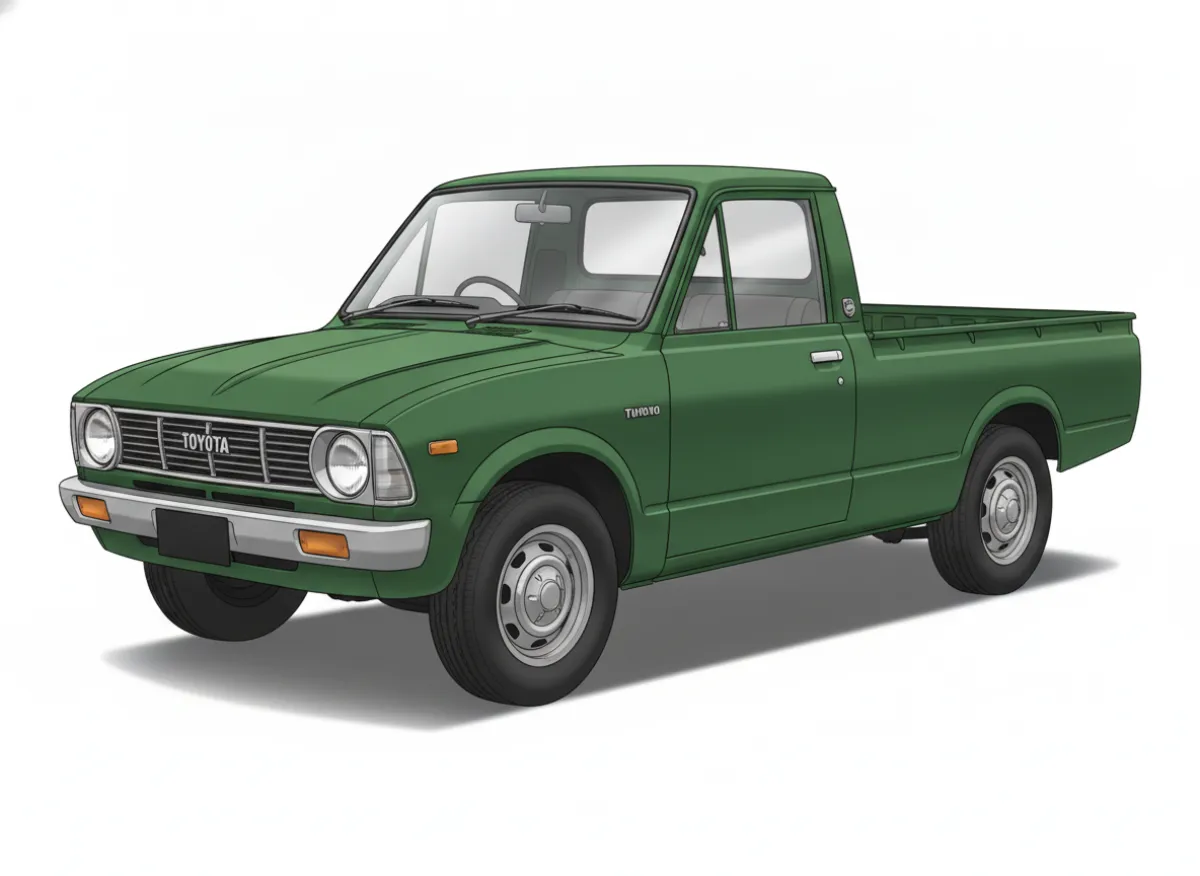 Kijang1976–2007 · 4 gen.
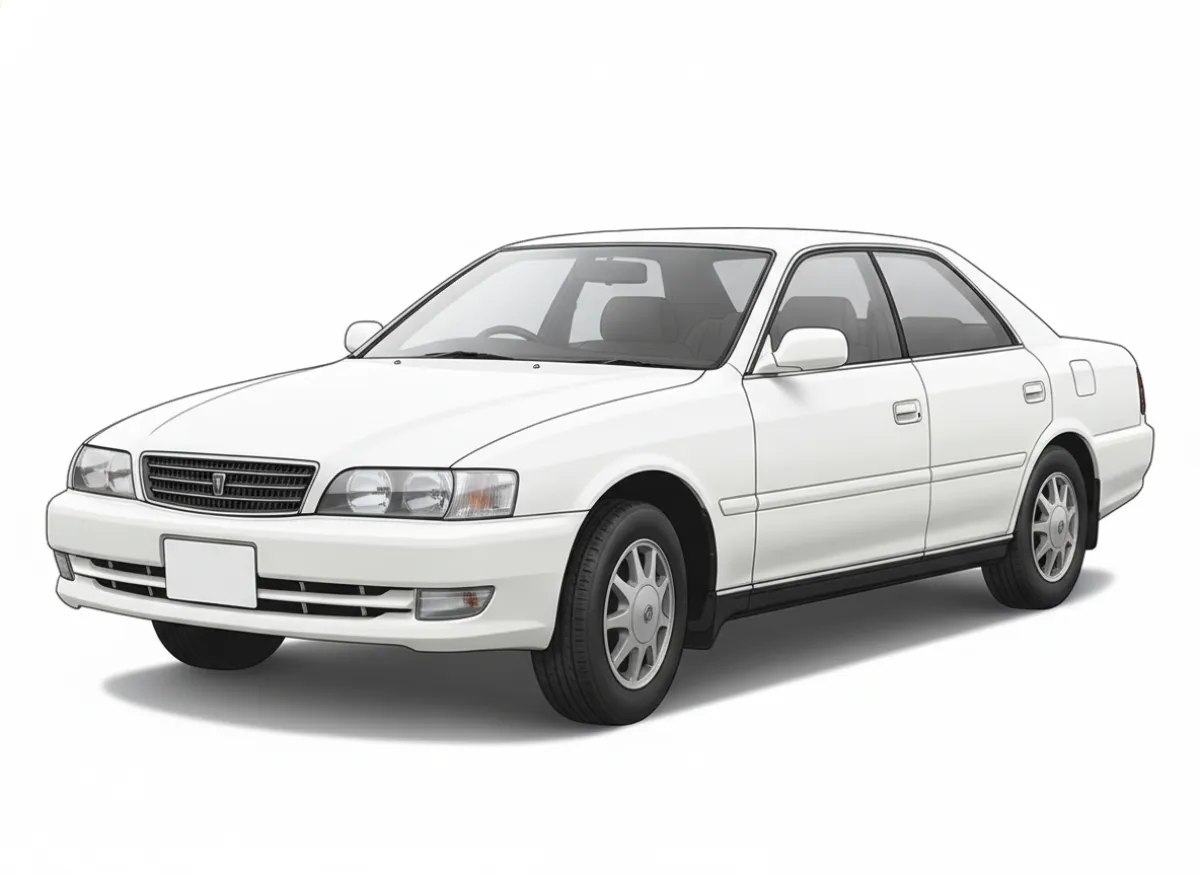 Chaser1977–2001 · 6 gen.
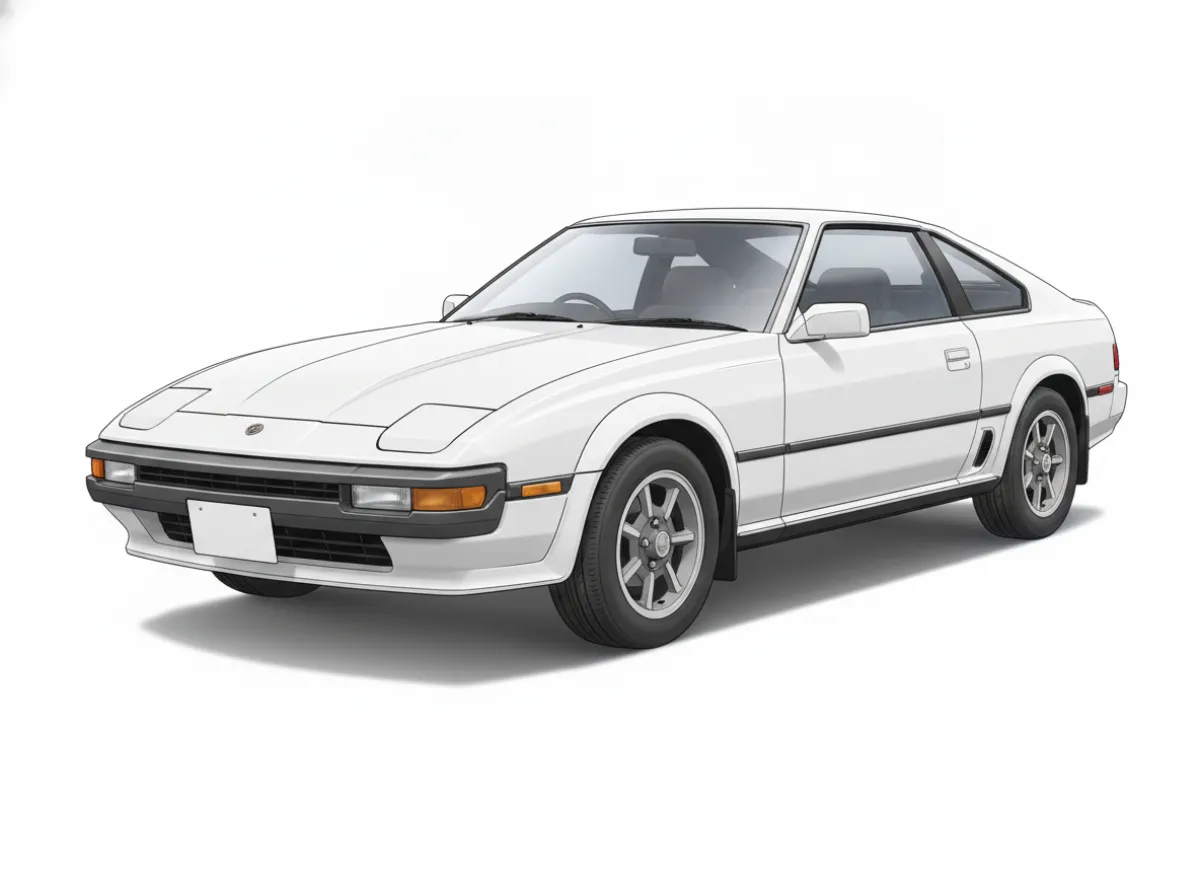 Supra1978–2026 · 4 gen.
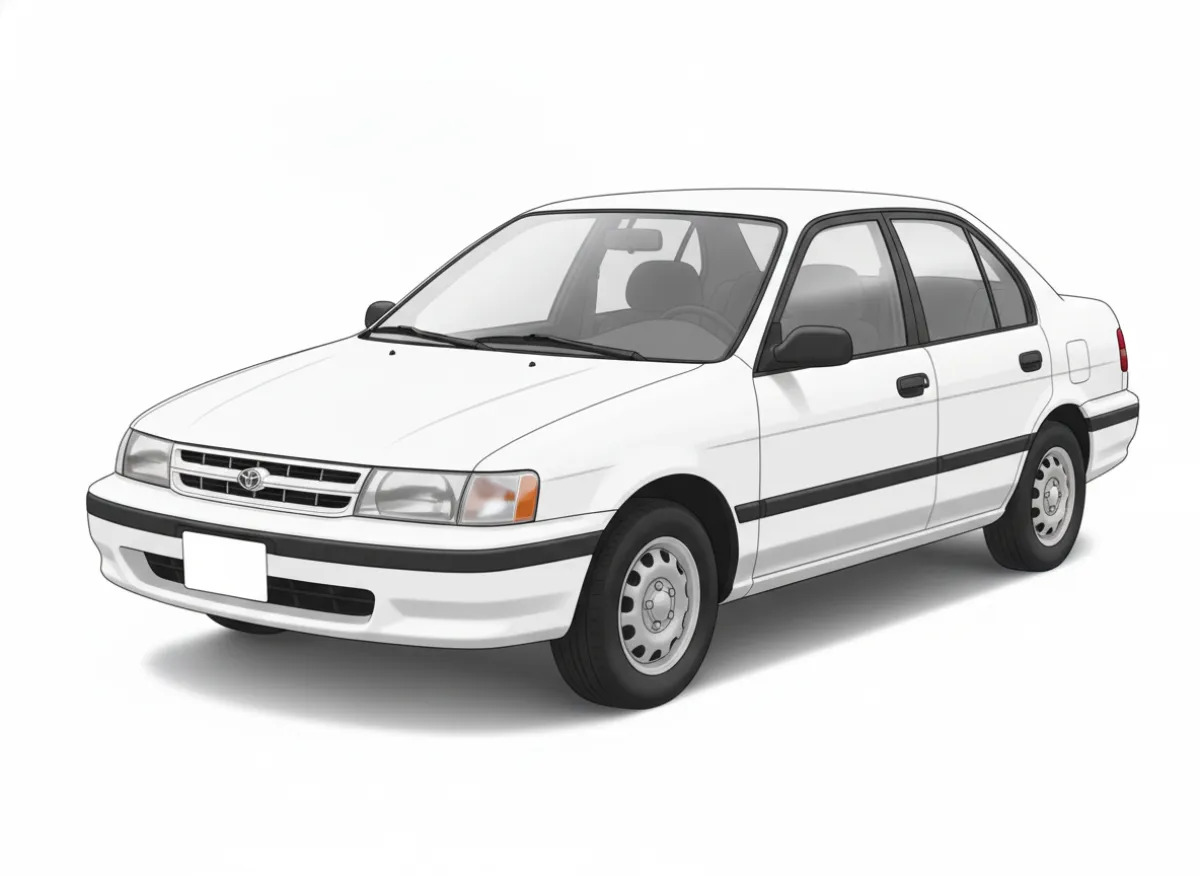 Tercel1978–2003 · 5 gen.
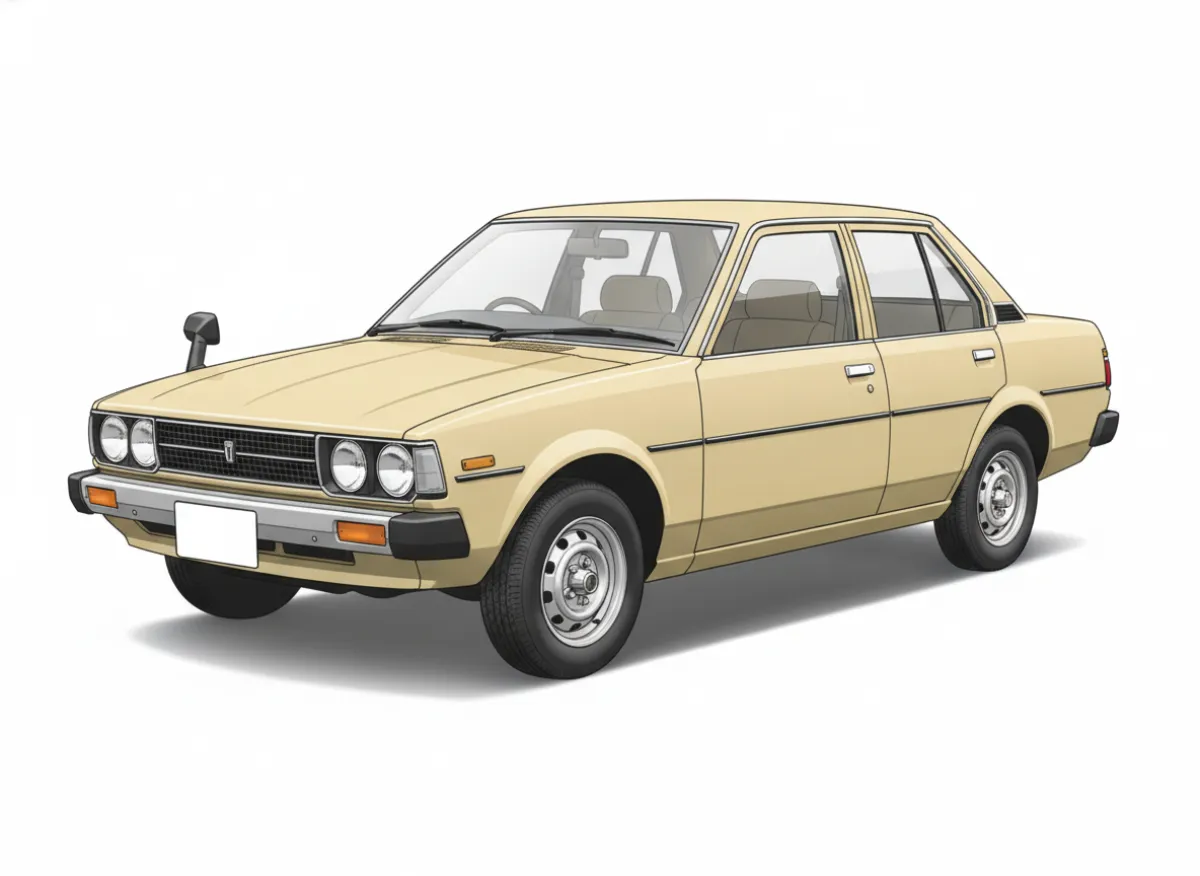 Corolla (E70)1979–1987
1980s
19 launched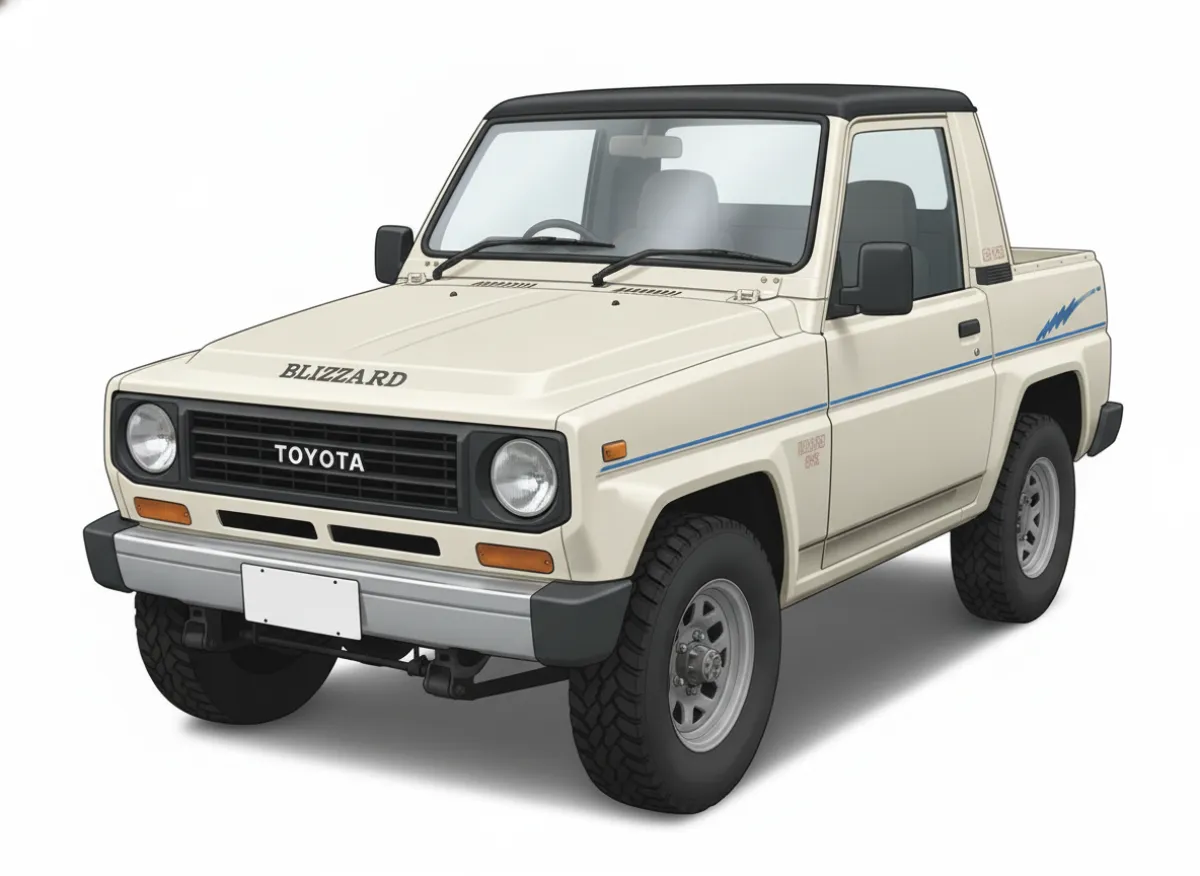 Blizzard1980–1990 · 2 gen.
- concept vehicles (1980–1989)1980 · 17 gen.
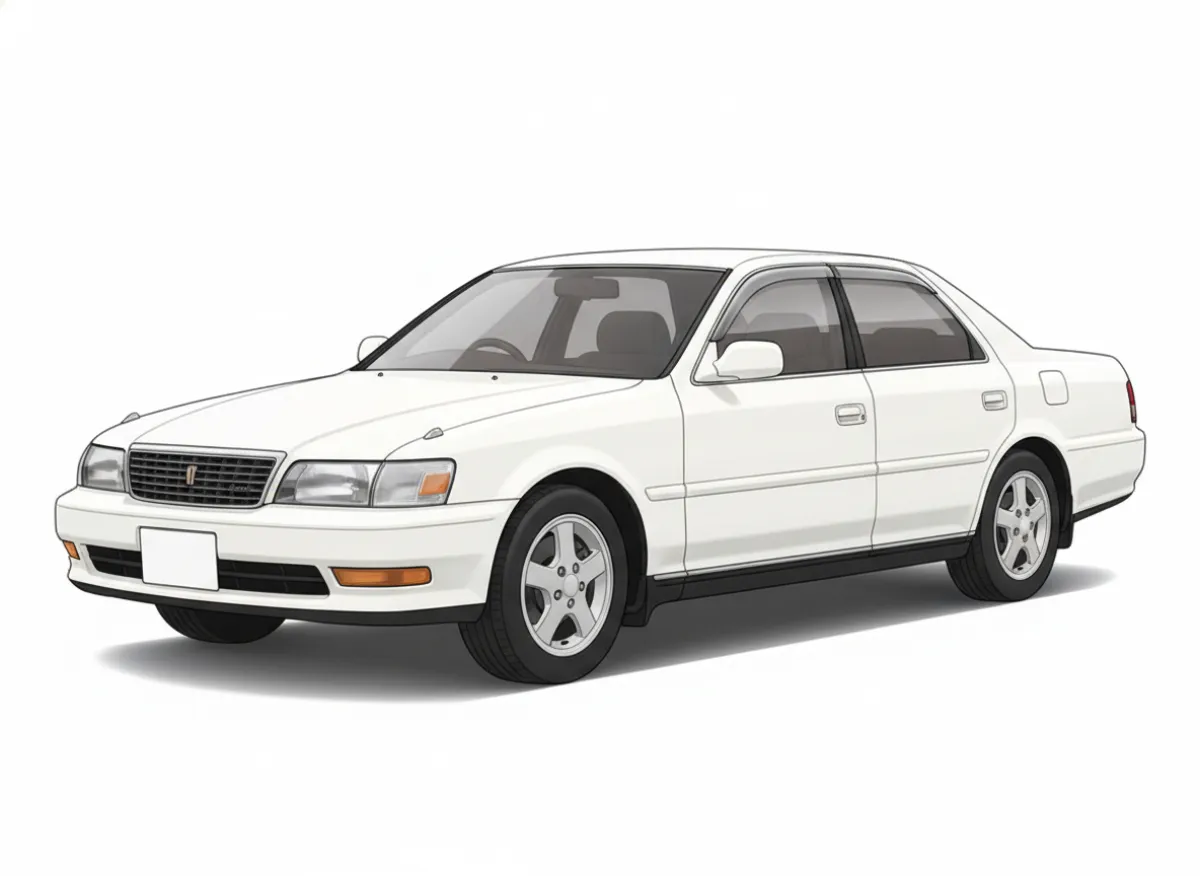 Cresta1980–2001 · 5 gen.
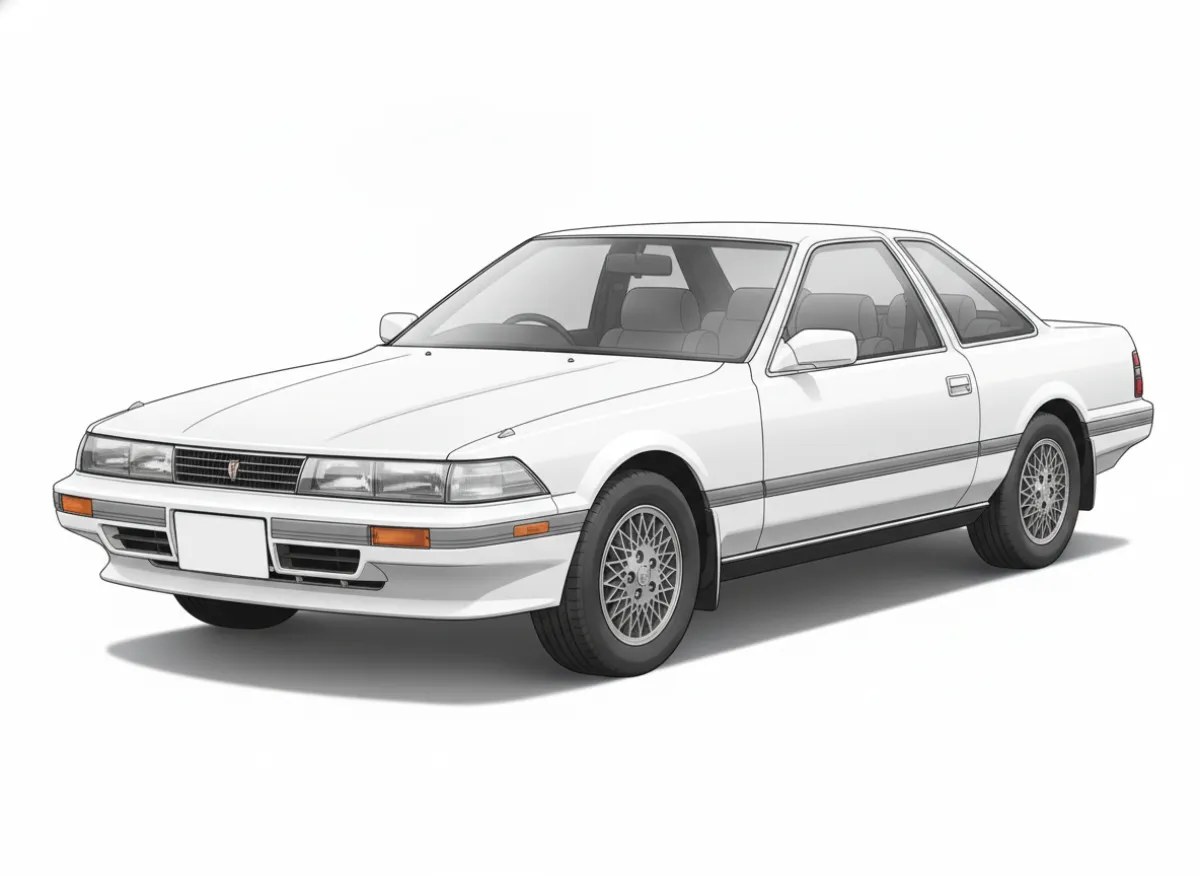 Soarer1981–2010 · 4 gen.
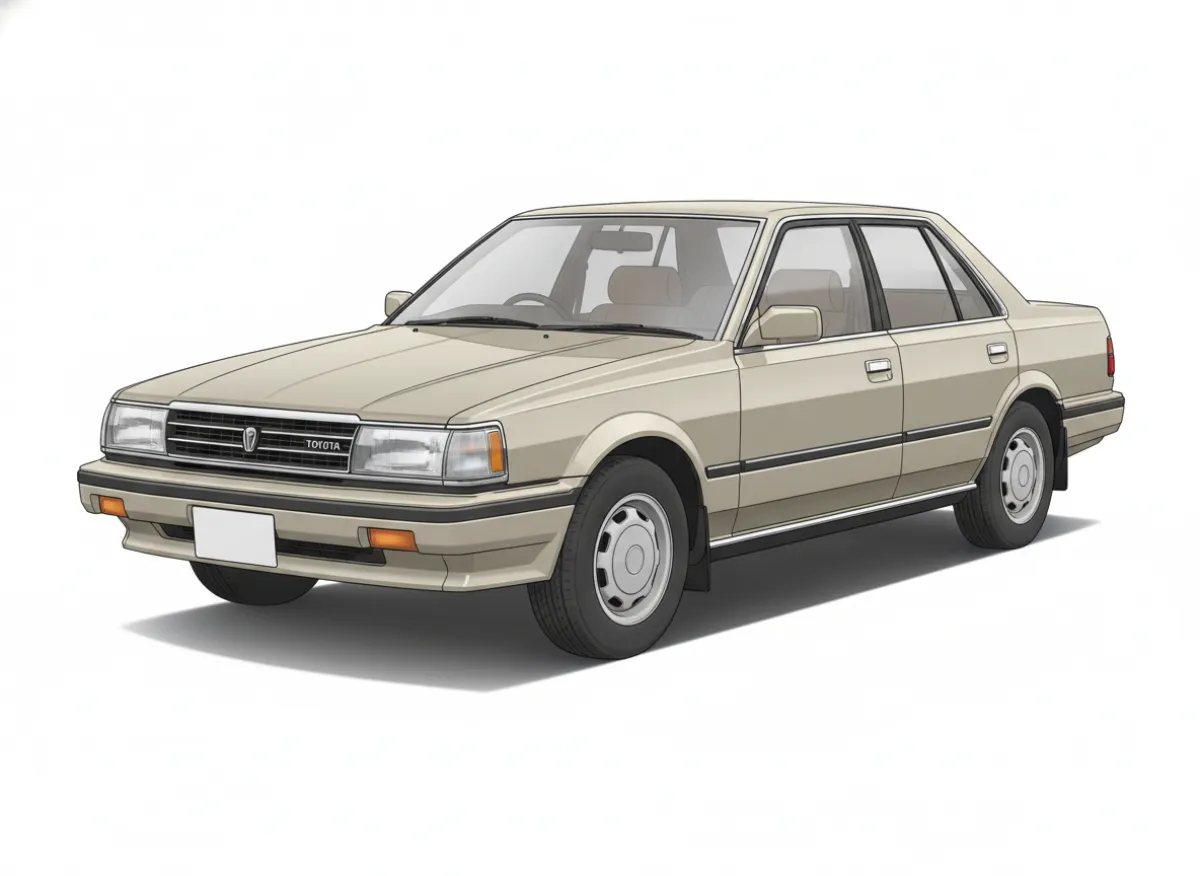 Camry1982– · 13 gen.
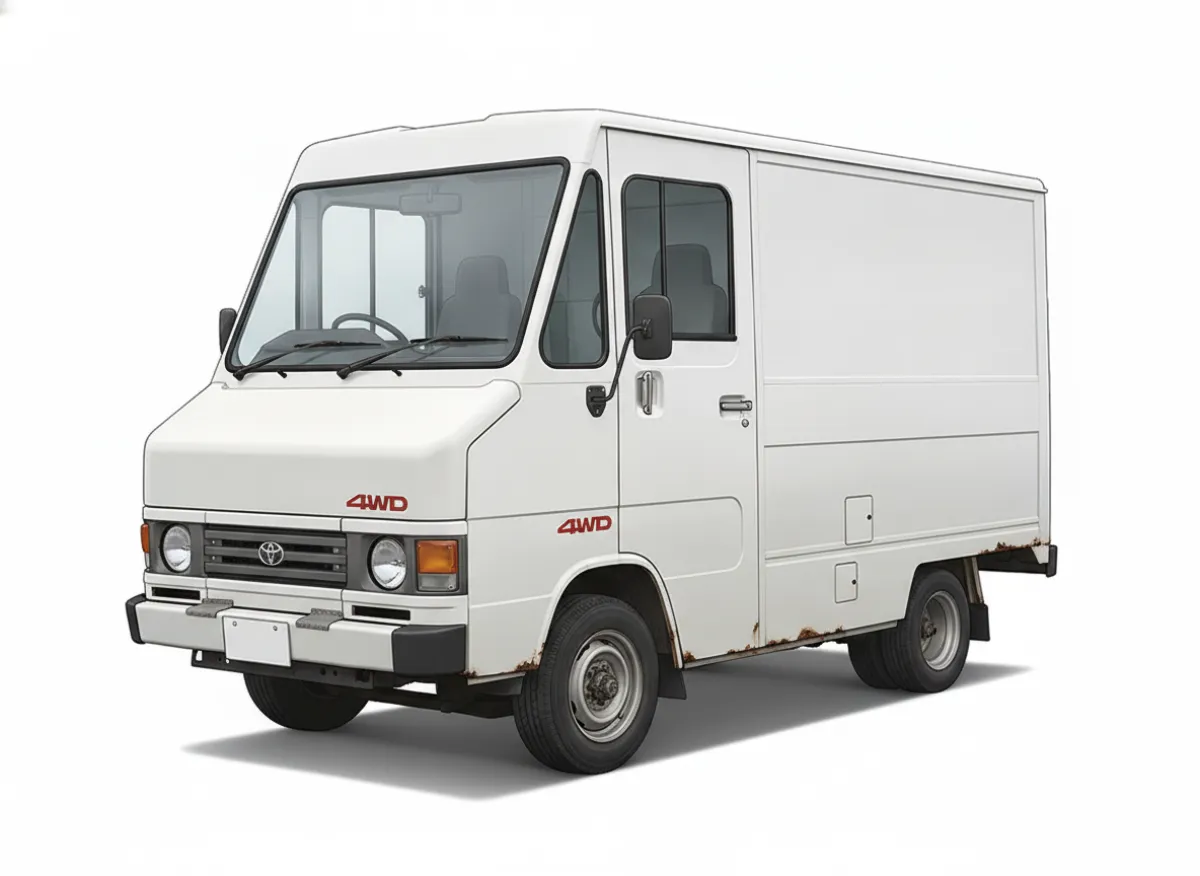 QuickDelivery1982–1986 · 2 gen.
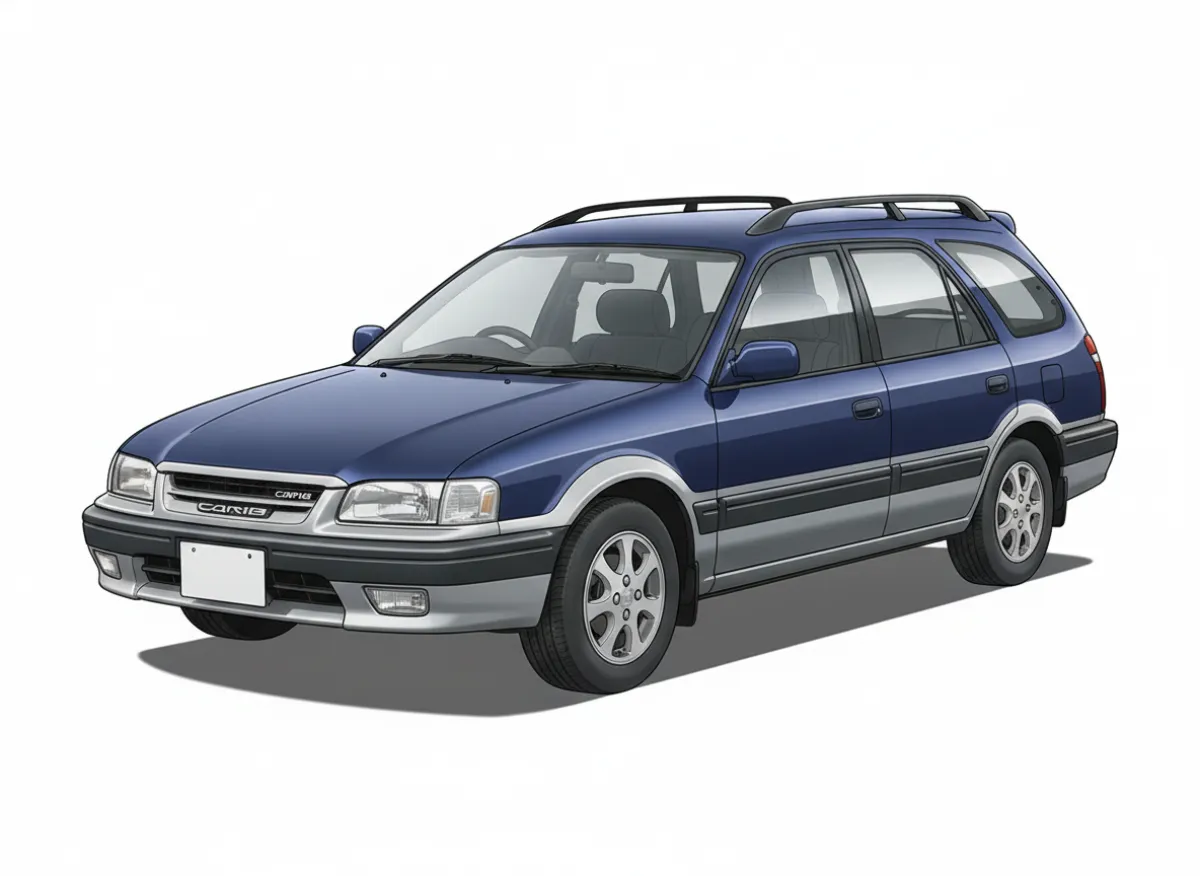 Sprinter Carib1982–2002 · 3 gen.
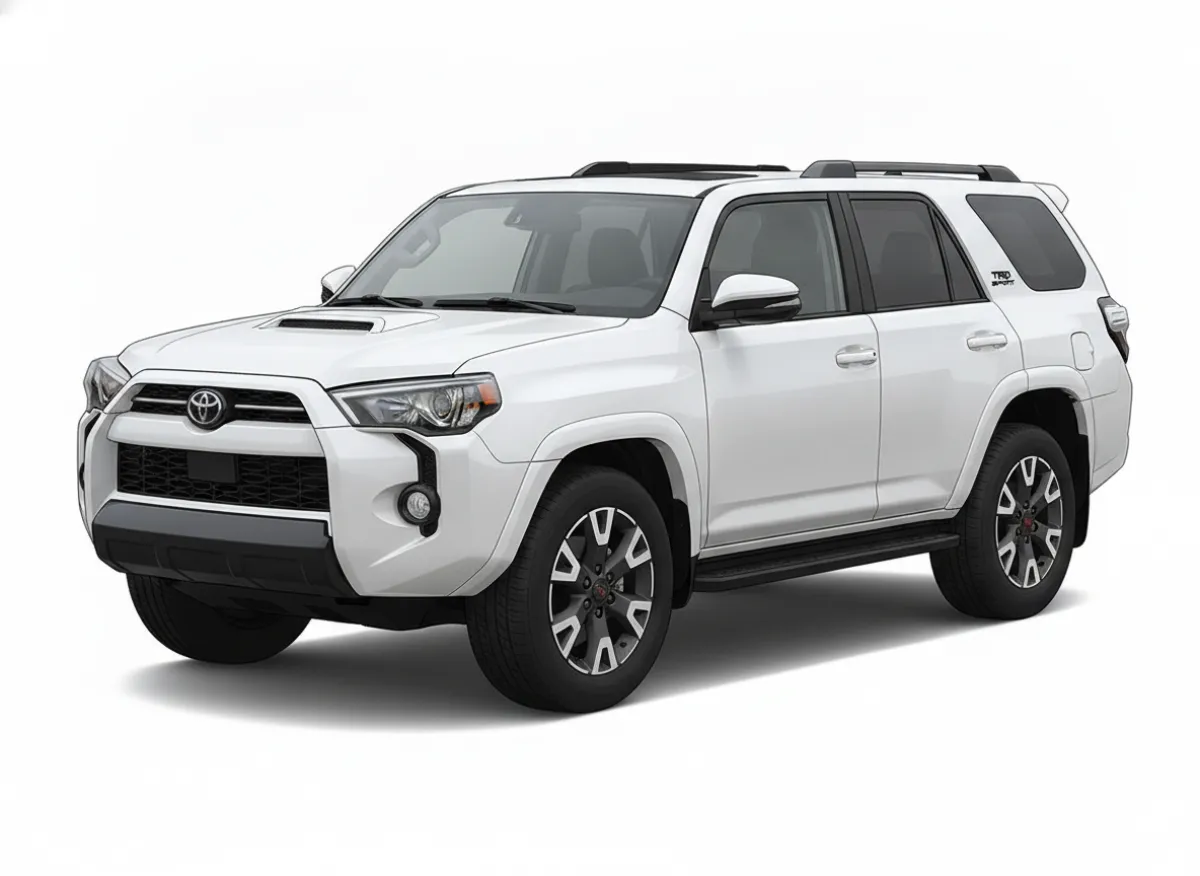 4Runner1983– · 7 gen.
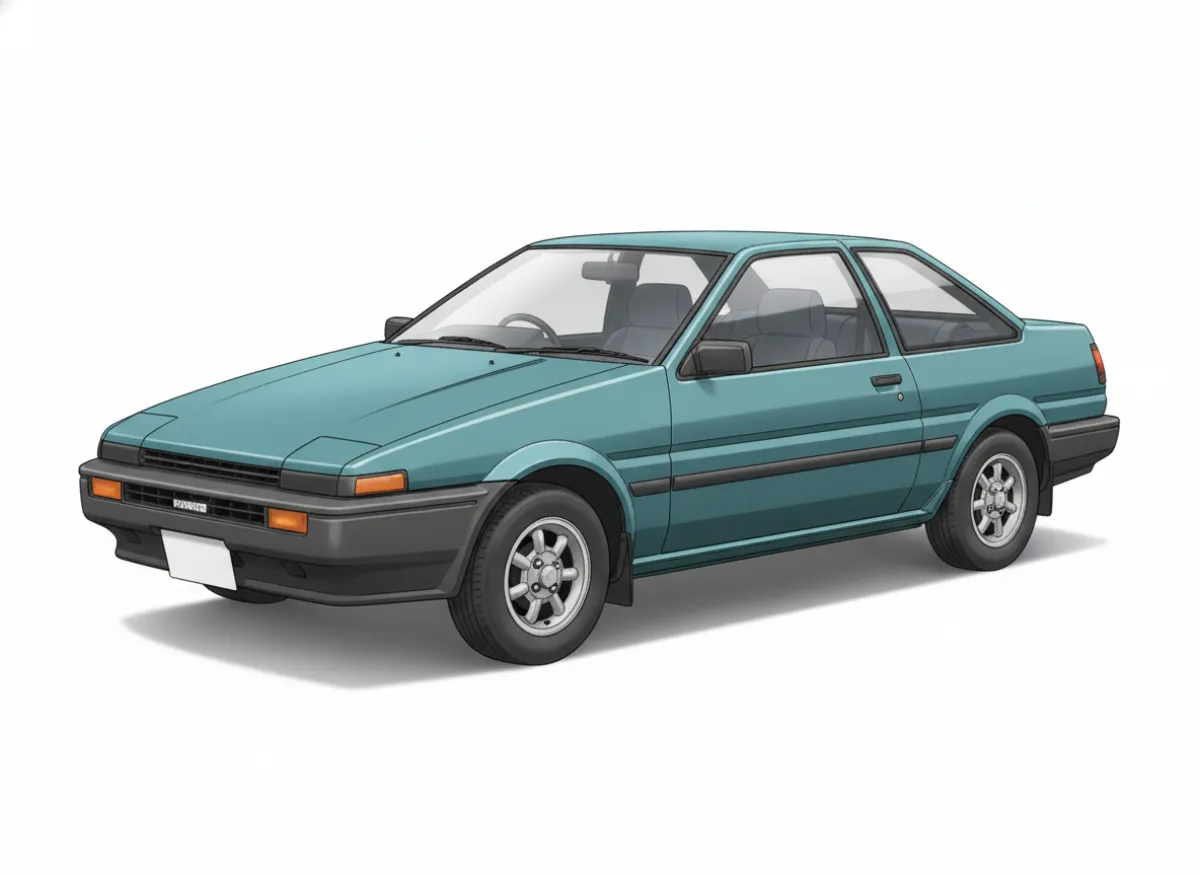 AE851983–1987
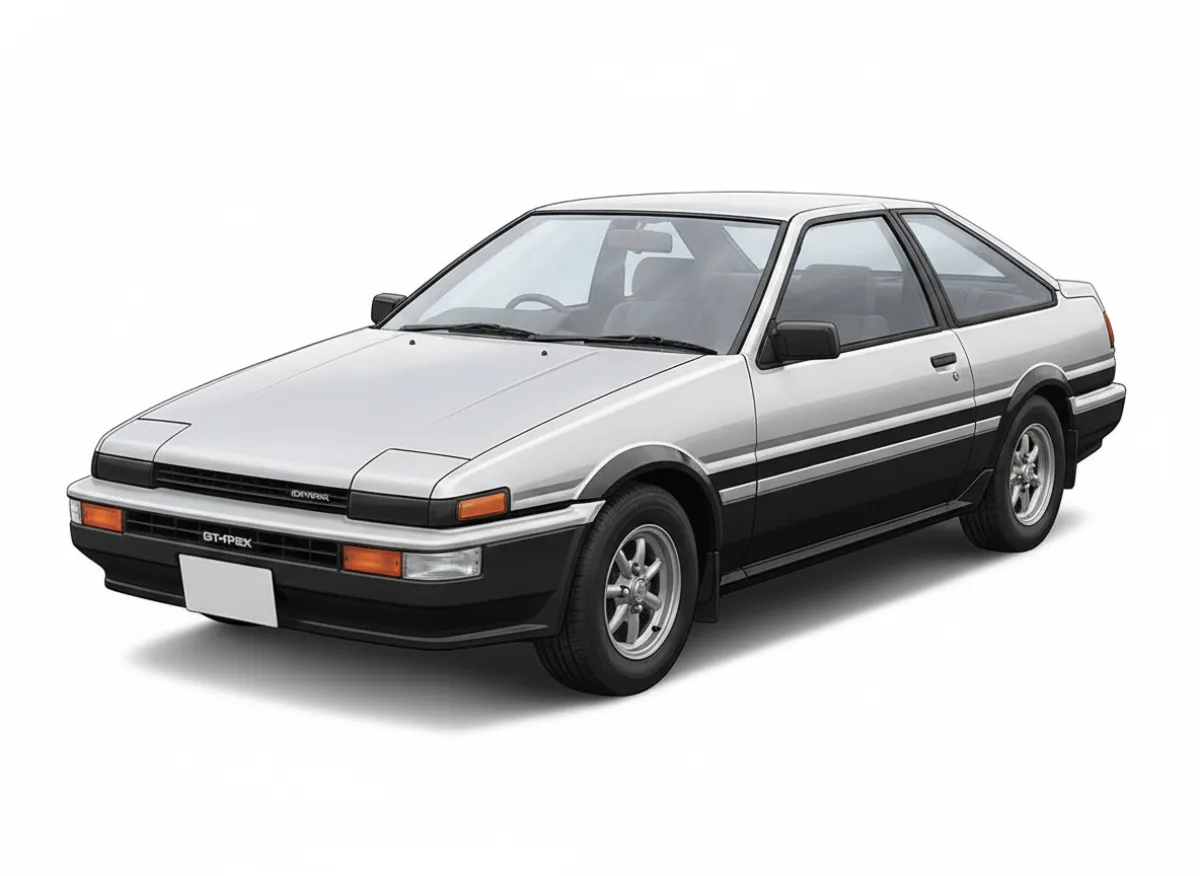 AE861983–1987
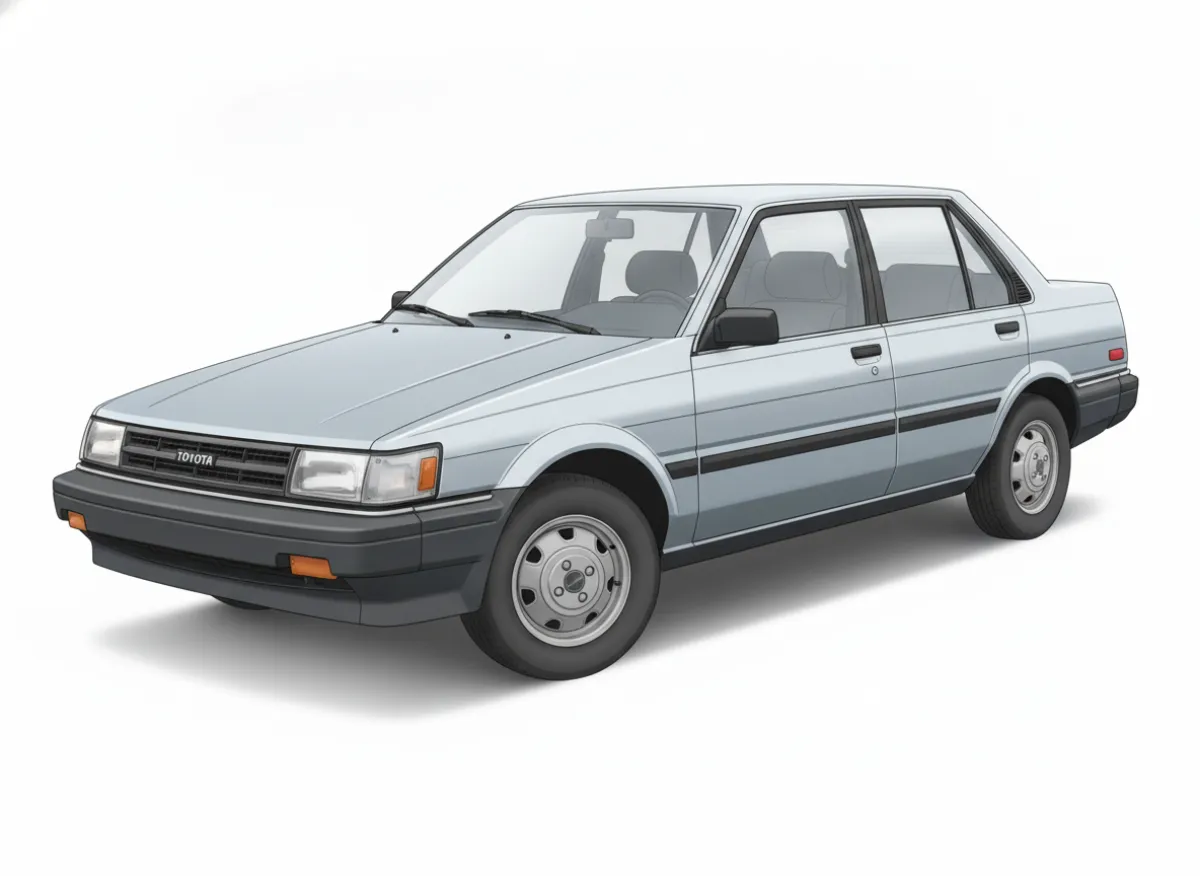 Corolla (E80)1983–1990
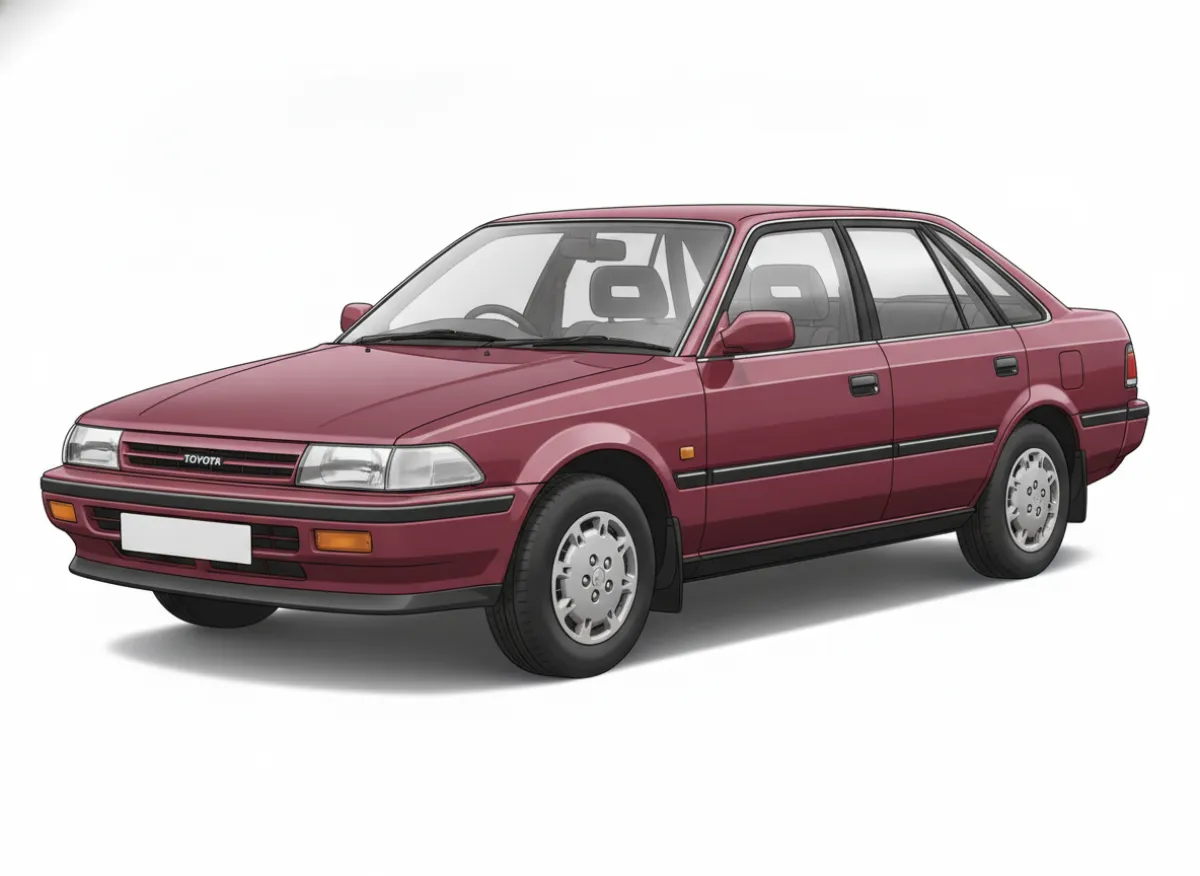 Carina II1984–1992 · 2 gen.
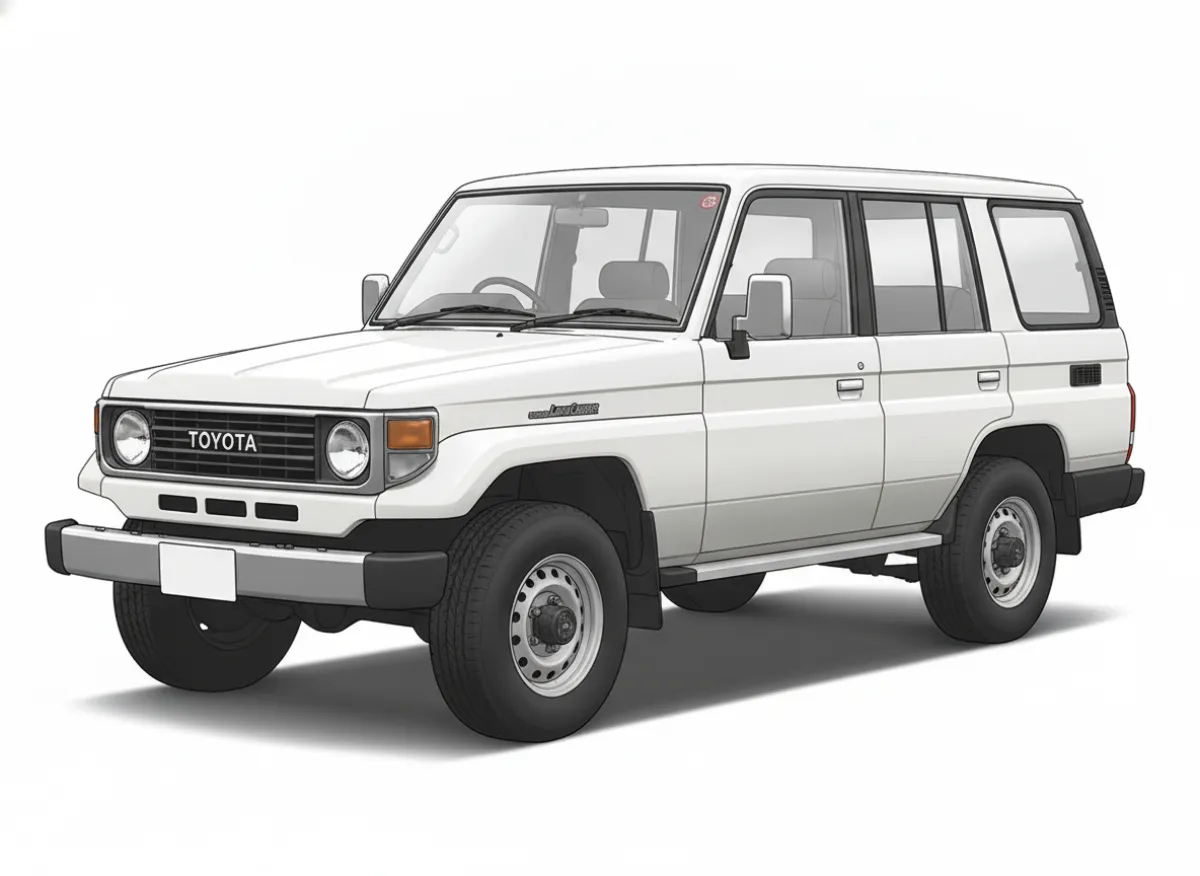 Land Cruiser (J70)1984–
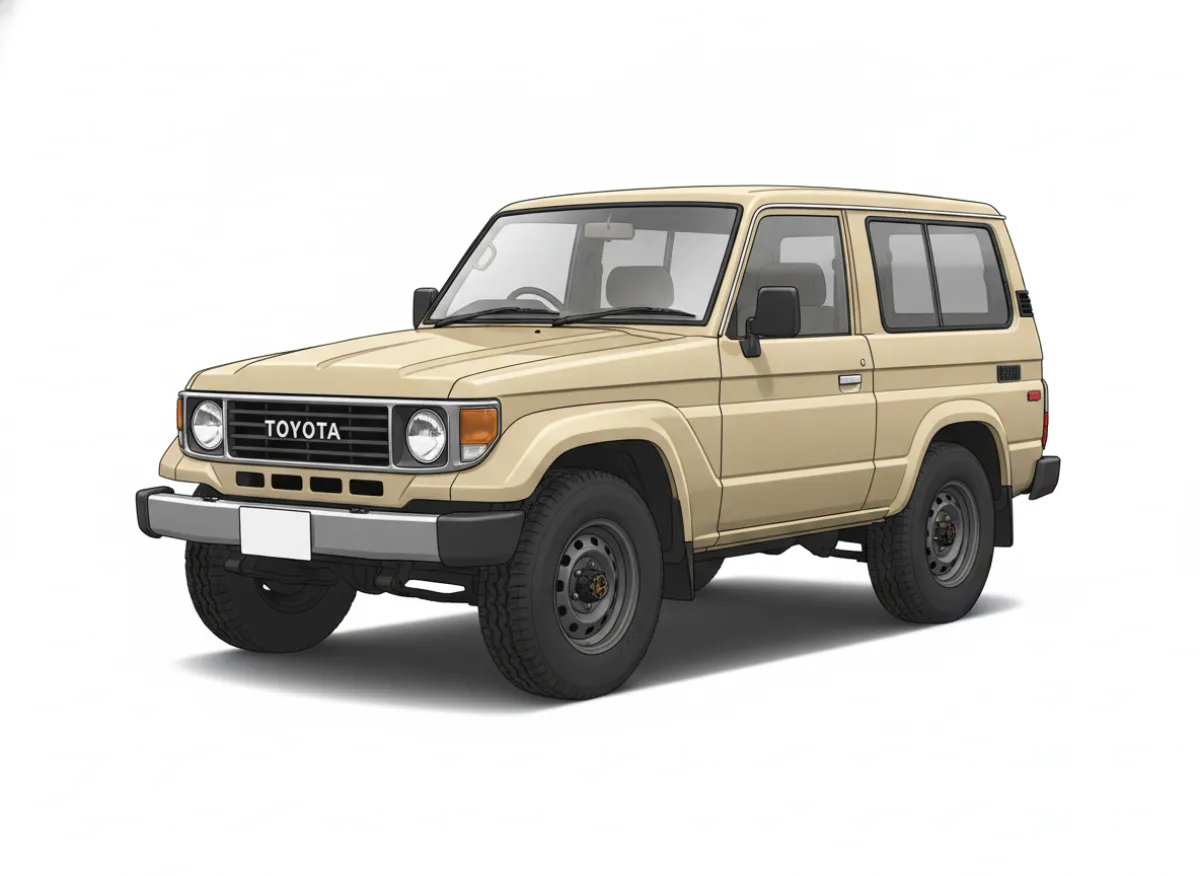 Land Cruiser Prado1984– · 6 gen.
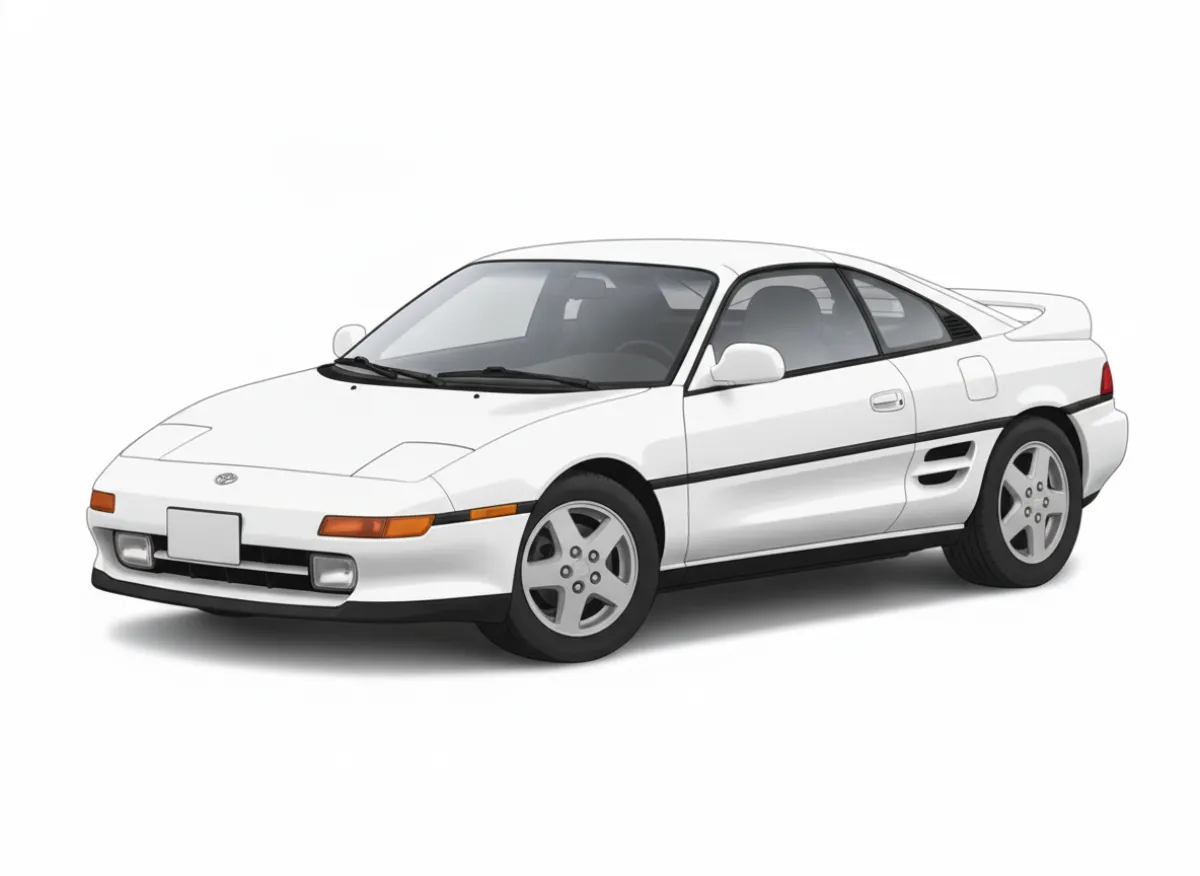 MR21984–2007 · 3 gen.
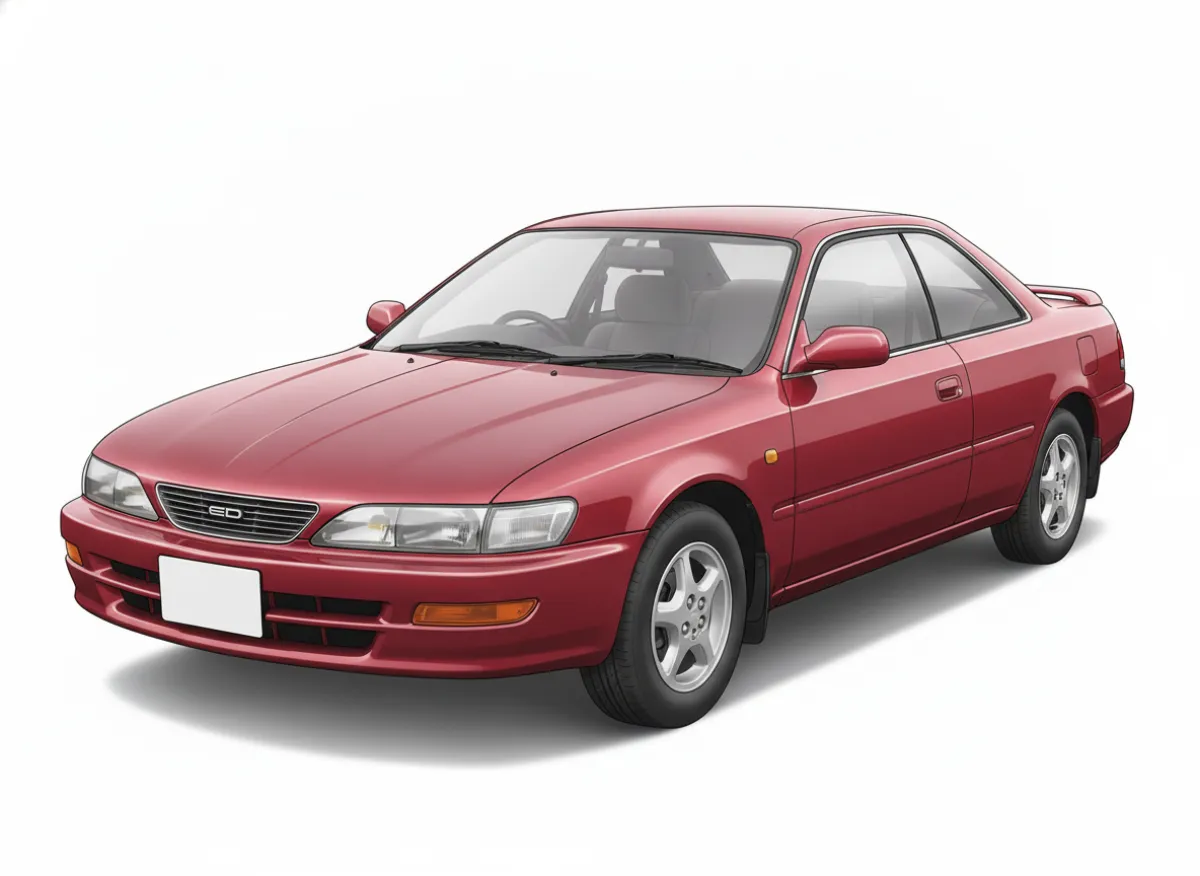 Carina ED1985–1998 · 3 gen.
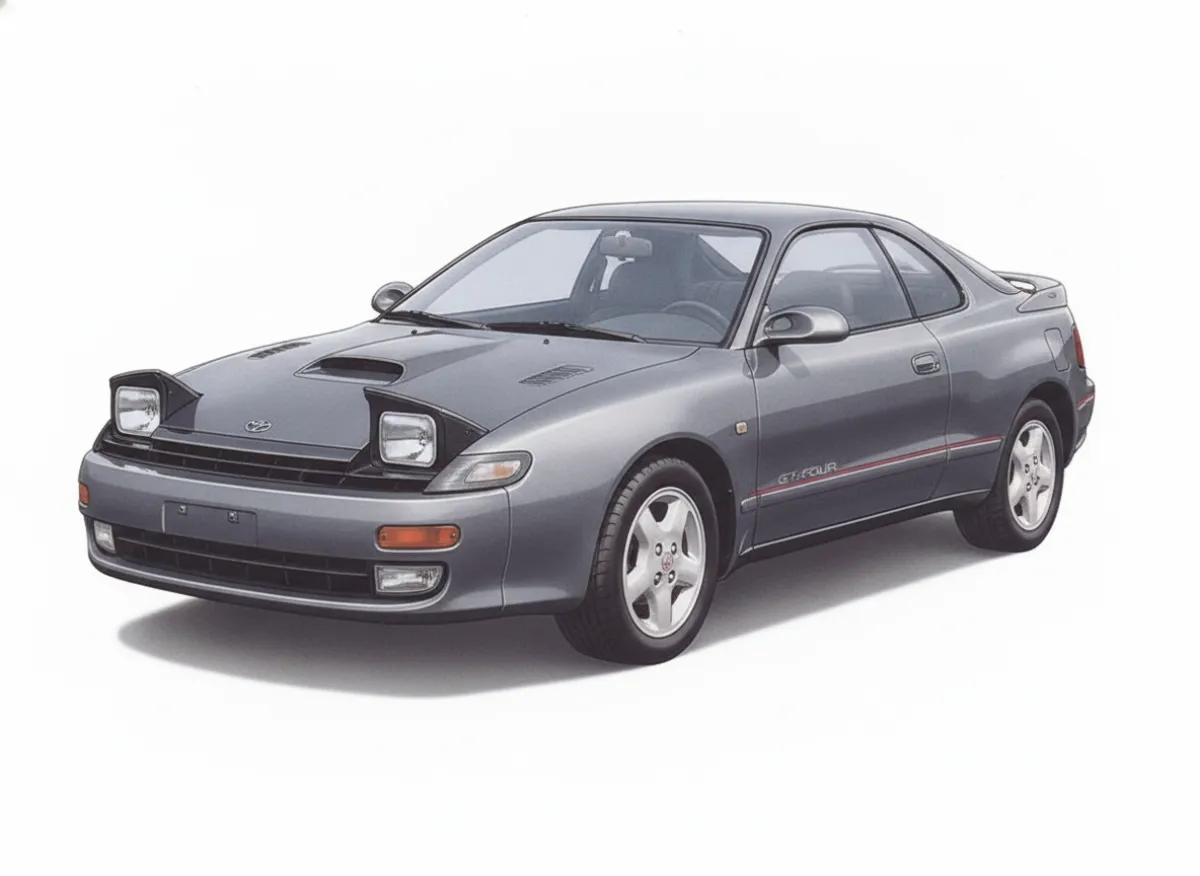 Celica GT-Four1986–1999 · 3 gen.
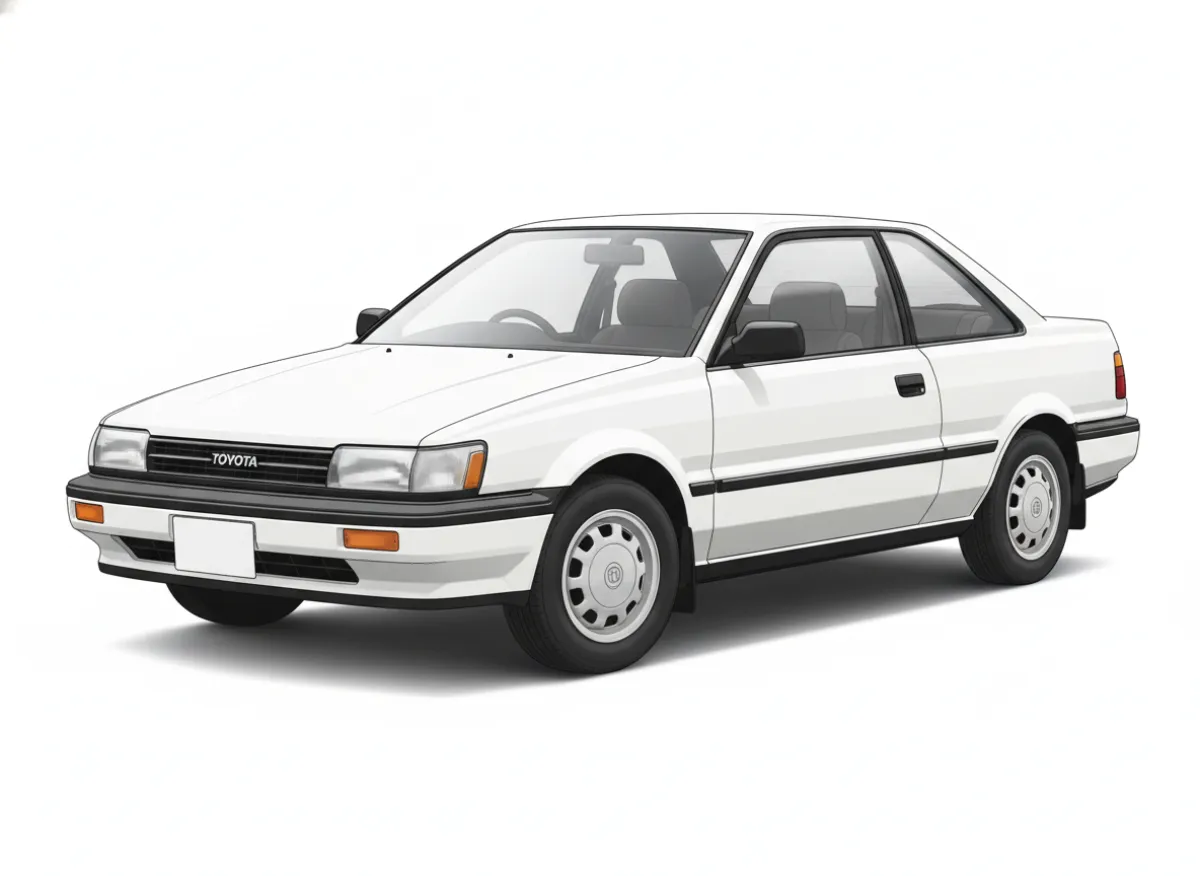 Corolla (E90)1987–2006
 Corona EXiV1989–1998 · 2 gen.
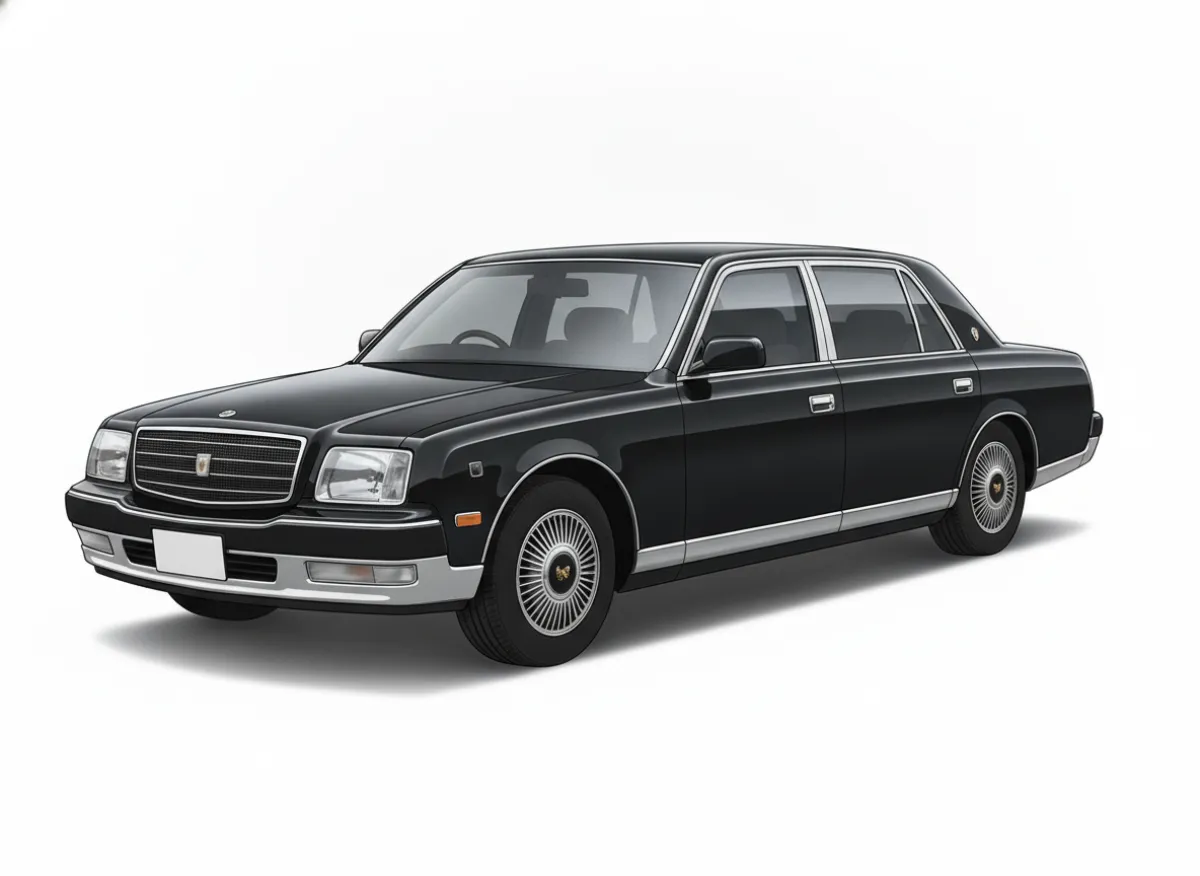
1990s
38 launched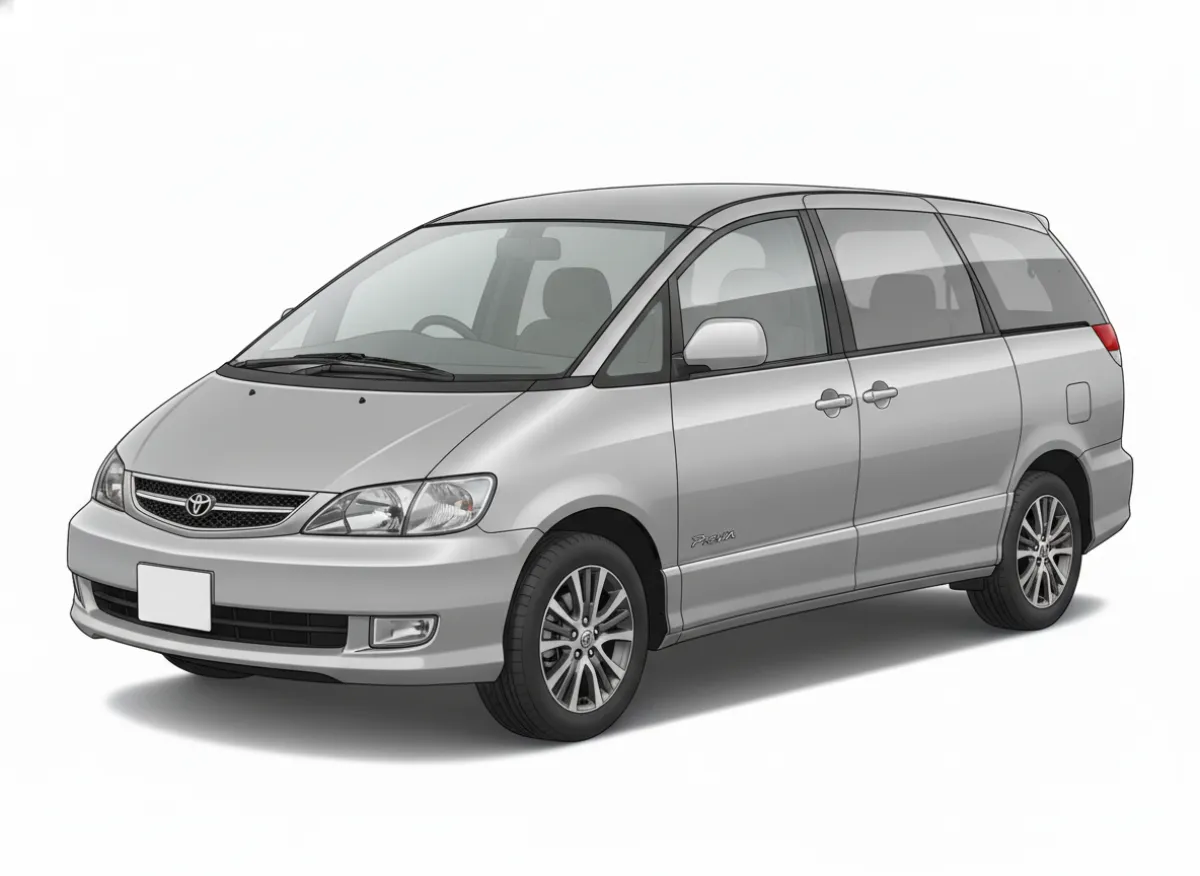 Previa1990–2019 · 3 gen.
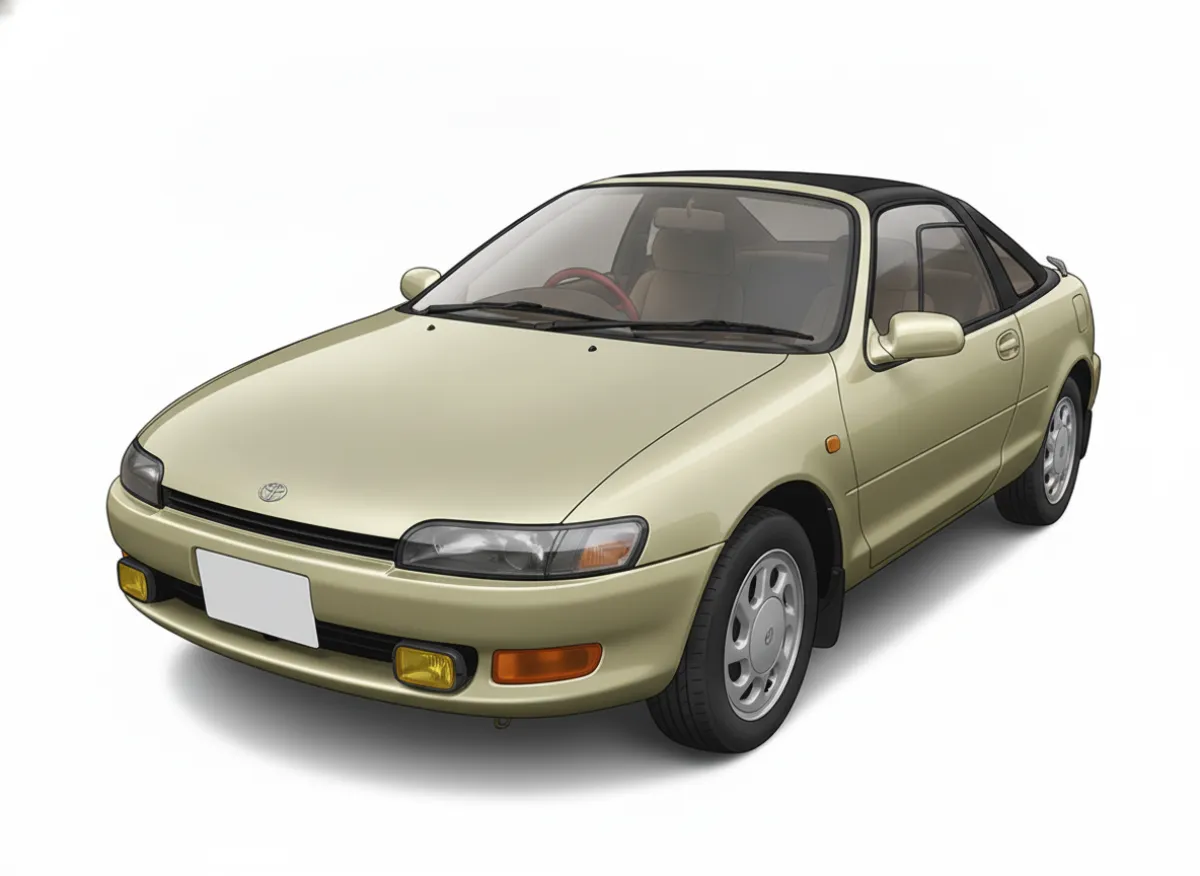 Sera1990–1995
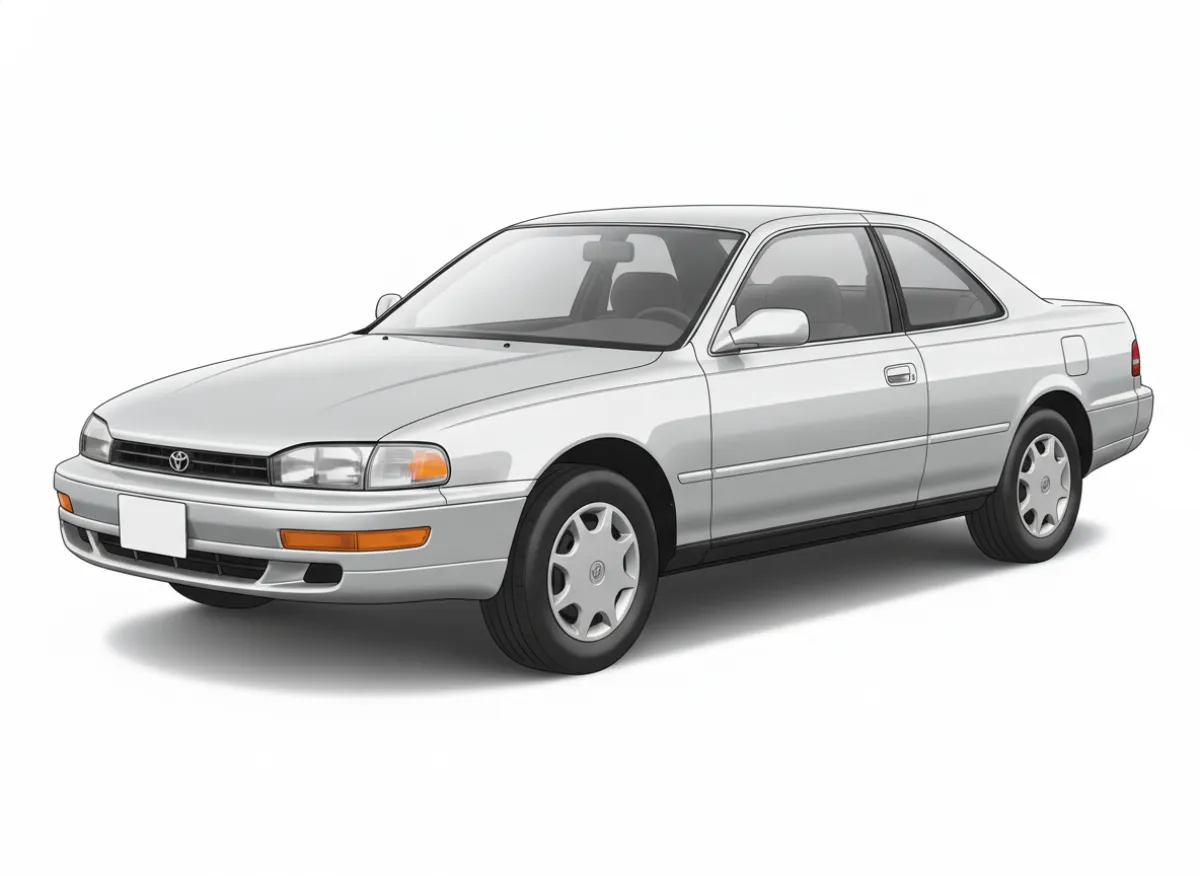 Camry (XV10)1991–2002
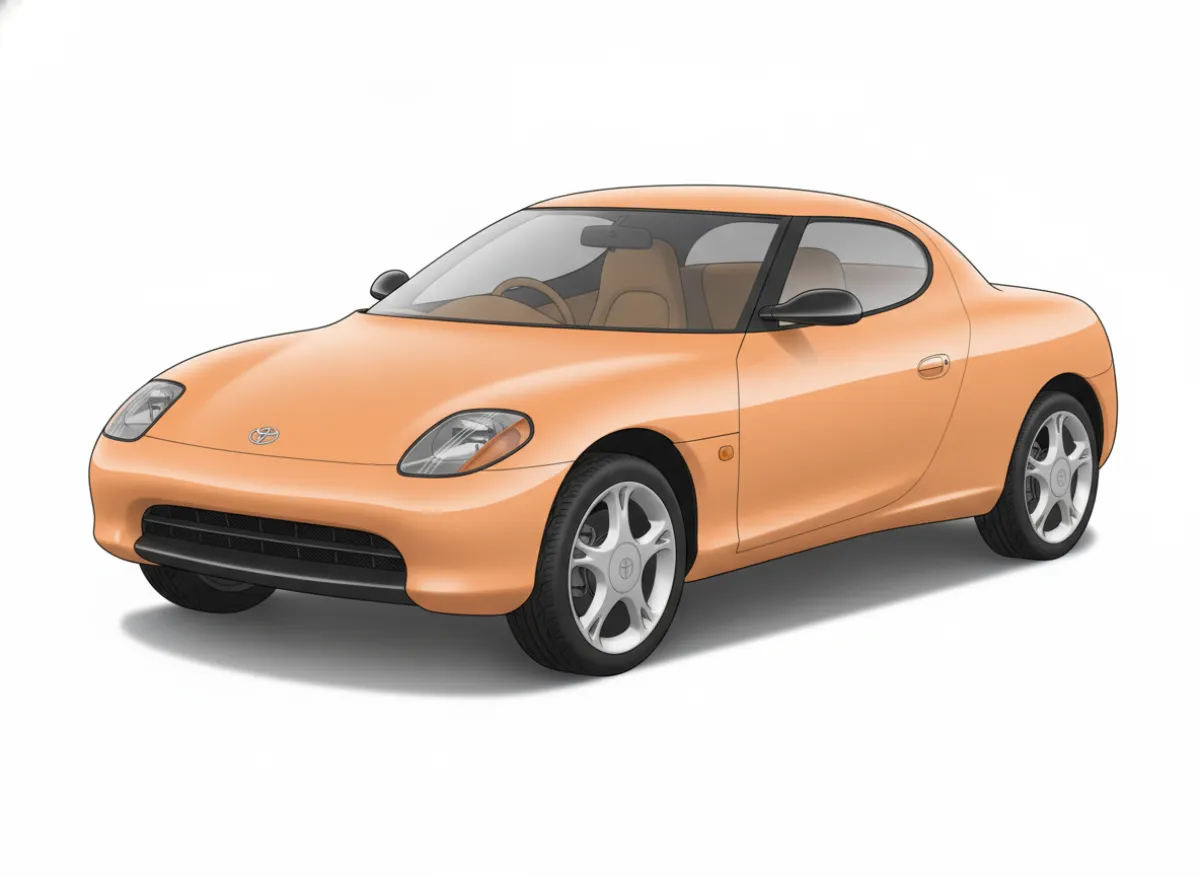 concept vehicles (1990–1999)1991 · 22 gen.
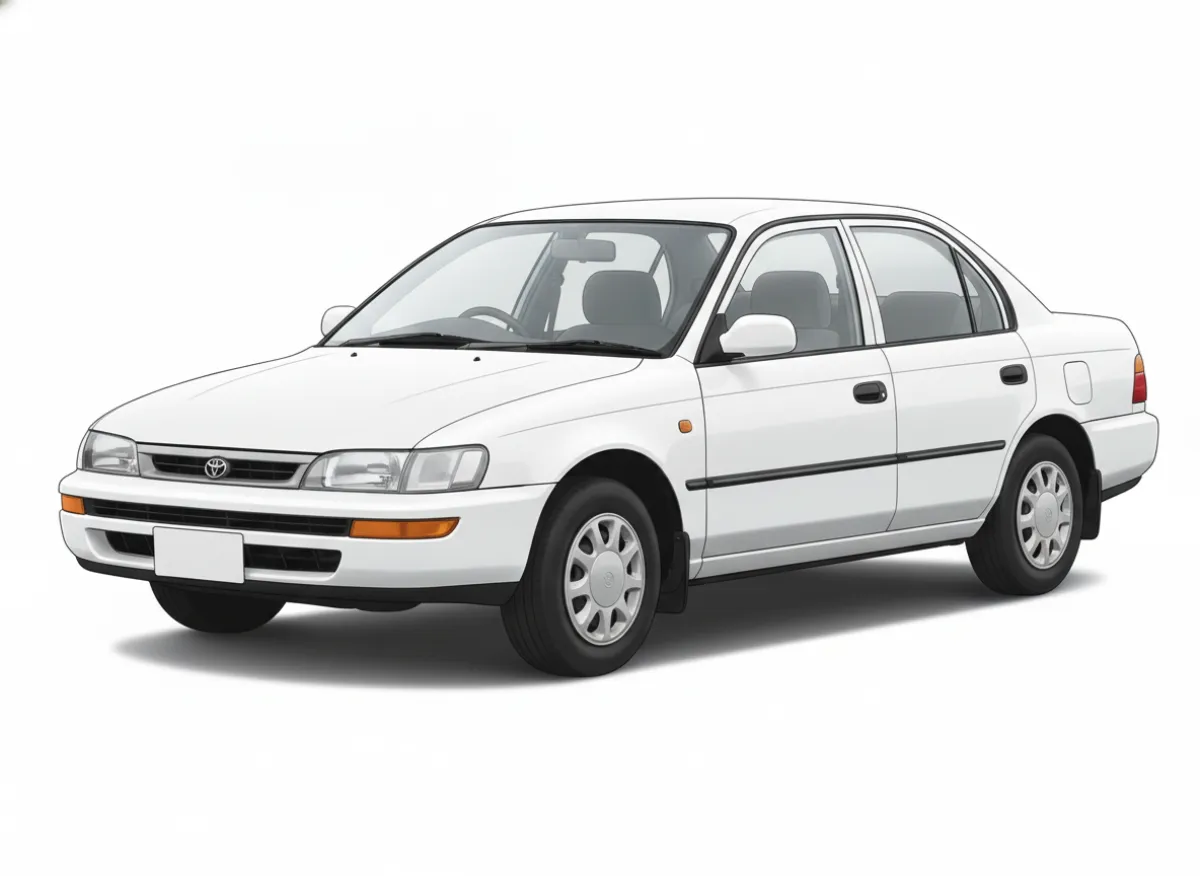 Corolla (E100)1991–2002
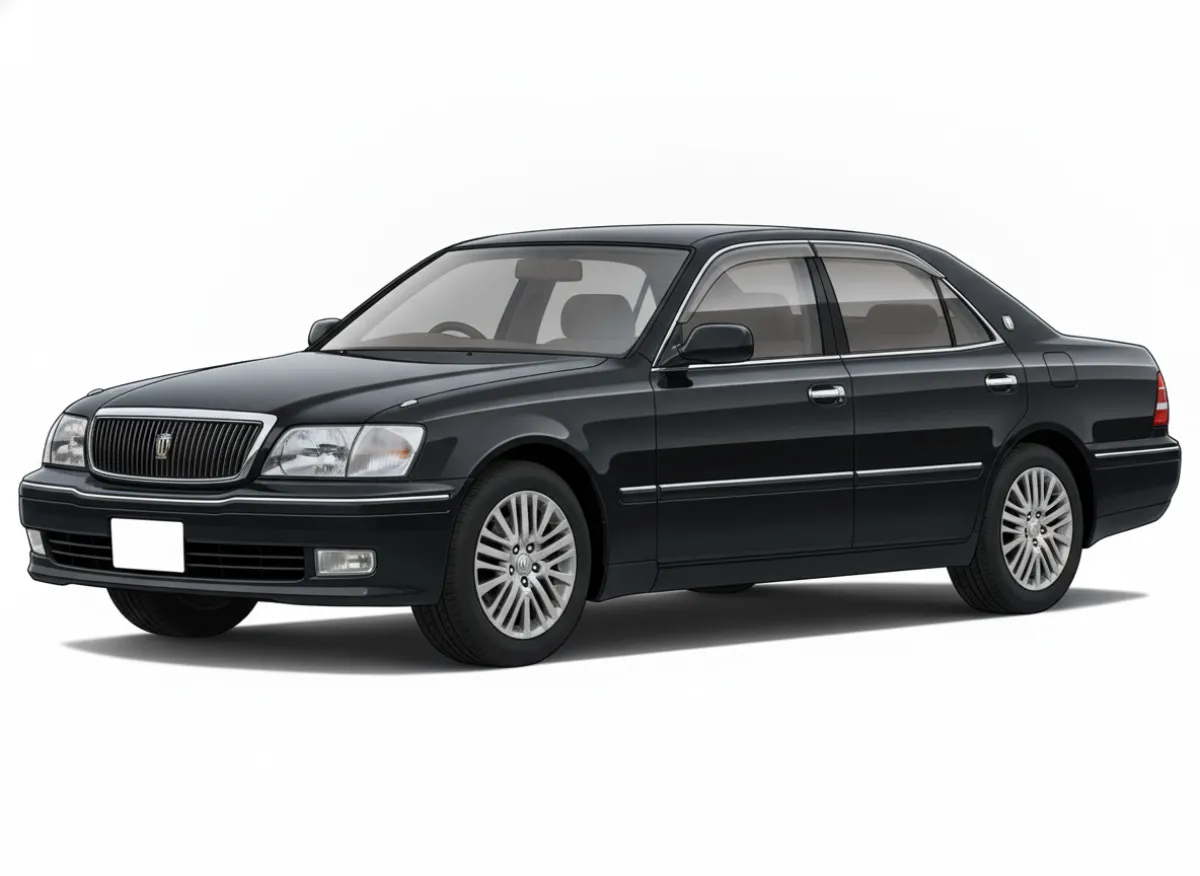 Crown Majesta1991–2020 · 7 gen.
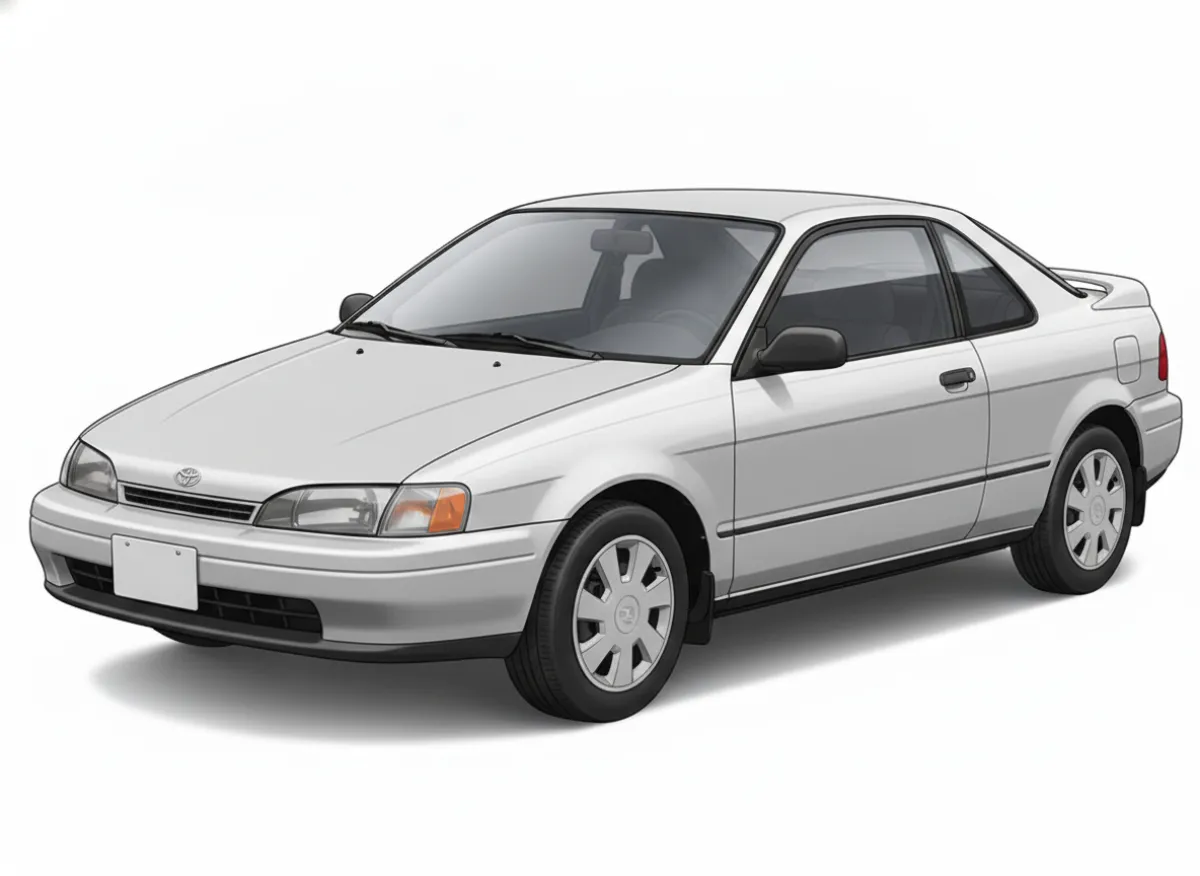 Paseo1991–1999 · 2 gen.
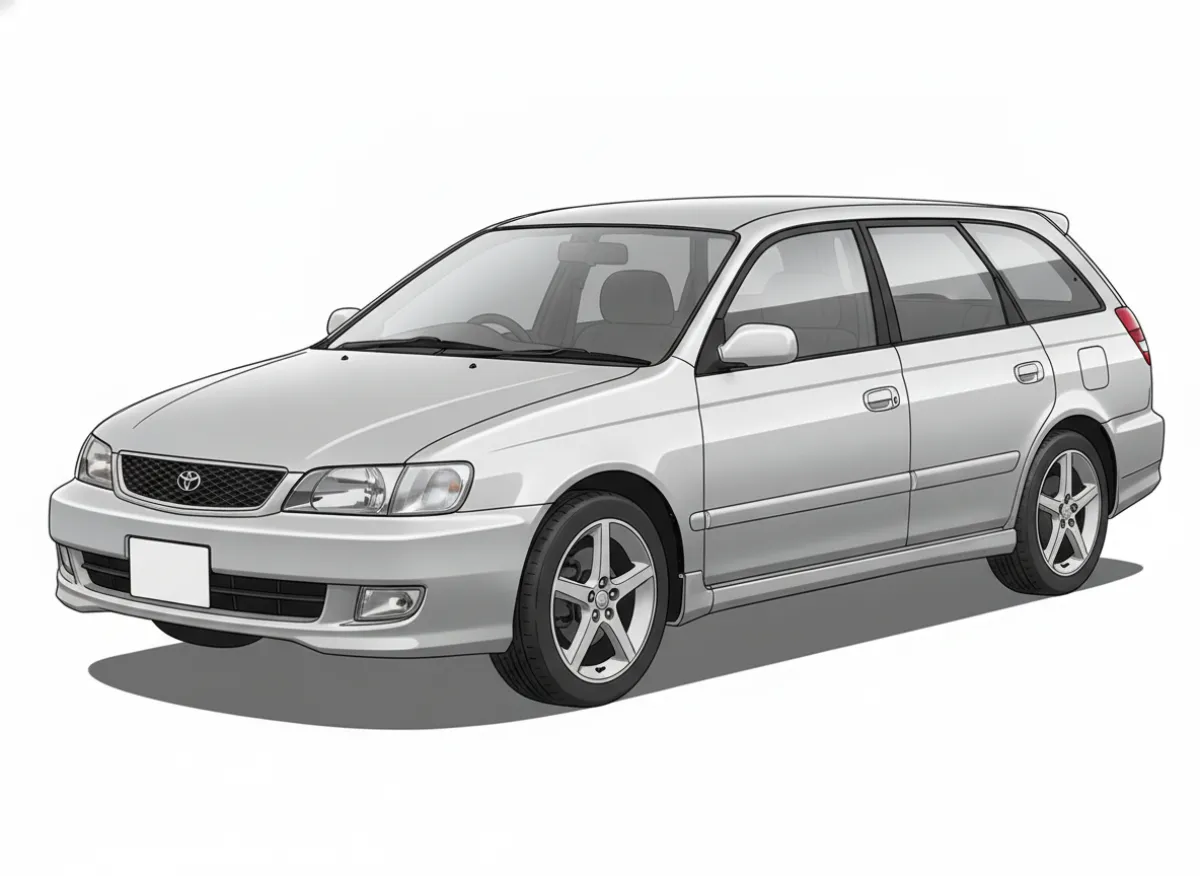 Caldina1992–2007 · 3 gen.
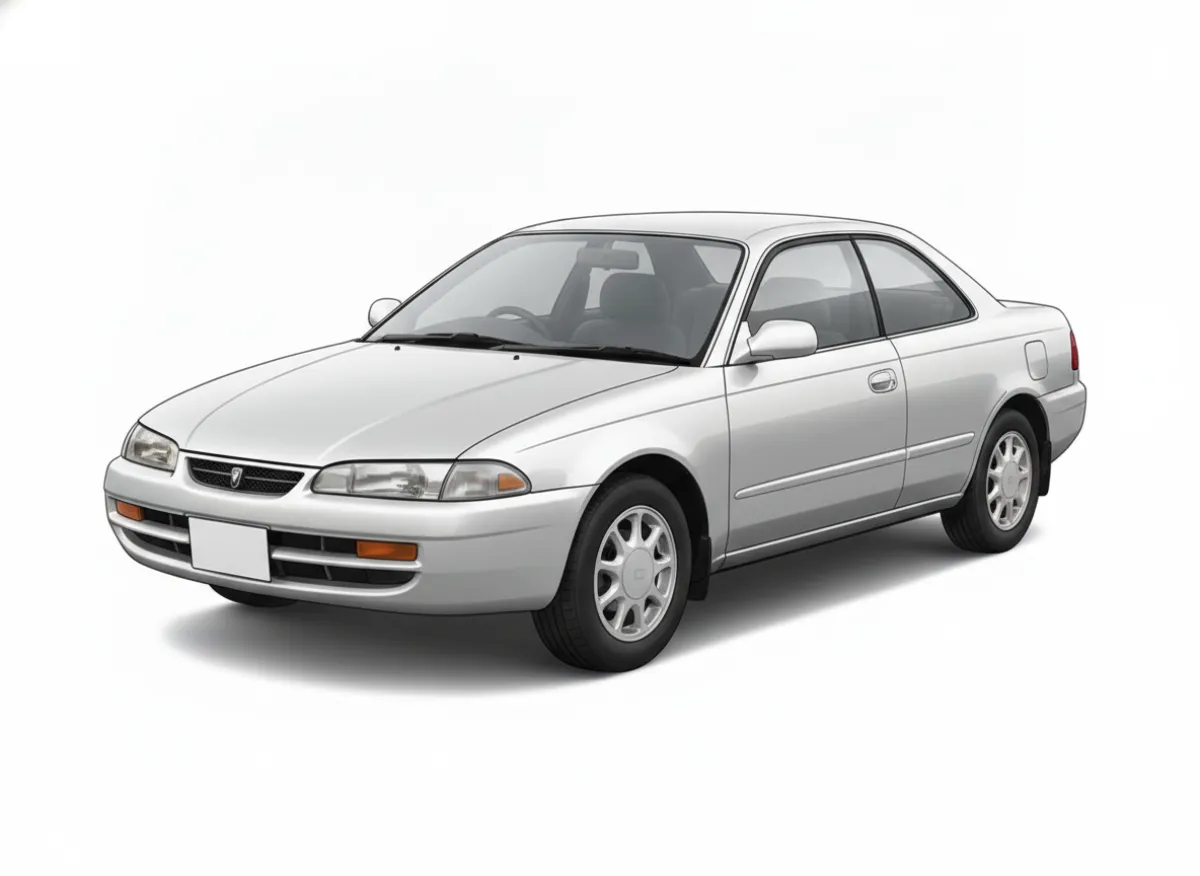 Sprinter Marino1992–1998
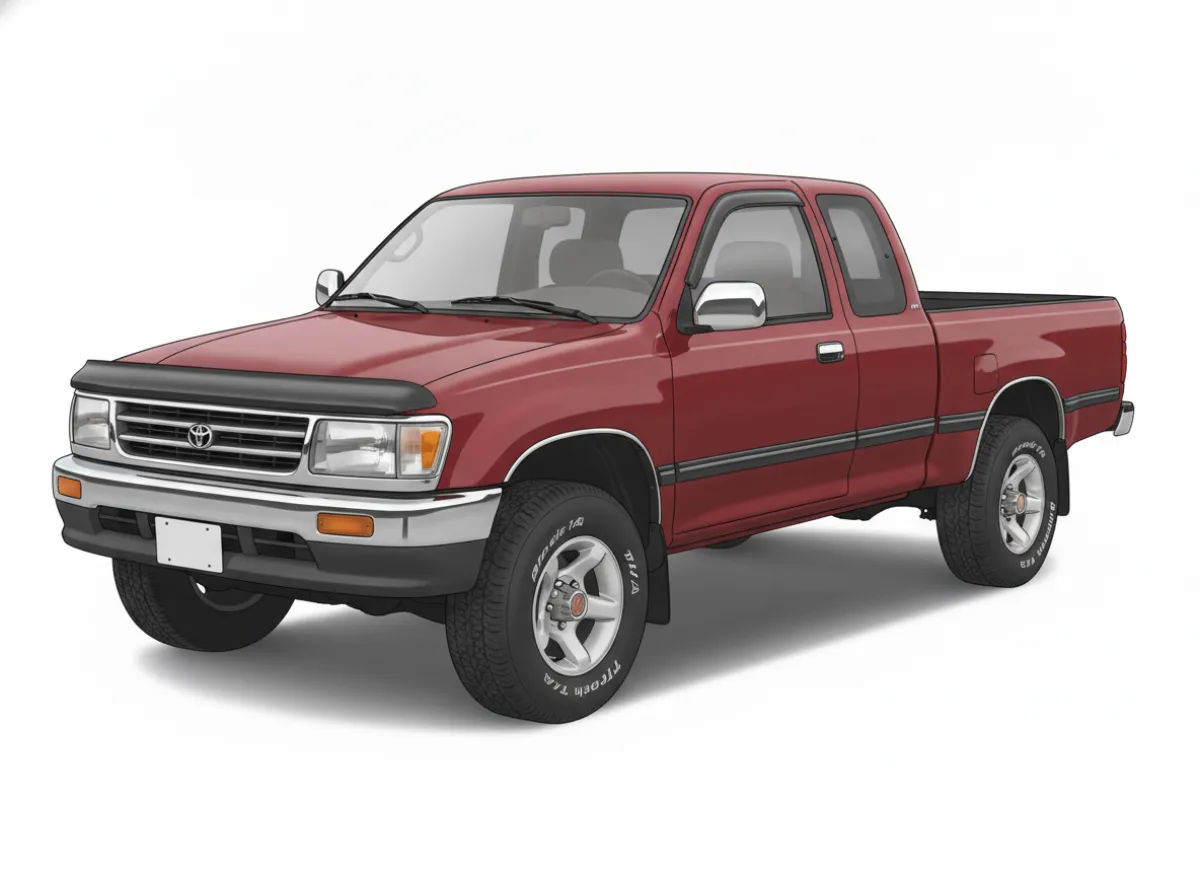 T1001992–1998
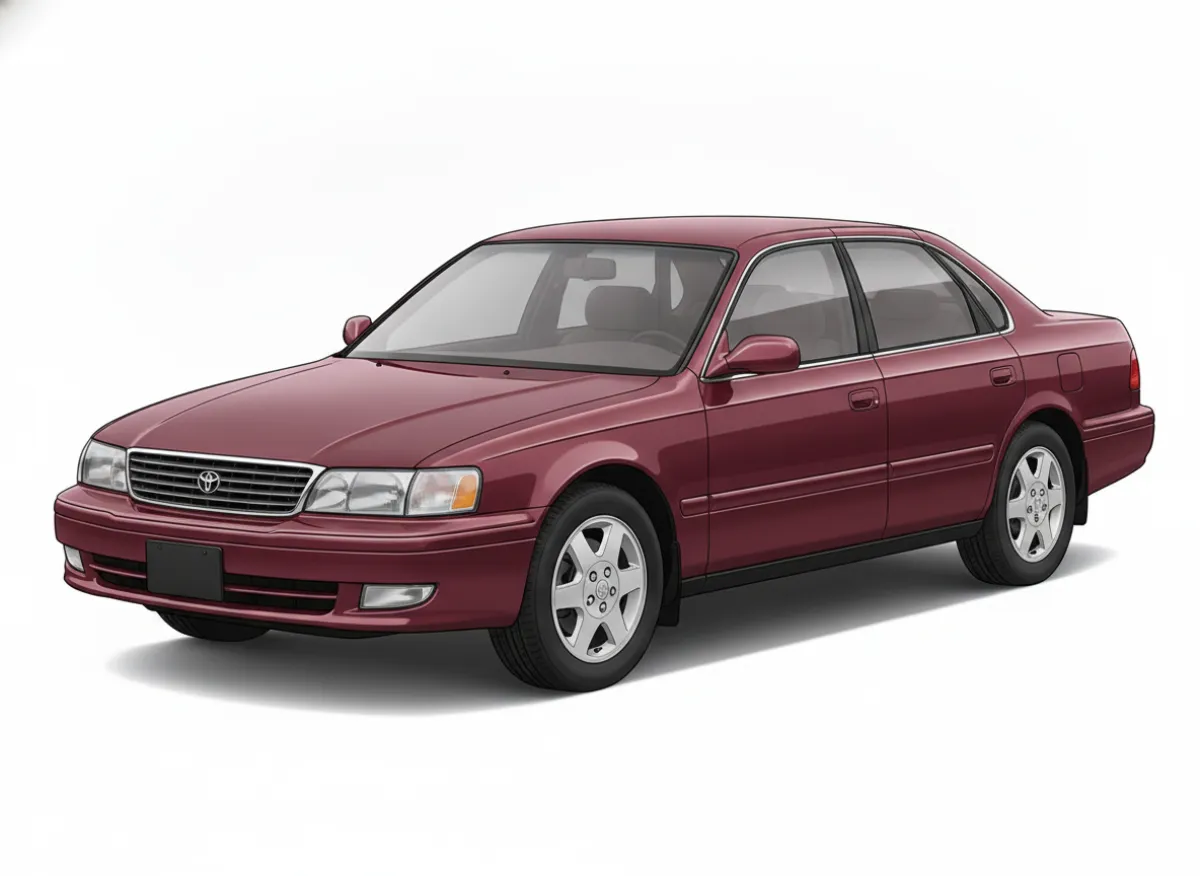 Avalon1994– · 5 gen.
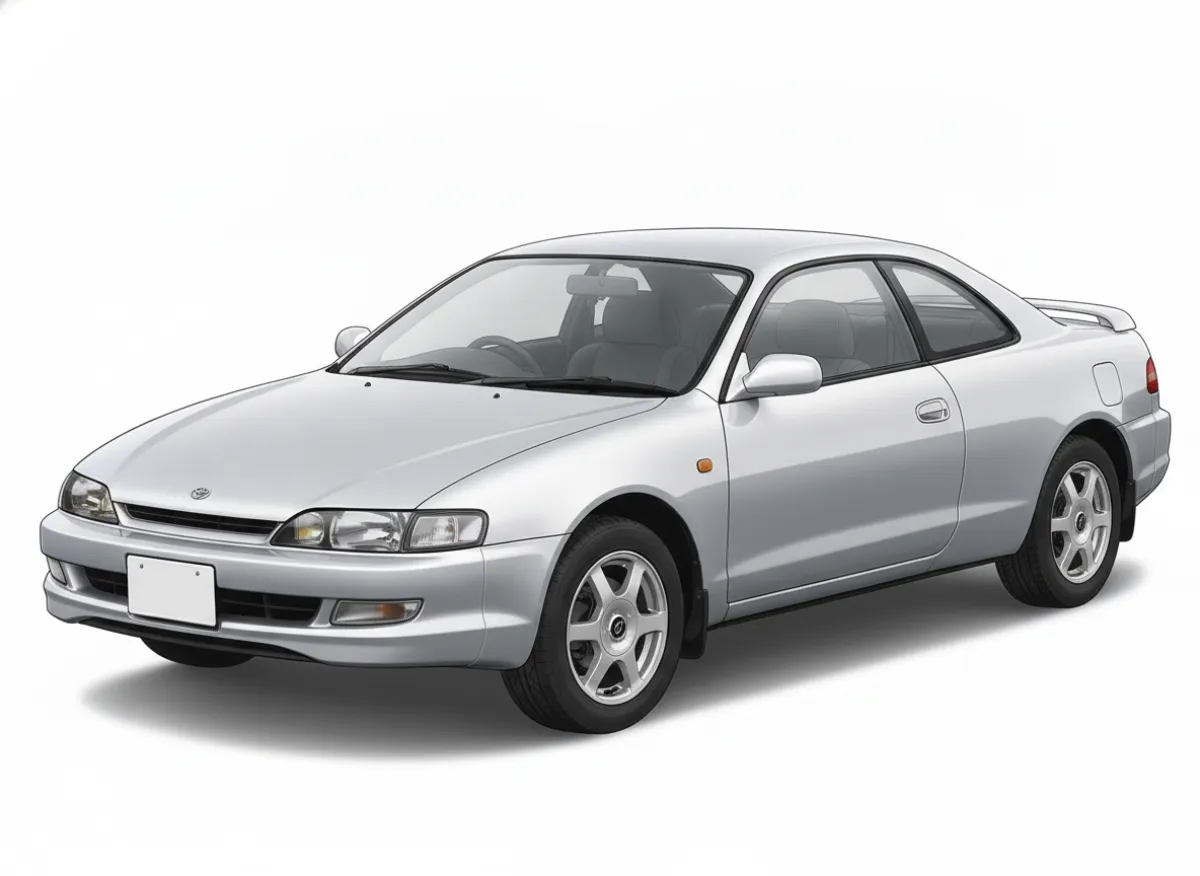 Curren1994–1998
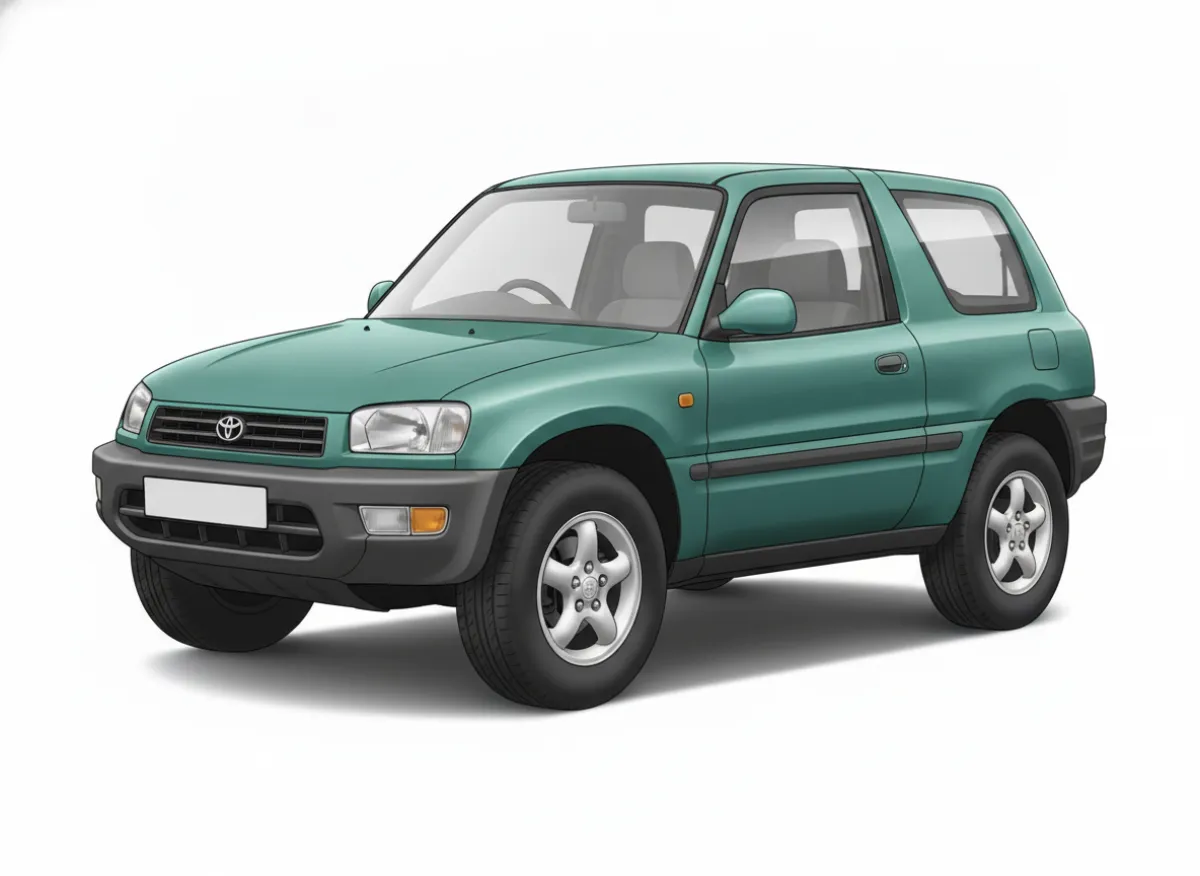 RAV41994– · 6 gen.
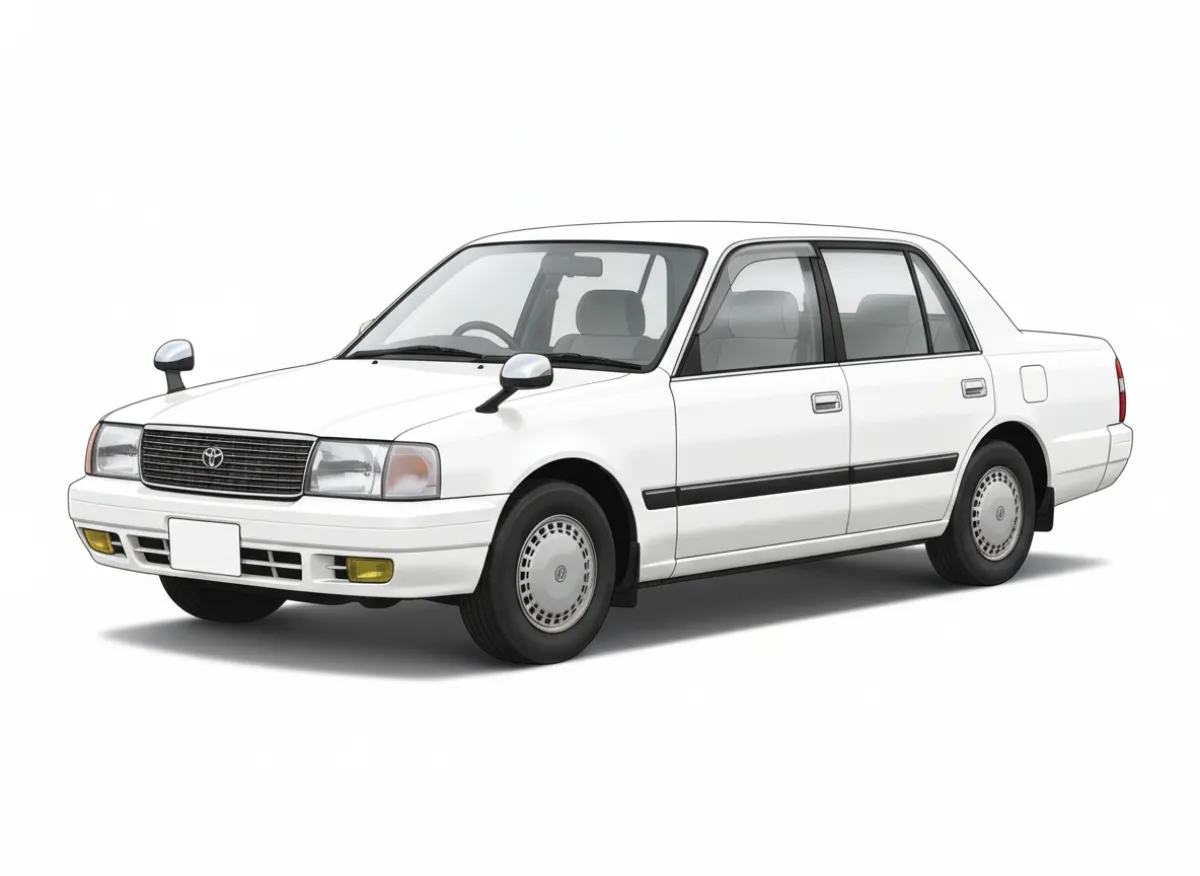 Comfort1995–2018
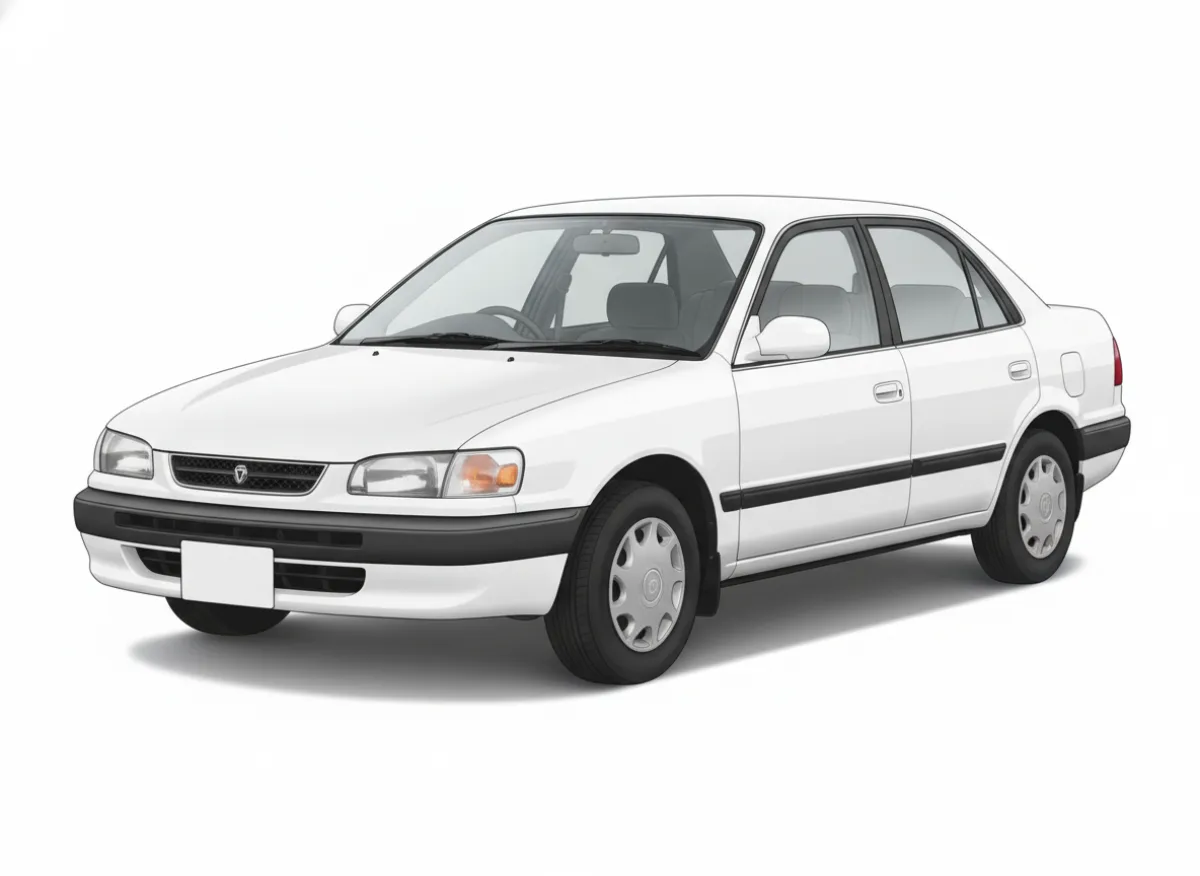 Corolla (E110)1995–2002
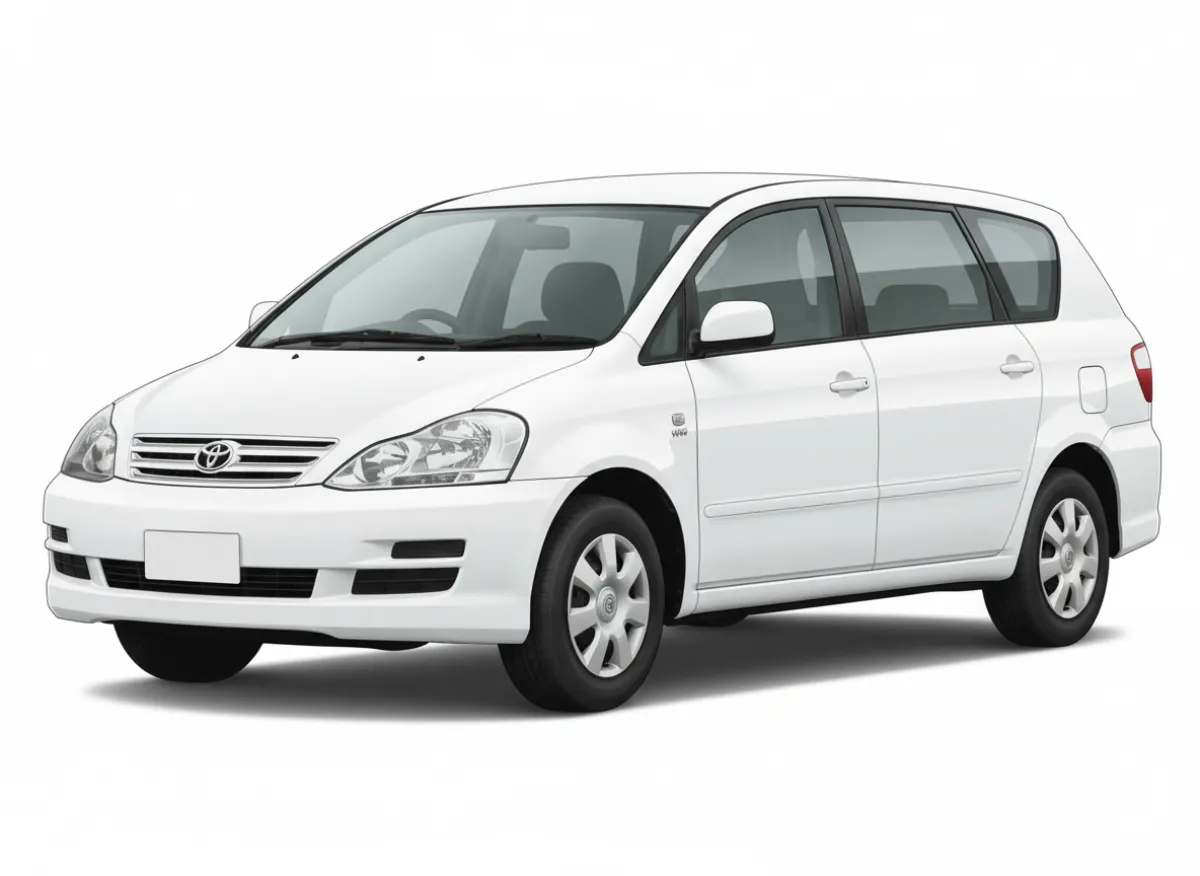 Ipsum1995–2010 · 2 gen.
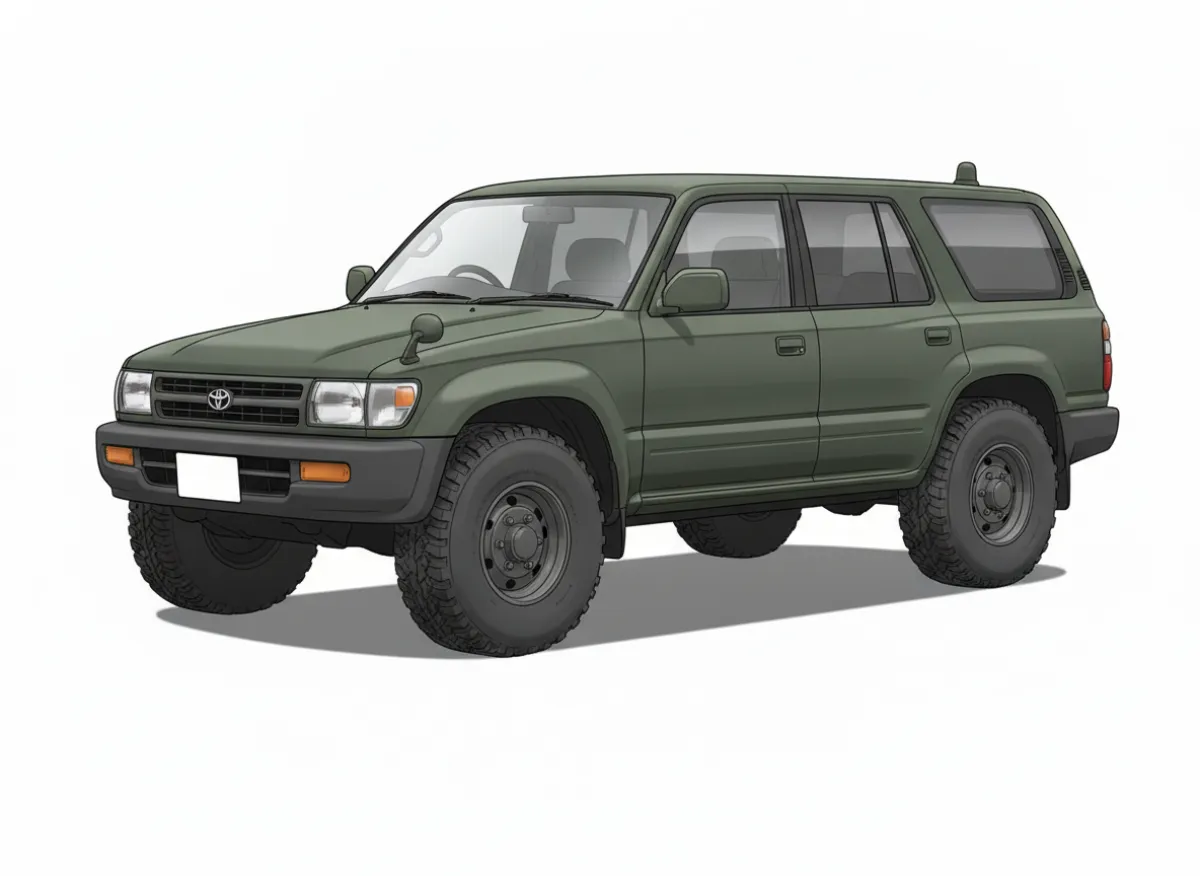 Mega Cruiser1995–2001
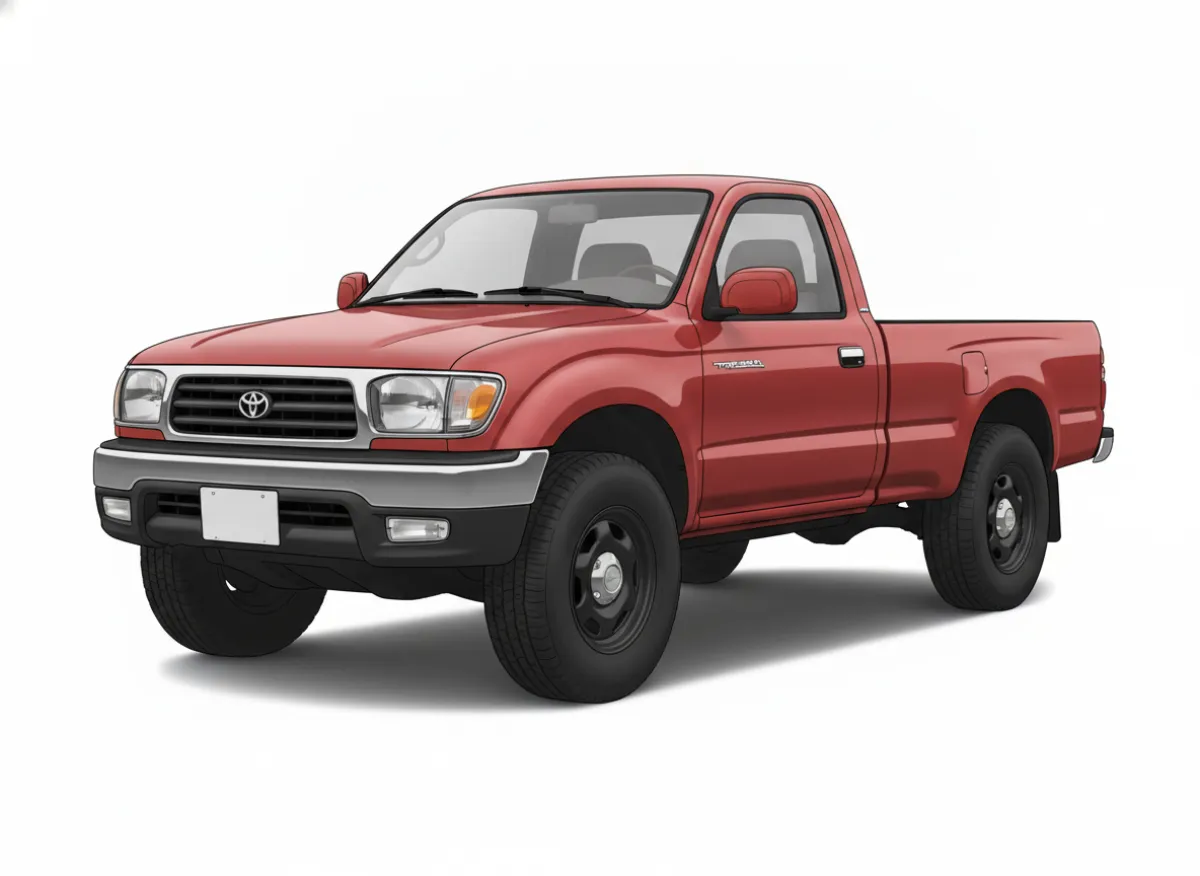 Tacoma1995– · 4 gen.
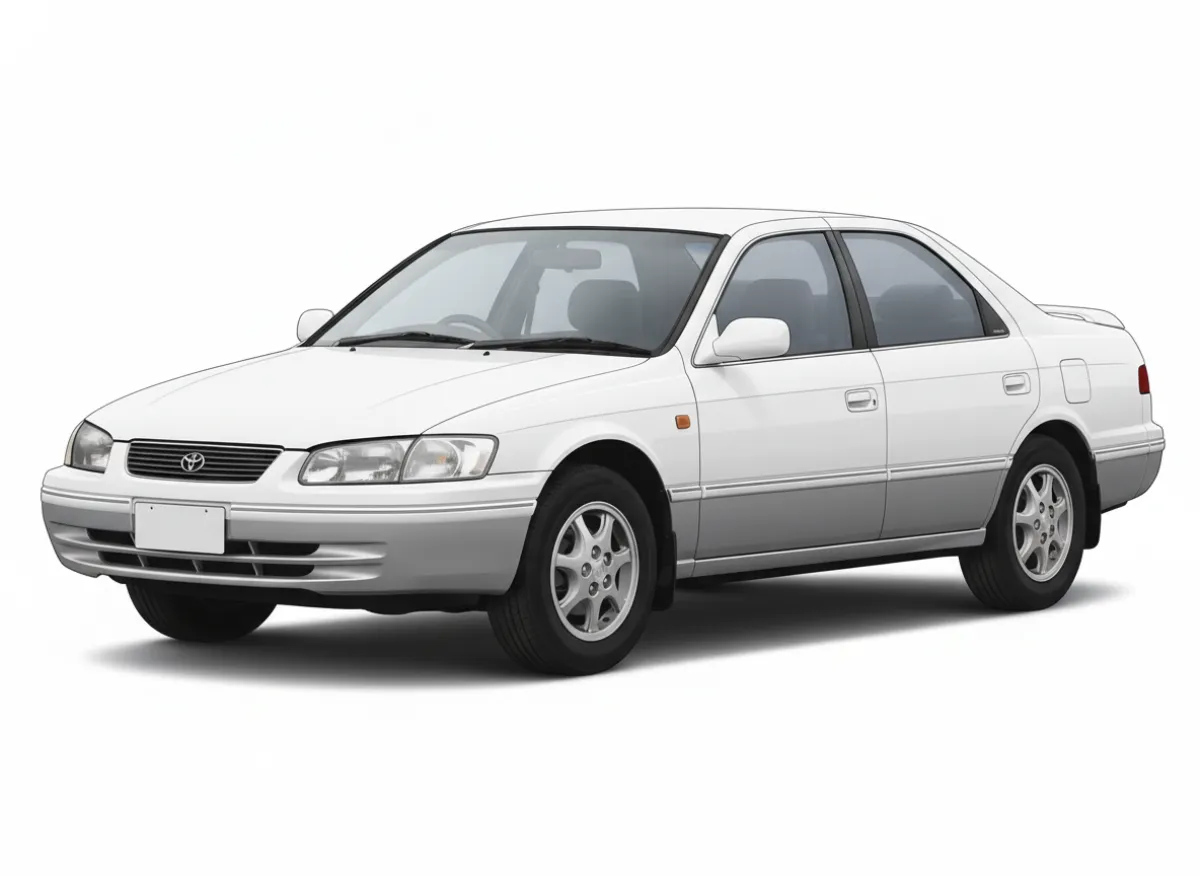 Camry (XV20)1996–2002
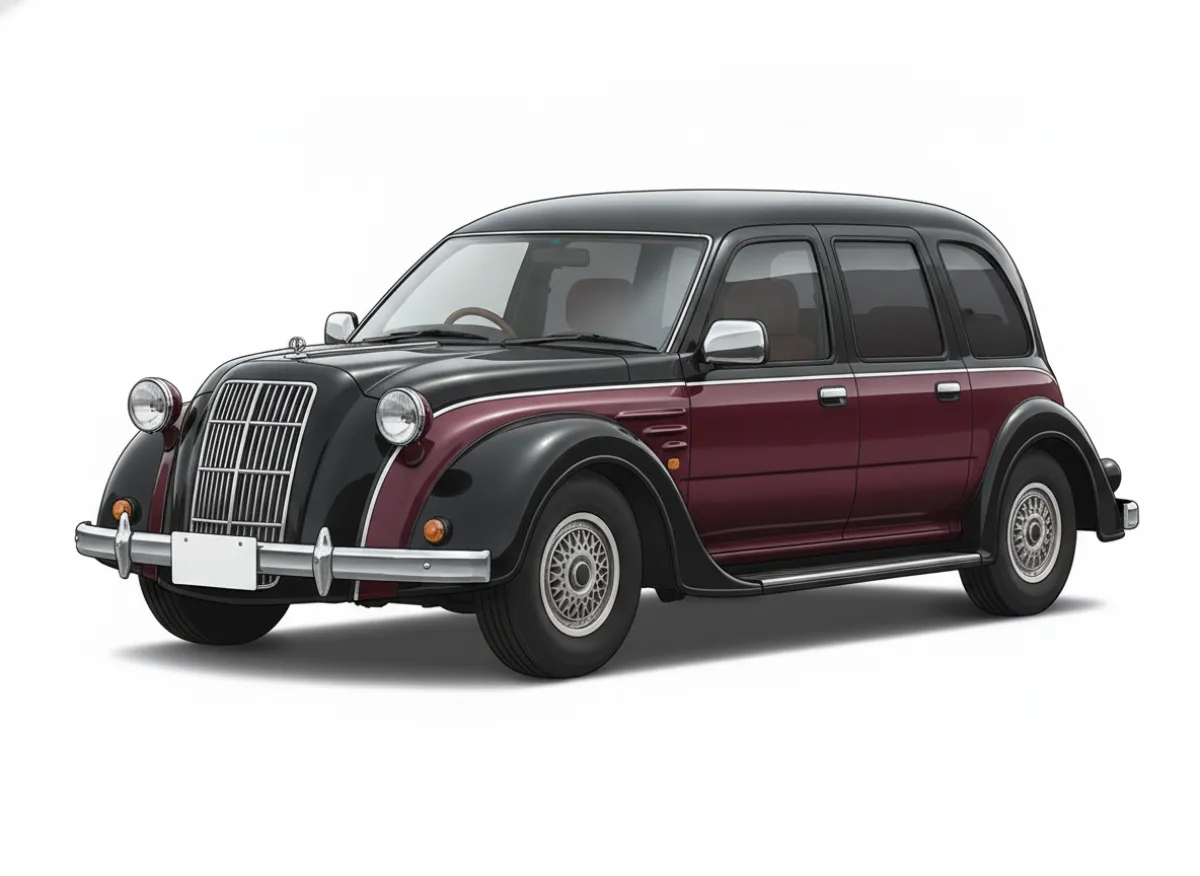 Classic1996
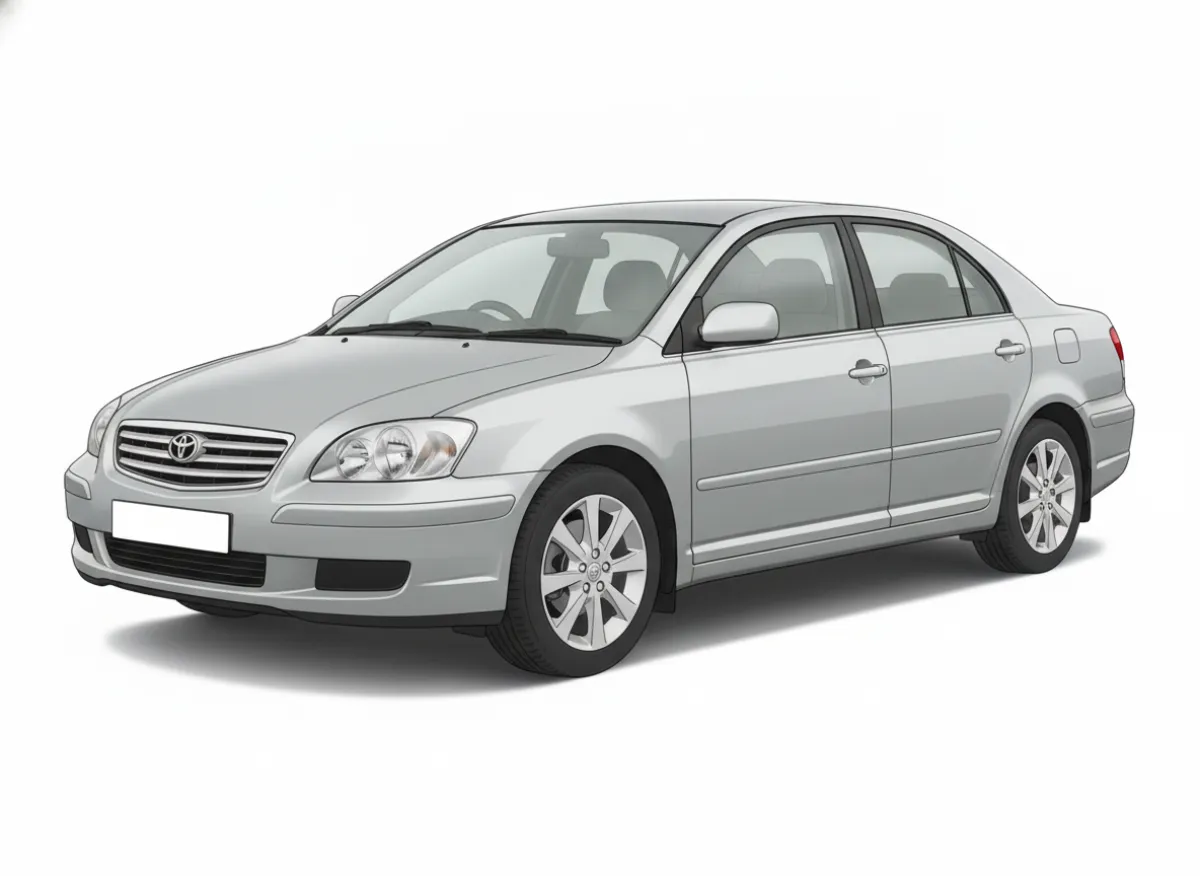 Avensis1997–2018 · 3 gen.
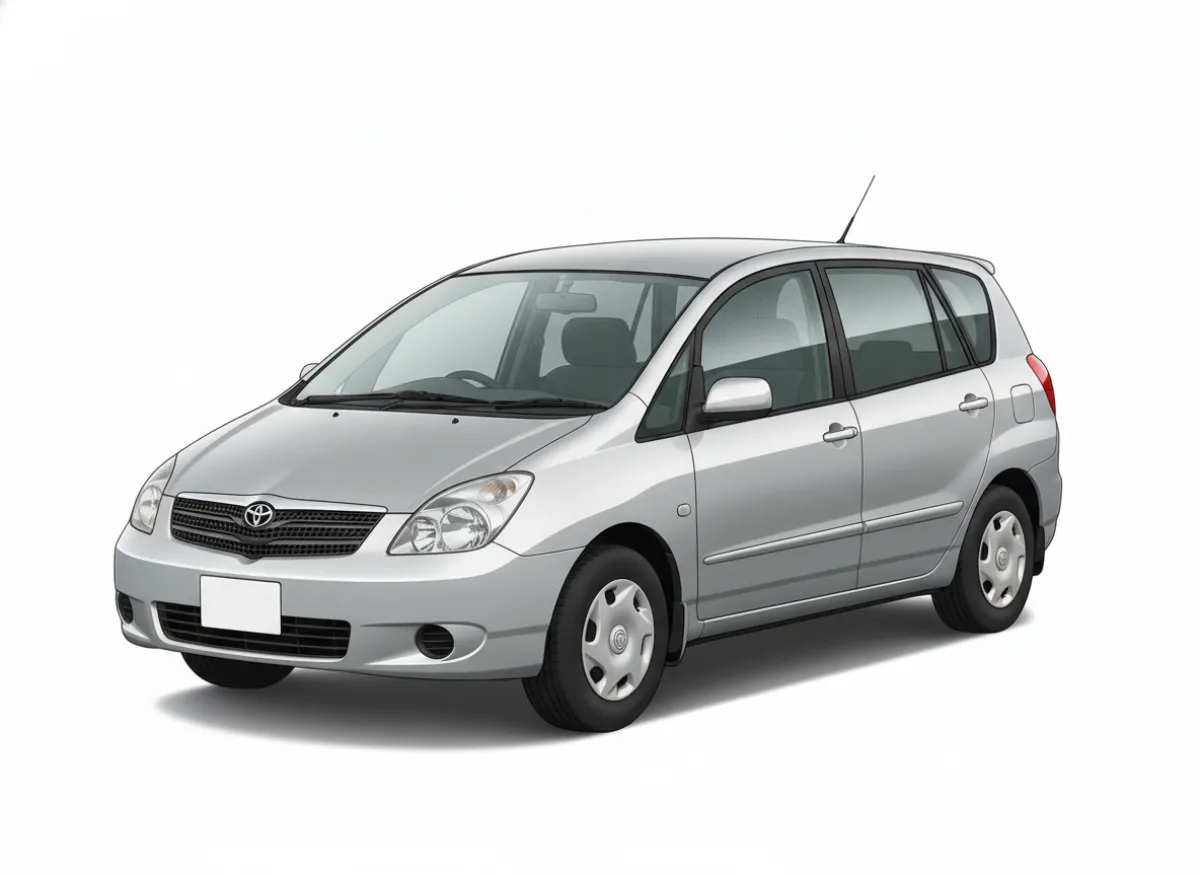 Corolla Spacio1997–2007 · 2 gen.
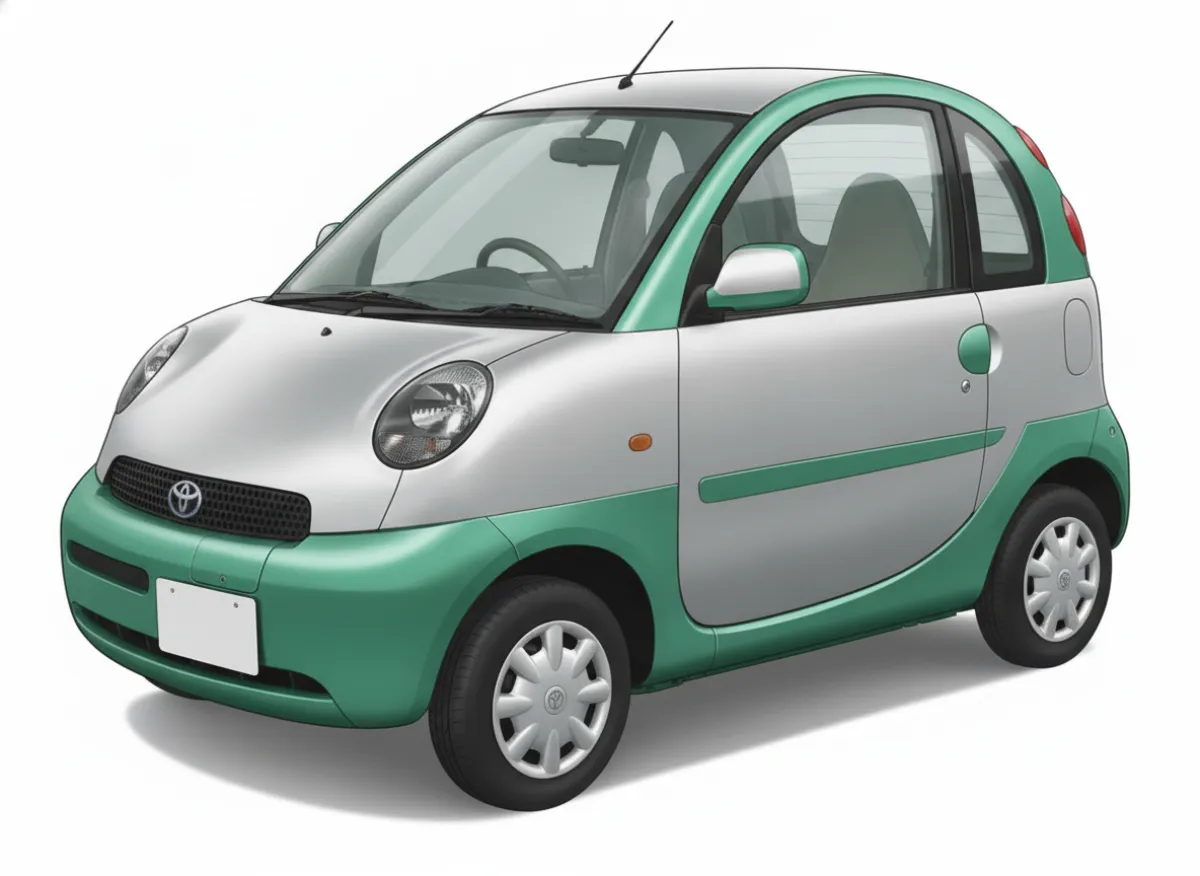 eCom1997
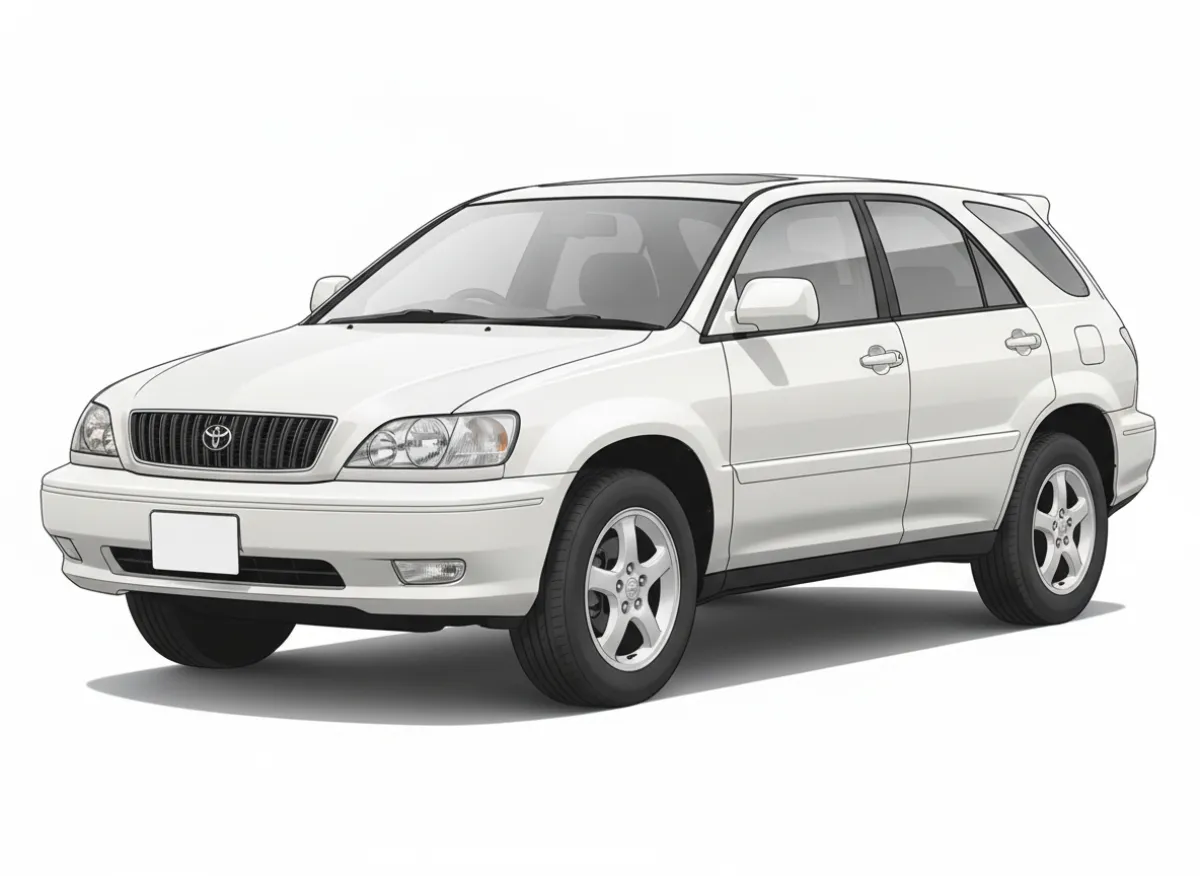 Harrier1997– · 2 gen.
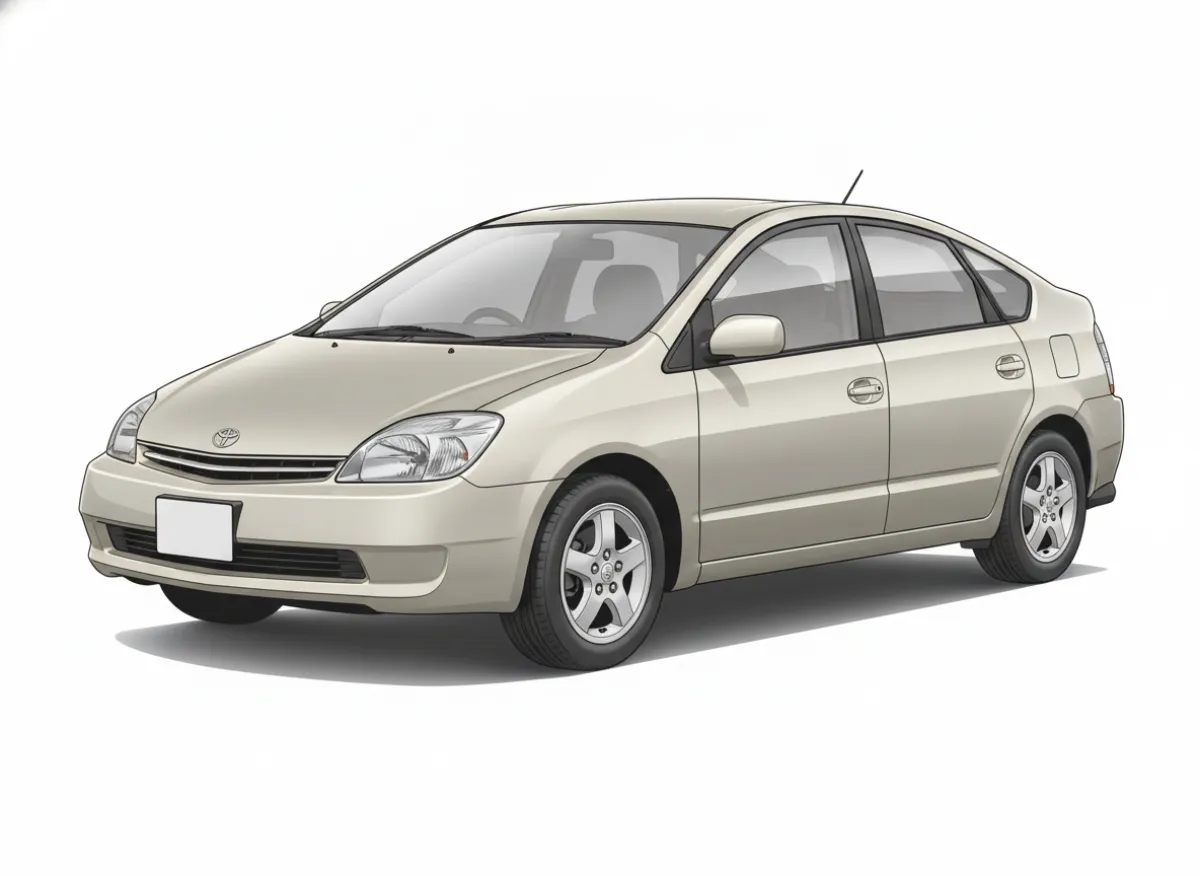 Prius1997– · 1 gen.
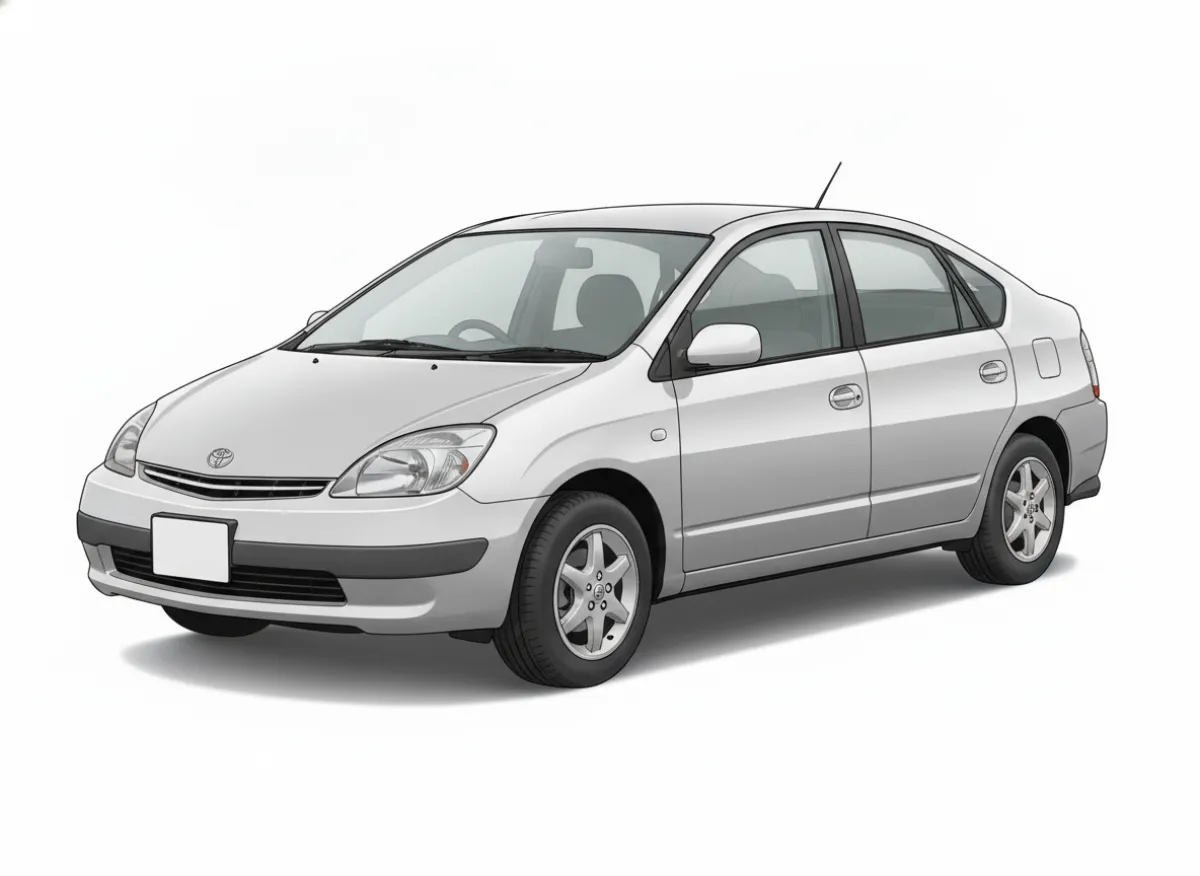 Prius (XW10)1997–2003
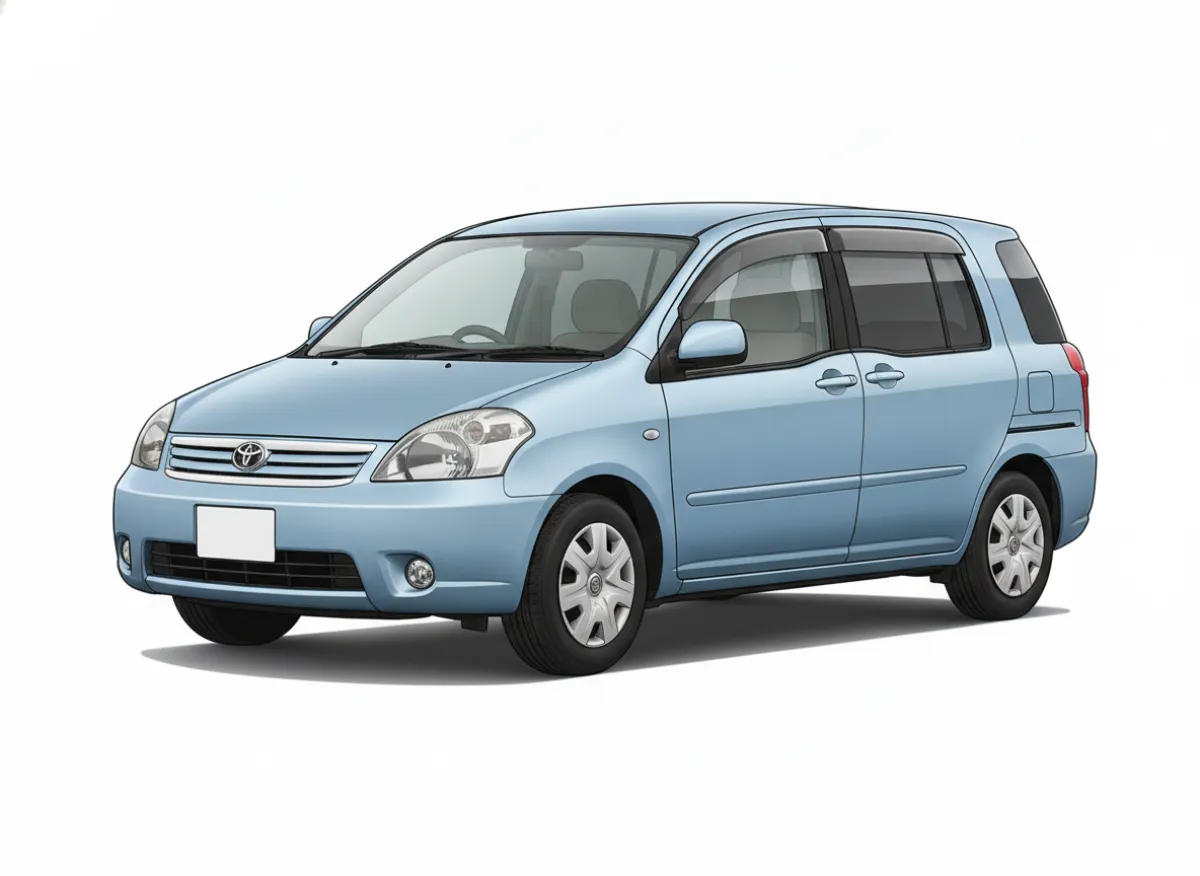 Raum1997–2011 · 2 gen.
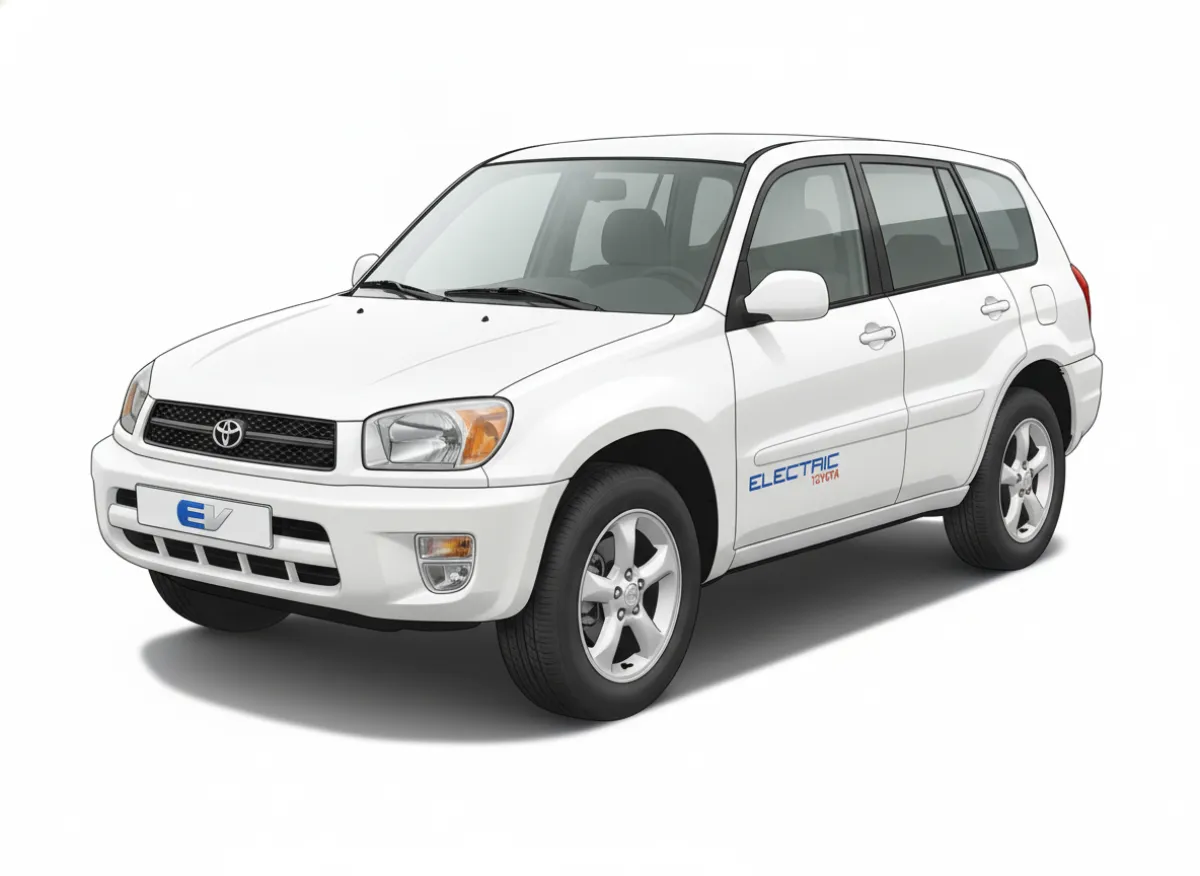 RAV4 EV1997–2014 · 2 gen.
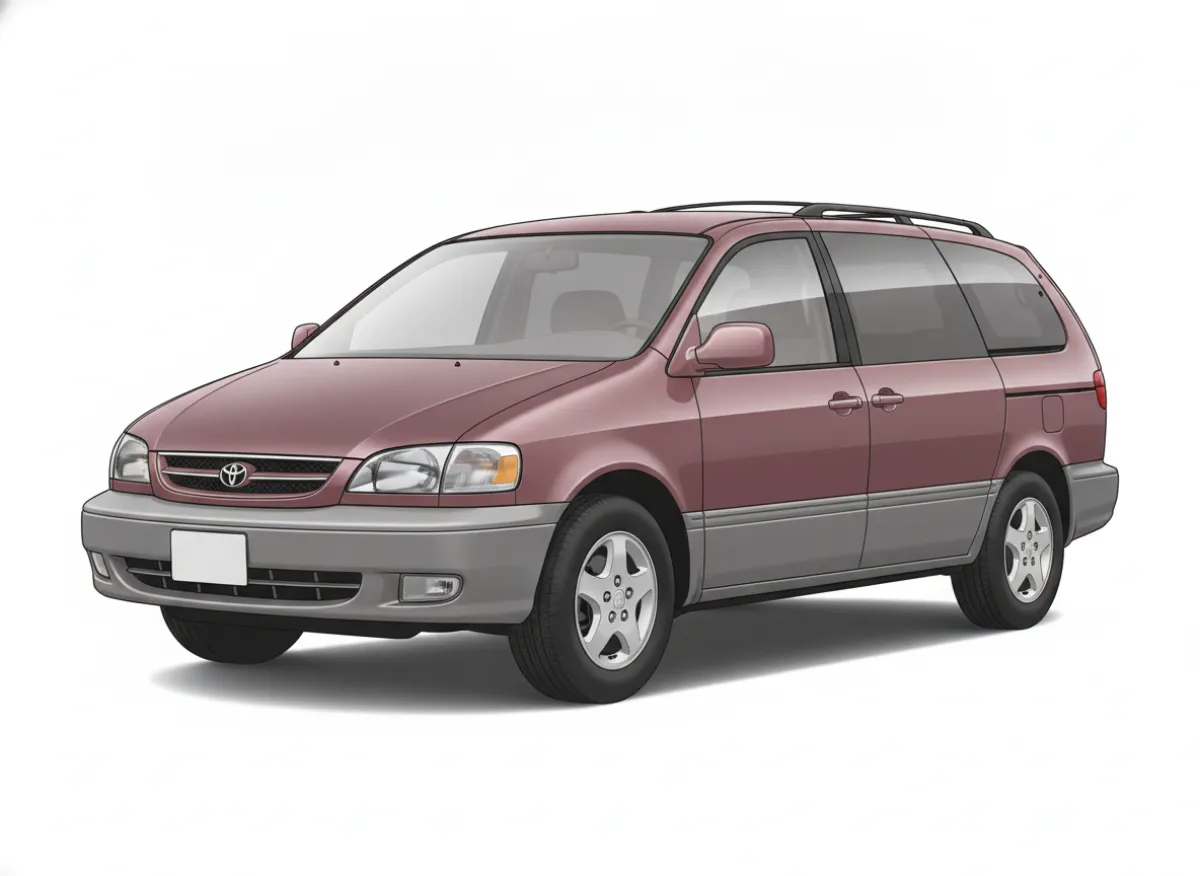 Sienna1997– · 4 gen.
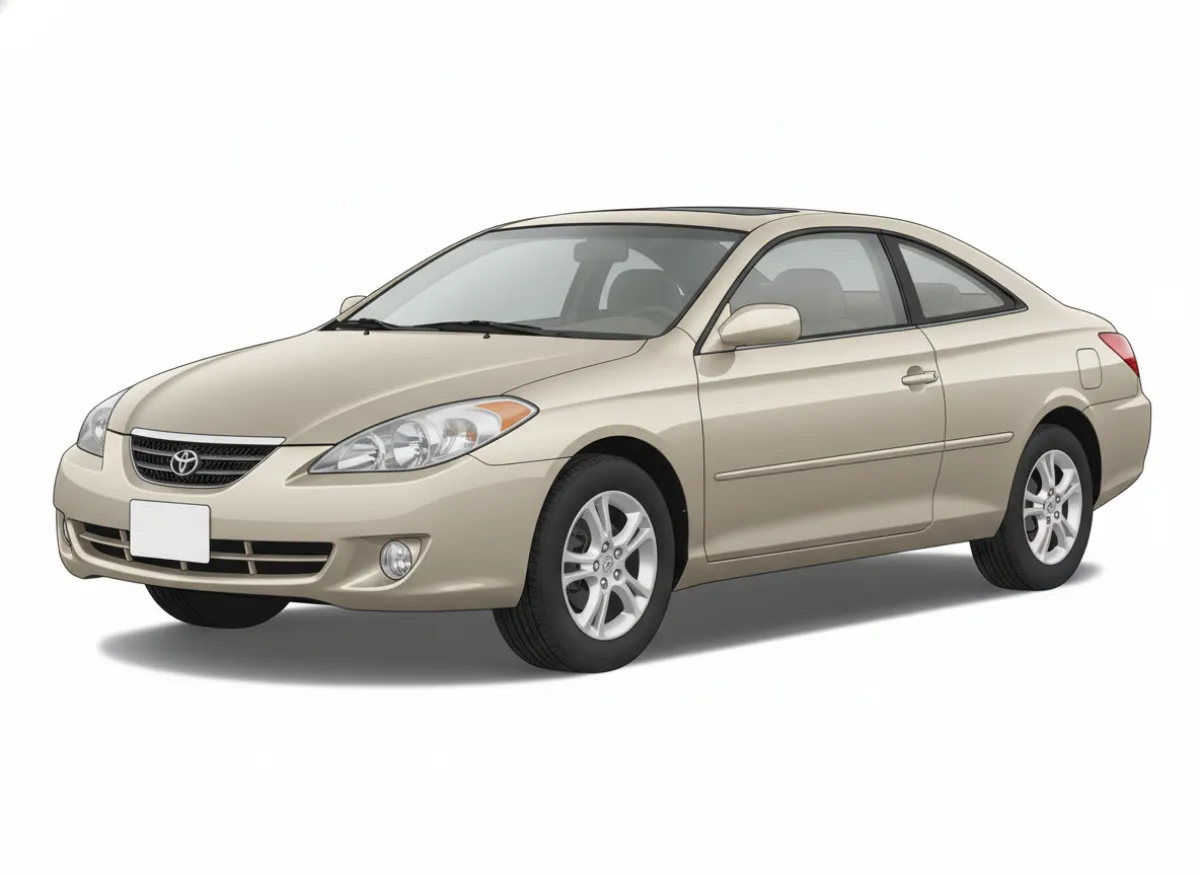 Camry Solara1998–2008 · 2 gen.
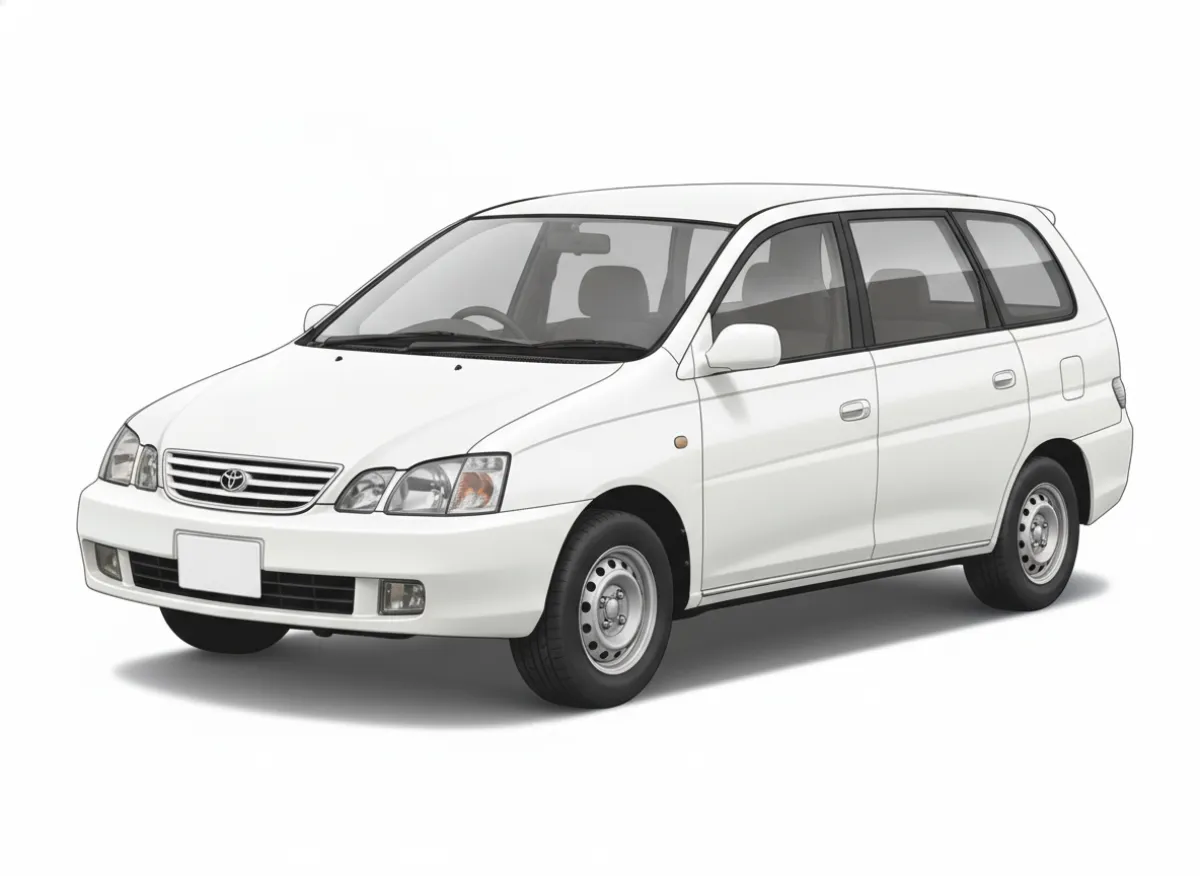 Gaia1998–2004
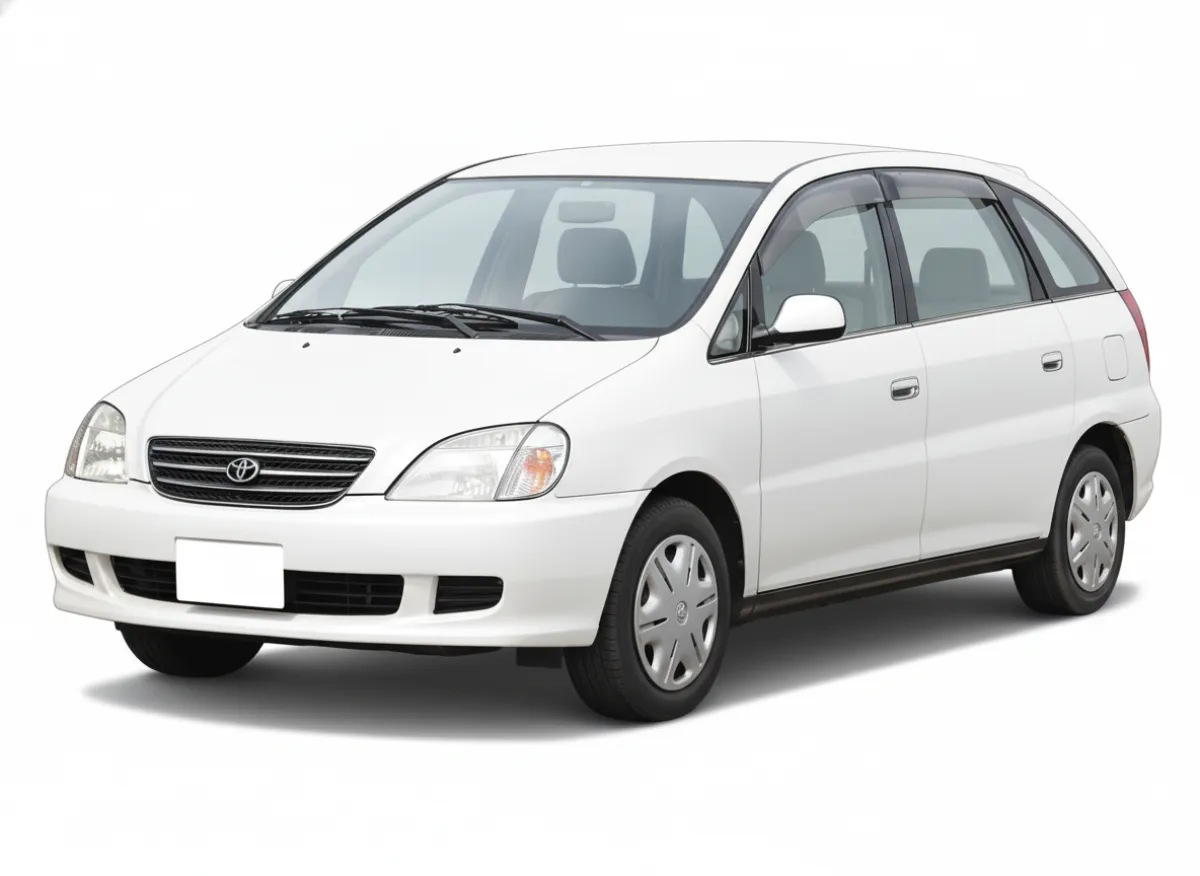 Nadia1998–2003
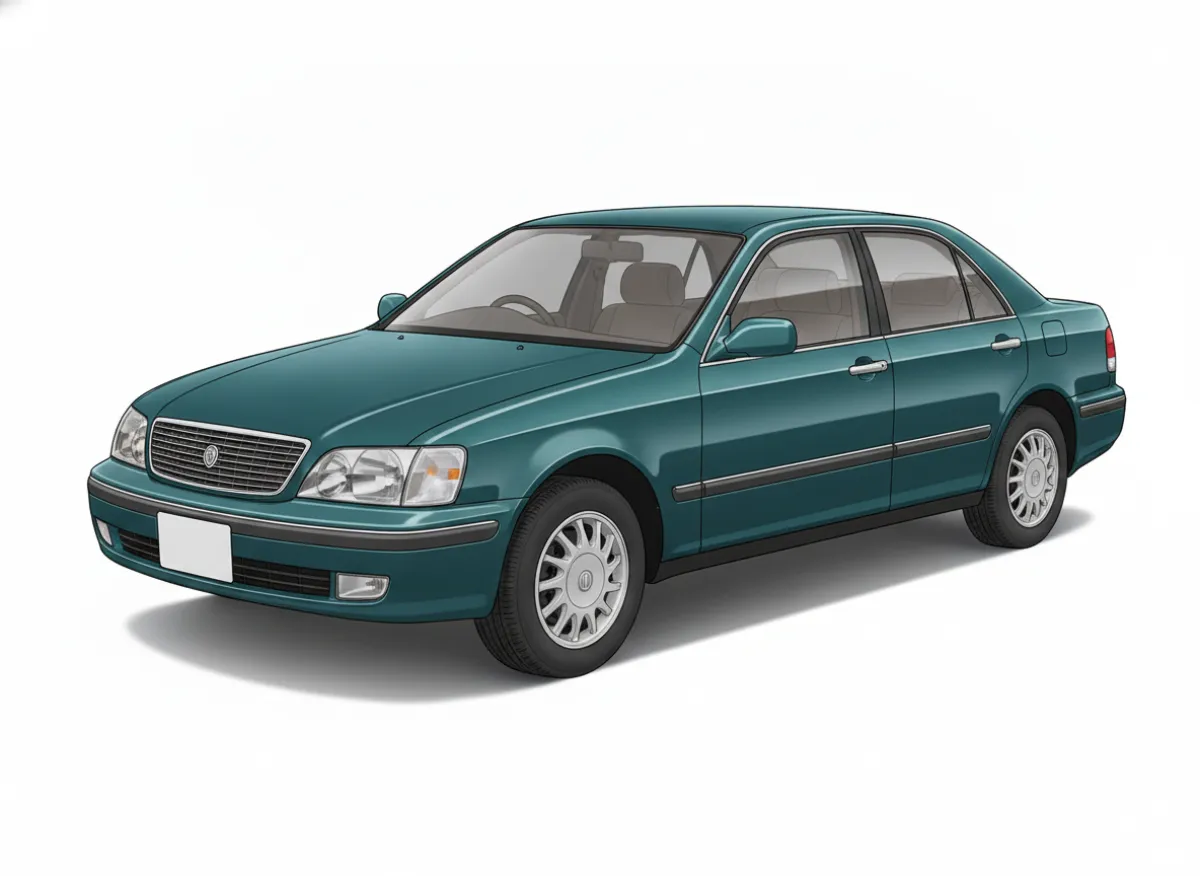 Progrès1998–2007
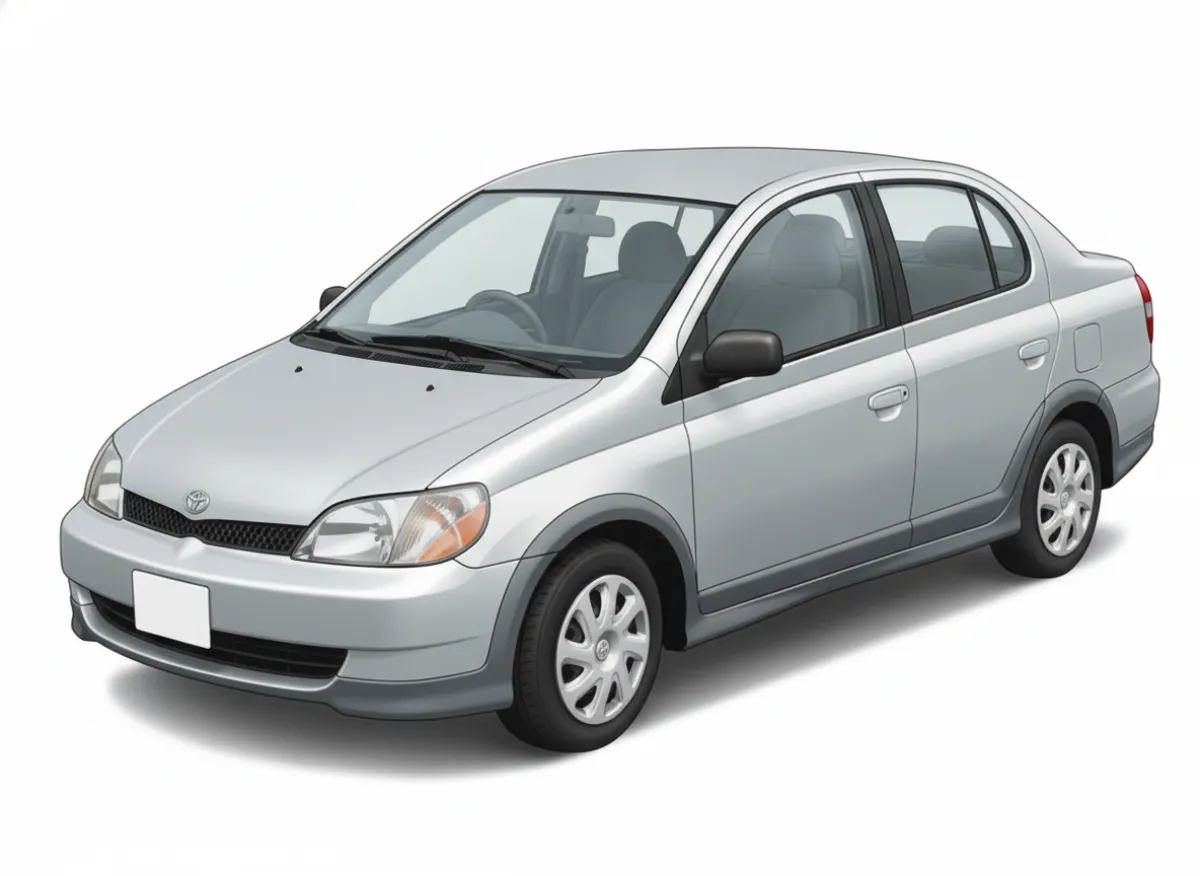 Platz1999–2012
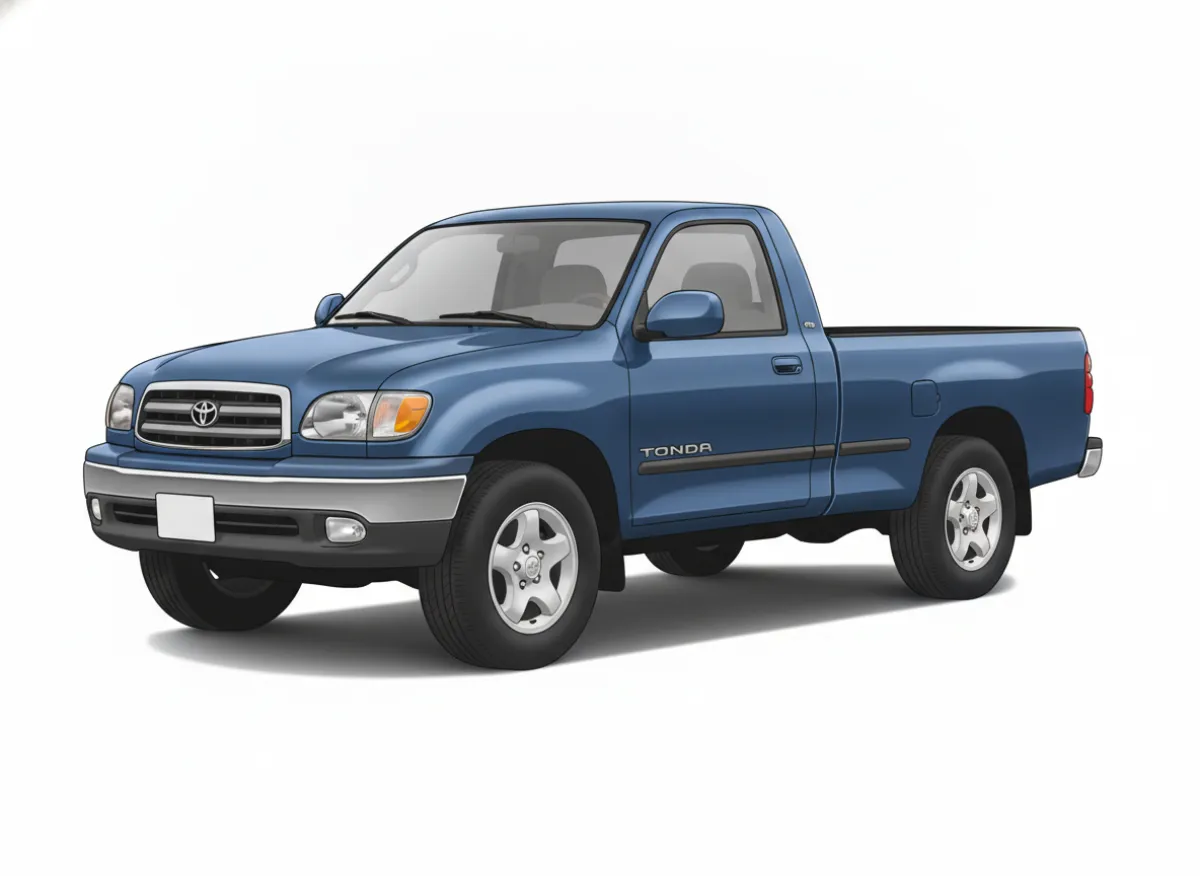 Tundra1999– · 3 gen.
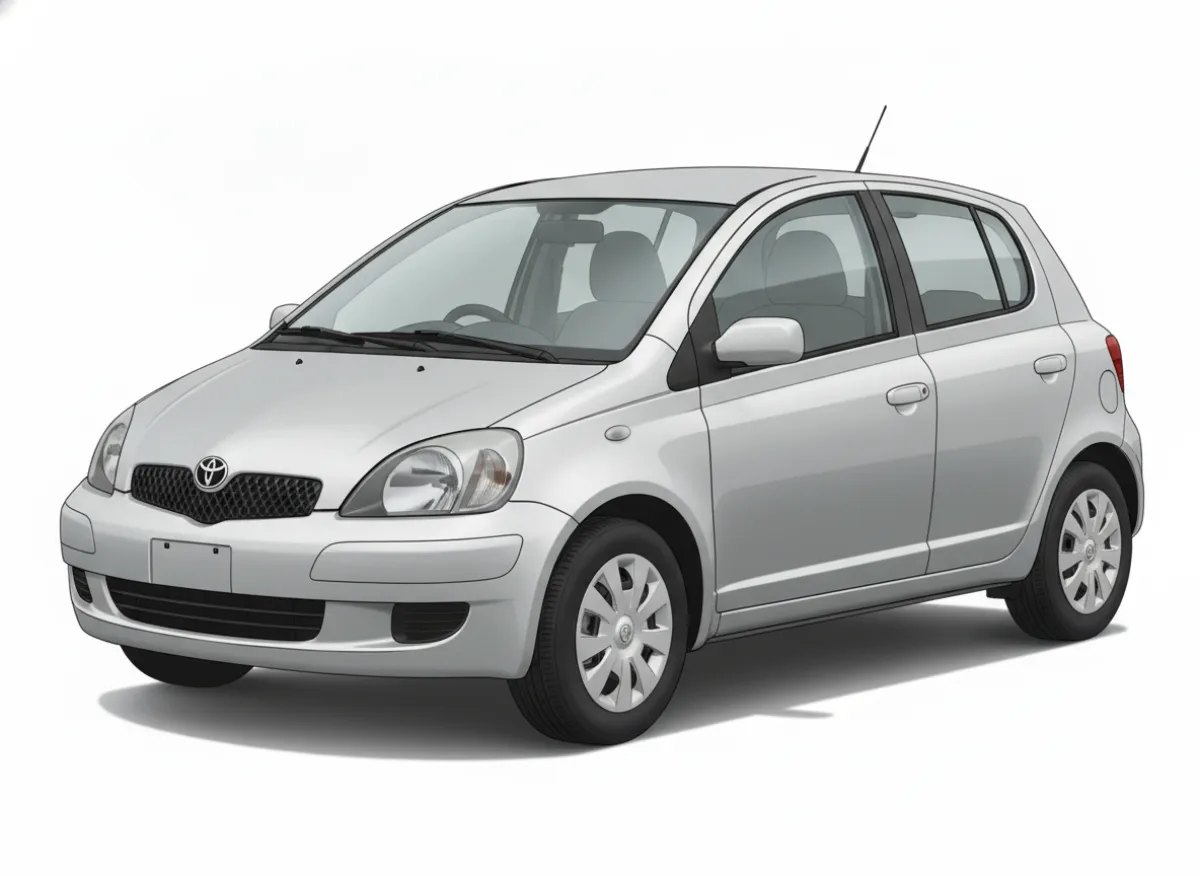 Vitz1999–2020 · 3 gen.
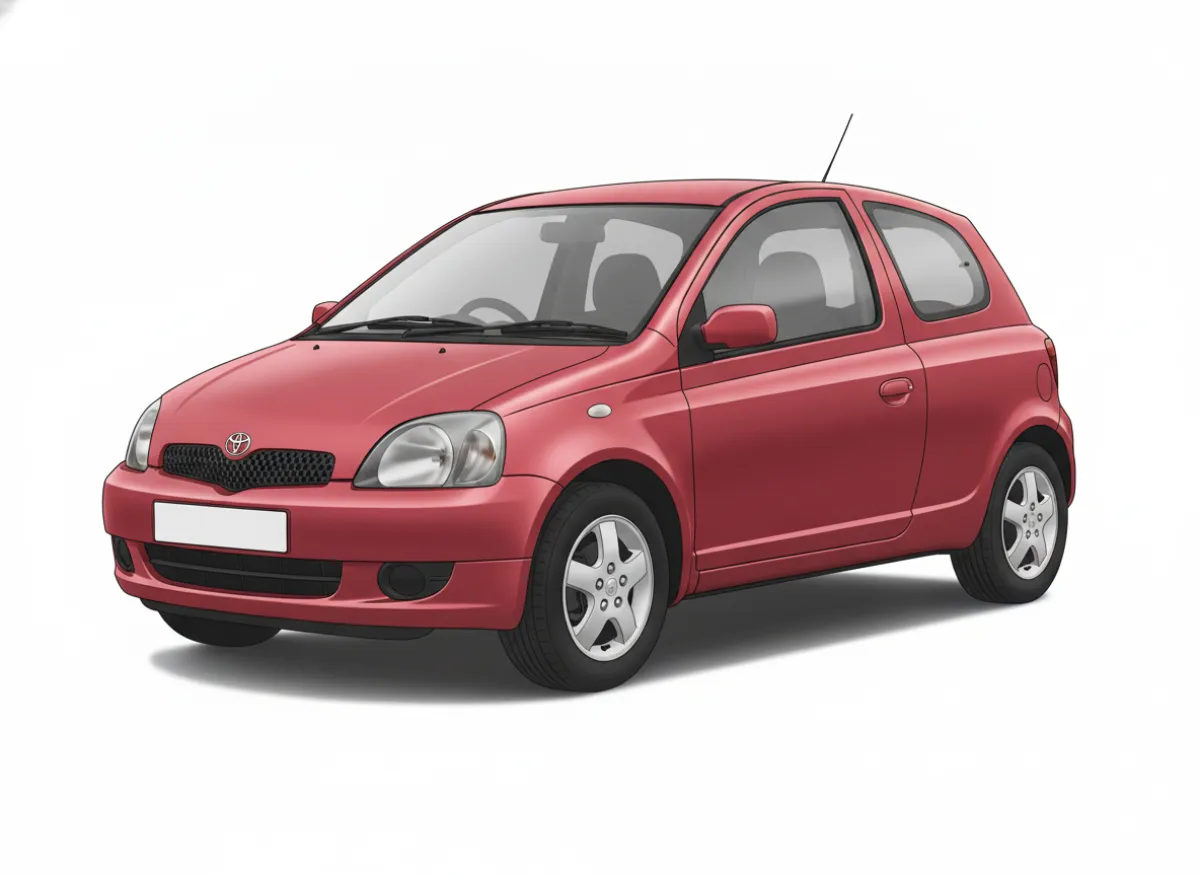 Yaris1999–
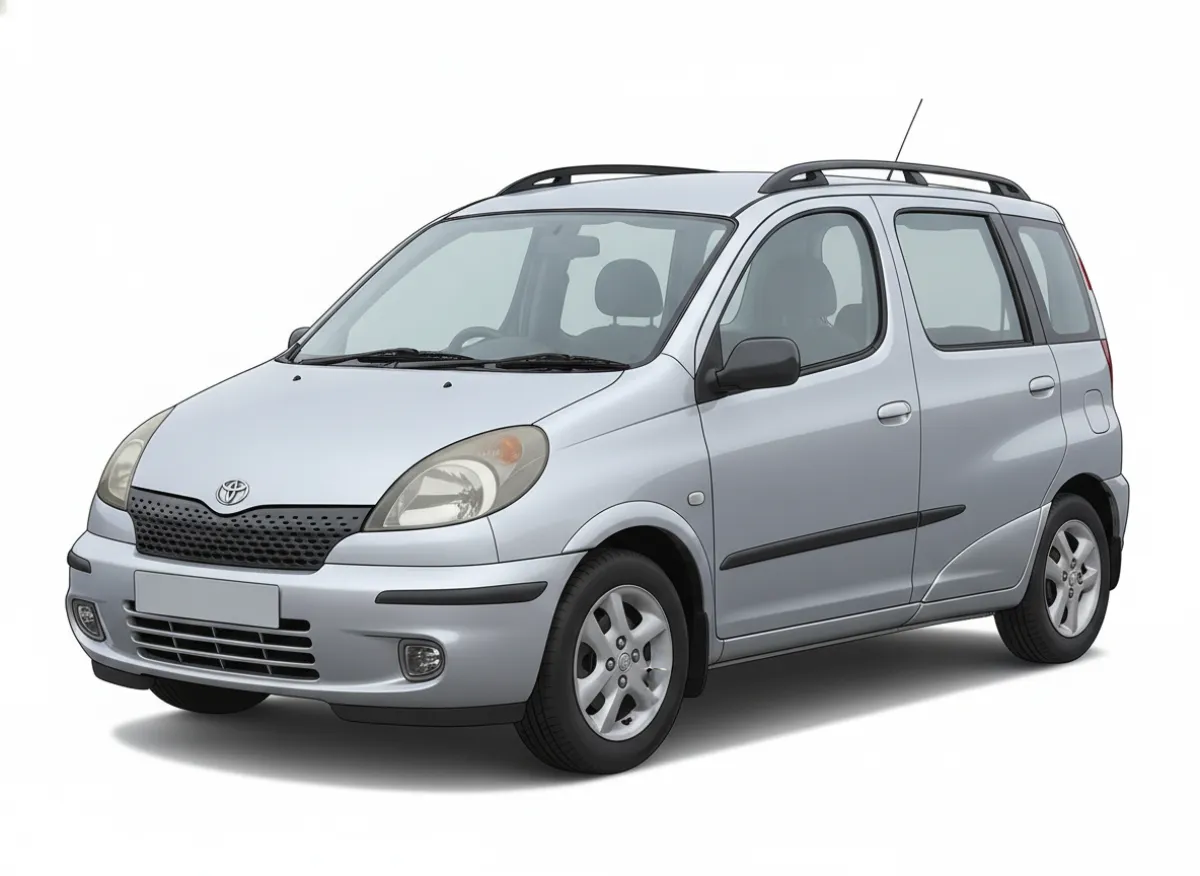 Yaris Verso1999–2005
2000s
50 launched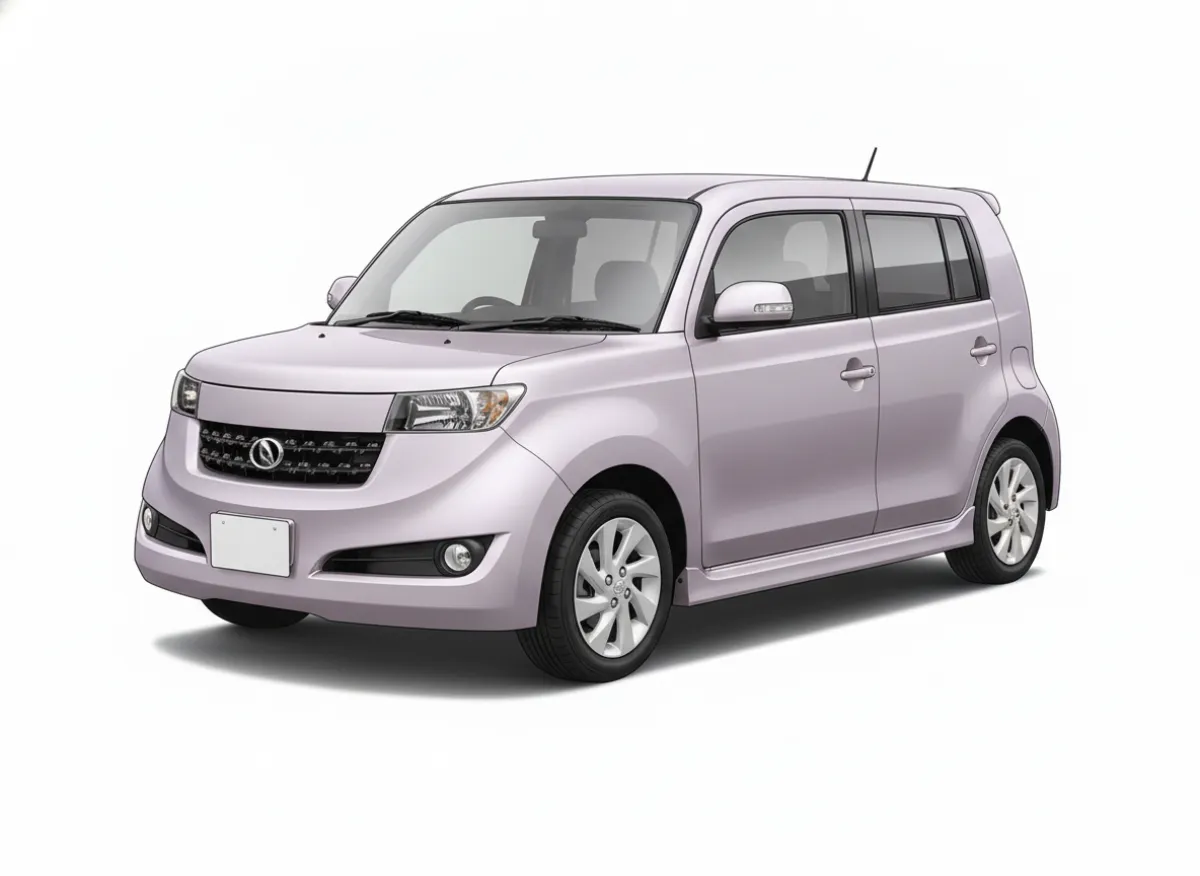 bB2000–2016 · 2 gen.
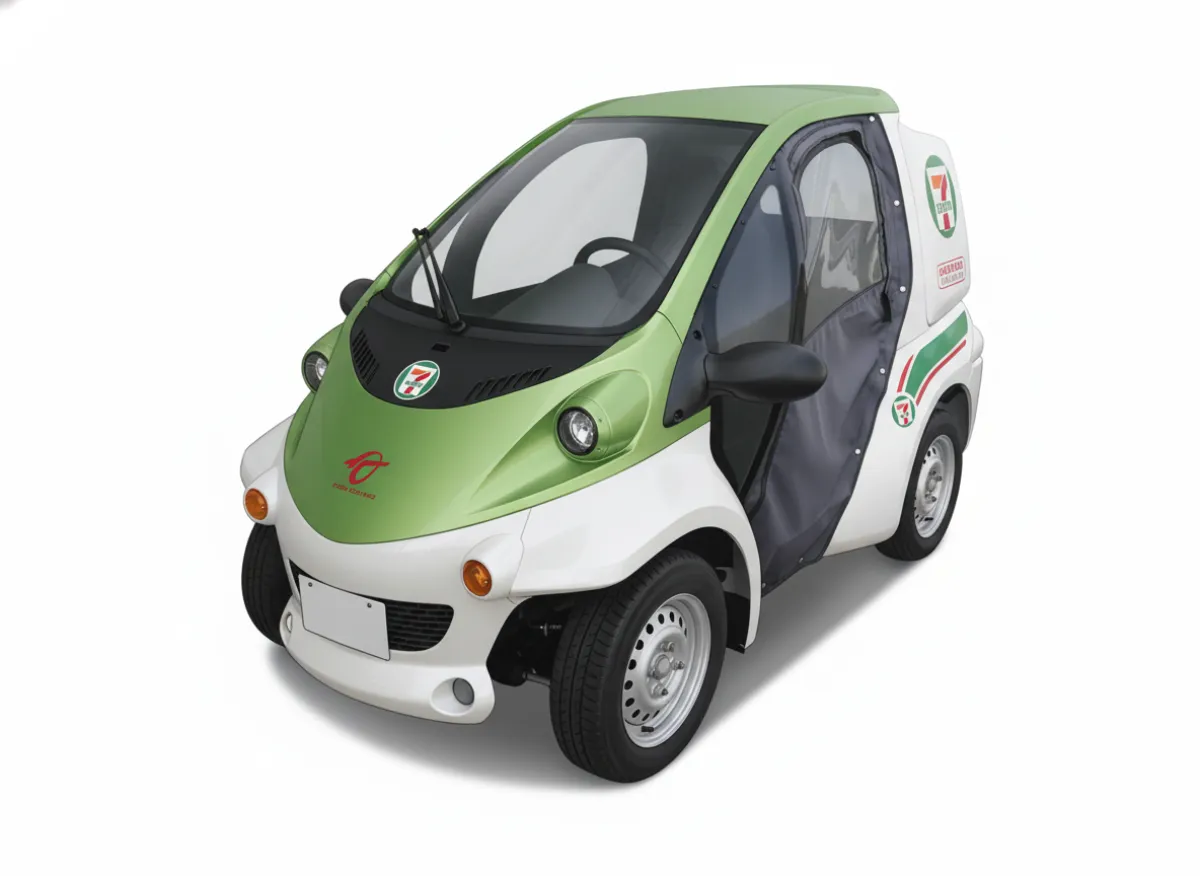 COMS2000–
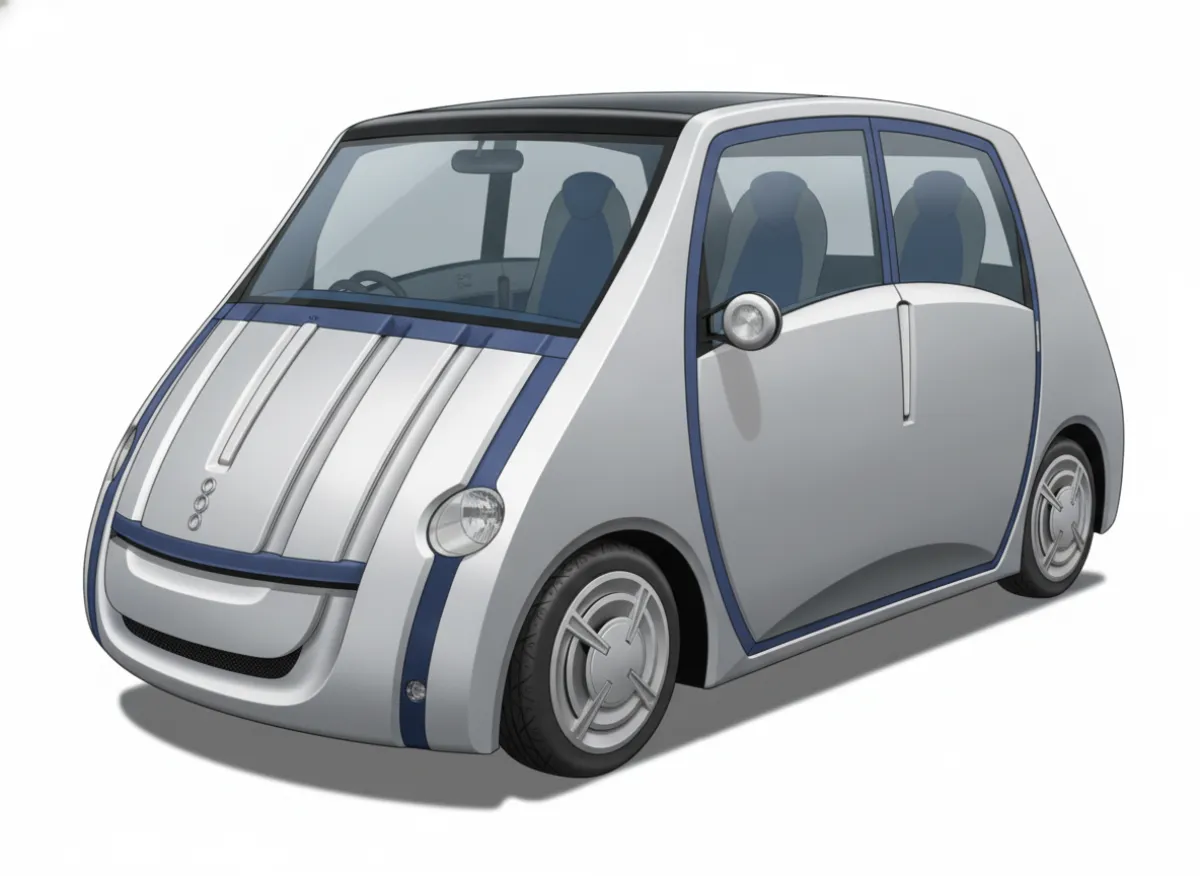 concept vehicles (2000–2009)2000 · 51 gen.
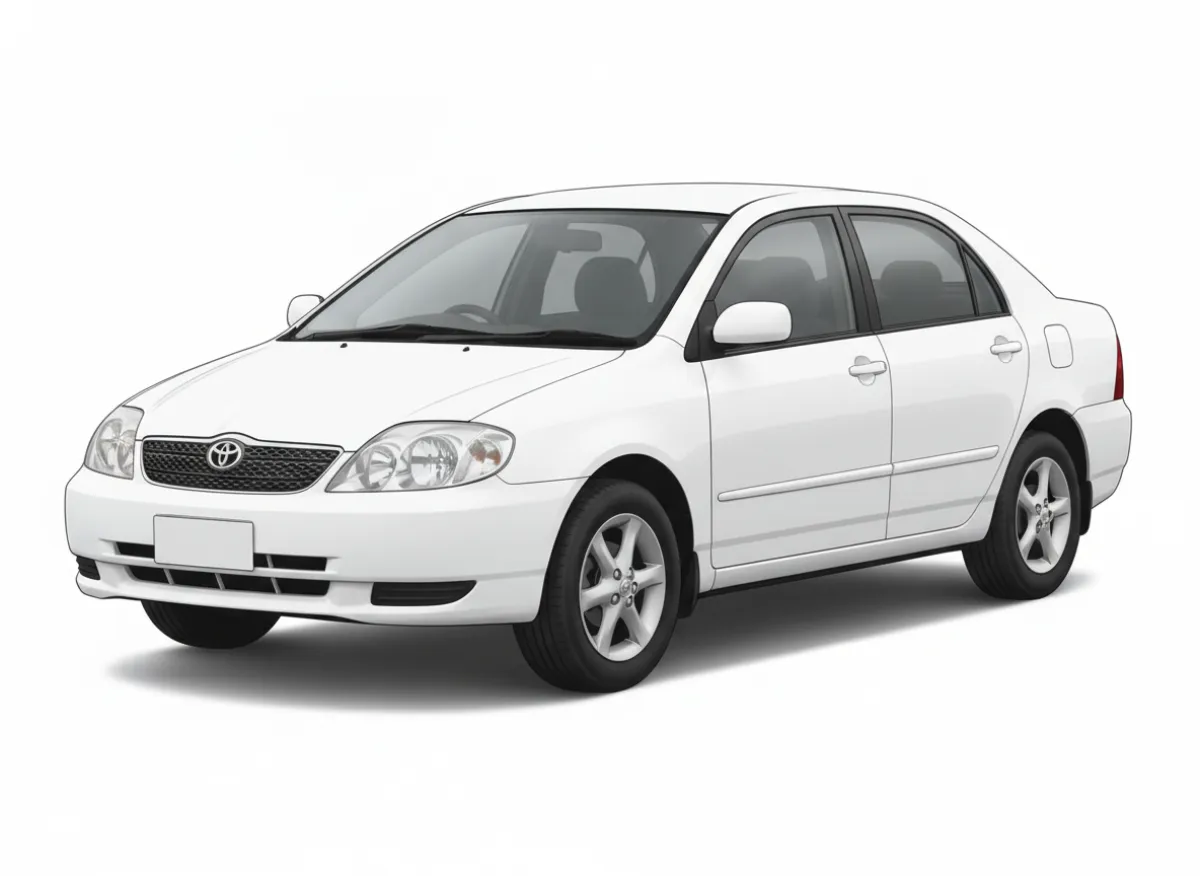 Corolla (E120)2000–2017
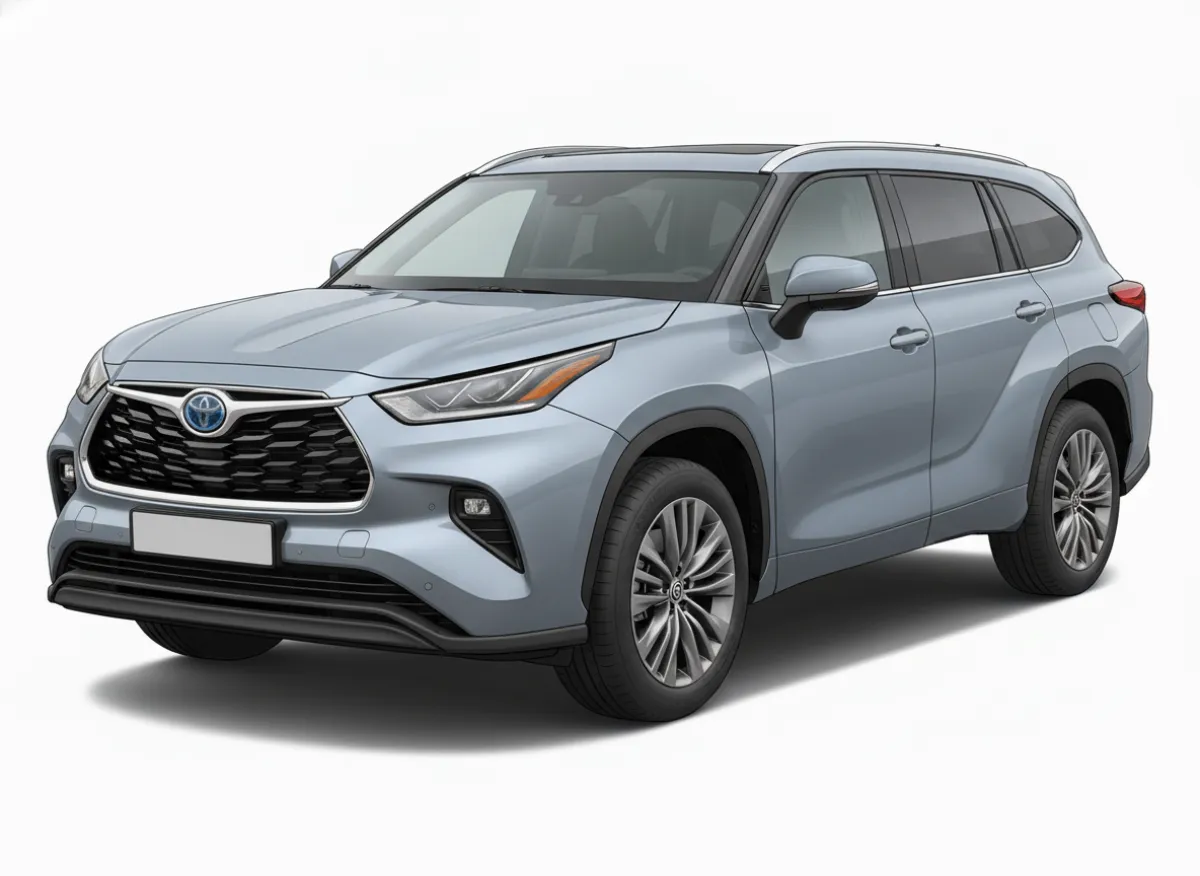 Highlander2000– · 5 gen.
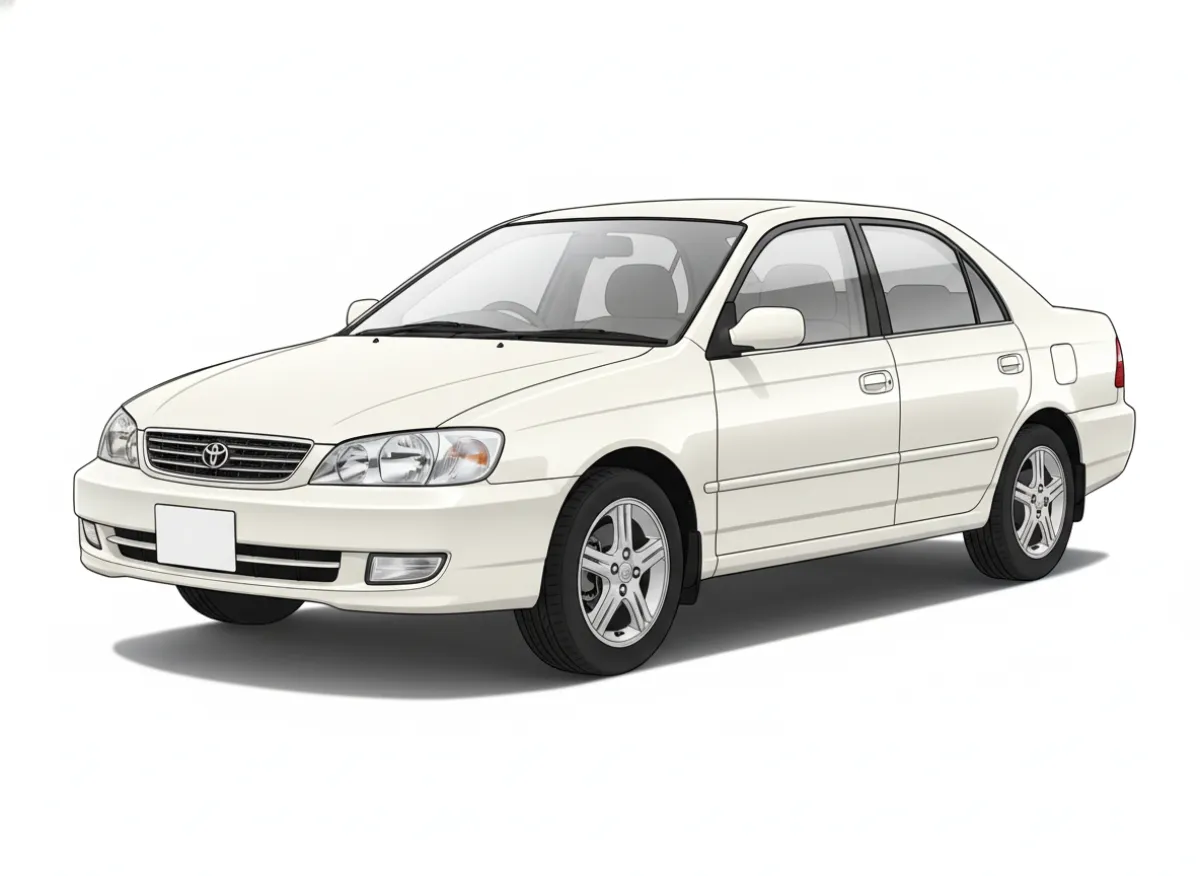 K CVT transmission2000–
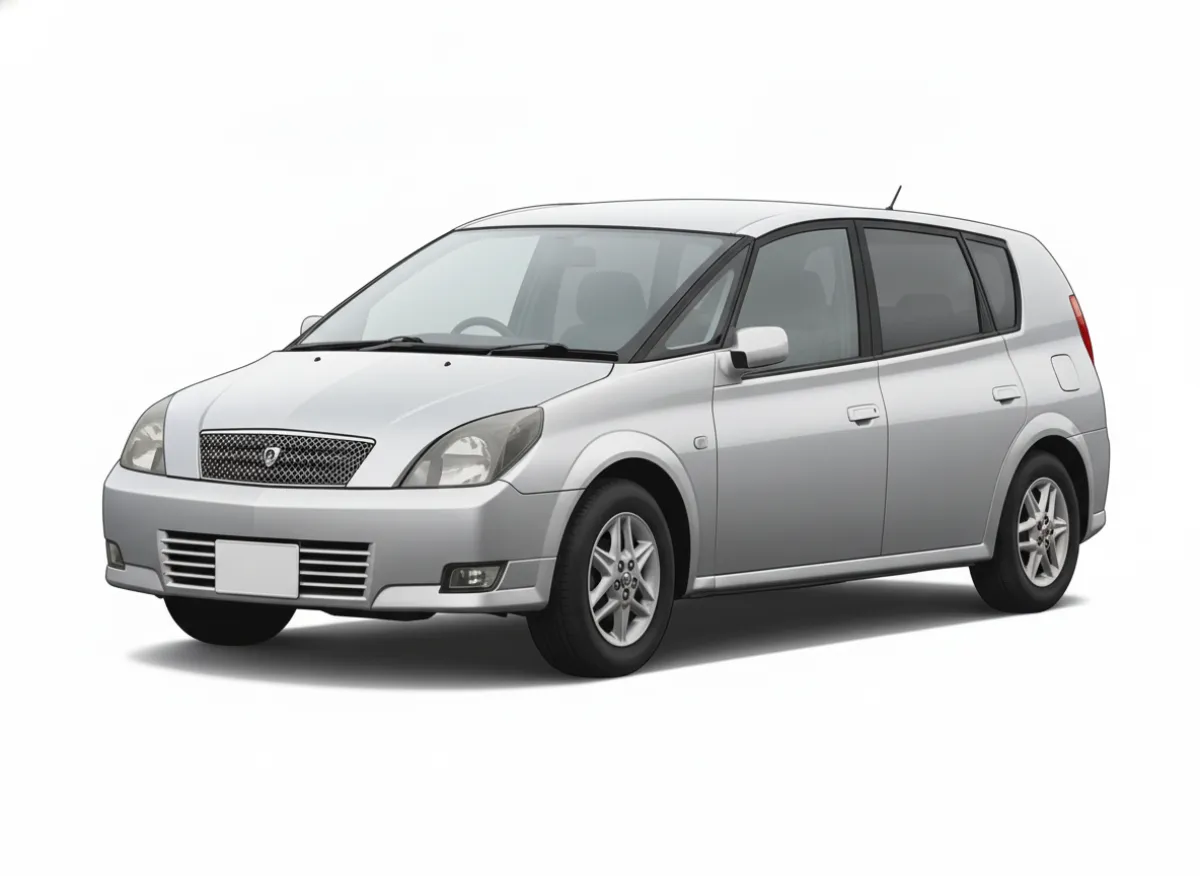 Opa2000–2005
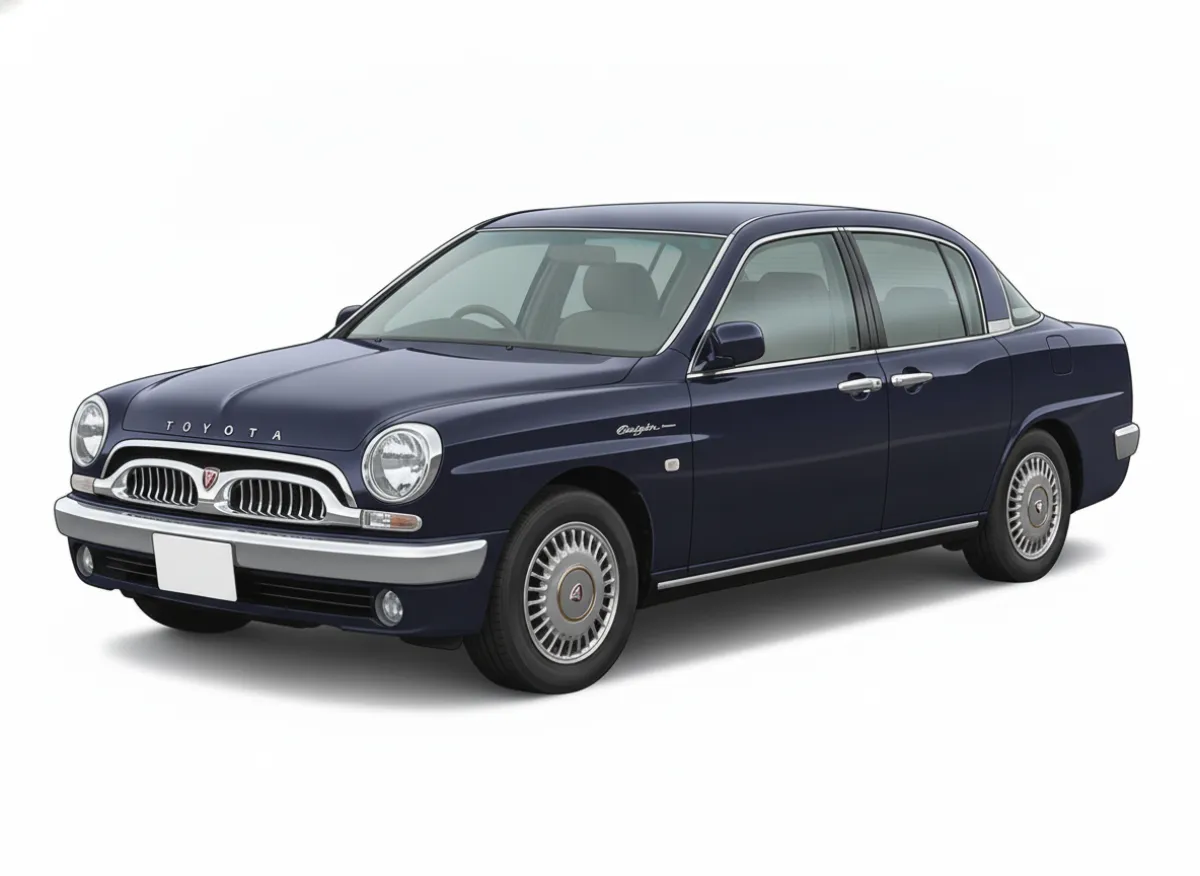 Origin2000–2001
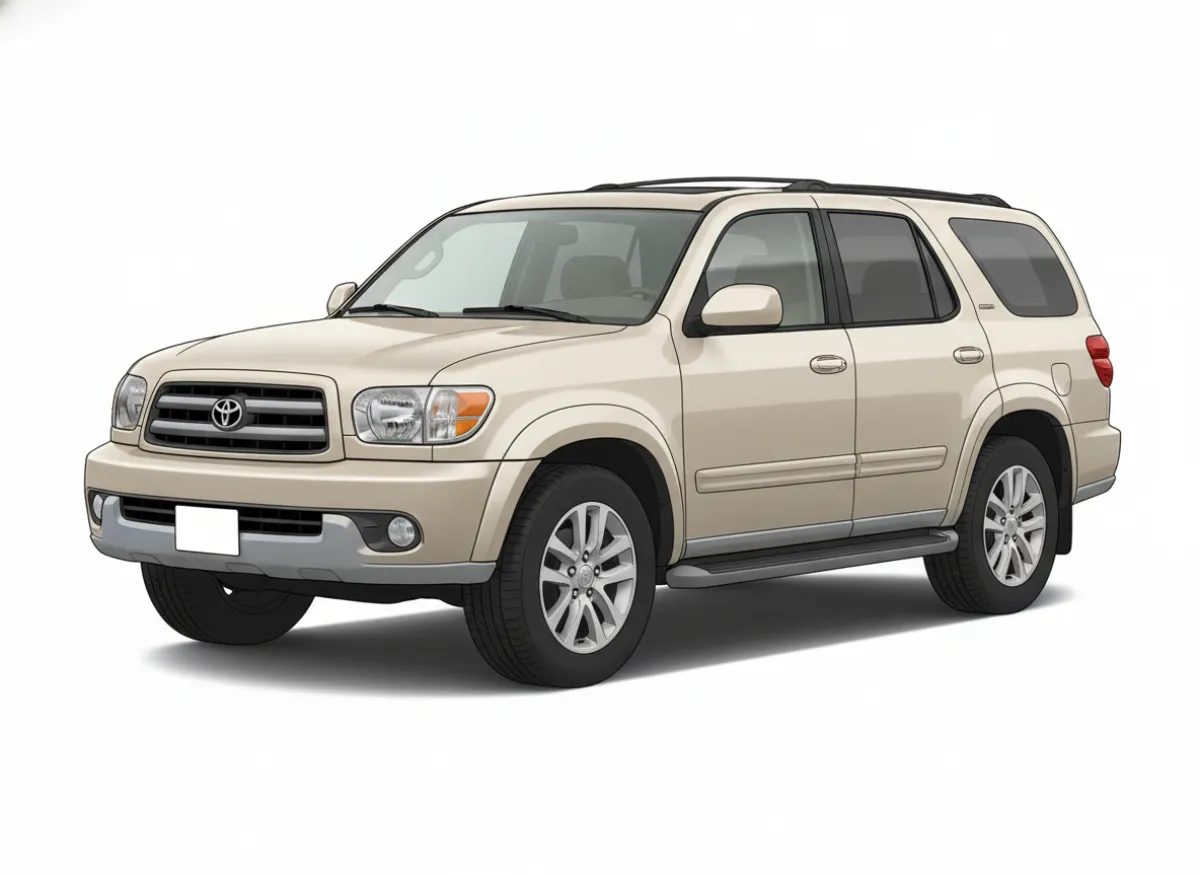 Sequoia2000– · 3 gen.
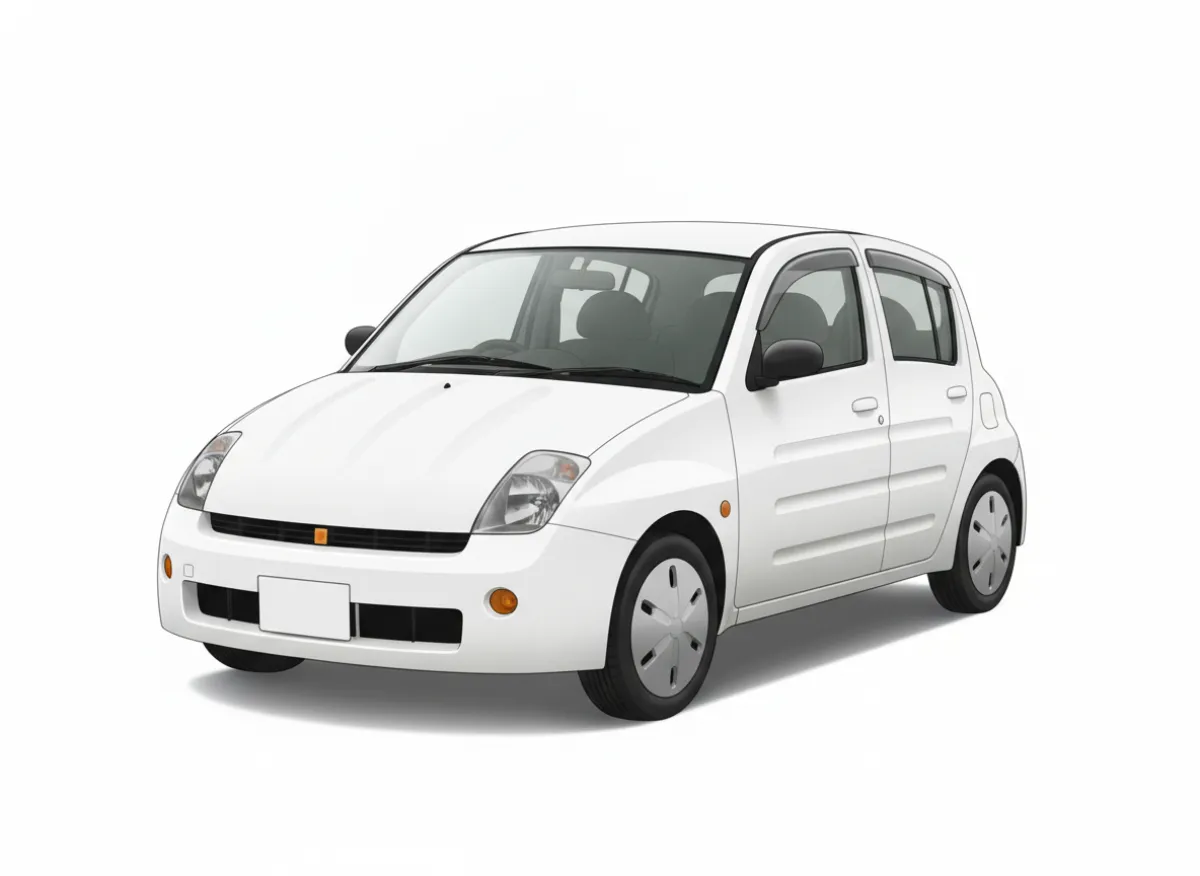 WiLL2000–2001 · 2 gen.
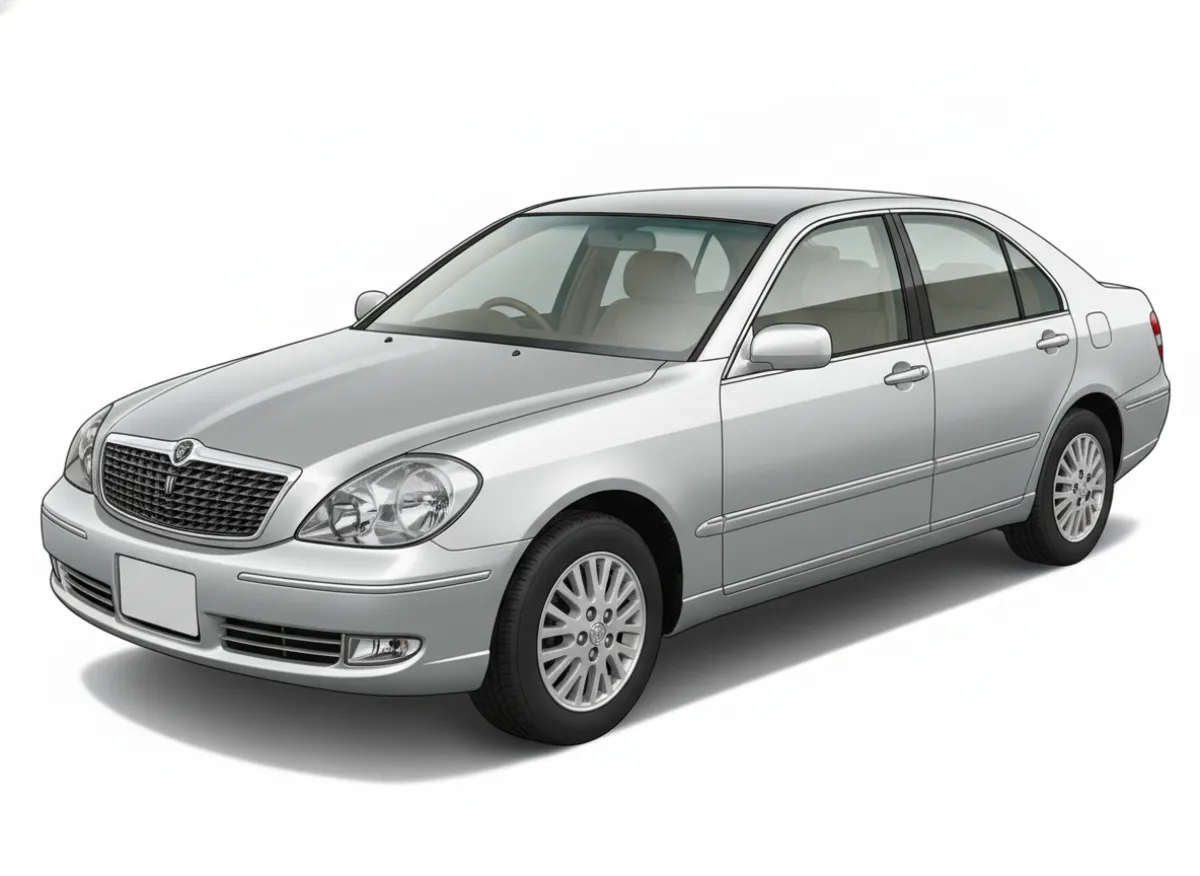 Brevis2001–2007
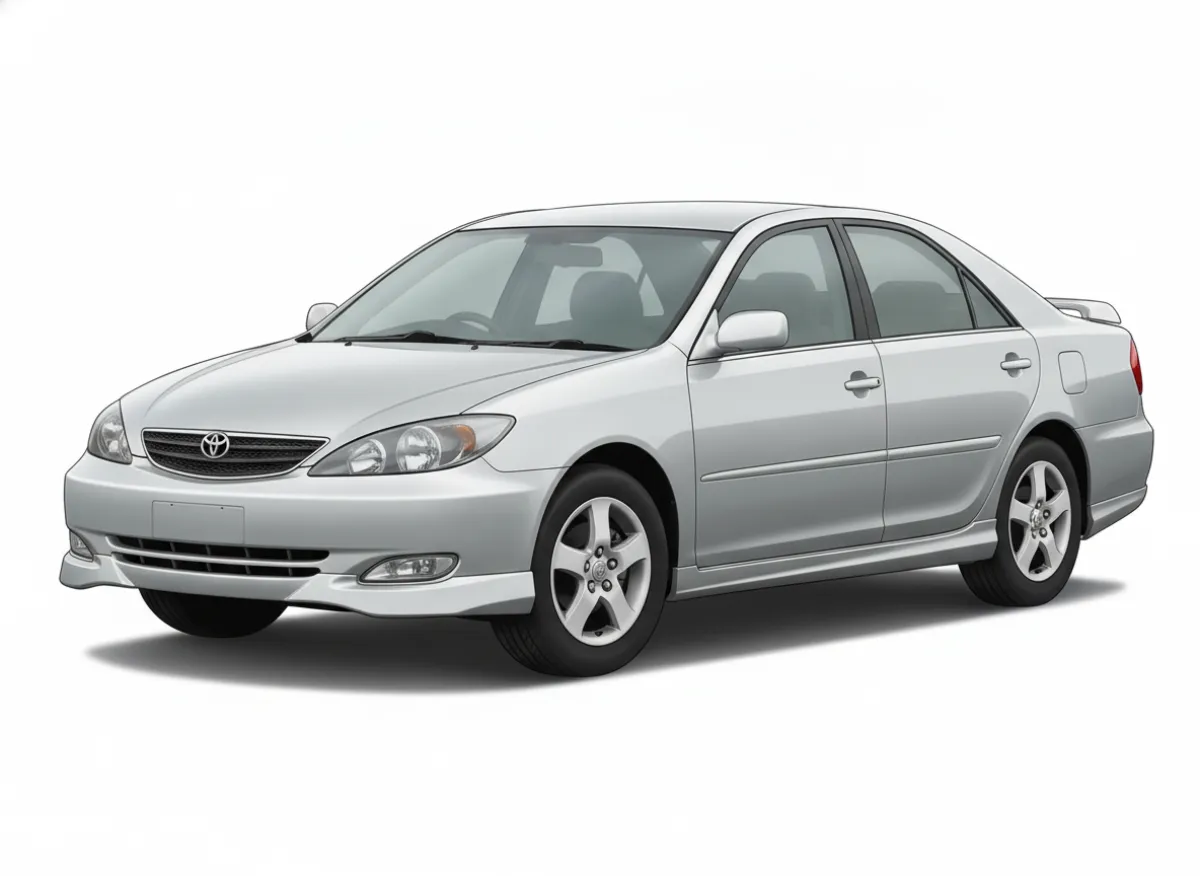 Camry (XV30)2001–2006
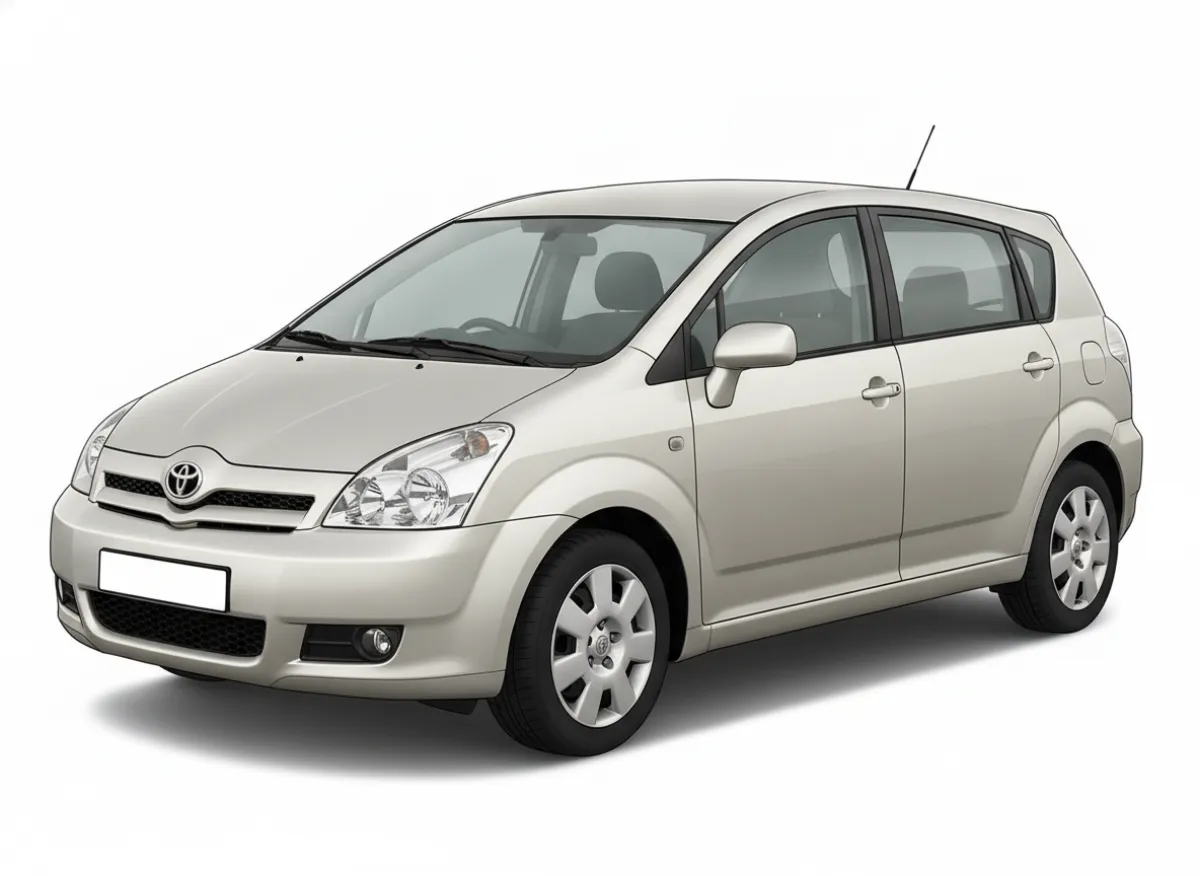 Corolla Verso2001–2009 · 2 gen.
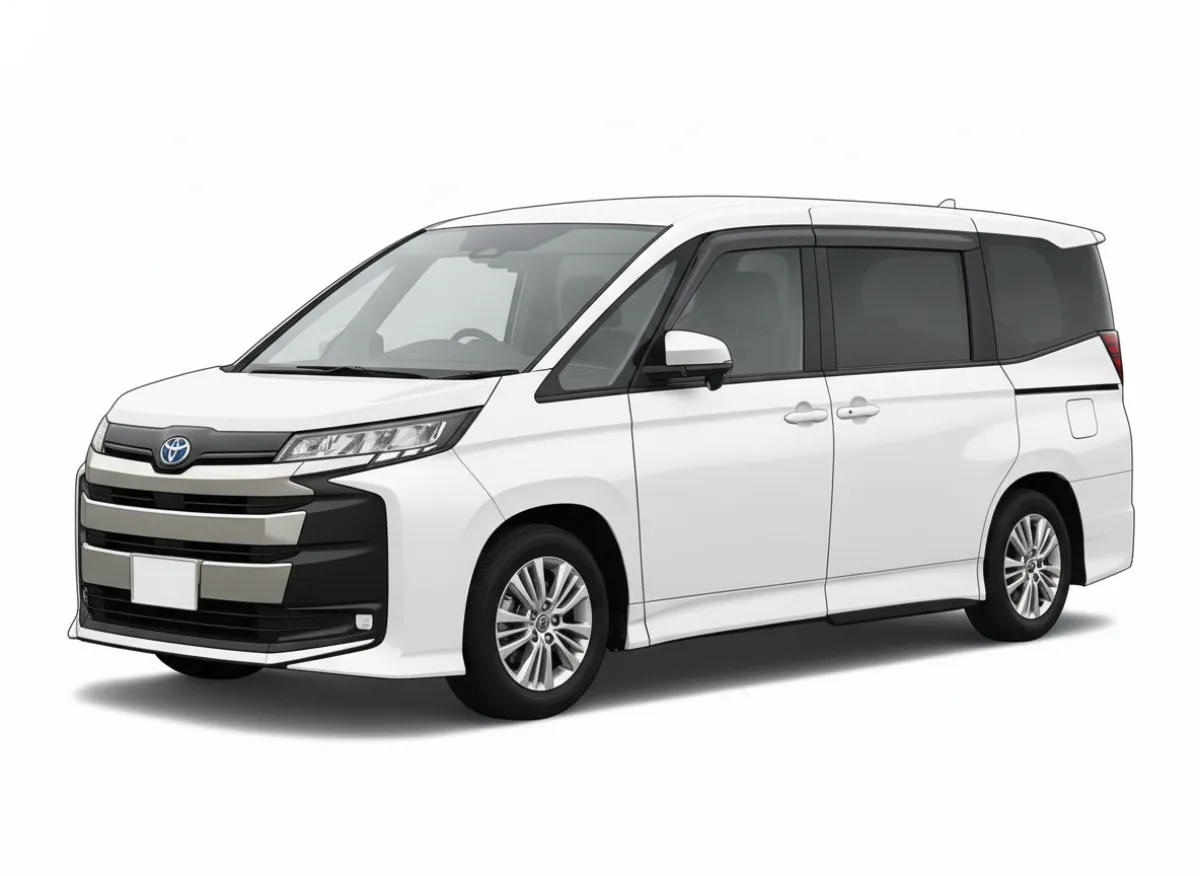 Noah2001– · 4 gen.
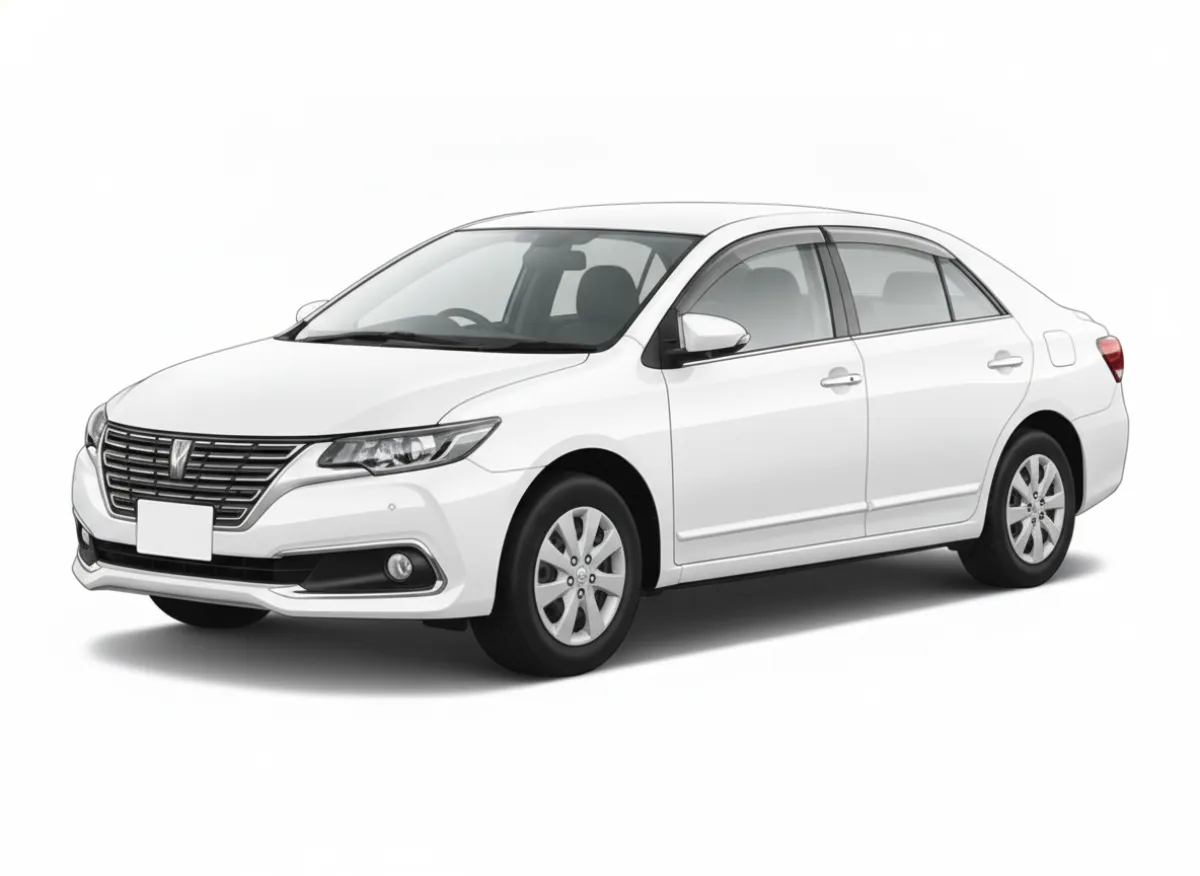 Premio2001–2021 · 2 gen.
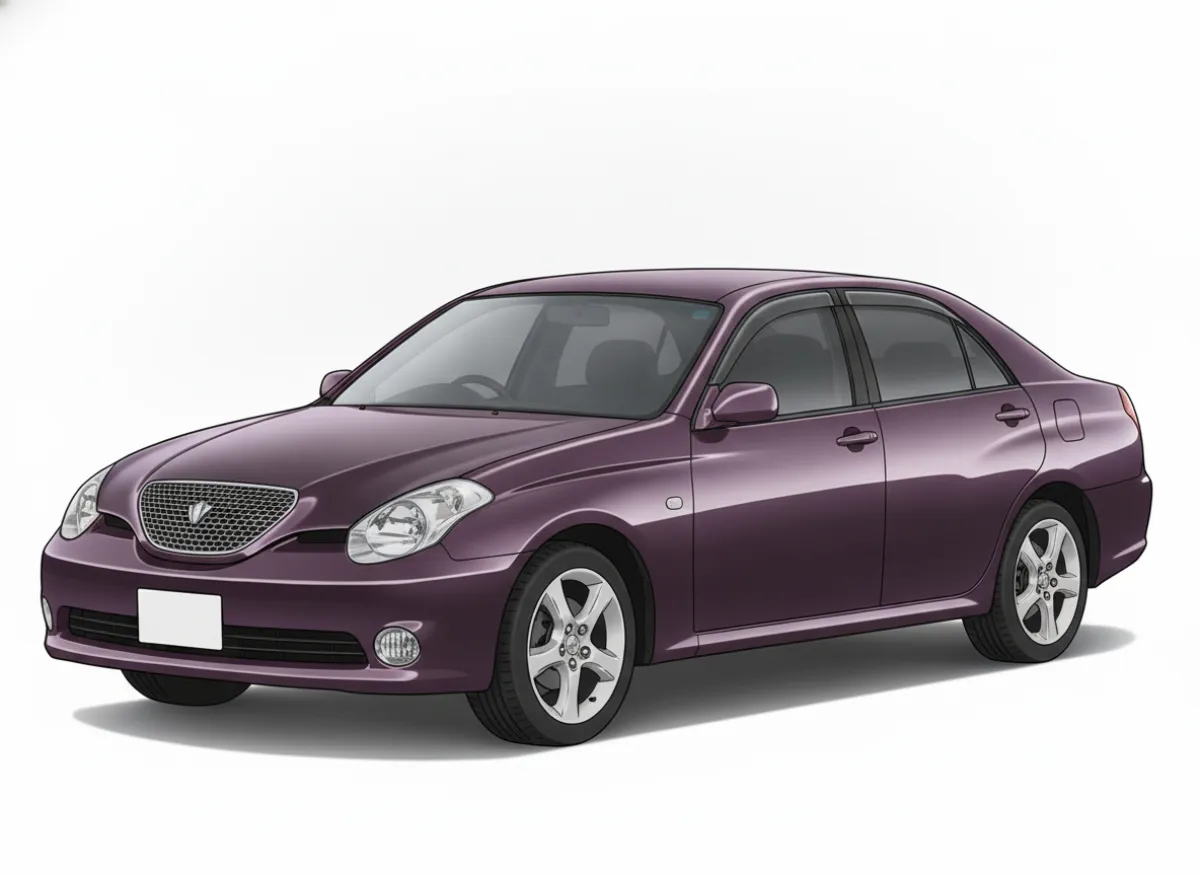 Verossa2001–2004
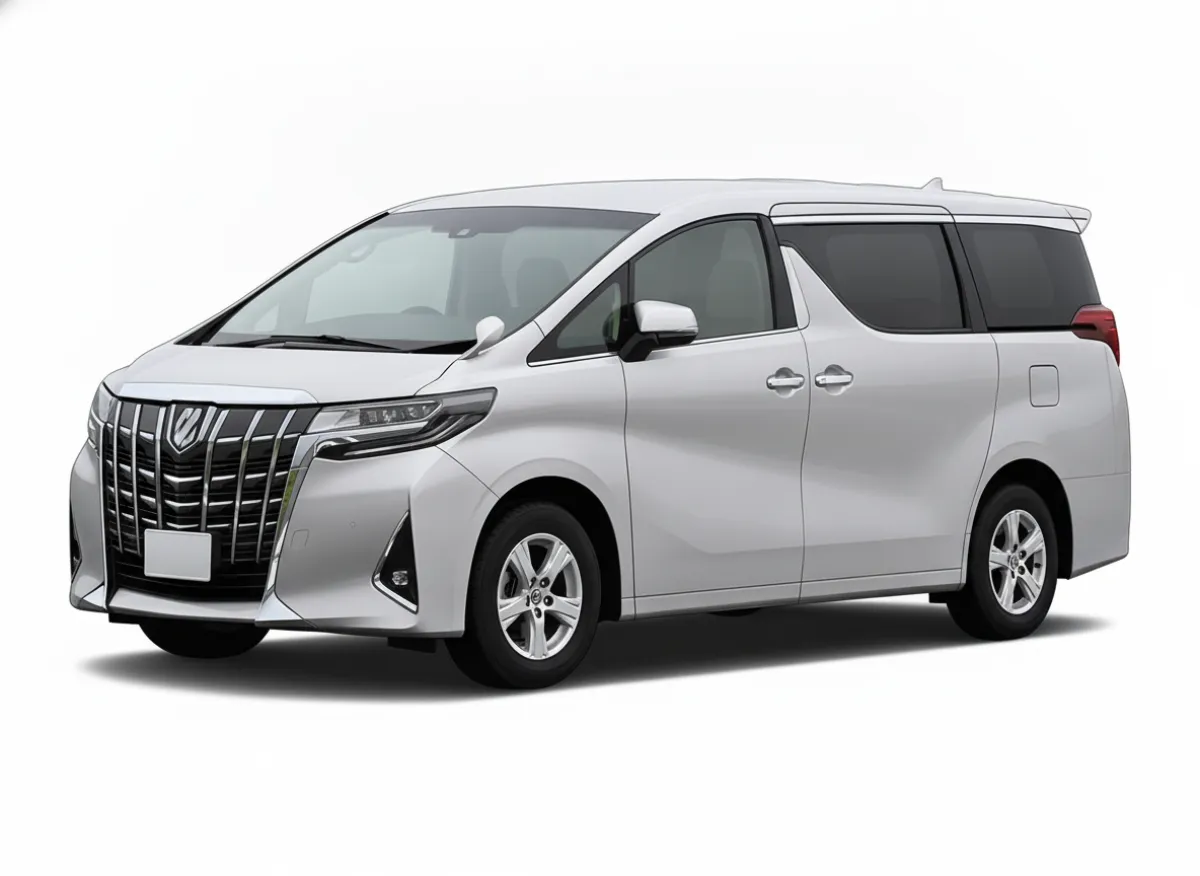 Alphard2002– · 4 gen.
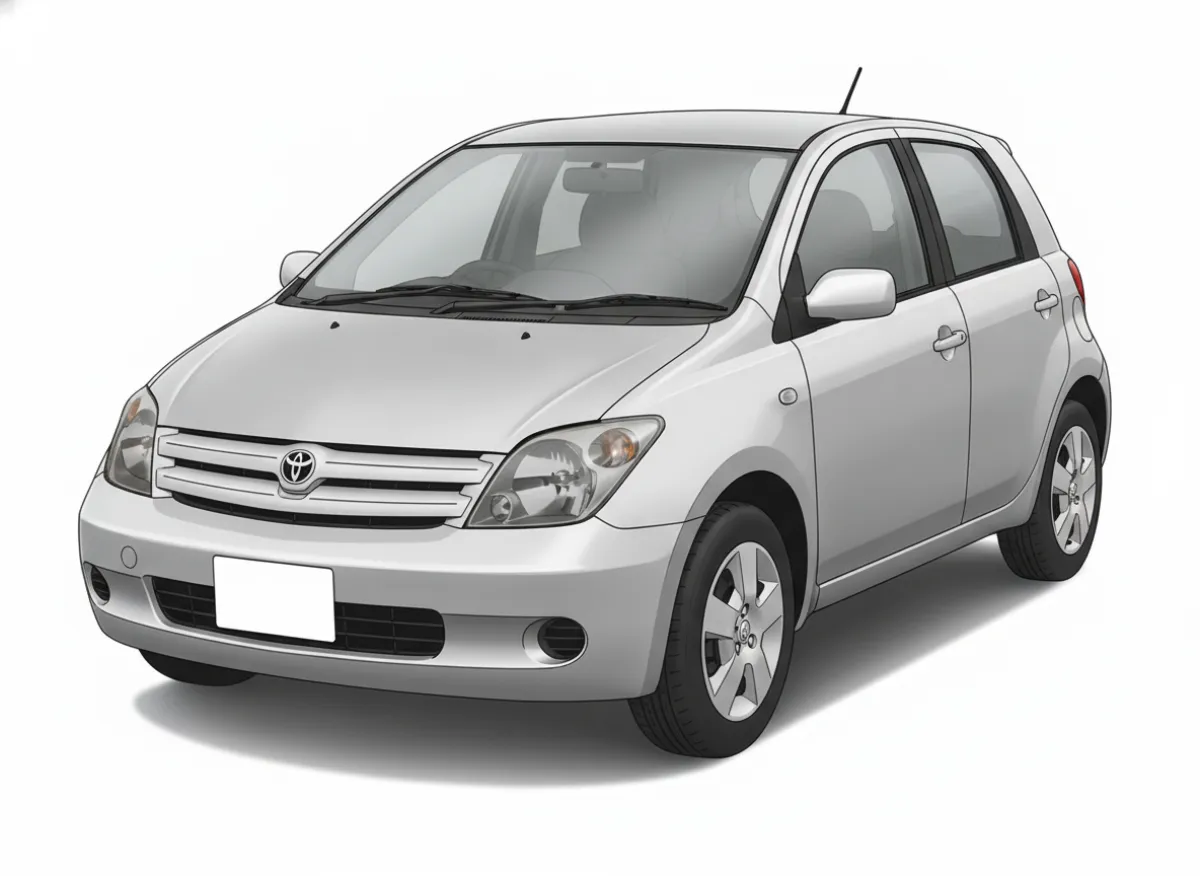 Ist2002–2016 · 2 gen.
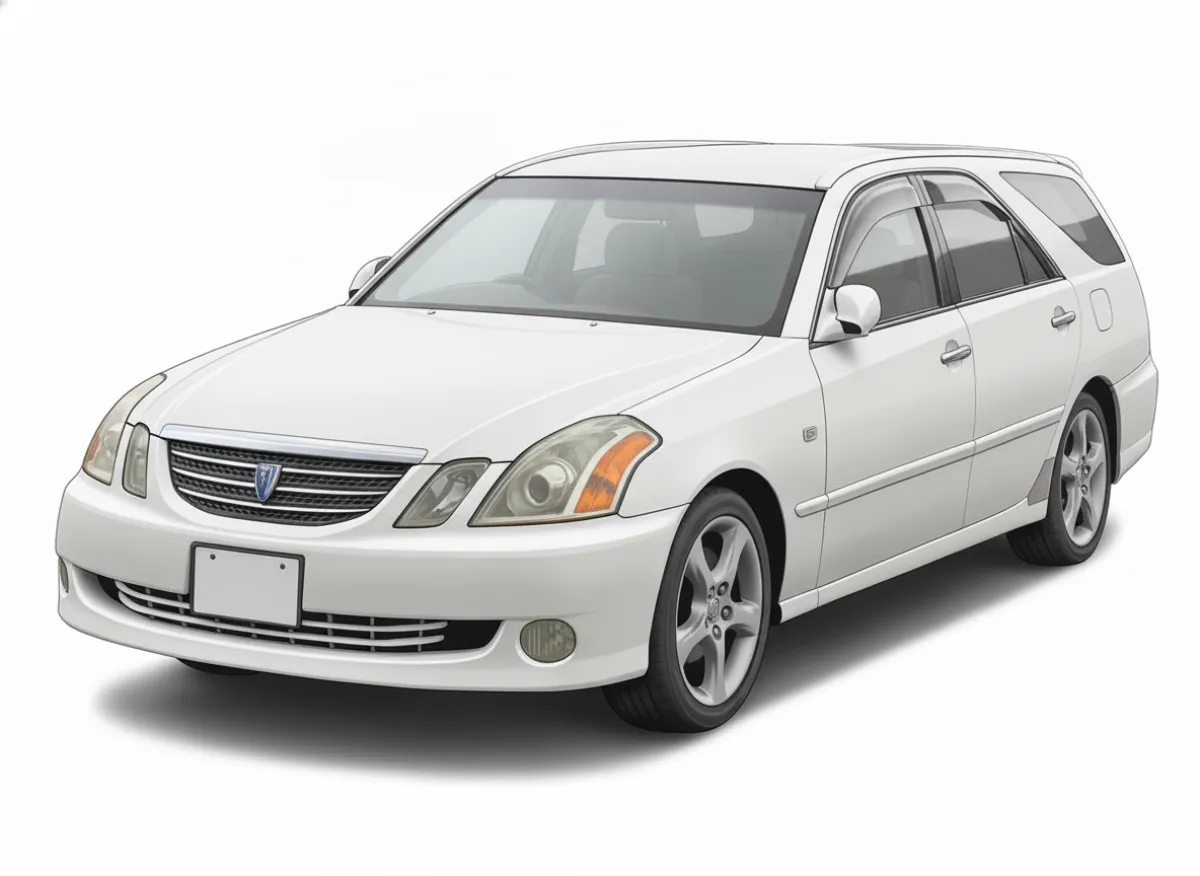 Mark II Blit2002–2007
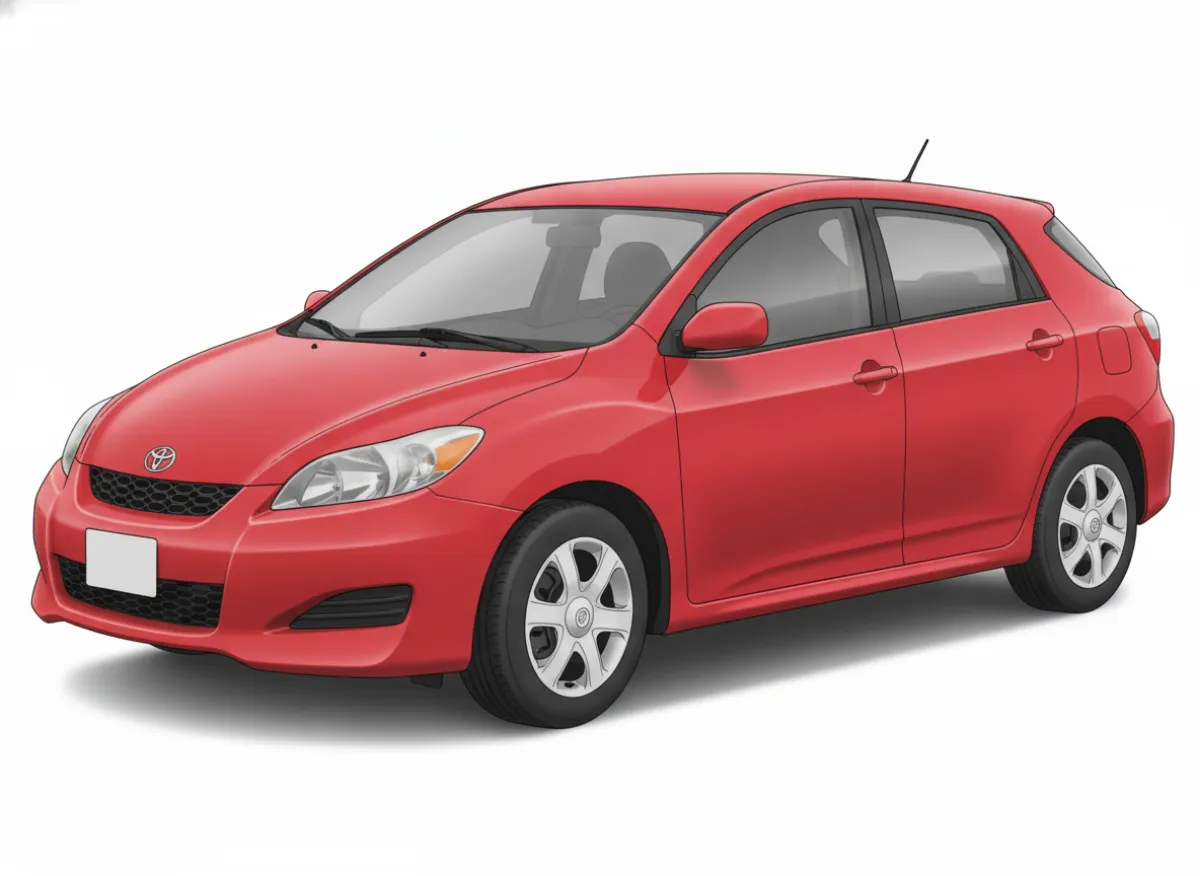 Matrix2002–2014 · 2 gen.
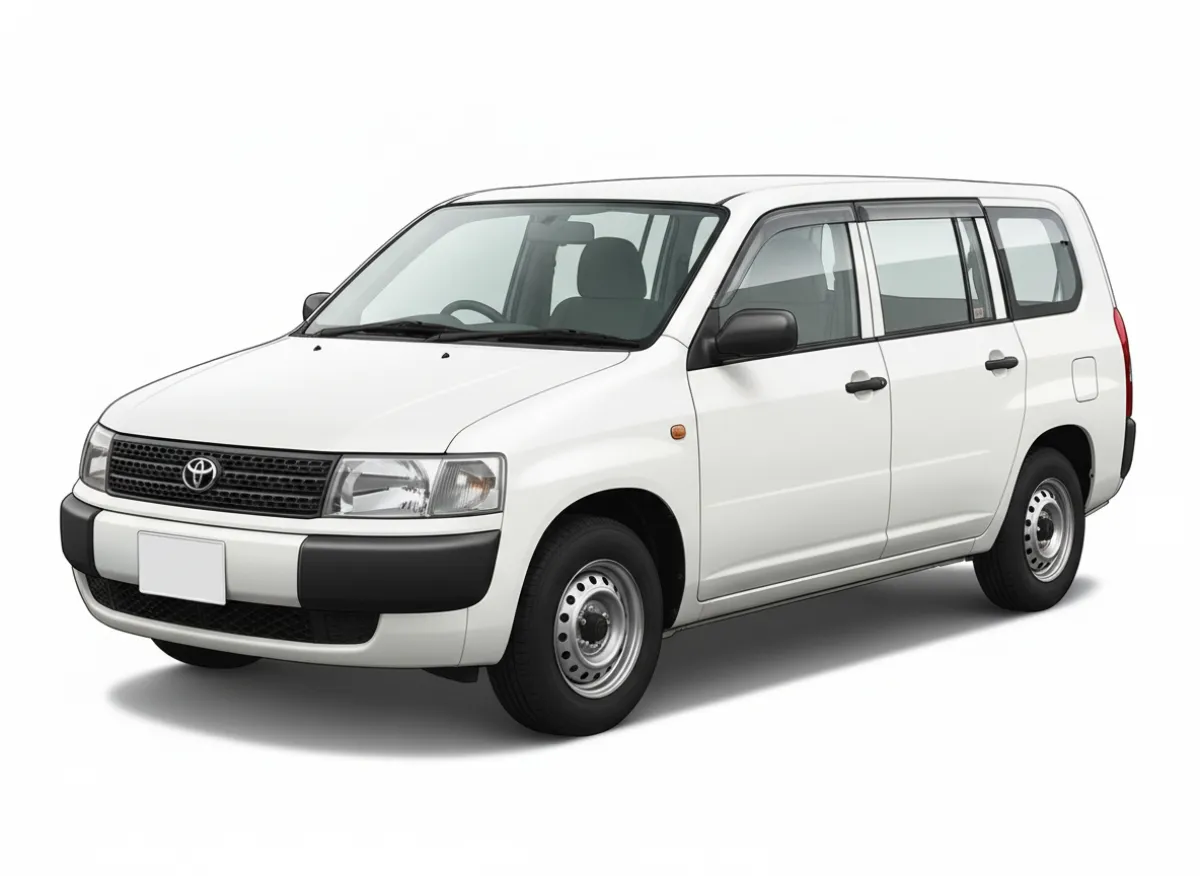 Probox2002– · 2 gen.
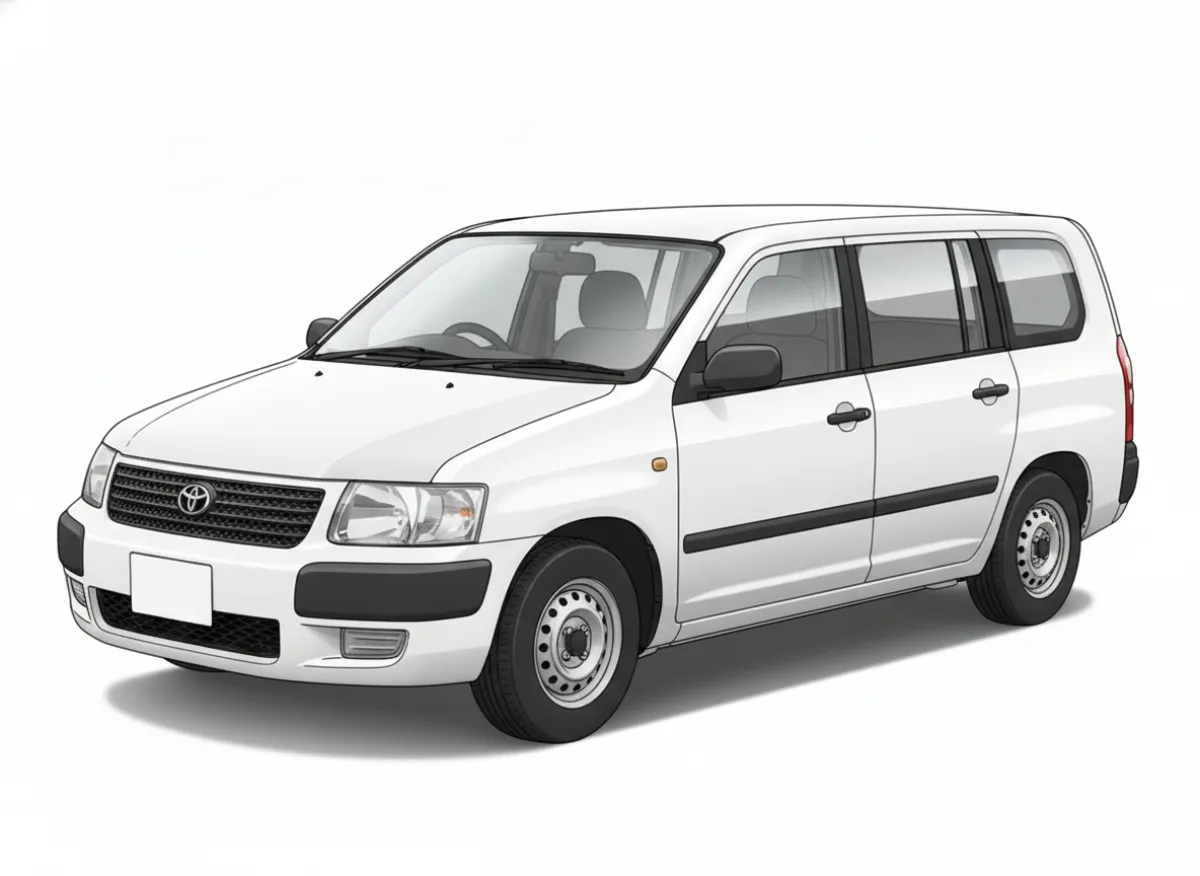 Succeed2002–2020
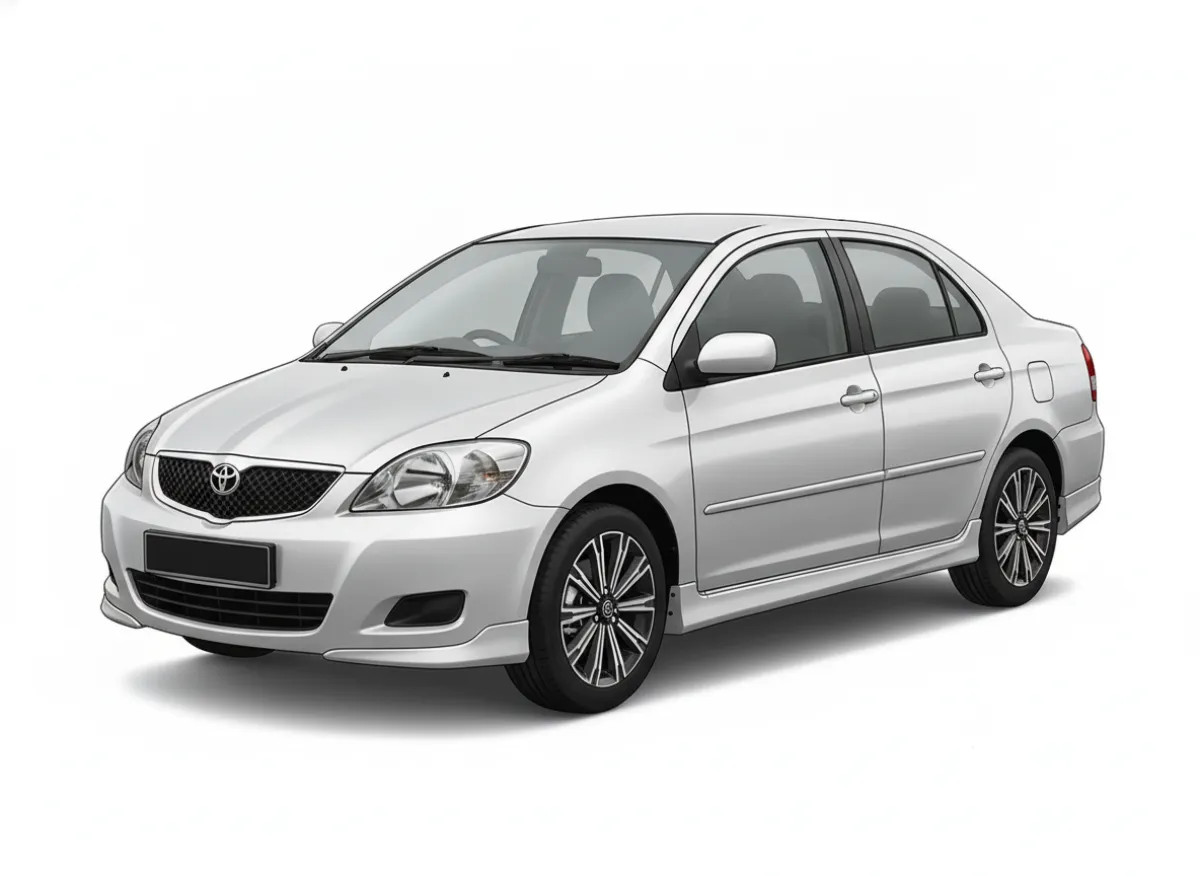 Vios2002– · 4 gen.
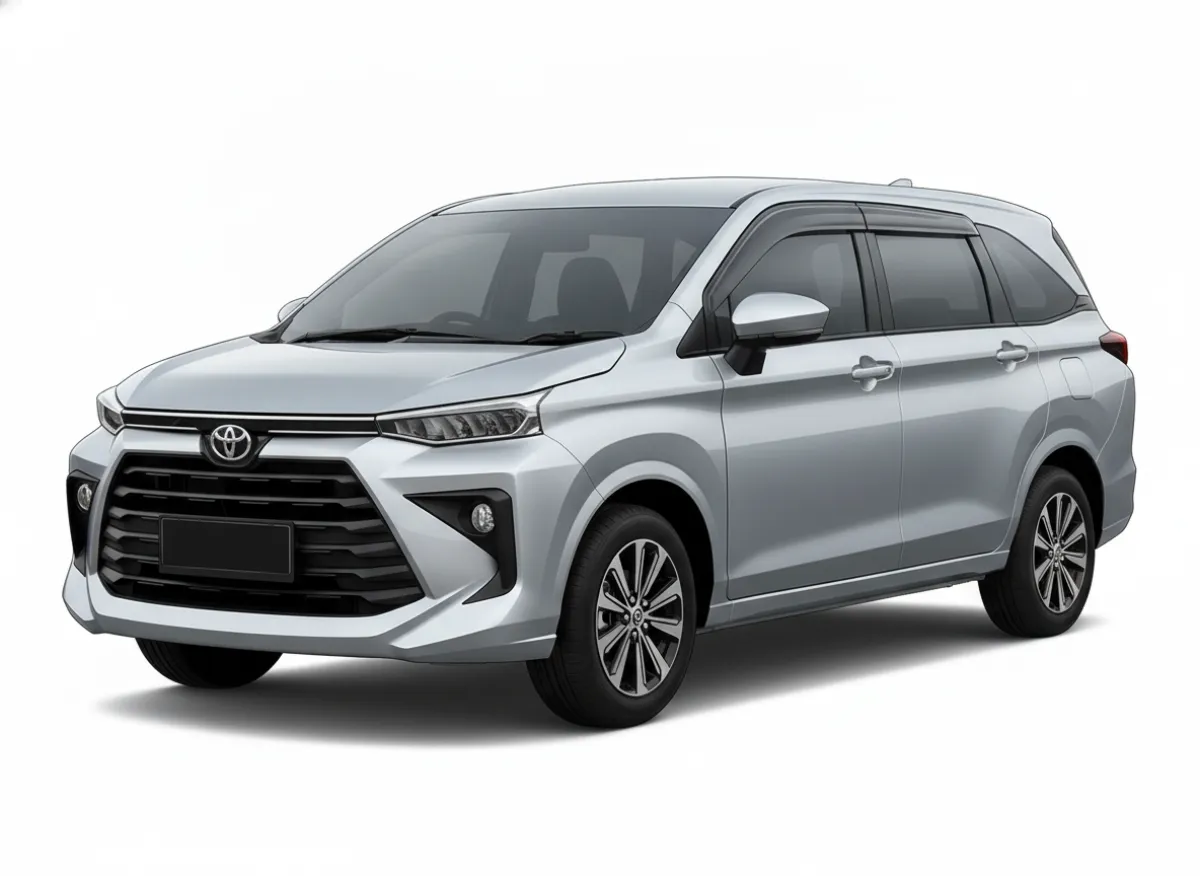 Avanza2003– · 3 gen.
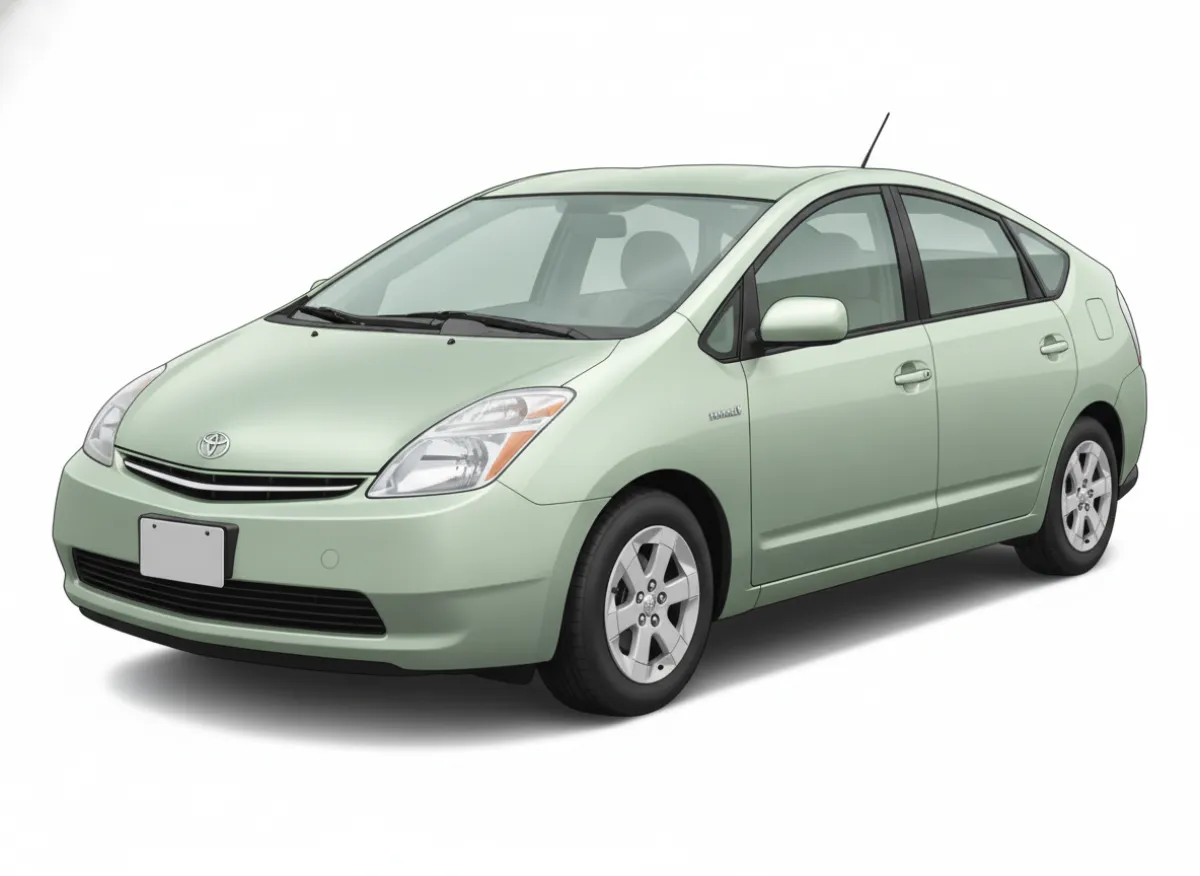 Prius (XW20)2003–2012
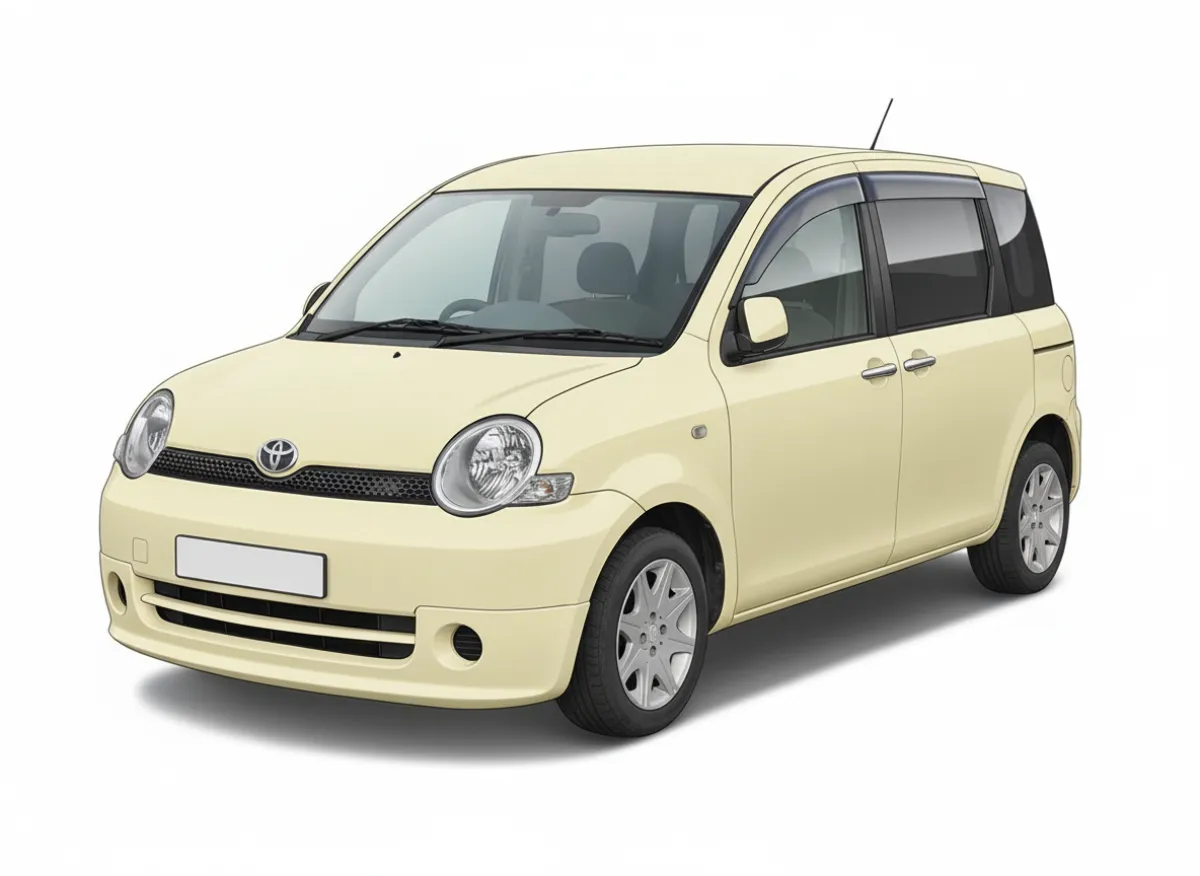 Sienta2003– · 3 gen.
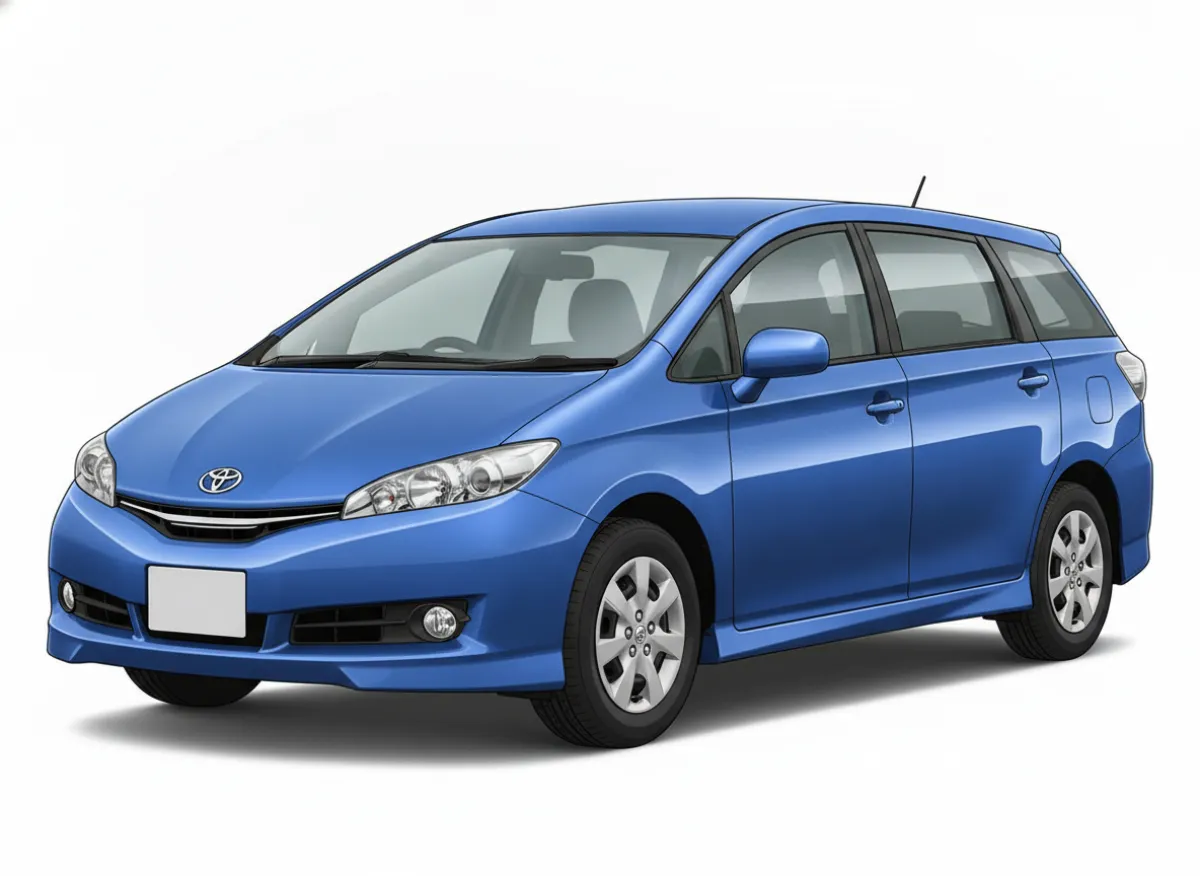 Wish2003–2017 · 2 gen.
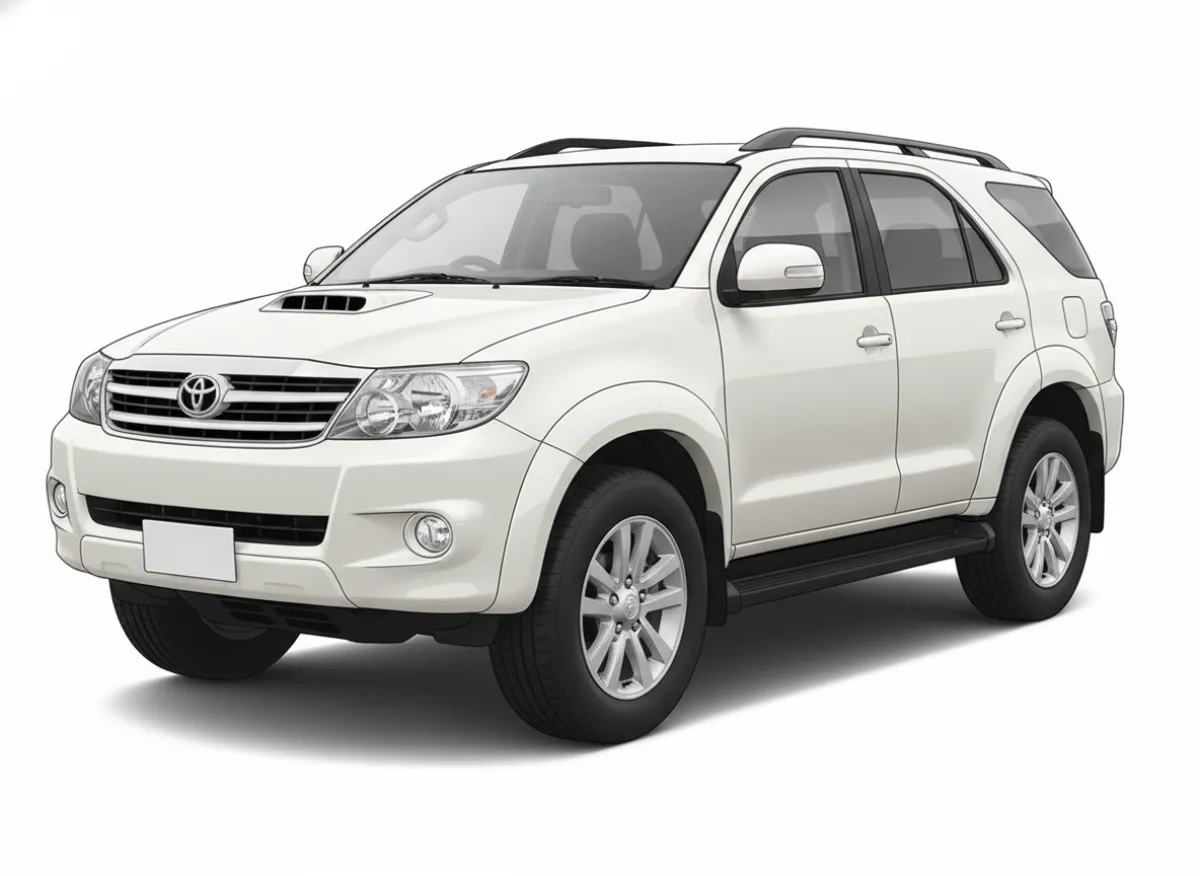 Fortuner2004– · 2 gen.
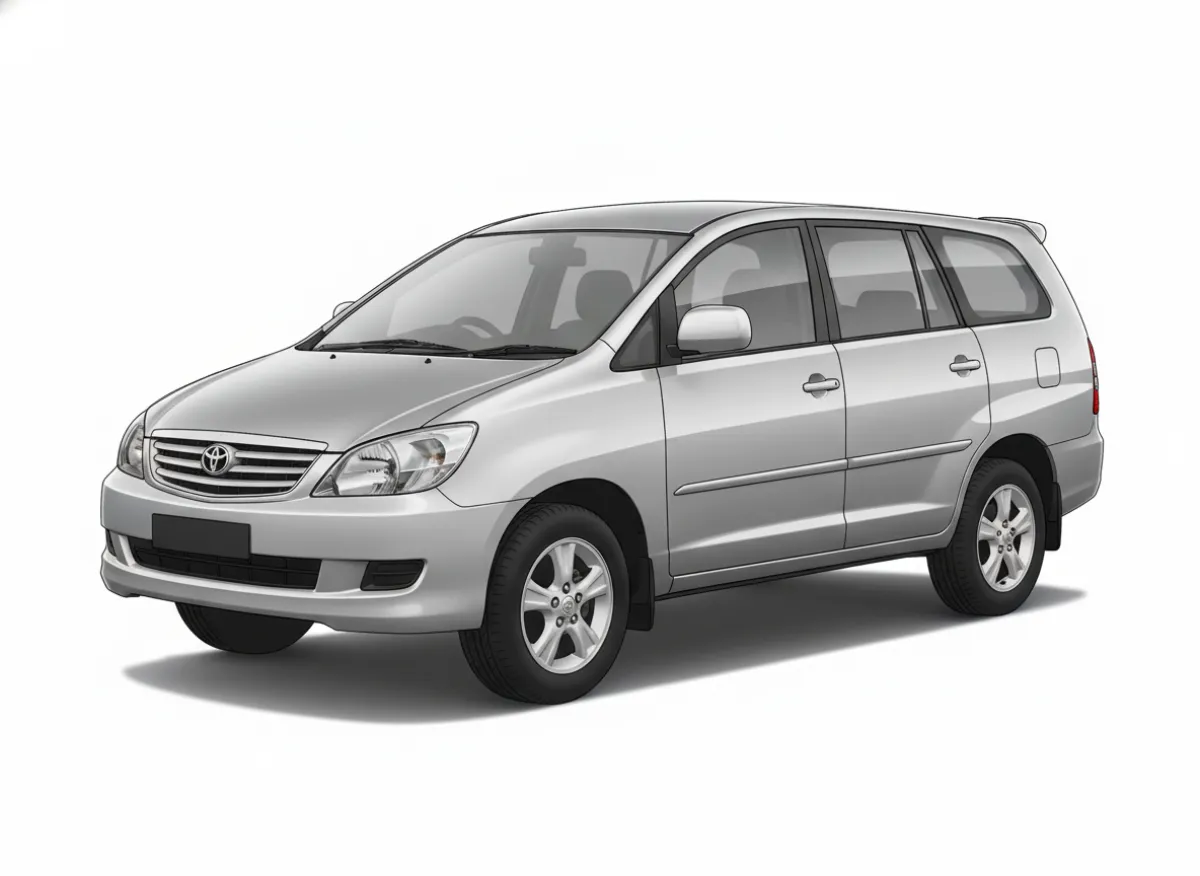 Innova2004– · 3 gen.
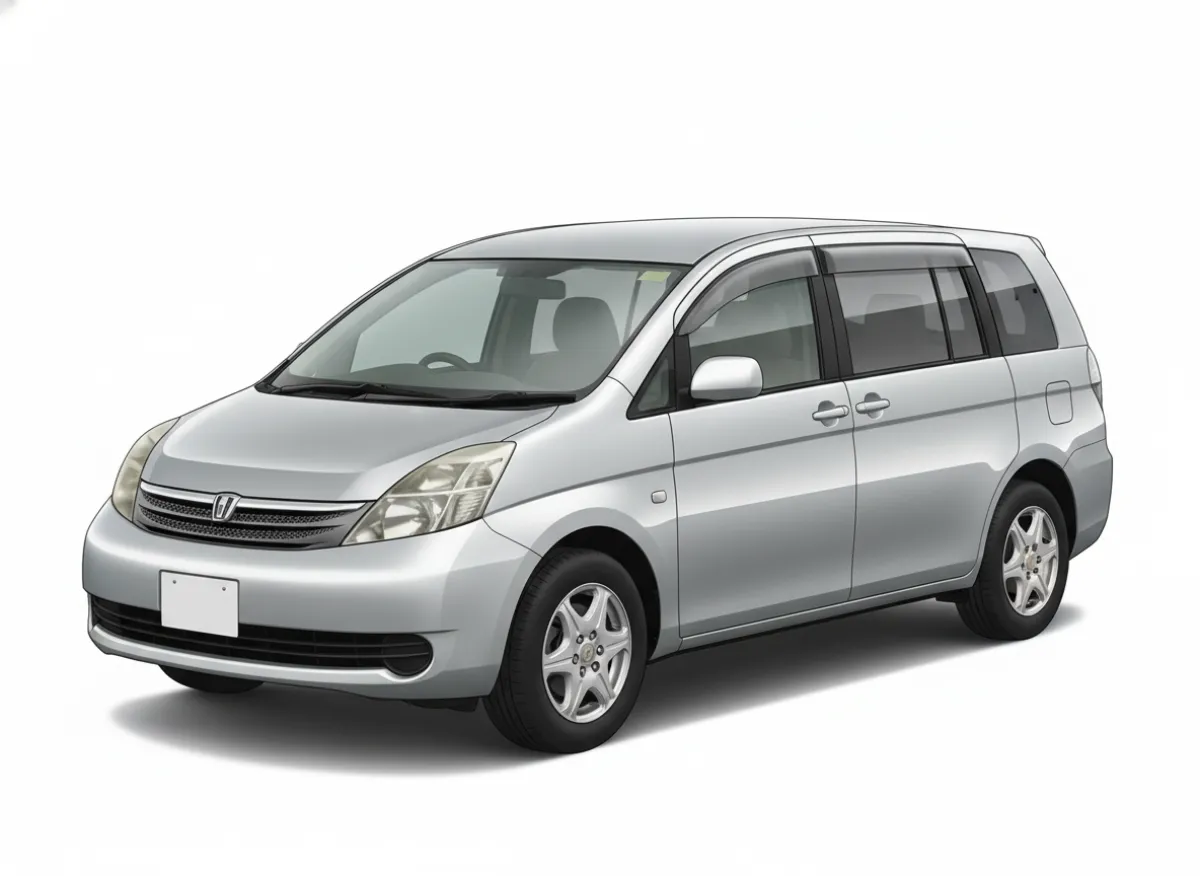 Isis2004–2017
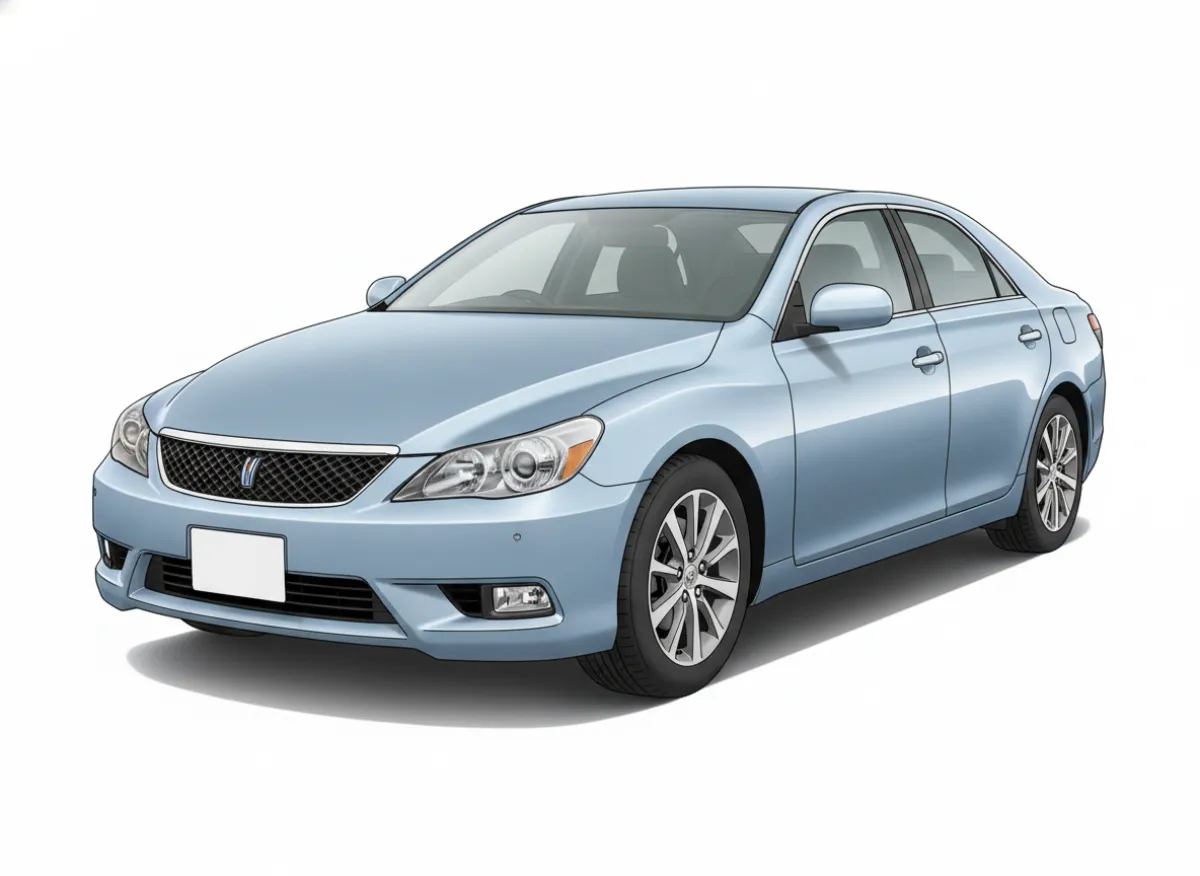 Mark X2004–2019 · 2 gen.
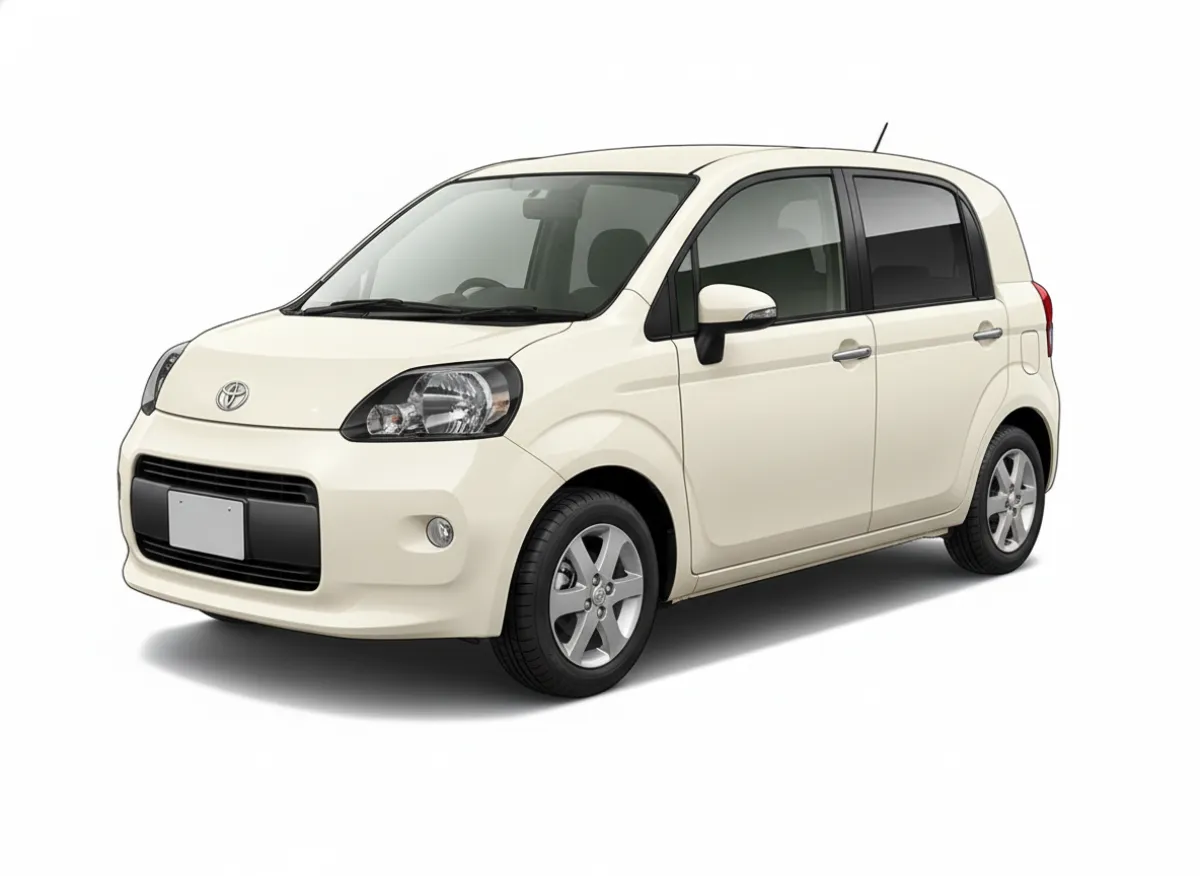 Porte2004–2020 · 2 gen.
 Sportivo Coupe2004
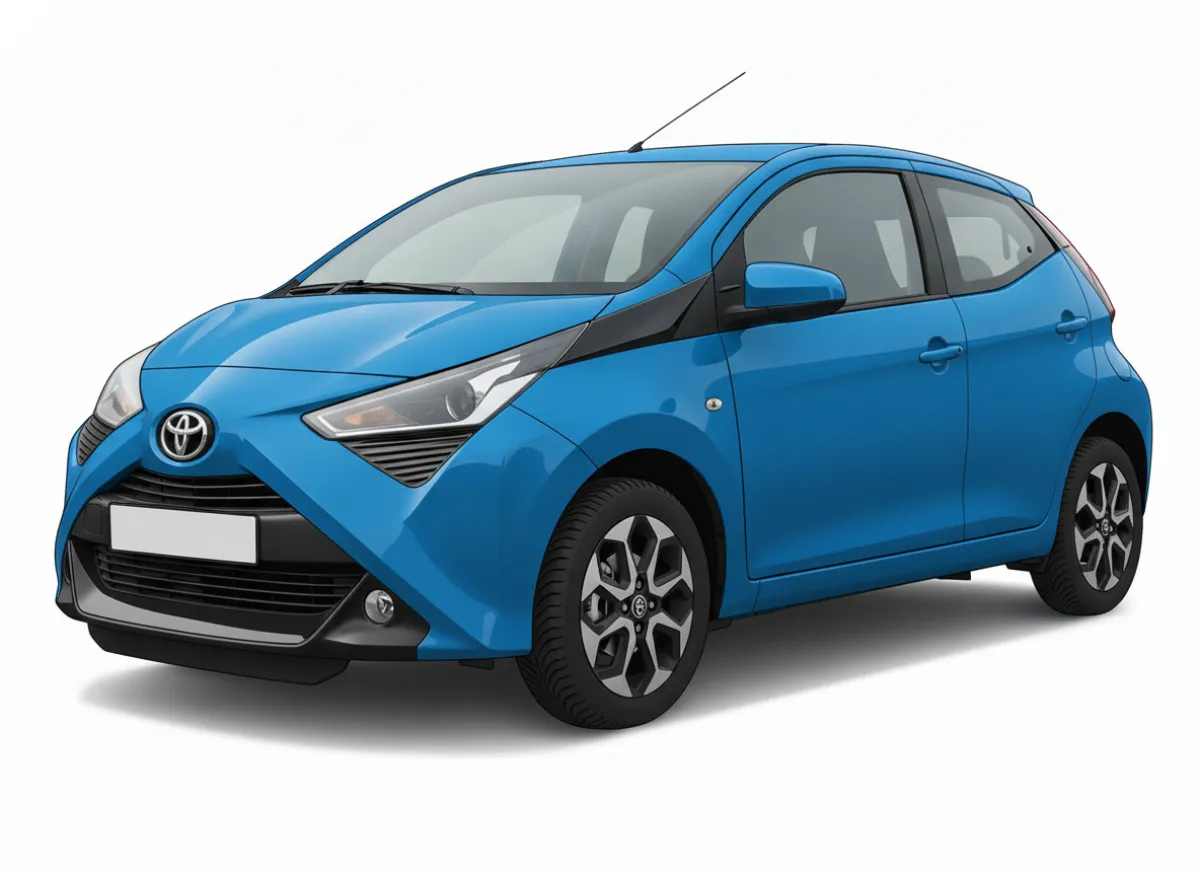 Aygo2005– · 2 gen.
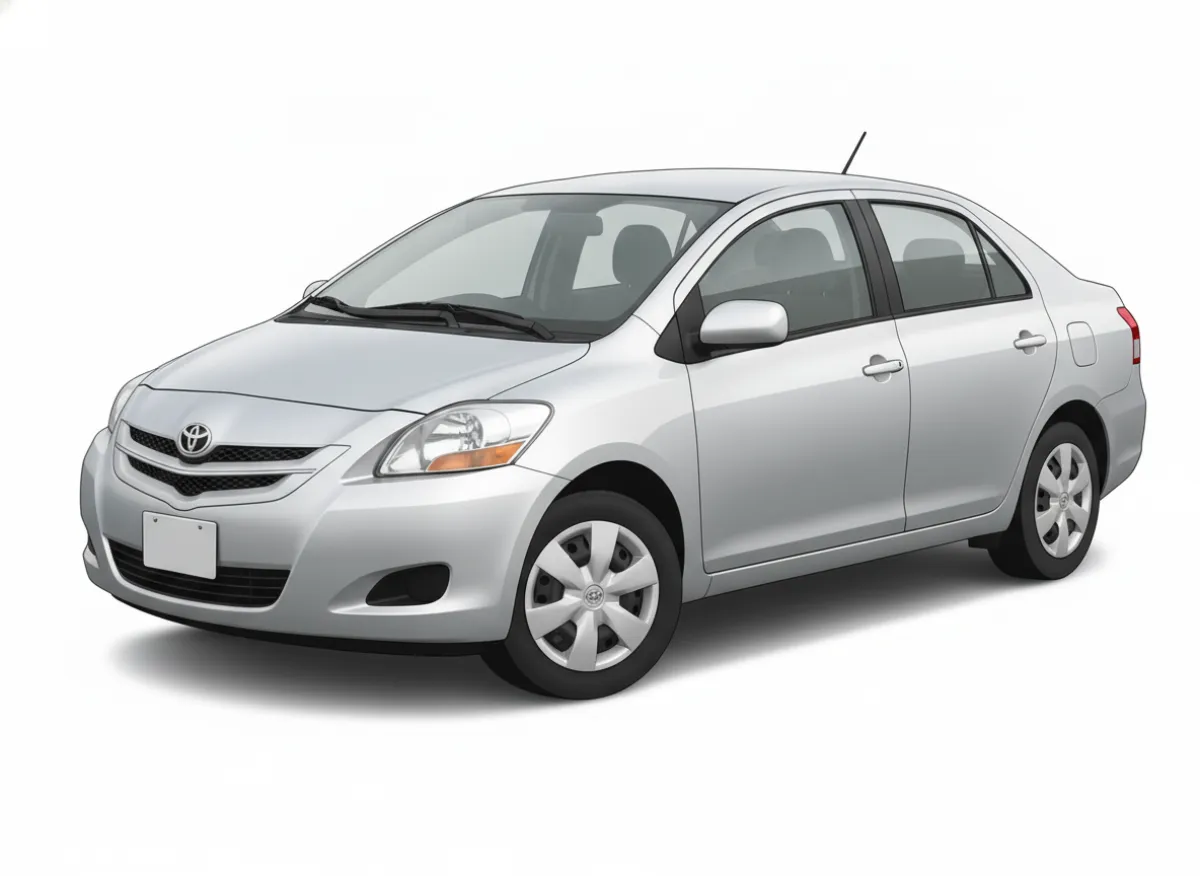 Belta2005–2016
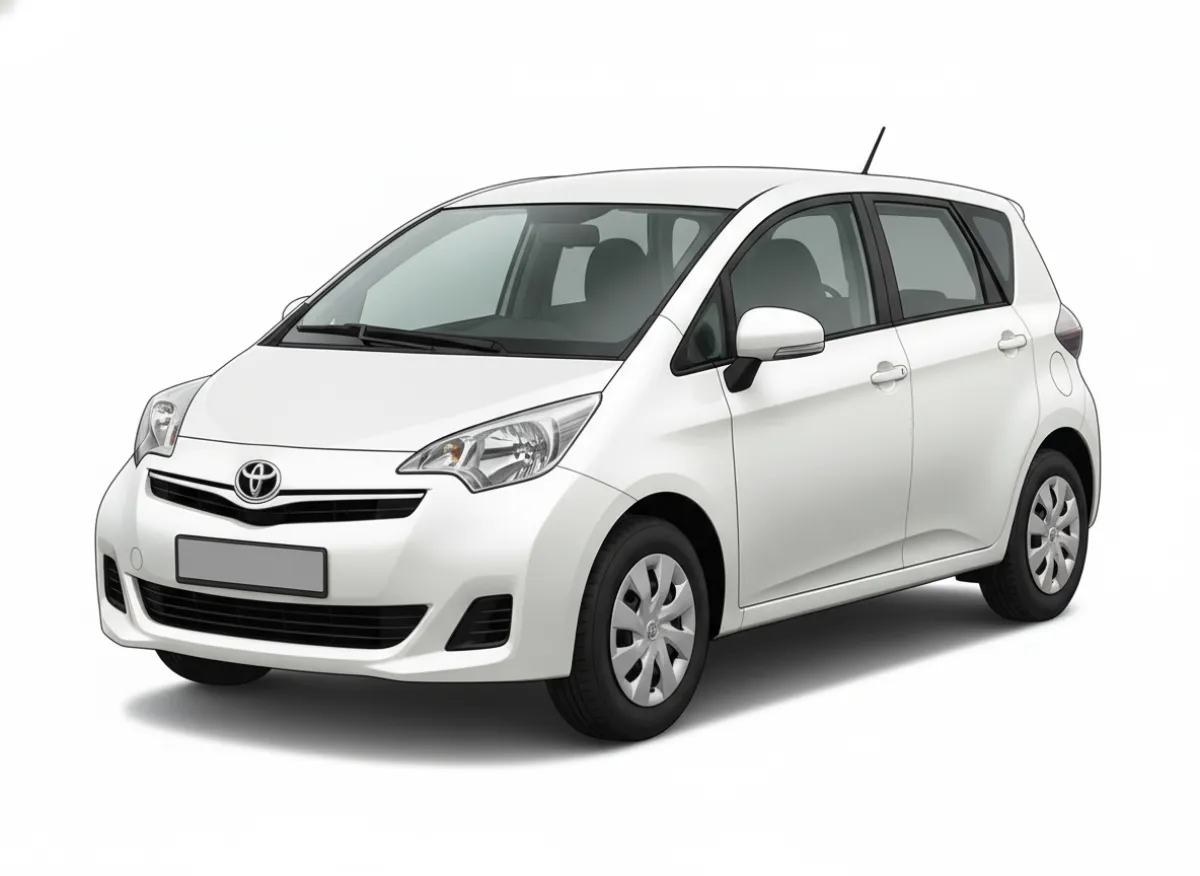 Ractis2005–2017 · 2 gen.
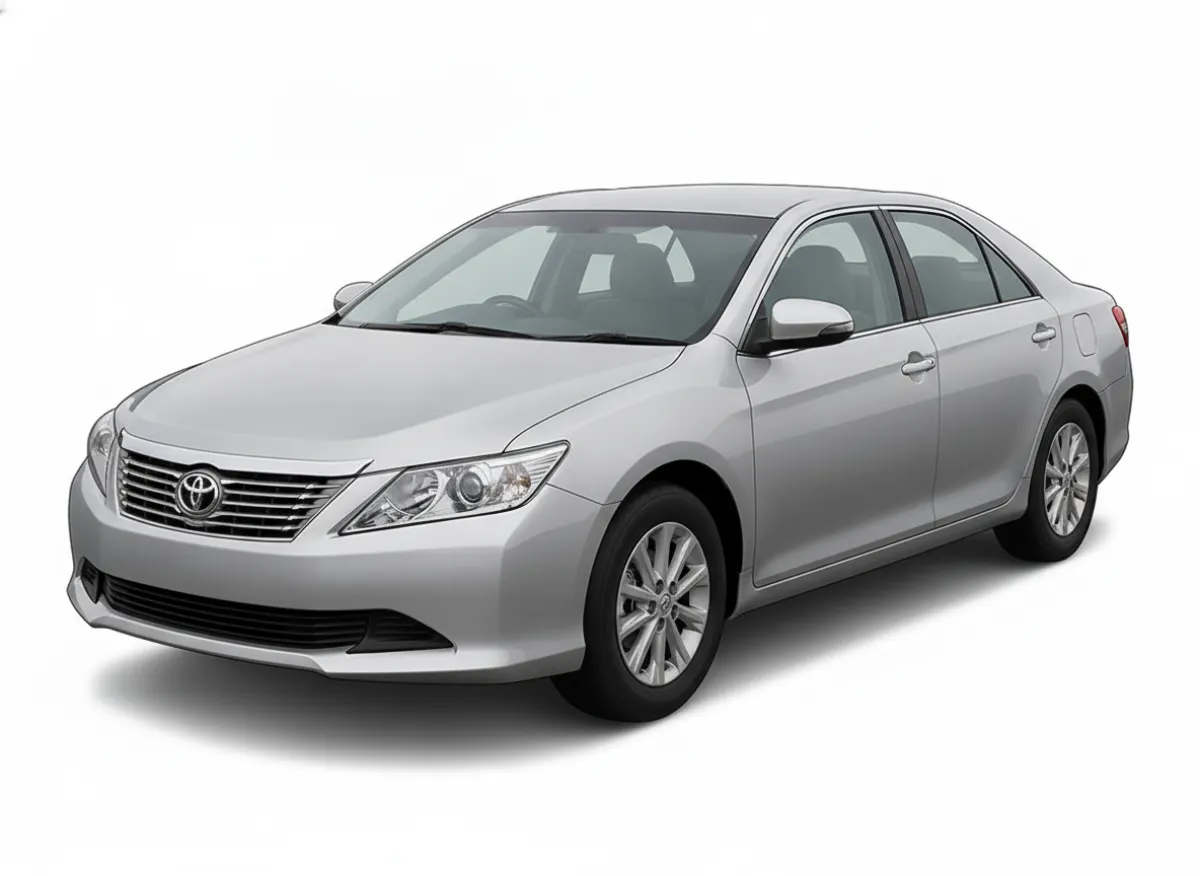 Aurion2006–2017
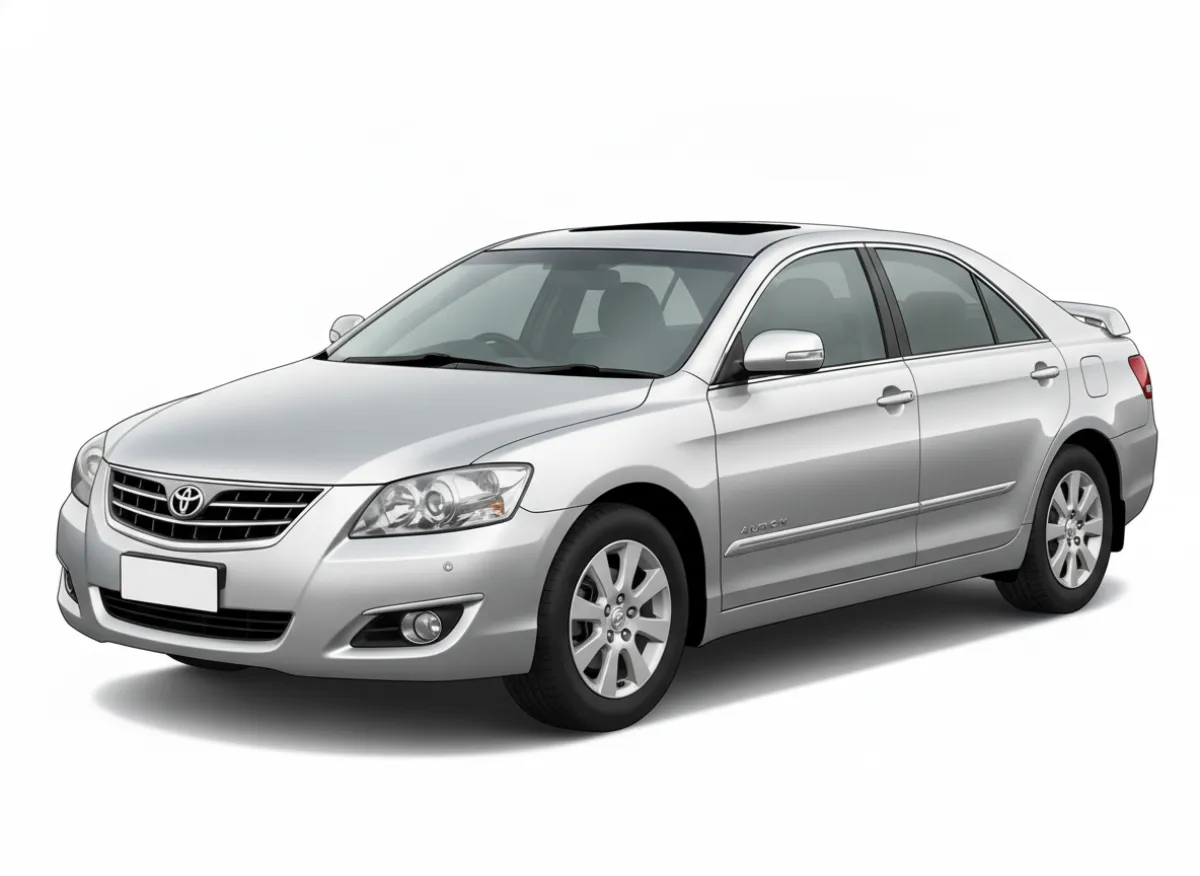 Aurion (XV40)2006–2012
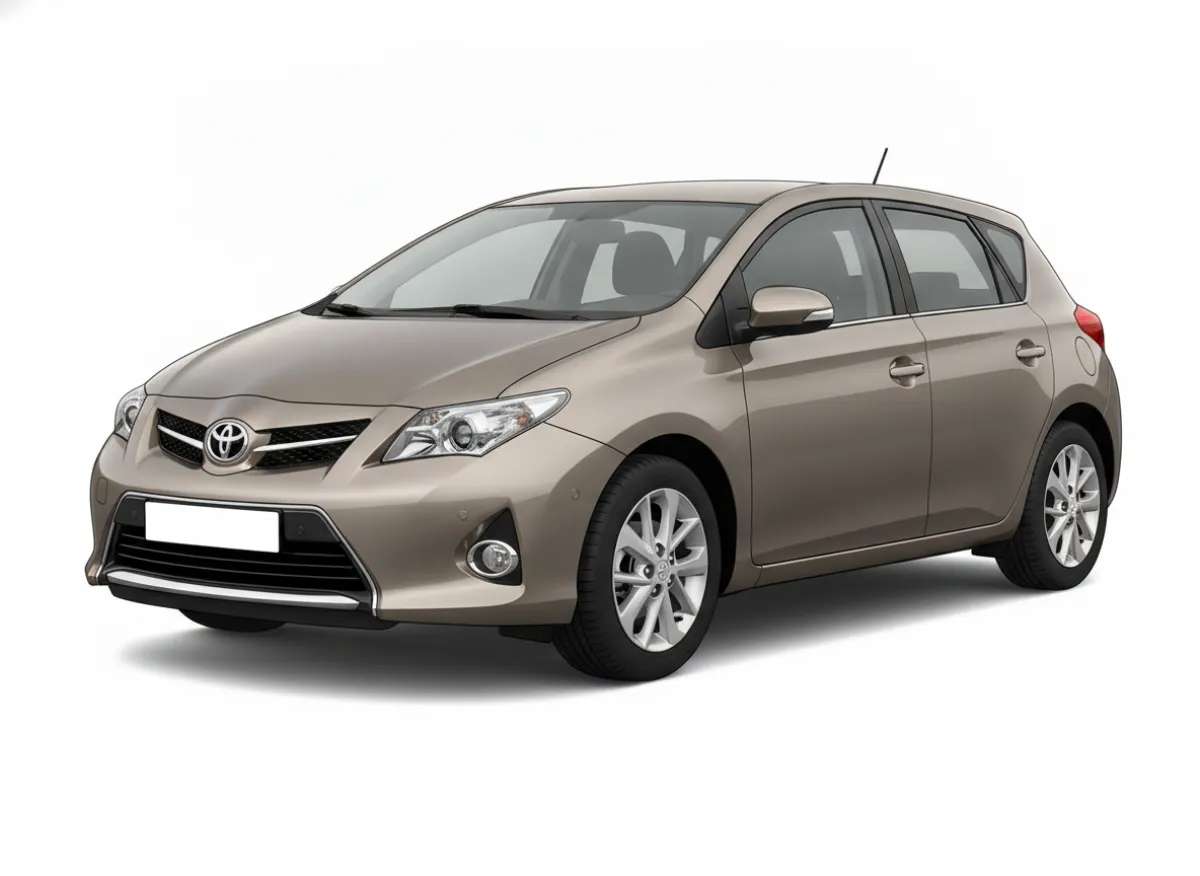 Auris2006–2020 · 2 gen.
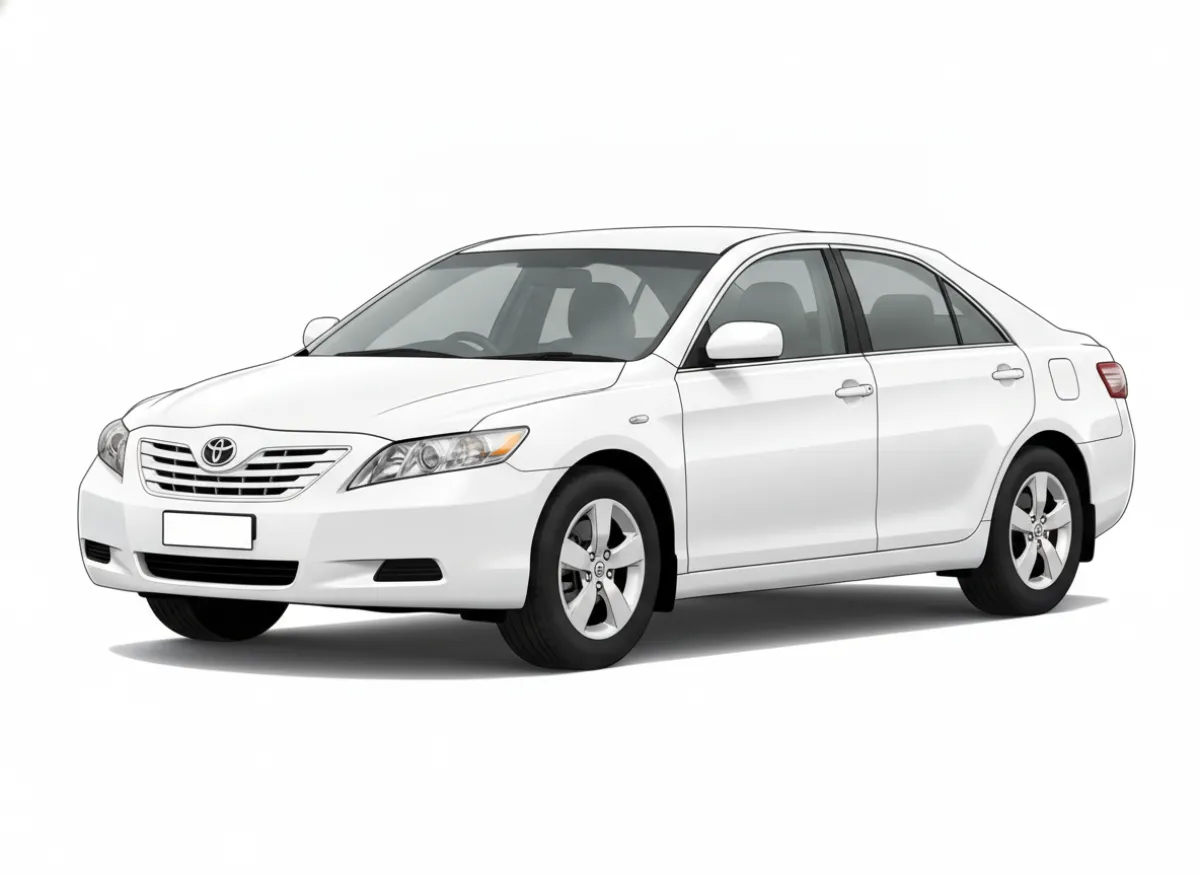 Camry (XV40)2006–2011
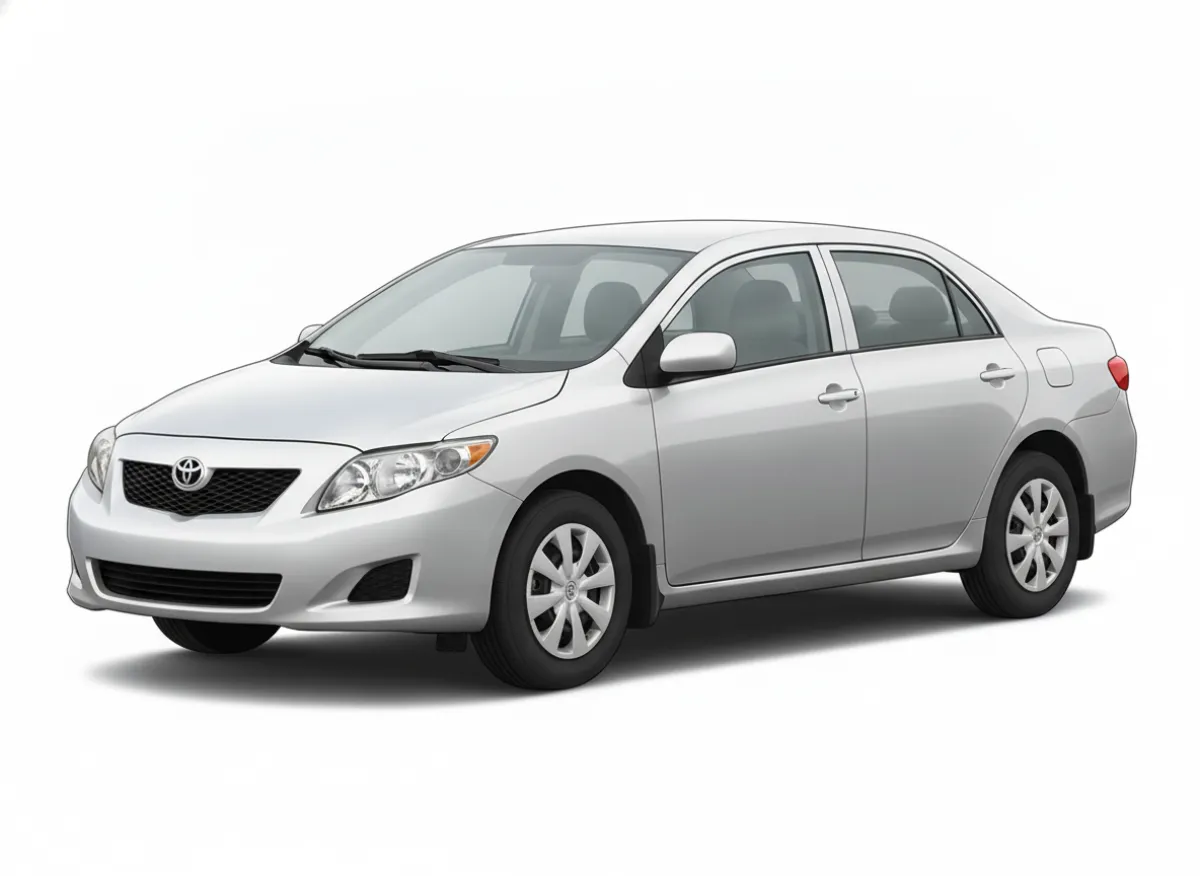 Corolla (E140)2006–2020
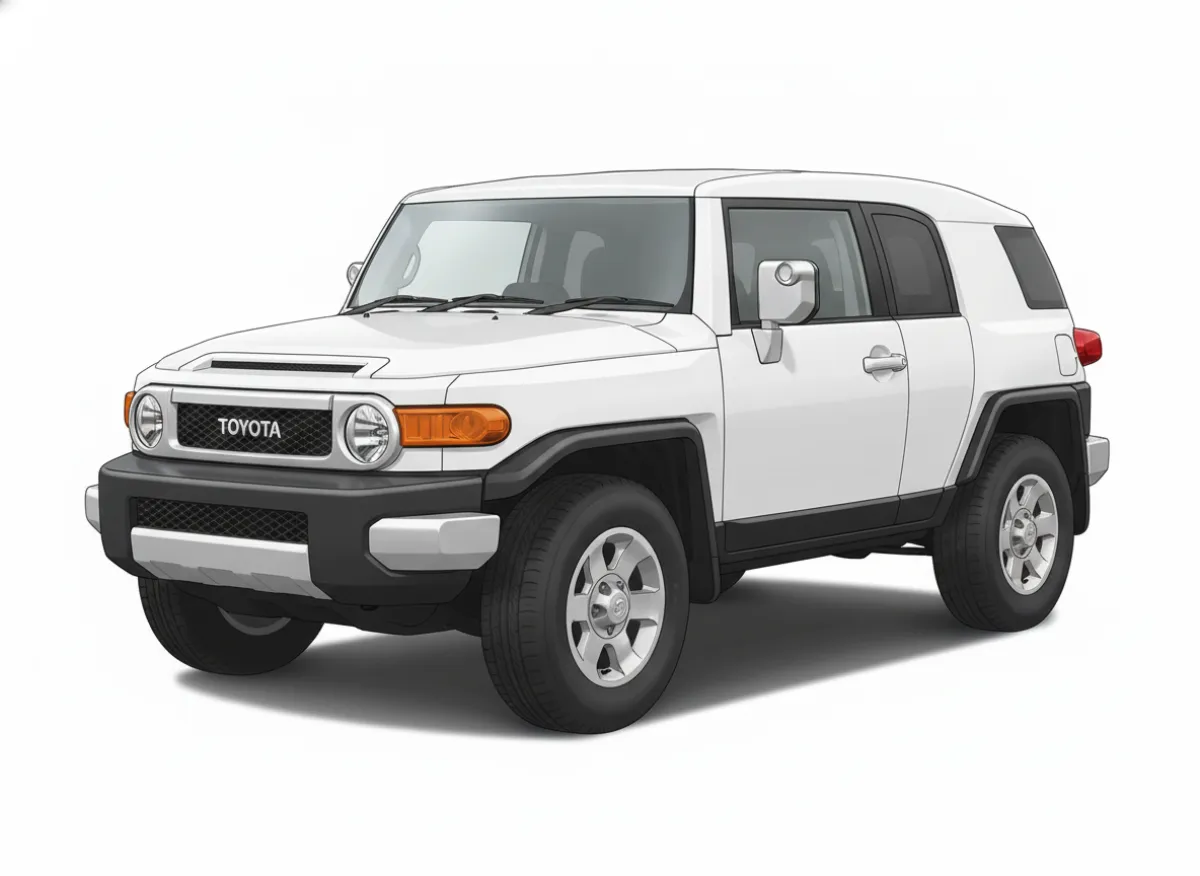 FJ Cruiser2006–2022
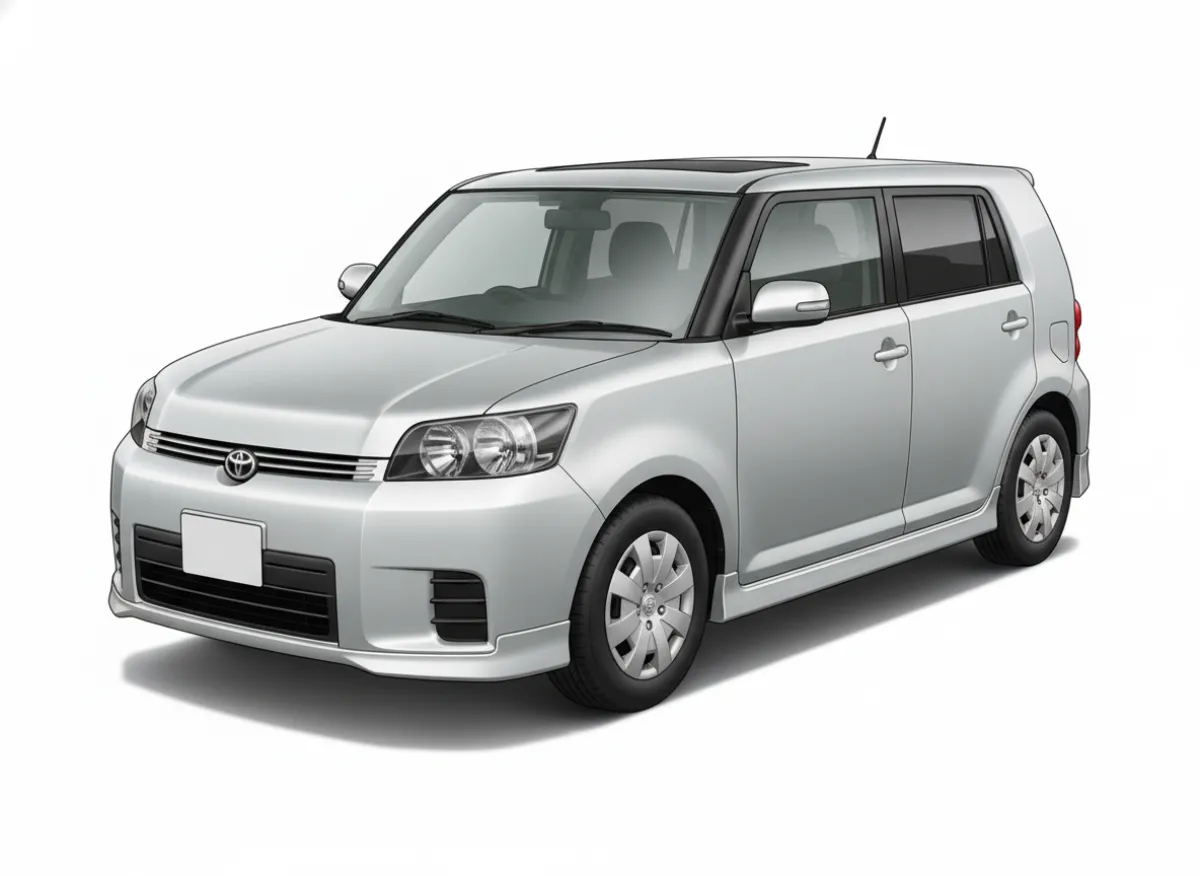 Corolla Rumion2007–2015
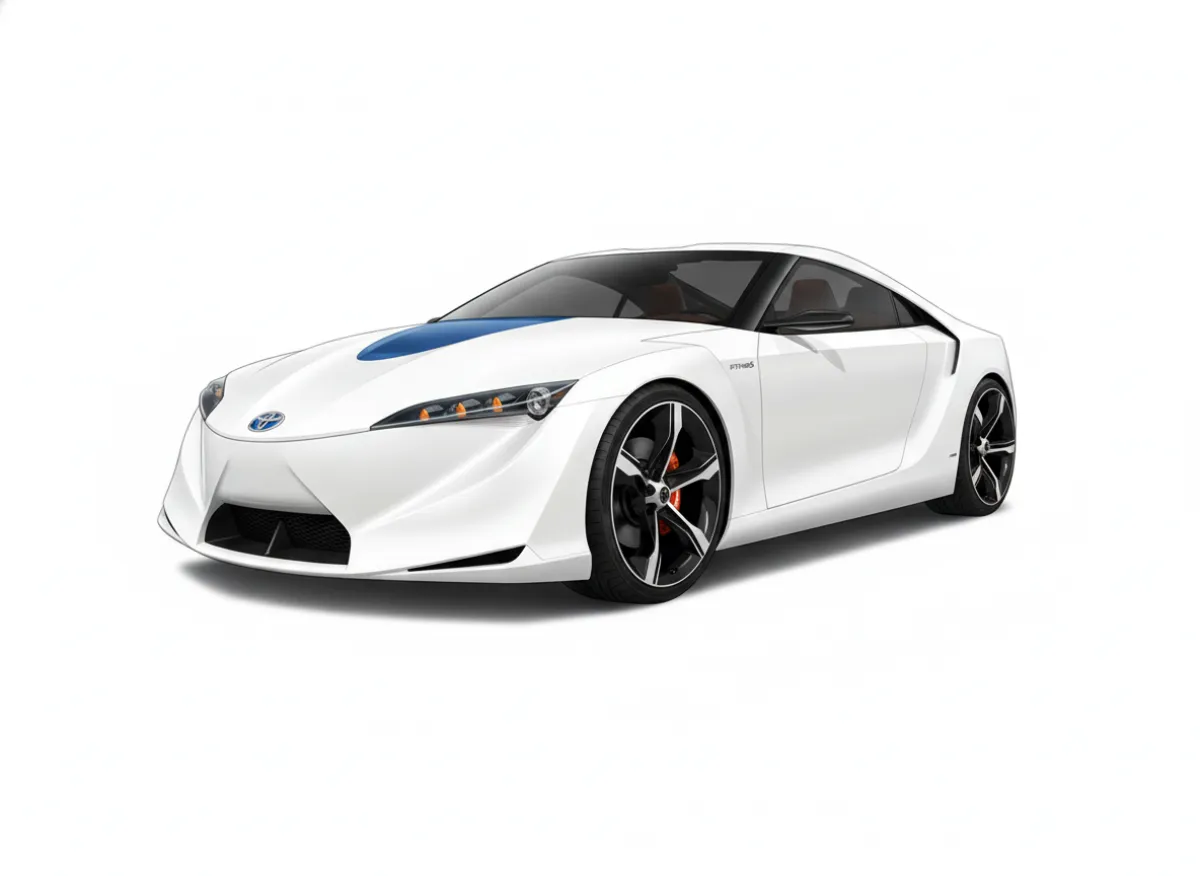 FT-HS2007
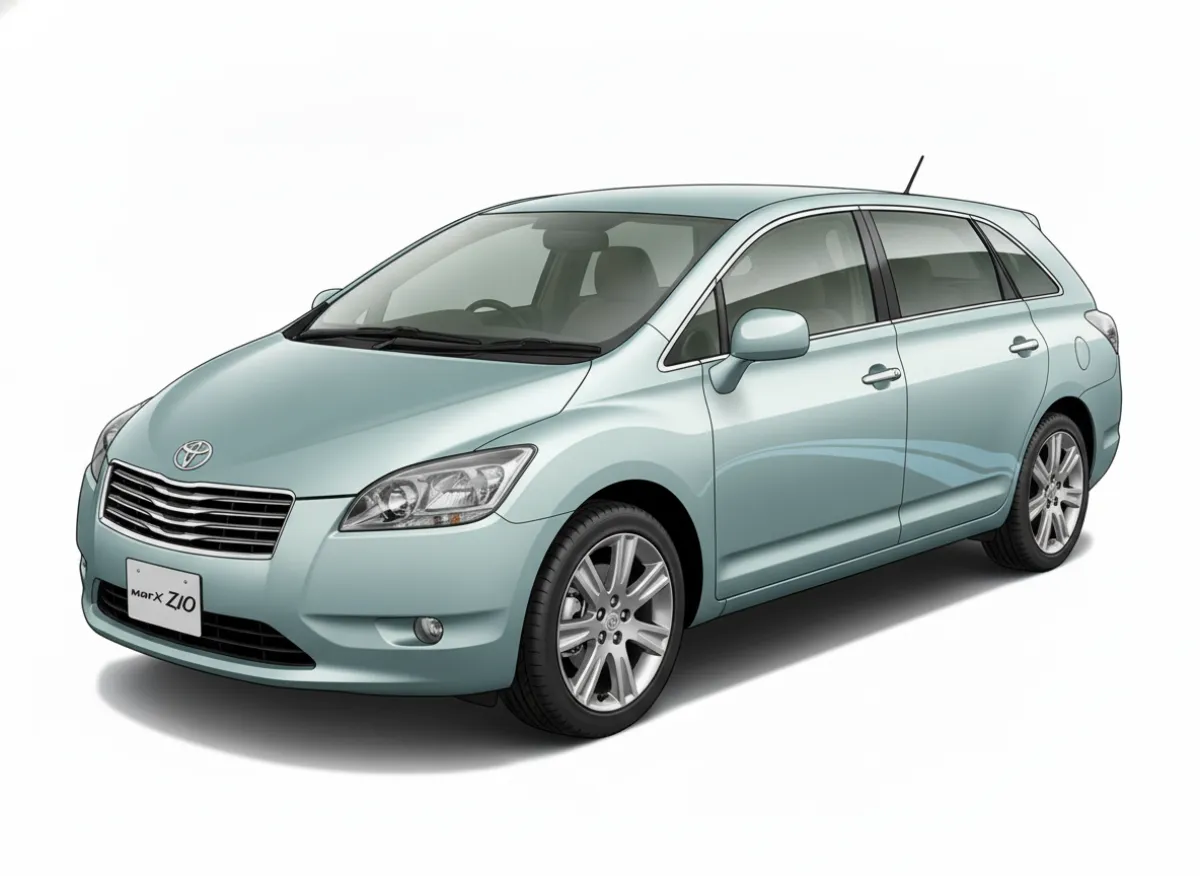 Mark X ZiO2007–2013
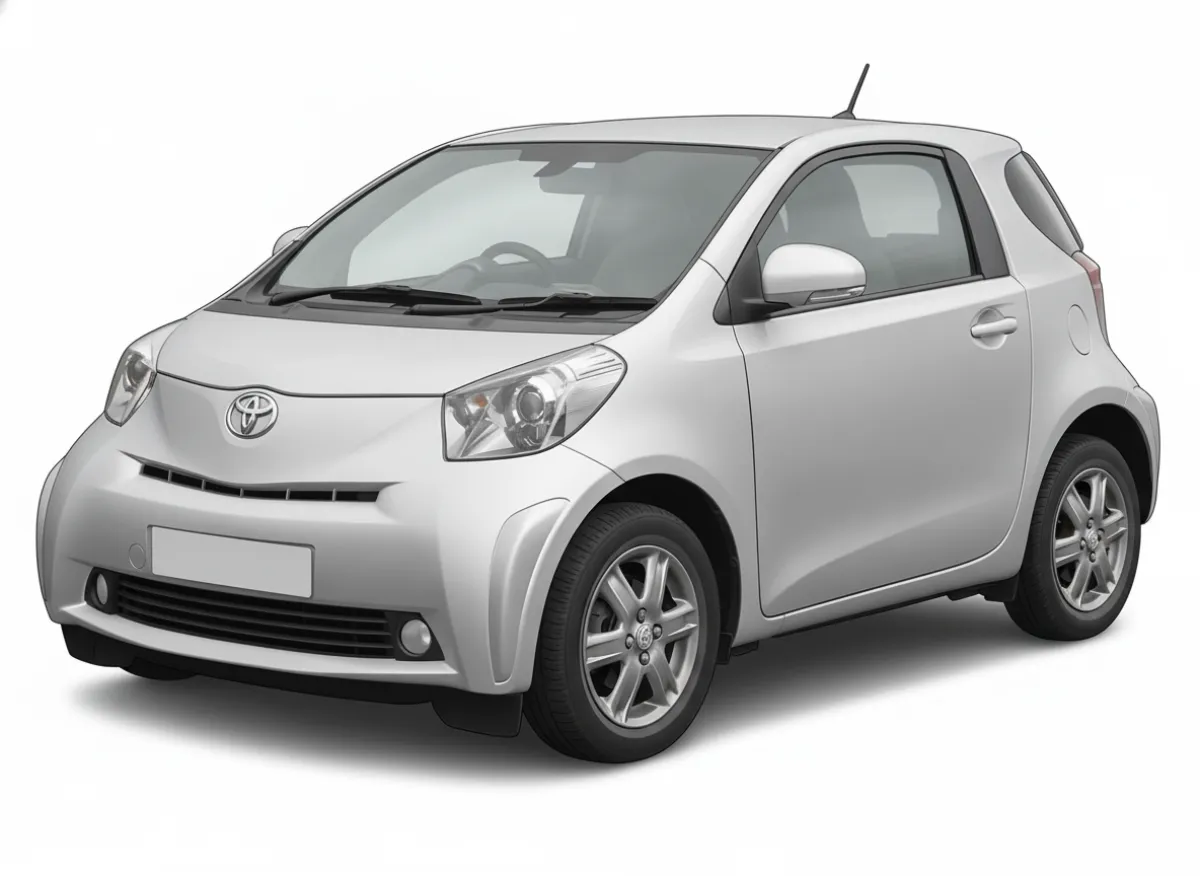 iQ2008–2015 · 3 gen.
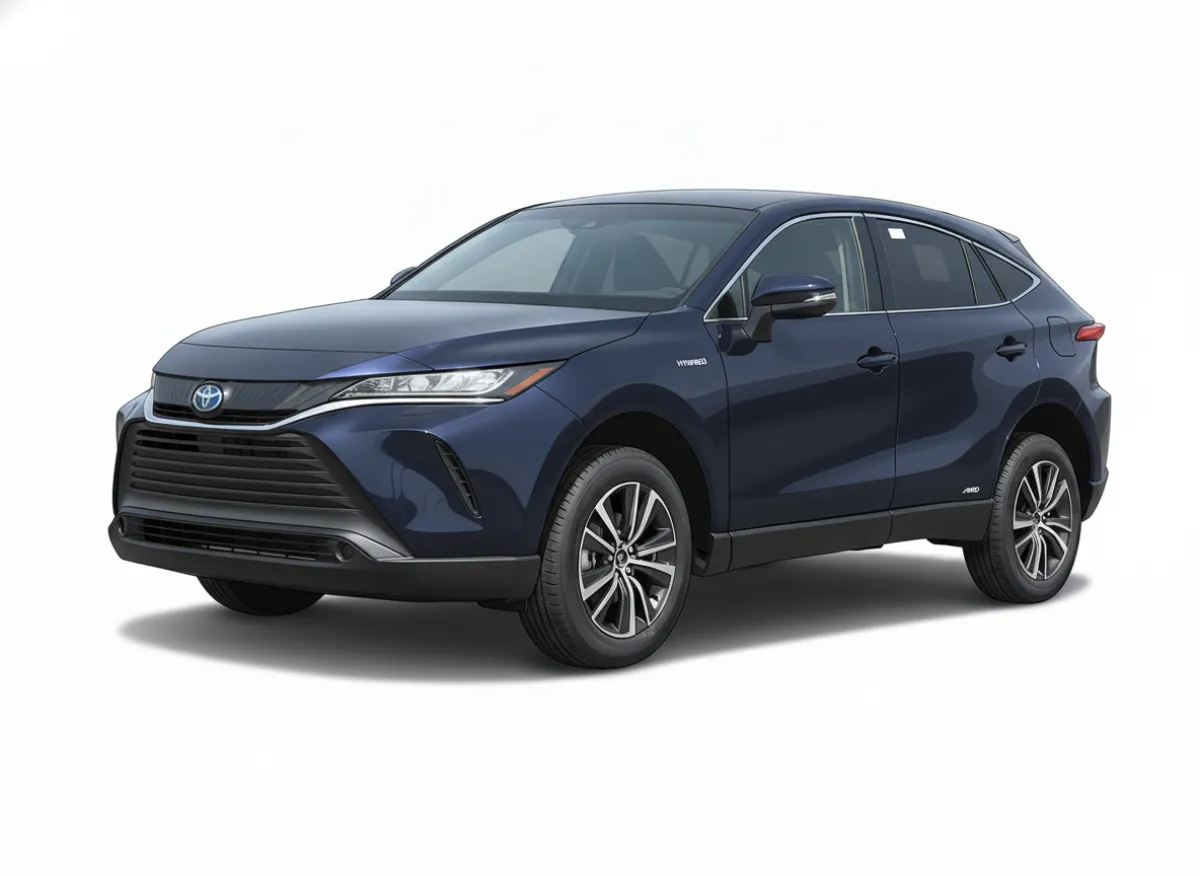 Venza2008–2026 · 2 gen.
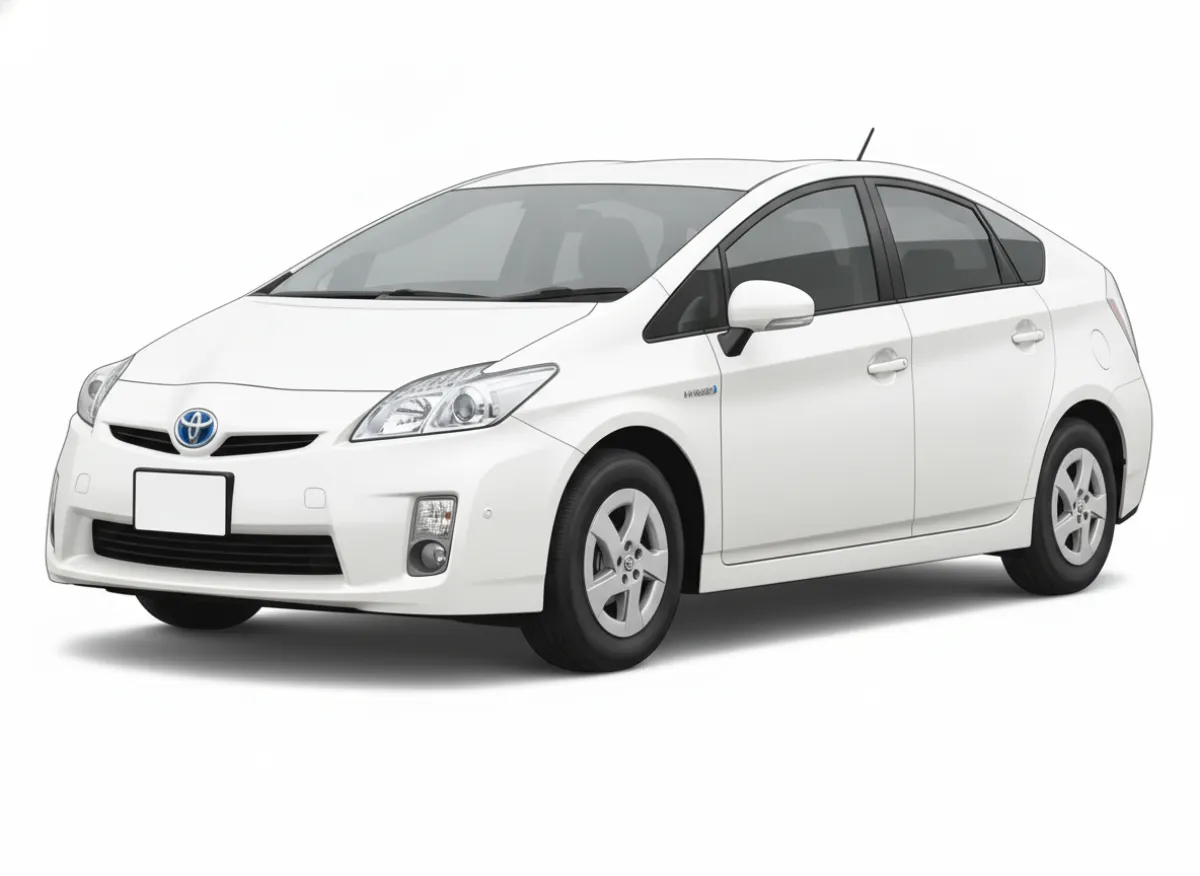 Prius (XW30)2009–2016
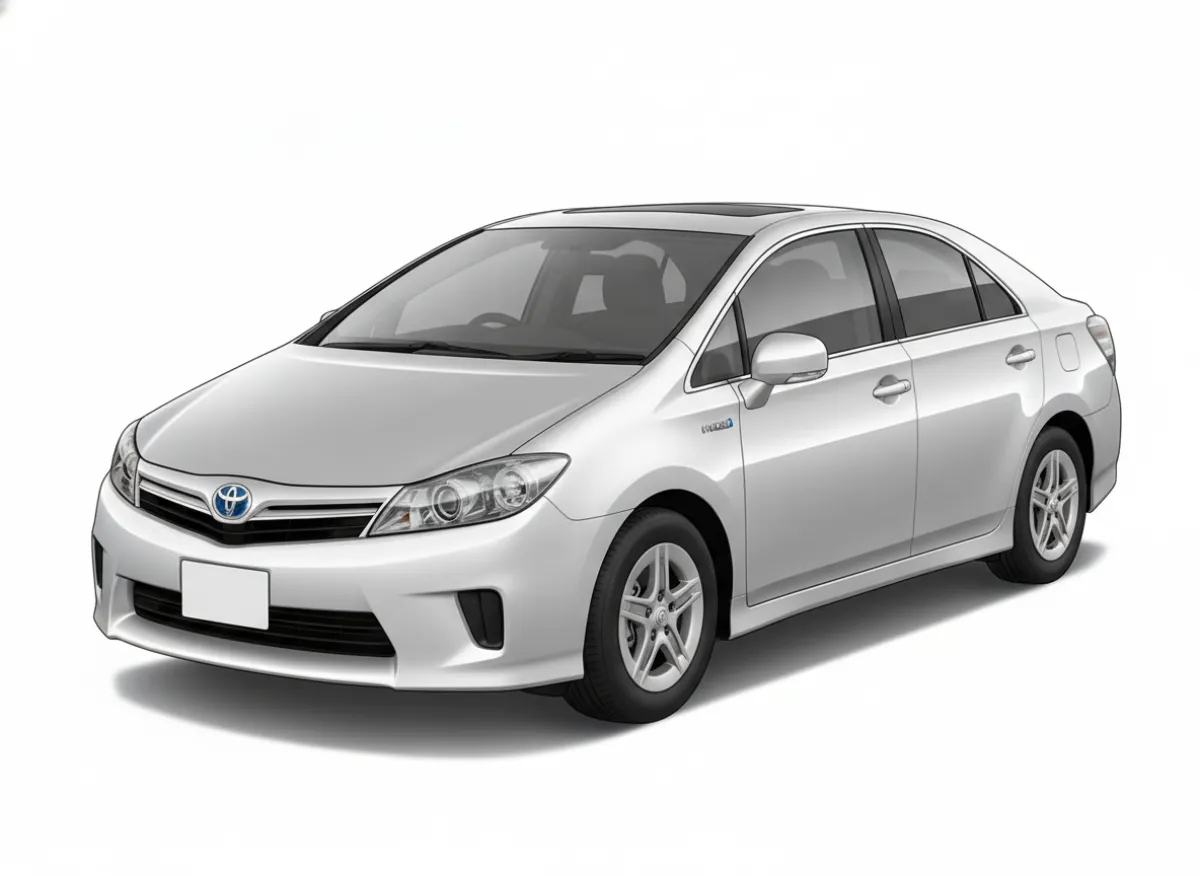 Sai2009–2017
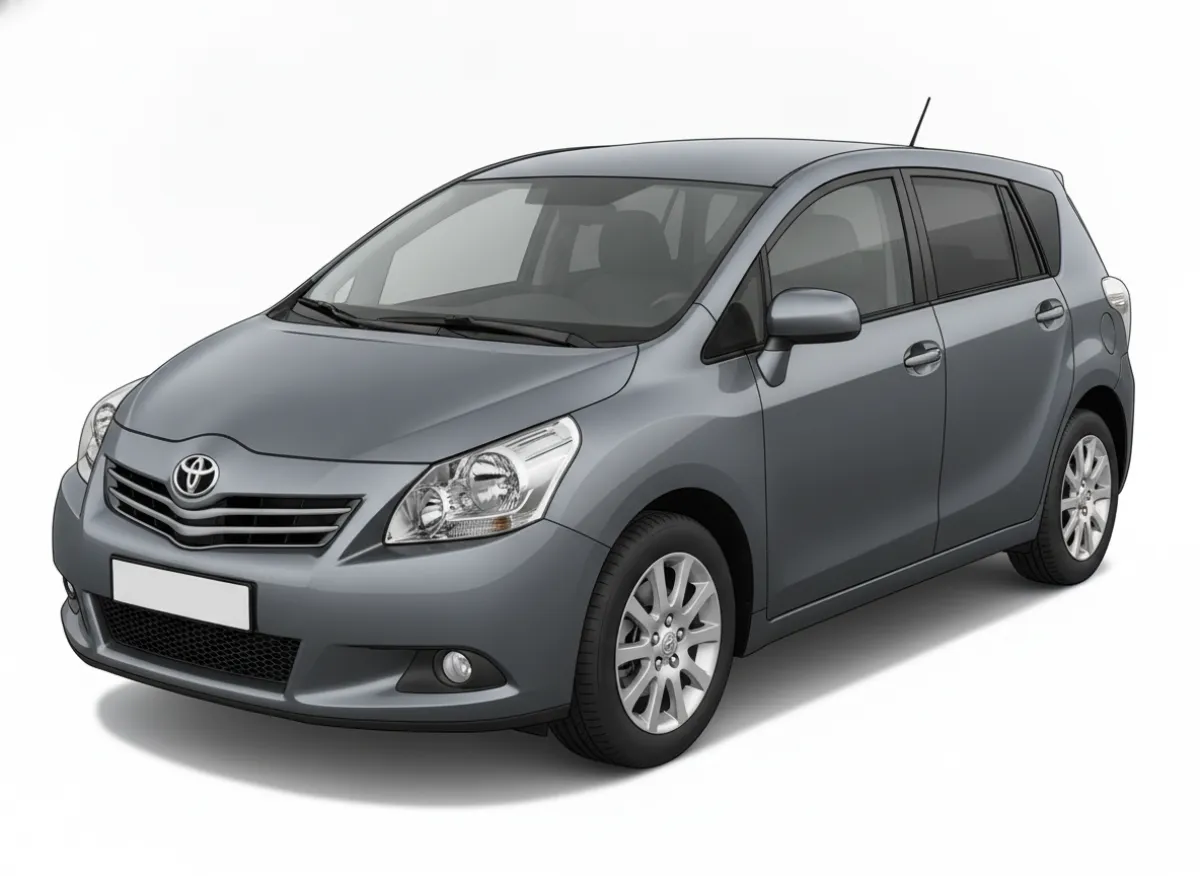 Verso2009–2018
2010s
22 launched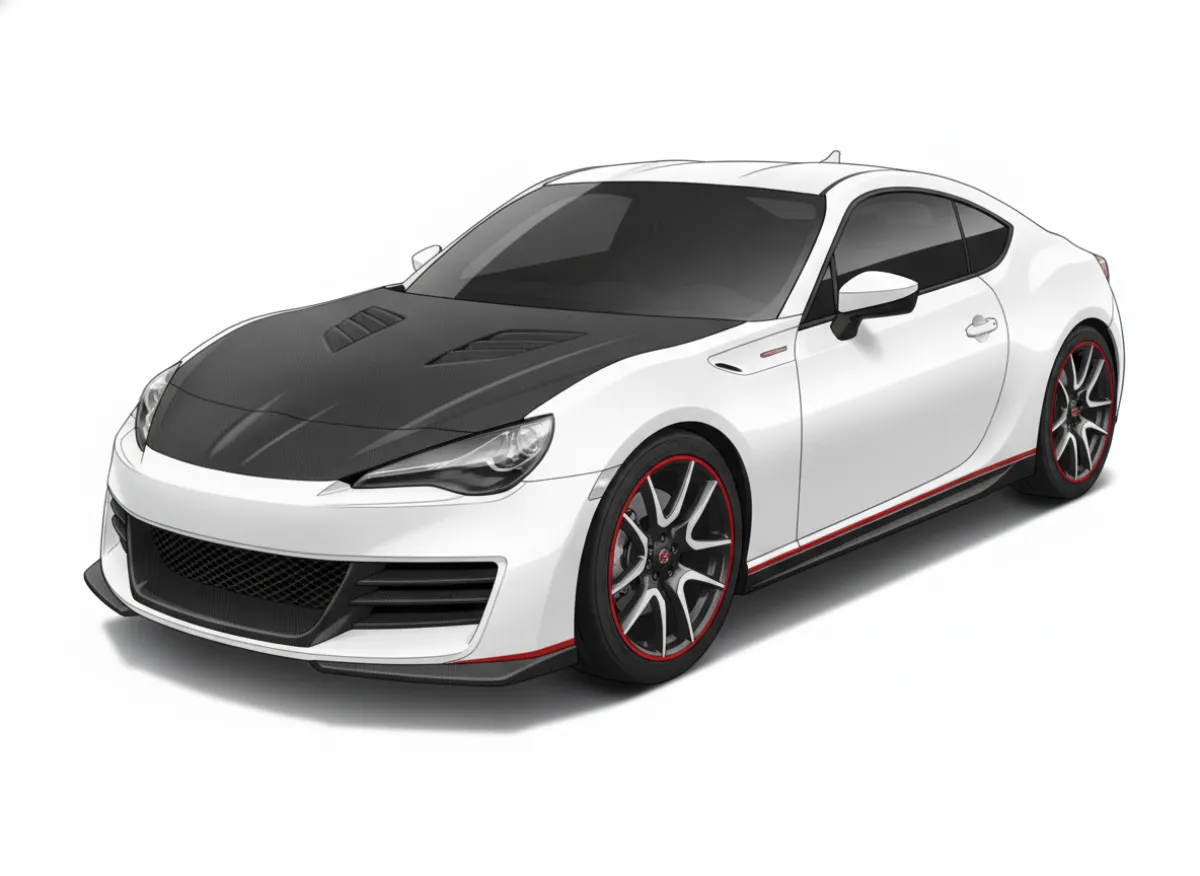 concept vehicles (2010–2019)2010 · 70 gen.
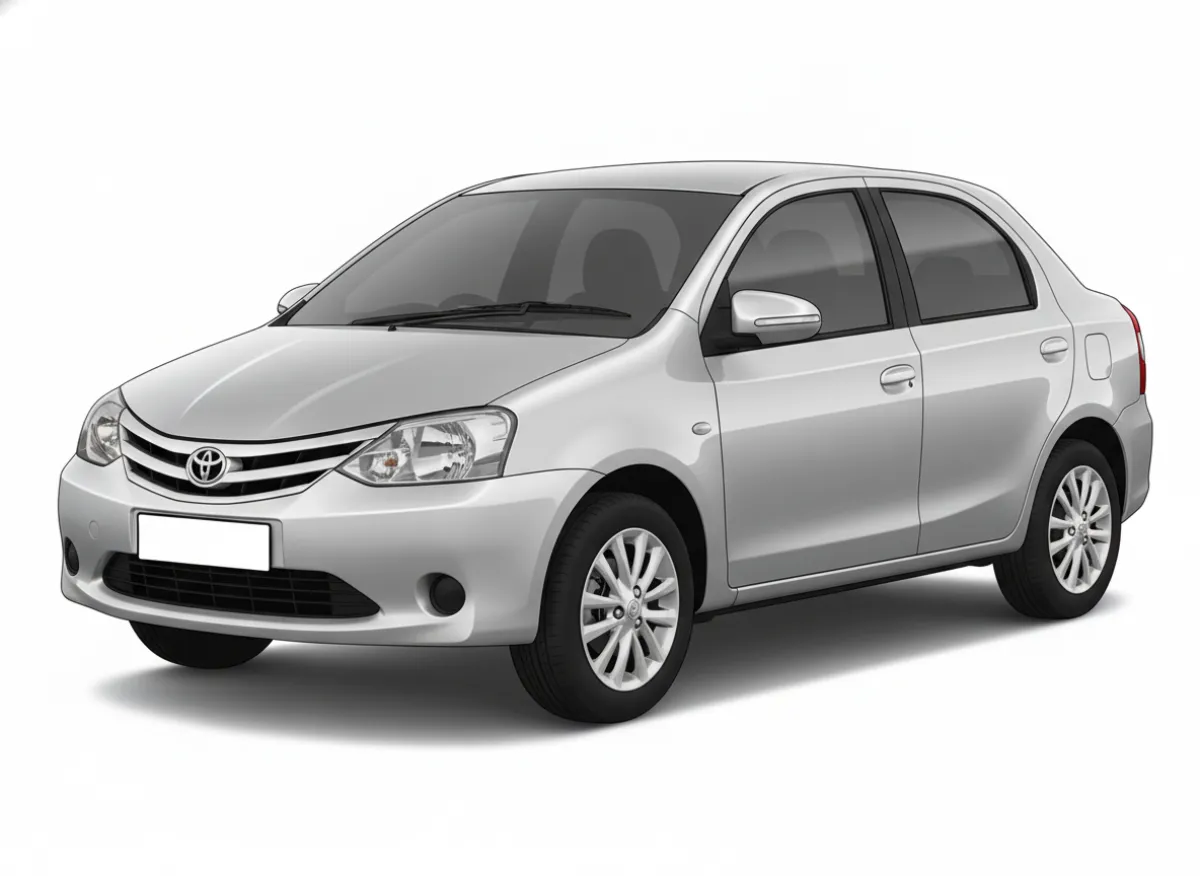 Etios2010–2023
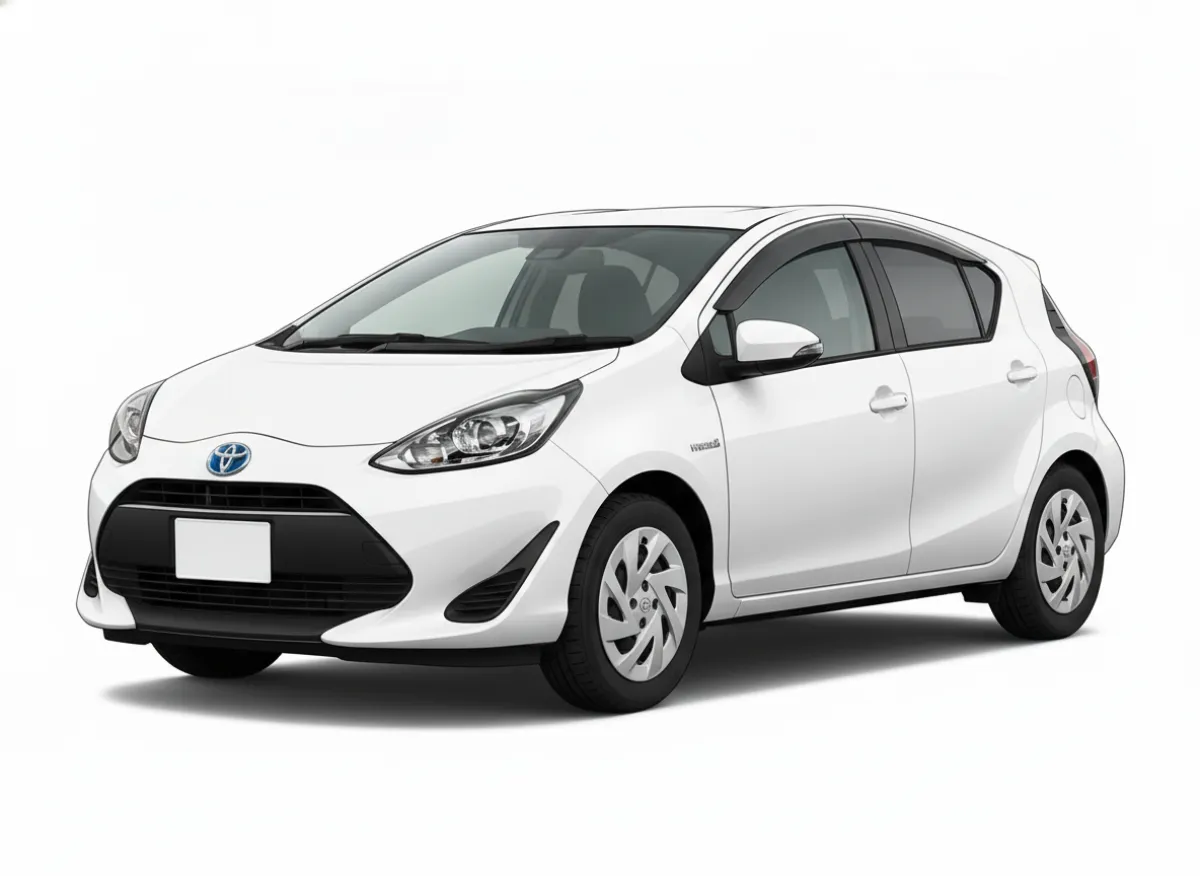 Aqua2011– · 1 gen.
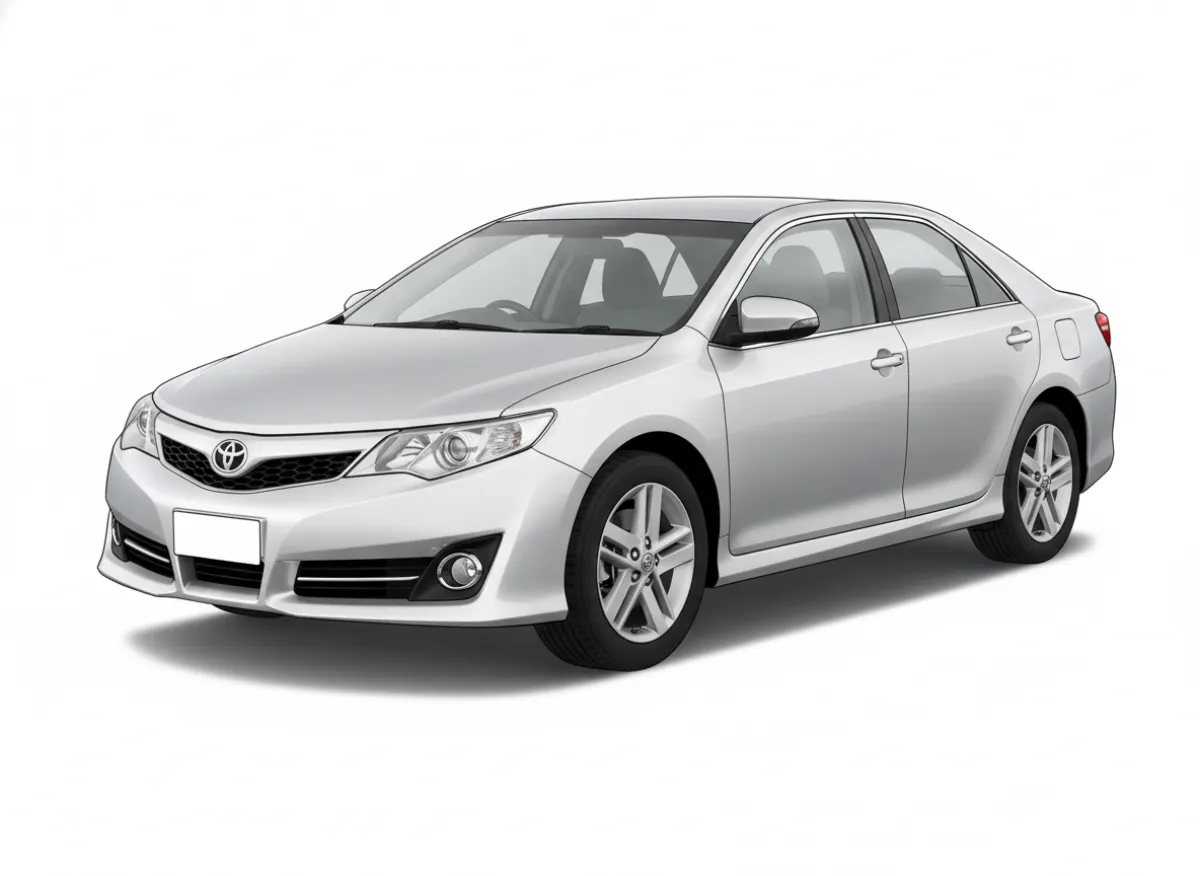 Camry (XV50)2011–2020
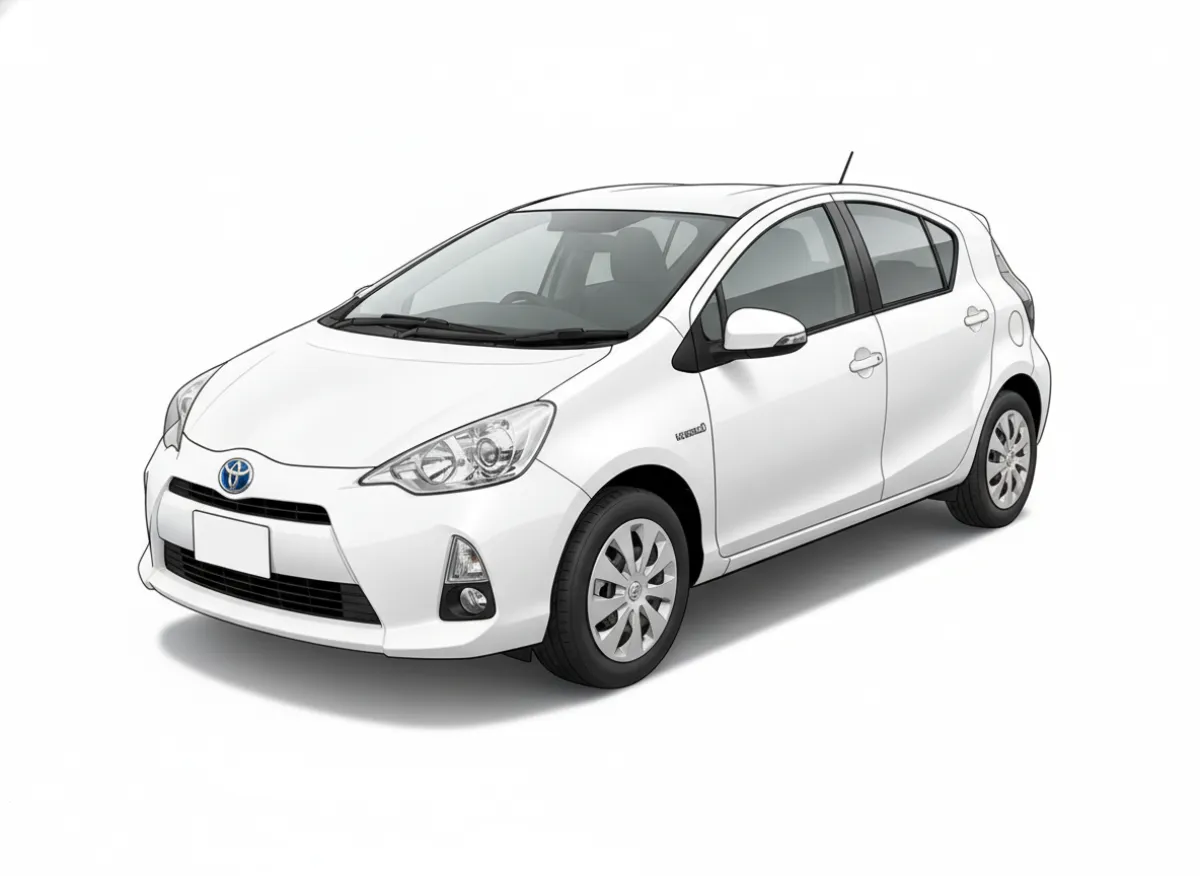 Prius C2011–2021
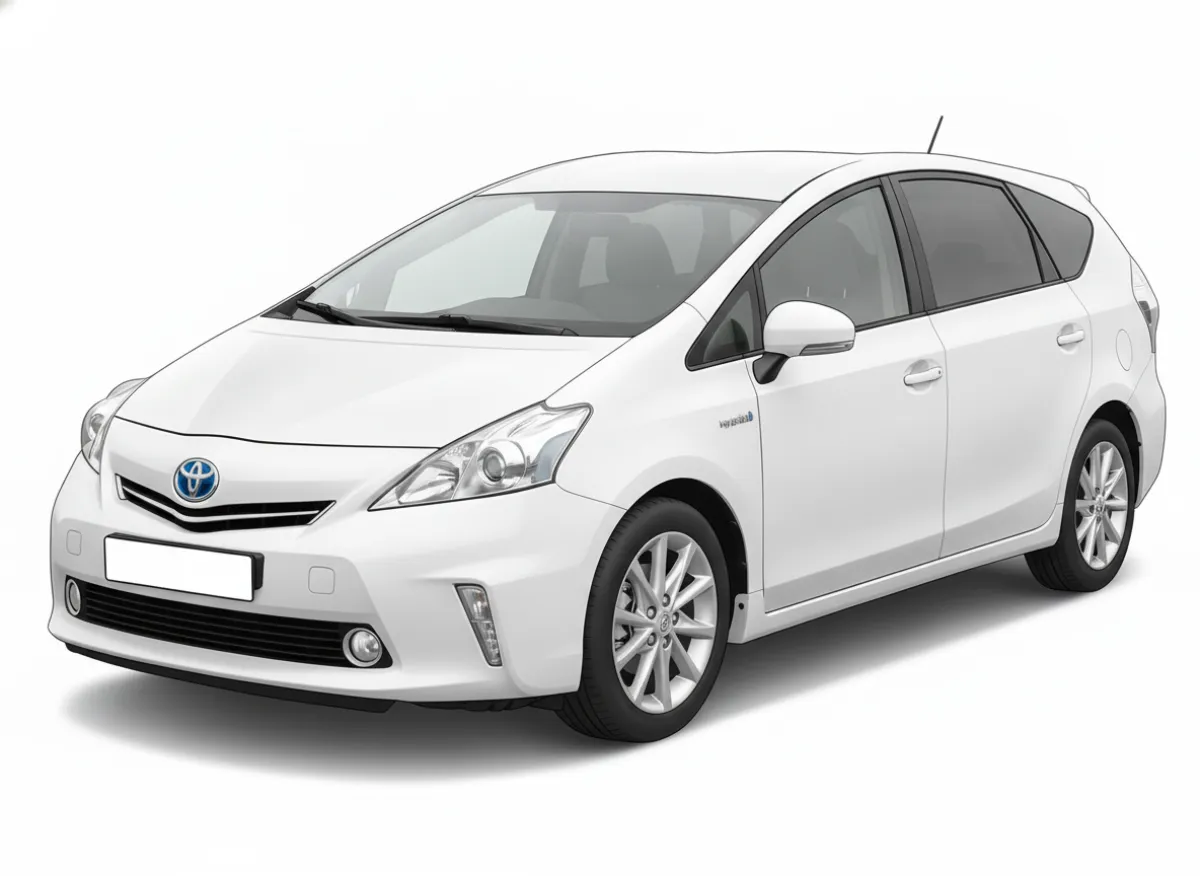 Prius V2011–2021
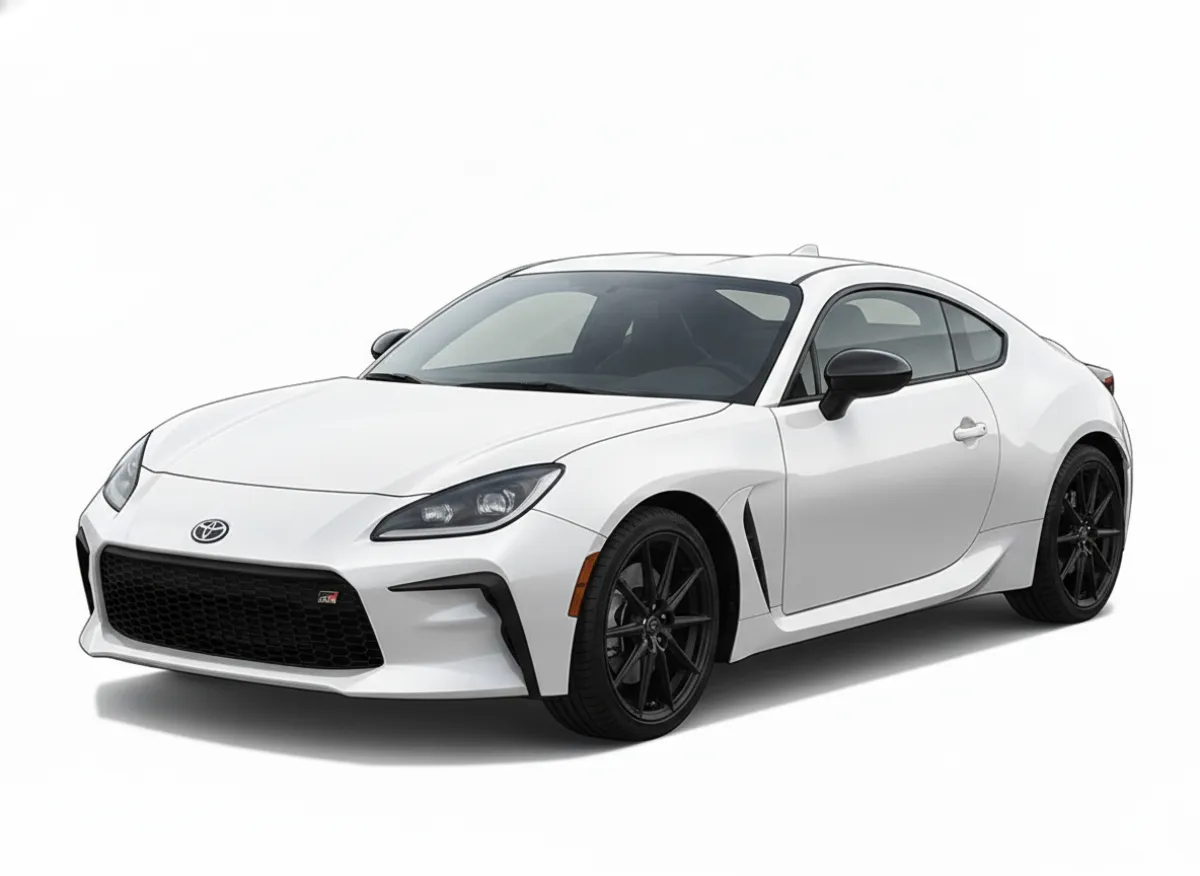 862012– · 2 gen.
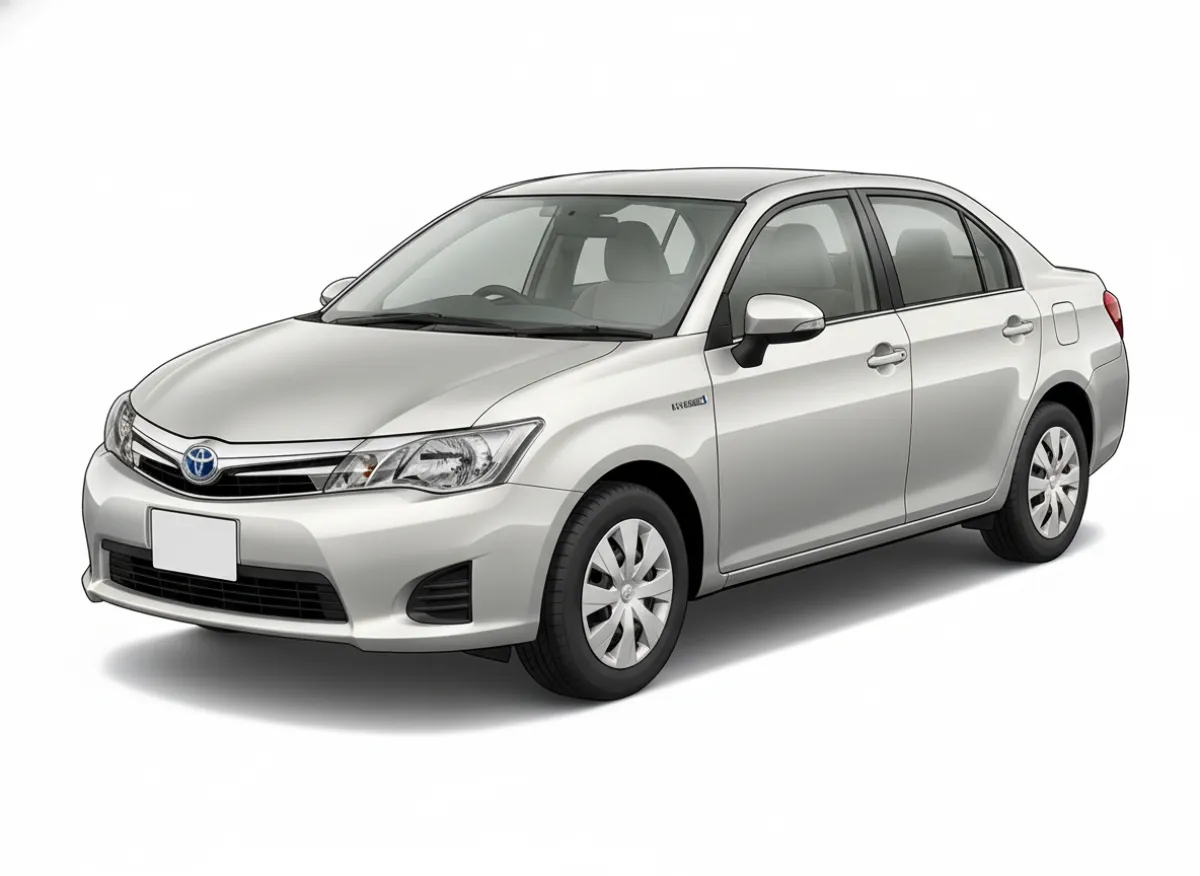 Corolla (E160)2012–2025
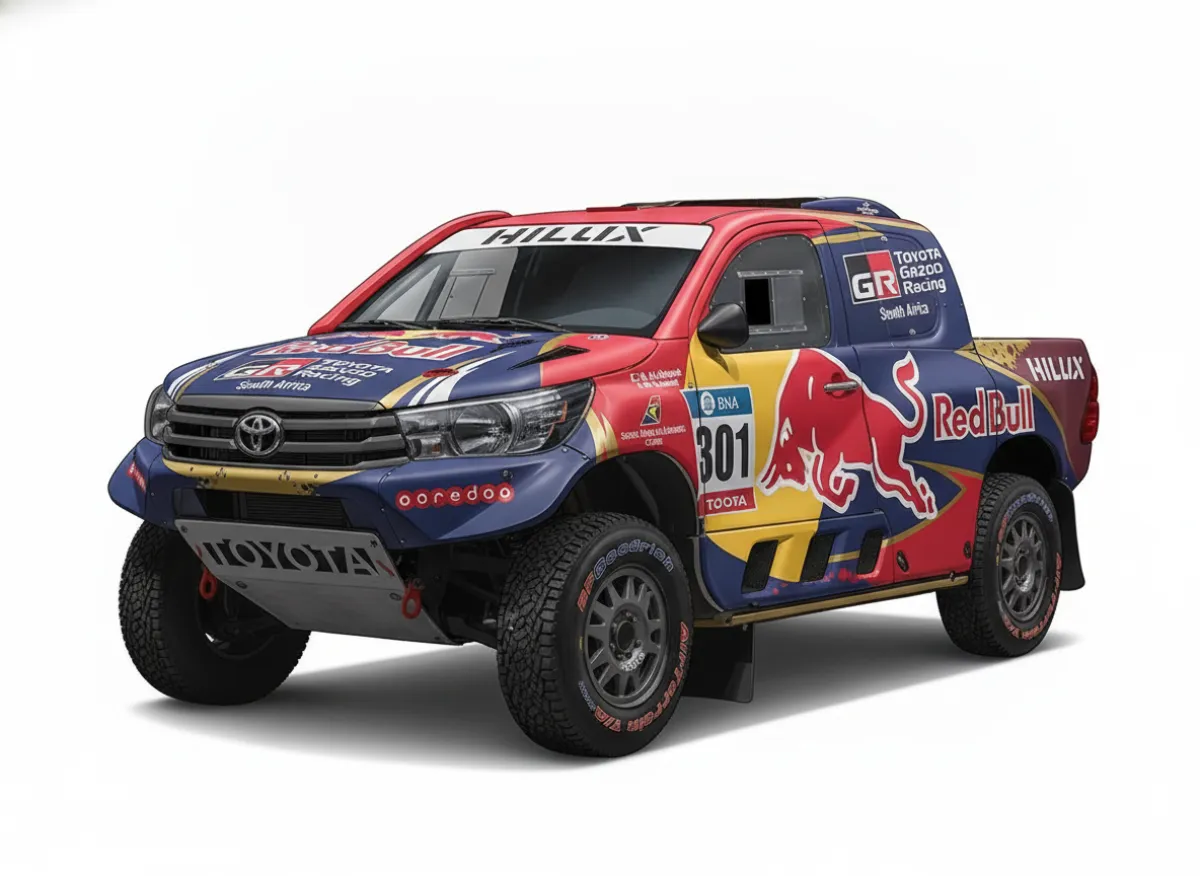 Hilux Dakar2012–
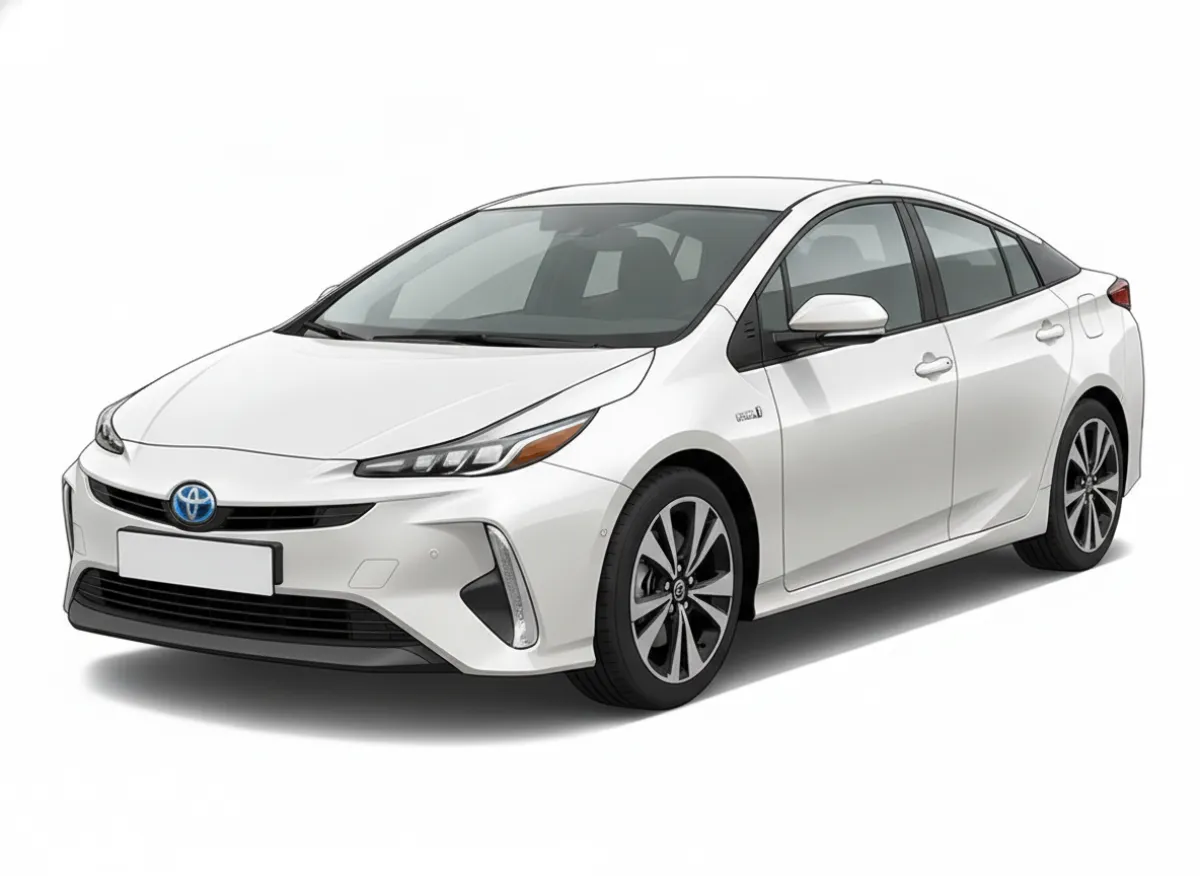 Prius Plug-in Hybrid2012– · 3 gen.
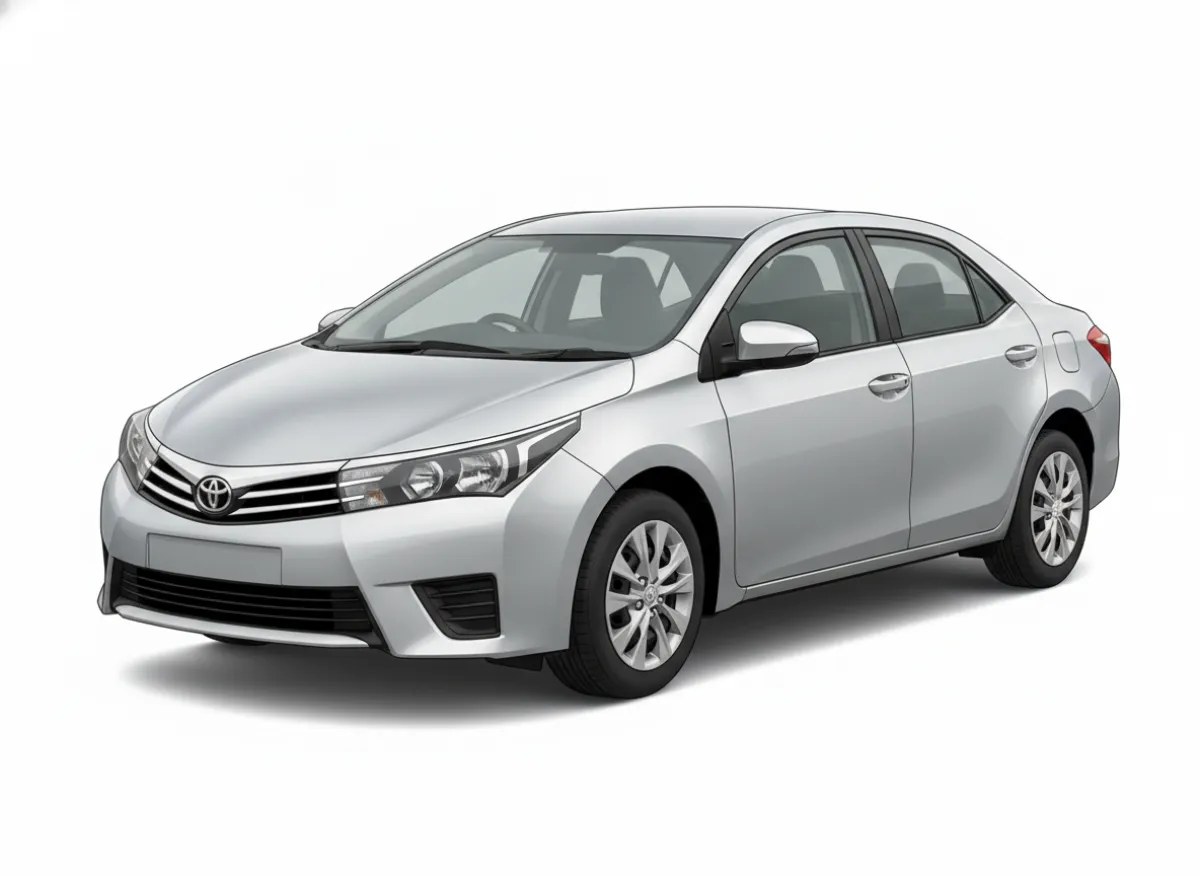 Corolla (E170)2013–
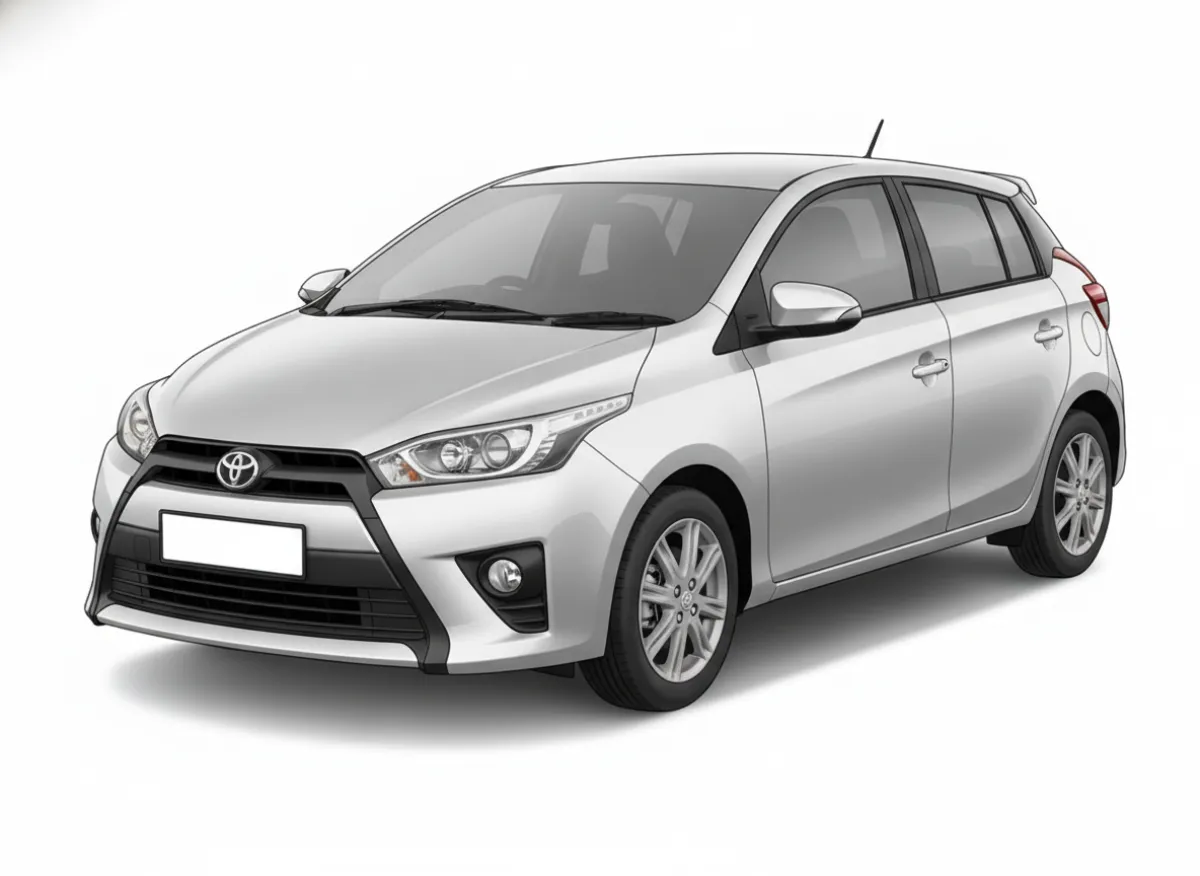 Yaris (XP150)2013–
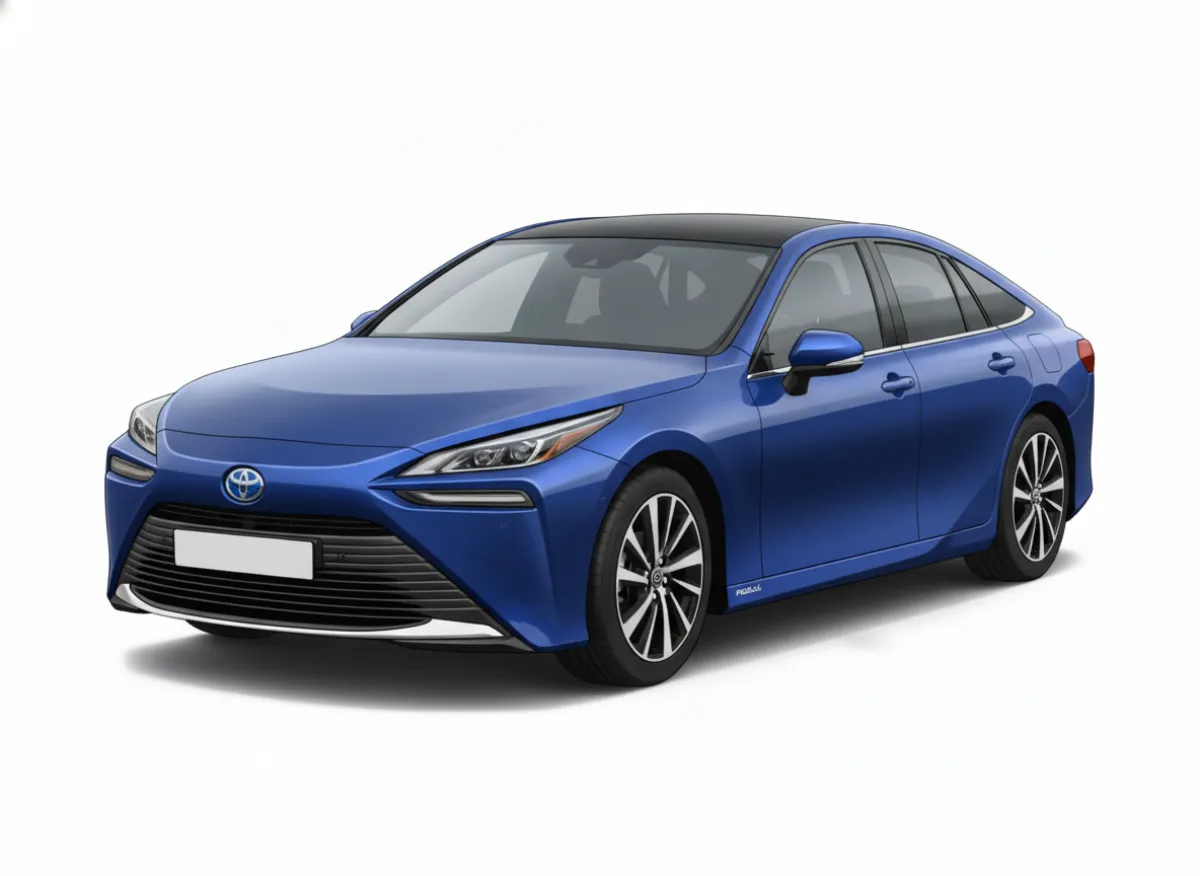 Mirai2014– · 2 gen.
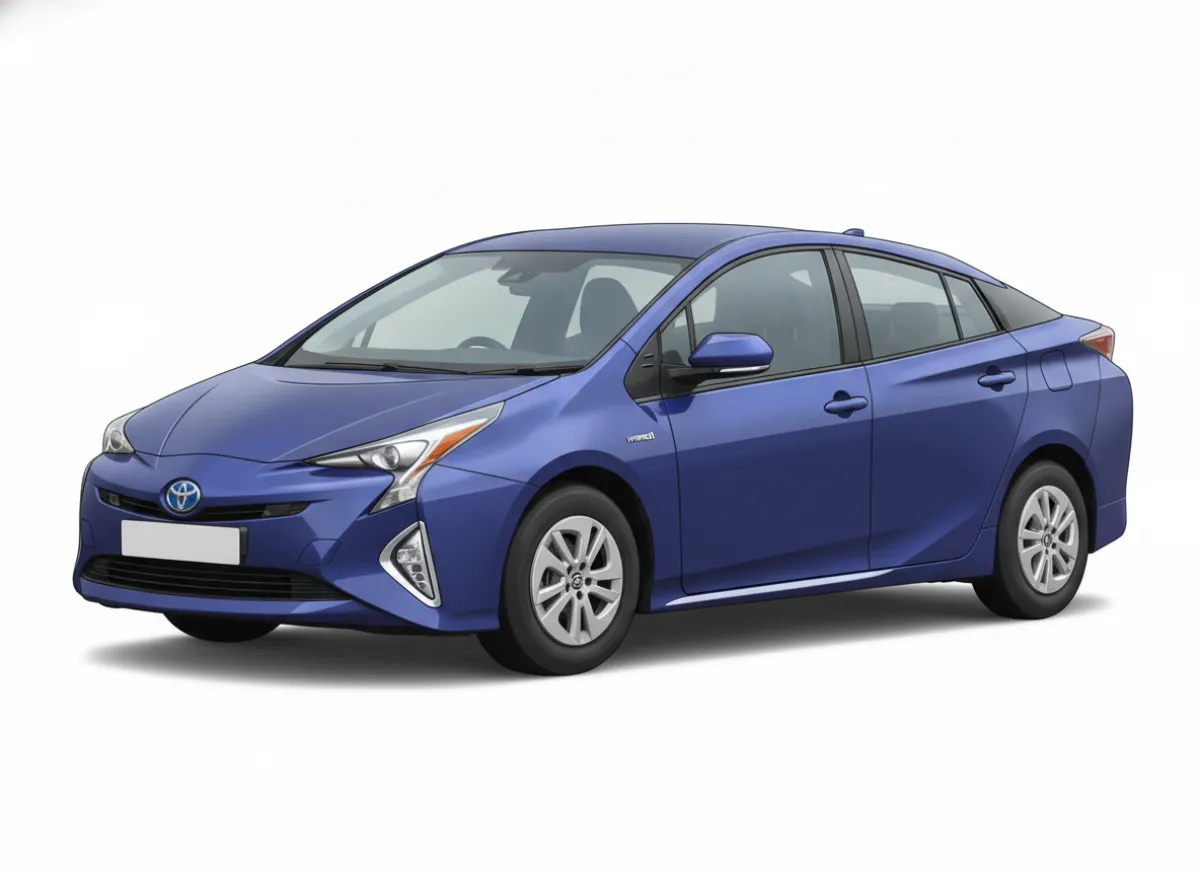 Prius (XW50)2015–2022
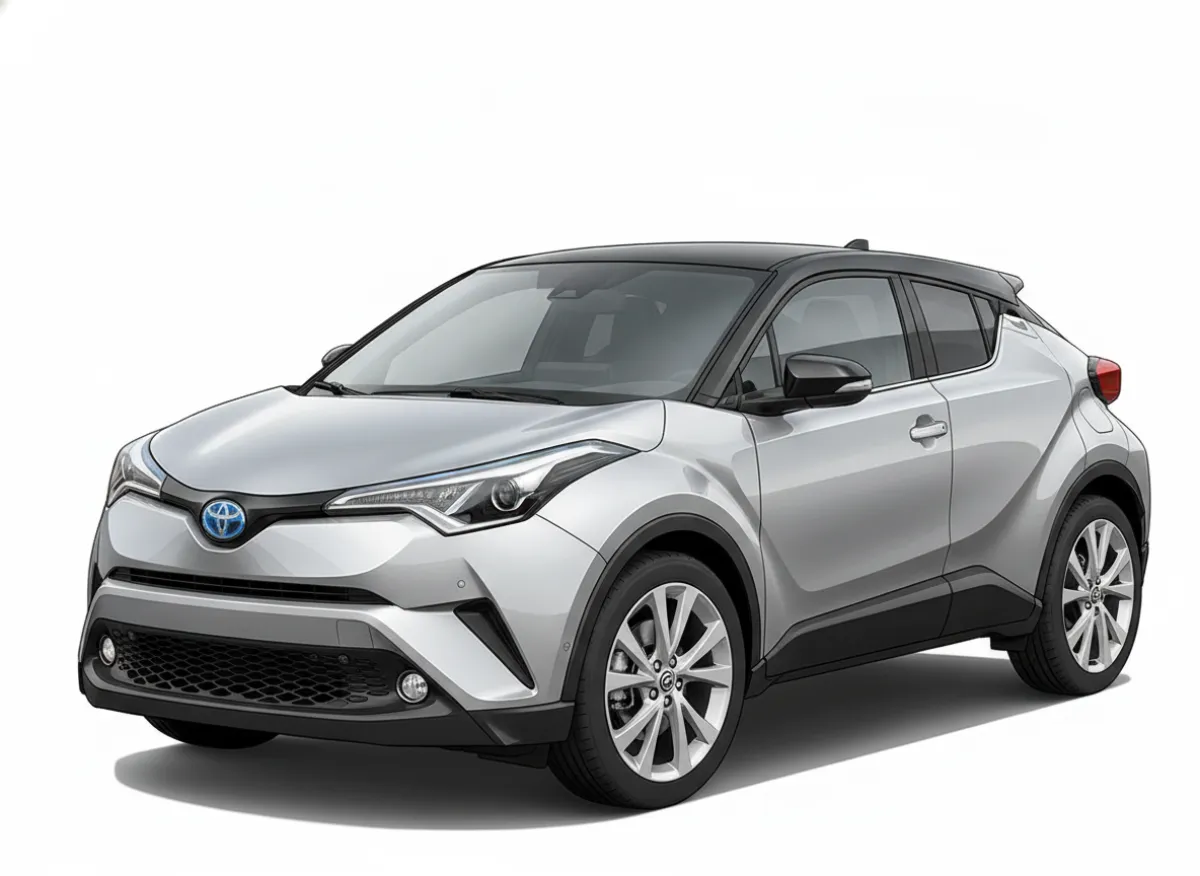 C-HR2016– · 2 gen.
- Camry (XV70)2017–2024
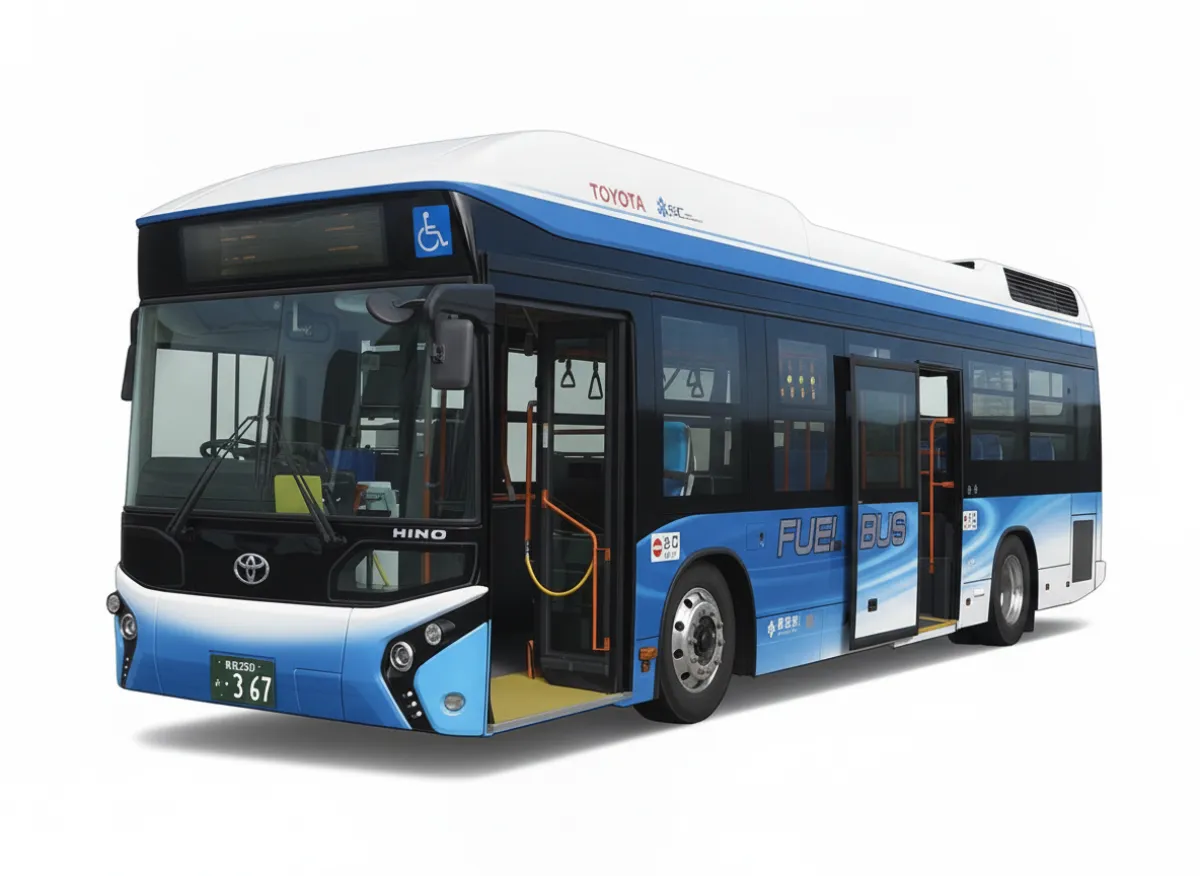 FC Bus2017–
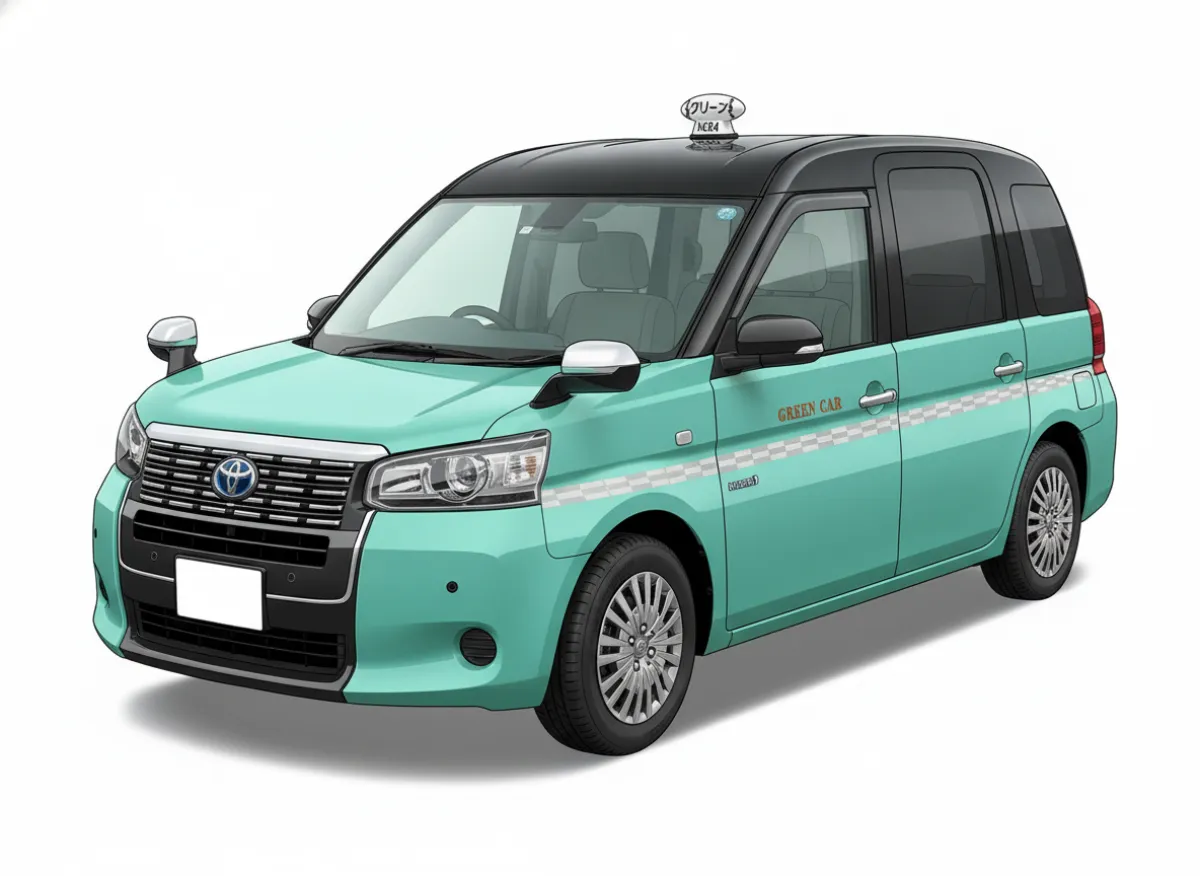 JPN Taxi2017–
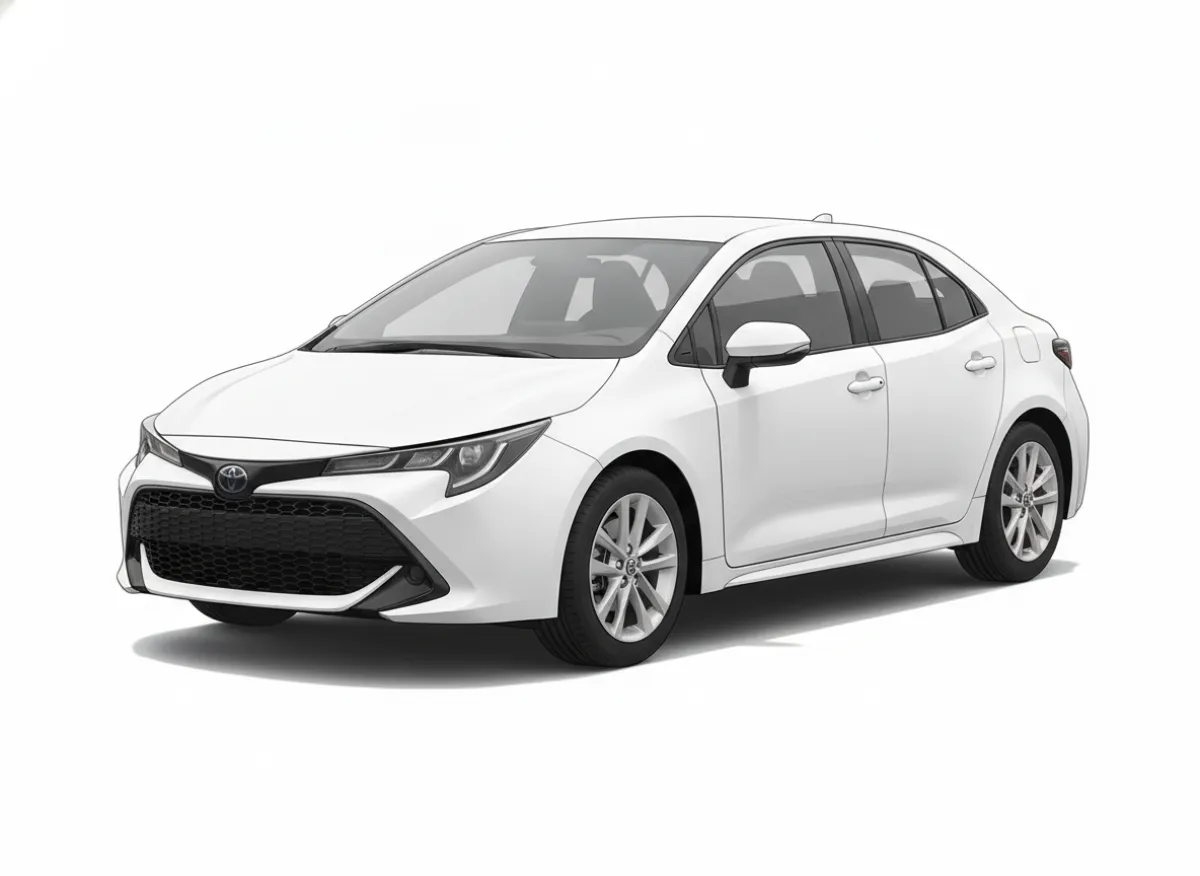 Corolla (E210)2018–
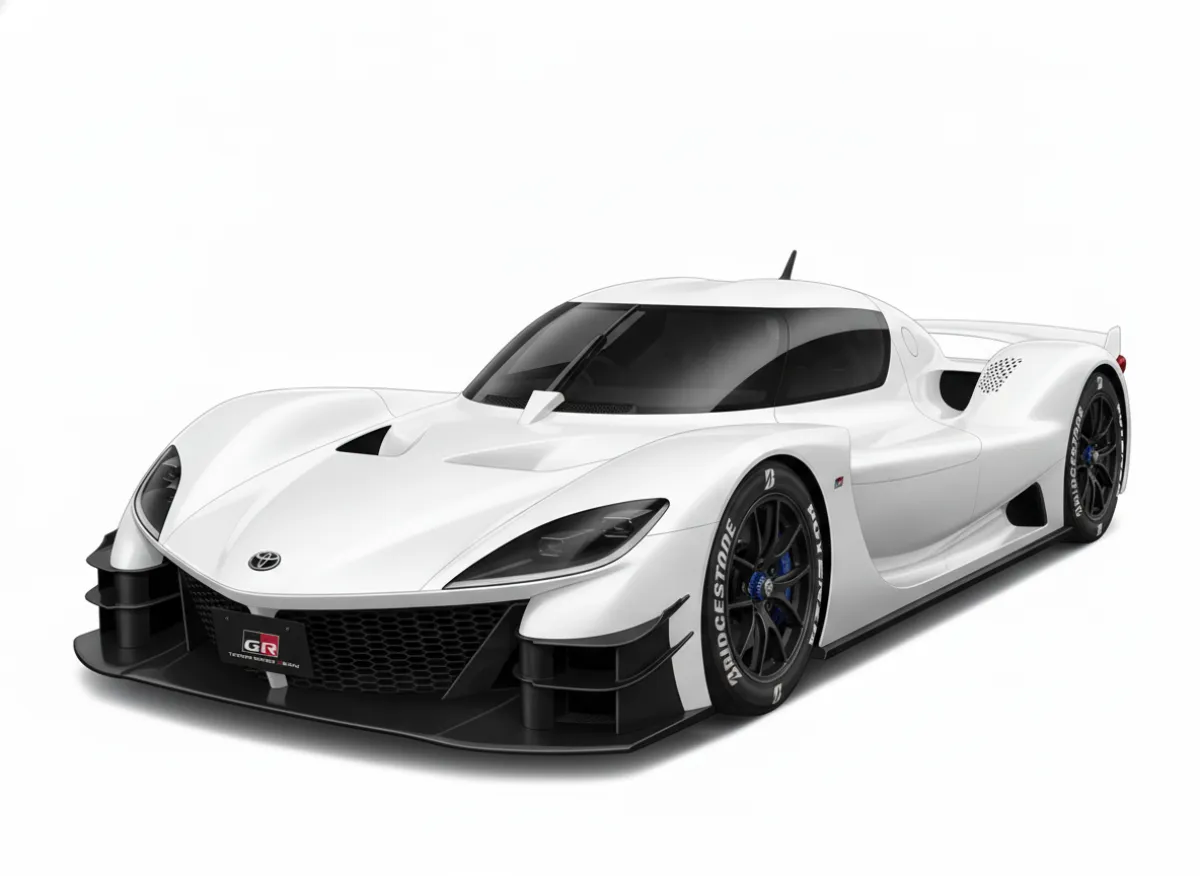 GR Super Sport Concept2018
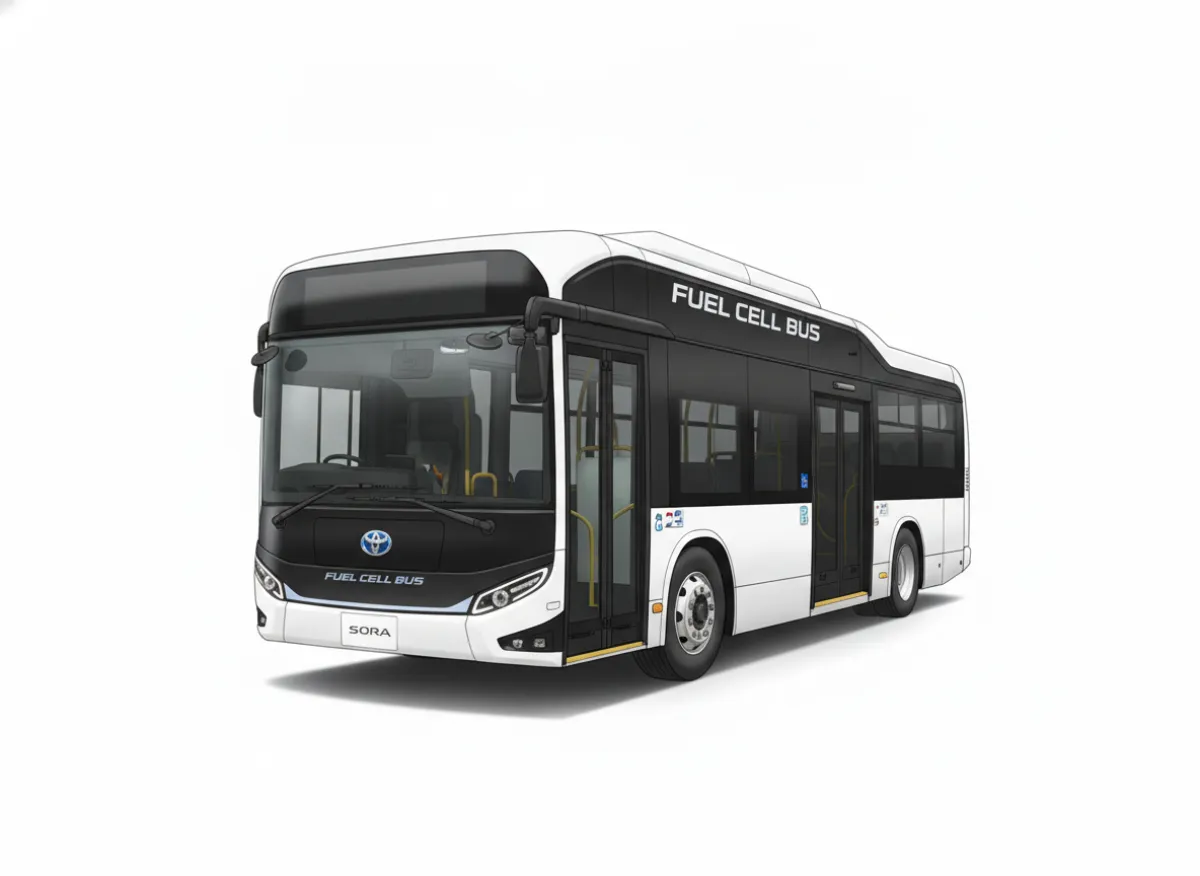 Sora2018–
- GR Supra2019–2026
2020s
20 launched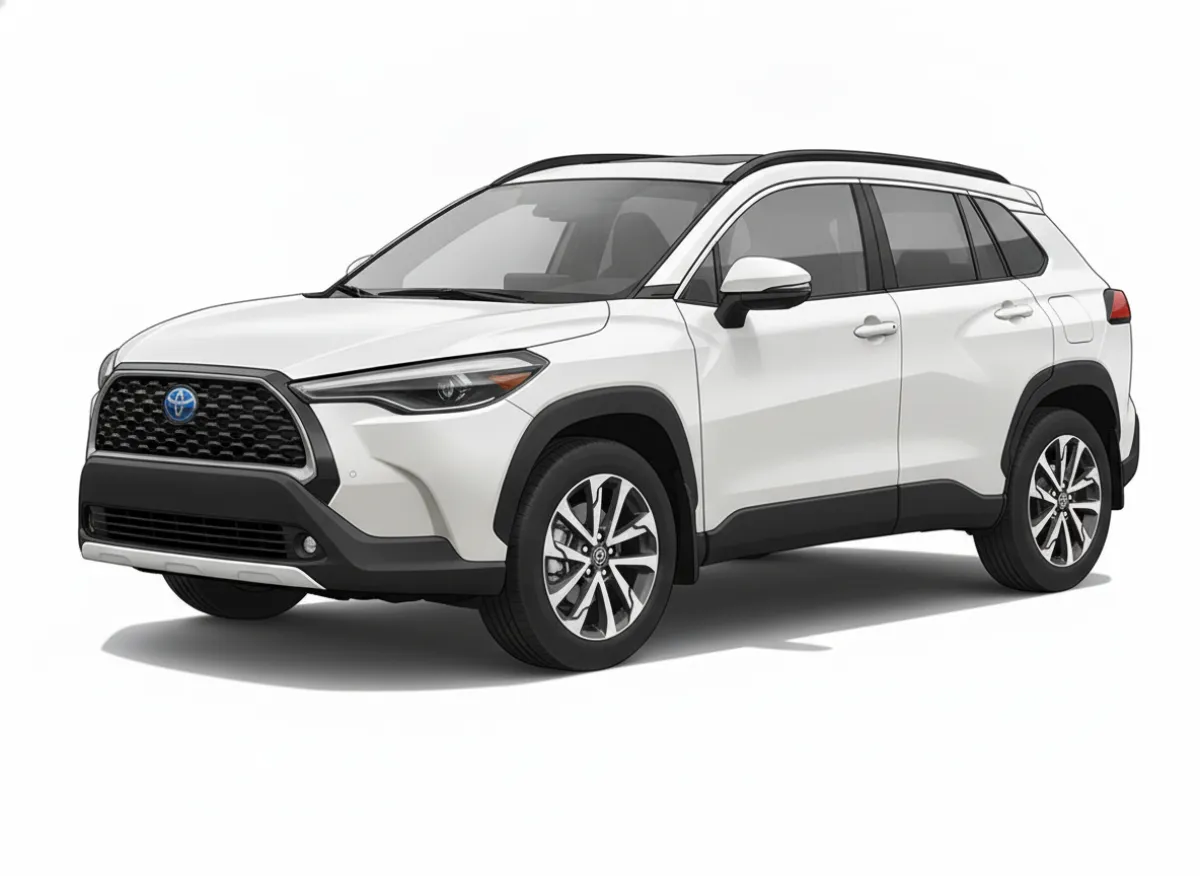 Corolla Cross2020–
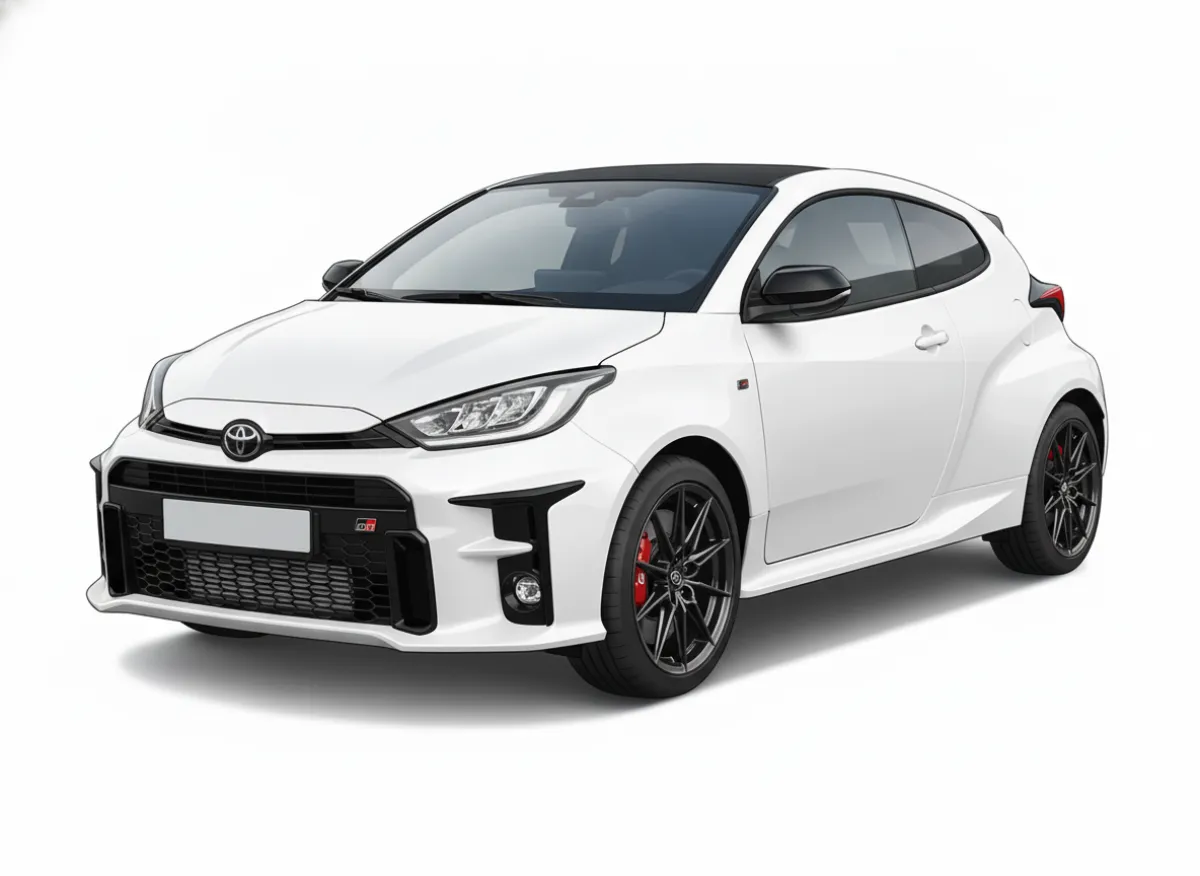 GR Yaris2020–
- Yaris (XP210)2020–
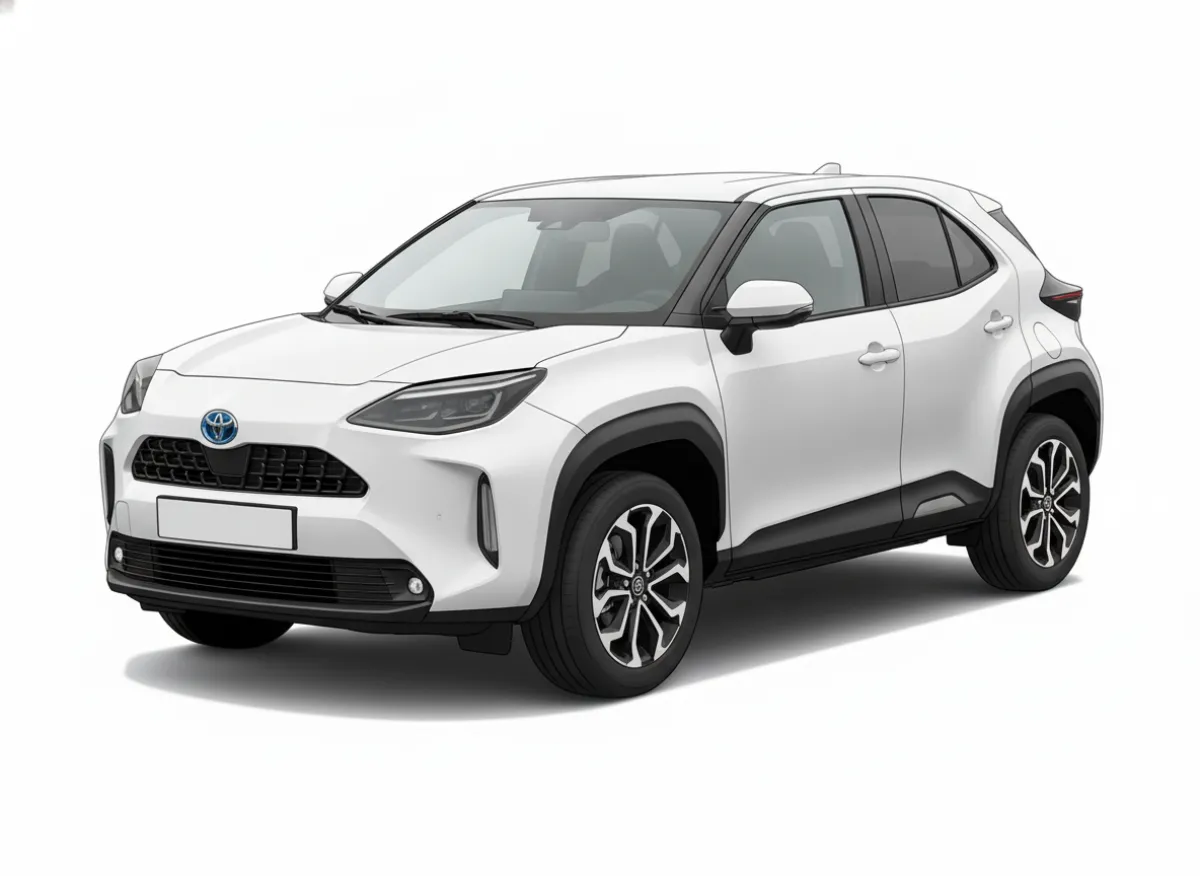 Yaris Cross2020– · 2 gen.
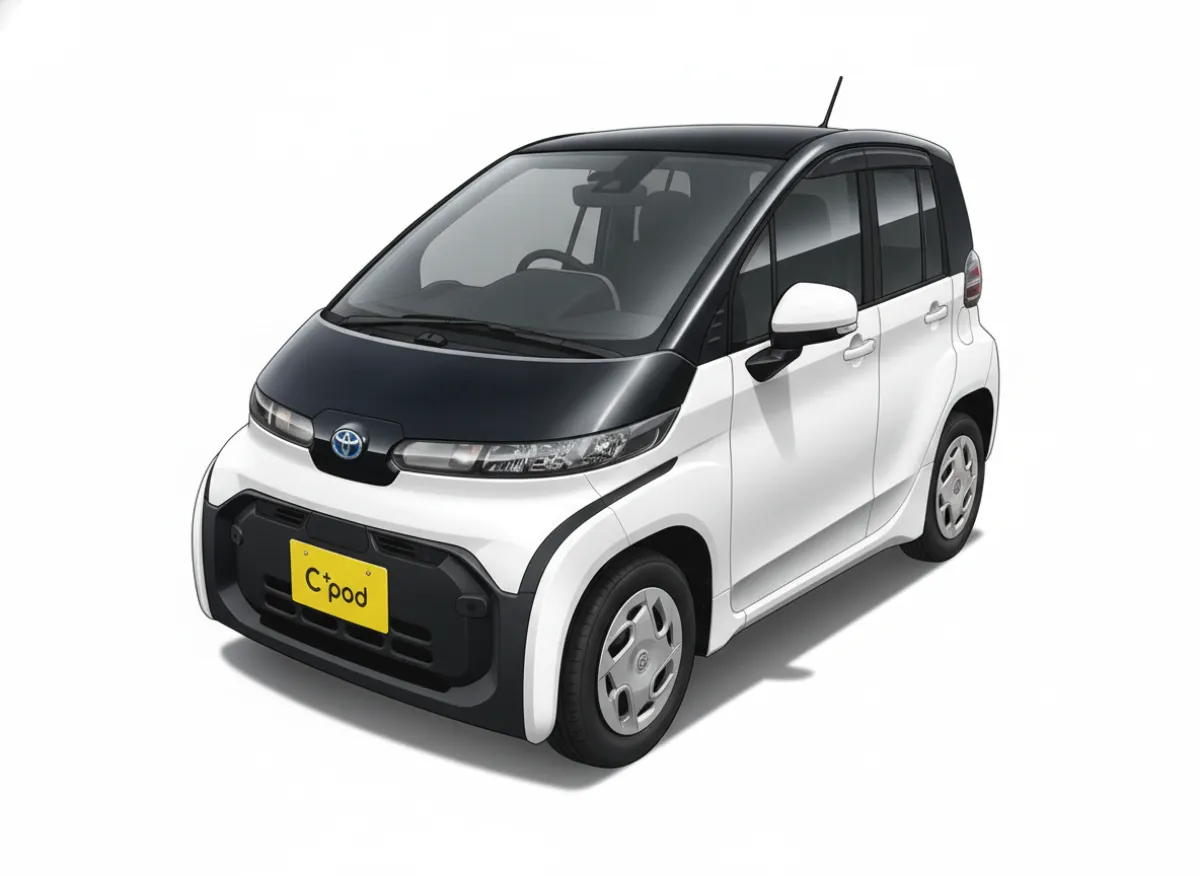 C+pod2021–2024
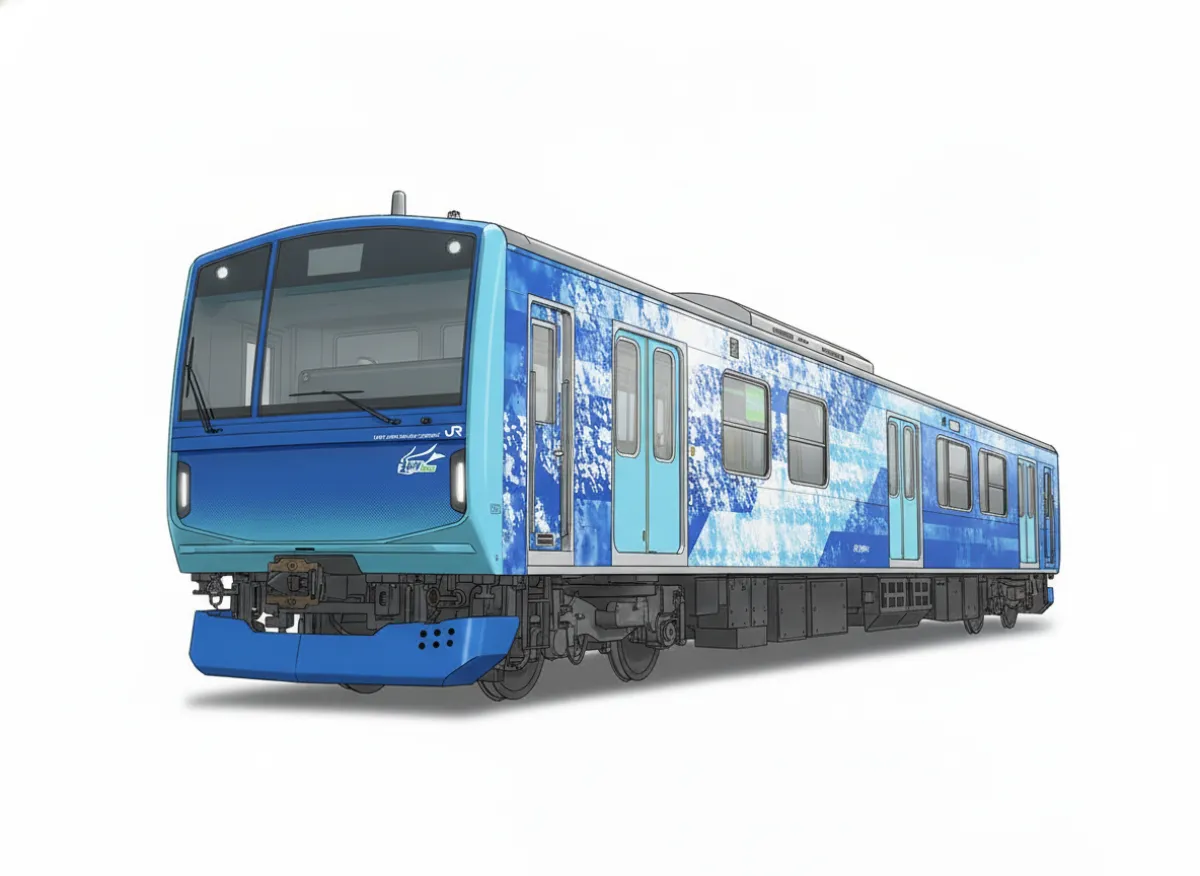 concept vehicles (2020–2029)2021–2022 · 31 gen.
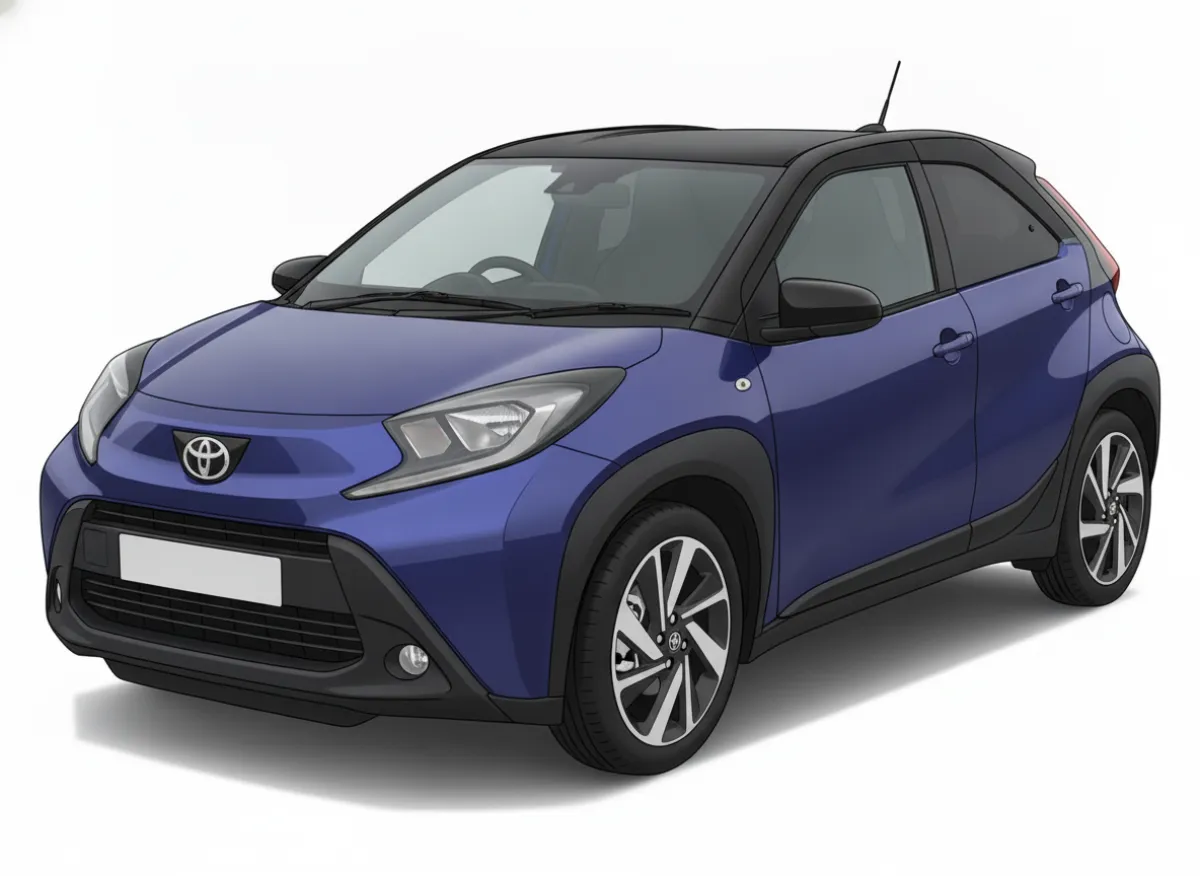 Aygo X2022–
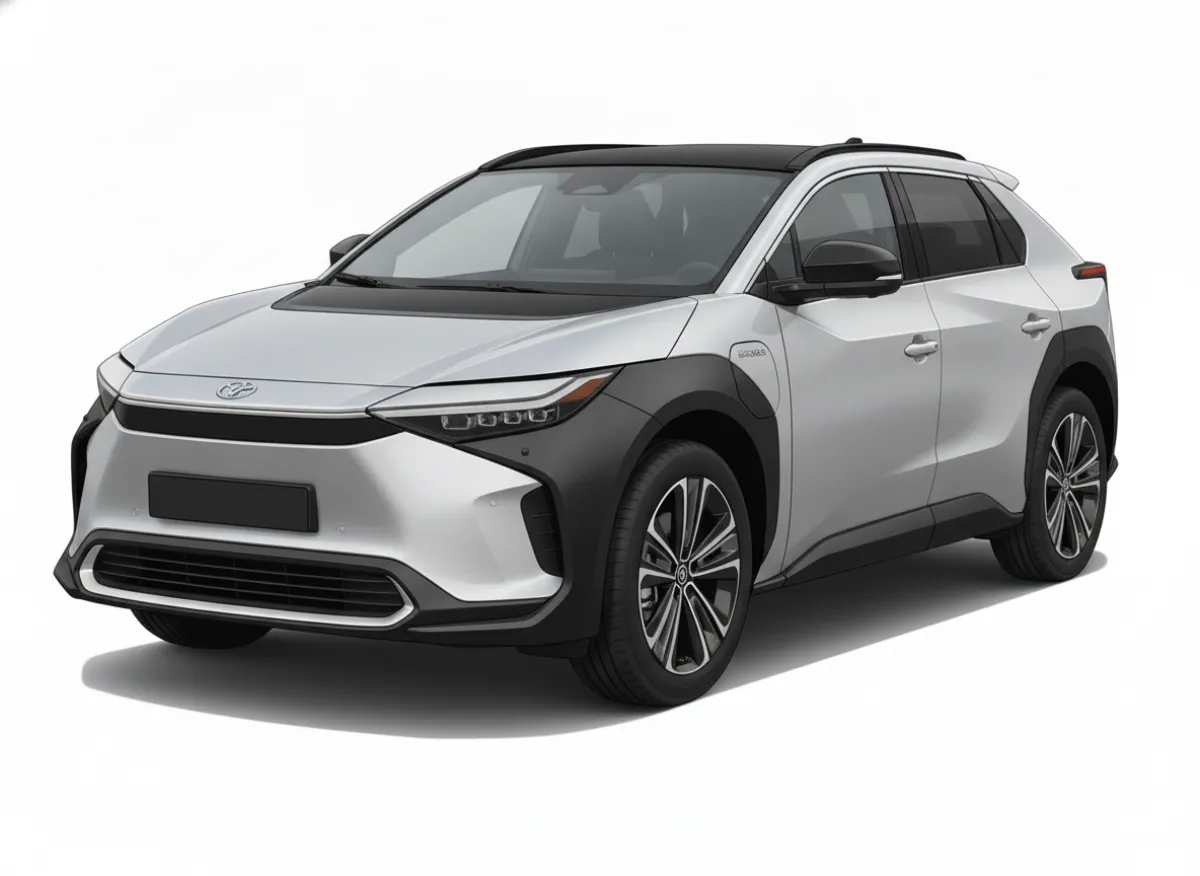 bZ4X2022– · 1 gen.
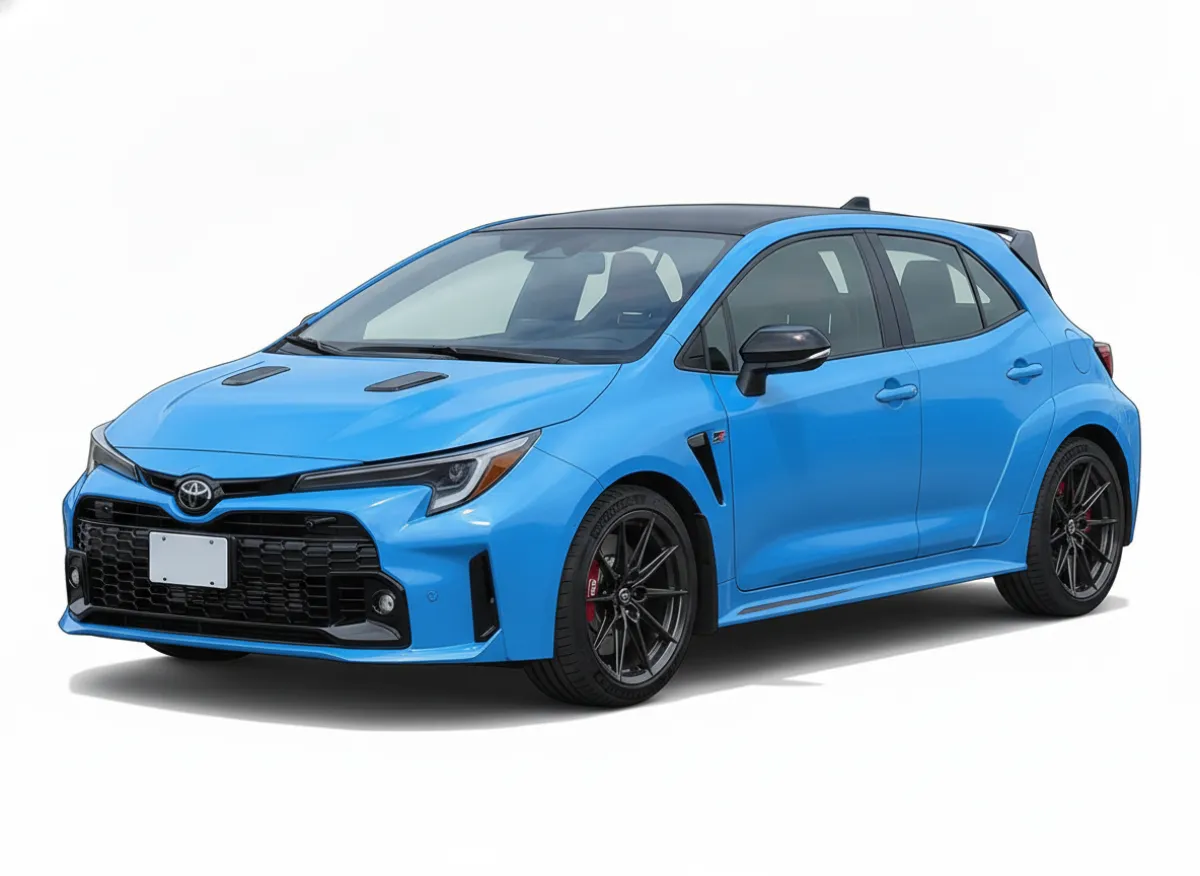 GR Corolla2022–
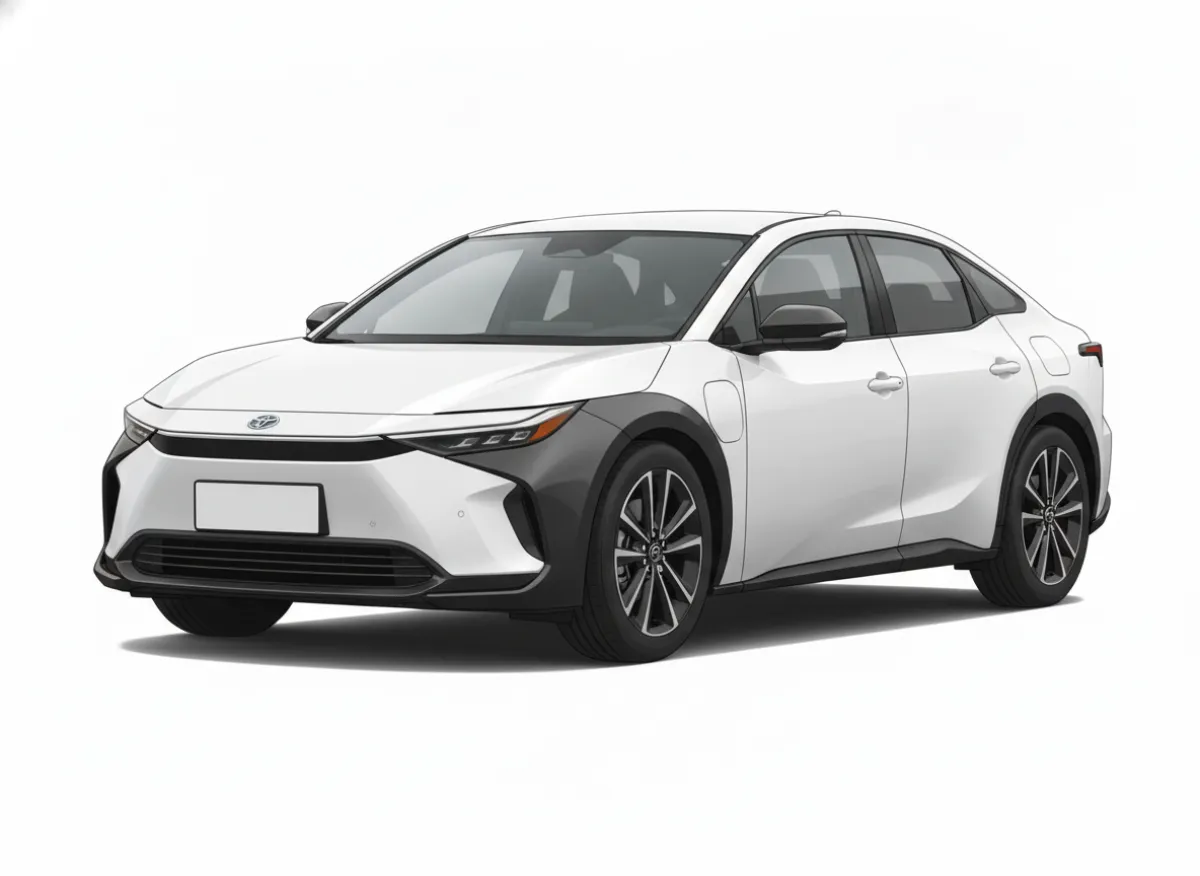 bZ32023–
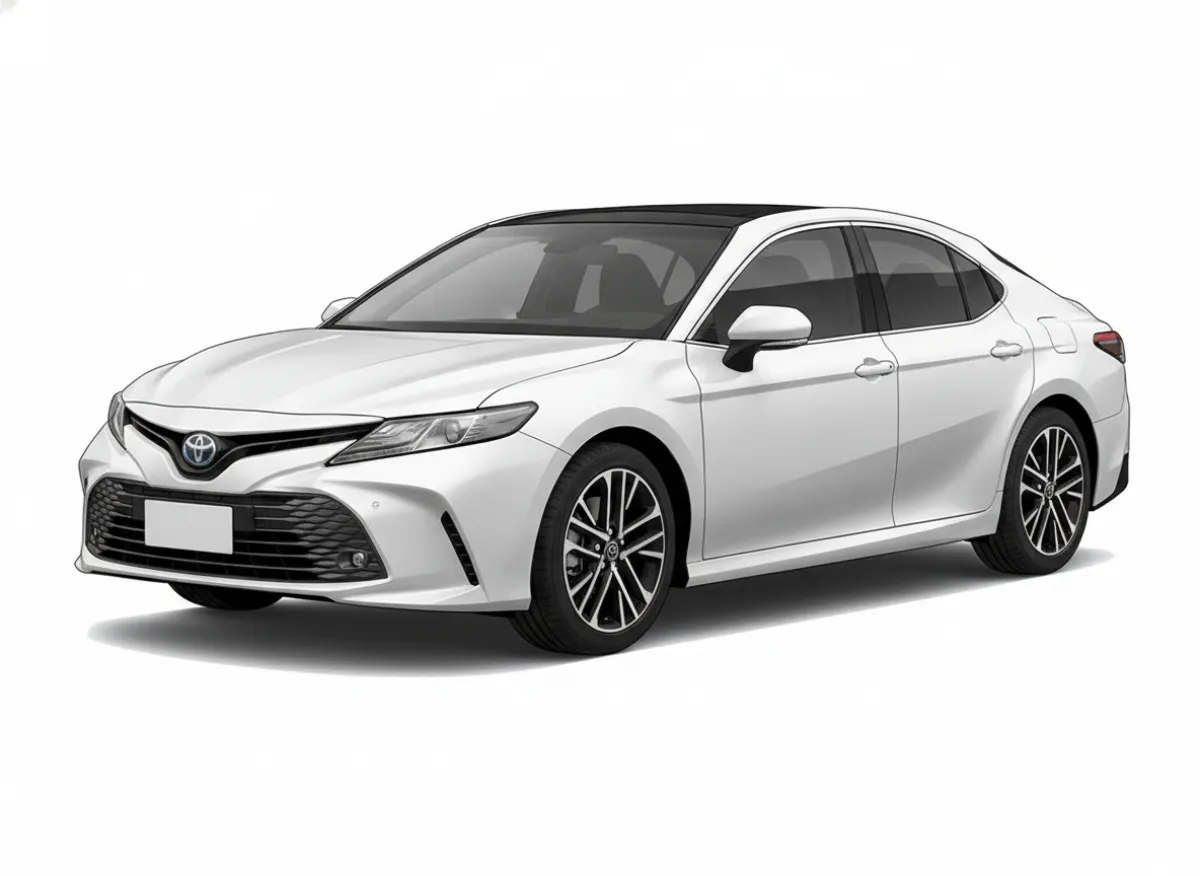 Camry (XV80)2023–
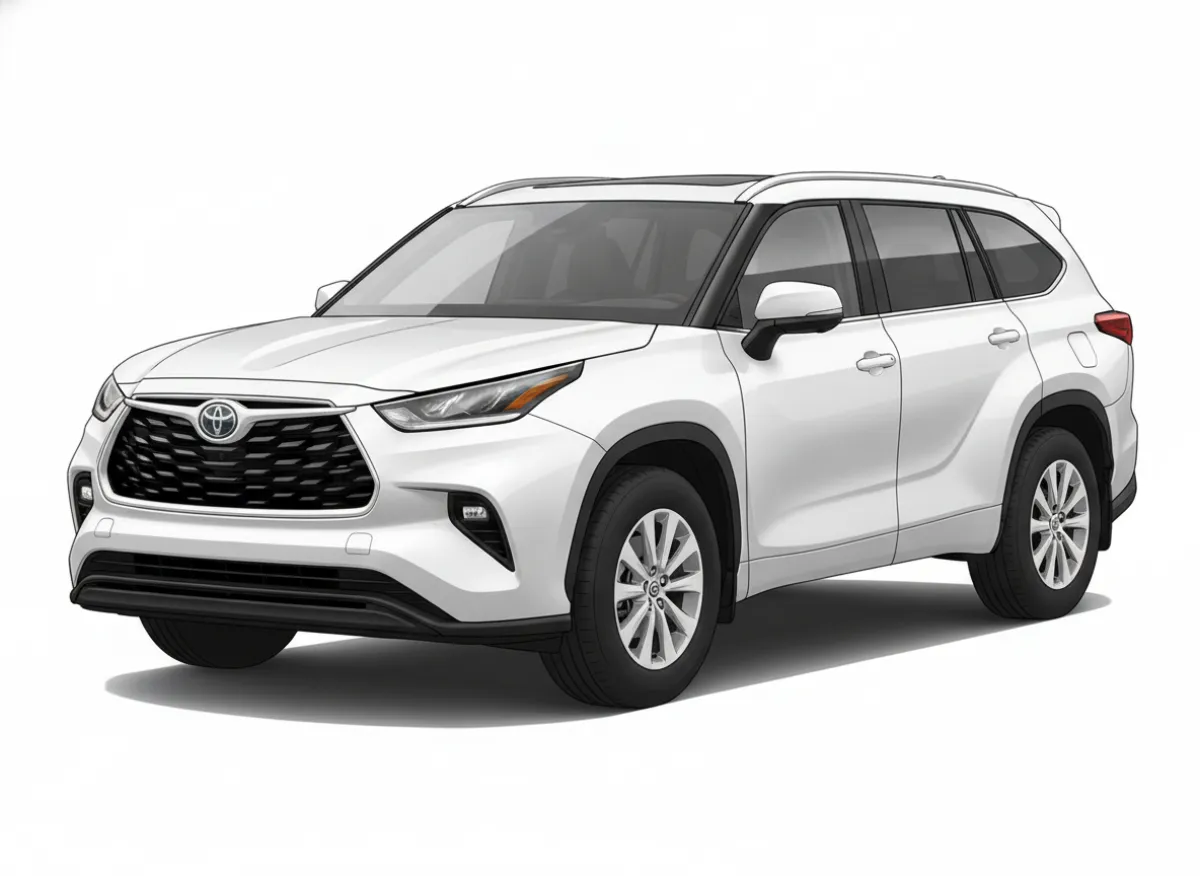 Grand Highlander2023–
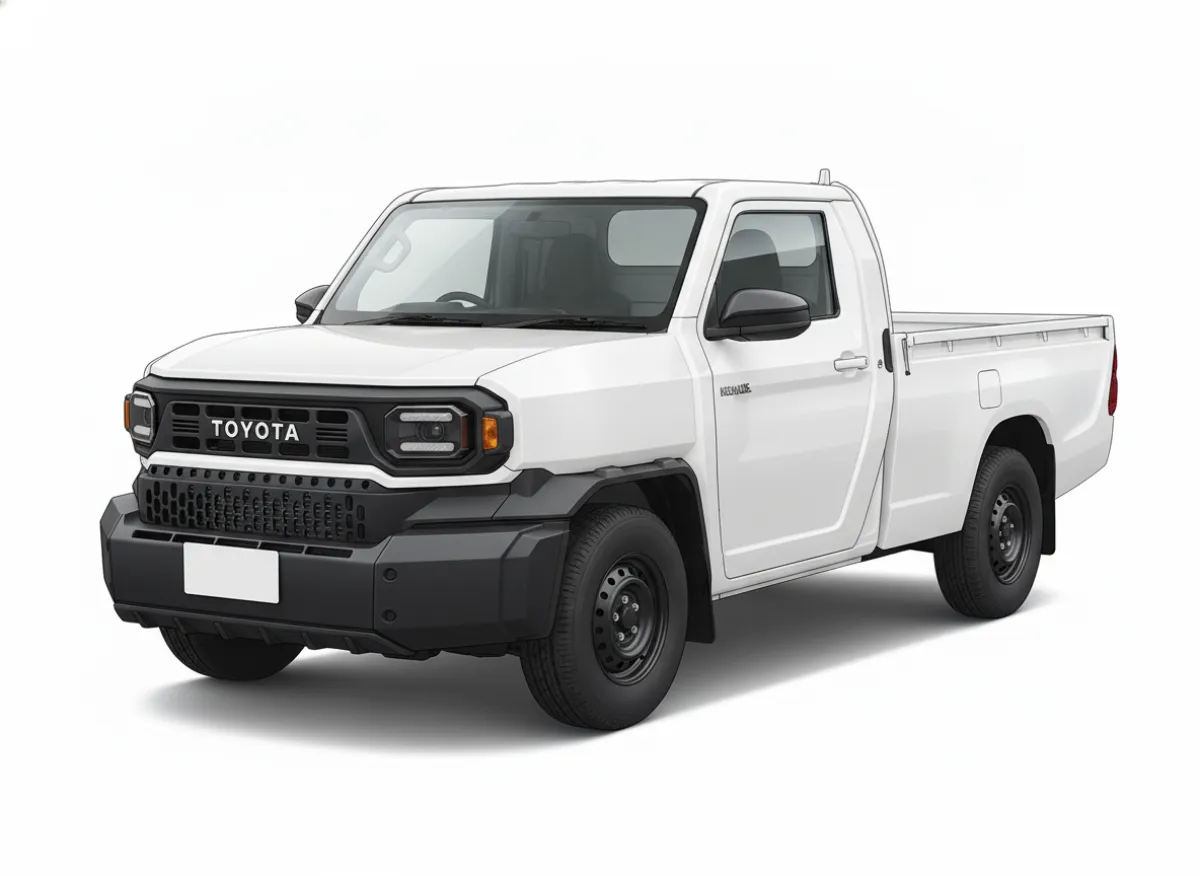 Hilux Champ2023–
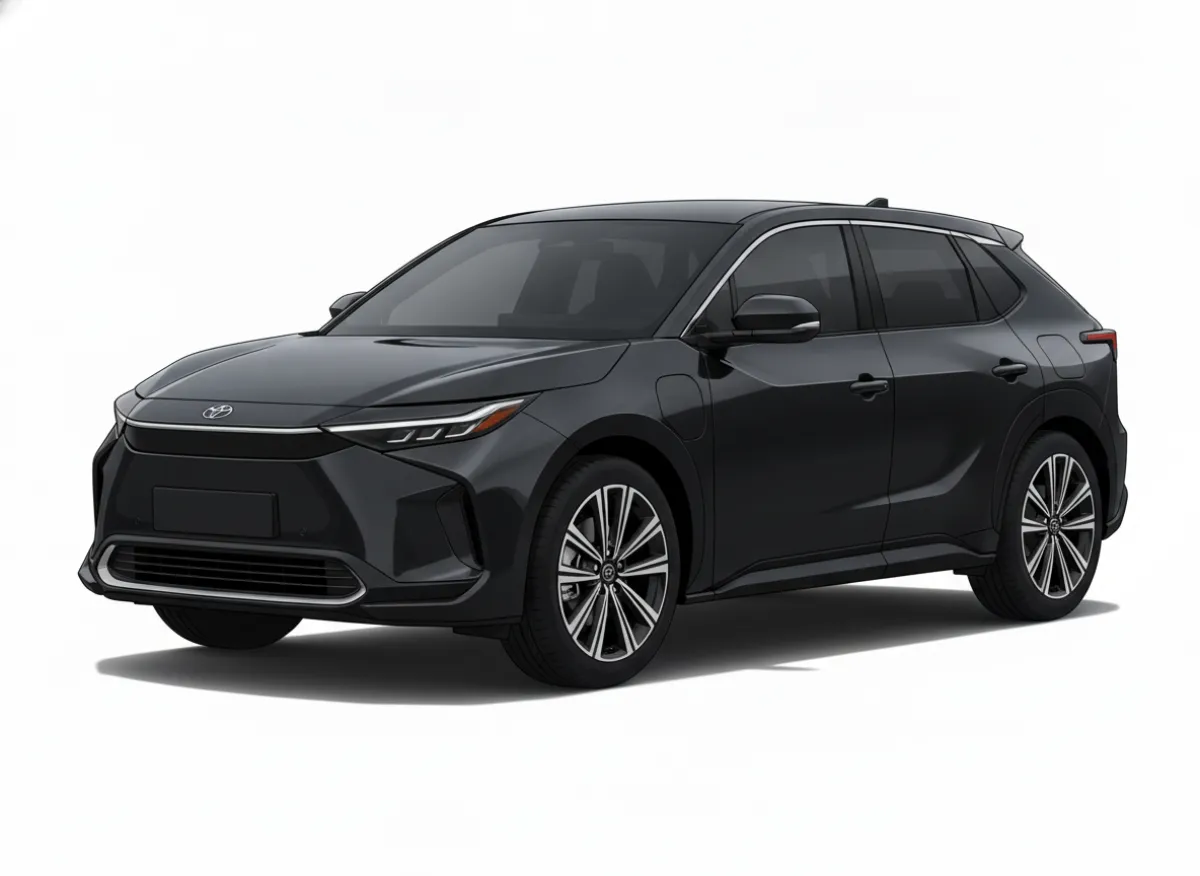 bZ3X2025–
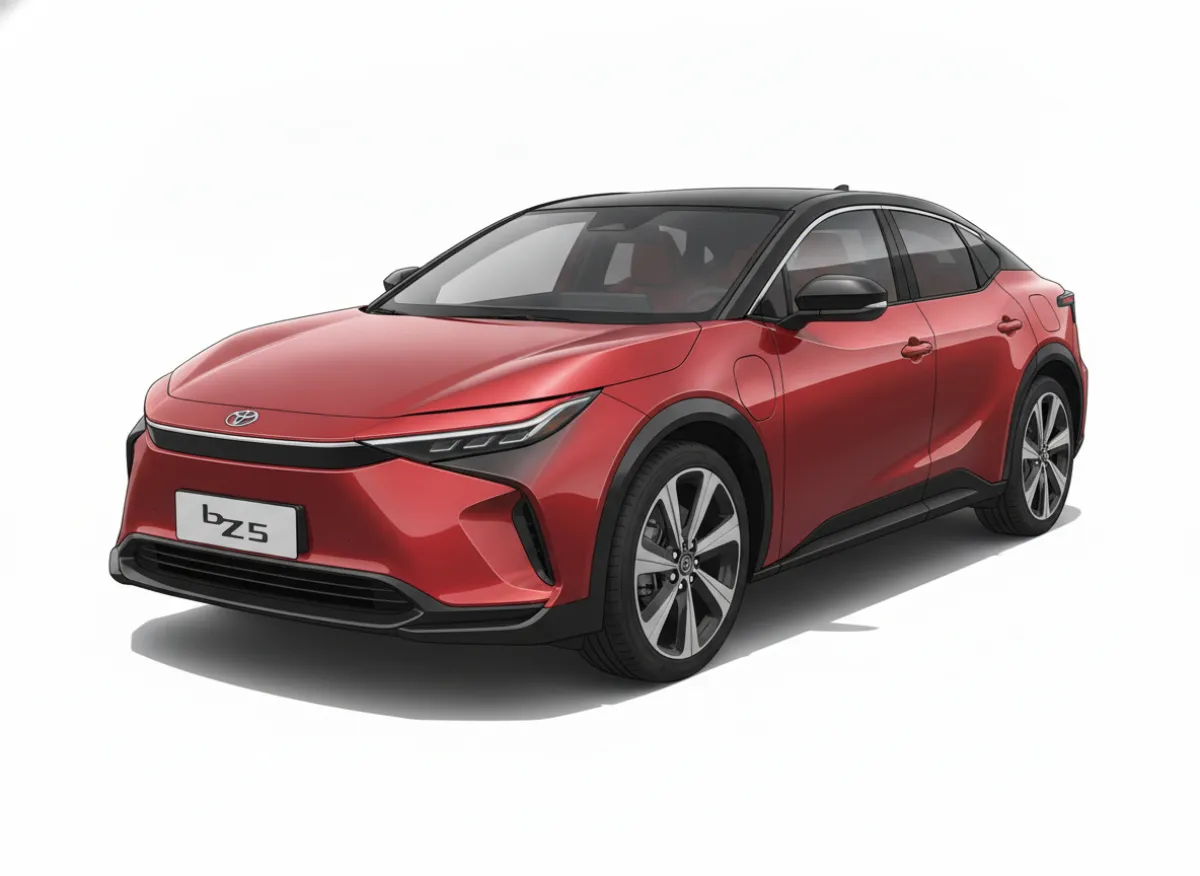 bZ52025–
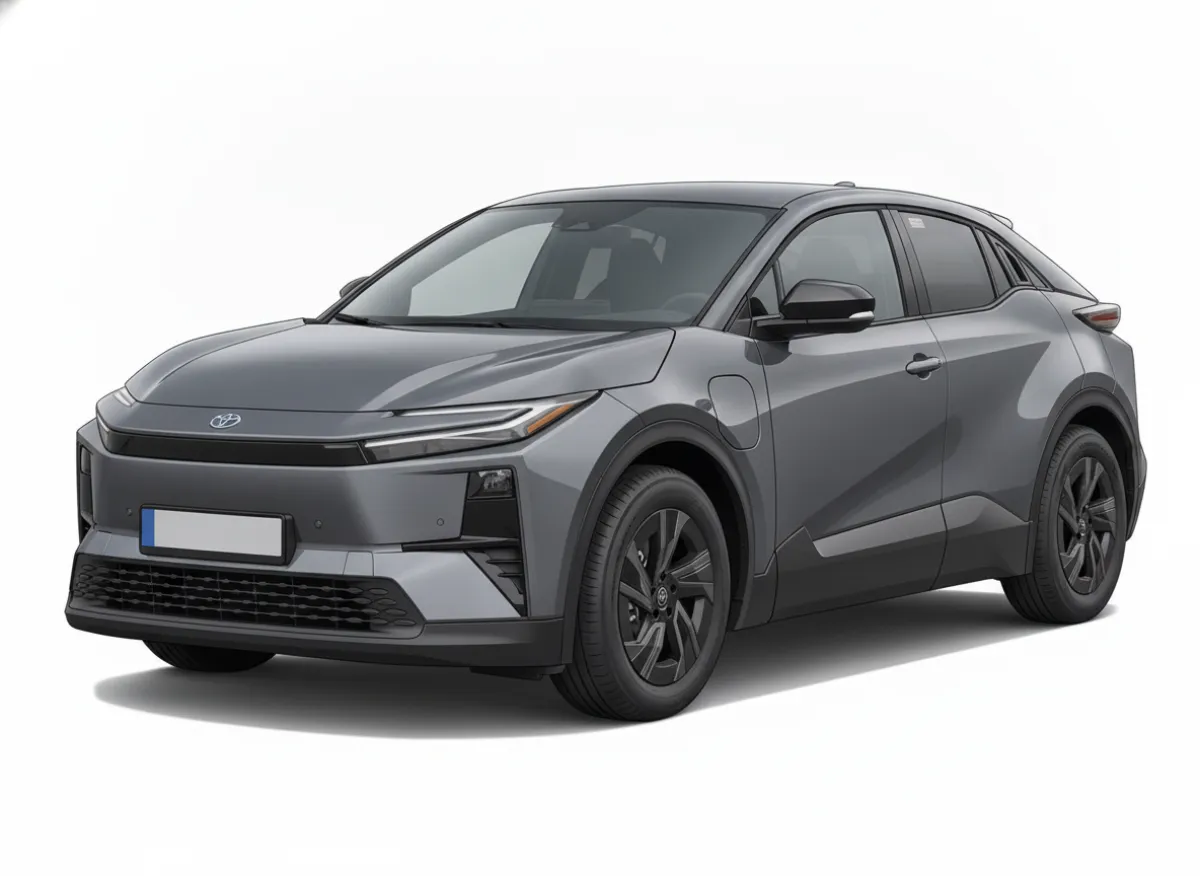 C-HR+2025–
- FT-Me2025
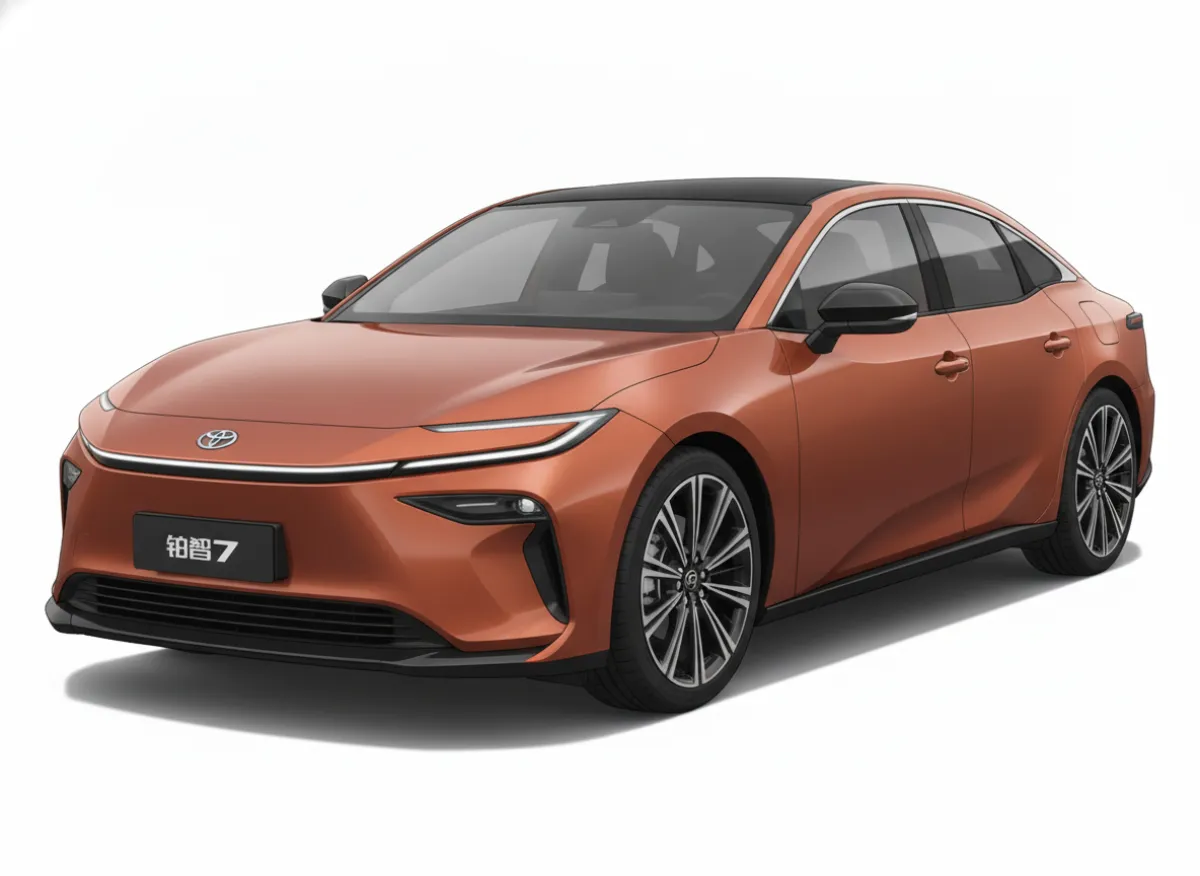 bZ72026–
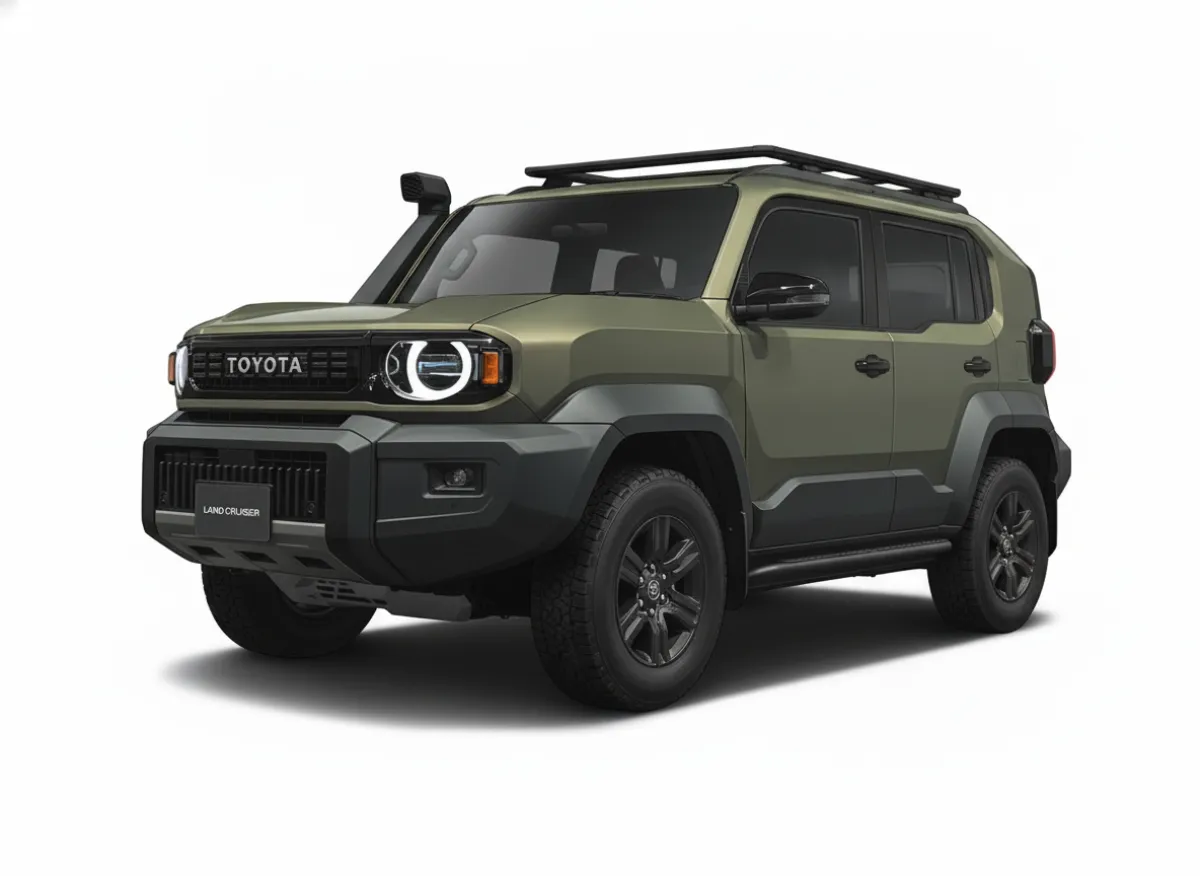 Land Cruiser FJ2026–
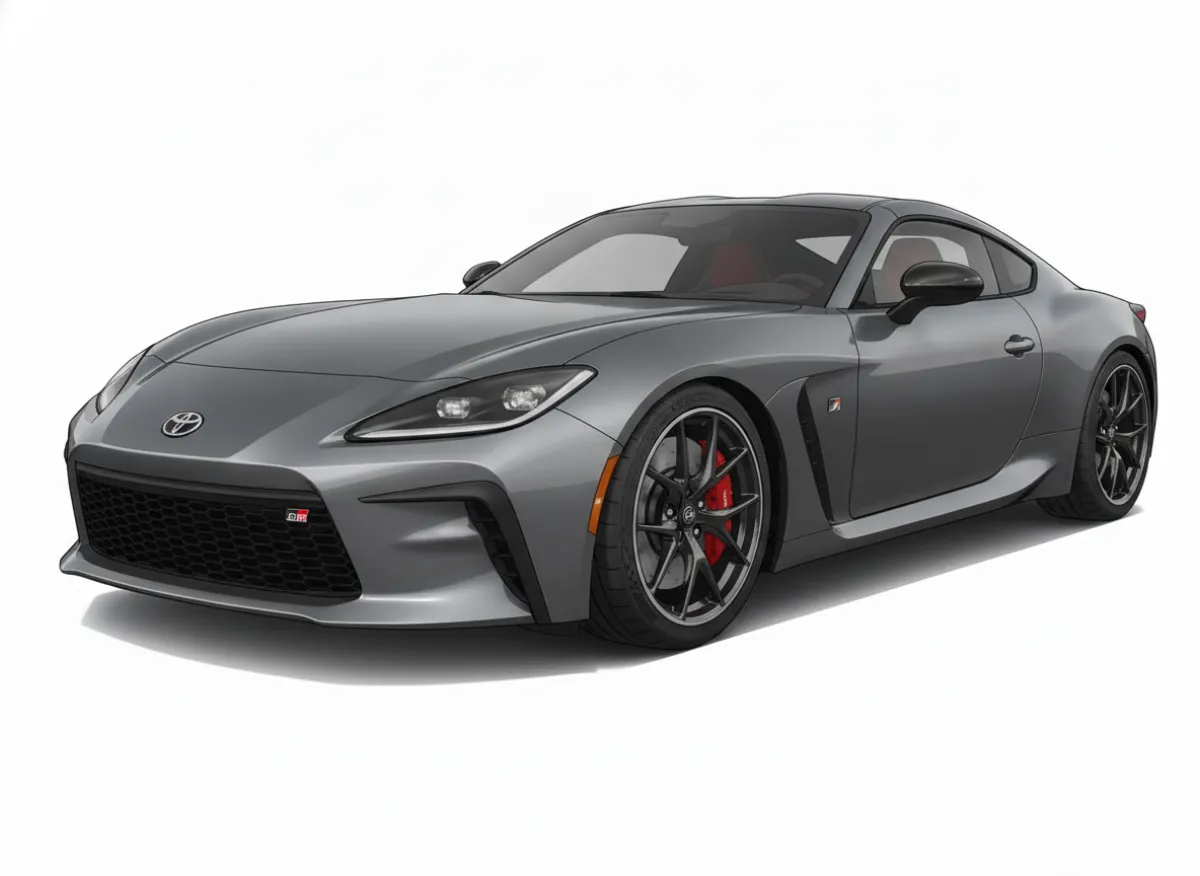 GR GT2027
Year not recorded
1 launched
History
1926–1937
A loom maker's automobile department
Toyota grew out of Toyoda Automatic Loom Works, the company Sakichi Toyoda founded in November 1926 to make his automatic looms. His son Kiichiro Toyoda persuaded the business to put its loom profits into motor vehicles, and on 1 September 1933 the loom works opened an Automobile Division inside the company.
The department built a prototype shop, studied American engines and chassis, and produced the Model A1 passenger car prototype and the Model G1 truck. The G1 went on sale in November 1935. Toyota's own production table counts 20 vehicles built in 1935 and 1,142 in 1936, most of them trucks, as the Model AA sedan and GA truck went into an assembly plant next to the loom works.
1937–1945
Toyota Motor Co. and the war economy
On 28 August 1937 the automobile business was incorporated as a separate company, Toyota Motor Co., Ltd., with Kiichiro's brother-in-law Risaburo Toyoda as president and Kiichiro as vice-president. The loom works was by far its largest shareholder. A large new plant was built at Koromo, the town later renamed Toyota City.
Kiichiro became president in January 1941. Under wartime controls the company made almost nothing but trucks: output peaked at 16,302 vehicles in 1942, of which 41 were passenger cars, and fell to 3,275 in 1945.
1945–1955
The 1950 crisis and the split of production and sales
Peacetime brought inflation, price controls and then the Dodge Line austerity of 1949, which choked demand for trucks and left Toyota with unsold stock and a monthly deficit it could not close. Rescue financing came with conditions: sales and its financing were to be separated from manufacturing. Toyota Motor Sales Co., Ltd. was set up on 3 April 1950 with Shotaro Kamiya, a former GM Japan man, as president.
A two-month labor dispute over job cuts ended on 10 June 1950. Kiichiro Toyoda took responsibility and resigned as president, and Taizo Ishida, head of Toyoda Automatic Loom Works, took over in July. Within weeks the Korean War brought large truck orders that restored the company's finances. Kiichiro died in March 1952. The two Toyota companies stayed separate, coordinating production and sales, for the next 32 years.
1955–1981
Crown, Corolla and the Toyota Production System
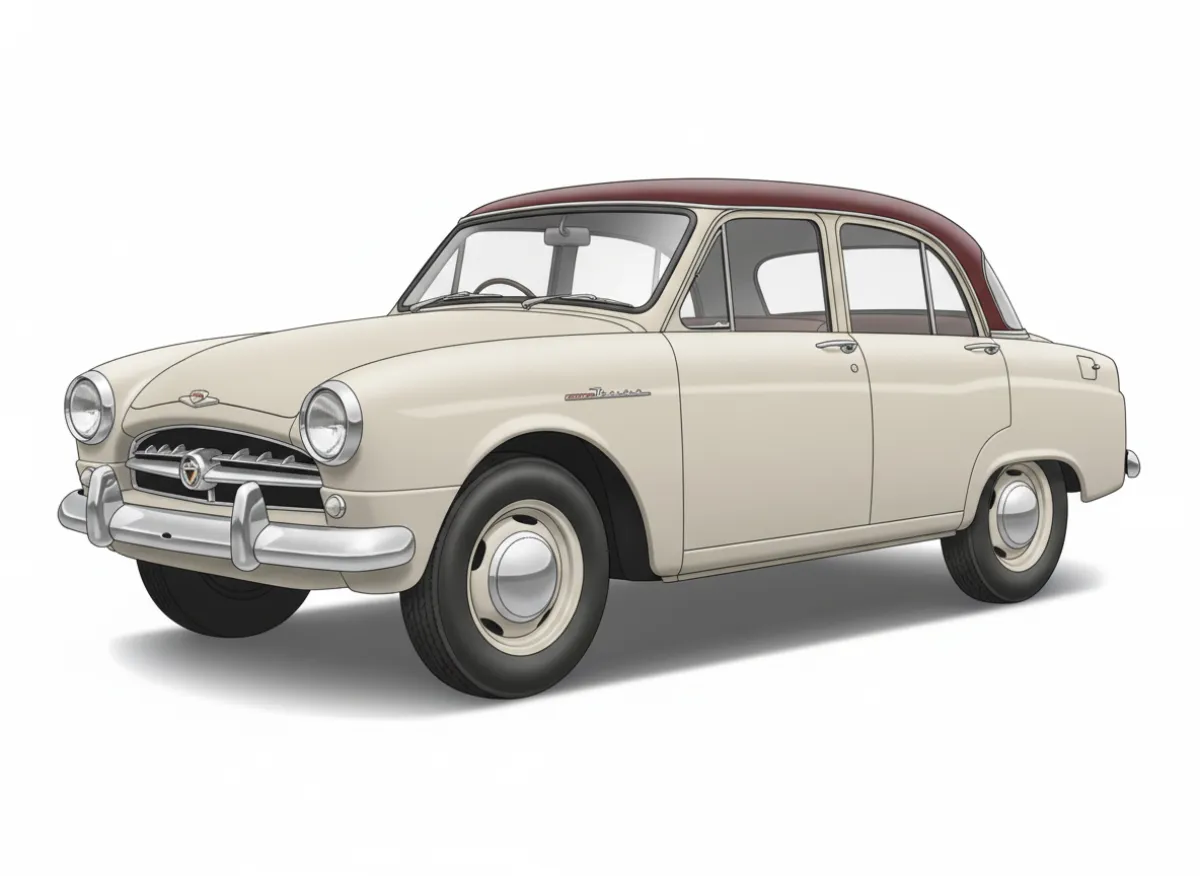
The Toyopet Crown of 1955 was Toyota's first full-fledged passenger car of its own design. Toyota Motor Sales U.S.A. was founded in October 1957 and the first Crowns were shipped to the United States in June 1958. At home the company kept refining the production methods that became known as the Toyota Production System: making only what the next process needs, when it needs it, signalled by kanban cards, which were adopted in all plants in 1963.
The Corolla went into production in November 1966 and became the core of Toyota's growth. Annual production in Japan passed one million in 1968, two million in 1972 and three million in 1980, and exports passed 100,000 in 1966 and 480,000 in 1970. Fukio Nakagawa succeeded Ishida as president in 1961, and Eiji Toyoda led the manufacturing company from 1967 to 1982. Toyota also tied up with Hino (1966) and Daihatsu (1967).
1982–1996
One company again, and production in America
On 1 July 1982 Toyota Motor Co. and Toyota Motor Sales merged to form Toyota Motor Corporation. Eiji Toyoda became chairman and Shoichiro Toyoda, Kiichiro's son, who had run the sales company since 1981, became president.
Trade friction pushed Toyota to build cars where it sold them. After talks with Ford failed, it agreed with General Motors in February 1983 to run GM's closed Fremont, California plant as a joint venture, New United Motor Manufacturing, Inc. (NUMMI). Wholly owned plants in Kentucky and Ontario followed, both companies being established in January 1986. In September 1989 Toyota opened its Lexus luxury dealer network in the United States. Overseas output passed one million vehicles a year in 1994. Tatsuro Toyoda became president in 1992 and Hiroshi Okuda in 1995.
1997–2008
Prius, group consolidation and the race to No. 1
The Prius, launched in Japan in December 1997, was the first mass-produced hybrid passenger car. Toyota took 51.2 percent of Daihatsu in 1998 and a majority of Hino in August 2001, making both consolidated subsidiaries, and listed its shares in New York and London in September 1999.
Under presidents Fujio Cho and Katsuaki Watanabe, Toyota-brand production climbed from 5.18 million in 2000 to 8.53 million in 2007, the year overseas production overtook production in Japan for the first time. In OICA's 2008 ranking of manufacturer groups Toyota was first in the world, ahead of General Motors.
2008–2012
Losses, recalls and the earthquake
The financial crisis cut production by almost two million vehicles between 2008 and 2009, and Toyota posted a large loss for the year to March 2009. Akio Toyoda, Kiichiro's grandson, became president in June 2009.
Within months the company faced the largest quality crisis in its history over unintended acceleration. A floor-mat recall begun in late 2009 covered 4.26 million vehicles in the US and 6.1 million worldwide, and a January 2010 recall for sticking accelerator pedals covered 4.44 million vehicles worldwide. The Great East Japan Earthquake of March 2011 then disrupted production, which fell to 6.93 million for the year, and Toyota fell to third in OICA's 2011 ranking.
2012–now
Record volumes and a new group structure
Production recovered to 8.74 million in 2012 and Toyota stood first in OICA's world ranking every year from 2012 to 2017, when OICA stopped publishing it. Takeshi Uchiyamada, who had led the original Prius project, was chairman from 2013 to 2023. Toyota-brand production reached a record 10.03 million in 2023, or 11.52 million including Daihatsu and Hino, and consolidated revenue passed 50 trillion yen in the year to March 2026.
Akio Toyoda became chairman in April 2023 and handed the presidency to Koji Sato, who was followed by Kenta Kon in April 2026. The wider group was reshaped at the same time: Hino left the consolidated group on 1 April 2026 when it merged its business with Mitsubishi Fuso, and as Toyota Industries, the old loom company, was taken private by Toyota Fudosan, Toyota bought back Toyota Industries' 9.17 percent stake in its parent in a 3.65 trillion yen tender offer completed in spring 2026.
Milestones
- 1926
Toyoda Automatic Loom Works, Ltd. founded in Kariya (now Toyota Industries).
- 1933
Toyoda Automatic Loom Works sets up an Automobile Division (1 September).
- 1935
Model G1 truck goes on sale (November); 20 vehicles built that year.
- 1937
Toyota Motor Co., Ltd. incorporated (28 August).
- 1941
Kiichiro Toyoda becomes president.
- 1949
Shares listed on the Tokyo, Nagoya and Osaka stock exchanges (May).
- 1950
Toyota Motor Sales Co. founded as a separate company (3 April); labor dispute ends (10 June); Kiichiro Toyoda resigns and Taizo Ishida becomes president (18 July).
- 1955
Toyopet Crown launched.
- 1957
Toyota Motor Sales, U.S.A. established (31 October).
- 1958
First Crowns shipped to the United States (June).
- 1963
Kanban system adopted in all plants.
- 1966
Corolla production begins at the Takaoka Plant (November).
- 1968
Annual production in Japan passes one million vehicles.
- 1982
Toyota Motor Co. and Toyota Motor Sales merge to form Toyota Motor Corporation (1 July).
- 1983
Basic agreement with GM to build cars at Fremont, California (NUMMI).
- 1986
Toyota Motor Manufacturing U.S.A. (Kentucky) and Toyota Motor Manufacturing Canada established (January).
- 1989
Lexus sales network opens in the United States (September).
- 1994
Overseas production passes one million vehicles a year.
- 1997
Prius, the first mass-produced hybrid passenger car, launched in Japan (December).
- 1998
Toyota raises its Daihatsu stake to 51.2 percent.
- 1999
Shares listed on the New York and London stock exchanges (September).
- 2001
Toyota takes a majority of Hino Motors (August).
- 2007
Overseas production exceeds production in Japan for the first time; Toyota-brand output 8,534,690.
- 2008
First in OICA's world ranking of vehicle manufacturers by production.
- 2009
Akio Toyoda becomes president (June); floor-mat recall begins in the US (autumn).
- 2010
Accelerator-pedal recall covering 4.44 million vehicles worldwide (January).
- 2011
Great East Japan Earthquake (11 March) disrupts production; Toyota drops to third in OICA's ranking.
- 2023
Koji Sato succeeds Akio Toyoda as president; Toyota-brand production reaches a record 10,033,171.
- 2026
Kenta Kon becomes president (1 April); Hino leaves the consolidated group (1 April); Toyota buys back Toyota Industries' stake in a 3.65 trillion yen tender offer.