France · since 1919
Citroën
Mass production, front-wheel drive and hydropneumatic suspension from a firm that went bankrupt twice before Peugeot absorbed it.
Models on record
Researched dossiers
- Founded
- 1919
- Founders
- André Citroën
- Headquarters
- Poissy, France (Stellantis)
- Owned by
- Stellantis
- Status
- active
- Cars on record
- 1919–today
Marque summary from Wikipedia, CC BY-SA 4.0.
About Citroën
Citroën (French: [sitʁɔɛn] ) is a French automobile brand owned by Stellantis since 2021. The Automobiles Citroën manufacturing company was founded on 4 June 1919 by André Citroën. Peugeot acquired 89.95% share in Citroën in 1976, leading to the formation of PSA Peugeot Citroën, then known as PSA Group.
Who owned it
6 changes of control, 1919 to today.
- 1919–1934André Citroën (Automobiles Citroën, later SA André Citroën)Founded 4 June 1919. A proposed sale to General Motors in the 1920s was not completed.
- 1934–1968MichelinCitroën went into liquidation on 21 December 1934; Michelin, its largest creditor, became principal shareholder within the month and took control in 1935.
- 1968–1973Michelin with Fiat as minority partner (Citroën SA / PARDEVI holding) · Fiat 49% of the PARDEVI holdingEnglish Wikipedia says Michelin sold Fiat a 49% stake in 1968. French Wikipedia says PARDEVI was created in December 1970, held 53% of Citroën SA and was 51% Michelin / 49% Fiat, giving Fiat roughly 25% of Citroën indirectly. Fiat sold its stake back to Michelin in 1973.
- 1973–1976Michelin (majority) with Peugeot SA from December 1974 · Peugeot SA 38.2% from December 1974Citroën went bankrupt in 1974; the merger with Peugeot was announced 24 June 1974 and the state lent FRF 500 million to the combined group.
- 1976–2021Peugeot SA (PSA Peugeot Citroën; PSA Peugeot Talbot Citroën 1979–1986; Groupe PSA from 2016) · 89.95% from 9 April 1976The Peugeot family remained PSA's majority shareholder until 2014.
- 2021–nowStellantis · 100%PSA merged with Fiat Chrysler Automobiles to form Stellantis in January 2021.
Chief executives
Sales, revenue and rank
Vehicles sold or built
What the figure counts changes 1 times. Read each numbered stretch on its own.
- 1971–1972Citroën cars produced (production, not sales), as stated in English Wikipedia
- 1998–2023Citroën brand worldwide sales, passenger cars and light commercial vehicles as reported for the PSA/Stellantis brand (before DS was split off as a separate brand in 2015 these PSA brand totals may include DS models), as charted by French Wikipedia from press reports of PSA's annual sales
Sources for these figures (2)
- Citroën (history, ownership, list of CEOs, 1971–72 production) — Wikipedia
- Citroën (history, Présidents and Directeurs lists, "Ventes mondiales du constructeur Citroën" chart citing Les Echos, Libération, Le Monde, L'Usine nouvelle, Caradisiac, TF1, Groupe PSA, Capital, Le Journal de l'automobile, La Tribune Auto and Les Numériques) — Wikipedia (French)
- This file was compiled after the session's web-search budget was exhausted; figures come from the English and French Wikipedia articles (raw wikitext). The press reports behind the French sales chart were not opened individually, and no PSA or Stellantis annual report was reached.
- Units: worldwide sales for 1998, 2000, 2005–2006, 2008–2010 and 2012–2023, plus production for 1971–1972. Missing: everything before 1971, 1973–1997, 1999, 2001–2004, 2007, 2011, 2024 and 2025. Several years are rounded in the source (to the thousand or more).
- Scope caution: the PSA brand totals include light commercial vehicles, and before DS became a separate brand (2015) they may include DS-badged cars; the source does not say. For 2021 the chart gives 796,868 while the article it cites is headlined 587,635 passenger cars, so 796,868 appears to include LCVs. French Wikipedia also gives about 555,000 cars for 2022 in prose against 680,000 in the chart.
- No revenue is recorded: Citroën did not publish separate brand revenue in the material reached, and PSA or Stellantis group revenue was not retrieved.
- No best seller recorded: model-level annual sales were not found in the sources reached.
- Rank is given only for 1972 (second among French makers by volume, per English Wikipedia).
- Ownership conflict on the Fiat deal: English Wikipedia dates the 49% Fiat stake to 1968; French Wikipedia dates the PARDEVI holding to December 1970 and puts Fiat's indirect share at about 25%. Both are recorded in the ownership note.
- Leaders: no top executive is listed for 1979–1998, when Citroën was run inside PSA (PSA's chairman Jacques Calvet is named in French Wikipedia but not as Citroën's head).
Factories
- Stellantis Vigo Plant19 models
- Stellantis Rennes Plant16 models
- Stellantis Mangualde Plant14 models
- Usines Citroën du quai de Javel10 models
- PSA Aulnay-sous-Bois Plant4 models
- Stellantis Poissy Plant2 models
- Stellantis Trnava Plant2 models
- Toyota Motor Manufacturing Czech Republic2 models
- Stellantis Mulhouse Plant1 models
- Stellantis Kenitra plant1 models
- Alfa Romeo Pomigliano d'Arco plant1 models
Researched dossiers
Every model
Models in production each year
1910s
1 launched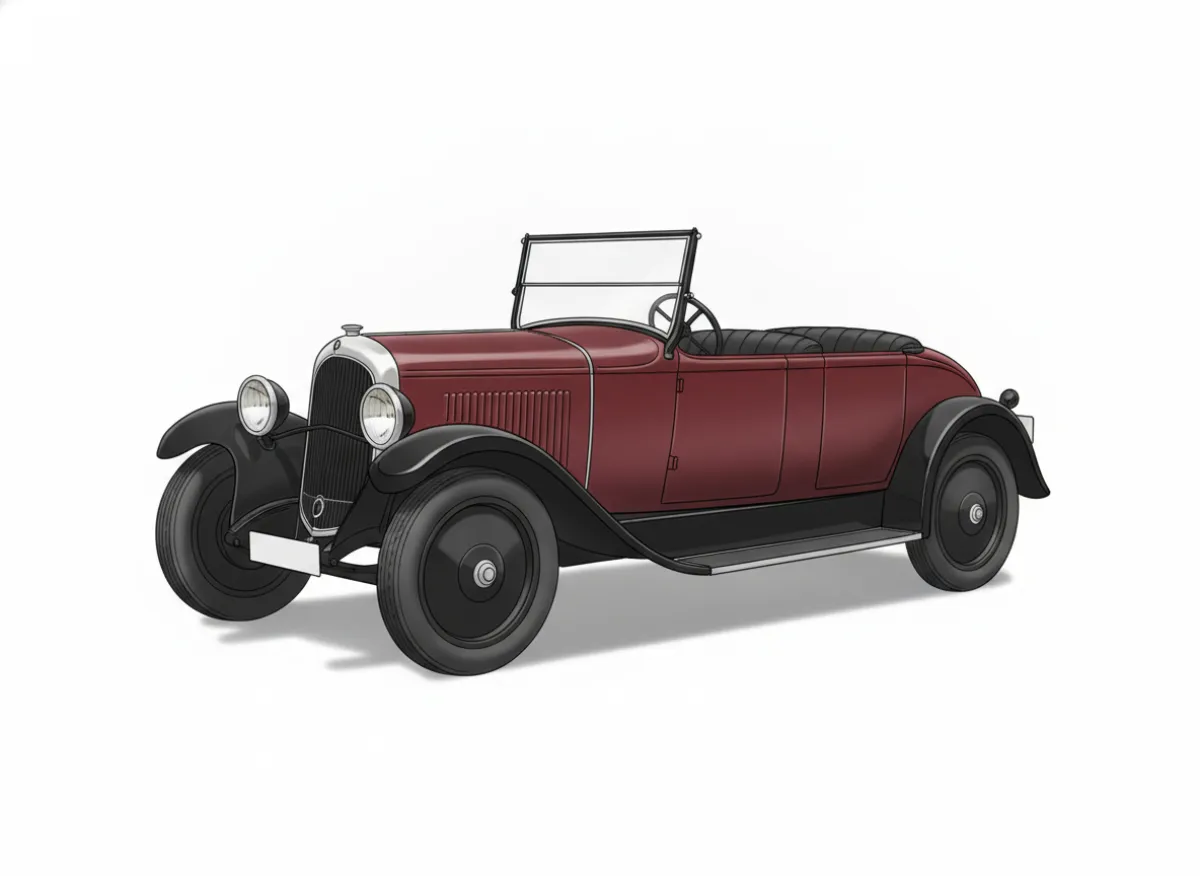
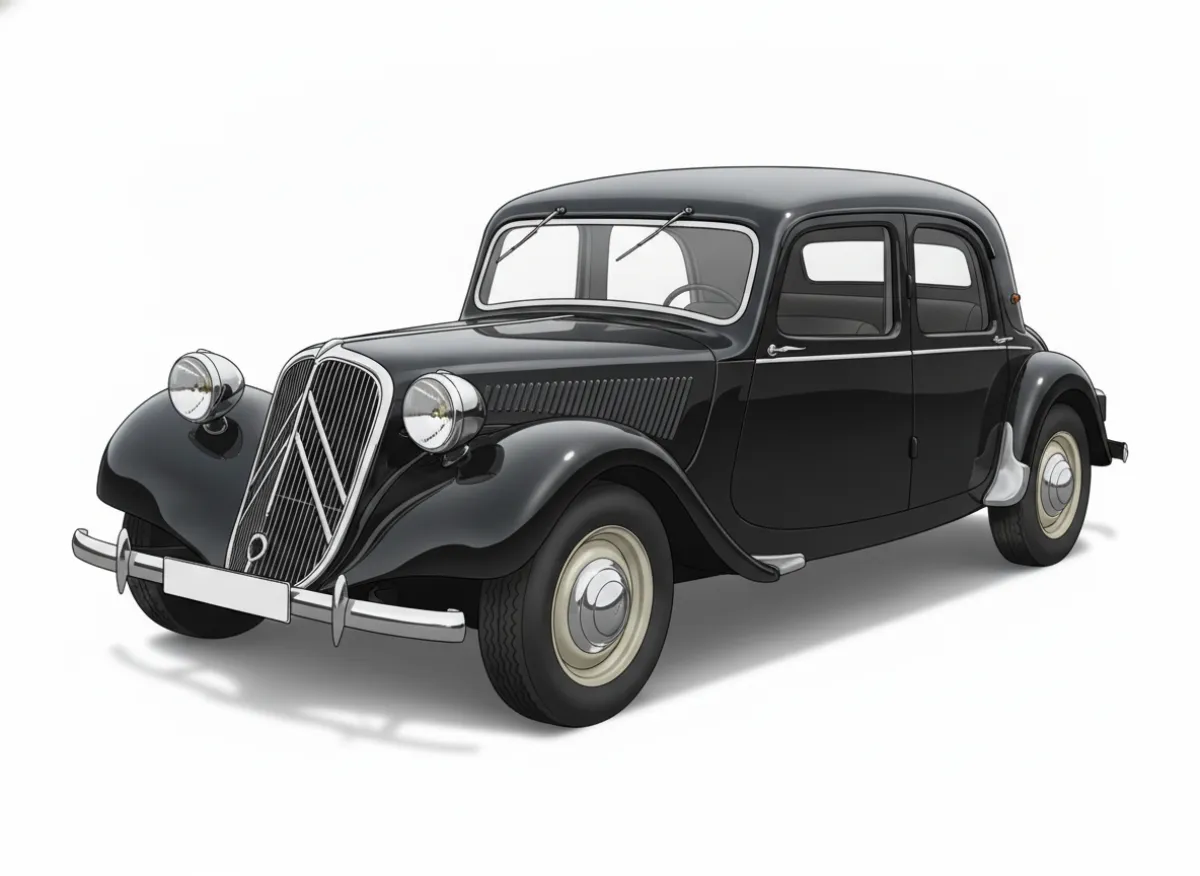
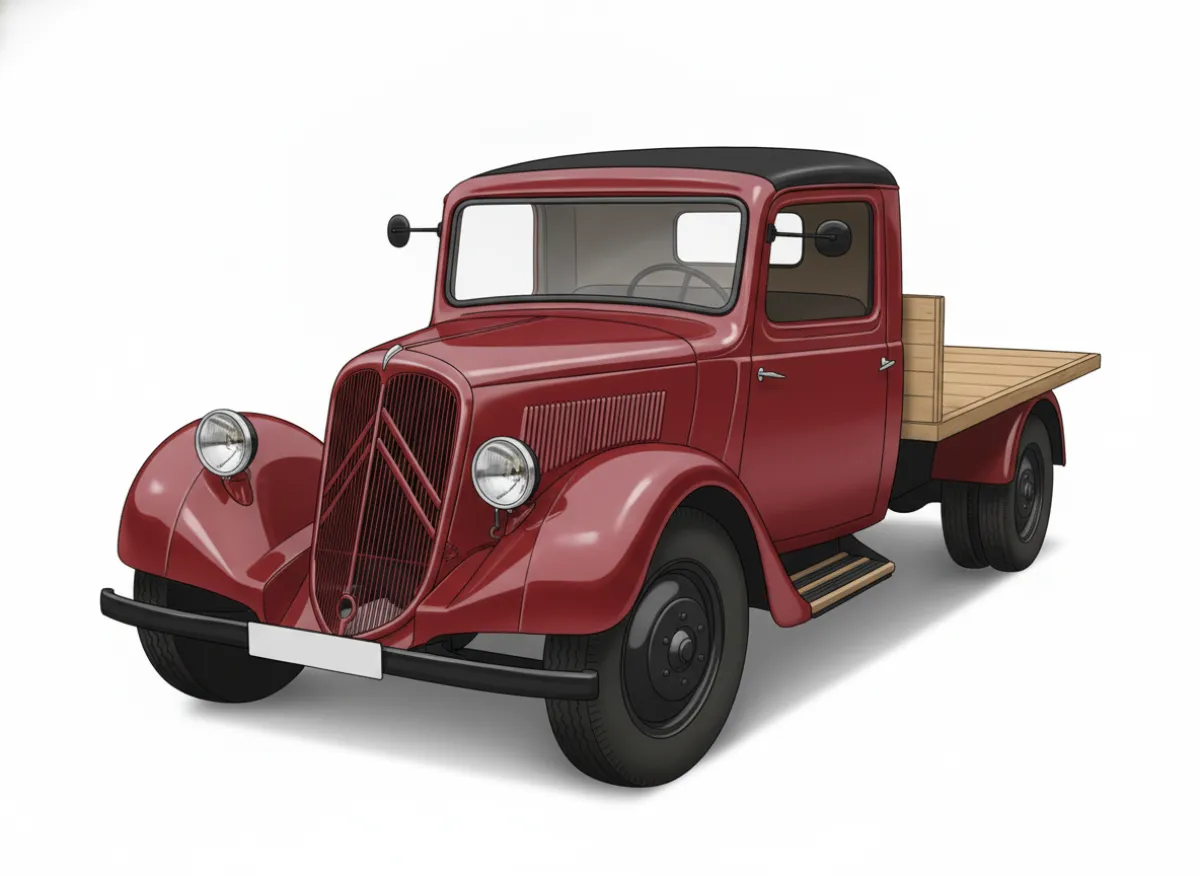
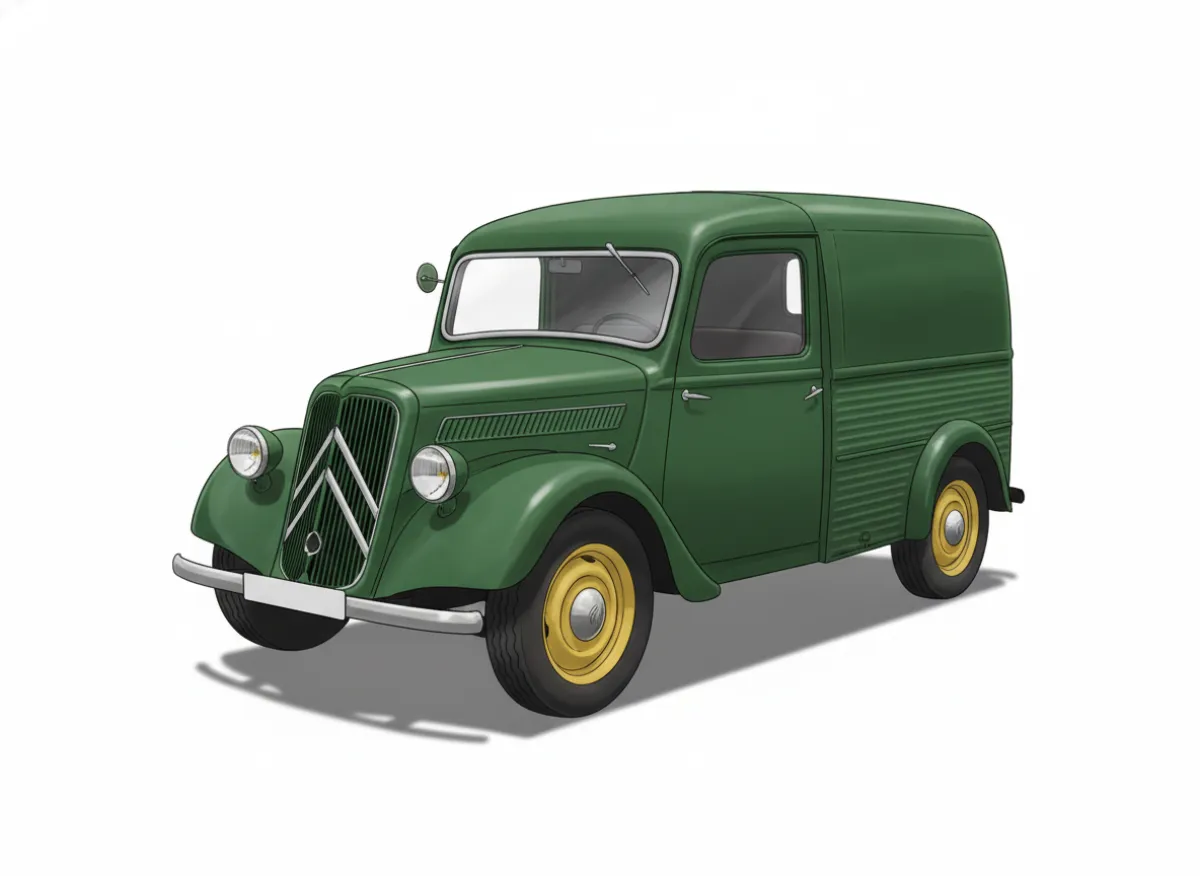
1940s
3 launched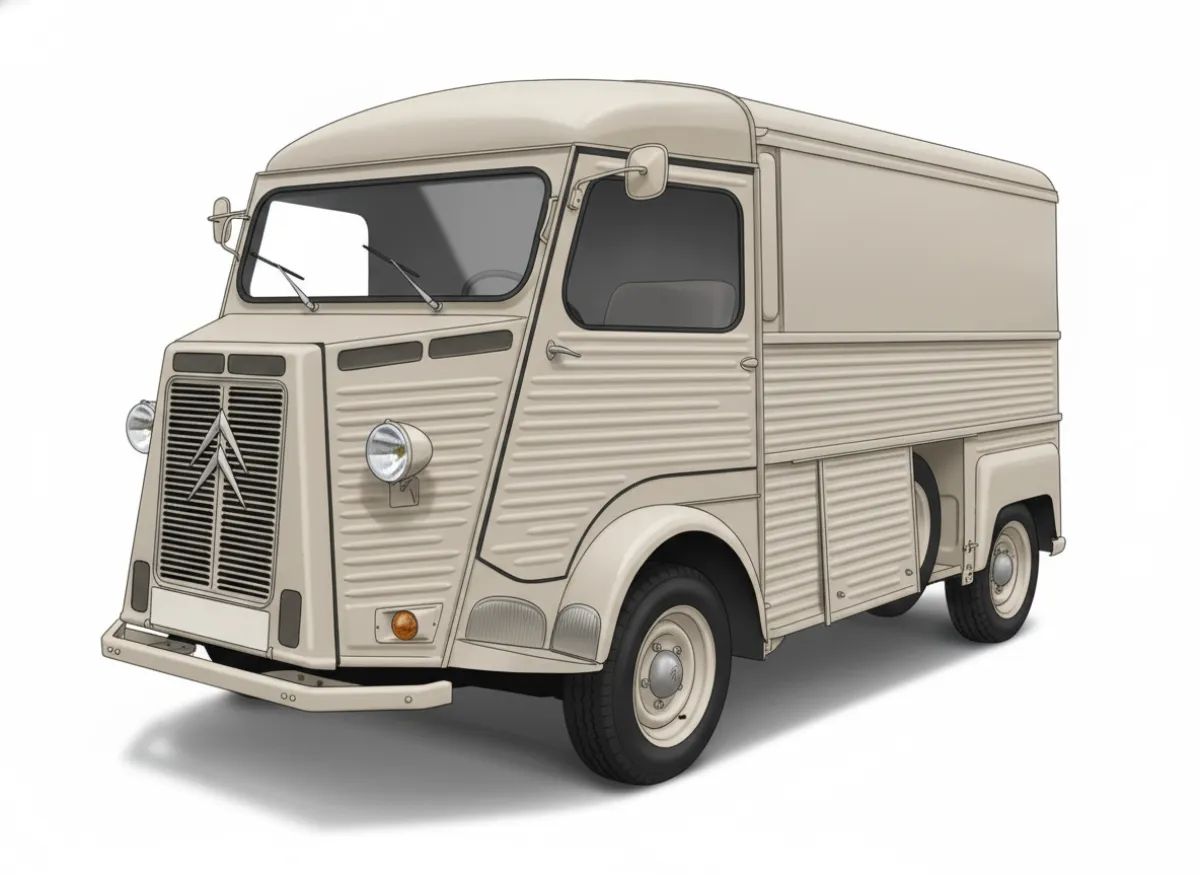
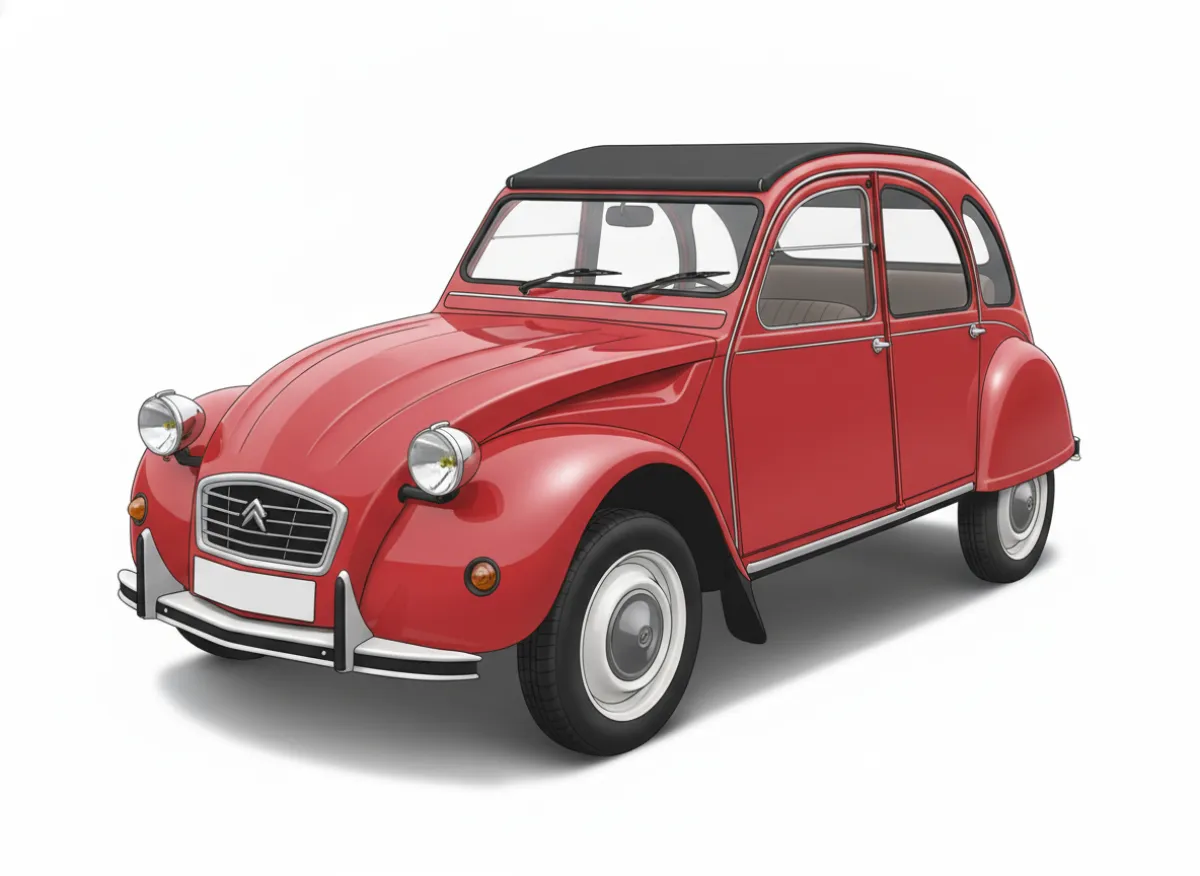
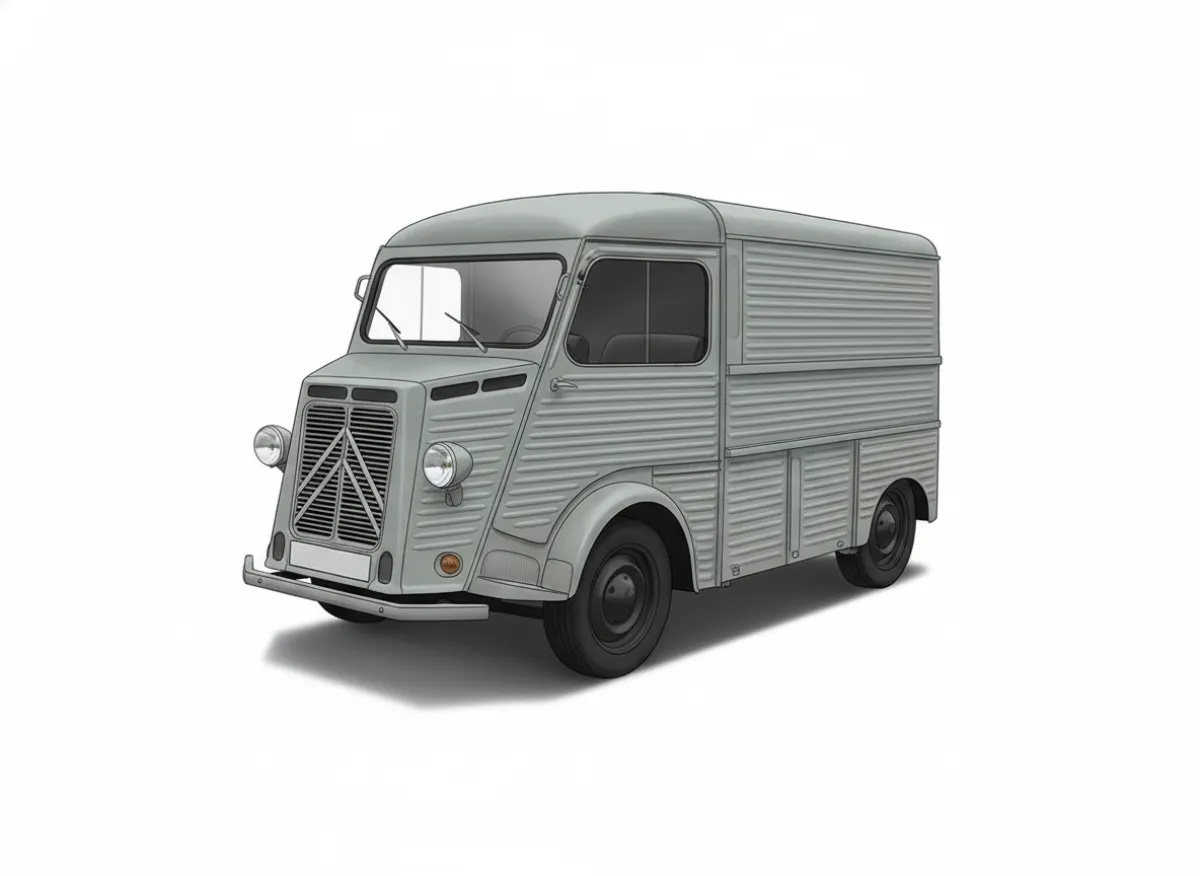
1950s
2 launched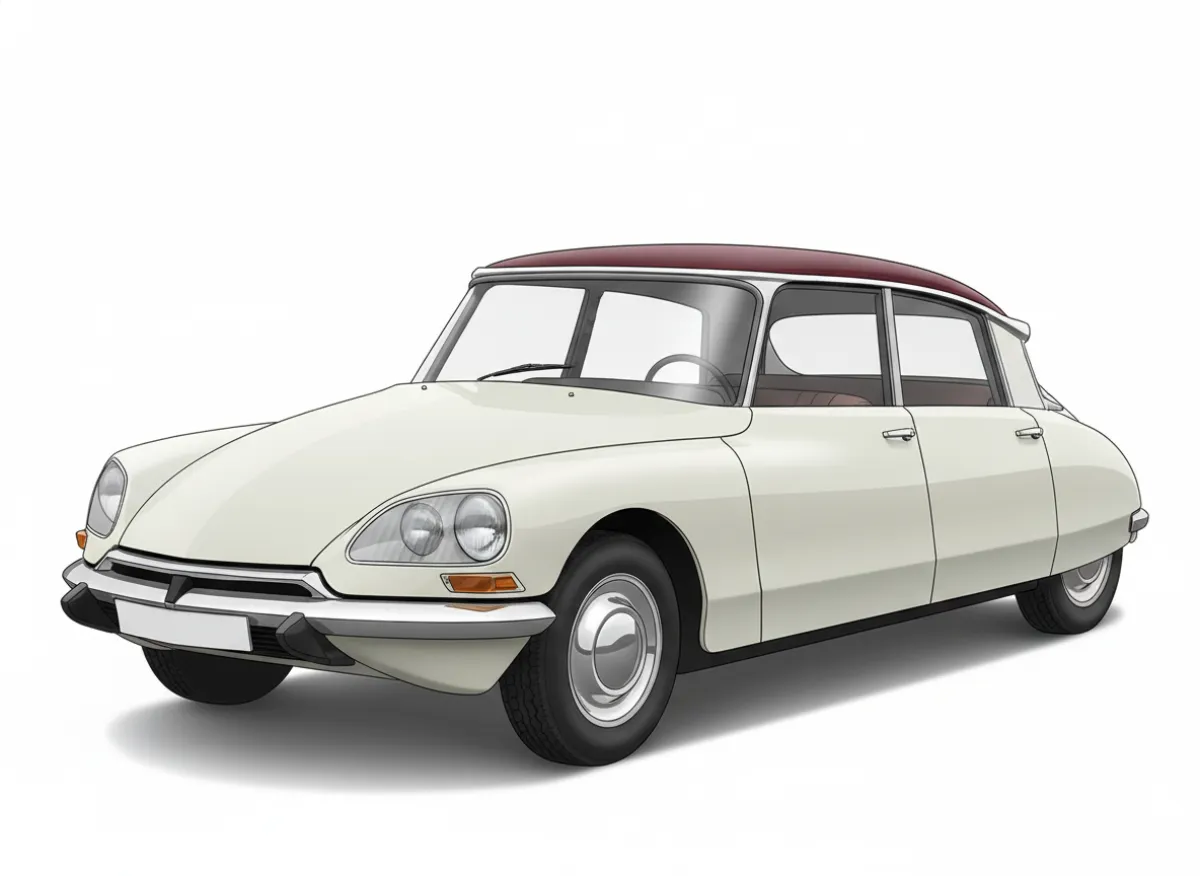
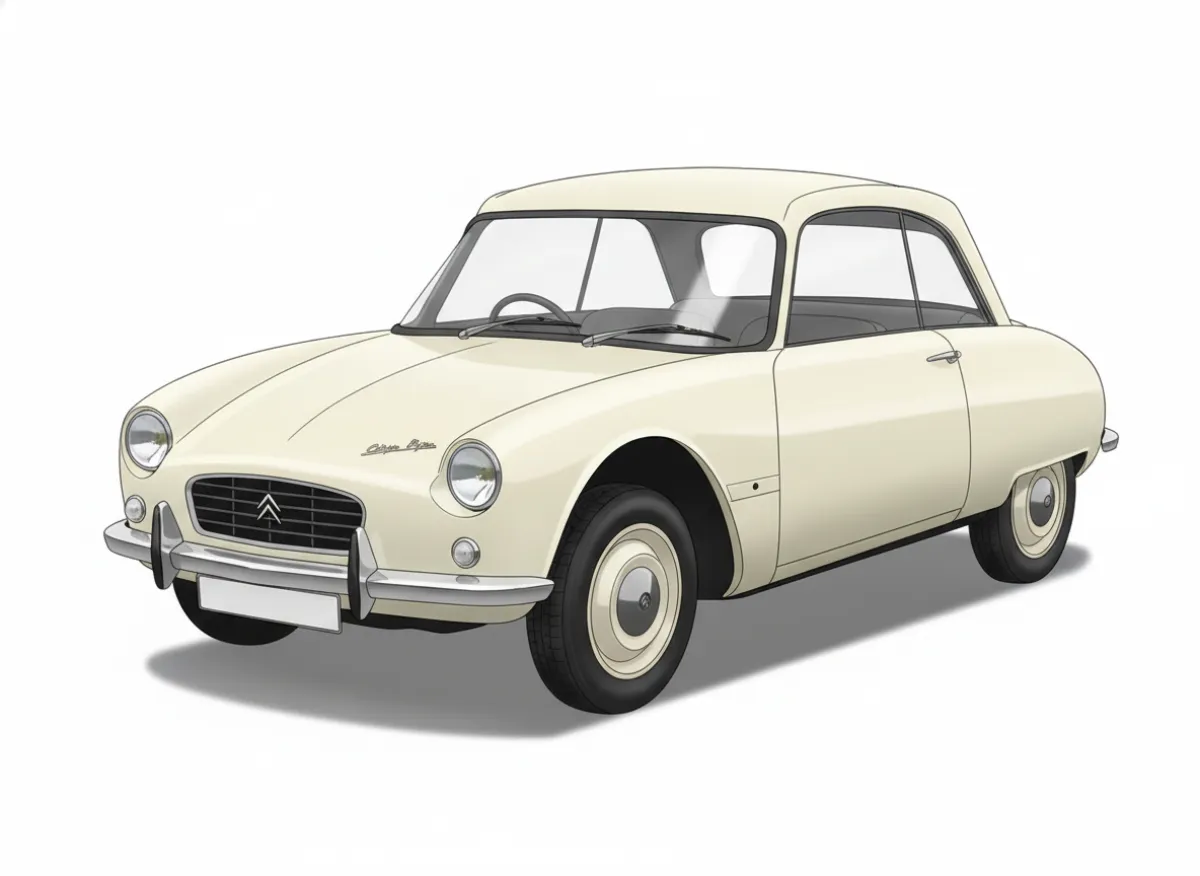

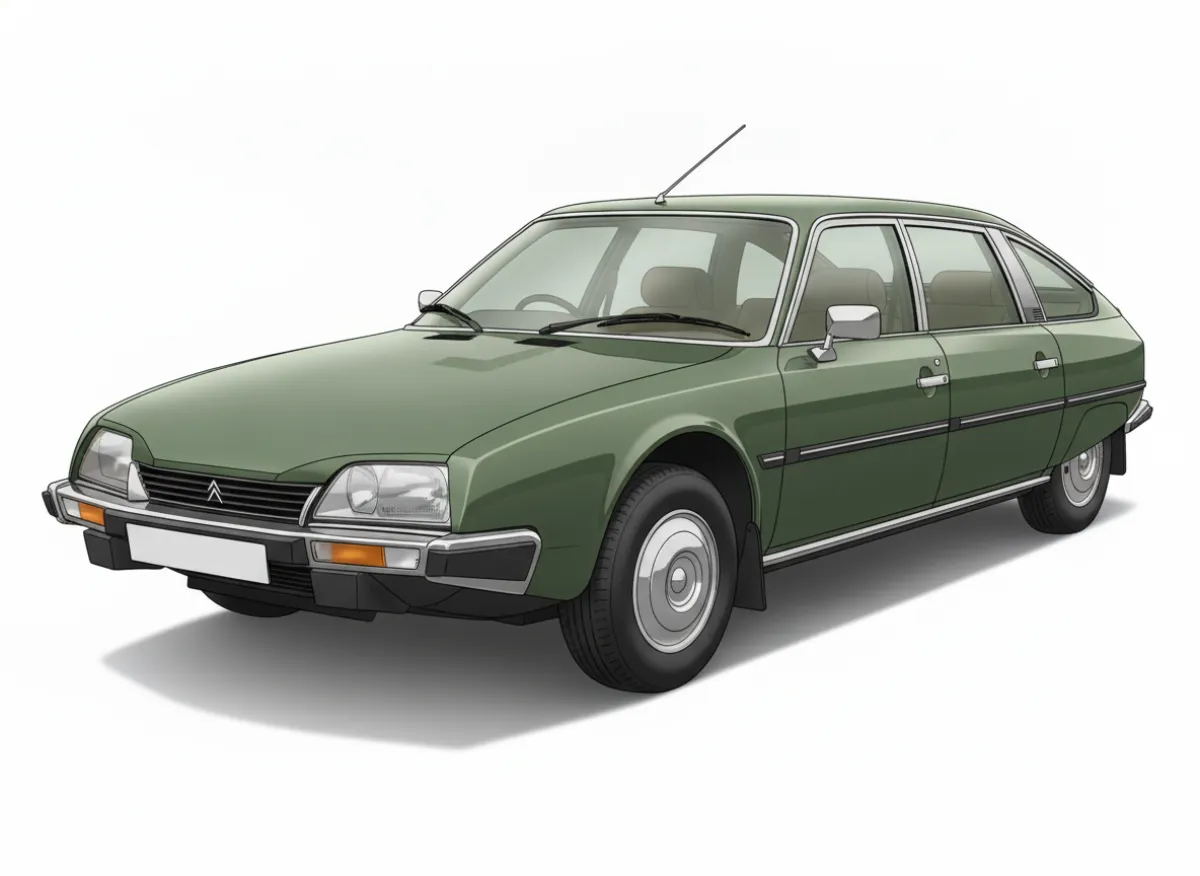
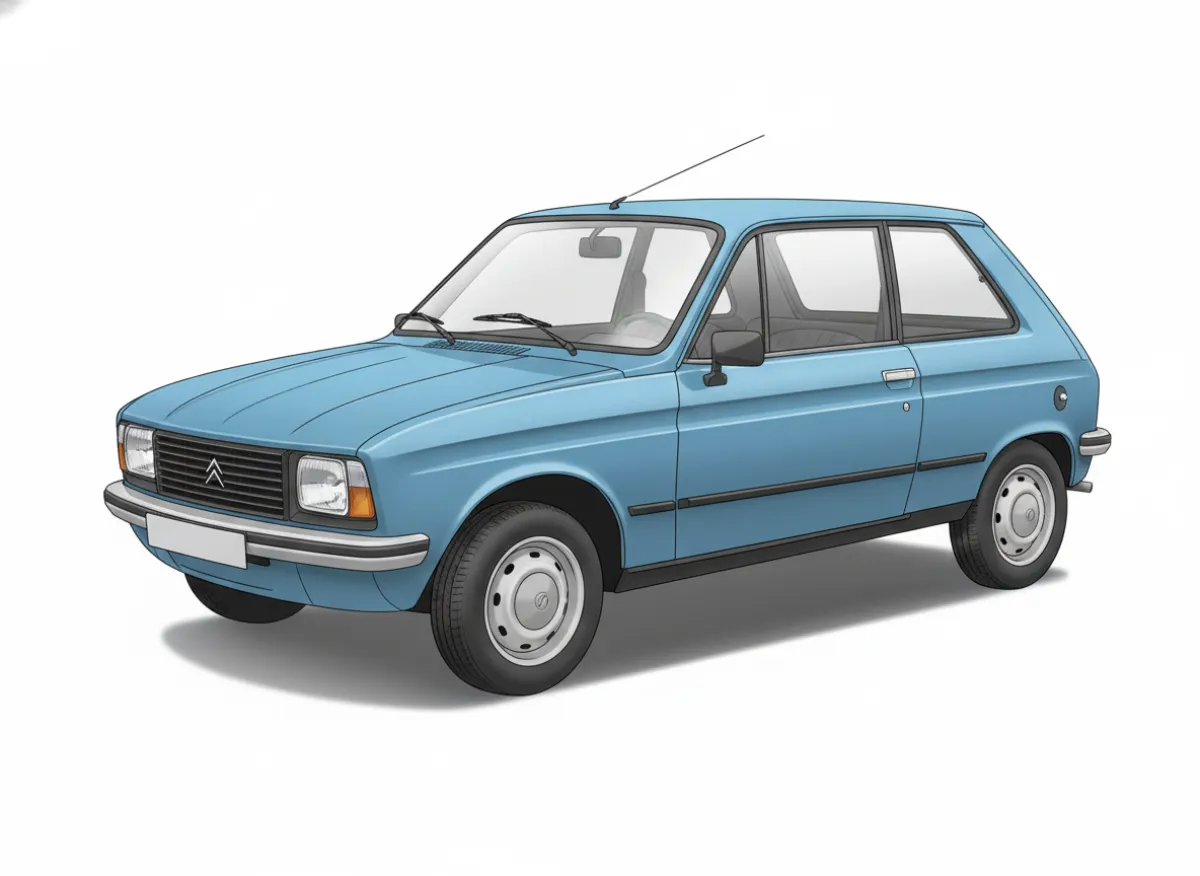
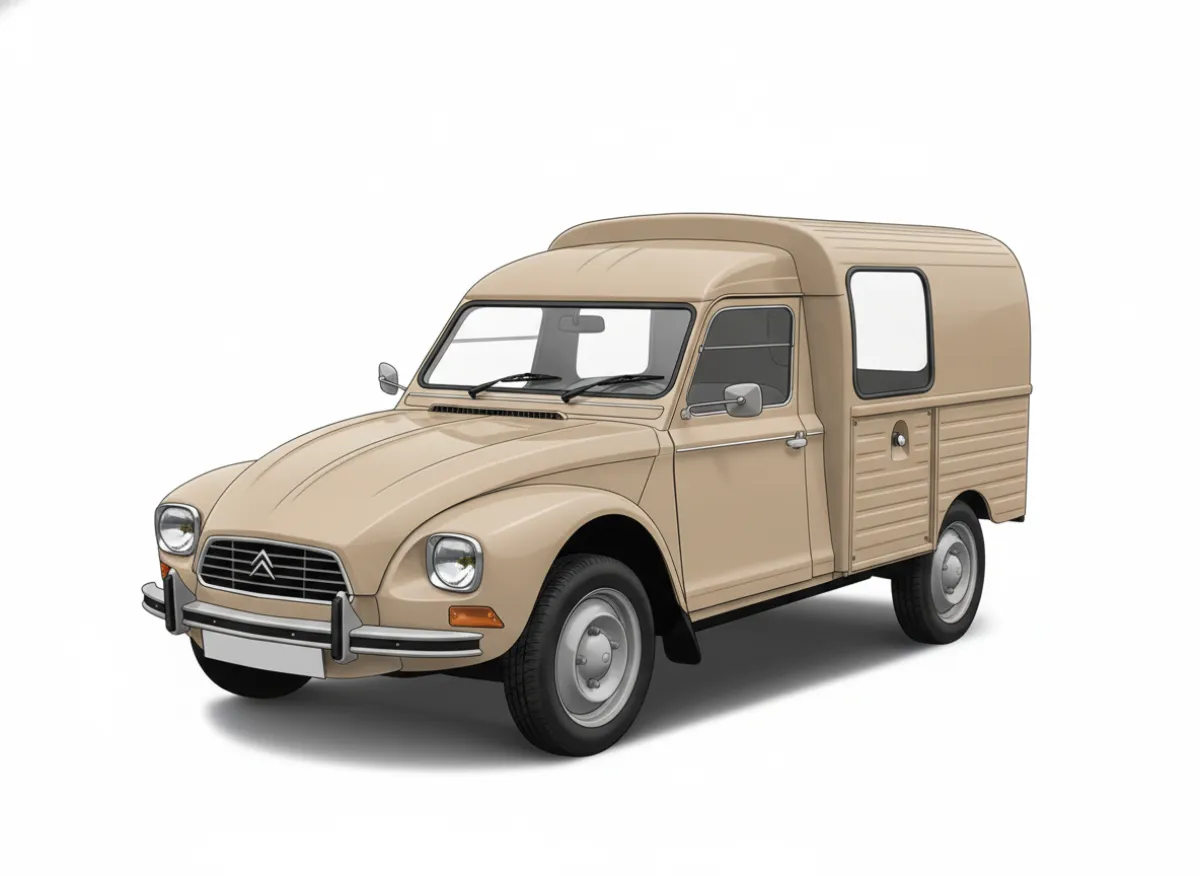
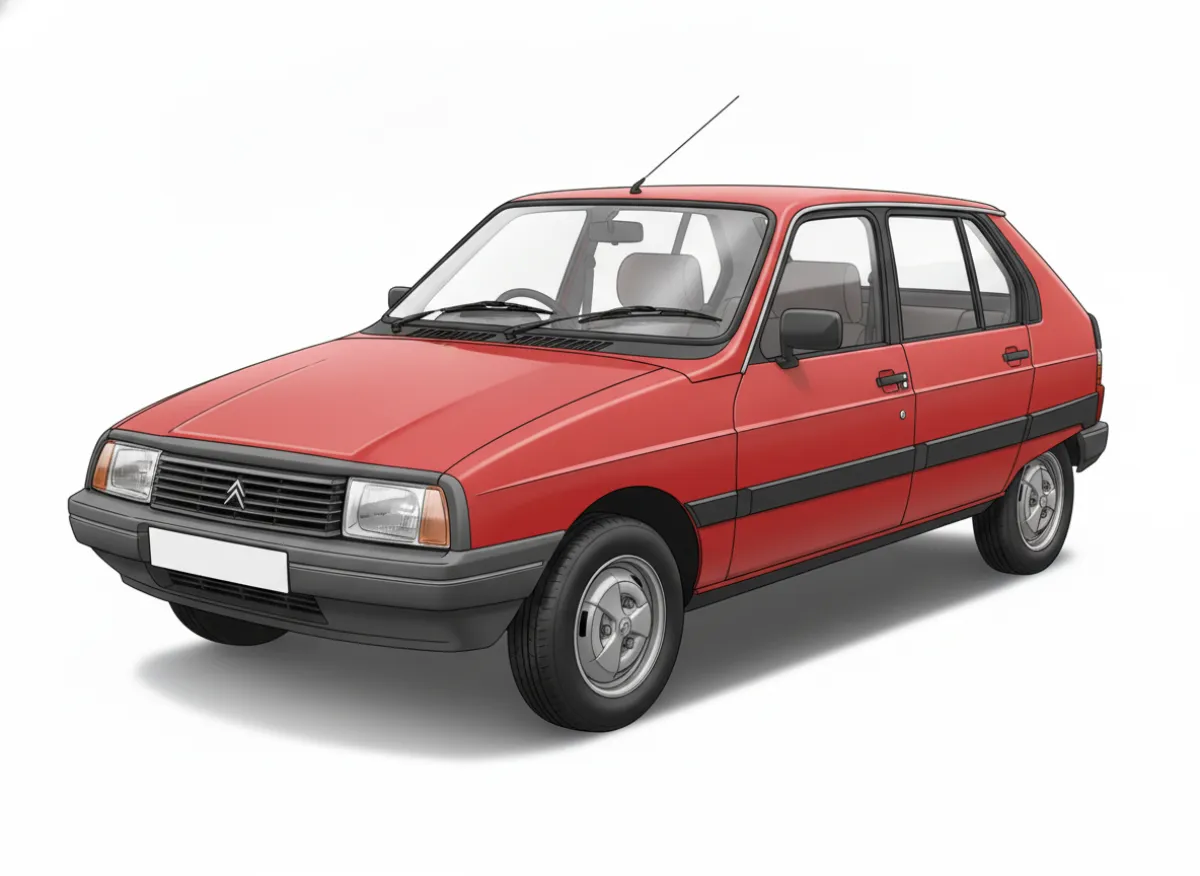
1970s
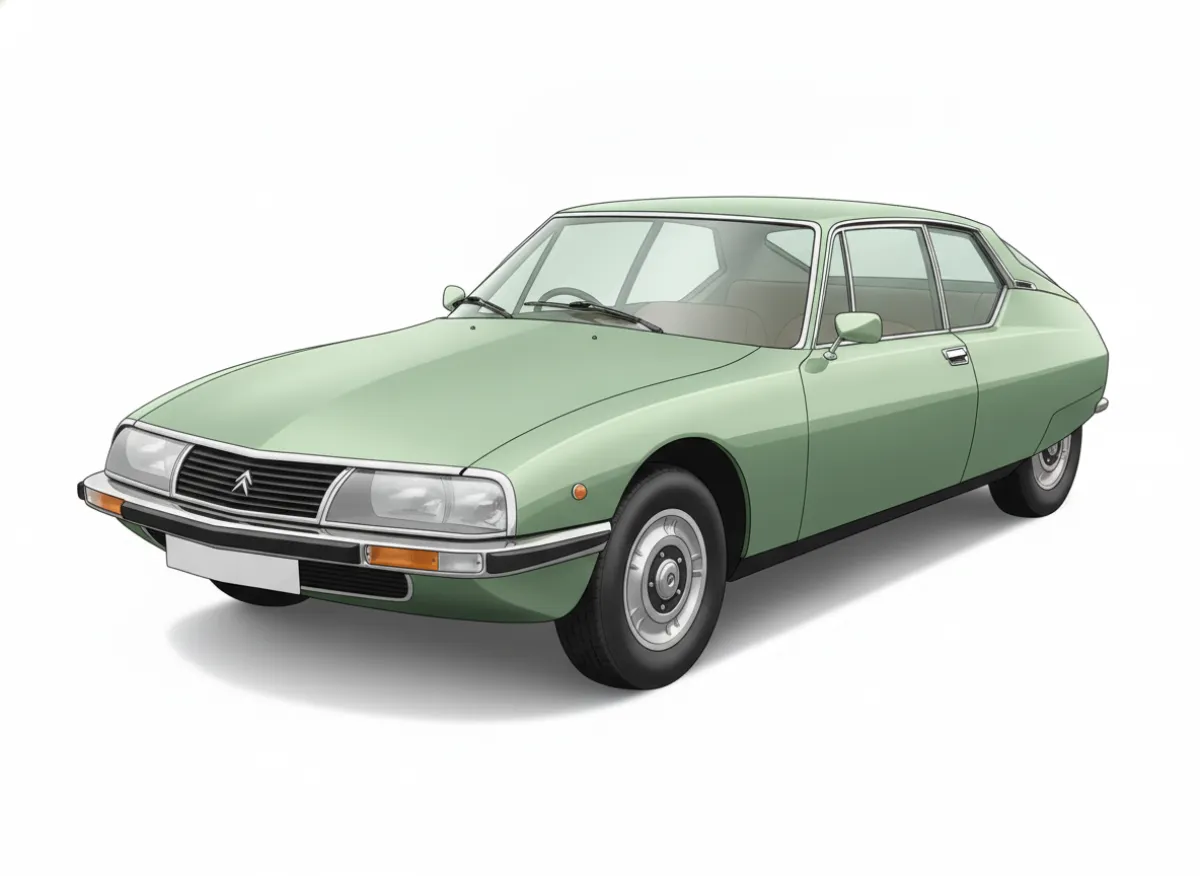
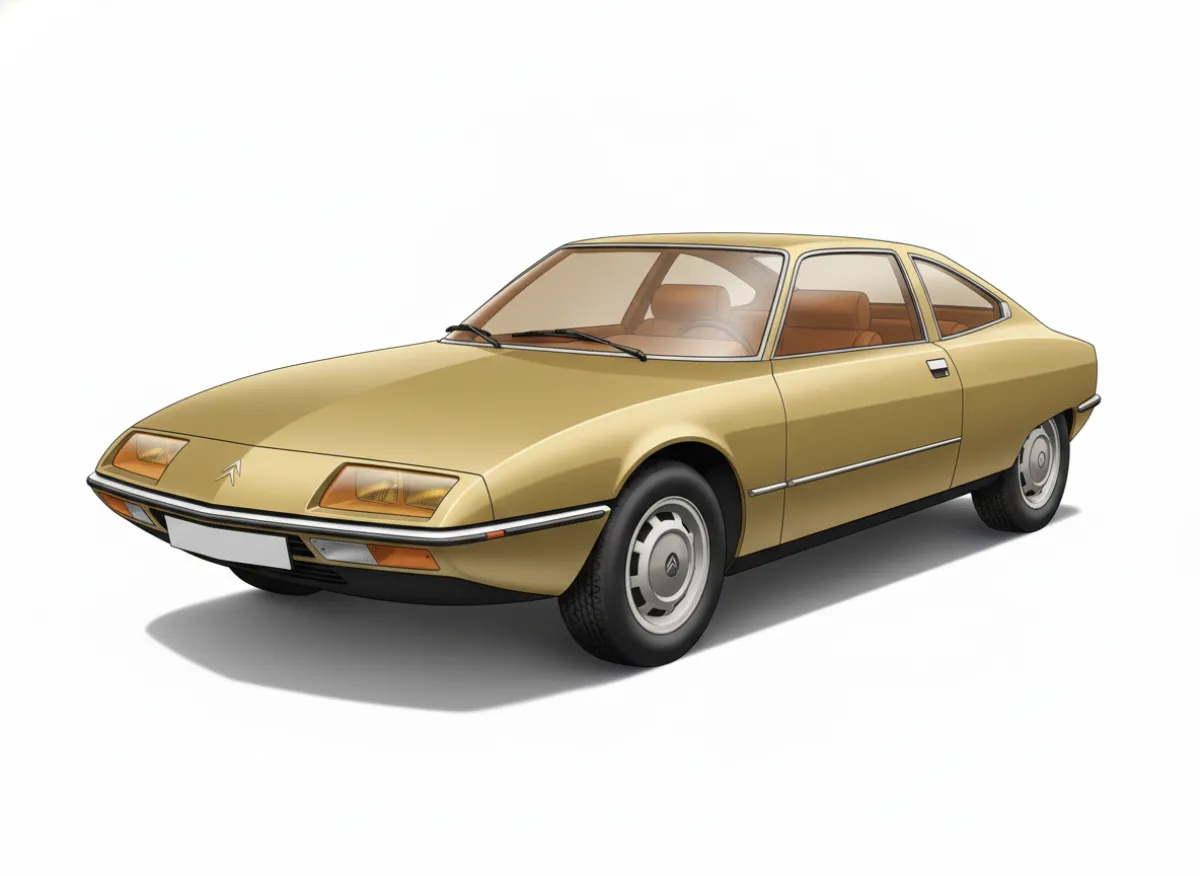
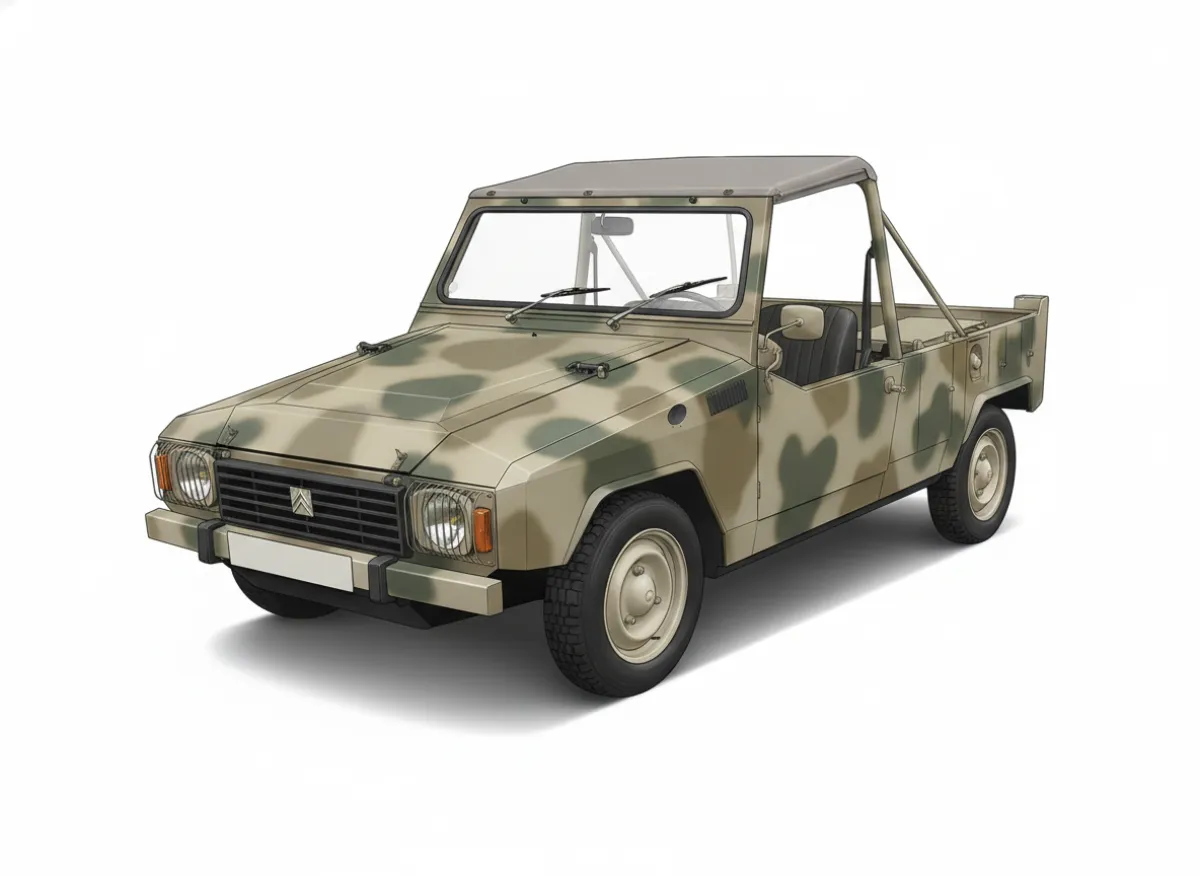
8 launched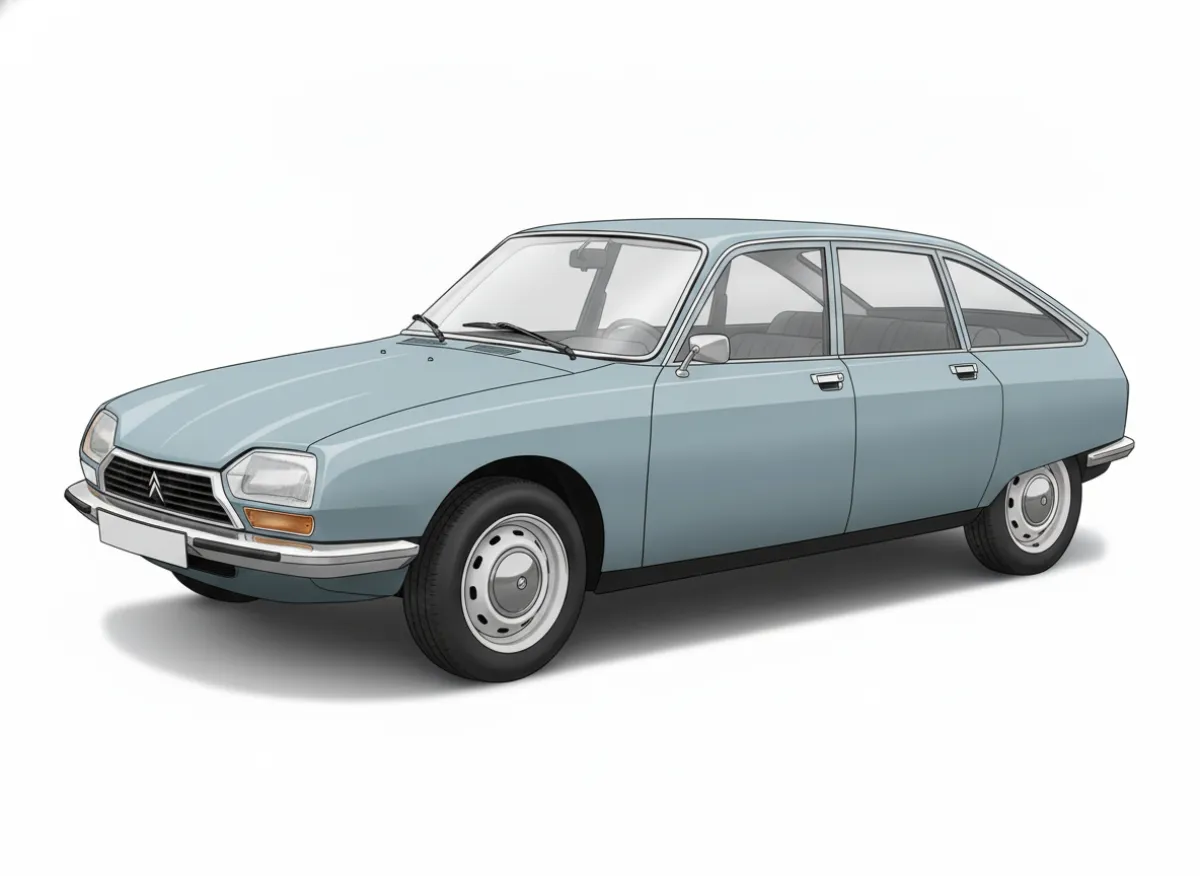
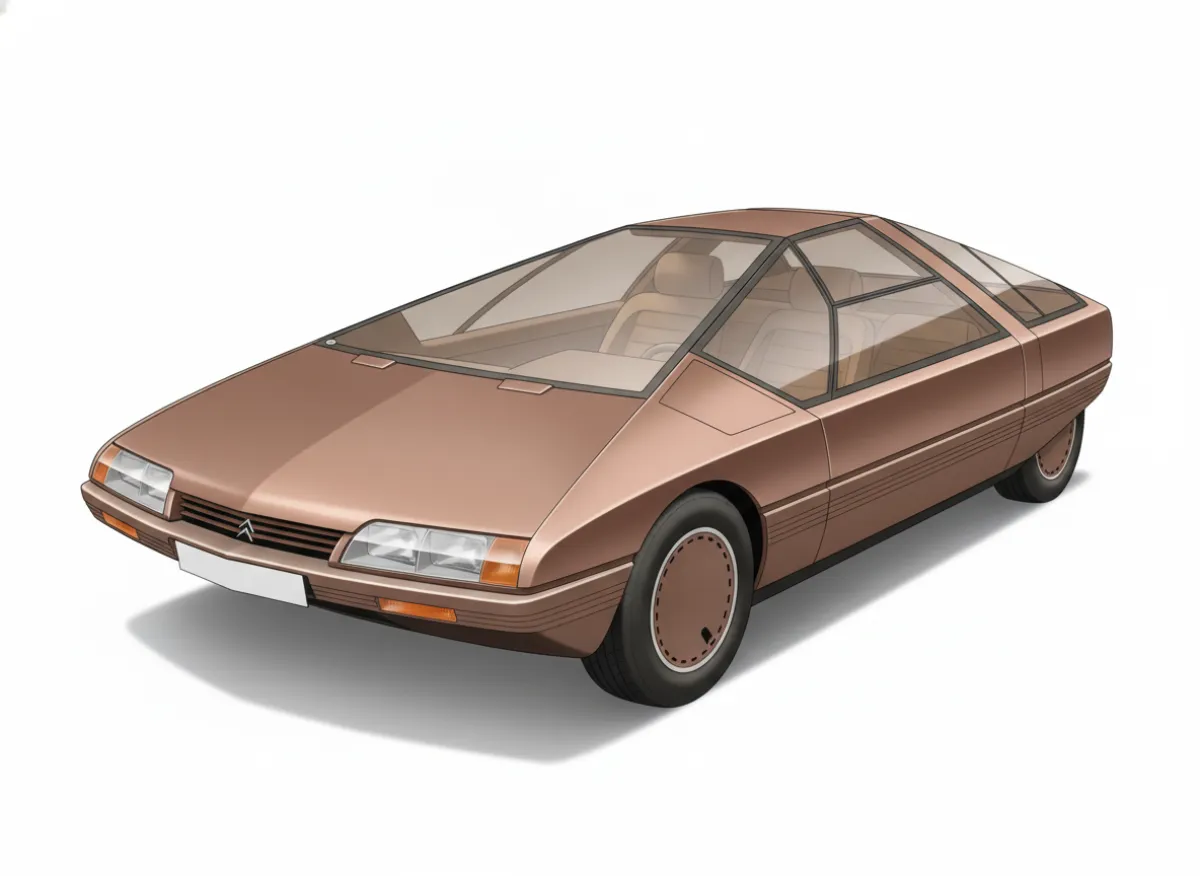
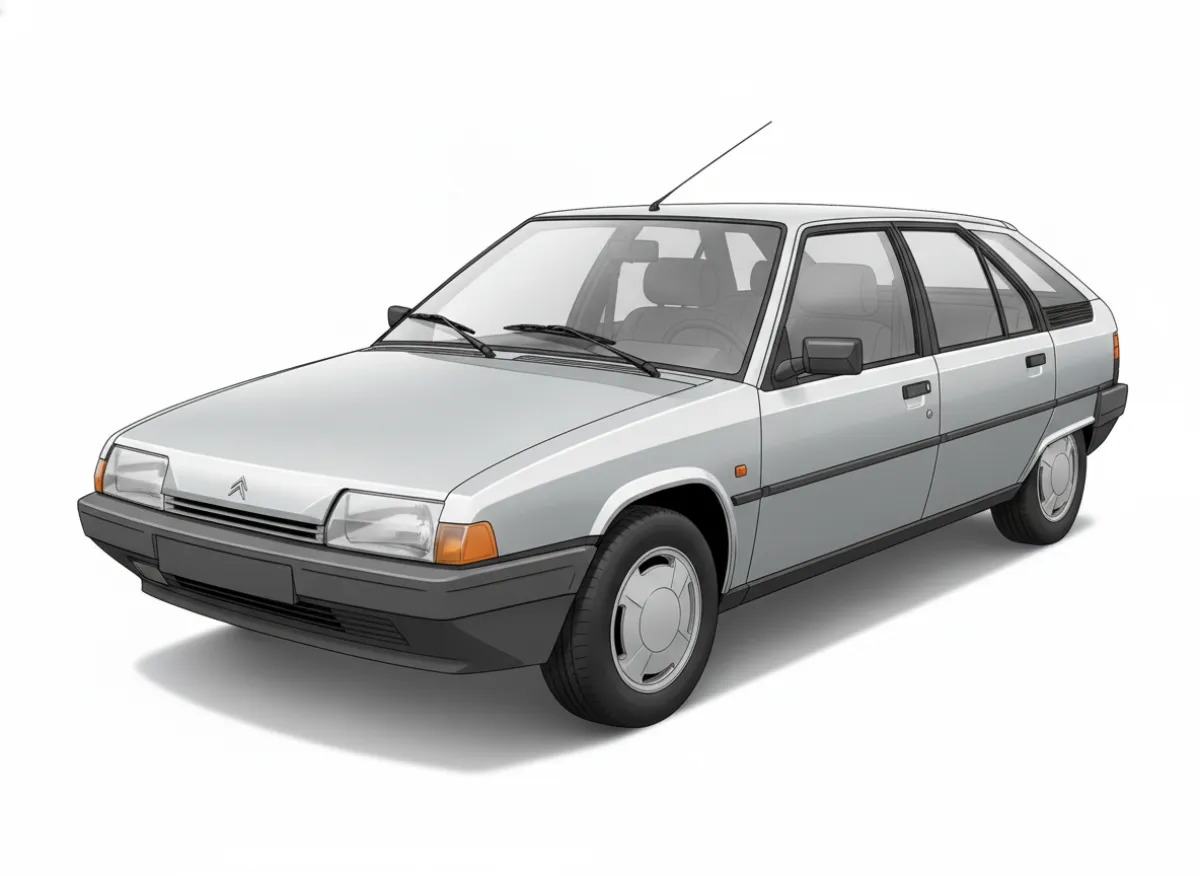
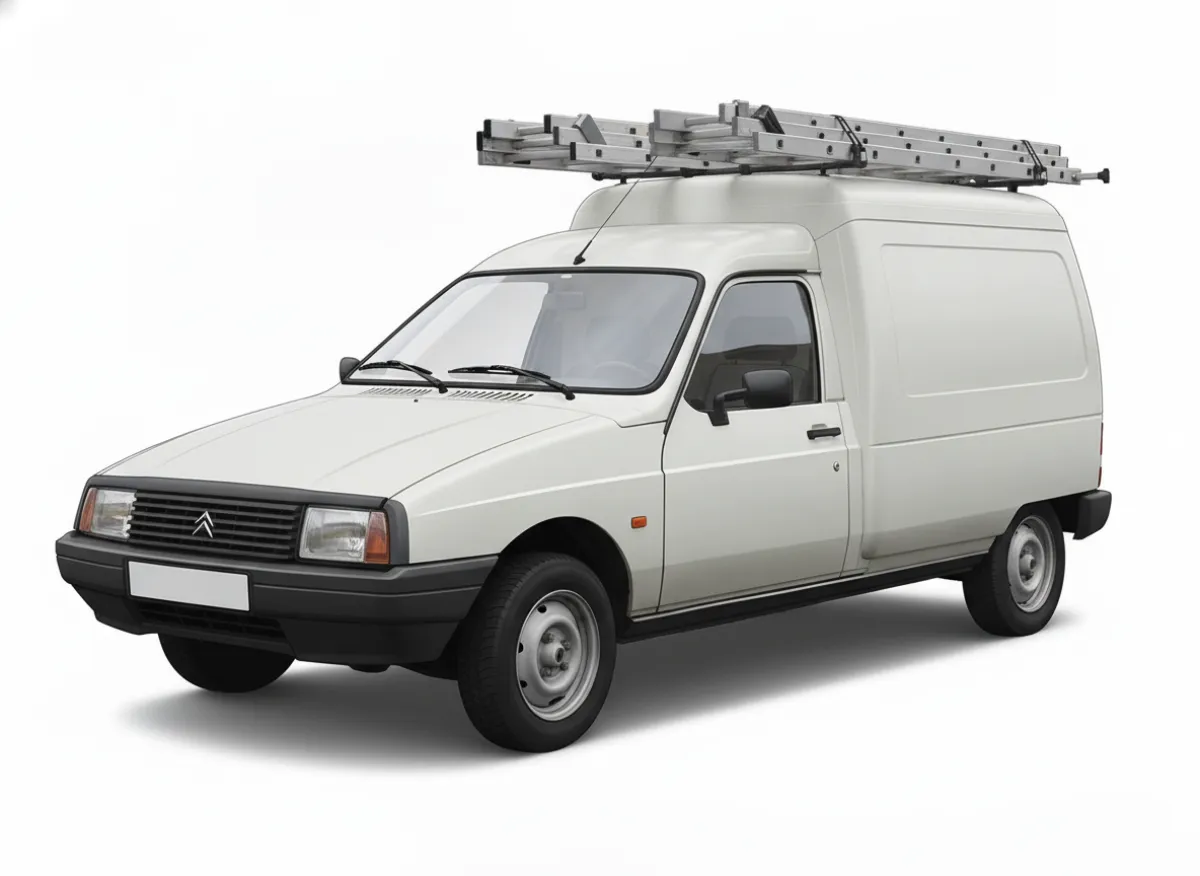
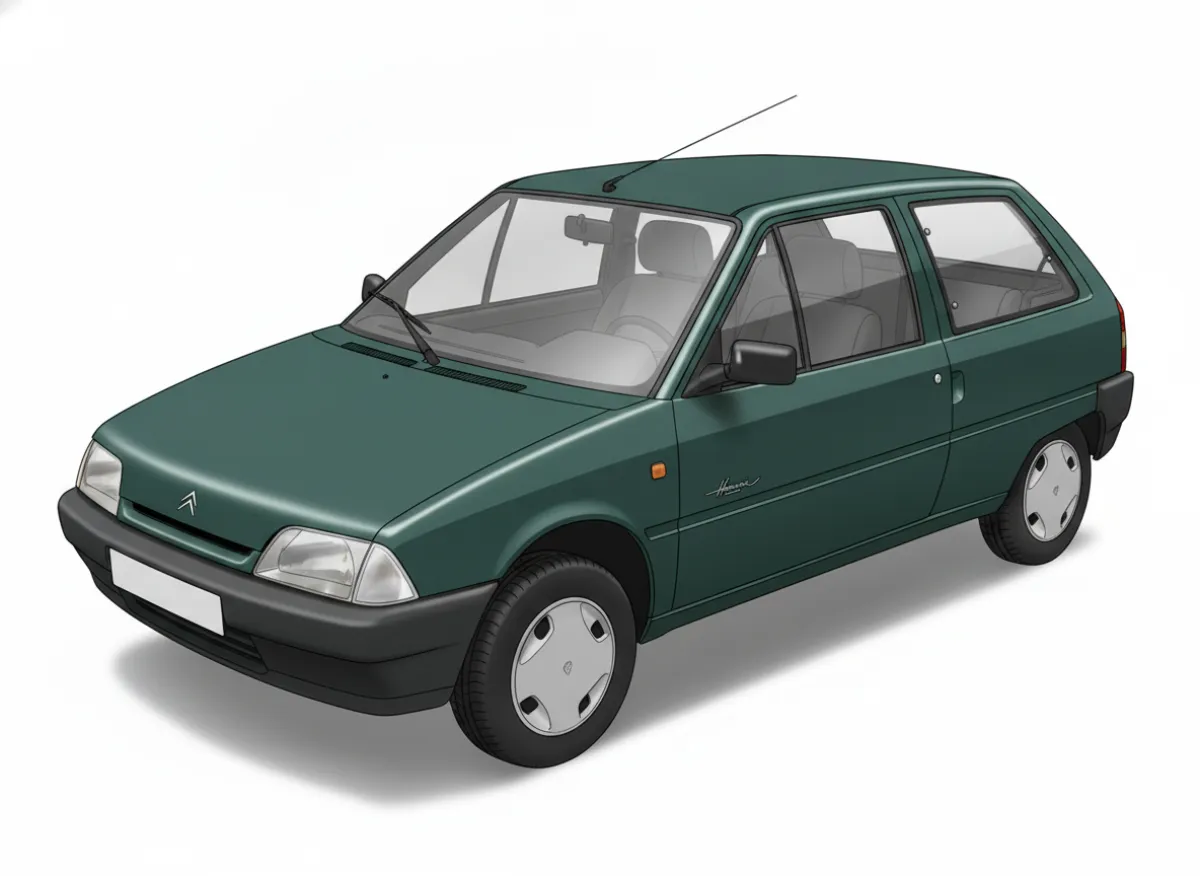
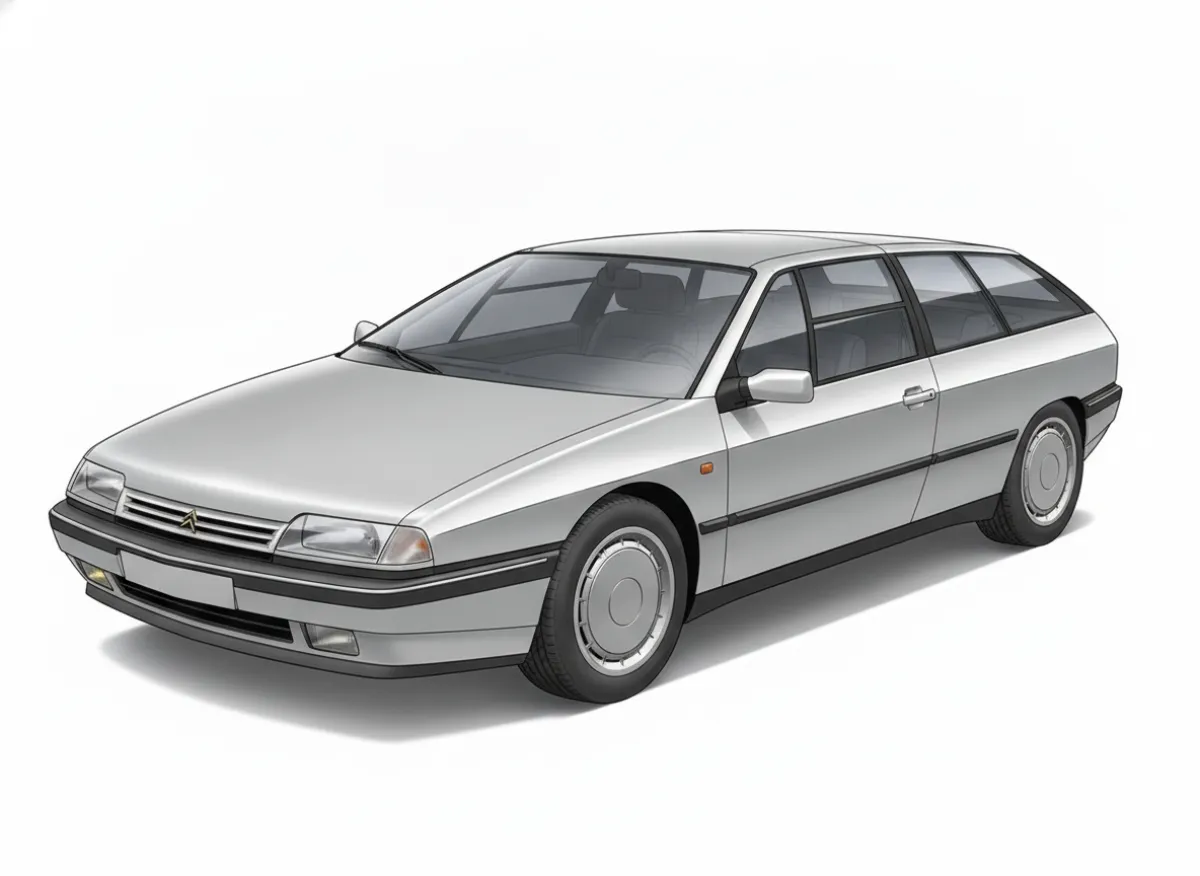
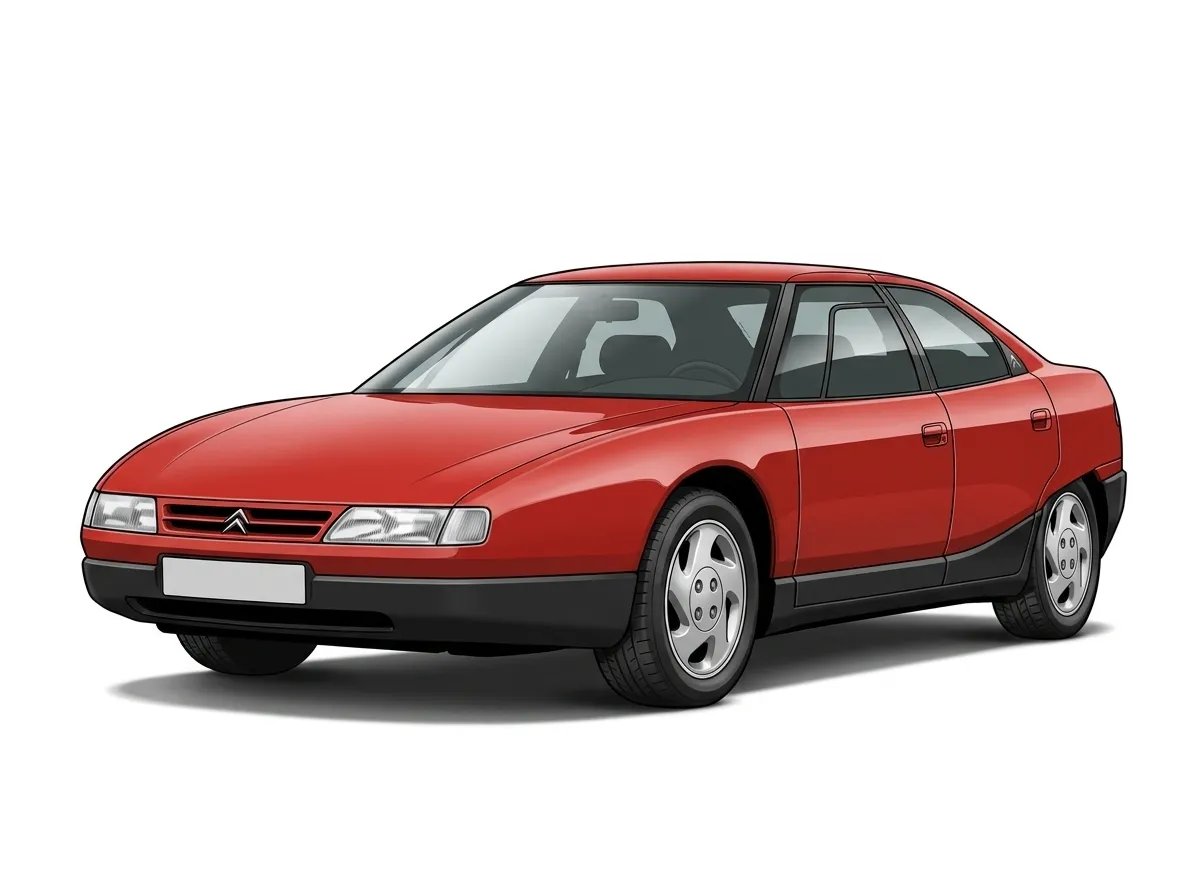
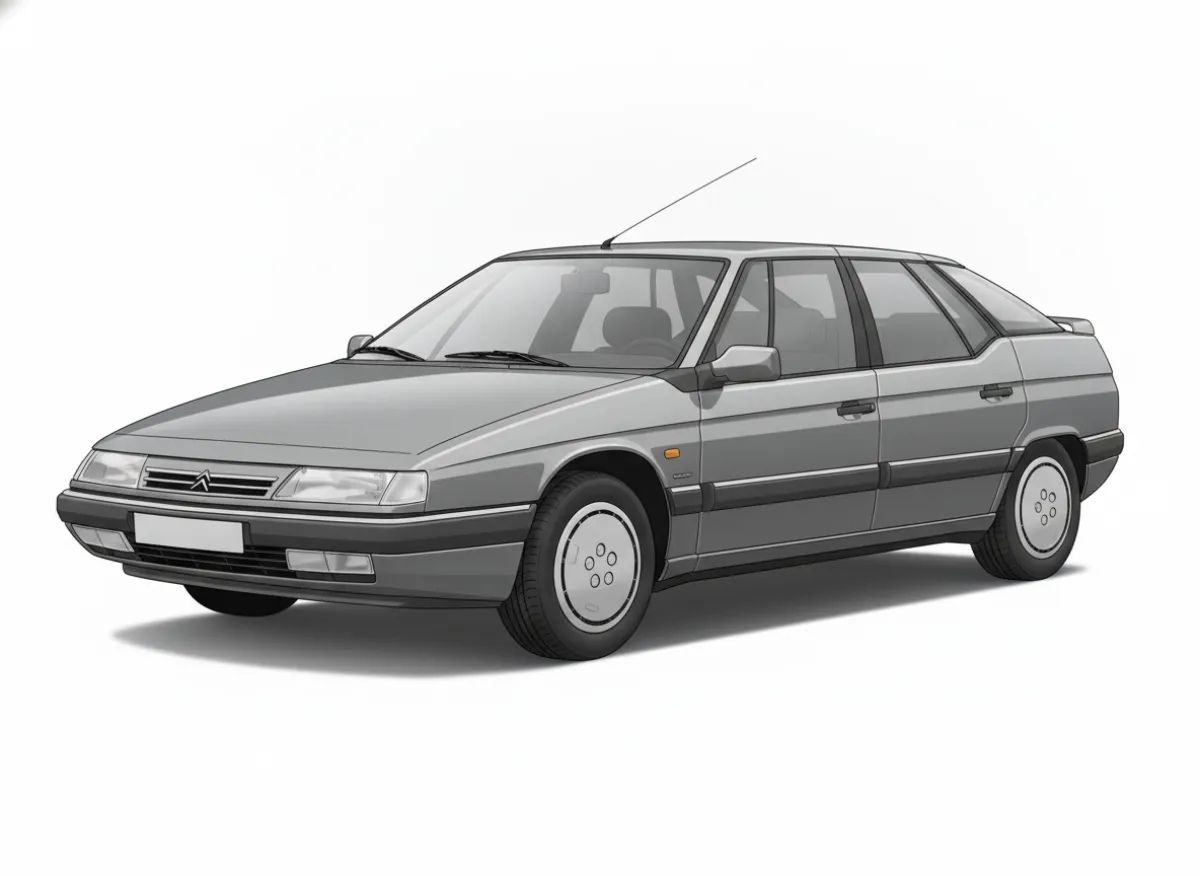
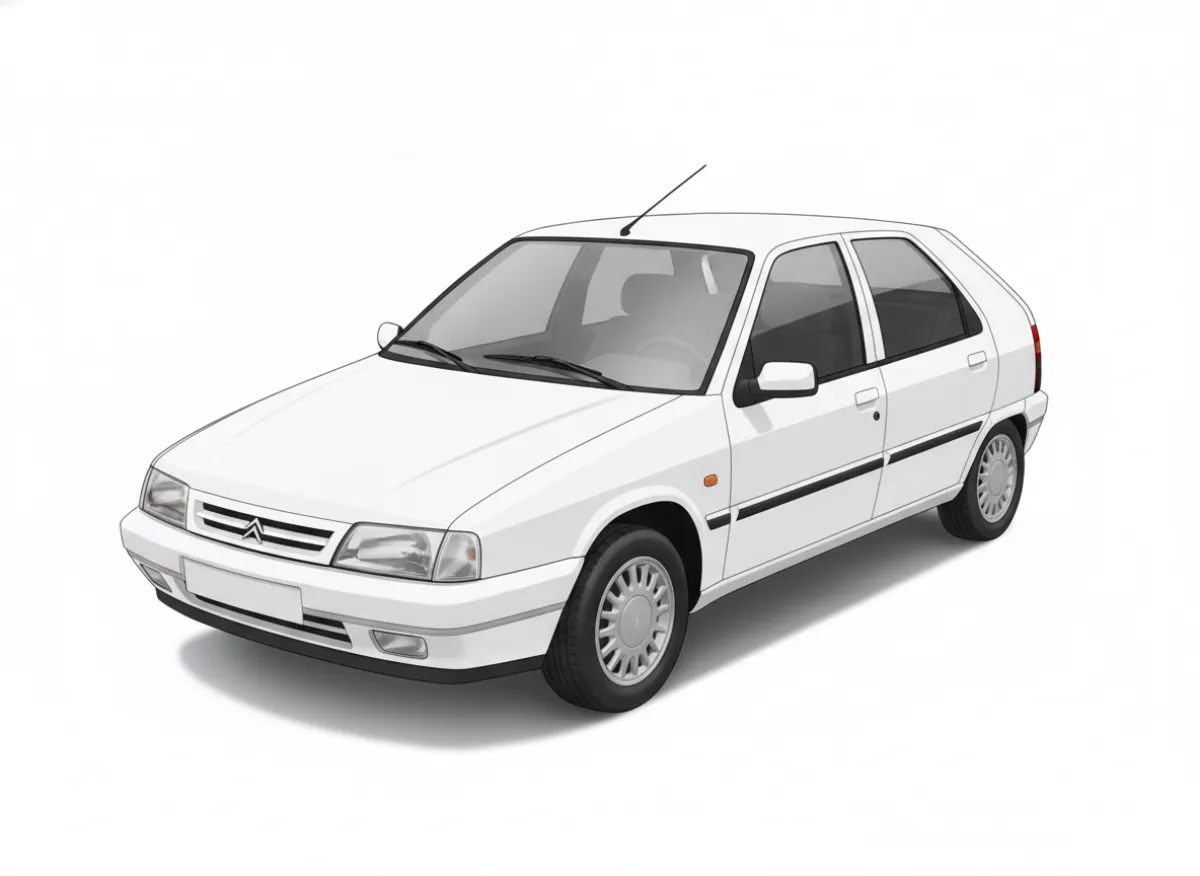
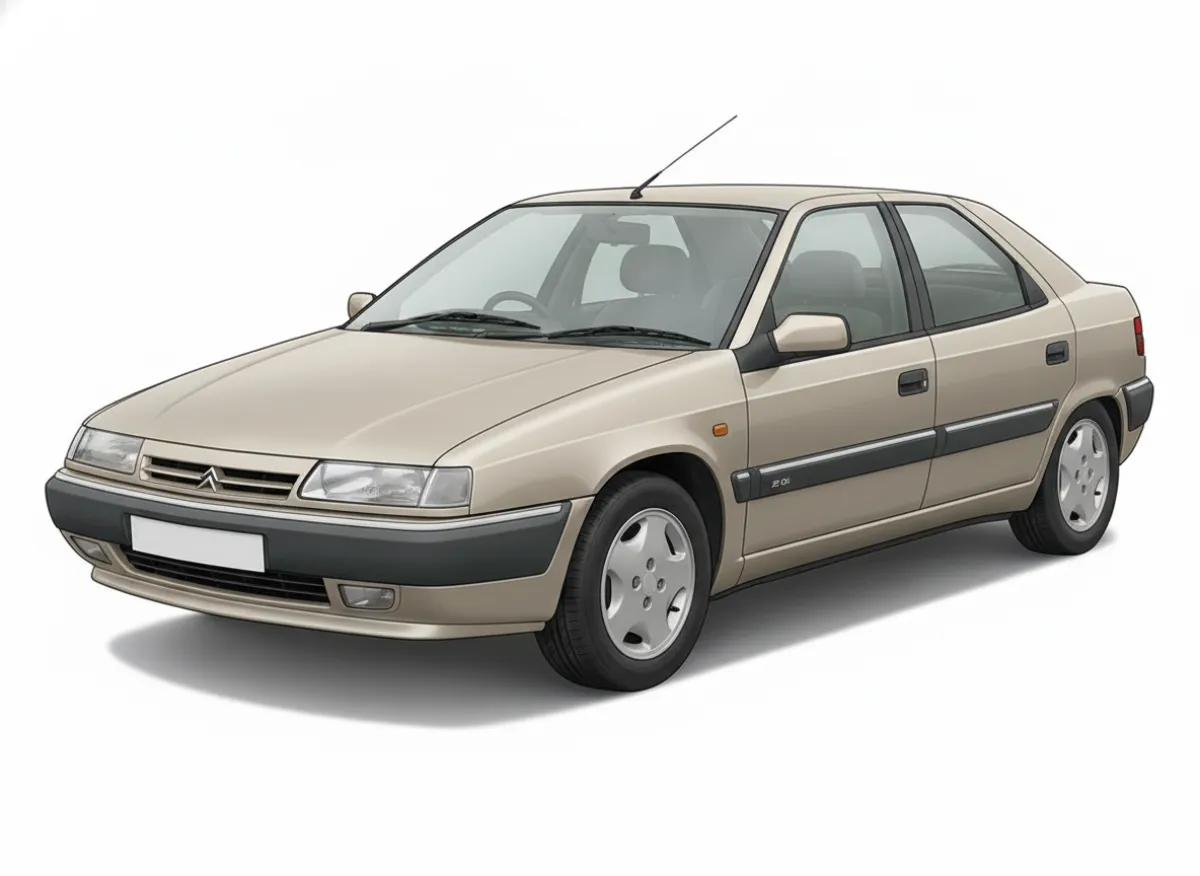
1990s
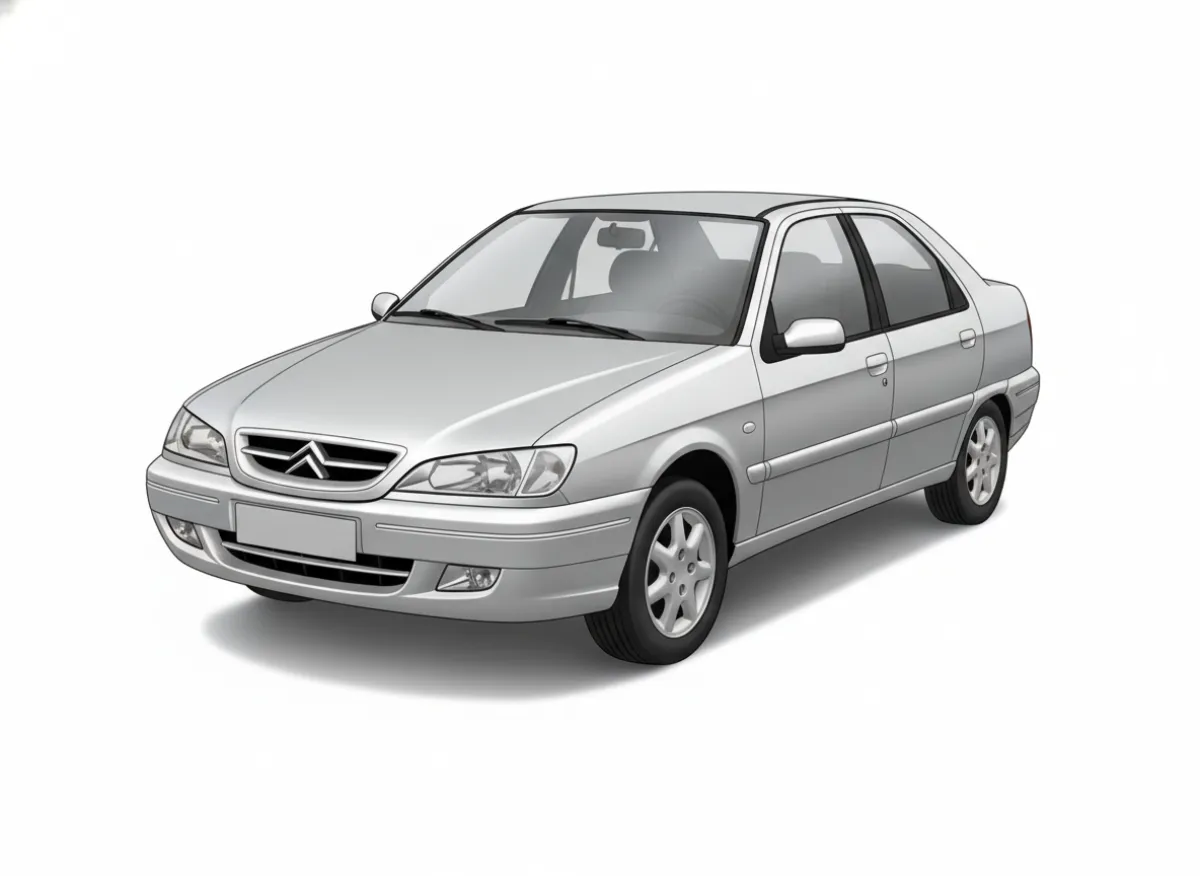
10 launched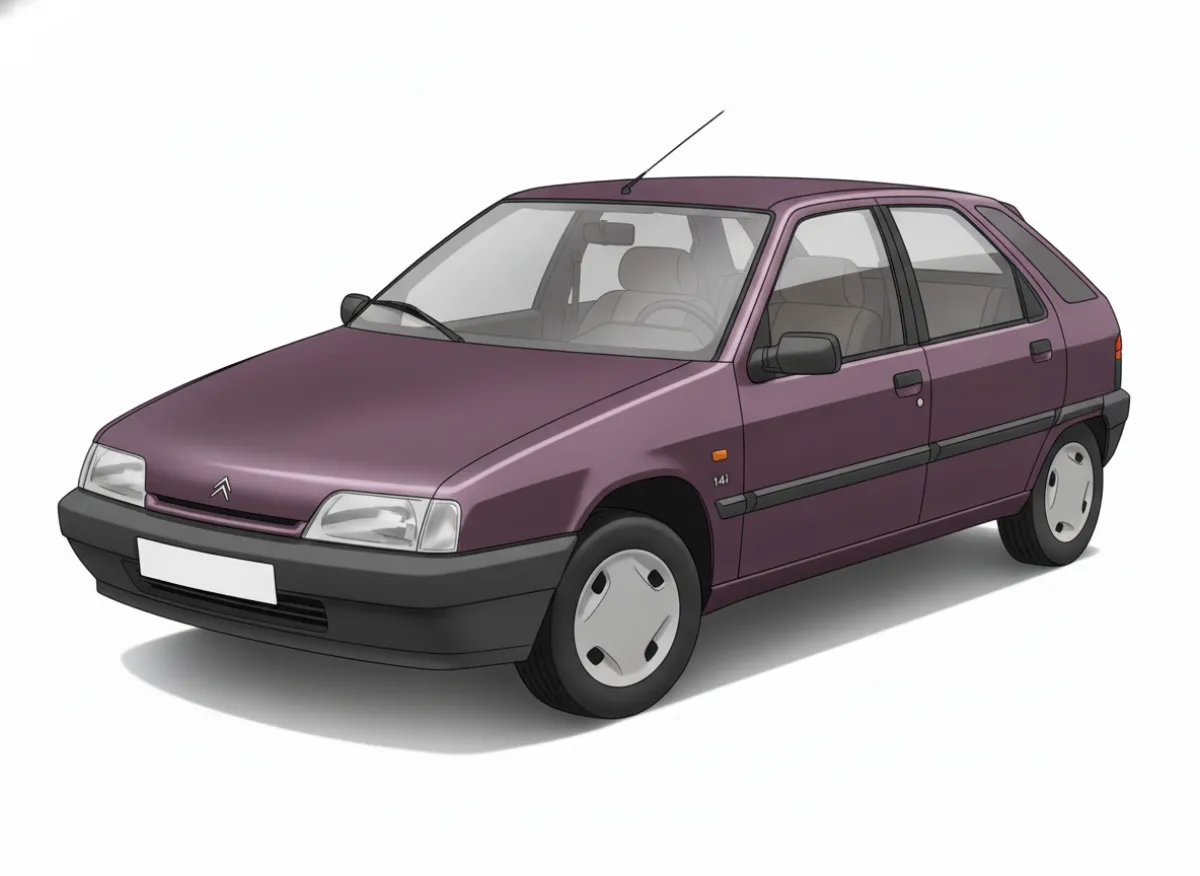
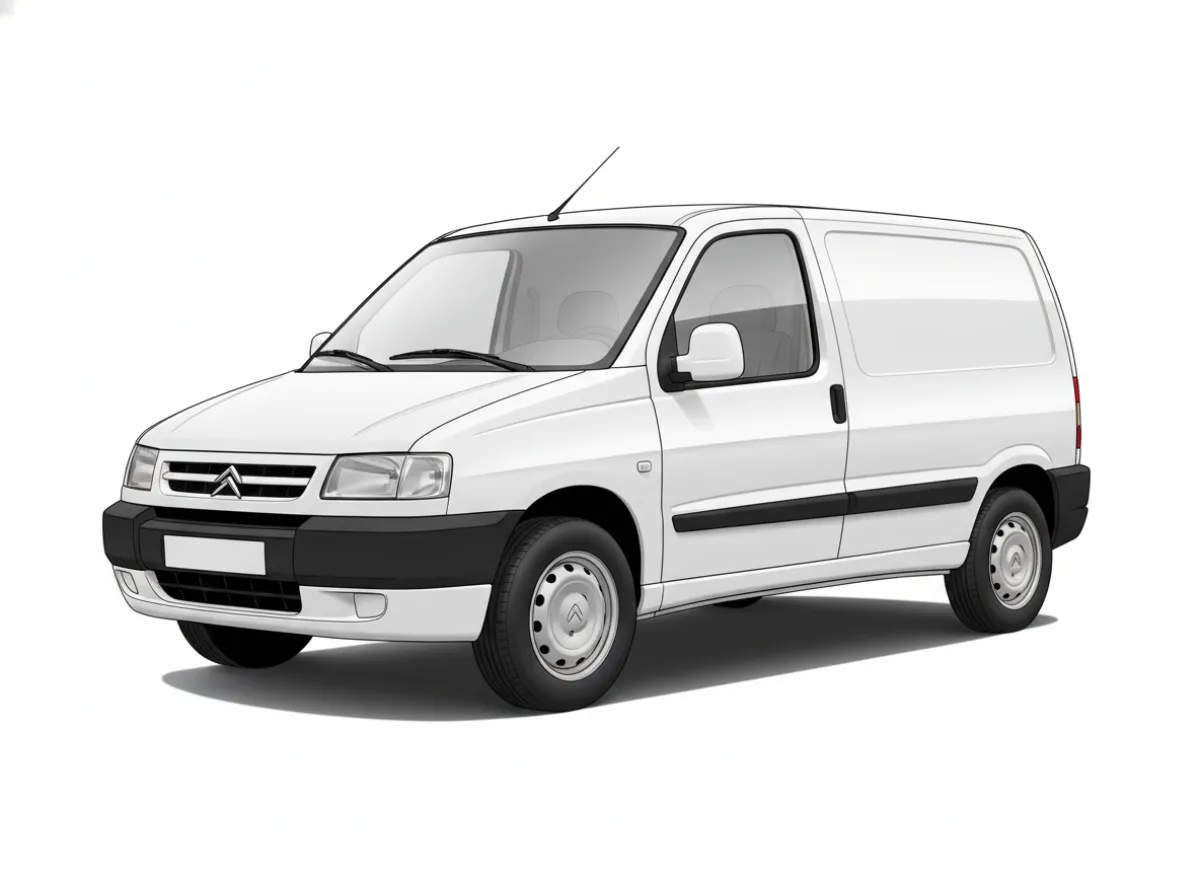
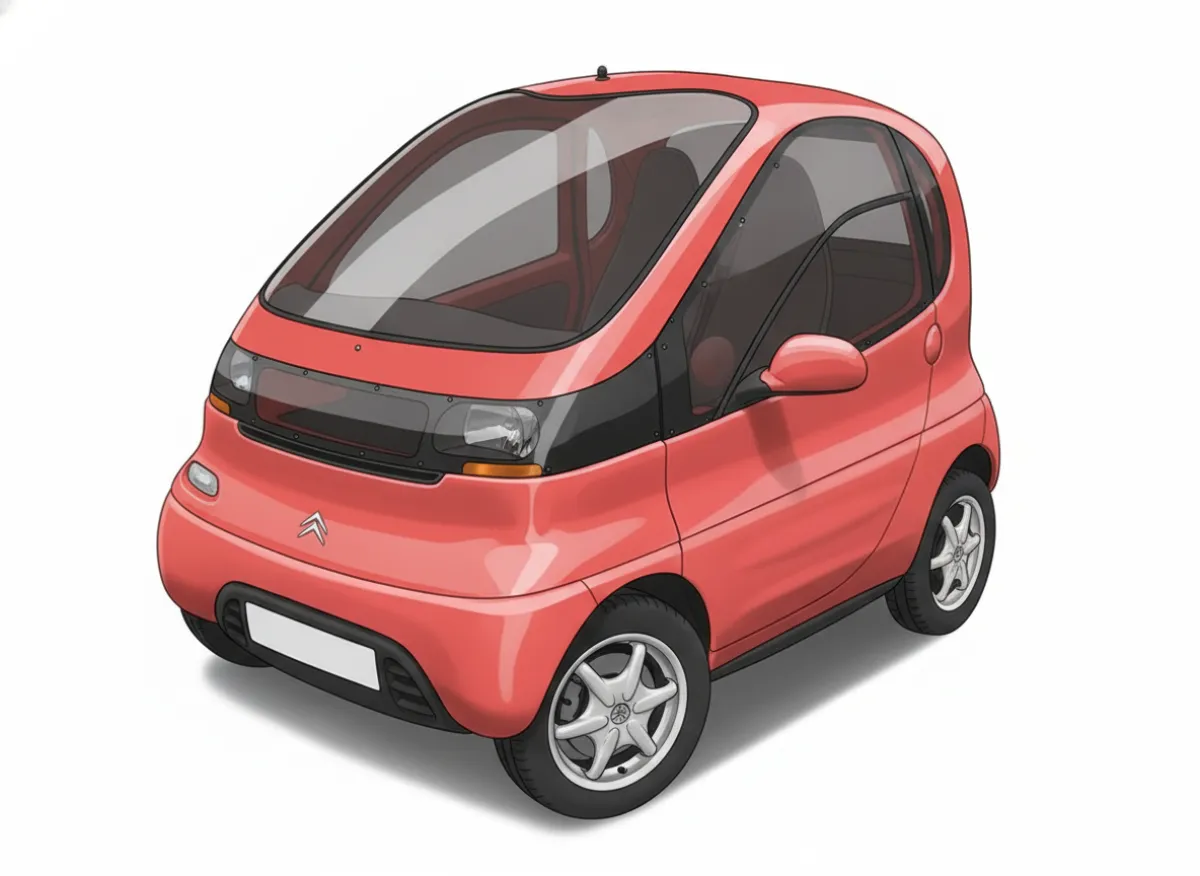
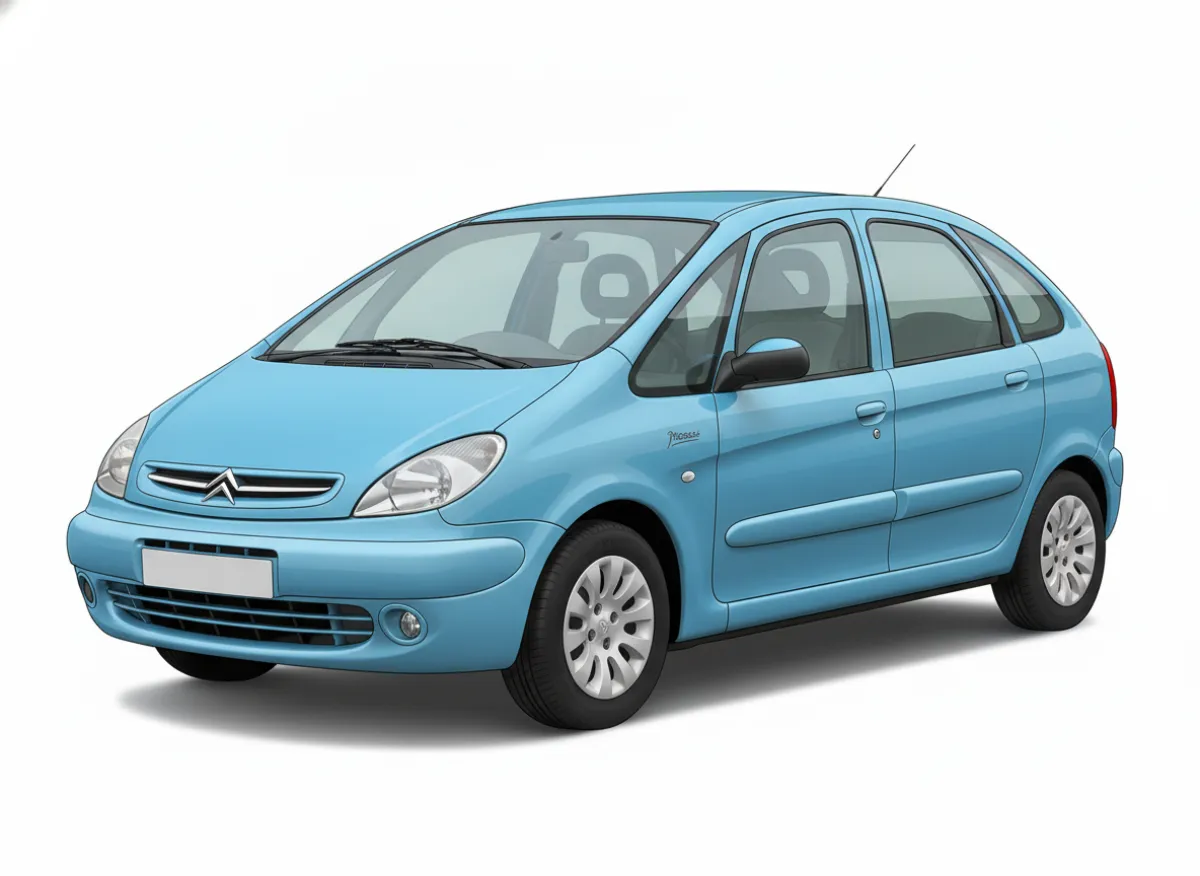
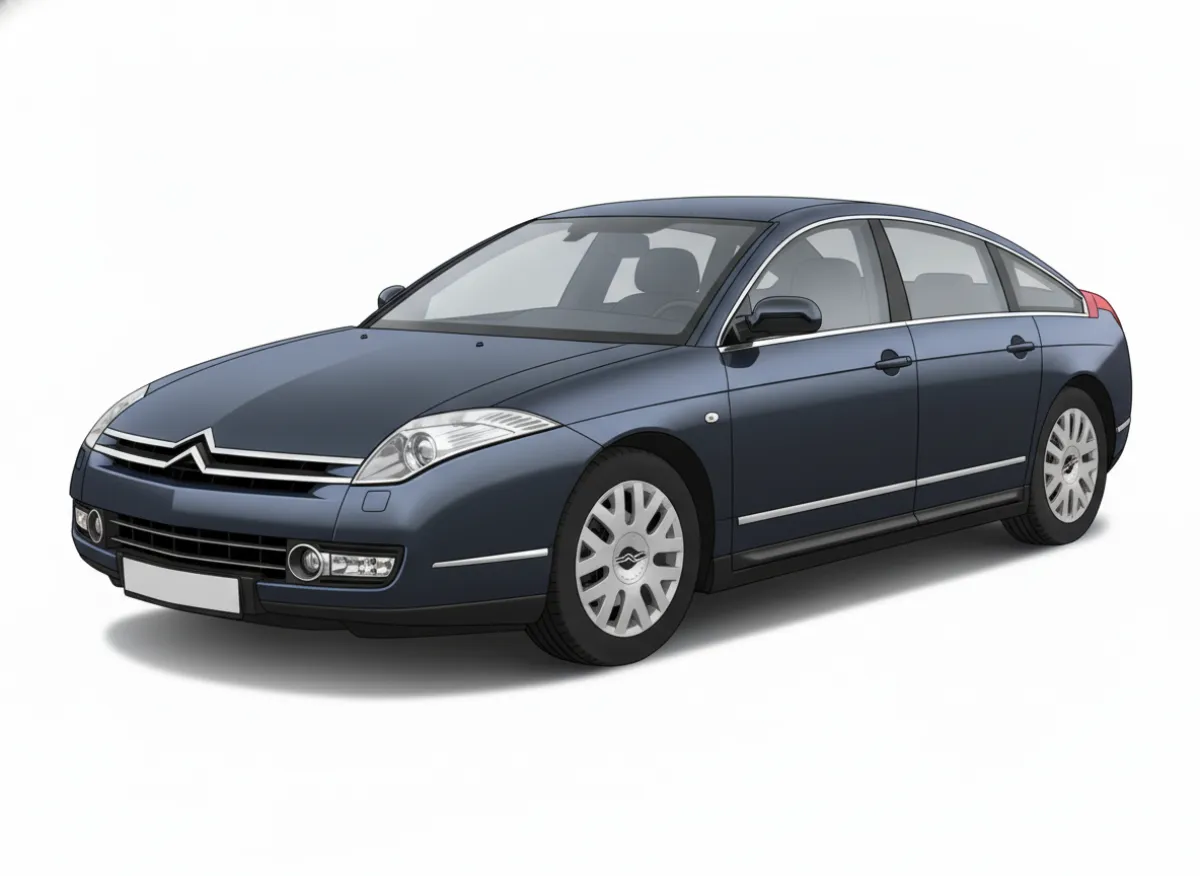
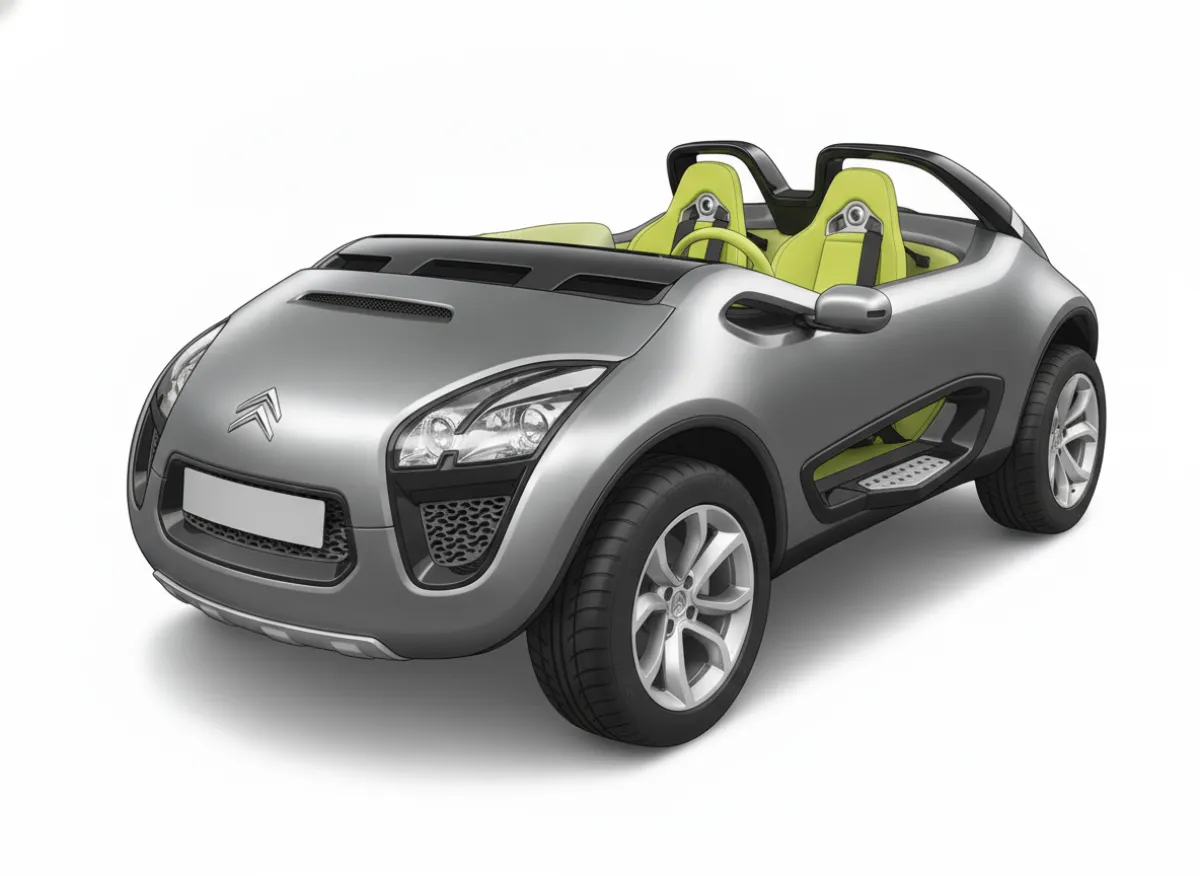
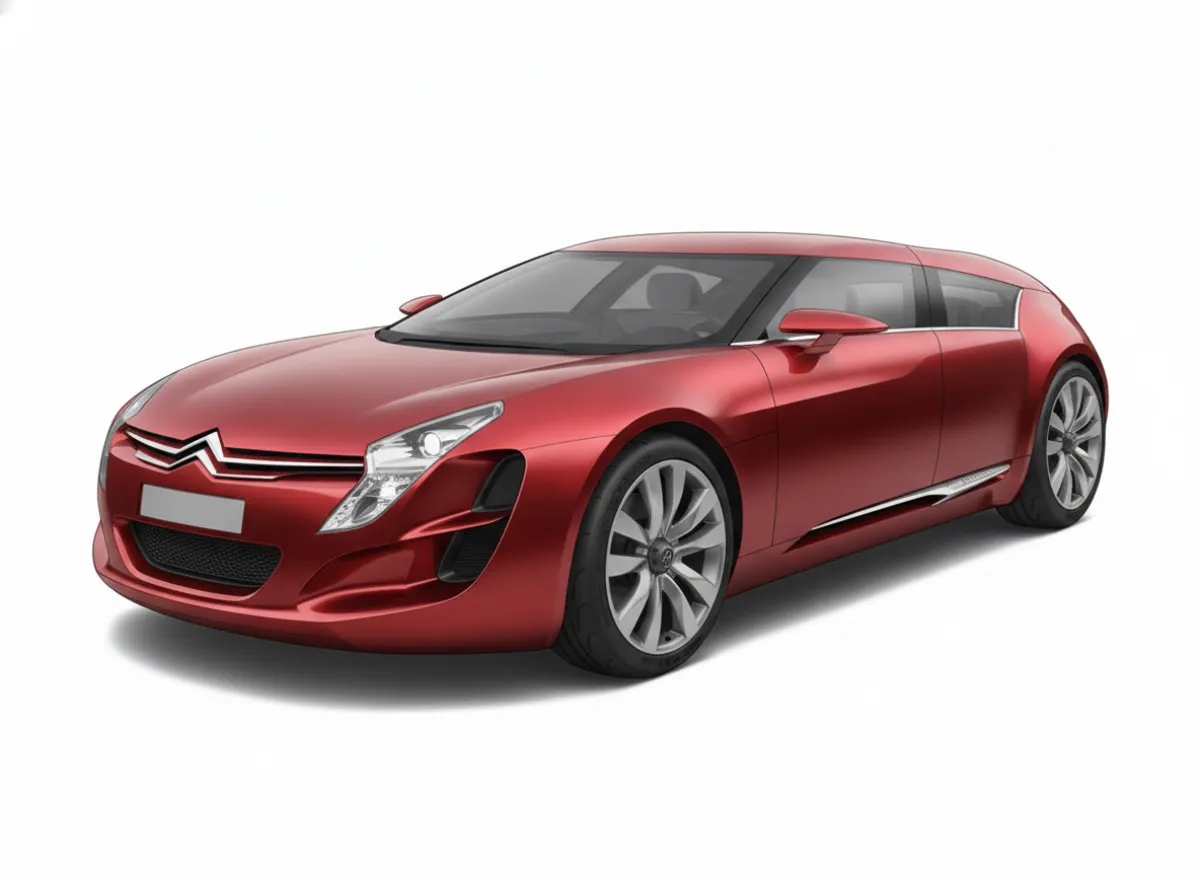
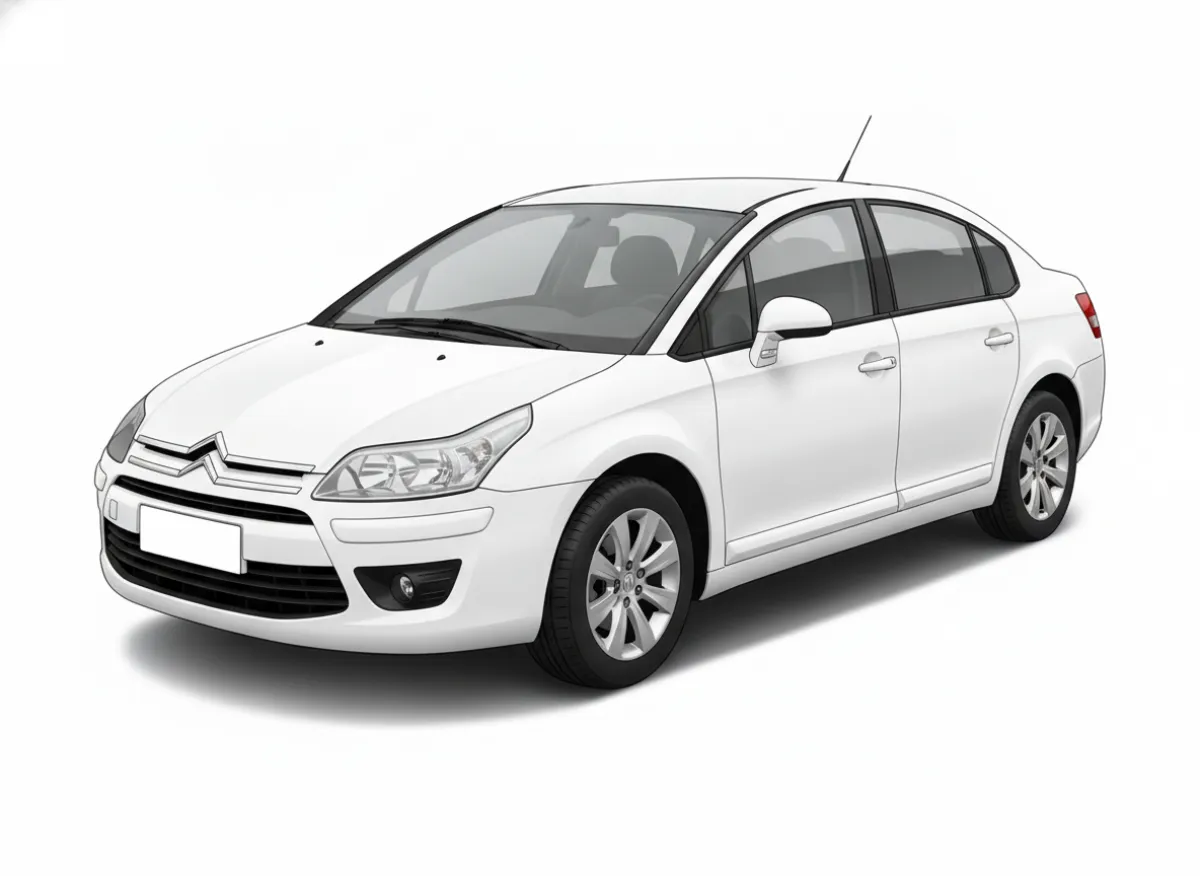
2000s
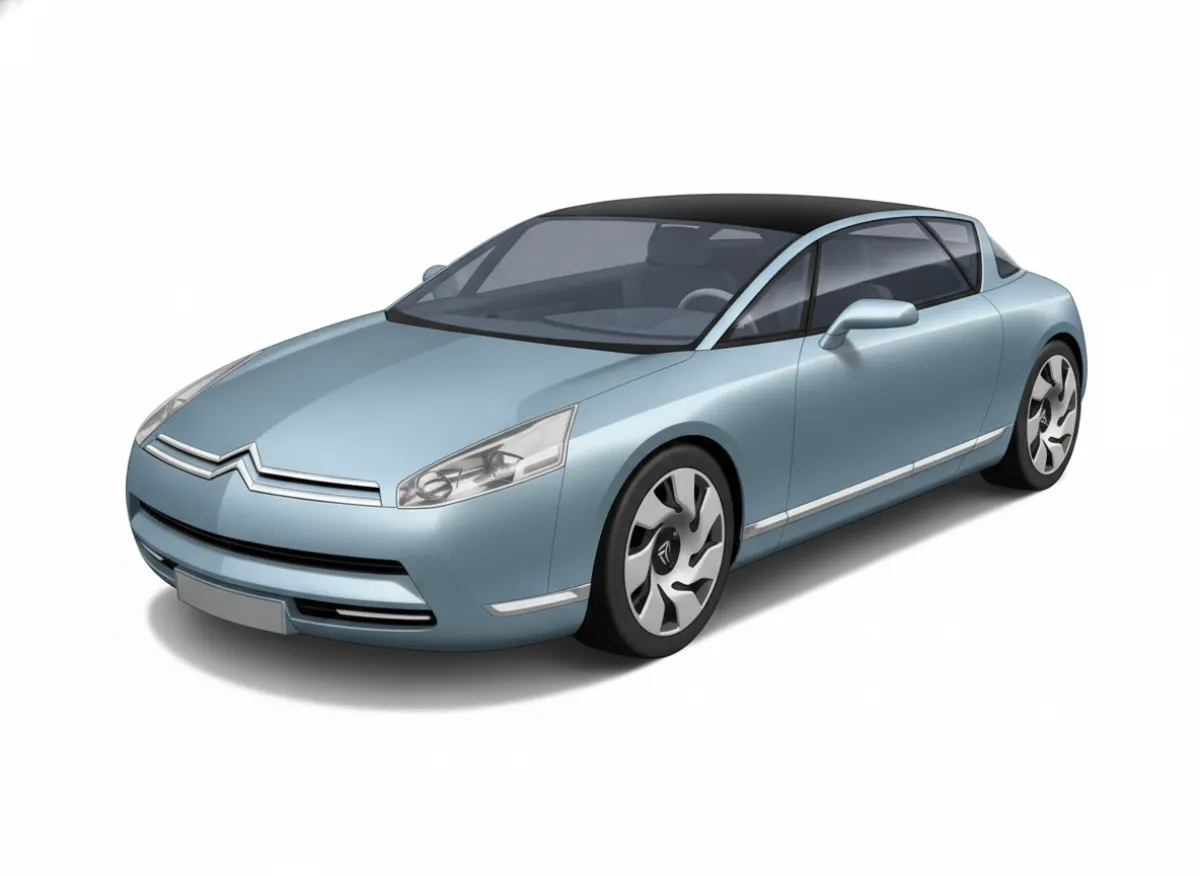
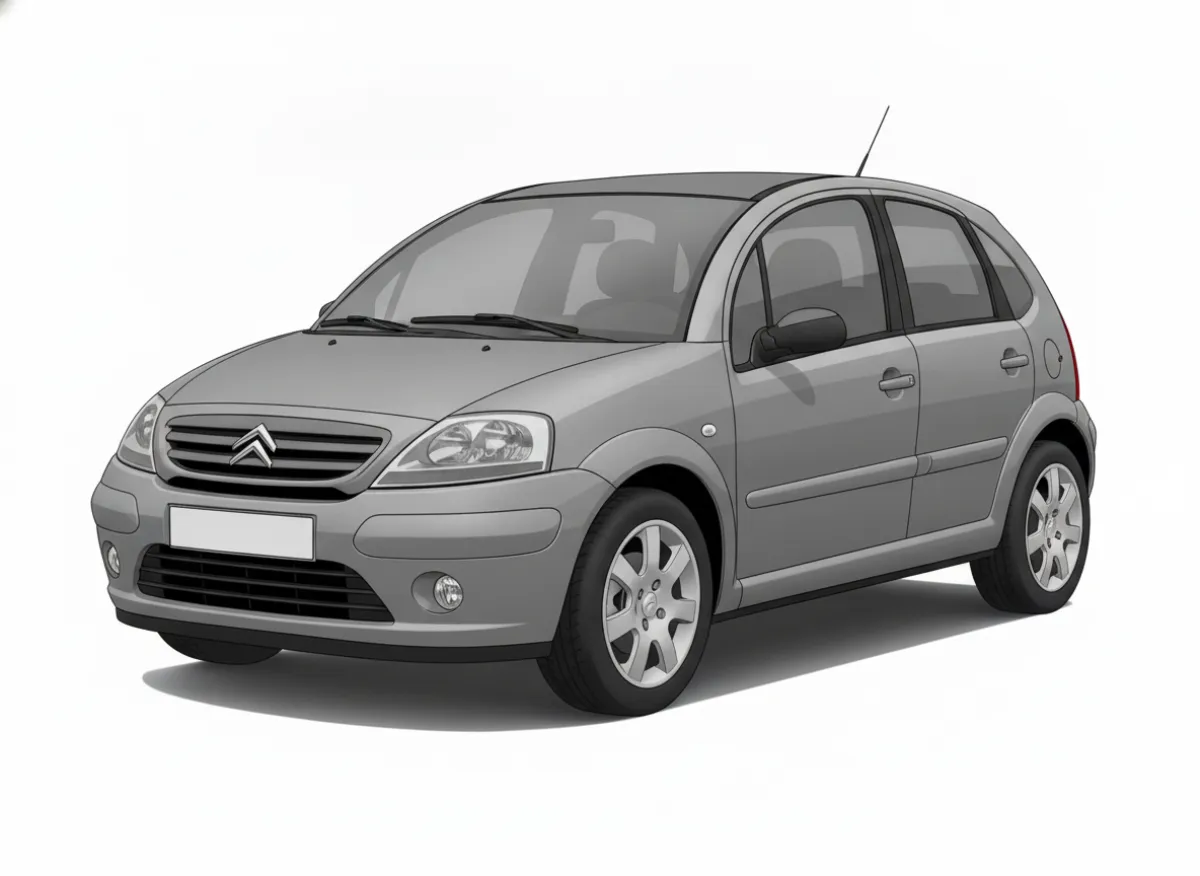
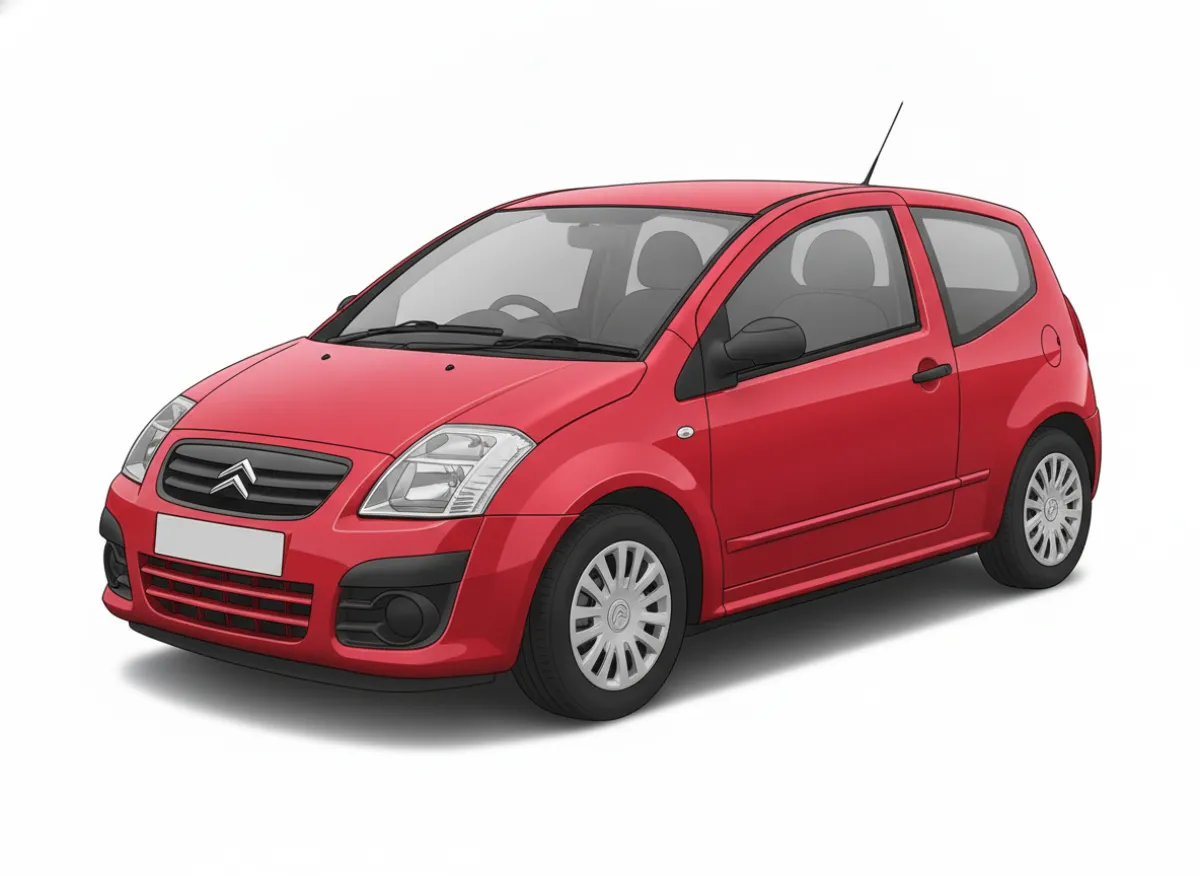
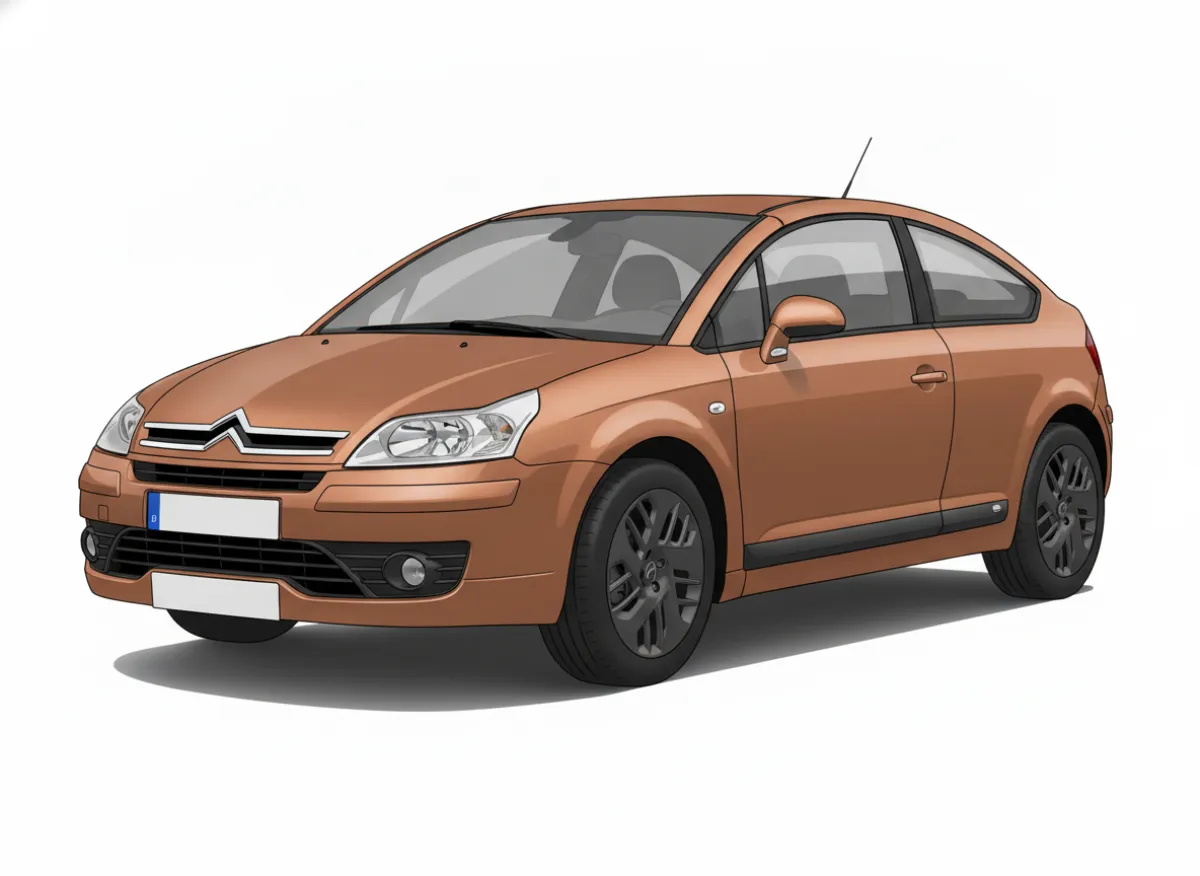
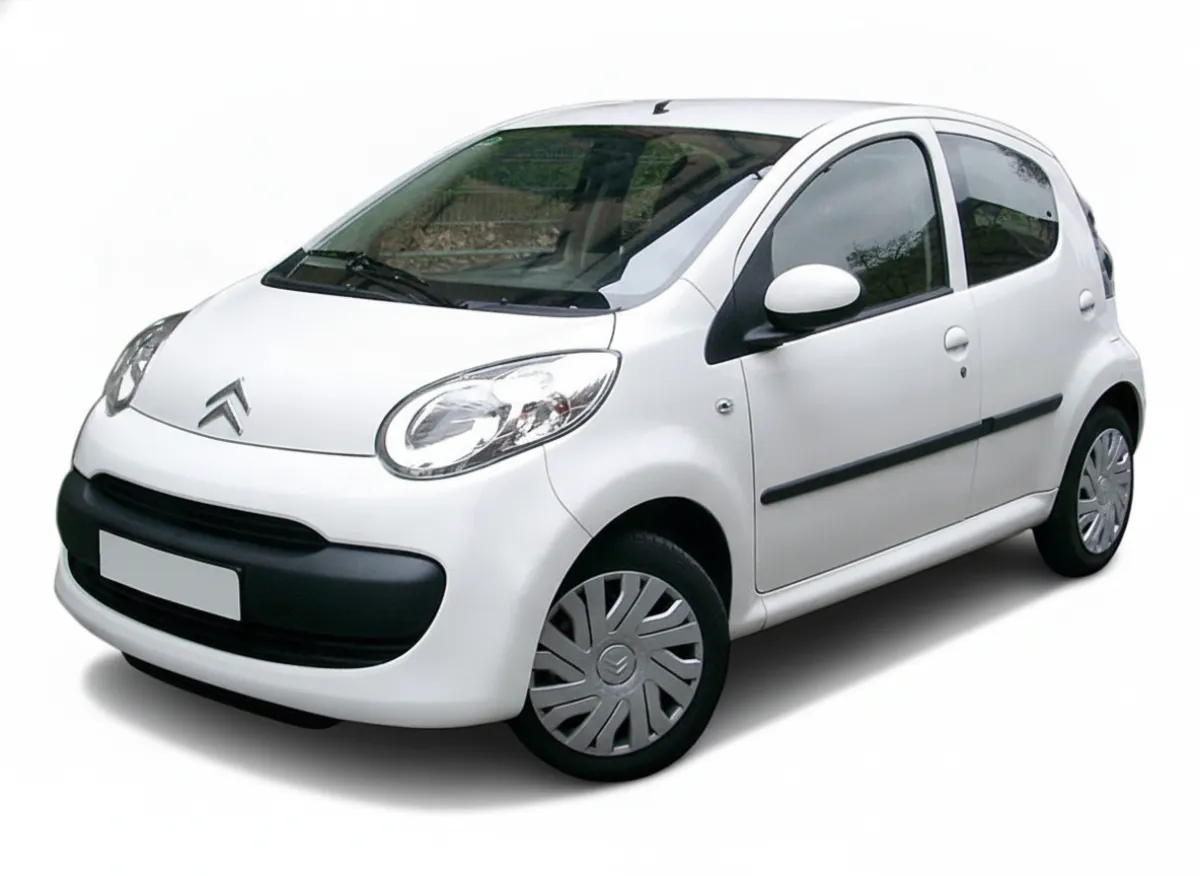
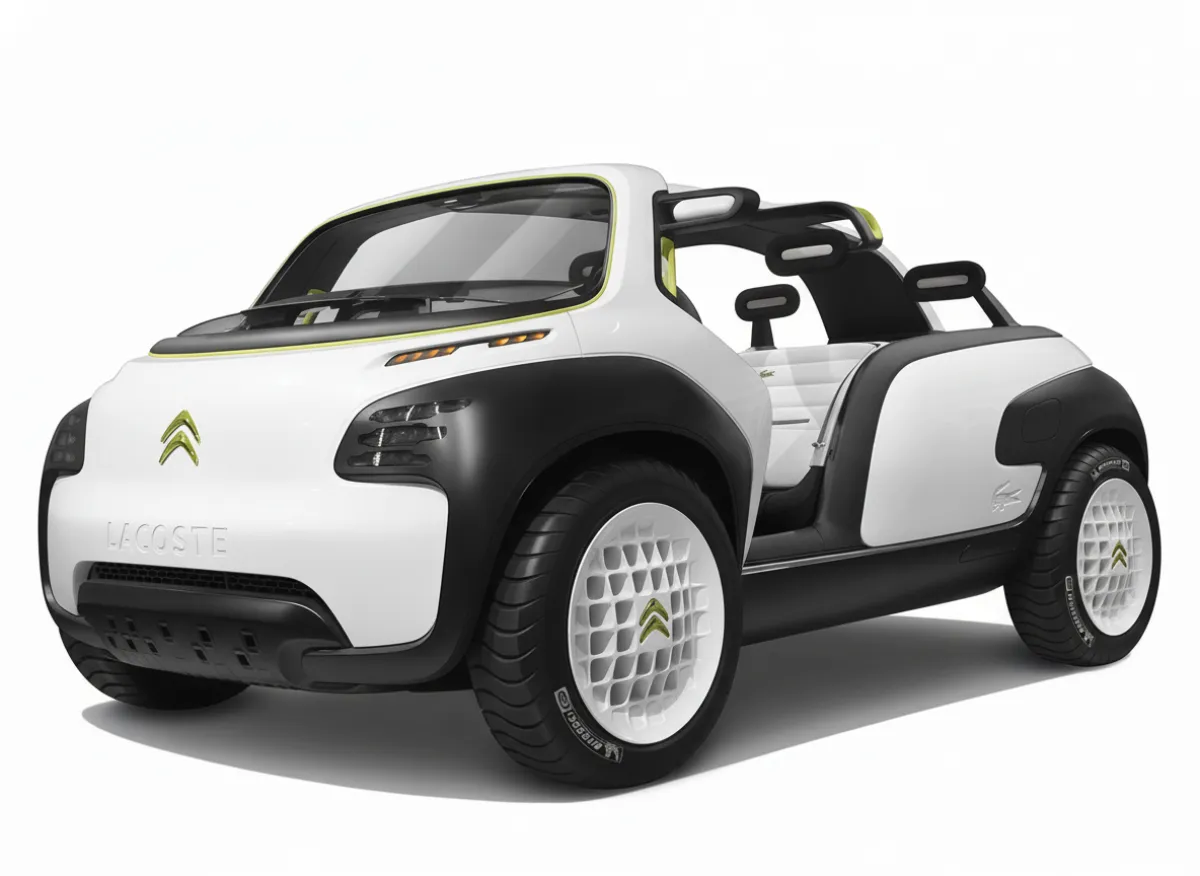
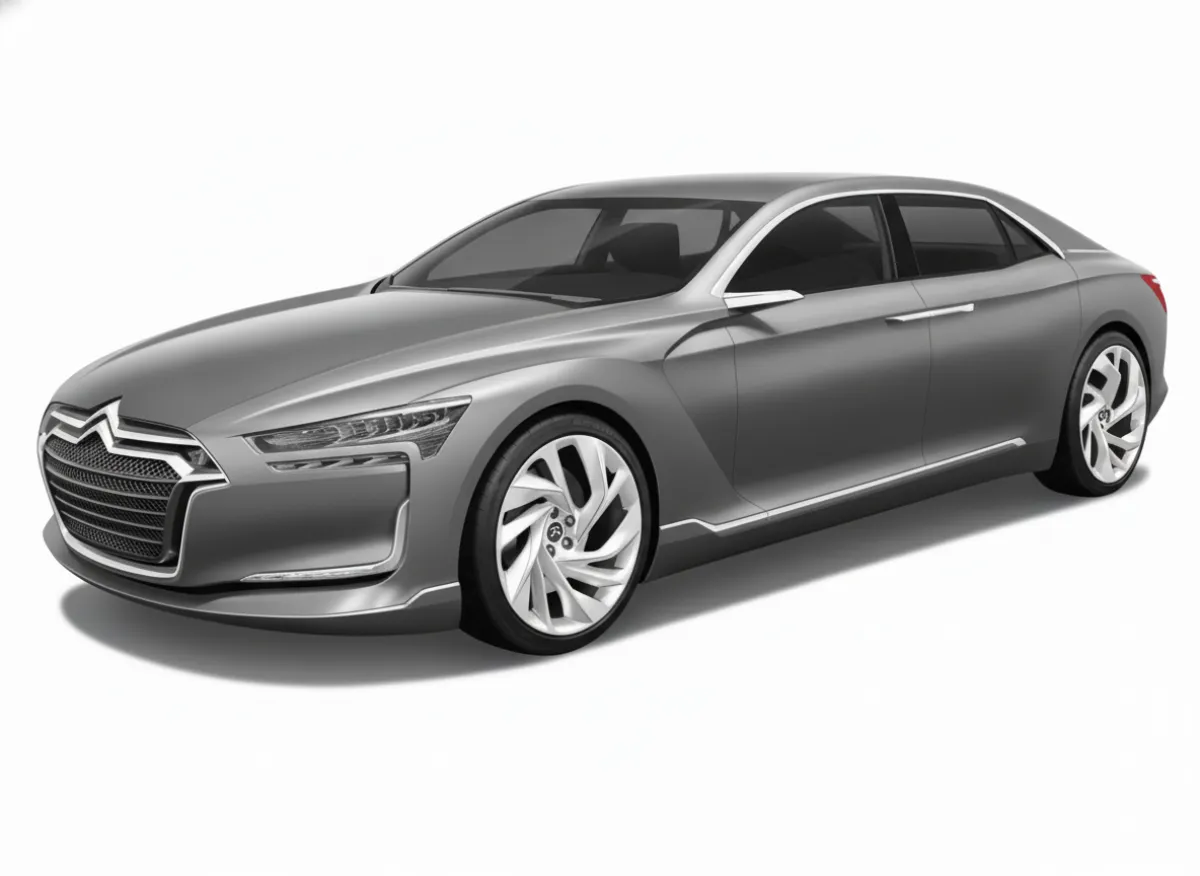
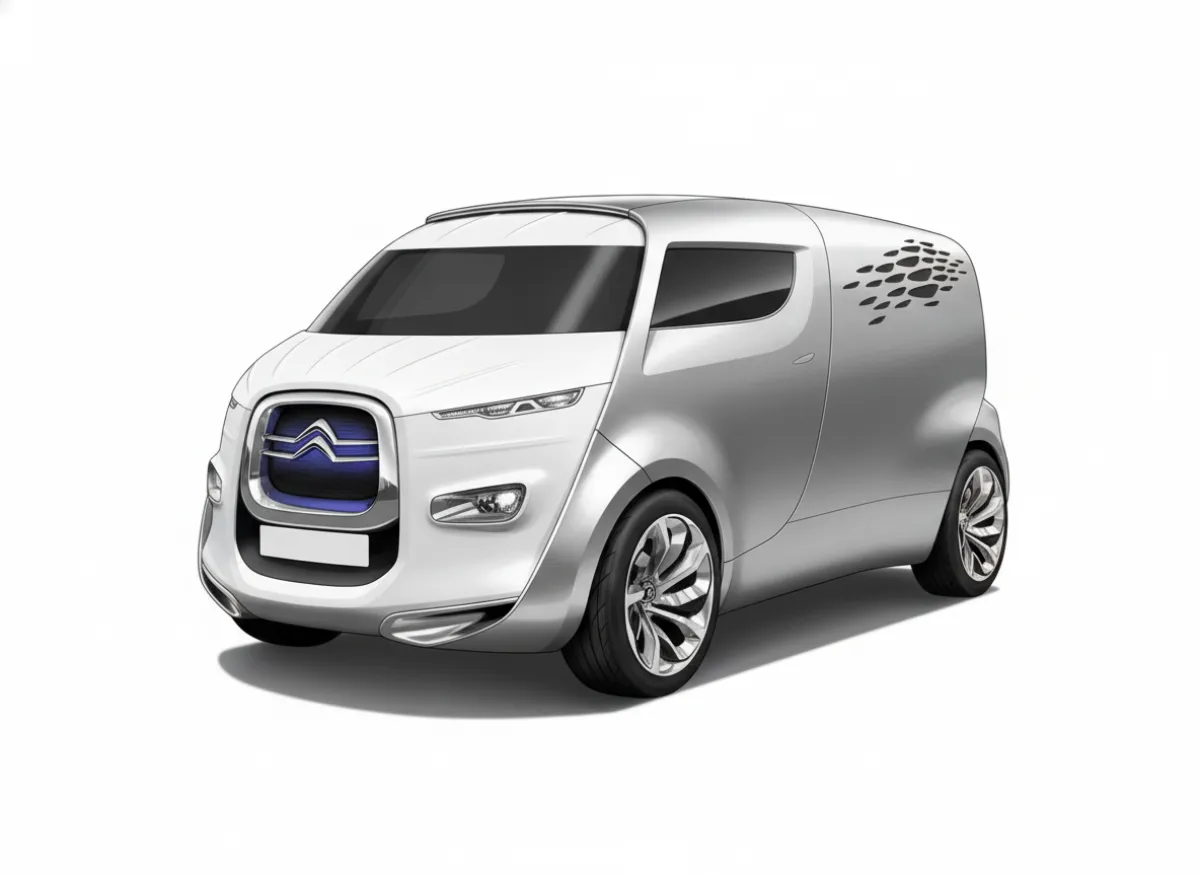
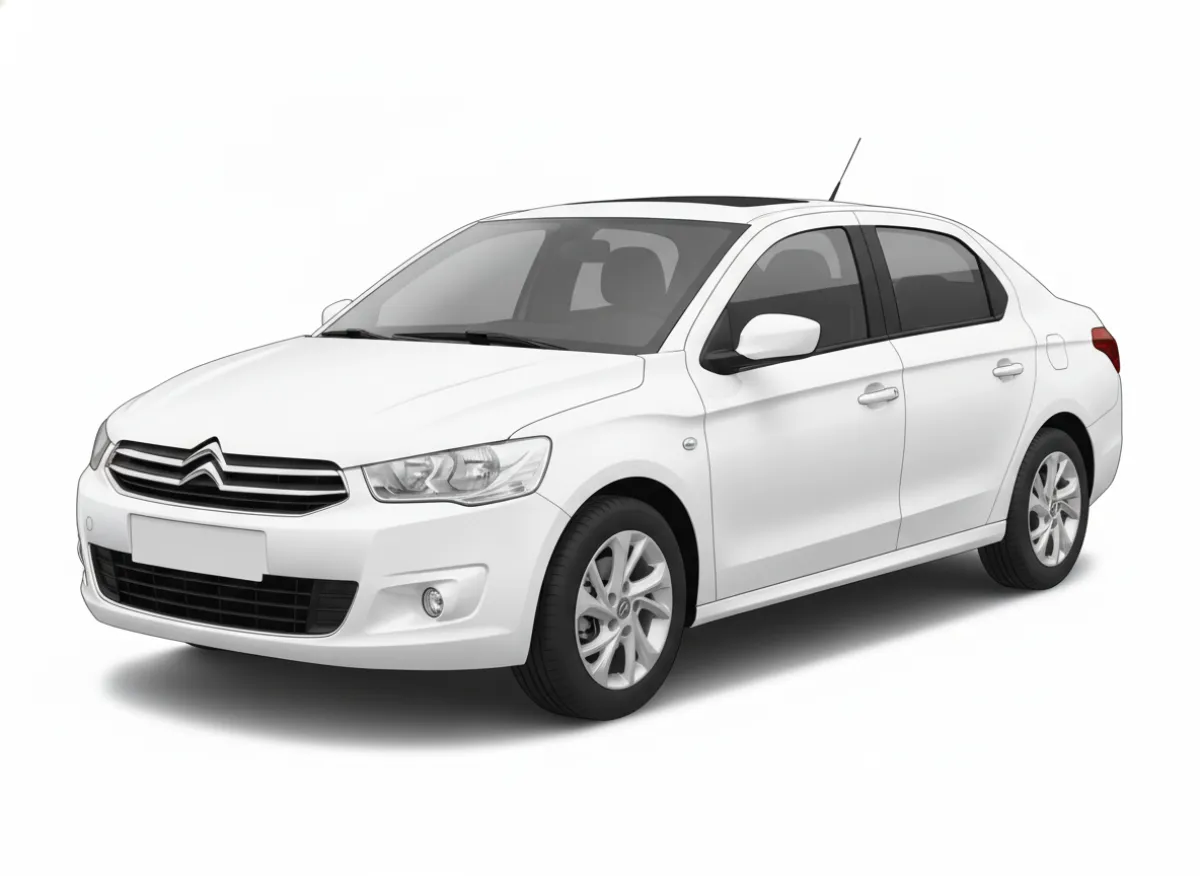
18 launched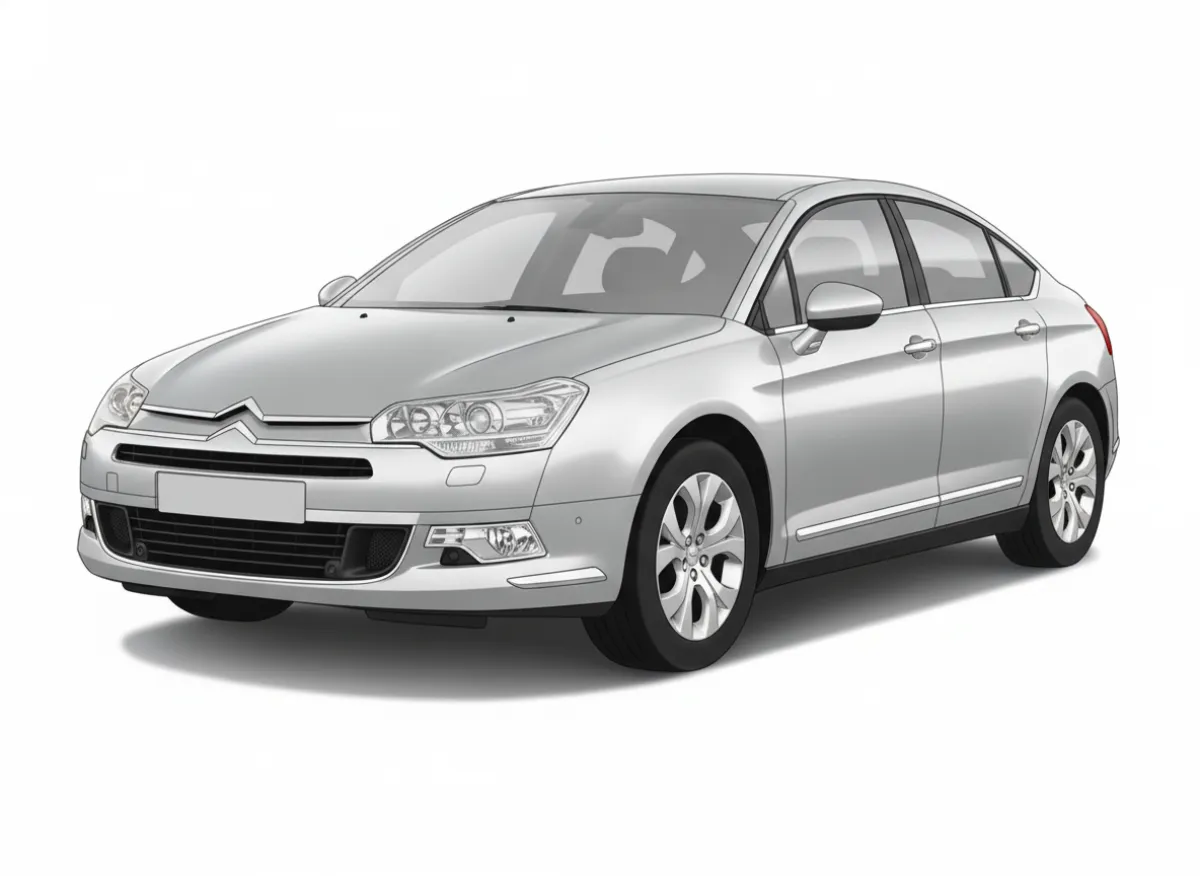
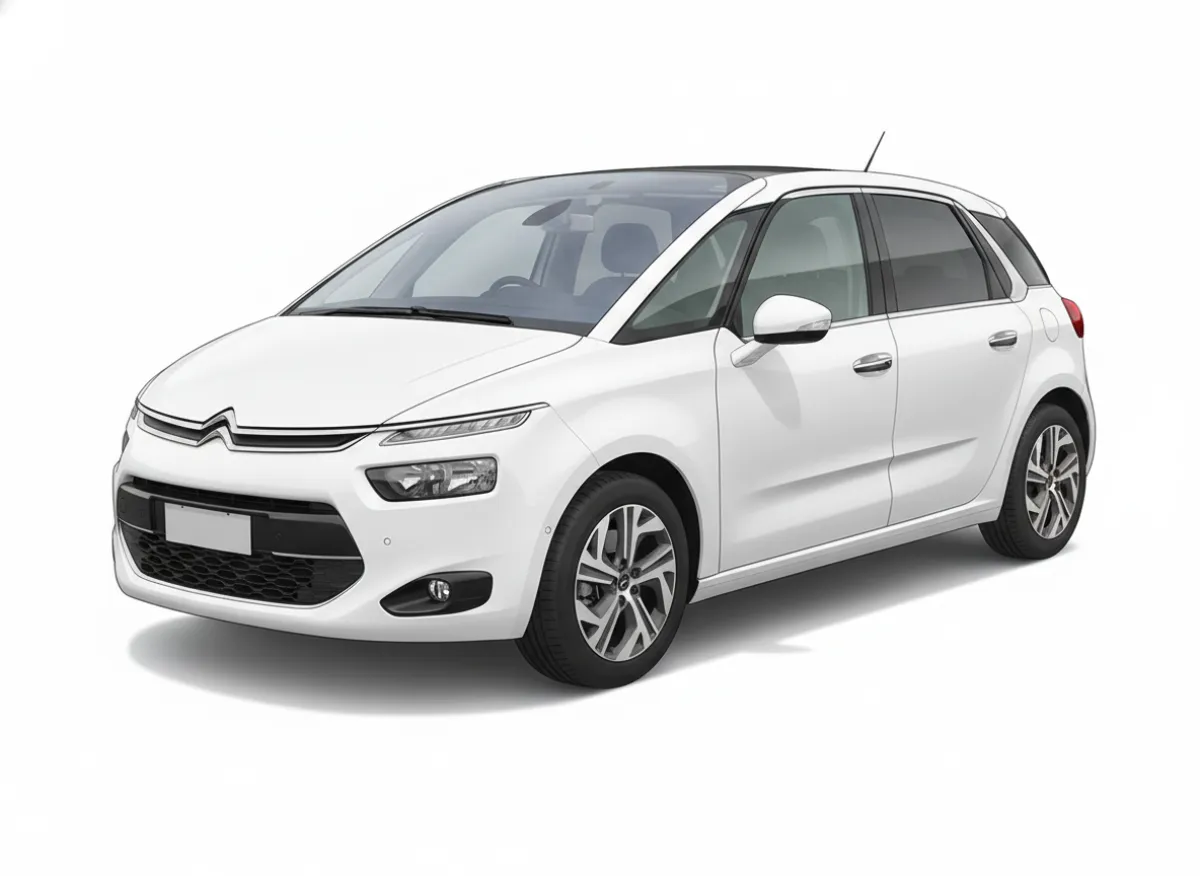
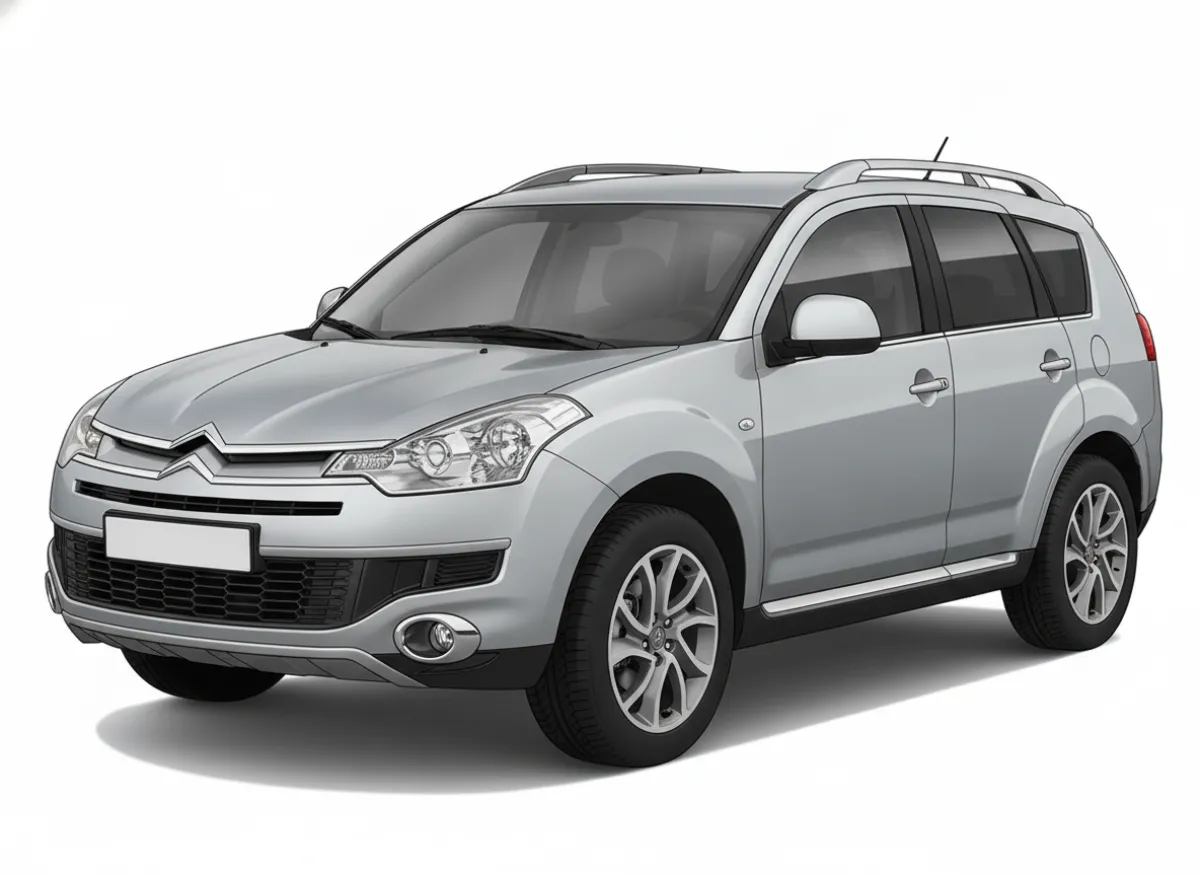
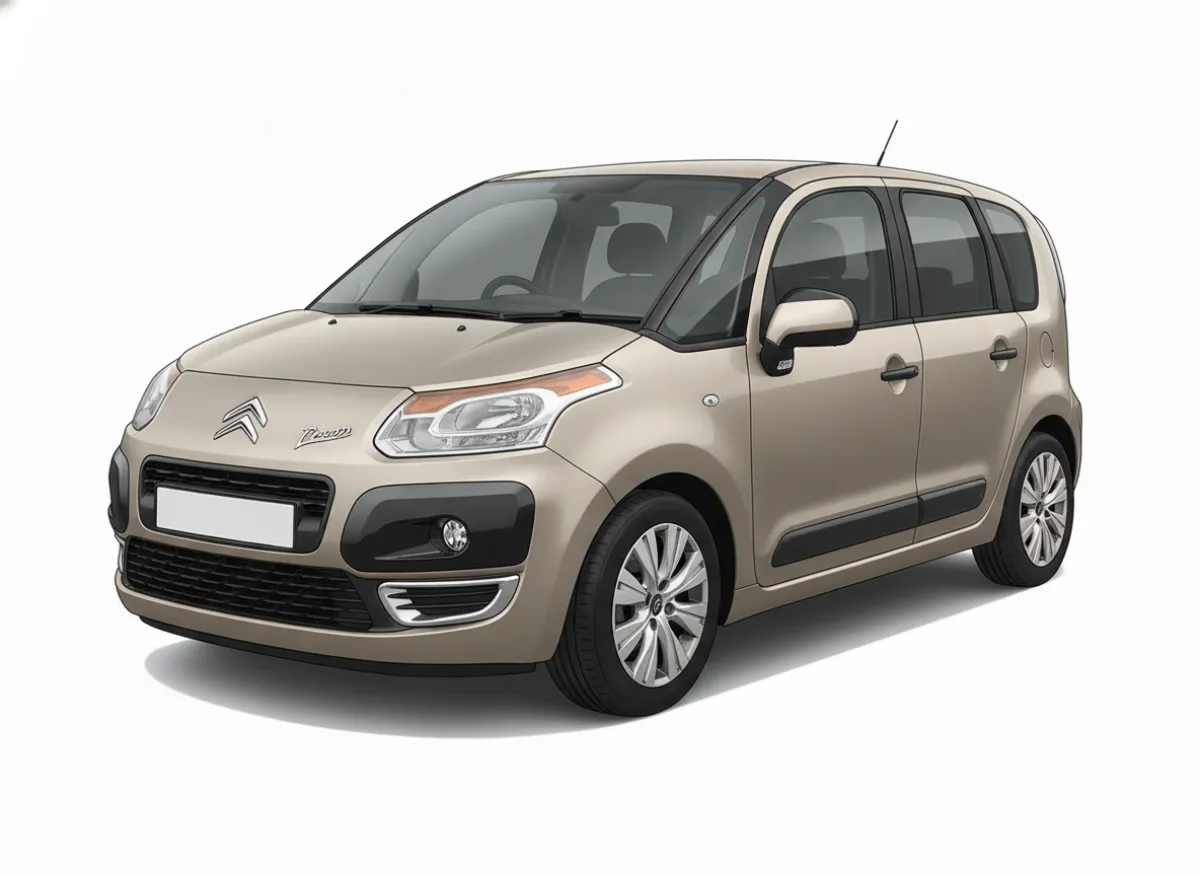
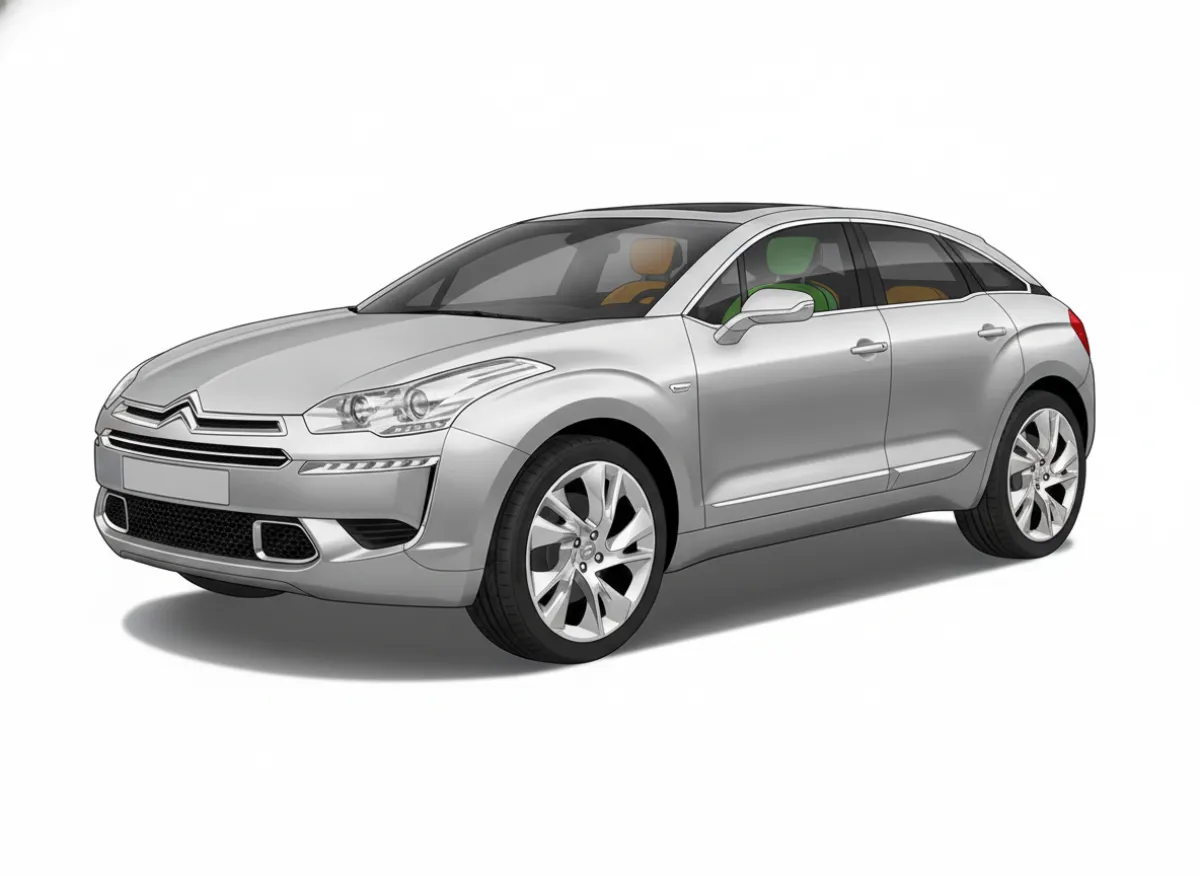
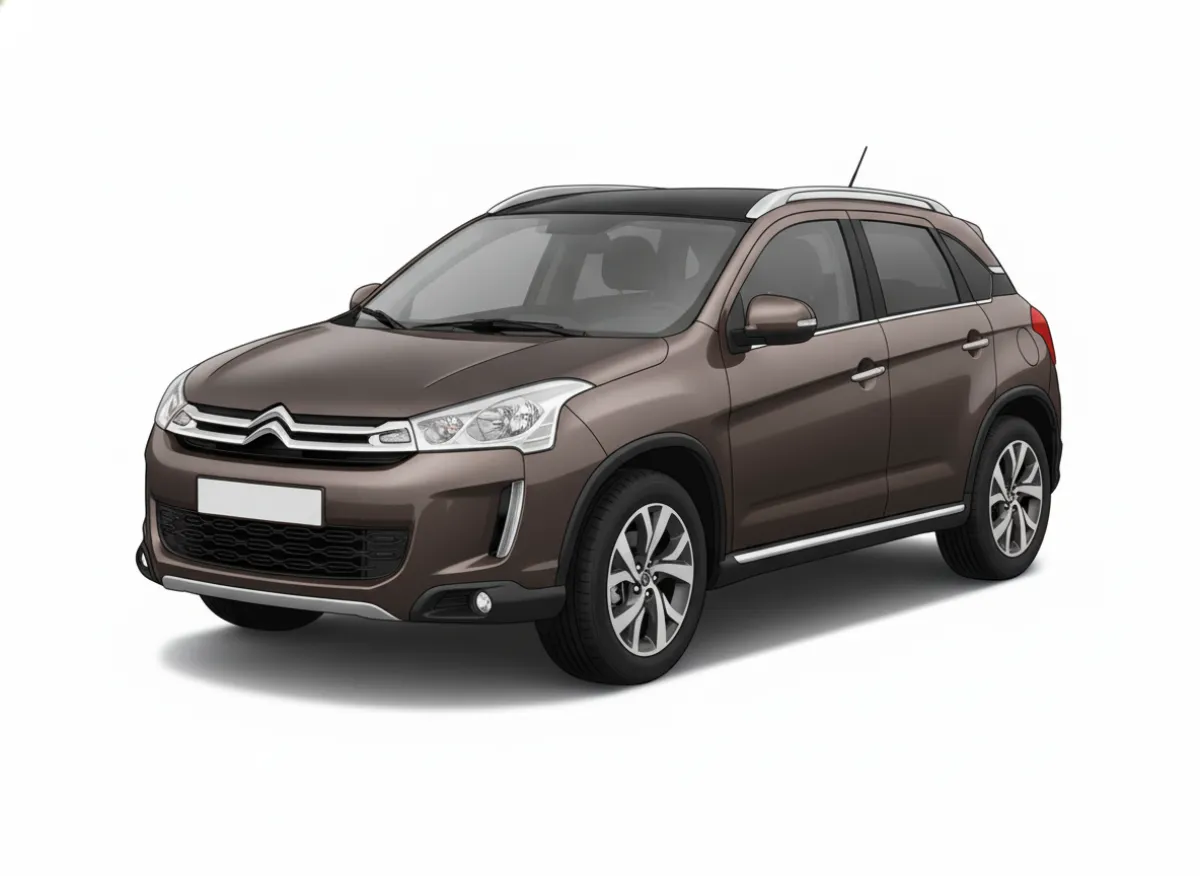
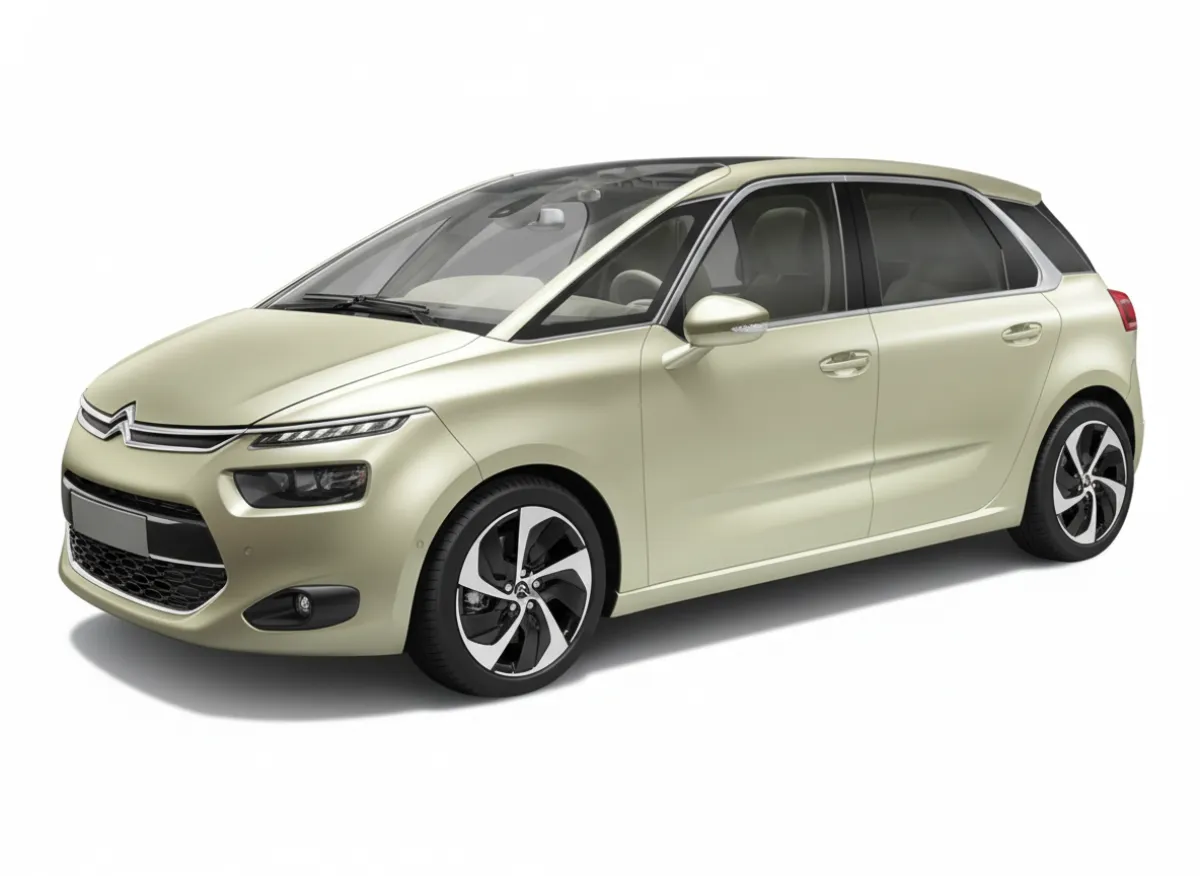
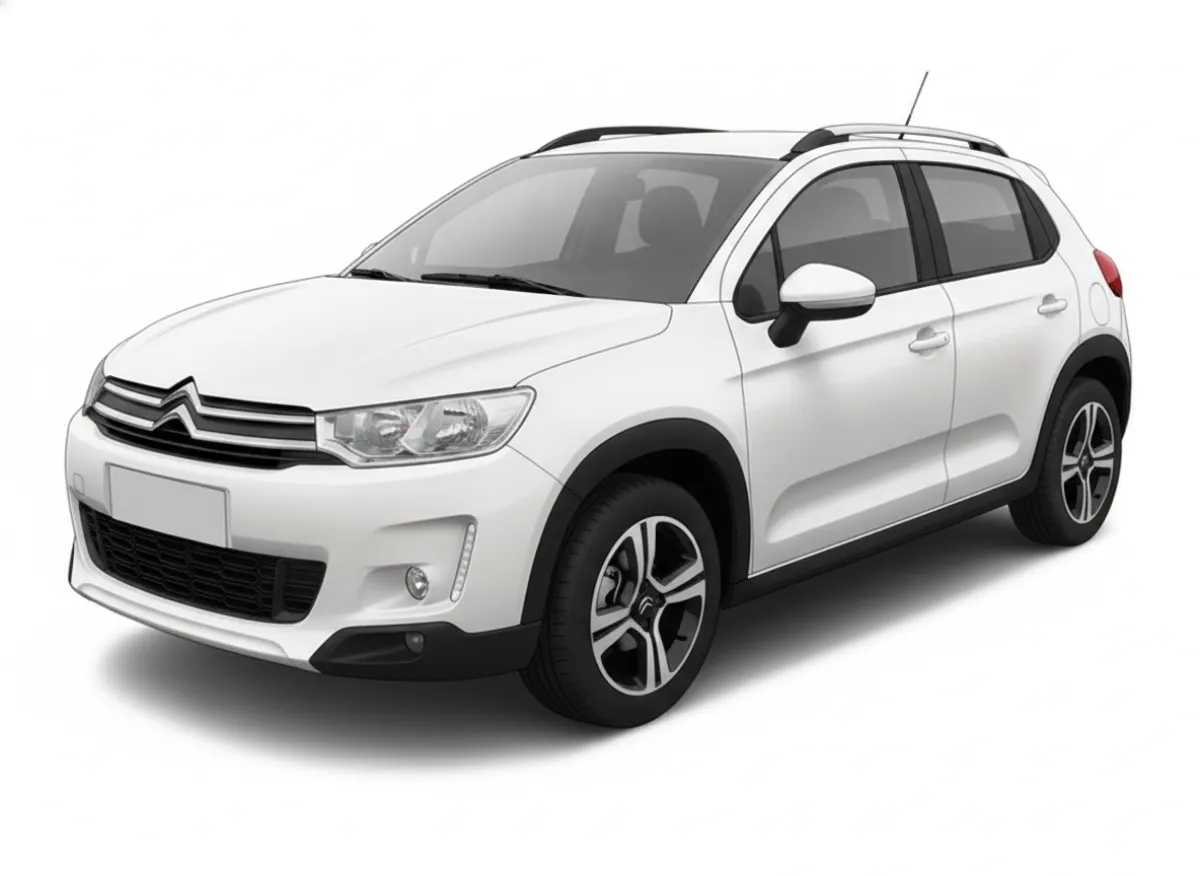
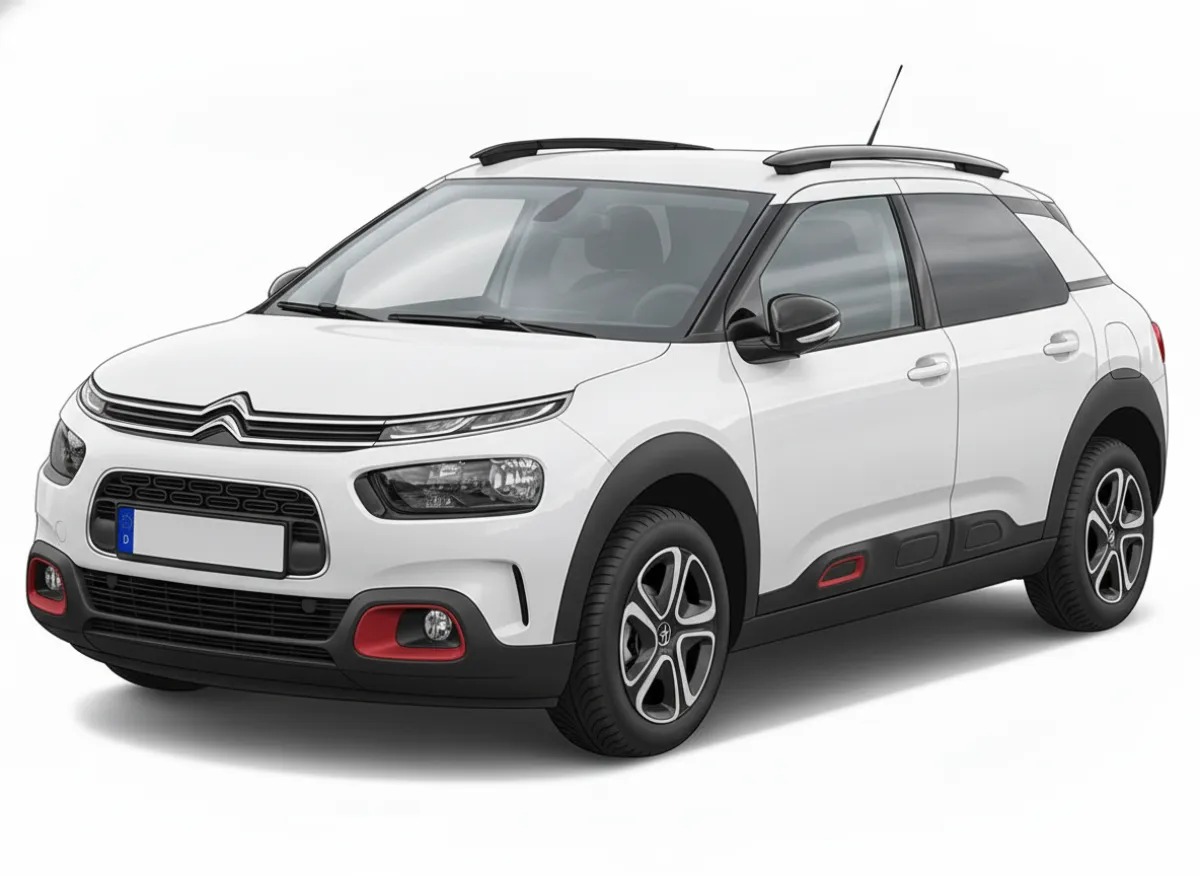
2010s
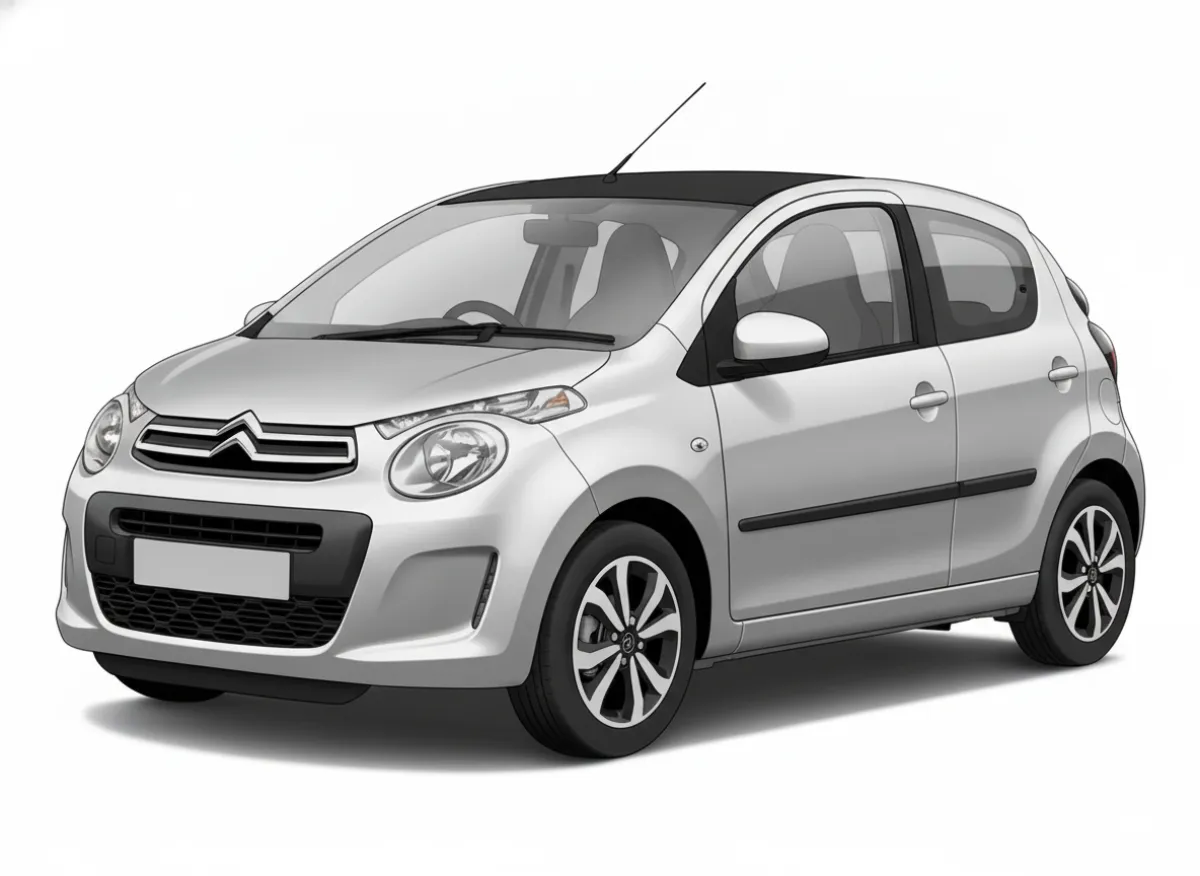
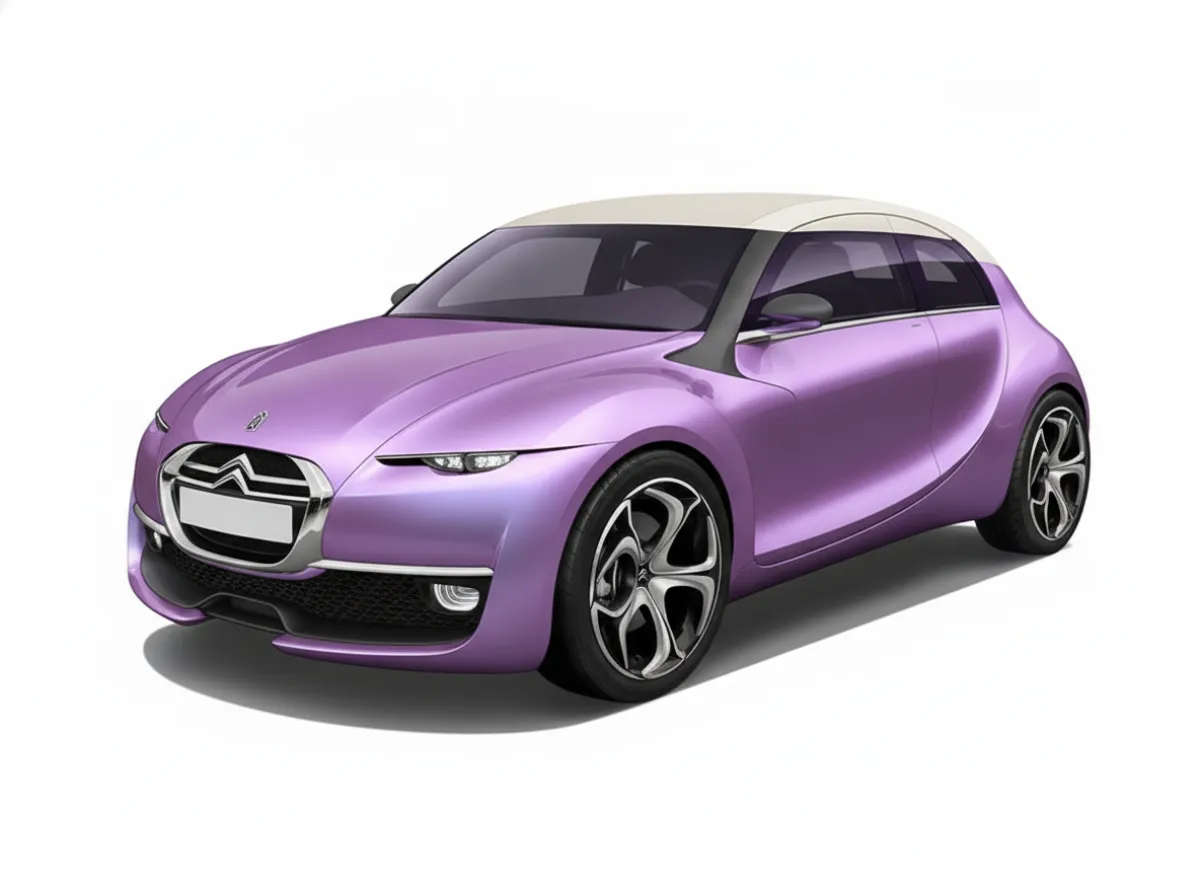
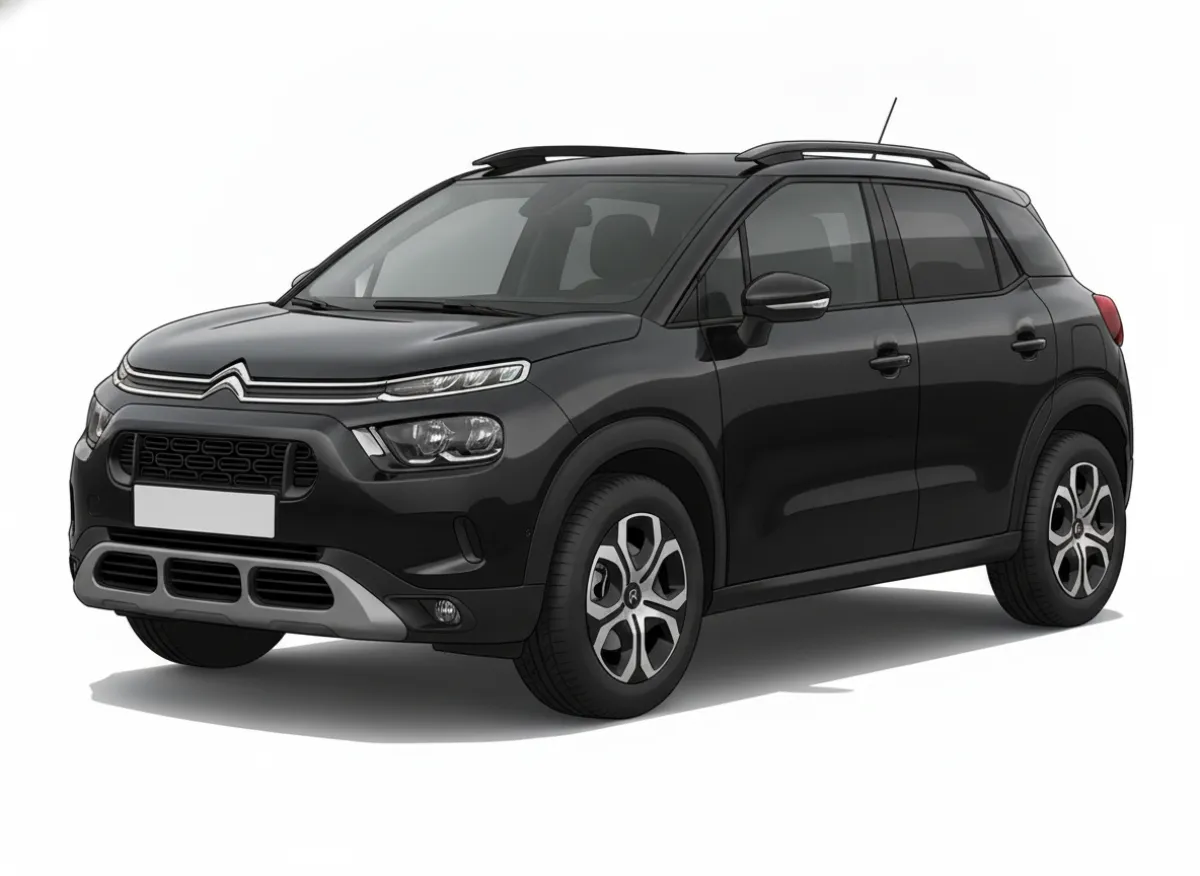
13 launched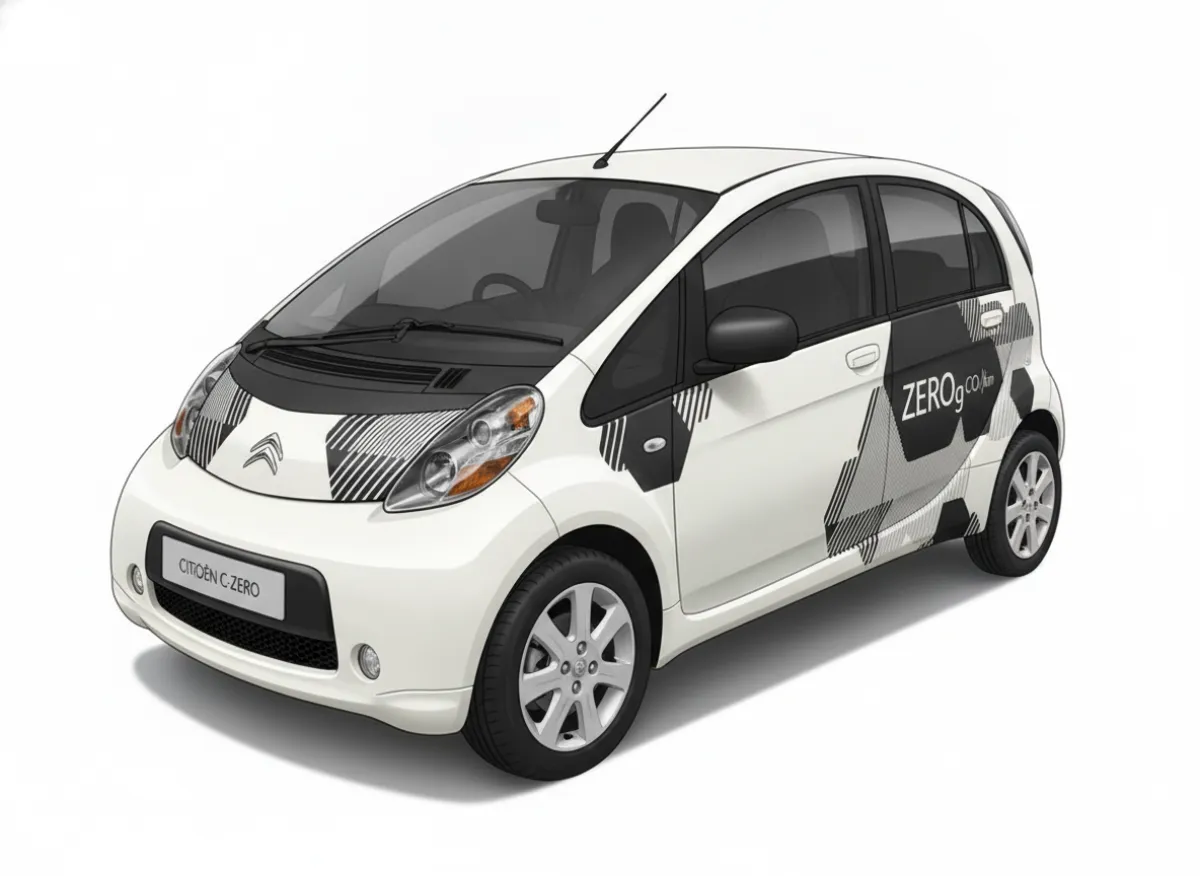
History
1919–1927
André Citroën and the Type A
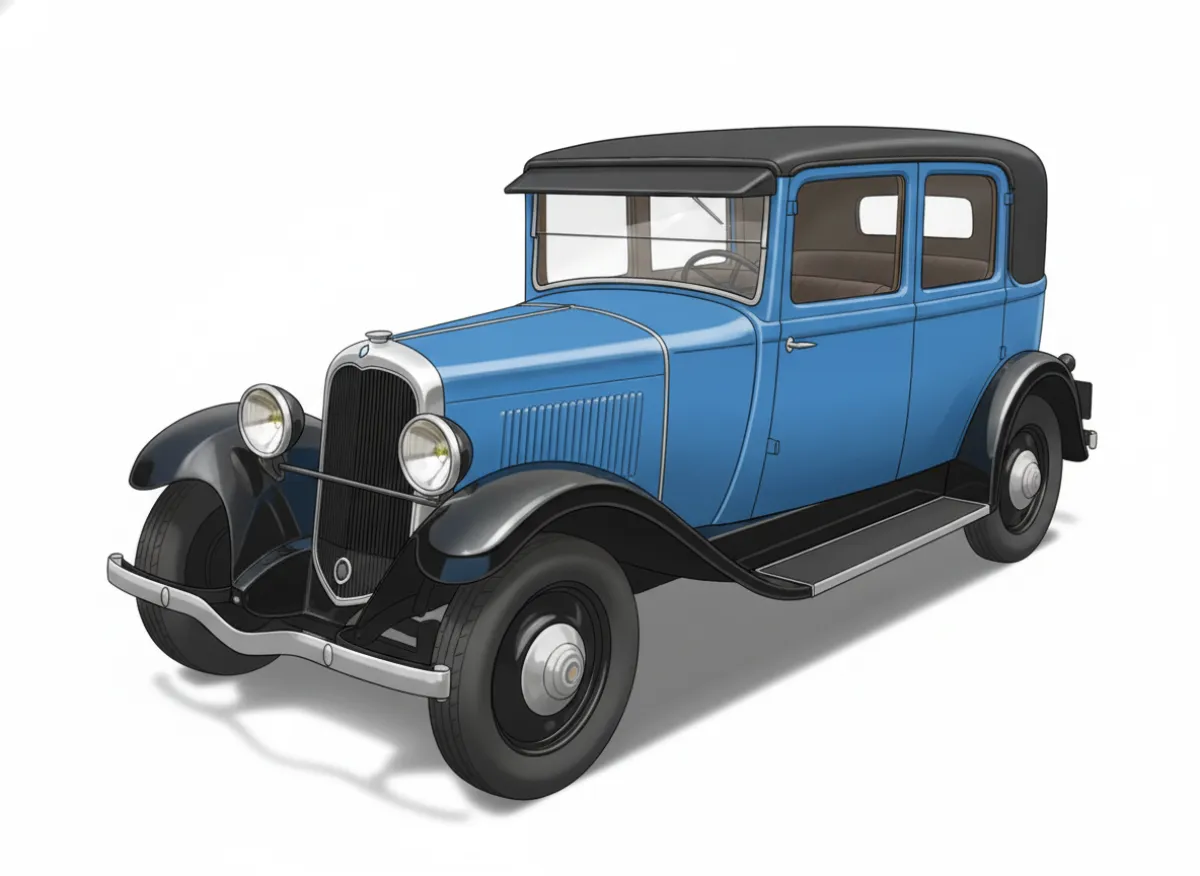
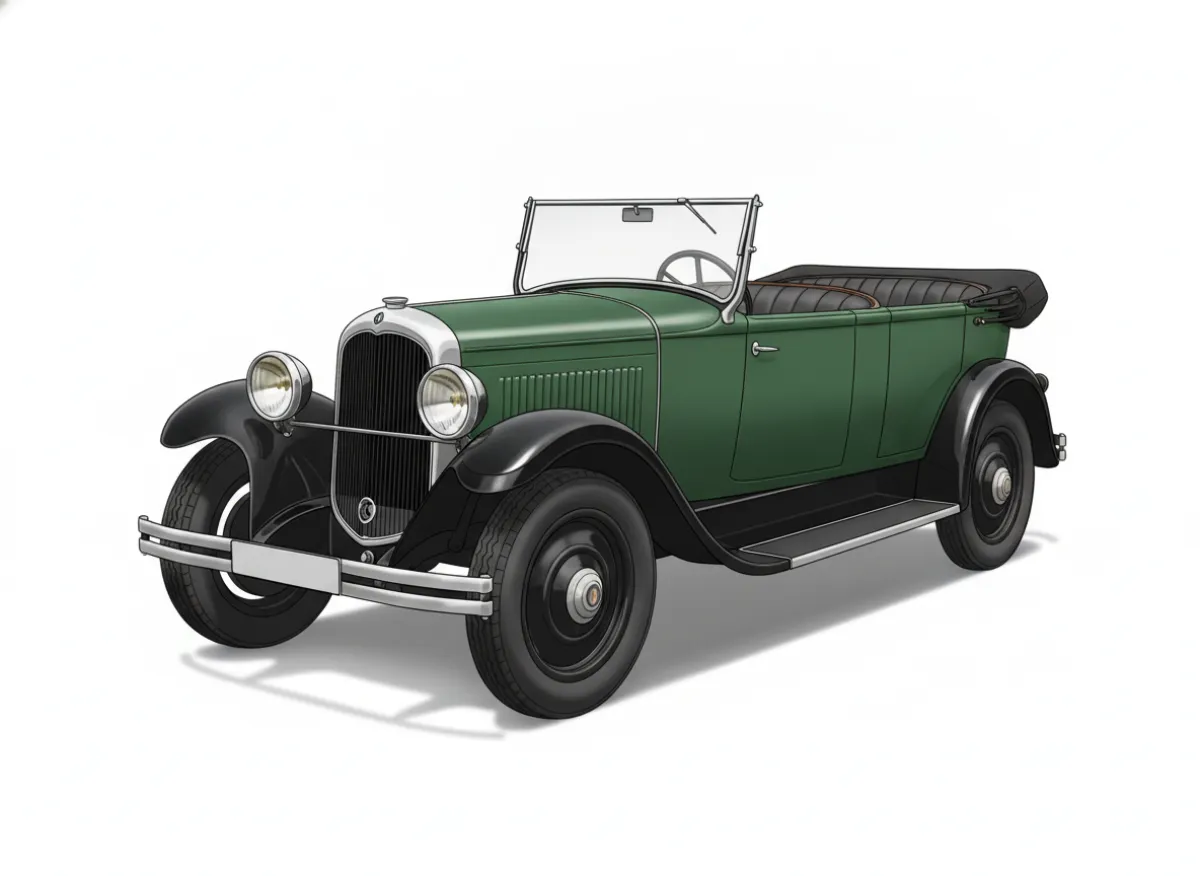
André Citroën ran a gear-making business and, during the First World War, a shell factory built in weeks in 1915 on the Quai de Javel in Paris. He converted it to car production after the war, choosing to build a light car of good quality in large numbers in the manner of Henry Ford. The Type A was announced in March 1919, the first production car left the works at the end of May, and Automobiles Citroën was founded on 4 June 1919.
Citroën was a pioneer of mass production and of publicity: a plane wrote the name across the Paris sky in 1922, and the Eiffel Tower carried a Citroën sign from 1925 to 1934. In the 1920s he negotiated a sale to General Motors, which backed away.
1928–1935
The Traction Avant and bankruptcy
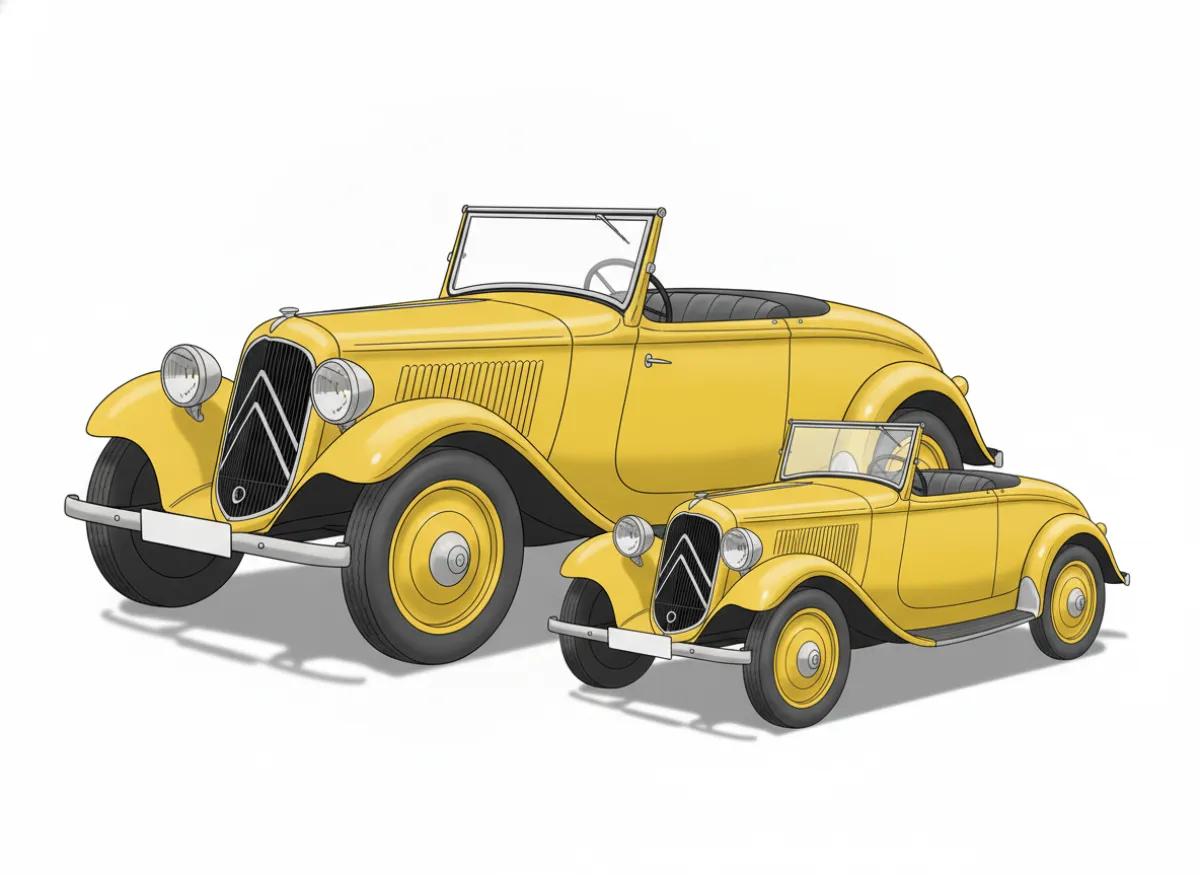
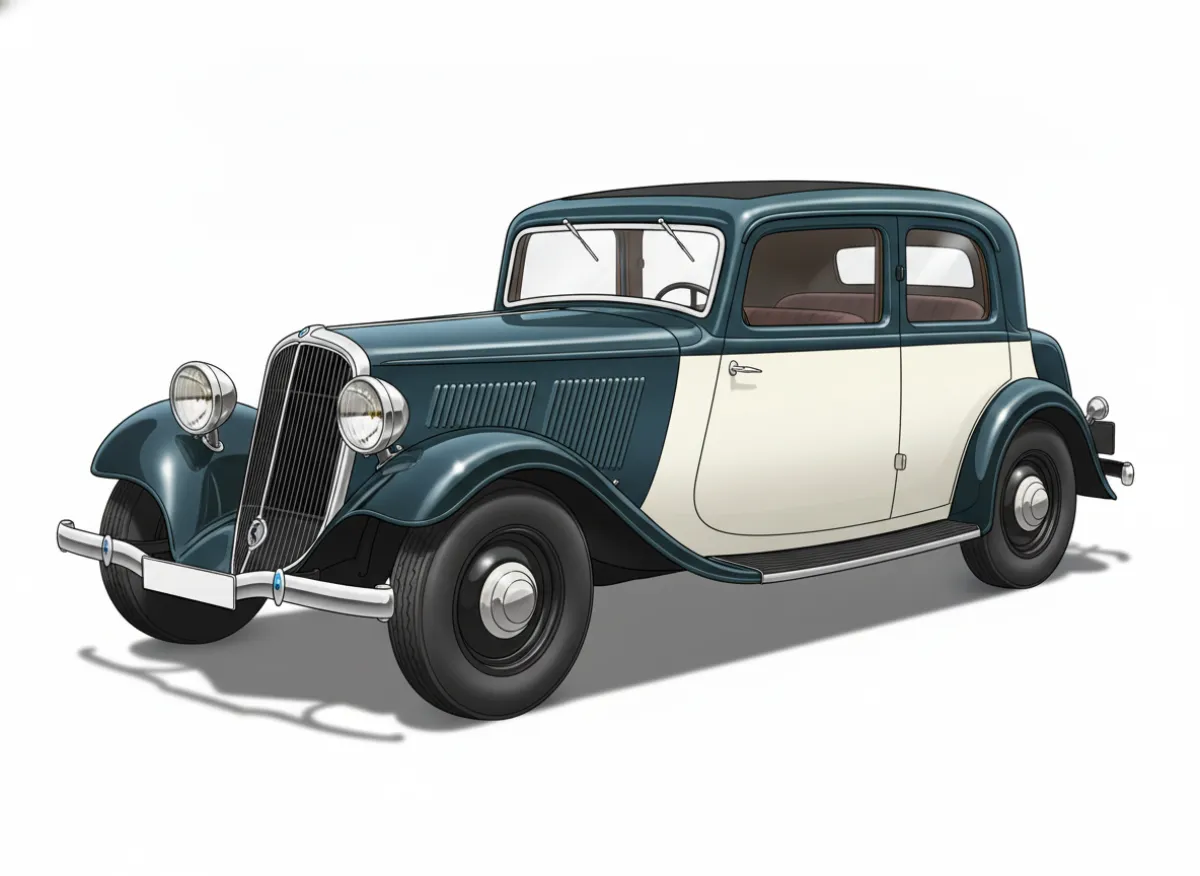
The Traction Avant of 1934 was the first mass-produced car with front-wheel drive, four-wheel independent suspension and unitary construction. Developing it while rebuilding the Javel factory in five months cost more than the company had.
Citroën was put into liquidation on 21 December 1934. Michelin, its largest creditor, took control, Pierre Michelin became chairman in 1935, and André Citroën died of stomach cancer on 3 July 1935.
1935–1967
The Michelin years: 2CV and DS
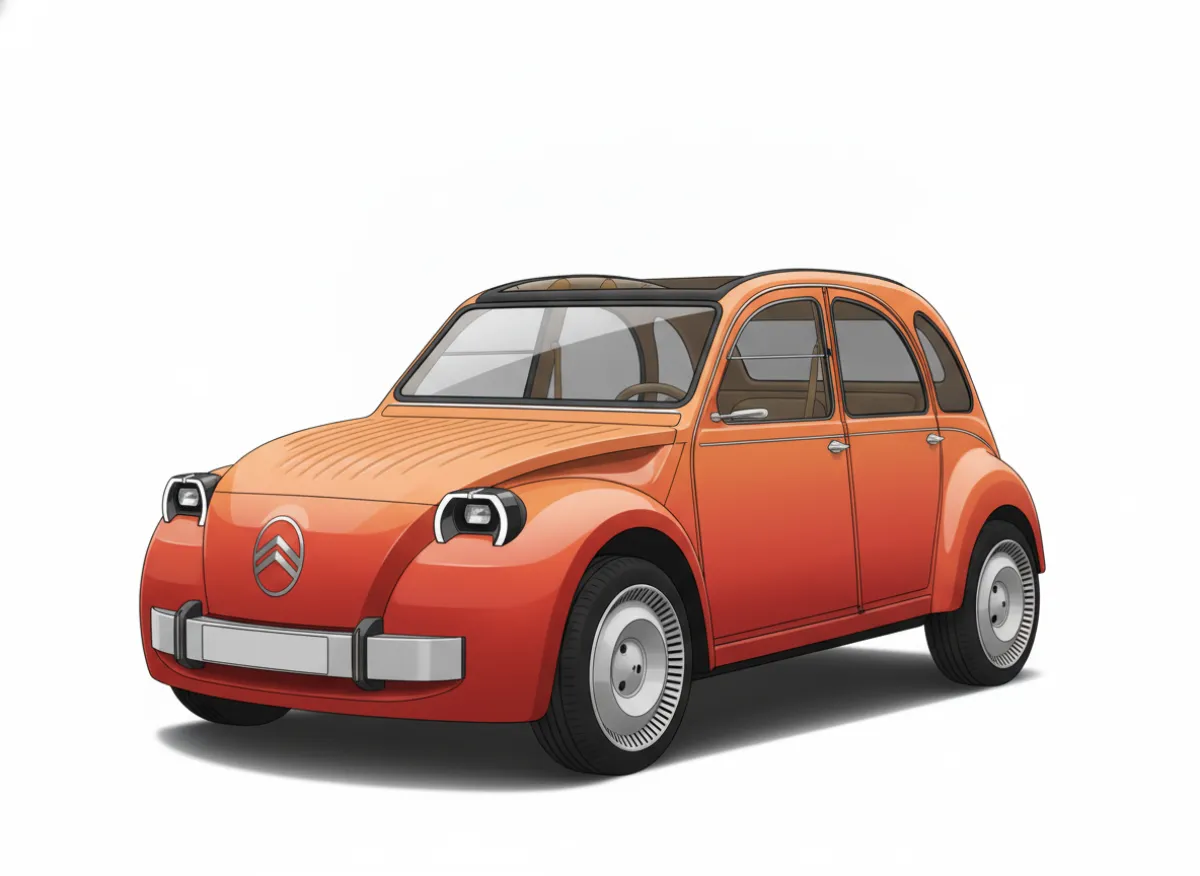
Under Pierre Michelin and, from 1937, Pierre-Jules Boulanger, the company paid down its debts and developed a car to motorise rural France. The 2CV was ready for the 1939 Paris show but the war delayed it to 1948. During the occupation Boulanger slowed truck production for the Wehrmacht.
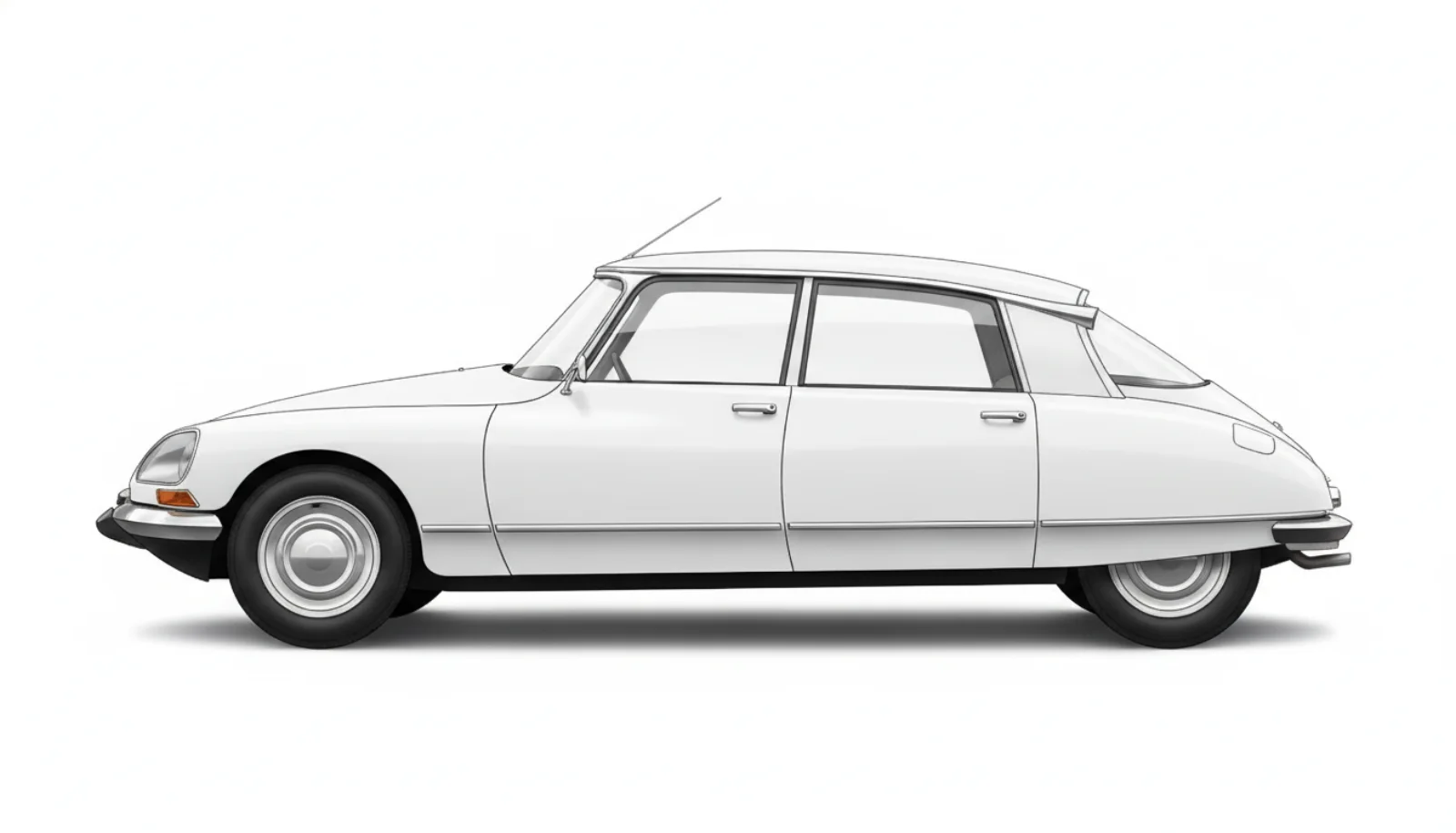
The DS of 1955, with hydropneumatic suspension, became a symbol of French engineering and was later ranked third in the Car of the Century vote. Citroën took over Panhard in 1965; Panhard stopped making cars in 1967. Talks with Peugeot on joint purchasing ran from 1963 to 1965 and failed.
1968–1974
Fiat, Maserati and the second collapse
In 1968 Citroën bought Maserati and reorganised under a holding company, Citroën SA, with Fiat taking a minority position alongside Michelin through the PARDEVI holding company. The Maserati-engined SM, the GS (production of 601,918 Citroëns in 1972 lifted the firm past Peugeot into second place in France) and the CX followed.
The cost of so many new models, the failed Comotor rotary-engine venture and the 1973 oil crisis broke the company. Fiat sold its stake back to Michelin in 1973, the French government blocked a sale to Fiat, and Citroën went bankrupt again in 1974. It withdrew from North America the same year.
1974–2014
PSA Peugeot Citroën
The government pushed Peugeot to take over. Peugeot SA bought 38.2% of Citroën in December 1974 and raised its stake to 89.95% on 9 April 1976, forming PSA Peugeot Citroën; Maserati went to De Tomaso and Berliet to Renault. The GS, CX, 2CV and the Peugeot-based Visa sold well into the late 1970s.
Under PSA, Citroëns became steadily more like Peugeots, sharing engines and platforms from the 1982 BX onward, though hydropneumatic suspension survived into the 2010s. A Chinese joint venture with Dongfeng began building cars in 1994. Worldwide sales peaked at about 1.46 million in 2010.
2014–now
DS, Stellantis and a cheaper Citroën
After PSA's near-collapse in 2014 and its rescue by Dongfeng, DS was split off as a separate premium brand. Citroën's sales fell from about 1.18 million in 2014 to under a million by 2019 and about 717,000 in the pandemic year 2020. Linda Jackson ran the brand from 2014 to 2020 and Vincent Cobée from 2020 to 2023.
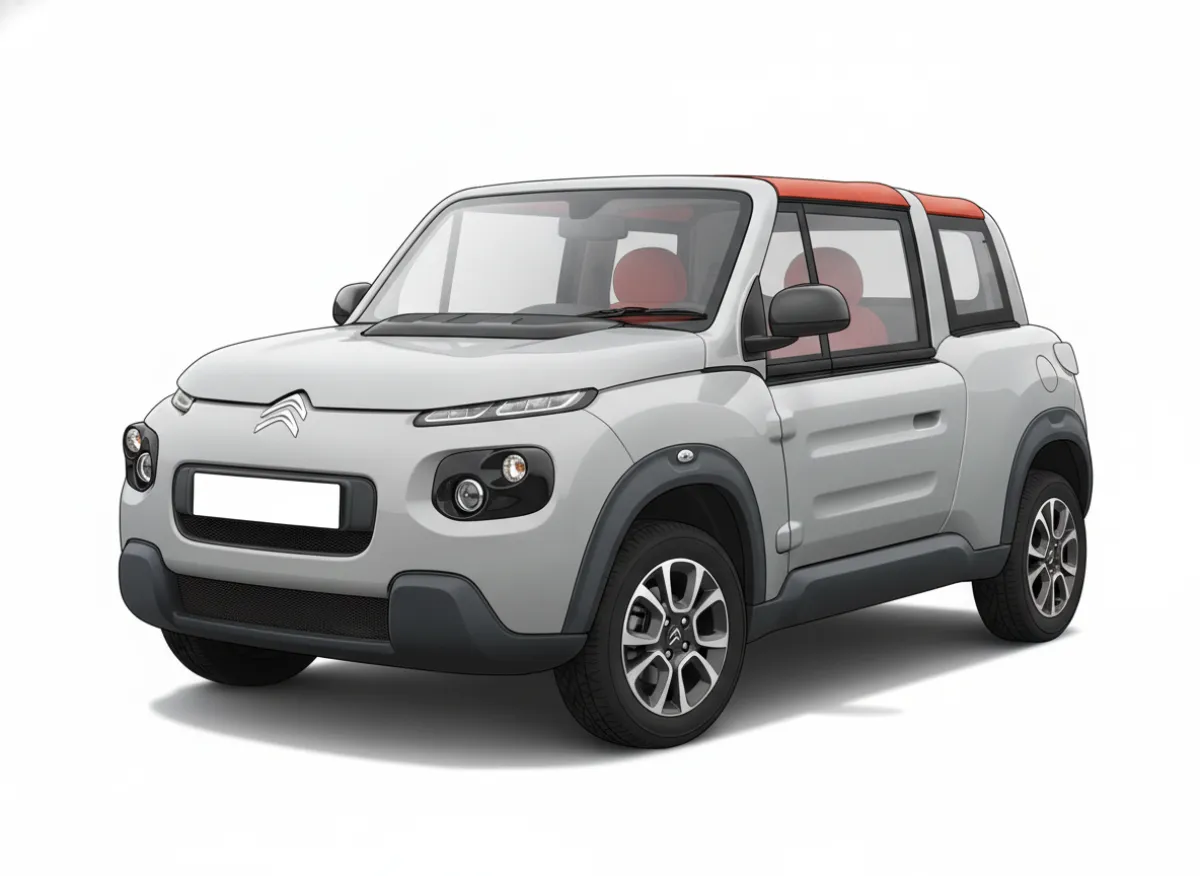
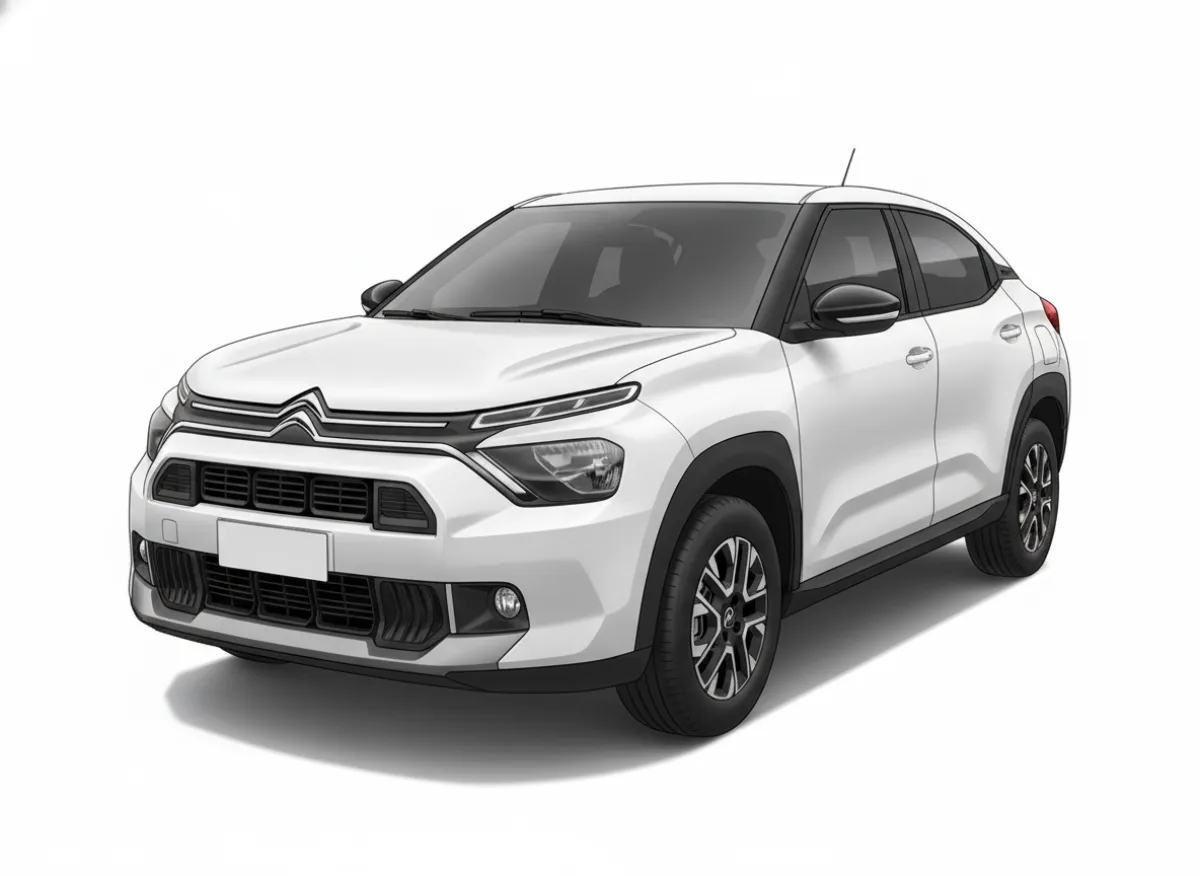
PSA merged with Fiat Chrysler in January 2021 to form Stellantis. Under Thierry Koskas, chief executive from February 2023, Citroën repositioned itself as an affordable brand, with the electric ë-C3 in 2024. Xavier Chardon took over in May 2025.
Milestones
- 1915
André Citroën builds a shell factory on the Quai de Javel, Paris.
- 1919
Type A announced (March); Automobiles Citroën founded (4 June).
- 1922
Skywriting stunt over the Paris motor show (4 October).
- 1925
The Eiffel Tower carries an illuminated Citroën sign (until 1934).
- 1934
Traction Avant launched; Citroën placed in liquidation (21 December) and Michelin takes control.
- 1935
Pierre Michelin becomes chairman; André Citroën dies (3 July).
- 1948
2CV launched.
- 1955
DS launched.
- 1965
Citroën takes over Panhard.
- 1968
Citroën buys Maserati; Fiat becomes a minority partner.
- 1970
SM and GS launched.
- 1973
Fiat sells its stake back to Michelin.
- 1974
Citroën goes bankrupt; withdraws from North America; Peugeot takes 38.2% (December).
- 1976
Peugeot raises its stake to 89.95% (9 April), forming PSA Peugeot Citroën.
- 1994
Dongfeng Peugeot-Citroën begins building cars in China.
- 2010
Worldwide sales peak at about 1.46 million.
- 2021
PSA merges with FCA to form Stellantis.
- 2024
Electric ë-C3 launched.